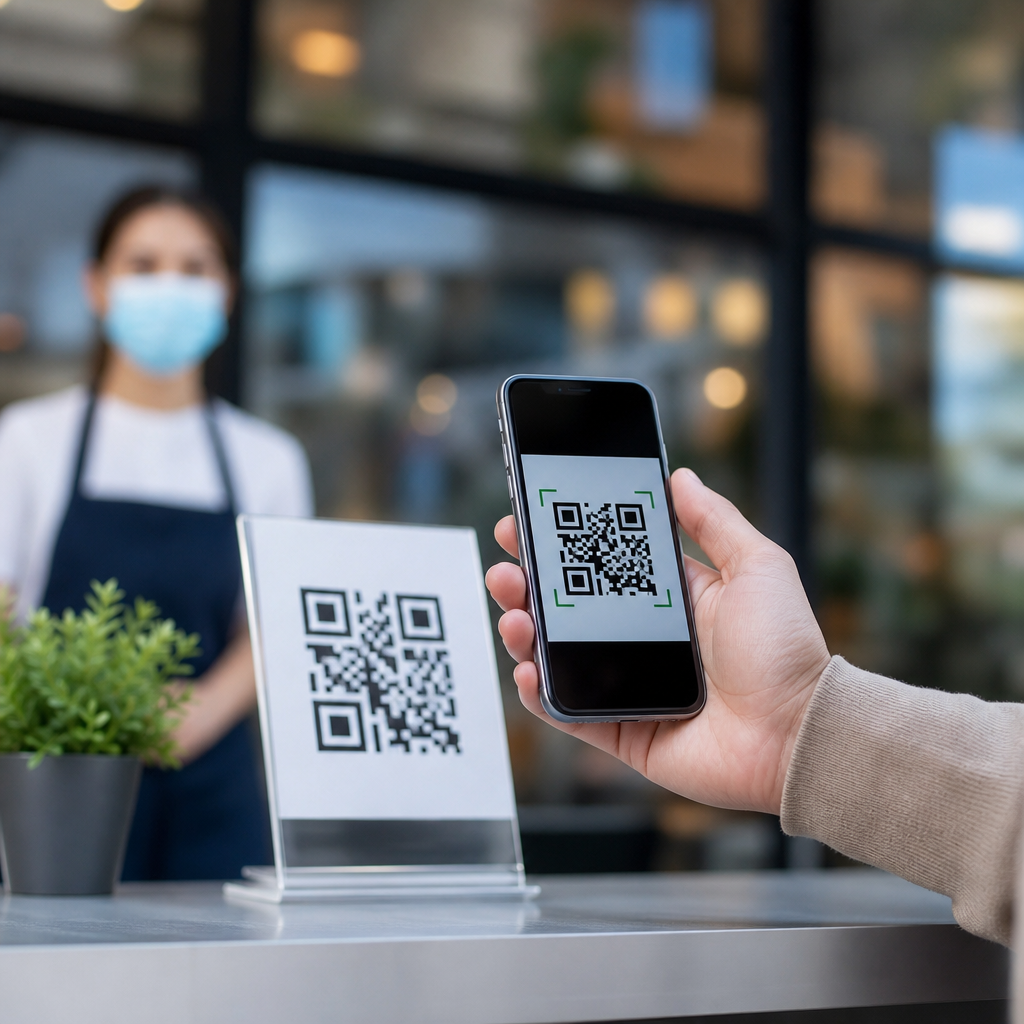
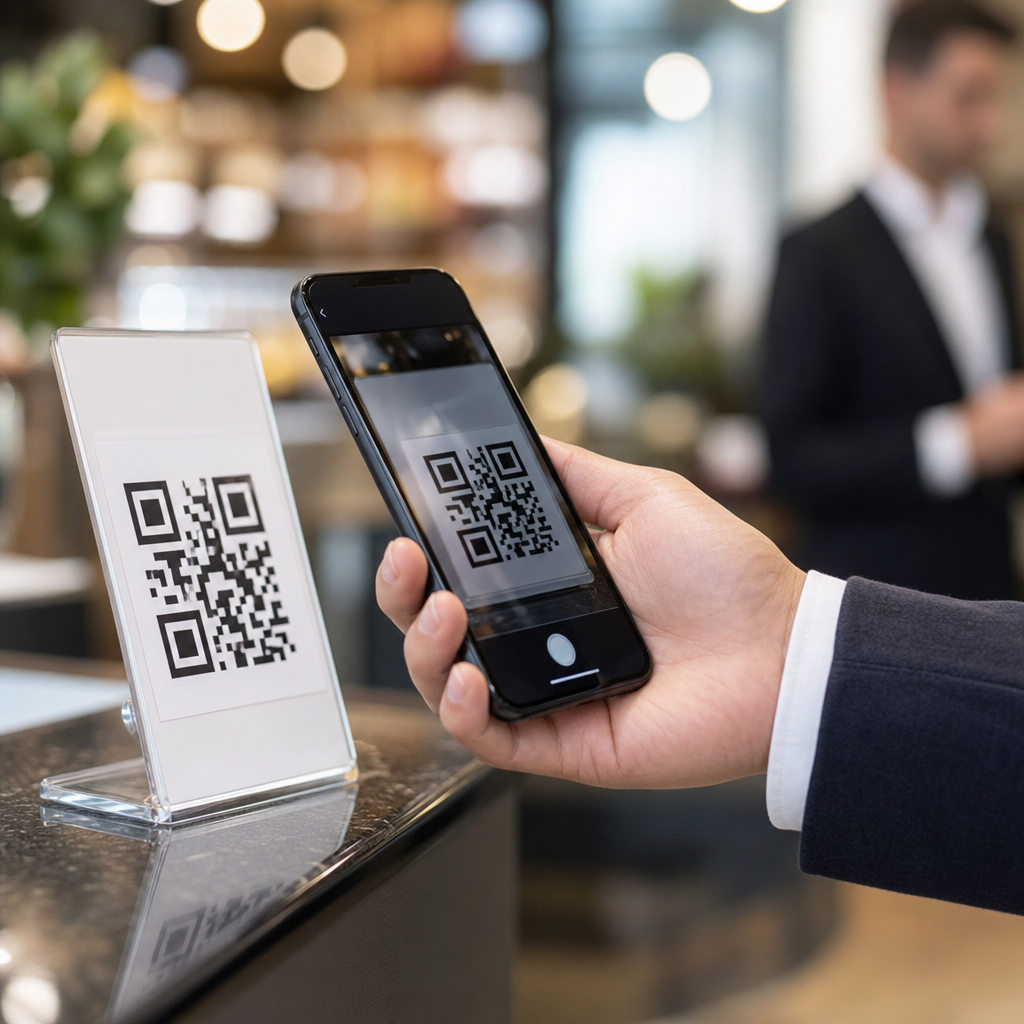
Why businesses are using QR codes more than ever comes down to a simple reality: they connect physical spaces to digital actions faster than any other widely adopted tool. A QR code, short for Quick Response code, is a two-dimensional barcode that stores information such as a URL, payment request, contact card, product data, or app action. Unlike traditional barcodes, which usually hold limited numeric data in one direction, QR codes store data both horizontally and vertically, allowing far greater capacity and better error correction. I have used them in retail displays, restaurant menus, event check-ins, direct mail, and packaging, and the pattern is consistent: when the destination is useful and the scan experience is frictionless, response rates improve.
The renewed interest in QR codes is not a fad. It reflects changes in smartphone behavior, payments, customer expectations, and operational efficiency. Modern phone cameras can scan codes natively on iPhone and Android devices, eliminating the old barrier of needing a separate app. That shift alone turned QR codes from a niche tool into mainstream infrastructure. During the pandemic, contactless interactions accelerated adoption, but usage stayed high because businesses discovered broader value. A printed code can move a customer from a shelf tag to a product video, from a window sign to a booking form, or from a receipt to a loyalty program in seconds.
For businesses, QR codes matter because they reduce friction, lower printing costs, support measurable campaigns, and work across industries. For customers, they are familiar, fast, and increasingly expected. This article serves as a hub for understanding what QR codes are, how they work, why businesses rely on them, and where they deliver the strongest results. If you are building a foundation in QR code basics, start here.
What Are QR Codes and How Do They Work?
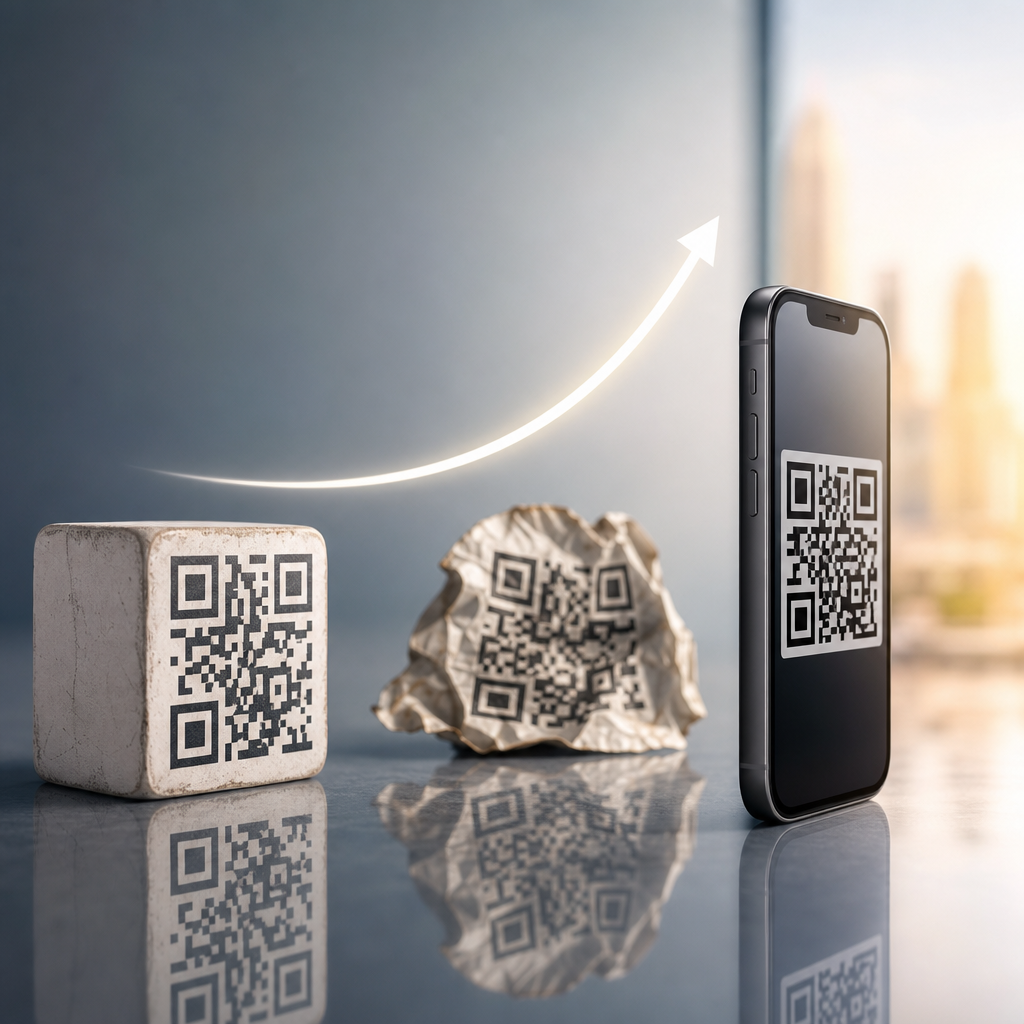
A QR code is a machine-readable matrix of black squares and white space designed to be scanned by an optical device, usually a smartphone camera. It was invented in 1994 by Denso Wave, a Japanese company, to track automotive components more efficiently than one-dimensional barcodes. The design includes three large position markers in the corners so scanners can identify orientation instantly, plus timing patterns, alignment patterns, and data modules that carry the encoded information. Reed-Solomon error correction allows the code to remain readable even if part of it is smudged, curved, or partially covered.
In plain terms, the code is a shortcut. Instead of typing a long web address, entering Wi-Fi credentials, or manually saving contact information, the user scans and lands directly on the intended action. Depending on the payload, a QR code can open a website, prefill a text message, launch a map destination, add an event to a calendar, start a phone call, download a vCard, or trigger a payment workflow. Static QR codes contain fixed information that cannot be changed after creation. Dynamic QR codes point to a short redirect URL, which means the destination can be edited later and scans can be tracked by time, location, and device type.
That distinction between static and dynamic matters in real business use. If a restaurant prints table tents with static menu links and later changes platforms, every code becomes obsolete. With a dynamic code, the printed asset stays the same while the destination updates behind the scenes. In campaigns I have managed, dynamic codes also made A/B testing practical. We could test two landing pages on identical in-store posters, compare conversion rates, then switch all traffic to the better-performing page without reprinting materials.
Why Businesses Are Increasing QR Code Adoption
Businesses are using QR codes more because the technology now aligns with customer behavior and operational needs. First, smartphone penetration is high, and built-in scanning has normalized usage. Second, consumers are comfortable moving between offline and online touchpoints. A person sees a sign, scans, reads reviews, and completes a purchase on the same device. Third, QR codes are cheap to deploy. A code can be printed on packaging, menus, receipts, posters, trade show booths, invoices, product labels, and storefront windows at almost no marginal cost.
There is also a strong measurement advantage. Traditional print advertising often struggles with attribution, but QR codes create trackable paths. A local gym can place one code on a bus shelter and another on direct mail, then compare membership sign-ups by source. A manufacturer can print separate codes on packaging for setup guides, warranty registration, and support, learning which customer needs occur most often after purchase. These are concrete operational gains, not just marketing conveniences.
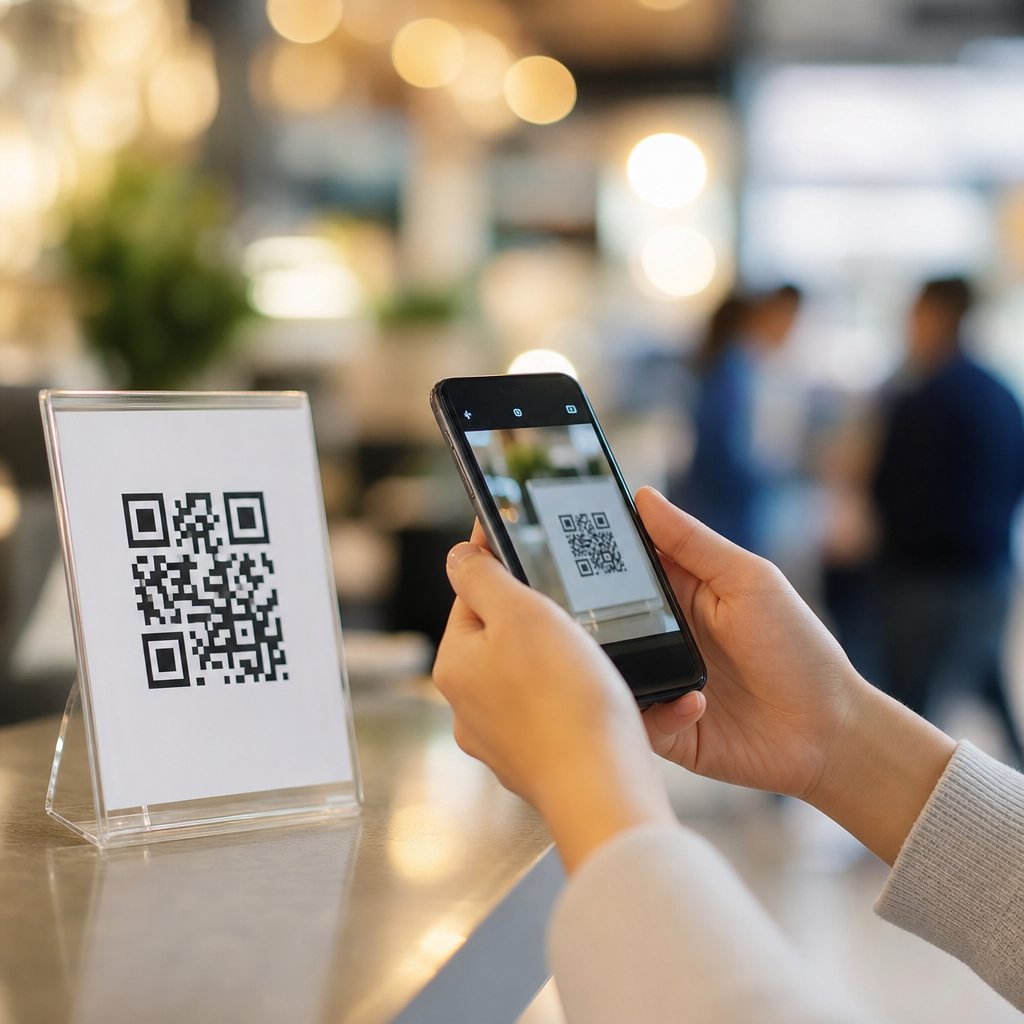
Another reason adoption has risen is flexibility. The same underlying technology serves different goals: sales, service, payments, authentication, education, and compliance. Restaurants use codes for menus and mobile payment. Real estate agents use them on yard signs to deliver virtual tours and lead forms. Healthcare providers use them for patient intake, appointment confirmations, and medication information. Museums use them to deliver multilingual exhibit content without installing expensive hardware. When one tool solves multiple problems across departments, it spreads quickly inside organizations.
Common Business Uses for QR Codes
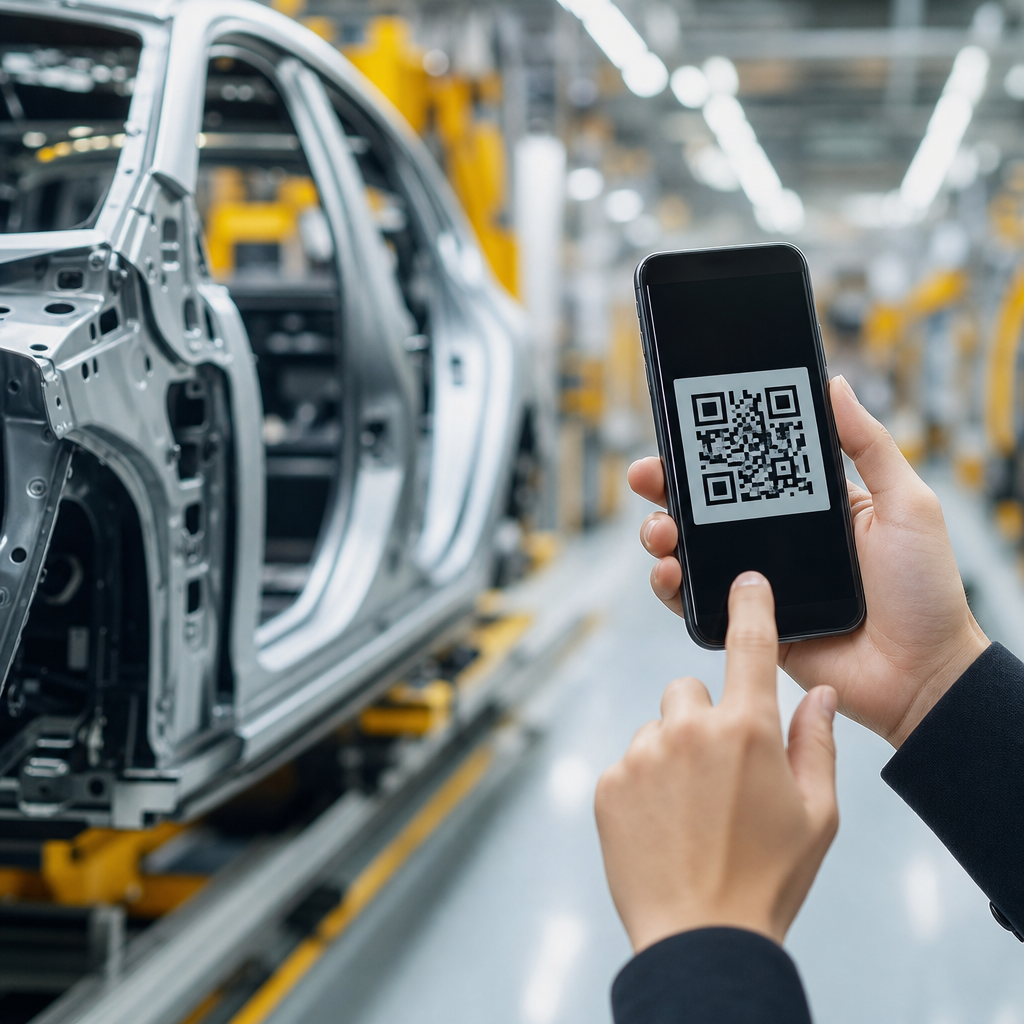
The most effective QR code use cases solve a specific customer task immediately. In retail, codes on shelf talkers can open product specs, ingredient lists, sustainability claims, or how-to videos that would never fit on packaging. In food service, they streamline ordering, digital menus, table payments, and review requests. In logistics and manufacturing, they help staff track assets, verify parts, and access maintenance documentation on the floor. In events, they simplify registration, badge retrieval, session check-ins, and lead capture for exhibitors.
Direct mail remains one of the most underestimated applications. I have seen postcard campaigns perform better when the QR code sent recipients to a mobile-first landing page with one action, such as booking a consultation. The code reduced the work required and bridged the offline message to a measurable digital conversion. Packaging is another major channel. Consumer brands now use QR codes to tell origin stories, verify authenticity, offer recipes, collect loyalty enrollments, and provide post-purchase support. This is especially useful when legal labeling leaves little space for education.
| Business Use | Typical Destination | Main Benefit | Example |
|---|---|---|---|
| Retail signage | Product page or video | More informed buying decisions | Furniture store linking to assembly demo |
| Restaurant tables | Menu and payment page | Faster service with less printing | Cafe updating seasonal menu daily |
| Product packaging | Setup guide or authenticity check | Lower support burden and more trust | Electronics brand linking to installation steps |
| Events | Check-in and lead form | Shorter lines and cleaner data | Trade show booth qualifying visitors instantly |
| Direct mail | Mobile landing page | Trackable offline campaign response | Dentist postcard driving appointment bookings |
Payment is an especially important growth area. In many markets, scan-to-pay systems became normal long before card terminals were universal. Even in regions with mature card infrastructure, QR payments remain attractive for pop-up shops, small merchants, and service businesses that want fast setup. The code can represent a fixed payment request, a dynamic cart total, or an account identifier tied to a payment platform. The result is lower hardware dependence and a simpler checkout footprint.
Benefits of QR Codes for Marketing, Operations, and Customer Experience
QR codes create benefits in three categories. The first is marketing efficiency. They connect print, packaging, outdoor ads, and in-person experiences to digital destinations that can be measured. A campaign manager can compare scans by creative, location, date, and device, then optimize budget based on real behavior. Because dynamic codes can be redirected, campaigns stay flexible even after materials are distributed. That protects print investment and shortens update cycles.
The second category is operational efficiency. Businesses often replace printed manuals, paper forms, and repetitive service tasks with QR-enabled self-service. A hotel can place a code in each room for housekeeping requests, checkout instructions, Wi-Fi access, and local recommendations. A warehouse can tag equipment with codes linked to maintenance logs and safety procedures. In both cases, staff time shifts from answering routine questions to handling higher-value work. That is one reason operations teams, not just marketers, now champion QR projects.
The third category is customer experience. Good QR journeys are faster than manual alternatives and more useful than generic homepage visits. When a customer scans a code on medication packaging and reaches dosage guidance, refill information, and safety instructions instantly, the value is obvious. The same principle applies in B2B settings. A field technician scanning a machine label to access the exact service manual wastes less time and makes fewer errors. The best QR implementations respect context: they deliver the next needed step, not a broad menu of options.
There are limitations, and strong programs account for them. Poor mobile landing pages kill performance. So do tiny codes, low contrast printing, bad placement, and destinations that require too many clicks. Security also matters. Users may hesitate to scan unknown codes because phishing through malicious redirects is real. Businesses should use branded domains, clear call-to-action text, and transparent destination labeling. In regulated sectors, they should also validate privacy, consent, and recordkeeping requirements before launch.
Best Practices for Creating Effective QR Codes
The first best practice is to start with the use case, not the code itself. Ask what job the customer is trying to complete. If the answer is vague, the scan rate will be weak. A strong implementation pairs one code with one clear action, such as “View installation guide,” “Pay invoice,” or “Claim event pass.” The destination must load quickly, display well on mobile, and continue the promise made near the code. Message match is critical. If a sign offers a coupon, the landing page should reveal the coupon immediately, not force account creation before value appears.
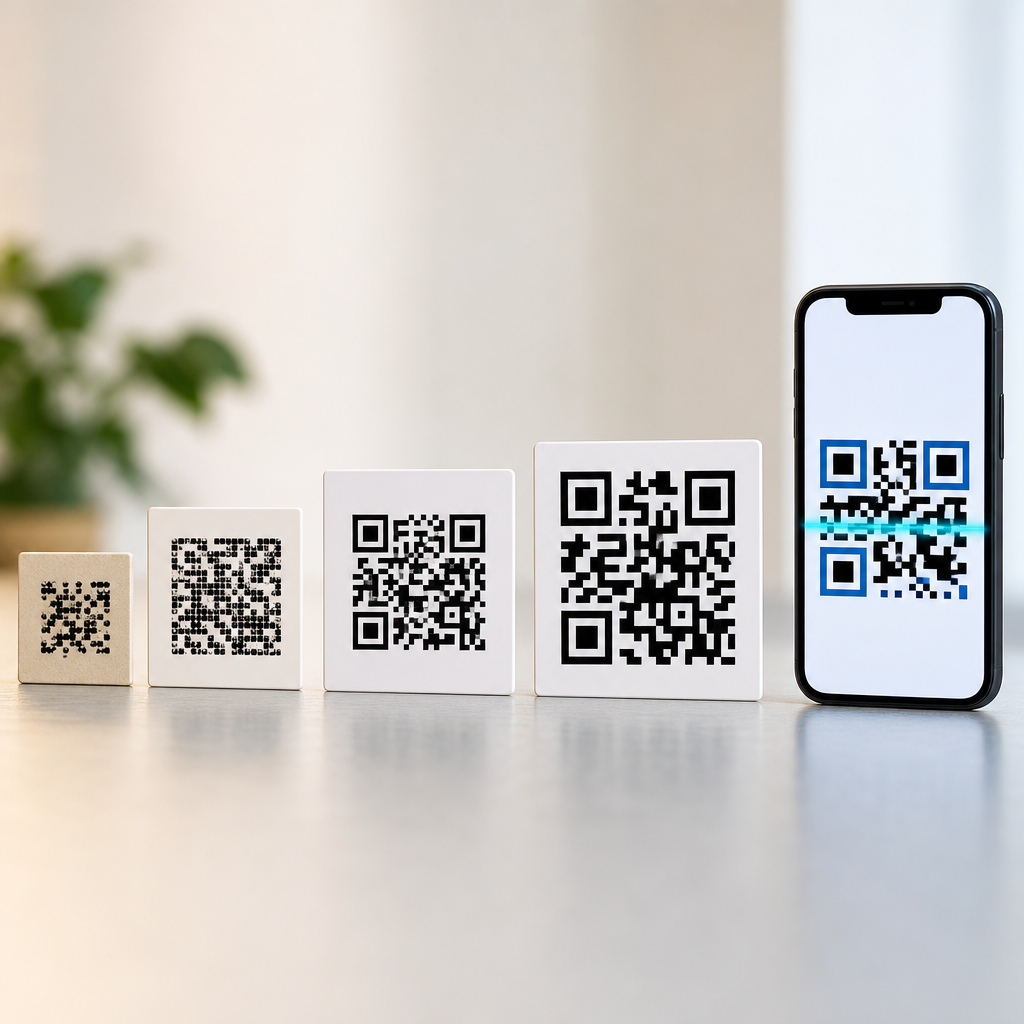
Design and production standards matter more than many teams realize. Keep strong contrast, usually dark modules on a light background. Preserve the quiet zone, the blank margin around the code, so scanners can distinguish it from surrounding graphics. Use adequate size based on scanning distance; a common rule is roughly one inch of code width for every ten inches of distance, then test in real conditions. Avoid glossy surfaces with glare, warped placement on curved packaging, or cluttered backgrounds. Error correction helps, but it is not a substitute for clean production.
For management and analytics, dynamic codes are usually the better choice. Platforms such as Bitly, QR Code Generator, Beaconstac, Flowcode, and Uniqode offer editable destinations, scan tracking, campaign tagging, password protection, and bulk management. Pair QR scans with analytics tools such as Google Analytics using UTM parameters so campaign attribution stays consistent. If a code will live for years on packaging or signage, establish governance. I recommend an inventory with owner, destination, creation date, and review schedule. Orphaned codes are common in large organizations and create broken experiences that undermine trust.
Accessibility should not be overlooked. A QR code should not be the only path to essential information. Include a short URL or plain-language alternative nearby, especially for compliance content, support, or public service information. Add concise instructions so less confident users know what happens after scanning. In multilingual settings, detect language preference automatically or offer a language selector at the destination. These details improve completion rates and make QR programs more inclusive.
The Future of QR Codes in Business
QR codes will remain important because they solve a permanent problem: linking physical moments to digital systems. Their role is expanding beyond convenience into identity, traceability, and trust. Product passports, circular economy reporting, and supply chain transparency are likely growth areas, especially as brands face pressure to disclose sourcing, materials, repairability, and recycling guidance. A single code on packaging can deliver far richer and more current data than a printed label alone.
Authentication is another major frontier. Brands fighting counterfeits increasingly use serialized QR codes tied to backend records. When scanned, the code can verify batch information, purchase channel, or registration status. The same approach supports warranties and recall communications. In industrial settings, QR codes already support digital twins, where a physical asset links to its digital record containing maintenance history, part specifications, and performance data. As connected systems mature, the code becomes the visible doorway into that record.
The key takeaway is straightforward: businesses are using QR codes more than ever because they are inexpensive, versatile, measurable, and familiar to customers. They shorten the path from interest to action, reduce friction across operations, and turn offline touchpoints into useful digital journeys. If you are building knowledge in QR code basics, treat this page as your starting point, then apply the principles here to menus, packaging, signage, payments, and support. Audit one customer touchpoint this week and identify where a well-designed QR code could remove a step, answer a question, or speed up a decision.
Frequently Asked Questions
Why are businesses using QR codes more than ever?
Businesses are using QR codes more than ever because they offer one of the fastest and simplest ways to connect offline customer attention with online action. A customer can see a code on a storefront, package, menu, flyer, poster, receipt, or product label and instantly be directed to a website, payment page, digital menu, sign-up form, app download, review page, or promotional offer. That speed matters. In a competitive environment, reducing friction often increases conversions, and QR codes remove many of the steps that normally slow people down, such as typing a web address, searching for a business online, or downloading information manually.
Another major reason is broad smartphone adoption. Most modern phones can scan QR codes directly through the native camera app, which has made the technology far more accessible than it was years ago. Businesses no longer have to assume customers need special apps or technical knowledge. At the same time, QR codes are inexpensive to create, easy to print at any size, and flexible enough to support marketing, operations, customer service, and payments. For many businesses, they solve multiple problems at once: they improve convenience, support contactless interactions, streamline transactions, and make physical materials more interactive. That combination of low cost, ease of use, and measurable results is exactly why QR codes have become such a widely adopted business tool.
What makes QR codes different from traditional barcodes?
A QR code differs from a traditional barcode in both structure and capability. Traditional barcodes are generally one-dimensional, which means they store information in a series of vertical lines that can be read in one direction. They are commonly used for product identification and inventory tracking, but the amount of information they can hold is relatively limited. A QR code, by contrast, is two-dimensional. It stores data both horizontally and vertically, which allows it to hold much more information in a compact format.
That added capacity makes QR codes far more versatile for business use. Instead of pointing only to a product number in a database, a QR code can contain or trigger a URL, digital payment request, Wi-Fi login, contact card, event registration page, coupon, map location, app action, product instructions, or authentication information. QR codes are also designed for quick scanning from multiple angles and often include error correction, which means they can still work even if part of the code is slightly damaged or obscured. For businesses, this makes them more practical in real-world settings where packaging may bend, posters may fade, or labels may get scratched. In short, traditional barcodes are excellent for basic identification, while QR codes are built for richer customer interactions and broader digital functionality.
How are businesses using QR codes in marketing and customer engagement?
In marketing, QR codes are valuable because they turn static materials into interactive entry points. A print ad can send readers to a landing page. A restaurant table tent can lead to a loyalty program. A product package can open a how-to video, ingredients list, or brand story. Event signage can direct attendees to schedules, ticket validation, speaker bios, or lead capture forms. This ability to move people from physical media to digital content instantly gives businesses more ways to extend campaigns beyond the limits of paper, packaging, and in-person spaces.
They also help improve customer engagement by making participation easier. Instead of asking customers to remember a promotion or search for a link later, businesses can present a simple scan-and-go action. That lowers resistance and increases the chance that people will actually follow through. QR codes are often used to collect reviews, deliver personalized offers, enable contests, sign customers up for newsletters, provide social media access, and unlock exclusive content. When paired with trackable links, they can also give businesses useful performance data such as scan volume, time of engagement, device type, and location patterns. That data helps brands understand what messaging works and where customers are interacting most often. As a result, QR codes are not just a convenience feature; they are a practical tool for improving campaign performance and deepening customer relationships.
Are QR codes useful beyond marketing?
Yes, absolutely. While QR codes are often associated with promotions and advertising, their business value goes well beyond marketing. Many companies use them to improve operations, reduce paperwork, simplify onboarding, and create more efficient customer experiences. In retail, a QR code can provide product specifications, inventory checks, warranty registration, or self-service support. In restaurants, it can power digital menus, ordering systems, table payments, and feedback collection. In healthcare, it can support patient check-in, prescription information access, and internal asset tracking. In logistics and manufacturing, QR codes can connect workers to manuals, maintenance records, inspection logs, and shipment data quickly and accurately.
They are also increasingly common in payments and authentication. Businesses can use QR codes to accept mobile payments, issue invoices, verify tickets, enable touch-free check-ins, or confirm product authenticity. Internal business teams use them for training materials, equipment tracking, employee directories, and facility access workflows. Because QR codes are easy to update when linked dynamically, a single printed code can remain useful even if the underlying destination changes. That makes them especially valuable for long-term materials such as packaging, signage, and manuals. The broad takeaway is that QR codes are not just a marketing trend. They are a practical business infrastructure tool that can improve speed, convenience, and accuracy across many departments.
Are QR codes effective for businesses of all sizes?
QR codes can be highly effective for businesses of all sizes because the barrier to entry is low while the potential applications are broad. A small local business can use a QR code to share menus, collect reviews, take bookings, accept payments, or send customers to a special offer page without investing in expensive technology. A mid-sized company can integrate QR codes into product packaging, direct mail campaigns, event activations, and customer service systems. Larger enterprises can deploy them across multiple locations for payments, asset tracking, omnichannel marketing, digital product experiences, and performance analytics. In each case, the underlying value is the same: QR codes make it easier for people to take immediate action.
What makes them especially effective is their flexibility. They can be printed on low-cost materials, added to screens, embedded in packaging, displayed at point of sale, or included in digital documents. They can support simple goals like opening a web page or more advanced ones like triggering app behavior, logging service activity, or assigning leads to a campaign. Their effectiveness depends on thoughtful implementation, such as clear calls to action, mobile-friendly landing pages, and a genuine customer benefit for scanning. When used strategically, QR codes can deliver strong results whether a business is trying to drive foot traffic, improve operational efficiency, shorten the sales process, or enhance customer convenience. That is a big reason they continue to gain traction across industries and company sizes.