QR codes became popular in several waves rather than all at once: first in industrial logistics after their 1994 invention, then in marketing and mobile payments during the smartphone era, and finally in mainstream daily life during the COVID-19 pandemic. Understanding when QR codes became popular requires a clear look at their history, the technology that enabled adoption, and the social moments that turned a useful tool into a global habit. For anyone researching the history of QR codes, the short answer is that broad consumer popularity arrived around the 2010s and accelerated dramatically in 2020, but the full story starts much earlier.
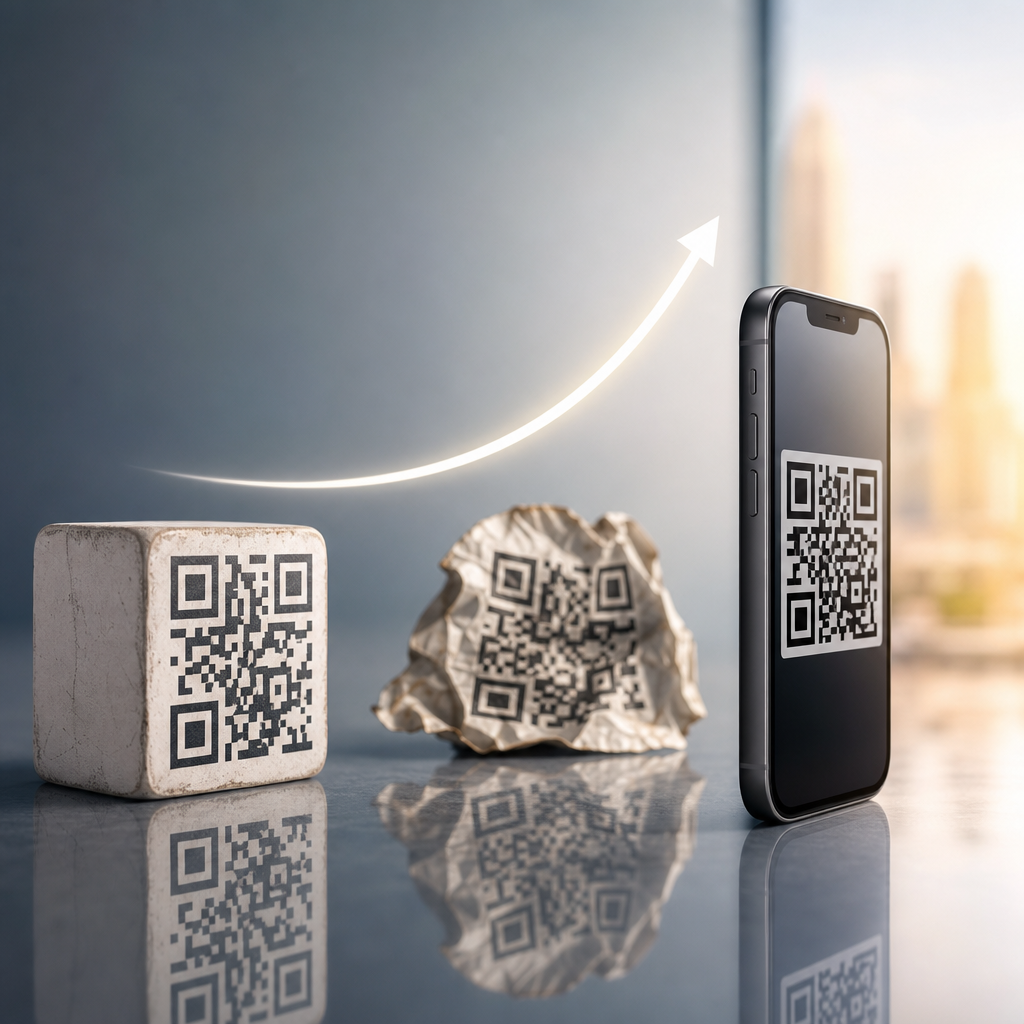
A QR code, or Quick Response code, is a two-dimensional matrix barcode that stores information in both horizontal and vertical directions. Unlike a traditional one-dimensional UPC barcode, a QR code can hold far more data and can still be read even if part of the symbol is damaged, thanks to built-in Reed-Solomon error correction. That design choice matters because it explains why QR codes moved beyond factories into posters, packaging, tickets, menus, and payment screens. I have worked with QR code campaigns for retail, events, and product packaging, and the pattern is consistent: adoption spikes when scanning becomes effortless, the destination is useful, and users trust what will happen after they scan.
This topic matters because QR codes sit at the intersection of manufacturing, mobile computing, payments, and consumer behavior. They are one of the clearest examples of a technology that existed for years before the market was ready. Businesses often assume QR codes suddenly appeared during the pandemic, but that misses the decades of development behind them. The history of QR codes also shows how standards, hardware, and user experience shape adoption. If you are building educational content around QR code basics, this hub article provides the timeline, turning points, and practical context that explain why QR codes went from niche industrial labels to an everyday interface.
The invention of QR codes in 1994
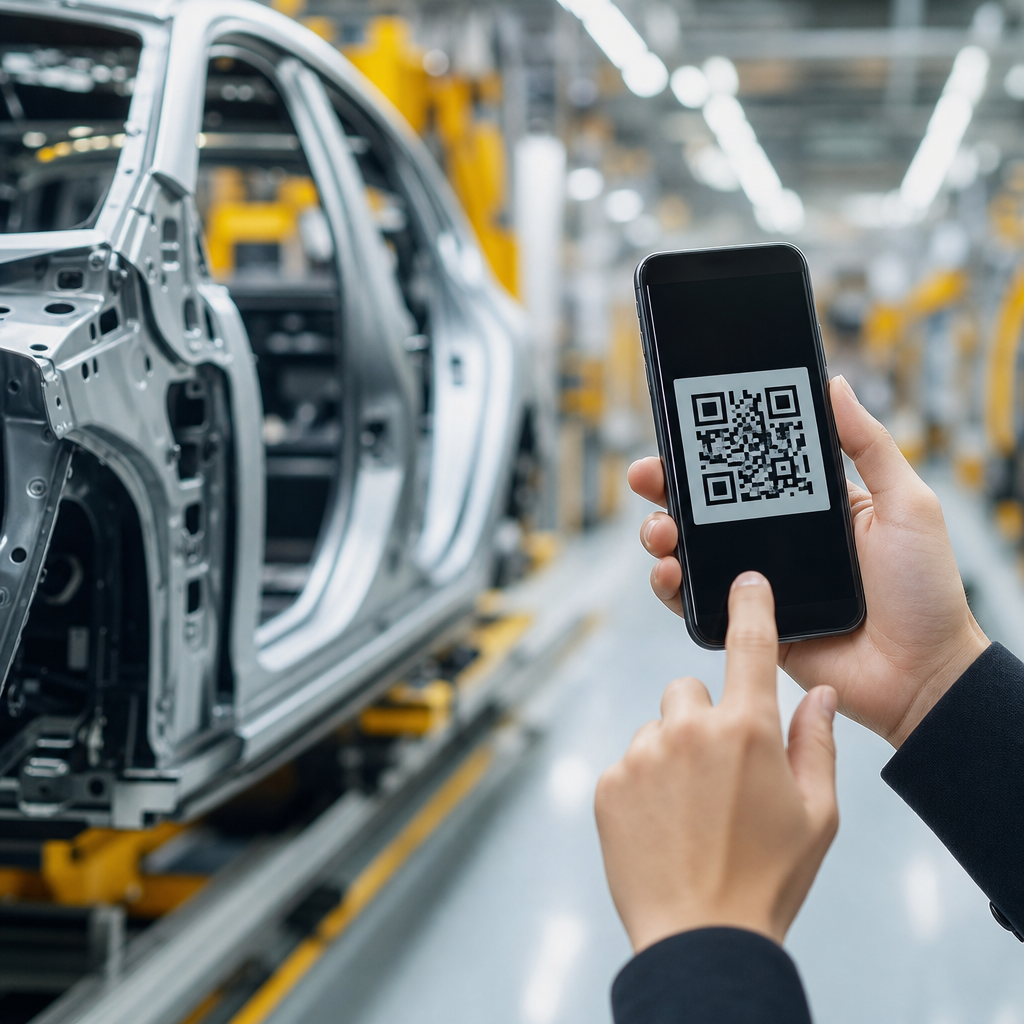
The QR code was invented in 1994 by Masahiro Hara and the team at Denso Wave, a subsidiary of the Toyota Group. The original problem was practical: automotive manufacturers needed a code that could track parts more efficiently than standard barcodes. A single linear barcode could not store enough information, and scanning speed mattered on production lines where delays translated into real cost. Denso Wave developed the Quick Response code to be read rapidly from any angle, with distinctive position markers in three corners that made orientation easy for scanners to detect.
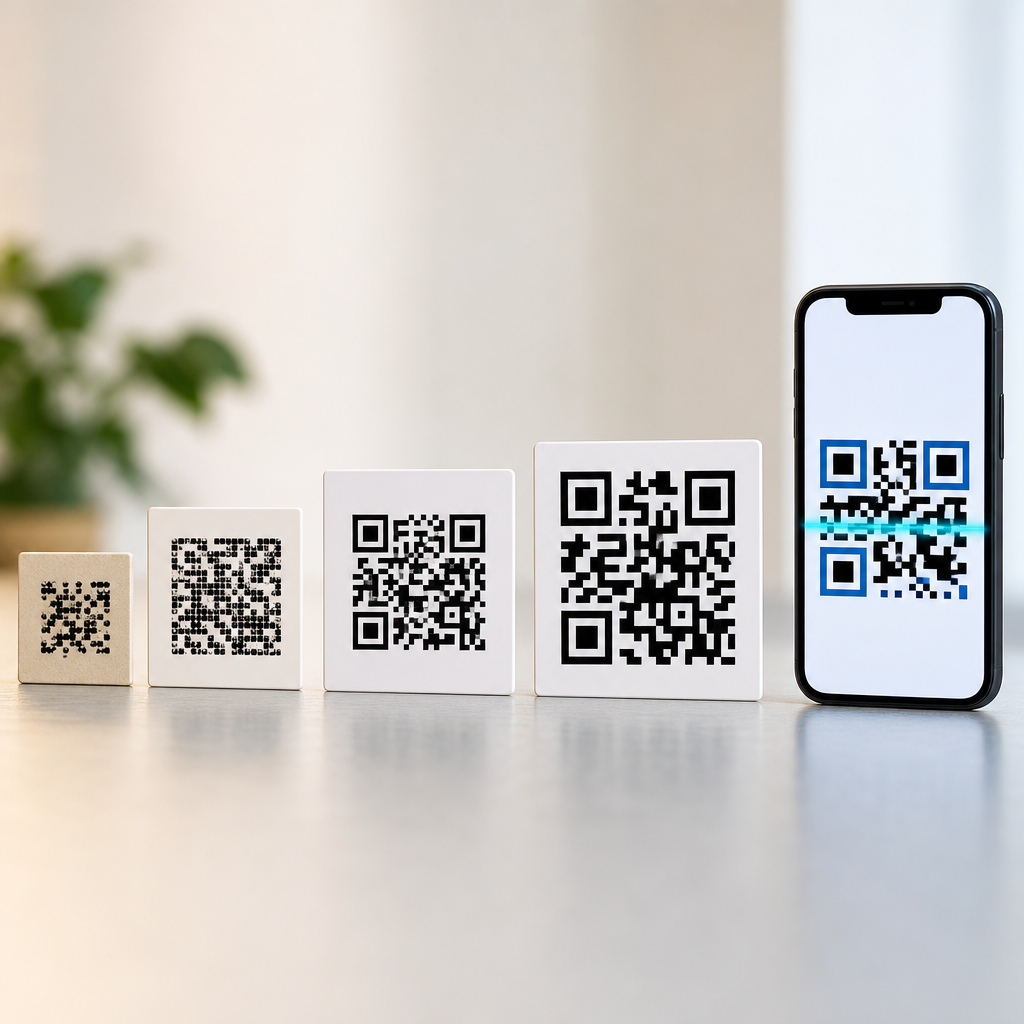
From the start, QR codes were designed for high-capacity, high-speed reading. Depending on the mode, they could encode numeric, alphanumeric, byte, and Kanji characters. They also included multiple levels of error correction, allowing successful scans even when a code was dirty, scratched, or partially obscured. In manufacturing environments, that reliability was not a nice extra; it was essential. Denso Wave chose not to exercise its patent rights broadly, which helped QR code technology spread. That decision is one of the most important facts in the history of QR codes because open adoption usually wins over tightly controlled proprietary systems.
Early popularity, however, was not consumer popularity. In the 1990s, QR codes were respected in industrial settings, especially in Japan, but most people never saw them. They were tools for traceability, inventory control, and process management. If you ask when QR codes first became popular, the precise answer is that they became popular with manufacturers soon after launch, not with the general public.
Why QR codes spread in industry before consumers
Industrial adoption came first because the value proposition was immediate and measurable. Automotive plants, warehouse operators, and suppliers could store more information in less space and scan items faster with fewer errors. In logistics, being able to encode part numbers, batch details, and tracking data in a compact symbol reduced manual entry and improved throughput. This is the same reason later variants, such as Micro QR Code and other 2D symbols, found use in electronics, healthcare labeling, and document management.
Consumer adoption lagged for a simple reason: scanning infrastructure did not exist at scale. Before smartphones with cameras and software decoders became common, a QR code was meaningless to the average shopper. Even where feature phones supported scanning, the process was inconsistent, often requiring a separate app, a mobile web page that loaded slowly, or a carrier-specific service. I saw this gap repeatedly in early campaigns. Brands printed codes on posters and packaging because the format looked modern, but response rates stayed low when scanning involved too many steps.
Another barrier was regional behavior. Japan embraced mobile interaction earlier than many Western markets, helped by advanced mobile internet usage and a culture of phone-based utility. In Europe and North America, SMS short codes, direct URLs, and later app stores captured much of the mobile engagement that QR codes might have enabled. This explains why articles about the history of QR codes often sound contradictory: the technology was successful for years, but not equally successful everywhere or for everyone.
The smartphone era and the first consumer wave
QR codes entered their first major consumer wave when smartphones combined cameras, mobile browsers, and app ecosystems. The late 2000s and early 2010s were the turning point. Apple introduced the iPhone in 2007, Android followed in 2008, and smartphone cameras improved rapidly. As mobile internet speeds increased from 3G to 4G, scanning a code and landing on a functional mobile page became realistic. Around this time, marketers, publishers, transit operators, and retailers began testing QR codes more aggressively.
Japan and parts of China moved fastest. QR codes appeared on ads, business cards, train tickets, and product packaging. In the United States, early use often centered on magazine ads, event promotions, and store displays. Some campaigns worked well, especially when the code solved a clear problem such as downloading an app, redeeming a coupon, or checking in at an event. Others failed because they linked to non-mobile pages or provided no obvious benefit. The lesson from that period remains relevant today: a QR code is only as useful as the experience behind it.
Social platforms also contributed. WeChat, launched in 2011, normalized QR codes for adding contacts, following official accounts, and initiating payments in China. Snapchat later used Snapcodes, which were not standard QR codes but reinforced the behavior of scanning visual codes for digital actions. Once people learned the habit of pointing a phone at a square code to trigger something useful, the format became easier to deploy across industries.
Payments, super apps, and regional adoption differences
The clearest example of QR codes becoming truly popular before the pandemic came from mobile payments in China. Alipay and WeChat Pay turned QR codes into a daily transaction interface for consumers and merchants. Static merchant-presented codes and dynamic customer-generated codes made payments cheap to implement compared with traditional card infrastructure. Small vendors, taxis, street food stalls, and luxury retailers could all participate with minimal hardware. By the late 2010s, QR-based payments were deeply embedded in Chinese commerce, demonstrating that QR codes could scale from convenience to habit.
India provides another major milestone. Government-backed digital payment initiatives, the Unified Payments Interface, and apps such as Paytm, PhonePe, and Google Pay helped QR code payments reach mass adoption. Interoperable payment rails mattered here. When merchants knew one printed code could serve large groups of users, deployment became simpler and more attractive. In my experience, this is one of the strongest adoption drivers in any QR environment: interoperability beats fragmentation.
| Period | Where QR codes gained traction | Main use case | Why adoption increased |
|---|---|---|---|
| 1994 to early 2000s | Japan industrial sectors | Parts tracking and logistics | High data capacity and fast scanning |
| Late 2000s to mid-2010s | Japan, China, selected global markets | Marketing, tickets, mobile links | Smartphones, better cameras, mobile internet |
| Mid-2010s to 2019 | China, India, transit and event systems globally | Payments, account linking, check-in | App ecosystems and interoperable services |
| 2020 onward | Global mainstream | Menus, payments, health forms, authentication | Pandemic behavior change and native camera scanning |
Western markets were slower because card networks were already entrenched, contactless cards were improving, and merchants had less incentive to change behavior. Even so, airlines, stadiums, museums, and public transit steadily increased QR usage for boarding passes, ticketing, and access control. Popularity was growing, but it was still uneven until a global event compressed years of behavior change into months.
How native camera scanning changed the market
One overlooked milestone in the history of QR codes is the moment users no longer needed a separate app. That shift removed a major source of friction. Apple added native QR code recognition in the Camera app in iOS 11 in 2017. Google had supported scanning through different apps and services earlier, but Android adoption became meaningfully smoother as camera-level and lens-based recognition improved across devices. Once users could simply open the camera and tap a prompt, QR codes became much more viable for mainstream communication.
This change affected campaign performance immediately. In projects I managed before native scanning was standard, usage frequently depended on whether the audience already had a scanner app installed. After native support became widespread, the same kind of printed code generated more scans with less explanation. It also improved confidence. Users trust familiar system behavior more than a random third-party app. That trust matters because scanning a QR code asks a person to bridge the physical and digital worlds in one motion.
Native scanning also helped QR codes become a better fit for packaging, point-of-sale displays, receipts, and in-store signage. A consumer could compare products, open care instructions, verify promotions, or join a loyalty program in seconds. The code itself did not change, but the operating environment did. In technology adoption, those environmental changes are often what convert an old tool into a new norm.
The pandemic surge that made QR codes mainstream
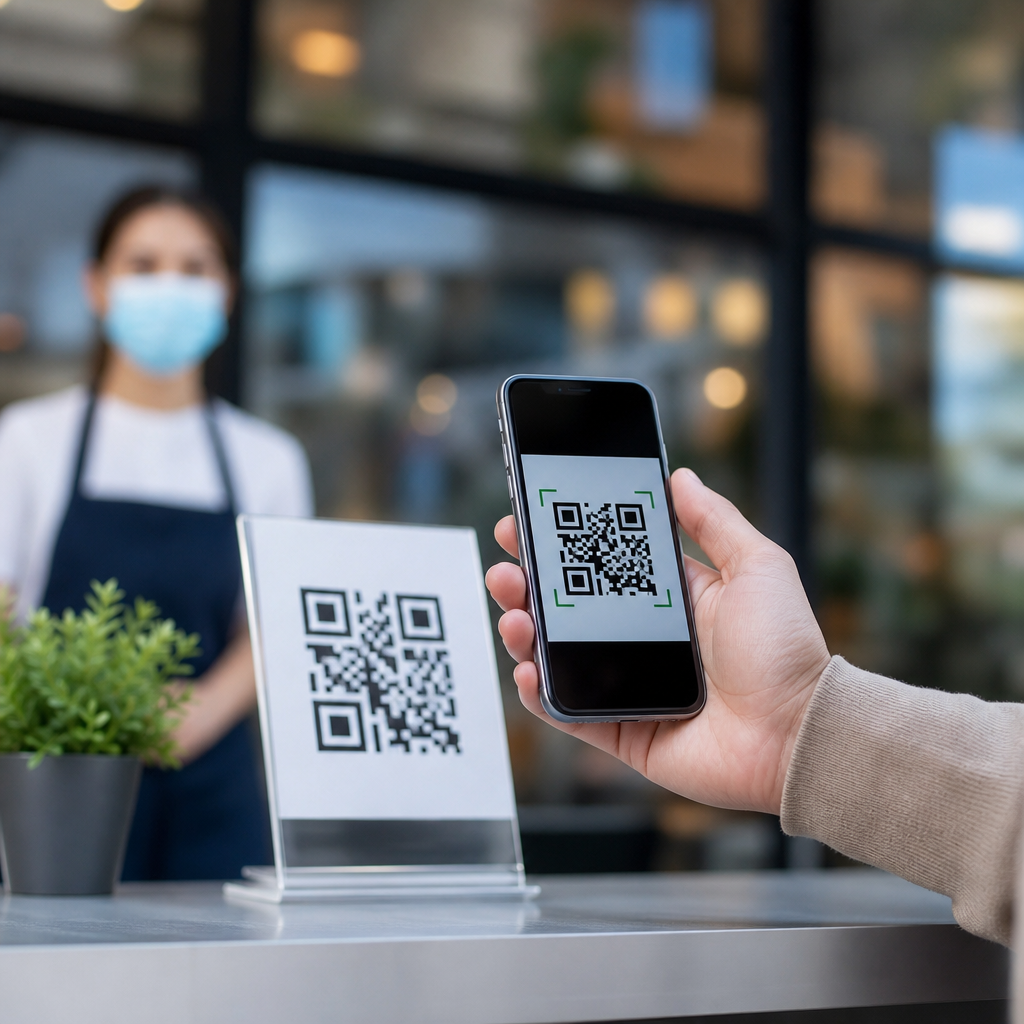
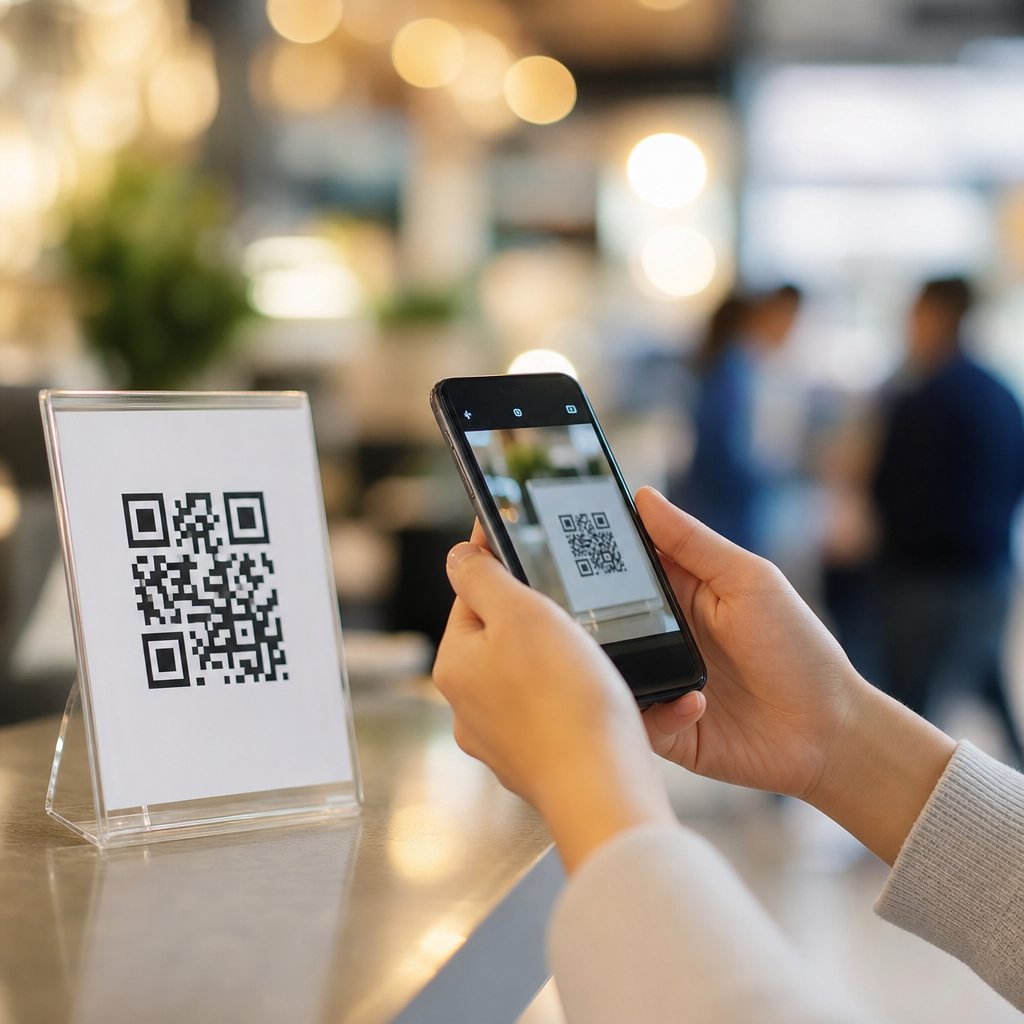
If the question is when did QR codes become popular with the general public worldwide, the strongest answer is 2020. The COVID-19 pandemic made contactless interaction a public health priority and accelerated digital behavior in restaurants, retail, healthcare, hospitality, and events. Menus moved from laminated pages to table tents with QR codes. Contact tracing forms, vaccine registration flows, digital check-ins, and touch-free payments all expanded rapidly. Businesses that had ignored QR codes for years suddenly needed a low-cost bridge between physical spaces and online information.
Restaurants are the most visible example. A QR menu solved multiple problems at once: fewer shared surfaces, instant updates to pricing or availability, and no need to reprint menus whenever operations changed. Hotels used QR codes for guest directories and service requests. Medical providers used them for forms and appointment workflows. Event venues used them for timed entry, health declarations, and digital tickets. Consumers who had never scanned a code before learned the behavior because the benefit was immediate and unavoidable.
This period did not create QR codes, but it normalized them at massive scale. It also changed expectations. After 2020, many users assumed that a square code on a table, poster, package, or checkout counter was there to help them take action quickly. In adoption terms, that is what mainstream popularity looks like: not novelty, but recognition and routine use.
What the history of QR codes teaches businesses today
The history of QR codes shows that popularity is never just about invention. It depends on timing, infrastructure, trust, and clear utility. QR codes succeeded in factories because they solved a measurable operational problem. They succeeded in consumer markets when smartphones, mobile web design, and payment ecosystems reduced friction. They exploded globally when contactless behavior became necessary. Those are practical lessons for any business considering how to use them now.
First, give the scan a specific purpose. Link to a menu, warranty registration, payment page, app download, support article, or product authentication flow. Second, optimize the destination for mobile speed and clarity. Third, use dynamic QR codes when you may need to update the destination without replacing printed materials. Fourth, measure performance with UTM parameters, analytics events, or platform dashboards so you know whether the code is working. Finally, respect user trust by signaling where the code leads and avoiding surprise redirects.
QR codes became popular when they stopped asking users to work and started helping users finish tasks faster. That is the central takeaway from the history of QR codes. From Denso Wave’s 1994 manufacturing breakthrough to smartphone marketing, mobile payments, and the pandemic-era contactless surge, each stage of adoption followed the same rule: convenience wins when the surrounding system is ready. If you are building a QR Code Basics & Education resource, use this timeline as the hub for deeper articles on invention, payments, menus, security, scanning, and business implementation. The next step is simple: audit where your audience already experiences friction, then decide whether a QR code can remove it.
Frequently Asked Questions
When did QR codes first become popular?
QR codes first became popular in a limited but important way shortly after their invention in 1994. They were created by Denso Wave, a Japanese company, to improve tracking in automotive manufacturing and industrial logistics. In that early phase, QR codes were highly valued because they could store more information than traditional barcodes and could still be scanned quickly even if partially damaged. However, this was not mass public popularity. Their first real success was inside supply chains, factories, and inventory systems where speed, accuracy, and data capacity mattered most. So if the question is when QR codes became popular, the most accurate answer is that they initially gained popularity in business and industrial settings during the mid-to-late 1990s, long before everyday consumers began using them regularly.
Why didn’t QR codes become mainstream immediately after they were invented?
QR codes were ahead of their time. Although the technology was practical and innovative in the 1990s, most consumers had no easy way to interact with them. Smartphones did not yet exist in the modern sense, mobile internet access was limited, and phone cameras were either unavailable or too weak for reliable scanning. Even when camera phones became more common in the 2000s, scanning often required downloading a separate app, which added friction and reduced adoption. In other words, the technology existed before the consumer ecosystem was ready for it. Businesses could benefit from QR codes internally, but the general public had little reason or ability to scan them in daily life. That gap between invention and mainstream use is a big reason QR codes spread in waves rather than all at once.
Did smartphones make QR codes popular?
Yes, smartphones were one of the biggest reasons QR codes became widely recognized. As mobile devices improved, especially with better cameras, faster internet connections, and app-based ecosystems, QR codes became far more useful for consumers. During the late 2000s and 2010s, brands began using them in advertising, product packaging, event tickets, and retail promotions. In several Asian markets, especially China, QR codes became deeply integrated into mobile payments, messaging apps, and everyday commerce. That period marked a major expansion in popularity because QR codes were no longer just industrial tools; they became interactive links between physical objects and digital experiences. Even so, adoption was still uneven around the world. In many countries, people recognized QR codes during the smartphone era, but they did not yet use them constantly in everyday life.
Did the COVID-19 pandemic make QR codes truly mainstream?
For many people, yes. The COVID-19 pandemic was the turning point that pushed QR codes into mainstream daily use across much of the world. Restaurants adopted QR code menus to reduce shared contact, businesses used them for touchless check-ins, health systems used them for forms and vaccination records, and consumers became used to scanning codes for payments, registrations, and public information. What had once felt optional or niche suddenly became practical, familiar, and in some situations necessary. The pandemic did not invent QR code adoption, but it dramatically accelerated it by changing behavior at scale. It created the social conditions for mass acceptance, turning QR codes from a useful technology into a routine habit for millions of people.
So what is the best way to describe the history of QR code popularity?
The best way to describe it is as a series of adoption waves. The first wave began in the 1990s, when QR codes became popular in manufacturing and logistics because they solved real operational problems. The second wave came with smartphones, mobile internet, and app culture, which made QR codes useful for marketing, payments, ticketing, and customer engagement. The third and most visible wave came during the COVID-19 pandemic, when contactless interactions made QR codes part of ordinary daily behavior. This wave-based history matters because it explains why QR codes can seem both old and new at the same time. They are old as a technology, but relatively recent as a mainstream global habit. Anyone researching the history of QR codes should understand that their popularity was not a single moment of sudden success, but a gradual rise shaped by technical readiness, consumer behavior, and major social change.