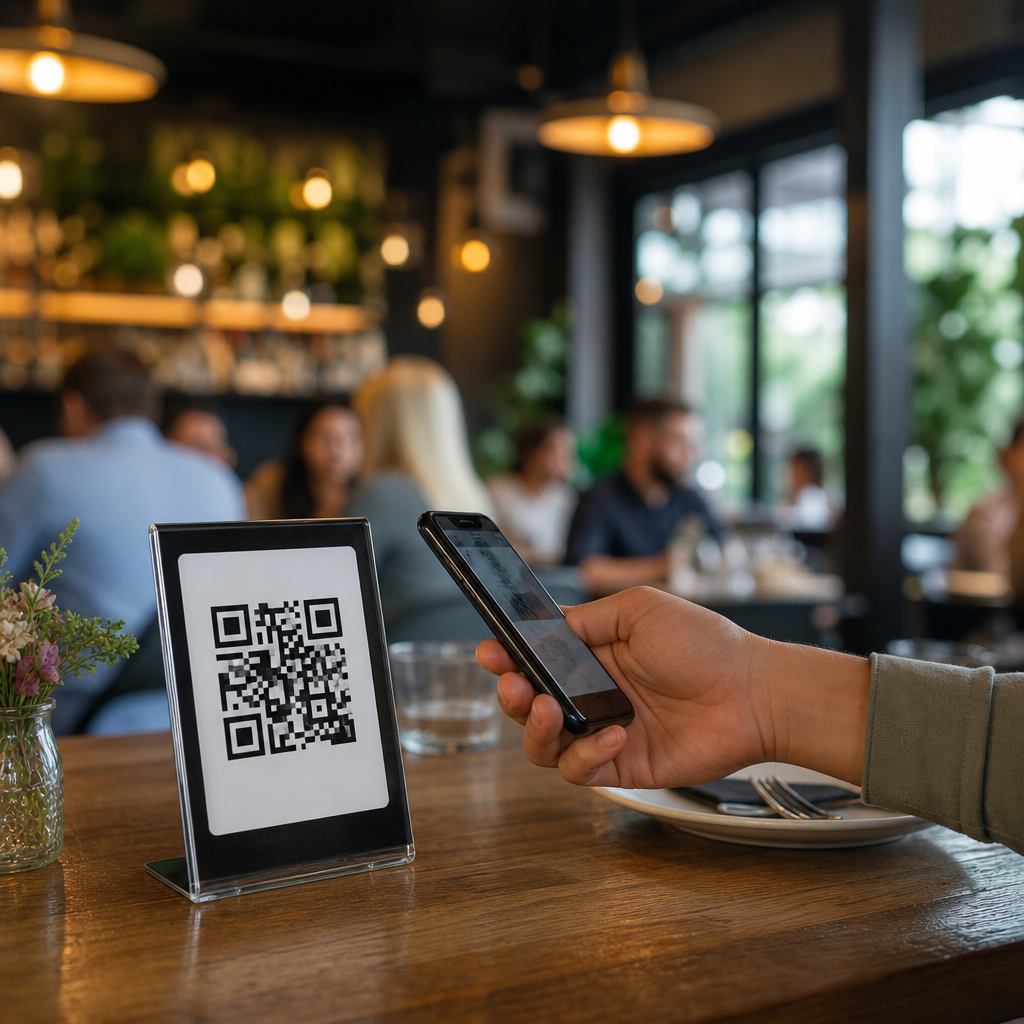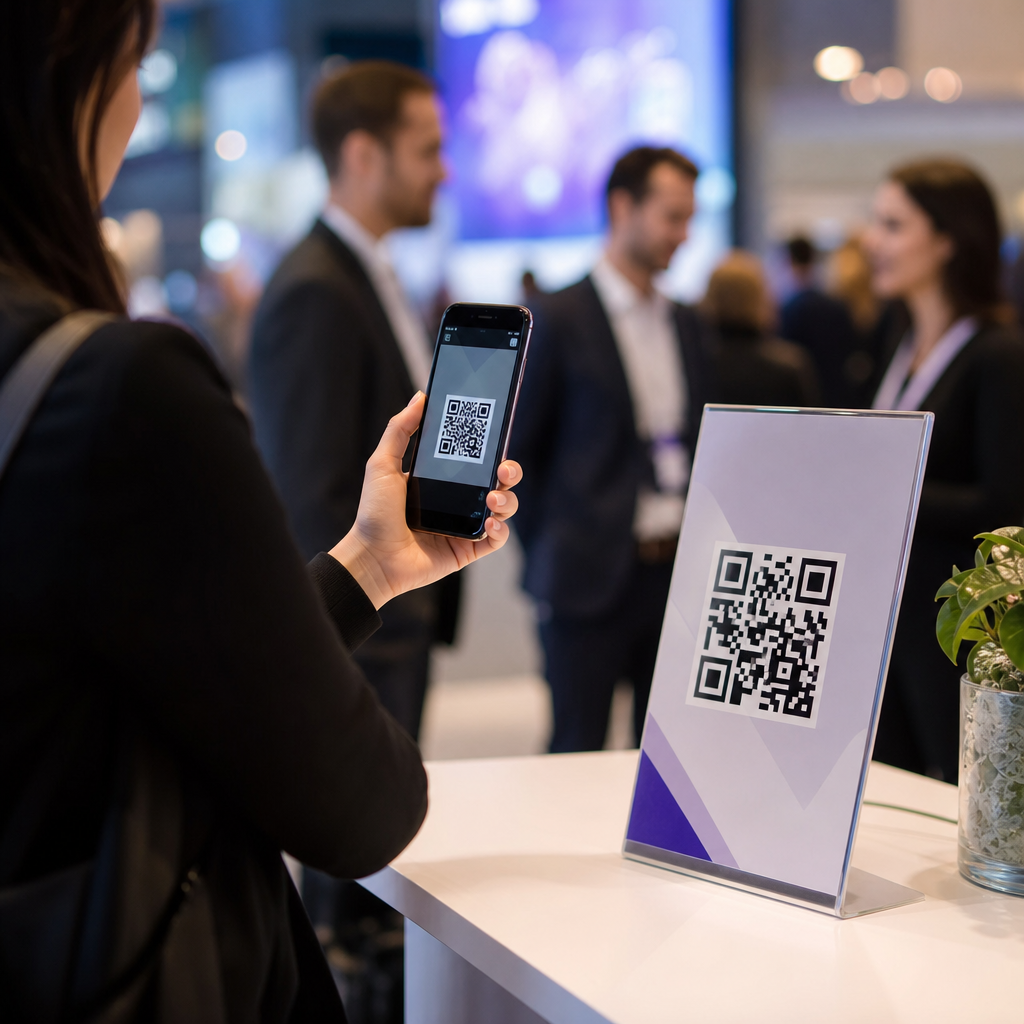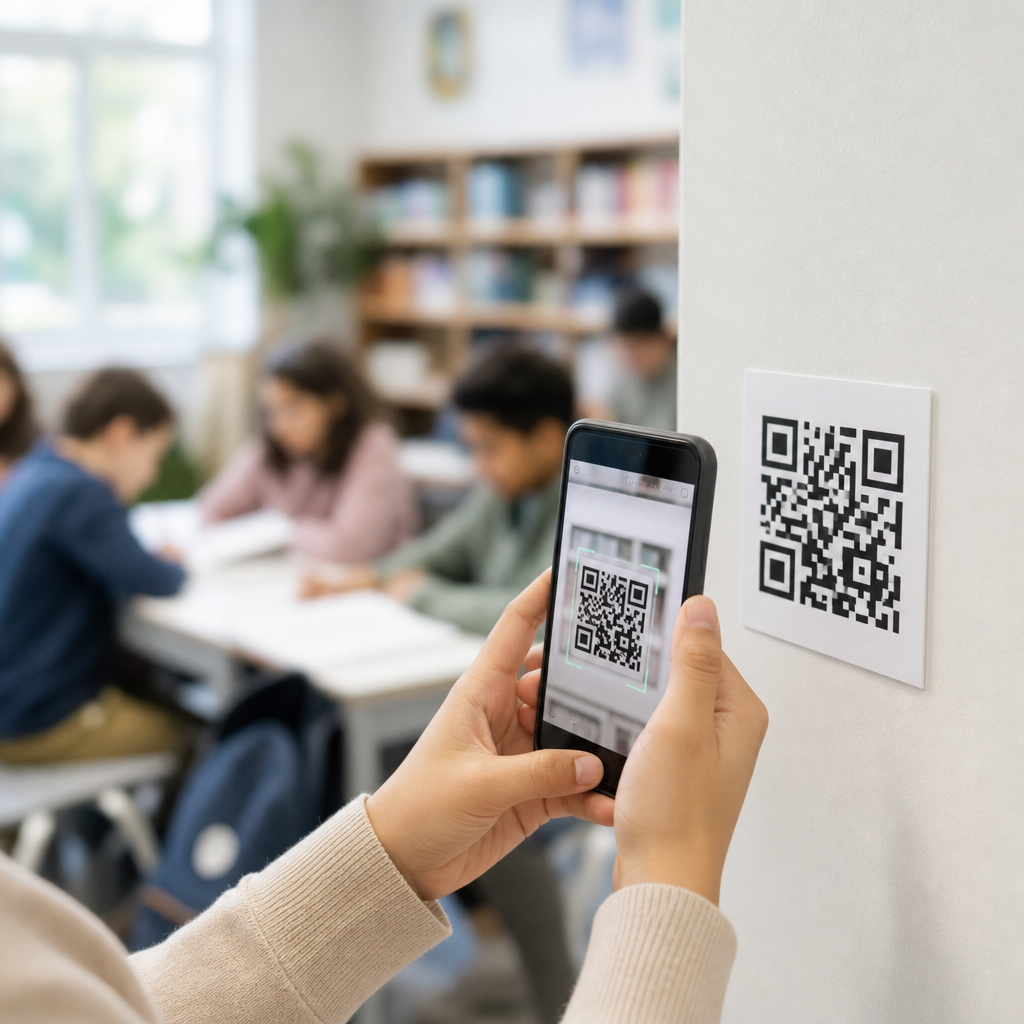
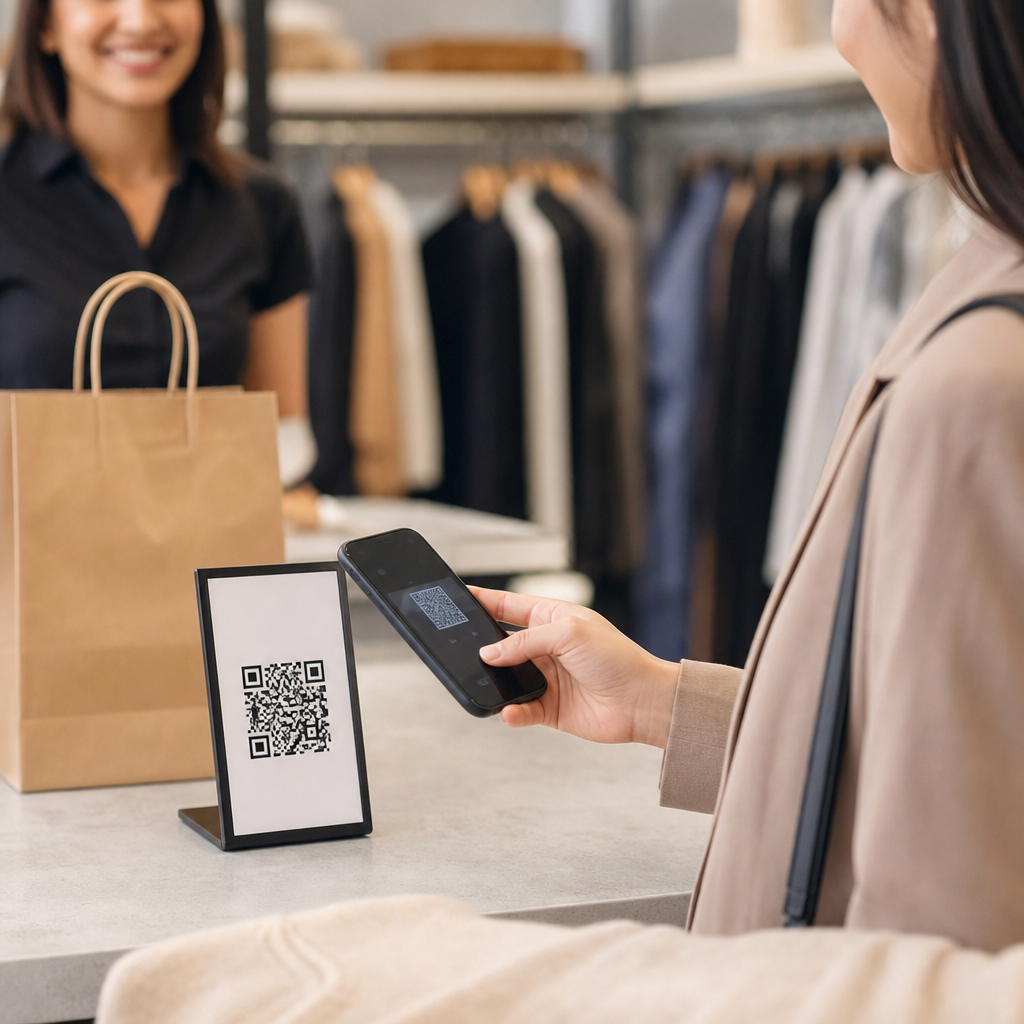
QR codes have moved from a niche utility into a mainstream retail marketing tool because they connect physical products, packaging, stores, and advertising to digital experiences in one scan. In a retail context, a QR code is a two-dimensional barcode that opens a URL, app prompt, payment flow, loyalty page, product record, or media experience when scanned with a smartphone camera. I have worked on retail QR campaigns across packaging, point-of-sale displays, and out-of-home creative, and the pattern is consistent: when the code solves a specific customer task quickly, scan rates and downstream conversion improve. That is why a brand case study on how retail brands use QR codes matters now. Retailers need measurable methods for linking in-store activity with online behavior, especially as privacy rules limit legacy tracking methods and shoppers expect more information at the shelf.
The strongest retail QR code campaigns do more than add a square graphic to an ad. They pair a clear incentive with frictionless landing pages, strong creative placement, dynamic redirects, and reporting that ties scans to revenue or retention. Brands use QR codes to launch products, authenticate goods, unlock tutorials, grow loyalty programs, collect first-party data, process contactless payments, and support post-purchase service. They also use them to reduce operational costs by replacing printed inserts and static signage with editable digital destinations. For a sub-pillar hub on brand case studies, the key is to look past novelty and analyze repeatable strategy. What objective did the retailer pursue, where was the code placed, what happened after the scan, and what lesson can another brand apply? Answering those questions turns scattered campaign examples into a practical playbook.
Retail is especially suited to QR usage because shopper intent changes by location. A code on product packaging serves a different need than a code on a window display, receipt, shelf talker, fitting room mirror, shopping bag, or delivery insert. Packaging codes often answer “What is this, how do I use it, and is it authentic?” In-store codes answer “Is this in stock, what are the reviews, and can I get a better size or color?” Post-purchase codes answer “How do I register, replenish, recycle, or get support?” The mobile device becomes the bridge across these moments. That bridge creates a data layer retailers can act on, as long as the destination is mobile optimized and analytics are configured properly. Done well, QR codes turn anonymous physical traffic into attributable digital engagement without adding major friction for the customer.
This hub article covers the main retail QR code use cases through brand case study patterns rather than one-off anecdotes. It explains how fashion, beauty, grocery, home, and big-box retailers use QR codes; which campaign structures tend to perform best; what metrics matter; and where the limitations are. It also sets up the broader cluster under QR Code Campaign Ideas and Case Studies by giving you the strategic framework behind individual examples. If you are deciding whether QR codes belong on packaging, in stores, or across omnichannel promotions, the answer is yes when the code has a job, the landing experience matches shopper intent, and performance is measured beyond scans alone.
Why Retail Brands Use QR Codes Across the Customer Journey
Retail brands use QR codes because they compress discovery, consideration, purchase, and service into a single mobile action. In practice, I see five recurring retail objectives. First, brands want richer product education at the moment of decision. A limited package has only so much room, but a QR destination can show ingredient sourcing, size guides, setup videos, care instructions, and compatibility details. Second, retailers want attribution. When each placement uses a distinct dynamic code, teams can compare scans from endcaps, packaging, direct mail, storefronts, and influencer kits. Third, brands want first-party data. QR experiences can enroll shoppers into SMS, email, app accounts, or loyalty programs with consent. Fourth, retailers use codes to improve operations by updating links without reprinting collateral. Fifth, they use codes to remove friction from tasks such as buy online pickup in store, returns, payments, and warranty registration.
Consumer behavior explains why this works. Smartphone camera scanning is now native on iOS and Android, reducing the app barrier that slowed early adoption. Shoppers are also more comfortable with code-based interactions after widespread restaurant menus, mobile payments, and event ticketing. The retail environment benefits because the device is already in the shopper’s hand while comparing prices, checking reviews, or messaging a friend. A QR code simply formalizes that behavior and guides it toward a brand-owned experience instead of a random search result. The best campaigns respect the moment. A shopper standing in an aisle needs speed and clarity, not a long form. A post-purchase customer may accept a richer experience if it delivers setup help, recipes, or rewards.
Retailers also value the flexibility of dynamic QR codes. A dynamic code points to a short redirect URL that can be changed after printing, allowing campaign managers to switch landing pages by geography, inventory level, time period, or promotion. That matters in seasonal retail, where signage may outlive a specific sale or product assortment. Teams can also append UTM parameters, trigger analytics events, and run A/B tests on the mobile destination. Static codes still have a place for permanent data such as Wi-Fi credentials or item identifiers, but dynamic codes dominate serious retail marketing because they preserve optionality. In every successful case study, the technology is simple while the campaign design is disciplined: one code, one promise, one strong next action.
Packaging, Shelves, and Stores: Retail QR Code Case Study Patterns
Packaging is the most durable retail QR touchpoint because it travels home with the customer. Beauty brands use codes on cartons and labels to deliver tutorials, shade matching guidance, ingredient transparency, and replenishment reminders. A cosmetics retailer, for example, can place a code beside a foundation shade number that opens application videos and a virtual try-on page. That reduces hesitation for first-time buyers and cuts return risk caused by misuse or mismatched expectations. Food and beverage brands use packaging codes for recipes, sourcing stories, nutrition details, and sweepstakes. In grocery, a pasta sauce jar can link to chef-led meal ideas, while a coffee bag can explain origin, roast profile, and brew ratios. Those experiences create perceived product value without changing the physical package footprint.
In-store QR placements solve immediate shopping questions. Fashion retailers use them on shelf signs, mannequins, and fitting room graphics to show extended sizes, alternate colors, user reviews, or styling suggestions. Home improvement stores use them to connect bulky or technical products to assembly videos, compatibility charts, and project calculators. Big-box retailers often use QR codes in aisle signage to support endless aisle browsing when local stock is limited. A shopper scans a code next to a display model and completes the purchase for home delivery rather than leaving empty handed. That is not theory; it is a practical response to the reality that physical stores cannot hold every SKU variation. QR codes make the store function like a portal to the full catalog.
Window displays and out-of-home retail media create a different pattern. Here the shopper is not yet in the aisle; the code must work at a distance and promise an immediate benefit. Apparel brands have used storefront QR codes after hours to let passersby browse featured items, join a waitlist for drops, or book styling appointments. Department stores can place codes in transit ads or mall placements that deep-link into curated collections. The lesson from these examples is that context drives conversion. A packaging code can support rich education because the customer already owns the item. A storefront code needs a fast landing page, visible offer, and strong contrast so scanning is easy under imperfect lighting. Retail success comes from matching code placement to intent, not from treating every QR surface the same.
| Retail touchpoint | Main customer question | Best QR destination | Primary KPI |
|---|---|---|---|
| Product packaging | How do I use this or trust this? | Tutorial, ingredients, authenticity, reorder page | Repeat purchase rate |
| Shelf or endcap | Is this right for me? | Reviews, comparison chart, size or fit guide | Conversion to sale |
| Store window | Can I shop now or later? | Featured collection, appointment, app deep link | Qualified sessions |
| Receipt or bag insert | What should I do next? | Loyalty signup, care guide, referral, survey | Enrollment rate |
What Leading Retail Brand Case Studies Reveal About Results
Across retail categories, the most instructive case studies share three design principles: relevance, visibility, and continuity. Relevance means the code answers a real shopper need. Visibility means the code is easy to notice and scan, with enough quiet zone, strong contrast, and a nearby call to action. Continuity means the mobile destination feels like a direct continuation of the retail experience, not a generic homepage. Consider apparel. When a brand adds QR codes to in-store displays that open size availability and fit guidance, the value is immediate because sizing is a known friction point. When the same brand sends scans to the site homepage, shoppers bounce because the task is not completed. The campaign succeeds or fails less on the code itself than on the journey after the scan.
Beauty retail offers another strong case study pattern because products often require explanation. Brands that link codes to short application videos, ingredient information, and regimen builders usually see stronger engagement than brands that use codes only for generic branding pages. The reason is simple: cosmetics customers often need confidence before purchase and support after purchase. A single code can serve both phases if the landing page adapts based on the shopper’s context. Grocery and packaged goods campaigns reveal a different insight. Codes tied to recipes, loyalty offers, or sourcing transparency work best when the destination loads instantly and avoids excessive form fills. Shoppers in food retail make fast decisions. If the value is not obvious in seconds, the scan becomes a dead end.
Measurement is where mature retail brands separate themselves. Scans are an entry metric, not the final score. Serious teams track unique scans, repeat scans, landing page engagement, add-to-cart rate, store locator clicks, coupon redemption, app installs, loyalty joins, and assisted revenue. They also compare performance by placement, store region, creative version, and time of day. Tools such as Google Analytics 4, Adobe Analytics, Branch, AppsFlyer, Shopify analytics, and CRM platforms make this feasible when campaign parameters are structured correctly. I recommend each physical placement get its own dynamic code and naming convention so reporting stays clean. That discipline lets retailers answer practical questions: Did the endcap drive more sales than the package insert? Did tutorial traffic increase repurchase rate? Did the QR-enabled window display convert new customers or existing ones?
Implementation Lessons, Risks, and Opportunities for Your Retail Hub
If this page is your hub for brand case studies, the implementation lesson is clear: organize future examples by retail objective, not only by industry. A reader looking for fashion examples often really wants answers about fit guidance, endless aisle, loyalty growth, or store-to-mobile conversion. Build supporting articles around those jobs. In execution, start with high-intent surfaces such as packaging, receipts, shelf talkers, and service emails. Use dynamic codes, mobile-first landing pages, and concise calls to action like “See sizes,” “Watch how to use,” or “Join for 10% off.” Follow ISO/IEC 18004 principles for symbol quality, preserve contrast, and test across camera types, lighting conditions, and viewing distances. In stores, train associates so they can explain why a customer should scan. Human reinforcement materially improves adoption.
There are also limitations retailers should acknowledge. QR codes do not fix weak offers, confusing product pages, or poor mobile performance. They can fail in low-signal environments if destinations are heavy, and they can create distrust if shoppers fear malicious redirects. Brands reduce that risk by using recognizable branded domains, clear signage, and destinations that match the promised action. Accessibility matters too. Important information should not exist only behind a QR code; provide short URLs or equivalent on-pack text where feasible. Privacy and consent are equally important when collecting personal data after a scan. State what the customer receives and how data will be used. Trust drives repeat interaction, especially in categories such as health, beauty, and family retail.
The main benefit of retail QR codes is that they turn physical touchpoints into measurable digital experiences without disrupting the shopping journey. The best brand case studies prove that success comes from strategy, not novelty: assign each code a single job, place it where the shopper has that need, deliver a fast and useful destination, and measure business outcomes beyond scan counts. As you expand this sub-pillar hub, add deeper case studies on packaging, in-store signage, loyalty, product education, and post-purchase service so readers can move from examples to execution. If you manage a retail brand, audit every customer touchpoint this week and identify one place where a QR code could remove friction or add value. Start there, test rigorously, and build from evidence.
Frequently Asked Questions
How do retail brands actually use QR codes in real-world campaigns?
Retail brands use QR codes as a bridge between physical touchpoints and digital actions. In practice, that means a code on product packaging can open a product story, ingredient details, care instructions, styling ideas, or a how-to video. A code on a shelf talker or point-of-sale display can send shoppers to reviews, size guides, color options, bundle offers, or live inventory pages. In out-of-home advertising, the same approach lets a poster, window display, or transit ad move a customer directly from awareness to action in a single scan.
What makes QR codes especially useful in retail is their flexibility. A beauty brand might use them to connect shoppers to tutorials and shade-matching tools. A grocery brand might link to sourcing information, recipes, or loyalty rewards. A fashion retailer might place them on hangtags to unlock style inspiration, product availability, or app-exclusive discounts. The strongest campaigns are not using QR codes as a gimmick; they are using them to remove friction and answer a customer question in the exact moment that question appears.
From campaign experience across packaging, in-store displays, and retail promotions, the best-performing QR activations usually have a very clear value exchange. Shoppers scan when they expect something useful: savings, product confidence, convenience, or richer brand engagement. When retailers align the scan destination with shopper intent and the context of placement, QR codes become a practical retail tool rather than just a technical add-on.
Why have QR codes become so important for retail marketing and customer experience?
QR codes have become important because they solve a modern retail problem: customers move constantly between physical and digital environments, and brands need an easy way to connect those moments. A shopper may notice a product in-store, research it on their phone, compare reviews, check social proof, and decide whether to buy all within a few minutes. QR codes support that behavior by giving the shopper a fast path from the shelf, package, or display to the digital information they need.
They also help retail brands compress the customer journey. Instead of asking someone to search manually, download an app first, or remember a web address, a QR code removes steps. That matters because even small amounts of friction reduce conversion. In a retail setting, speed and convenience often determine whether a shopper continues toward purchase or abandons the process altogether. A well-placed QR code can open a payment flow, product detail page, loyalty offer, reorder page, or support resource instantly.
Another reason QR codes matter is measurement. Unlike many traditional physical retail touchpoints, QR codes can be tracked and optimized. Brands can see scan volume, time of day, location patterns, device behavior, and downstream conversions depending on the platform they use. That gives marketing and retail teams a clearer view into how packaging, in-store media, and offline creative are performing. For brands trying to connect media spend to real customer action, QR codes offer both engagement and accountability.
What makes a retail QR code campaign successful instead of forgettable?
A successful retail QR code campaign starts with strategy, not with the code itself. The first question should always be: what should the shopper get from scanning right here, right now? If the answer is vague, the campaign will usually underperform. The best campaigns are built around a specific customer need, such as learning more about a product, claiming an offer, joining a loyalty program, checking authenticity, or completing a purchase. Clarity of purpose is the foundation of performance.
Placement and messaging are just as important. A QR code should appear where a customer is likely to be receptive and where the context supports the next action. On packaging, that might be after purchase or during product consideration. At point of sale, it may support urgency with an offer or loyalty enrollment. In out-of-home retail creative, it should be easy to scan from a realistic distance and paired with a strong call to action that explains exactly what happens next. “Scan to learn more” is usually weaker than “Scan for 15% off,” “Scan to see reviews,” or “Scan to check your size in stock.”
The destination experience matters too. If the landing page is slow, poorly formatted for mobile, or not aligned with the promise on the sign or package, trust drops immediately. Strong retail executions send shoppers to fast, mobile-optimized pages that complete one clear task. Finally, top-performing brands test and iterate. They compare placements, creative cues, landing experiences, and calls to action. The result is usually not one universal best practice, but a set of campaign-specific learnings that improve both customer experience and conversion over time.
What should retail brands link QR codes to for the best customer response?
The best destination depends on where the QR code appears in the shopping journey. If the code is on product packaging, shoppers often respond well to content that builds confidence or extends product value, such as setup guides, tutorials, usage tips, ingredients, sourcing details, warranty registration, or replenishment options. If the code is used in-store before purchase, the most effective destinations often include product comparisons, ratings and reviews, stock checks, promotions, digital coupons, or app-enabled personalization.
For loyalty and retention, QR codes can be especially effective when they link directly to account creation, points activation, exclusive member offers, or post-purchase rewards. In some retail categories, linking to payments, self-checkout flows, saved carts, or buy-online-pickup-in-store pages can reduce friction dramatically. For premium brands, codes may lead to richer storytelling, behind-the-scenes brand content, craftsmanship narratives, or personalization tools that elevate perceived value rather than focusing only on discounting.
The key is matching destination to intent. A shopper scanning from a window sign late at night may want store hours, nearby inventory, or ecommerce access. A shopper scanning a beauty display may want proof, tutorials, or a try-on experience. A shopper scanning after purchase may want support or next-step guidance. Retail brands see the best response when the scan destination feels like a natural continuation of the physical experience, not a disconnected marketing detour.
Are there common mistakes retail brands should avoid when using QR codes?
Yes, and most of them are surprisingly basic. One of the biggest mistakes is using a QR code without telling customers why they should scan it. If there is no obvious benefit, many shoppers will ignore it. Another frequent issue is poor placement: codes printed too small, positioned where lighting is bad, placed on curved packaging that distorts the image, or shown in outdoor settings where realistic scanning distance was never considered. Even a good idea can fail if the code is hard to notice or hard to scan.
Another common mistake is sending users to a weak landing experience. If the page is slow, not mobile-friendly, irrelevant to the context, or buried behind unnecessary clicks, the campaign loses momentum immediately. Retail customers are highly sensitive to friction, especially in-store where they are making quick decisions. Brands should also avoid linking every QR code to the same generic homepage. Specificity almost always performs better because it respects the reason the customer scanned in the first place.
Brands should also be careful not to treat QR codes as a one-time implementation. The strongest retail programs monitor scan behavior, conversion rates, and drop-off points, then refine the campaign. Testing call-to-action language, page content, offer structure, and placement often reveals major performance improvements. Finally, retailers should consider trust and brand presentation. A QR code that looks unofficial, cluttered, or disconnected from the brand design can create hesitation. When codes are integrated thoughtfully and supported by a clear shopper benefit, they become a reliable, measurable part of the retail experience.