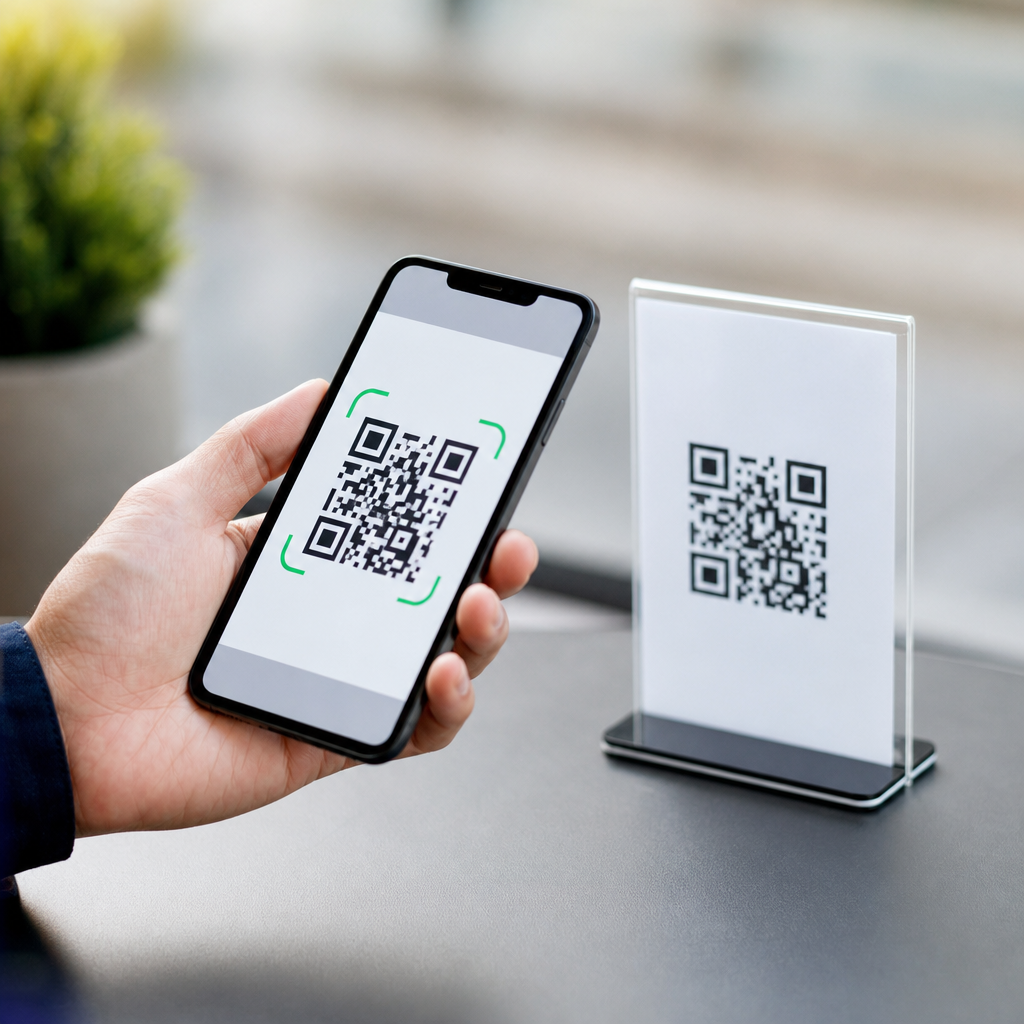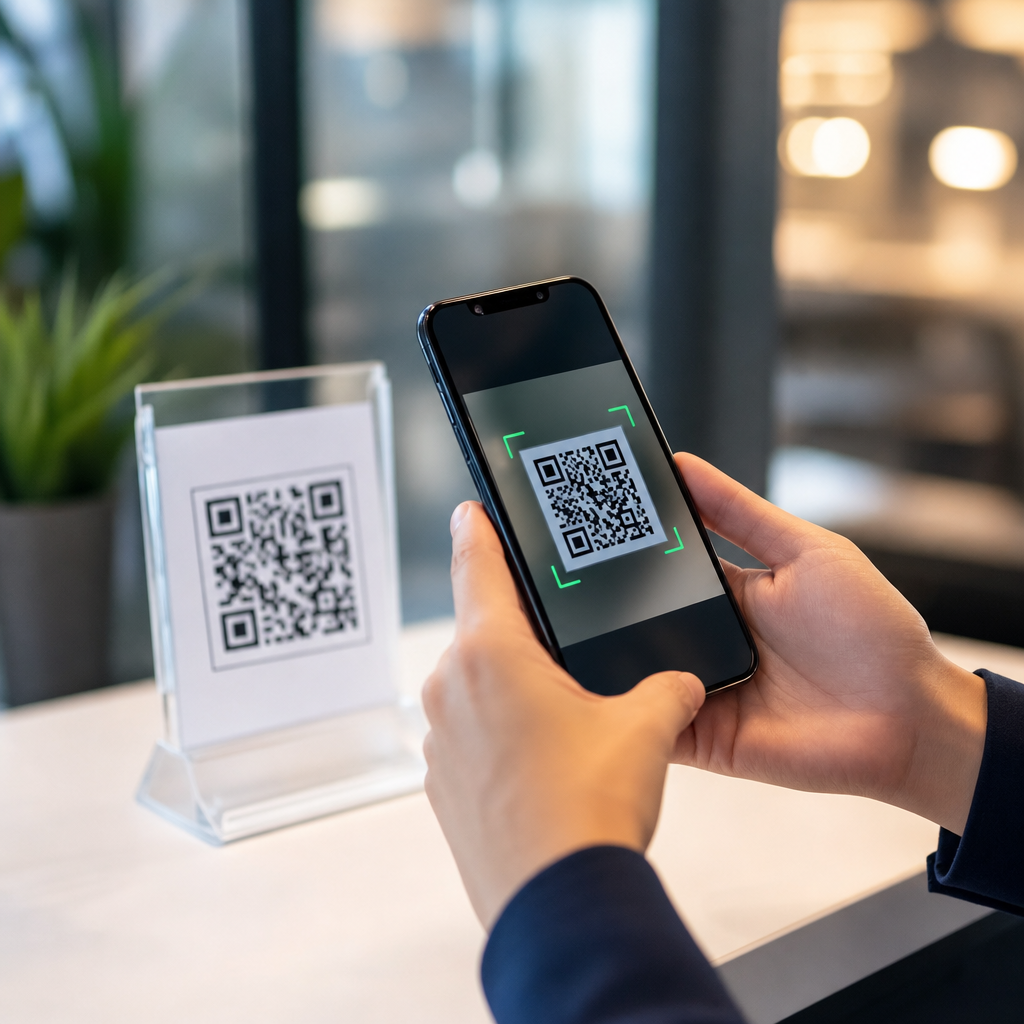
QR codes are convenient, fast, and now woven into everyday life, but scanning a malicious QR code can expose your device, accounts, money, and personal data in seconds. A QR code, or Quick Response code, is a machine-readable square barcode that opens a website, downloads a file, launches a payment request, or triggers another action when scanned by a phone camera or app. That speed is exactly why attackers abuse them. In security work, I have seen fake parking meter stickers, phishing codes on printed flyers, and restaurant table codes that redirected customers to cloned login pages built to steal credentials. The risk is not the black-and-white pattern itself; the danger comes from the destination and what the code asks your device or you to do next. Understanding what to do immediately after scanning a suspicious code matters because the first fifteen minutes often determine whether the incident stays minor or turns into account takeover, fraud, or malware infection. This guide explains the practical response steps, the common scam patterns, and the longer-term habits that reduce QR code risk for individuals and organizations.
What counts as a malicious QR code and why people fall for it
A malicious QR code is any code designed to send a victim to harmful content or trigger an unsafe action. Most attacks use QR codes as a delivery mechanism for phishing. The code opens a spoofed Microsoft 365 login page, a fake bank verification form, or a parcel redelivery site asking for card details. Other codes point to malware downloads, mobile configuration profiles, rogue app stores, cryptocurrency wallet drainers, or payment destinations controlled by criminals. Some do not exploit software flaws at all; they exploit trust, urgency, and the habit of scanning without previewing the URL.
People fall for these attacks because QR codes hide the destination until after the scan. On a laptop, users can hover over a link. On a poster, parking meter, or product box, they cannot. Attackers also piggyback on normal behavior. During incidents I have investigated, victims scanned because a sign said “pay here,” “view menu,” “claim secure Wi-Fi,” or “verify your account.” The context felt legitimate. Sticker-over-sticker tampering is especially effective in public spaces because most people do not inspect a code physically before scanning it.
Several scam types dominate. Quishing is QR-enabled phishing, usually credential theft. Payment diversion replaces a merchant or parking code with one that sends money to a criminal wallet or card processor. Tech support scams route users to pages that display fake virus warnings and phone numbers. Malware delivery persuades users to install an APK on Android or a configuration profile on iPhone that changes settings or enrolls the device in management. Contact-harvesting forms ask for names, email addresses, one-time passcodes, or identity documents under the pretense of registration or prize collection.
Immediate steps to take right after you scan a suspicious QR code
If you scan a malicious QR code, stop interacting immediately. Do not enter usernames, passwords, payment details, or one-time codes. Do not approve biometric prompts, download files, install apps, or tap allow on permission requests. If the site opened in your browser, close the tab. If a file started downloading, cancel it and delete the file from downloads. If an app opened a payment screen, back out before confirming. Quick containment is the first priority.
Next, disconnect from risky sessions and check what actually happened. Review your browser history and recent downloads. On iPhone, look in Files and Settings for any downloaded configuration profiles under VPN & Device Management. On Android, check Downloads, recent installed apps, and whether installation from unknown sources was enabled. If the code launched an email draft, text message, or call, discard it. If it opened a login page and you entered credentials, assume those credentials are compromised and move straight to password changes from a known-safe device.
If you submitted any account details, change the password immediately on the real website or app, not through the scanned link. If the same password was reused elsewhere, change those accounts too. Prioritize email, banking, cloud storage, shopping, password manager, and work accounts. Enable multifactor authentication where available, preferably using an authenticator app or hardware security key rather than SMS. Then sign out of other sessions. Major services such as Google, Microsoft, Apple, and Meta provide account security pages showing active devices and recent sign-ins.
If you entered card details or authorized payment, contact the bank or card issuer without delay. Ask them to block the card, review pending transactions, and note the fraud attempt on the account. With bank transfers, speed matters because recovery gets harder once funds move onward. If cryptocurrency was sent, recovery is usually difficult, but you should still document the transaction hash and report the wallet address to the relevant exchange or platform if one was involved.
How to tell whether the scan caused phishing, malware, or payment fraud
The best response depends on the type of harm. If you landed on a login page, especially one branded like Microsoft 365, Google, Apple, or your bank, you are likely dealing with phishing. Common signs include a slightly altered domain, unusual urgency, poor formatting, or prompts for one-time passcodes immediately after password entry. Even polished pages can be fraudulent, so the key indicator is that you reached them from an untrusted QR code and not from your saved app or bookmark.
Malware risk is higher if the QR code triggered a download, redirected you to an unofficial app page, or asked you to install a certificate, configuration profile, or mobile device management enrollment. On Android, criminals often distribute APK files outside Google Play. On iPhone, they may push enterprise-signed apps or profiles that alter trust settings, route traffic, or permit remote management. A single tap does not always equal infection, but installation or profile approval materially raises the risk.
Payment fraud is likely if the code was used for parking, vending, donations, ticketing, or invoice settlement. In these cases, the fake code usually redirects to a payment page that looks routine but sends money to the attacker. I have also seen codes that preload a payment amount and recipient in mobile payment apps. If the transaction was completed, gather evidence immediately: screenshots, the URL, merchant name, charge amount, date, and any receipt or wallet address shown on screen. That information helps banks, merchants, and investigators trace what happened.
| What happened after the scan | Most likely risk | Immediate priority |
|---|---|---|
| You entered a username and password | Phishing and account takeover | Change password, enable MFA, sign out of sessions |
| You downloaded or installed a file, app, or profile | Malware or device compromise | Remove item, scan device, review permissions and management settings |
| You completed a card or wallet payment | Payment diversion or fraud | Call issuer, block payment method, dispute charges |
| You provided personal data only | Identity theft or future phishing | Monitor accounts, watch for impersonation, place fraud alerts if needed |
Device cleanup and account protection after a malicious QR scan
Once the immediate fire is contained, move into verification and cleanup. Start with the browser. Delete recent downloads, clear site data for the suspicious domain, and review saved passwords to ensure nothing new was stored automatically. In Chrome, Safari, and Edge, you can inspect website permissions such as notifications, camera, location, and pop-up access. Revoke anything granted to the suspicious site. Attackers often use notification permission to keep sending fake security alerts long after the first visit.
Then inspect your device for persistence. On Android, review installed apps, accessibility settings, device admin apps, default SMS app, VPN settings, and battery optimization exclusions. Malware often requests accessibility access to read screens or approve actions. On iPhone, check VPN & Device Management, calendars, subscribed profiles, Safari extensions, and installed apps that appeared after the scan. If anything looks unfamiliar, remove it. When the device is corporate-owned, involve your IT or security team before deleting artifacts they may need for investigation.
Run reputable security tools where appropriate. Microsoft Defender, Malwarebytes, Bitdefender, and Google Play Protect can identify common mobile threats or risky apps. These tools are useful, but they are not magic; many QR scams are pure phishing and leave no malware to detect. That is why account review matters just as much as device scanning. Check email forwarding rules, mailbox delegates, cloud app authorizations, and account recovery settings. Business email compromise often begins with a phished mailbox, then persists through hidden inbox rules and OAuth app consent.
If this happened on a work account or company device, report it internally right away. Fast reporting allows administrators to revoke tokens, reset sessions, block domains, and search logs for similar activity. In Microsoft 365, security teams will review Entra sign-in logs, risky sign-ins, and user consent events. In Google Workspace, they will inspect login events, OAuth grants, and forwarding rules. Early containment can prevent one scanned code from becoming a wider incident across a department.
Reporting, documentation, and legal or compliance considerations
Document the incident while details are fresh. Save the QR code image if possible, the destination URL, timestamps, screenshots, payment confirmations, and any messages or signage associated with the code. If the code was on a physical object, photograph the location and the full sign, not just the square code. That context often shows whether the code was an overlay sticker or part of the original print. Chain-of-custody discipline is not only for large investigations; even individuals benefit from keeping clear records when disputing charges or filing police reports.
Report the incident to the right parties. For consumer scams, that may include your bank, card issuer, the merchant whose brand was impersonated, the platform hosting the malicious page, and local cybercrime reporting channels. In the United States, people commonly report to the FBI Internet Crime Complaint Center and the Federal Trade Commission. In the United Kingdom, Action Fraud is a standard route. Businesses may also have obligations under data protection or breach notification rules if employee or customer data was exposed.
Compliance concerns depend on the data involved. If a malicious QR campaign harvested names, emails, credentials, or payment data from customers, organizations may need to assess obligations under GDPR, CCPA, PCI DSS, HIPAA, or sector-specific rules. The key question is whether personal data, authentication secrets, or regulated payment information was compromised. In my experience, teams that document scope early, preserve evidence, and engage legal counsel quickly make better decisions than teams that treat QR scams as trivial because they started with a sticker or poster.
How to prevent malicious QR code incidents in the future
Prevention starts with changing the scan habit. Treat every QR code as an untrusted link until proven otherwise. Use your phone’s preview feature to inspect the destination before opening it. Look for the real domain, not just familiar branding in the page title. Prefer official apps, saved bookmarks, or manually typed URLs for banking, work logins, and high-value payments. In public places, inspect the code physically for tampering, bubbling, or stickers laid over printed materials. If a parking meter or restaurant offers both a web address and a QR code, cross-check them.
Organizations should implement simple controls that reduce employee and customer exposure. Security awareness training needs a dedicated segment on quishing, because many users know email phishing but do not recognize QR-enabled variants. Mobile device management can block sideloaded apps, restrict profiles, and enforce safe browsing. Email gateways increasingly detect QR codes embedded in PDFs and images, but printed codes and in-person scams require signage controls and routine inspections. For high-risk workflows like payments, publish a clear rule: never trust a QR code alone when money or credentials are involved.
Safer design also matters. Merchants, venues, and employers can reduce abuse by using short, memorable domains, branded subdomains, and visible fallback URLs next to QR codes. Dynamic QR codes should be governed like any other redirect service, with access control, logging, and change monitoring. Where possible, tie payments to known apps rather than raw browser pages. The simpler the verification path for users, the less room attackers have to substitute a malicious destination. Review your current QR touchpoints today, and build a response plan before the next scan becomes a security incident.
Frequently Asked Questions
What should I do immediately after scanning a suspicious or malicious QR code?
If you scan a QR code and realize something seems off, act quickly but calmly. The first step is to stop interacting with whatever opened. Do not submit login details, payment information, text-message verification codes, or personal data. If the QR code opened a website, close the browser tab immediately. If it tried to download a file, cancel the download and do not open the file. If it launched a payment app, exit before approving anything. If it attempted to connect your phone to a Wi-Fi network, pair with a device, or install a profile, decline the request.
Next, disconnect your device from the internet for a moment by turning on airplane mode or disabling Wi-Fi and mobile data if you believe something may still be actively loading in the background. Then check your browser downloads, recent apps, and notification tray for anything unusual. If you tapped any prompts, review whether a file was downloaded, an app was installed, a calendar invite was added, or a configuration profile was requested. On iPhone, look for unusual profiles or device management settings. On Android, check recent downloads, installed apps, and browser permissions.
If you entered any credentials on a page opened by the QR code, change those passwords immediately from a trusted device or by typing the website address manually into your browser instead of using the QR link. If the same password was reused elsewhere, change those accounts too. Enable or confirm multi-factor authentication wherever possible. If you approved a payment or entered card information, contact your bank or card issuer right away to report potential fraud and monitor for unauthorized charges. Finally, run a reputable mobile security scan if available, update your phone’s operating system, and keep an eye on account activity over the next several days.
Can a malicious QR code infect my phone with malware just by being scanned?
In many cases, simply scanning a QR code does not automatically infect a phone. A QR code is usually just a shortcut that tells your device to open a link or trigger an action. The real danger comes from what happens next. If the code sends you to a phishing site, tricks you into downloading a malicious file, persuades you to install an app, or prompts you to grant permissions, that is where the actual compromise often occurs. So while the scan itself may not always equal infection, it can be the first step in an attack chain designed to move very quickly.
That said, you should still treat suspicious QR interactions seriously. Attackers use QR codes because people tend to trust them more than regular links and have less opportunity to inspect the destination before opening it. A malicious QR code might lead to a fake login page that steals credentials, a counterfeit payment portal that captures card details, or a bogus support page that encourages you to call a scam number. In some cases, it may attempt to exploit a browser or app vulnerability, especially if the device is outdated, though that is less common than straightforward phishing and social engineering.
The practical takeaway is this: if you scanned a code but did not click through, download anything, enter information, or approve any prompts, your risk is usually lower. If you did interact with what opened, the risk goes up significantly. Review exactly what happened, update your device, remove anything suspicious, change passwords if needed, and monitor your accounts. Thinking in terms of actions taken after the scan is the best way to assess the threat accurately.
How can I tell whether the QR code led to a phishing website or scam?
There are several warning signs that a QR code led to a phishing page or scam, and they often appear within seconds if you know what to look for. The biggest red flag is a website address that looks unfamiliar, misspelled, overly long, or stuffed with random characters. Attackers often imitate trusted brands with lookalike domains that are close enough to fool someone glancing quickly on a phone screen. Another warning sign is urgency: messages claiming your account will be locked, a payment is overdue, a package cannot be delivered, or you must act immediately to avoid a penalty. Scam pages rely on pressure to stop you from slowing down and verifying what you are seeing.
Pay attention to design and behavior too. A fake site may use poor formatting, blurry logos, awkward language, or buttons that do not work properly. It may ask for information that does not make sense in context, such as your full password, banking PIN, one-time passcode, or multiple forms of identity verification for a simple parking payment or restaurant menu. If a QR code on a public sign, flyer, parking meter, table tent, or package label takes you somewhere unrelated to the situation, that mismatch is another strong clue. For example, a parking meter should not send you to a personal payment account, a file-sharing page, or a login portal for an unrelated service.
If you are unsure, do not continue through the QR session. Instead, manually search for the organization’s official website, use its official app, or call a verified phone number from a bill, card, or company directory. On many phones, you can preview the URL before opening it if you use a QR scanner that shows the destination first. That small pause can prevent a major problem. When in doubt, treat QR codes the same way you should treat shortened links: convenient, but never beyond question.
What accounts or financial information should I secure if I entered details after scanning the QR code?
Start with whatever information you actually entered, then expand outward based on how connected that account is to the rest of your digital life. If you entered a username and password, change that password immediately on the legitimate site by navigating there manually, not through the QR code. If that password was reused anywhere else, change those accounts too, because attackers routinely test stolen credentials across email, banking, shopping, and social platforms. Email accounts should be a top priority because access to email can often be used to reset passwords on many other services.
If you entered payment card information, contact your card issuer as soon as possible, explain that your details may have been captured through a QR-code-related scam, and ask what fraud protections or monitoring steps they recommend. Review recent transactions and continue checking them closely. If the scam involved a bank account, wire transfer, peer-to-peer payment app, or cryptocurrency transfer, report it immediately through the provider’s official support channels. Speed matters because some transactions can be stopped or flagged if reported quickly enough.
You should also secure any accounts protected by one-time passcodes if you shared a verification code during the incident. A one-time code can allow an attacker to complete a login in real time even if you later change the password. Check login history, signed-in devices, recovery email addresses, phone numbers, and forwarding rules on important accounts, especially email and financial services. Sign out of sessions you do not recognize. If available, enable an authenticator app or hardware-based multi-factor authentication instead of relying only on text messages. The goal is not just to change one password, but to shut down every route an attacker might use to maintain or regain access.
How can I protect myself from malicious QR codes in the future?
The best protection is to slow down before you scan or before you act on what opens. QR codes are designed for speed, but attackers exploit that convenience. Whenever possible, inspect the context around the code. Is it on a sticker that looks recently placed over another sticker? Is it in a location where tampering would be easy, such as a parking meter, utility pole, restaurant table, public poster, or shared workspace? Does it make sense for that code to be there at all? If anything feels inconsistent, use an official app, type the address yourself, or ask the business directly.
Use a scanner or phone setting that previews the destination URL before opening it. That gives you a chance to spot suspicious domains and back out safely. Keep your phone’s operating system, browser, and apps updated so known vulnerabilities are patched. Avoid downloading apps or files from QR-code prompts unless you independently verify the source. Be especially cautious with codes that request payments, logins, profile installations, Wi-Fi connections, or urgent identity verification. Those are high-risk scenarios because they often involve money, credentials, or device-level permissions.
Good account hygiene also limits the damage if something does slip through. Use strong, unique passwords for every important account, store them in a password manager, and enable multi-factor authentication. Turn on transaction alerts for bank and credit accounts so unauthorized activity is noticed quickly. Teach family members and coworkers that QR codes are not automatically safe just because they are common. A little skepticism goes a long way. The most effective mindset is to treat a QR code as an untrusted link in physical form: useful, often legitimate, but always worth verifying before you trust it.