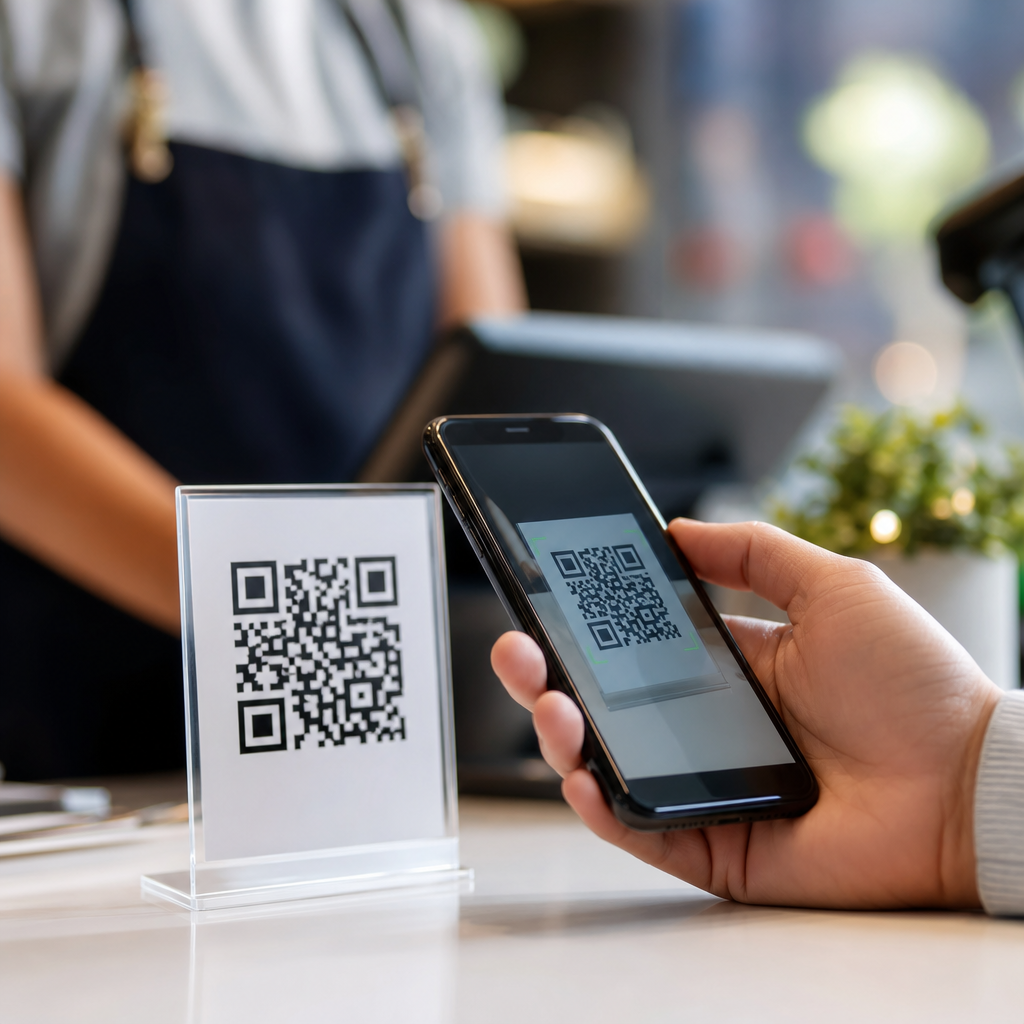
QR codes are convenient, cheap to deploy, and now embedded in payments, menus, packaging, identity flows, logistics, and healthcare, but their security in 2026 depends less on the symbol itself than on the systems and habits surrounding it. A QR code is simply a machine-readable matrix that stores data, most often a URL, payment payload, contact card, Wi-Fi credential, or app action. The code is not inherently malicious or inherently safe; risk arises when people cannot easily inspect what will happen after a scan. That asymmetry makes QR codes attractive to attackers and useful to defenders at the same time.
When clients ask me, “Are QR codes safe?” the direct answer is yes, conditionally. A well-governed QR code program can be very safe. A casually managed one can create phishing, payment fraud, privacy leakage, and compliance problems quickly. In the last two years I have seen the same pattern across retail chains, event venues, and field service teams: the organizations that treat QR codes like production software assets avoid most incidents, while those that print codes without ownership, monitoring, or landing-page controls accumulate hidden exposure.
Why this matters in 2026 is straightforward. QR usage accelerated after mobile payment adoption, contactless workflows, and smart packaging became standard. At the same time, criminals refined “quishing,” or QR phishing, by swapping stickers on parking meters, restaurant tables, utility bills, and public posters. Regulators also pushed harder on privacy and accessibility. If a QR code links to a form collecting personal data, initiates a payment, or opens a deep link into an app, it falls into the same risk universe as any other digital touchpoint. The key terms to understand are static QR code, which encodes a fixed destination, dynamic QR code, which points through a managed redirect, and authenticated destination, where the landing page or app verifies integrity before sensitive actions occur.
This article is the hub for understanding QR code safety from end to end: technical threats, operational controls, privacy implications, compliance obligations, and practical decisions about when QR codes are appropriate. If you manage marketing campaigns, product packaging, venue signage, or mobile payments, you need a framework that goes beyond “scan at your own risk.” Secure QR deployment is achievable, but it requires governance, trusted infrastructure, and user education that matches how people actually scan in the real world.
What makes a QR code safe or unsafe?
A QR code is safe when the encoded action is predictable, the destination is controlled, and the user has enough trustworthy context to decide whether to proceed. Most risk comes from indirection. A printed symbol hides a long URL or command that would otherwise be visible. On mobile devices, users scan quickly, often in public, and may approve a browser prompt, app deep link, or payment request in seconds. Attackers exploit that speed.
In practice, safety rests on five factors: destination integrity, physical integrity, redirection controls, data minimization, and scan context. Destination integrity means the linked page uses HTTPS, valid certificates, secure hosting, and hardened forms. Physical integrity means codes on posters, kiosks, and packaging are protected against replacement or over-sticking. Redirection controls matter because dynamic QR platforms can be lifesavers for analytics and edits, but they also centralize risk if account access is weak. Data minimization means a scan should not trigger unnecessary collection of location, identifiers, or profile data. Scan context means users should know why the code exists, who published it, and what outcome to expect.
Static and dynamic QR codes involve different tradeoffs. Static codes are simple and cannot be altered after printing, which reduces platform compromise risk, but any error or changed URL requires reprinting. Dynamic codes support analytics, destination changes, A/B testing, and regional routing, making them operationally superior for many businesses. However, they demand identity controls, change logs, DNS hygiene, and vendor due diligence because the redirect layer becomes part of your attack surface.
Common QR code threats in 2026
The most common threat is quishing. An attacker places a malicious QR sticker over a legitimate code, directing users to a counterfeit payment page or credential harvester. I have investigated incidents where the fake page copied a municipal parking portal exactly, including logos, colors, and a plausible transaction amount. Victims entered card details, received a fake receipt, and only noticed days later. The QR code itself did nothing exotic; the fraud worked because the landing page looked credible and the physical environment implied trust.
Another major threat is redirect abuse. If a company uses a dynamic QR service and an attacker compromises that account, every printed code can silently point somewhere else. This is why multifactor authentication, role-based access, and domain restrictions are non-negotiable. There is also app-link abuse, where a QR code triggers a deep link into a mobile app or an app store page resembling a legitimate download flow. If users sideload software or approve unnecessary permissions, compromise can extend beyond a single session.
Privacy leakage is often overlooked. Some QR campaigns append identifiers, campaign tags, or customer reference values to URLs. If those parameters expose email addresses, order numbers, or account IDs, the code can leak personal data through screenshots, shared images, referral headers, and web logs. In healthcare and employee settings, that can cross into regulated data exposure. A safer design uses random tokens mapped server-side, short retention windows, and strict access controls on the backend.
Finally, there is denial of service and reputational damage. A broken, expired, or hijacked QR code can strand customers at a point of payment or support, causing immediate revenue loss. Because many organizations print codes on packaging, labels, receipts, and storefront materials, remediation can be slow and expensive unless redirect architecture and incident playbooks are already in place.
How organizations secure QR codes effectively
The strongest QR code security programs start with ownership. Every code should have a business owner, technical owner, approved purpose, destination inventory record, and retirement date where appropriate. In mature environments, QR codes are tracked like other digital assets. Teams maintain a registry showing where each code appears, whether it is static or dynamic, which domain it uses, and what data the linked workflow collects.
Domain strategy matters more than most teams expect. Host QR destinations on branded domains users recognize, not generic shorteners or obscure third-party subdomains. If redirection is necessary, keep the redirect on a domain you control and monitor. Enforce HTTPS with HSTS, maintain current TLS configurations, and set up certificate renewal alerts. For dynamic programs, log every destination change, require approvals for sensitive edits, and alert on unusual routing changes such as overnight swaps to newly registered domains.
Physical controls are equally important. For public signage, use tamper-evident labels, protected mounts, routine inspections, and visual design that makes unauthorized overlays obvious. A good practice is to print a short branded URL next to the QR code so users can compare the destination before scanning or type it manually if something looks wrong. For packaging and high-value transactions, some brands add serial validation or signed payload checks in the app, so a scan alone is not enough to authorize an action.
| Control | What it prevents | Best use case |
|---|---|---|
| Branded destination domain | Suspicion, spoofed redirects, user confusion | Payments, account access, customer support |
| Dynamic redirect with MFA and logs | Silent hijacking, unmanaged edits | Large campaigns, packaging, multi-location signage |
| Tamper-evident placement | Sticker replacement attacks | Parking meters, tables, kiosks, posters |
| Randomized server-side tokens | Exposure of personal or transaction data | Healthcare, tickets, receipts, employee workflows |
| Landing page warnings and preview text | Impulsive scans and consent failures | Public campaigns and first-time user journeys |
Are QR codes safe for payments, login, and personal data?
Payment QR codes can be safe, but they require the highest bar. In markets using EMVCo-compatible merchant-presented QR payments, the transaction format is standardized and often routed through established wallet or banking apps. That is safer than asking a user to scan a code that opens a generic web page requesting card details. If the flow ends inside a trusted payment app with merchant verification, tokenization, and transaction confirmation, fraud risk is lower. If it ends on a browser form hosted on an unfamiliar domain, risk rises sharply.
For login and authentication, QR codes are useful when they pair a device with an existing trusted session, as seen in desktop-to-mobile sign-in flows. Safe implementations bind the QR token to a short expiration time, one-time use, device fingerprinting signals, and explicit user confirmation in the authenticated app. Unsafe implementations expose long-lived session tokens or let a scan complete account actions without secondary verification. Microsoft and other identity providers have emphasized conditional access and phishing-resistant methods because QR-mediated login can still be socially engineered if the approval screen is vague.
When personal data is involved, the rule is simple: the QR code should reveal as little as possible by itself. Do not encode raw personal information unless there is a compelling offline need and encryption or access controls support it. VCard sharing for a sales representative is one thing; embedding patient identifiers or employee records directly in the symbol is another. Use opaque references and resolve sensitive data server-side after authorization. This design aligns better with privacy laws, breach minimization principles, and lifecycle management.
Compliance, privacy, and accessibility considerations
QR code compliance is not a separate discipline from digital compliance; it is an entry point into it. If the destination collects personal data, cookie consent, lawful basis, retention schedules, vendor agreements, and cross-border transfer rules still apply. Under GDPR, CCPA and CPRA, and similar frameworks, organizations need transparent notices about what data is collected after the scan, why it is collected, and how long it is retained. Hidden tracking behind a simple poster scan can become a disclosure problem quickly.
Security standards also apply. If a QR code initiates card payments, PCI DSS scope may attach to the environment handling payment data. If it opens healthcare workflows, HIPAA obligations may apply in the United States. For public-sector deployments, records retention and accessibility requirements can be decisive. I advise clients to review QR-linked forms the same way they review any external-facing web form: threat model the flow, validate vendors, minimize fields, and document controls.
Accessibility is often missed. A QR code alone excludes users with some visual, cognitive, or device limitations. Best practice is to provide a plain-language alternative such as a short URL, NFC option, or staffed manual process. The landing page should meet WCAG expectations, including readable contrast, keyboard accessibility, clear error messages, and mobile-friendly layout. Security improves when accessibility improves because users have alternatives instead of feeling forced into a rushed scan.
Best practices for consumers and businesses in 2026
For consumers, the safest habit is to pause before acting on any QR code that requests payment, login, or personal details. Check whether the destination preview shows a recognizable domain. Be skeptical of codes on stickers, lampposts, parking machines, and public posters, especially if the surrounding signage looks altered. Use official apps for parking, transit, tickets, and payments when possible. Keep your phone updated, use a browser or security tool that warns about unsafe sites, and never enter credentials just because the code appeared in a trusted physical place.
For businesses, publish QR destinations on domains customers already know, and design the landing page so the first screen confirms brand identity and intended action. Avoid generic URL shorteners for sensitive use cases. Review scan analytics for anomalies such as sudden geographic spikes, odd user agents, or conversion drops that could signal tampering. Train staff to inspect physical codes and report overlays immediately. In high-risk settings, add text telling users exactly what should happen after the scan, for example, “This code only opens our menu at brand.example/menu and never asks for card details.”
The bottom line is that QR codes in 2026 are safe when they are treated as controlled digital entry points, not decorative shortcuts. The symbol itself is neutral. Security comes from trusted domains, secure redirects, careful data handling, visible context, and disciplined operations. Businesses that inventory codes, protect edit access, inspect physical placements, and provide accessible alternatives reduce both fraud and compliance risk. Consumers who verify destinations and avoid impulsive scans can use QR codes confidently for most everyday tasks. If you manage QR programs, audit your live codes now, map every destination, and fix the risky ones before convenience turns into exposure.
Frequently Asked Questions
Are QR codes themselves secure, or is the real risk in how they are used?
QR codes are not inherently secure or insecure. A QR code is simply a visual container for data, usually a URL, payment request, contact card, app action, login token, Wi-Fi credential, or tracking identifier. In 2026, the biggest security issue is rarely the black-and-white matrix itself. The real risk comes from the destination it triggers, the system that generated it, and the habits of the person scanning it. Because people cannot easily read a QR code with their eyes, they often trust it more quickly than a typed link, especially when it appears on packaging, signs, menus, invoices, kiosks, or healthcare documents. That trust creates an opening for phishing, payment redirection, credential theft, malicious app prompts, and data collection. So when people ask whether QR codes are secure, the most accurate answer is that their security depends on the surrounding environment: who created the code, whether it can be tampered with, whether the scanner previews the destination, whether the landing page uses strong web security, and whether the organization has controls for monitoring misuse.
What are the most common QR code threats in 2026?
In 2026, the most common QR-related threats are still social-engineering attacks, but they have become more polished and targeted. One major risk is QR phishing, sometimes called “quishing,” where a code sends users to a fake login page for banking, payroll, cloud software, delivery services, or internal company tools. Another common threat is payment substitution, where attackers replace a legitimate payment QR code on a poster, receipt, parking meter, tabletop display, charity sign, or utility bill with a code that routes money to a fraudulent account. Physical tampering remains surprisingly effective because many users assume anything printed in a public place is official. Dynamic QR codes introduce another layer of risk because the visible code may stay the same while its destination changes behind the scenes if the management account is compromised. There are also privacy concerns: some QR systems quietly collect device details, location signals, campaign attribution data, and behavior after the scan. In sensitive sectors like healthcare and identity verification, a poorly designed workflow can expose personal data, redirect users to untrusted portals, or trigger unsafe account recovery actions. The pattern across all of these threats is consistent: the attack succeeds not because the code format is dangerous, but because the scan creates a fast trust shortcut.
How can users tell whether a QR code is safe before scanning it?
Users cannot verify a QR code with perfect certainty just by looking at it, but they can reduce risk significantly by slowing down and checking context. First, consider placement. If the code appears to be a sticker placed over another code, printed unevenly, or attached in a suspicious location, treat it as untrusted. Second, use a camera or scanner that shows a link preview before opening the destination. In 2026, most modern mobile platforms provide at least some destination visibility, and that preview is one of the most important defenses available to everyday users. Check whether the domain name is spelled correctly, whether it matches the brand or institution you expected, and whether it uses a trustworthy top-level domain and HTTPS. Be especially cautious with shortened links, lookalike domains, or unfamiliar subdomains that imitate legitimate services. Third, think about whether the requested action makes sense. A restaurant menu should not immediately ask for payroll credentials, and a package label should not prompt you to install a profile or sideload an app. If the destination requests sensitive information, payment, login approval, or device permissions, stop and verify through another channel. In practice, safe scanning is less about technical expertise and more about using the same skepticism people should apply to email links, text messages, and pop-ups.
What should businesses do in 2026 to make their QR code deployments more secure?
Businesses should treat QR codes as part of their broader security surface, not just a marketing or convenience tool. Start by controlling generation and ownership. Organizations should create codes through approved systems, maintain an inventory of where each code is deployed, and document what destination or action each one is meant to trigger. For dynamic QR codes, access to the management platform should be protected with strong authentication, role-based permissions, audit logs, and alerting for destination changes. Physical security matters too: printed codes used in payments, kiosks, retail shelves, public posters, hospitals, and logistics environments should be designed to resist easy replacement and should be inspected regularly. Branded design elements, tamper-evident placement, serialized labels, and nearby human-readable URLs can help users recognize official materials. On the technical side, landing pages should enforce HTTPS, HSTS, secure redirects, content security policies, and safe session handling. If the QR code is used in identity, onboarding, or healthcare workflows, organizations should minimize exposed data, use short-lived tokens, and avoid embedding sensitive information directly in the code whenever possible. Clear user education is also essential. If customers or employees know what an official QR experience should look like, they are more likely to spot abnormal prompts. The strongest QR security programs combine governance, physical controls, secure web practices, and user expectation management.
Are QR codes safe for payments, healthcare, and identity verification in 2026?
They can be safe, but only when the full workflow is designed with security and trust in mind. For payments, QR codes are now common because they are cheap to deploy, easy to scan, and compatible with many wallets and banking apps. The security question is not whether the code pattern is strong enough, but whether the payer can verify the payee, whether payment details can be altered, and whether the app clearly confirms who will receive the money before authorization. In healthcare, QR codes are useful for patient intake, medication information, device tracking, records access, specimen workflows, and appointment flows, but they must be backed by strict privacy controls, limited data exposure, authenticated portals, and careful handling of patient identifiers. A code should ideally point to a secure service rather than directly embedding sensitive medical information. In identity verification, QR-based login and device pairing can be very secure when they rely on cryptographic tokens, short expiration windows, phishing-resistant authentication methods, and trusted apps that show users exactly what they are approving. Problems arise when organizations use QR codes as a convenience shortcut without protecting the surrounding process. In all three areas, QR codes are safest when they are part of a controlled, transparent system that gives users clear confirmation, minimizes surprise, and makes tampering or redirection easy to detect.