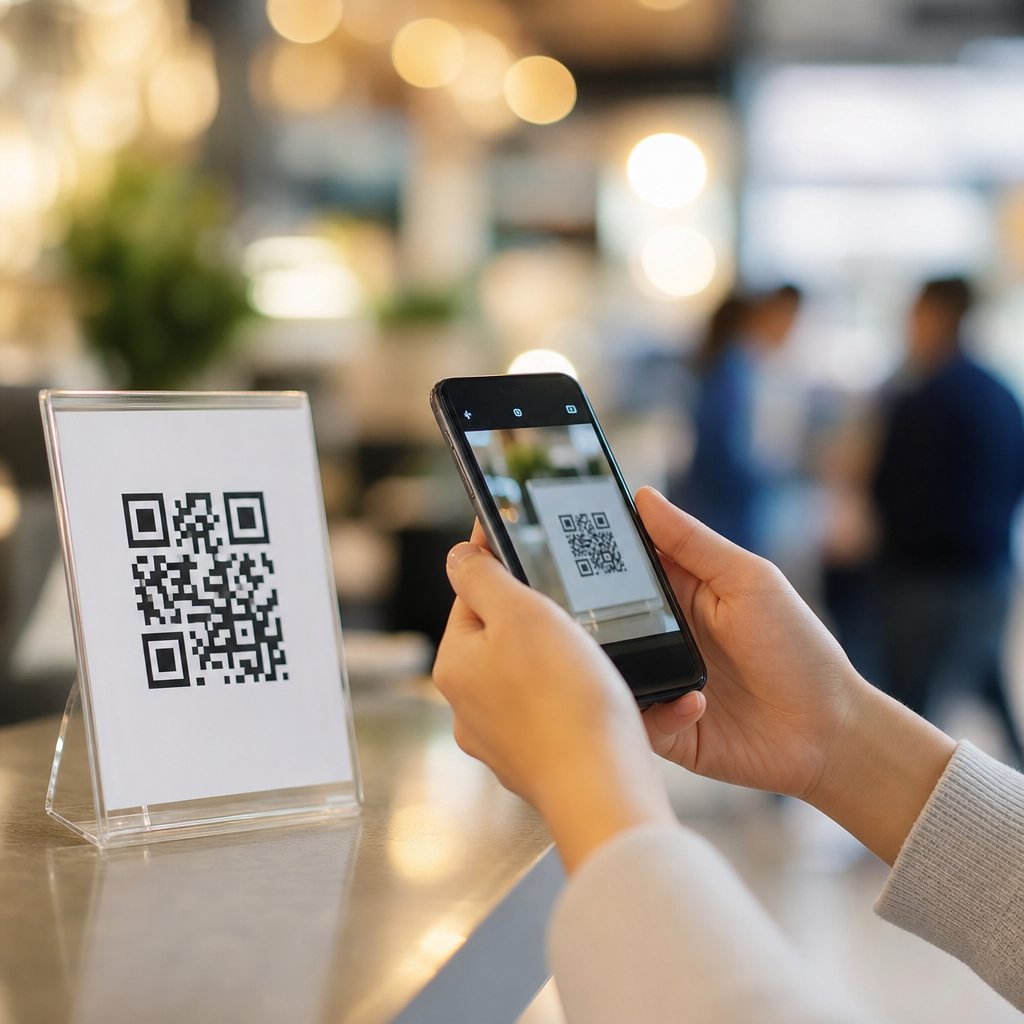
QR codes have become one of the most practical bridges between physical marketing and digital action, giving businesses a fast way to move people from a poster, package, menu, mailer, shelf tag, or event sign directly to a web page, video, app, payment screen, or form. A QR code, short for Quick Response code, is a two-dimensional barcode that stores information in a pattern of black squares and white space readable by smartphone cameras and barcode scanners. In marketing, the core use of a QR code is simple: reduce friction. Instead of asking someone to type a long URL, search for a product, download a file, or remember a campaign code later, the brand gives them one immediate scan that opens the exact destination. That speed matters because marketing performance often rises or falls on how many steps stand between interest and action.
I have worked with QR campaigns on retail packaging, restaurant tables, trade show booths, direct mail, and out-of-home placements, and the same rule keeps proving true: when the code leads to something relevant, mobile-friendly, and easy to complete, scans turn passive attention into measurable engagement. When the destination is generic or slow, adoption drops quickly. That is why understanding what QR codes are, what they do well, and where they fit in a wider marketing system matters. This article serves as a hub for QR code basics and education, covering the definition of QR codes, common marketing uses, dynamic versus static formats, tracking, design, best practices, and the limitations marketers should account for before launching a campaign.
What Are QR Codes and How Do They Work?
A QR code is a matrix barcode invented in 1994 by Denso Wave for tracking automotive parts, but its mainstream marketing value arrived when smartphone cameras began reading codes natively through iOS and Android. Unlike a traditional one-dimensional barcode, which stores data along a single horizontal line, a QR code stores data in two dimensions. That structure allows it to hold more information, including URLs, text, contact details, Wi-Fi credentials, app deep links, coupon codes, and payment instructions. Most marketing QR codes contain a URL because opening a digital destination is the fastest path from print or physical space to online interaction.
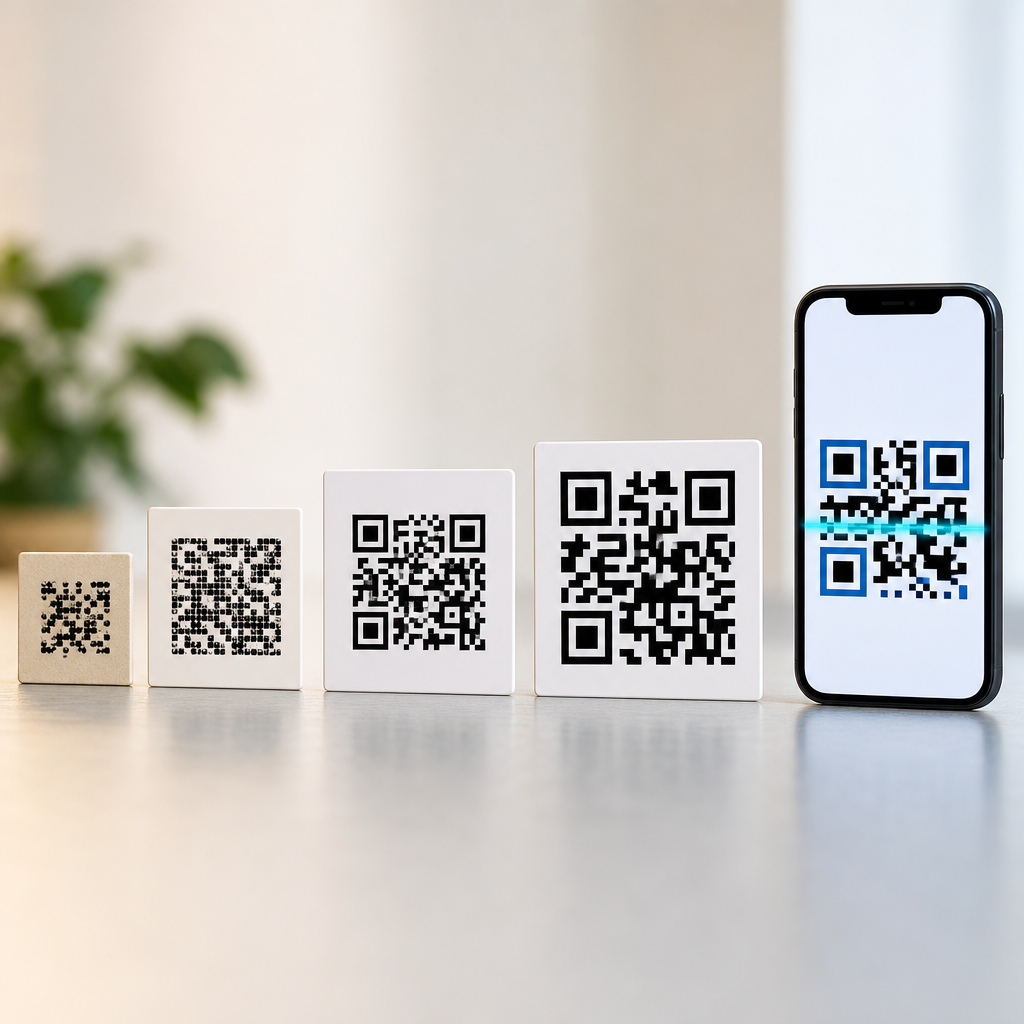
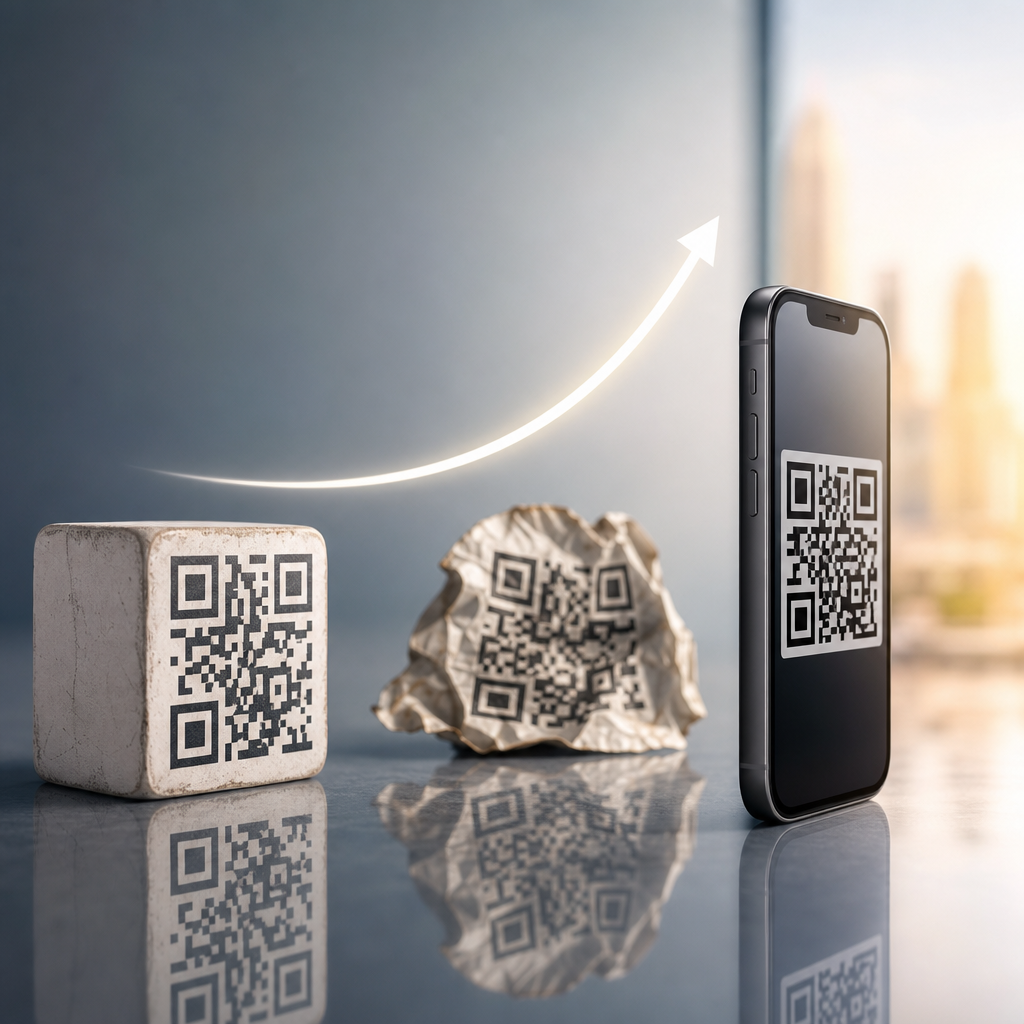
Several technical features make QR codes useful in real campaigns. Finder patterns, the large squares in three corners, help scanners identify orientation instantly. Error correction lets a code still function even if part of it is damaged, partially obscured, or customized with a logo. Common error correction levels include L, M, Q, and H, with higher levels supporting more recovery but requiring denser patterns. File size and destination length affect complexity, which is why many marketers use dynamic QR codes that point to a short redirect URL rather than embedding a long final link directly. In plain terms, the cleaner the code and the stronger the contrast, the easier it is for a phone to read quickly under everyday conditions such as glare, distance, angled scans, and motion.
What Is a QR Code Used For in Marketing?
In marketing, a QR code is used to prompt an immediate, trackable action from an offline or semi-offline touchpoint. That action may be visiting a landing page, claiming an offer, joining a loyalty program, downloading an app, watching a product demonstration, following a social account, registering for an event, leaving a review, or completing a payment. The strongest QR code campaigns create continuity: the person sees a message in the physical world and reaches the exact digital experience needed to continue the journey without typing, searching, or waiting. For brands, that convenience improves response rates while creating measurable data on scans, time, device type, location, and conversion.
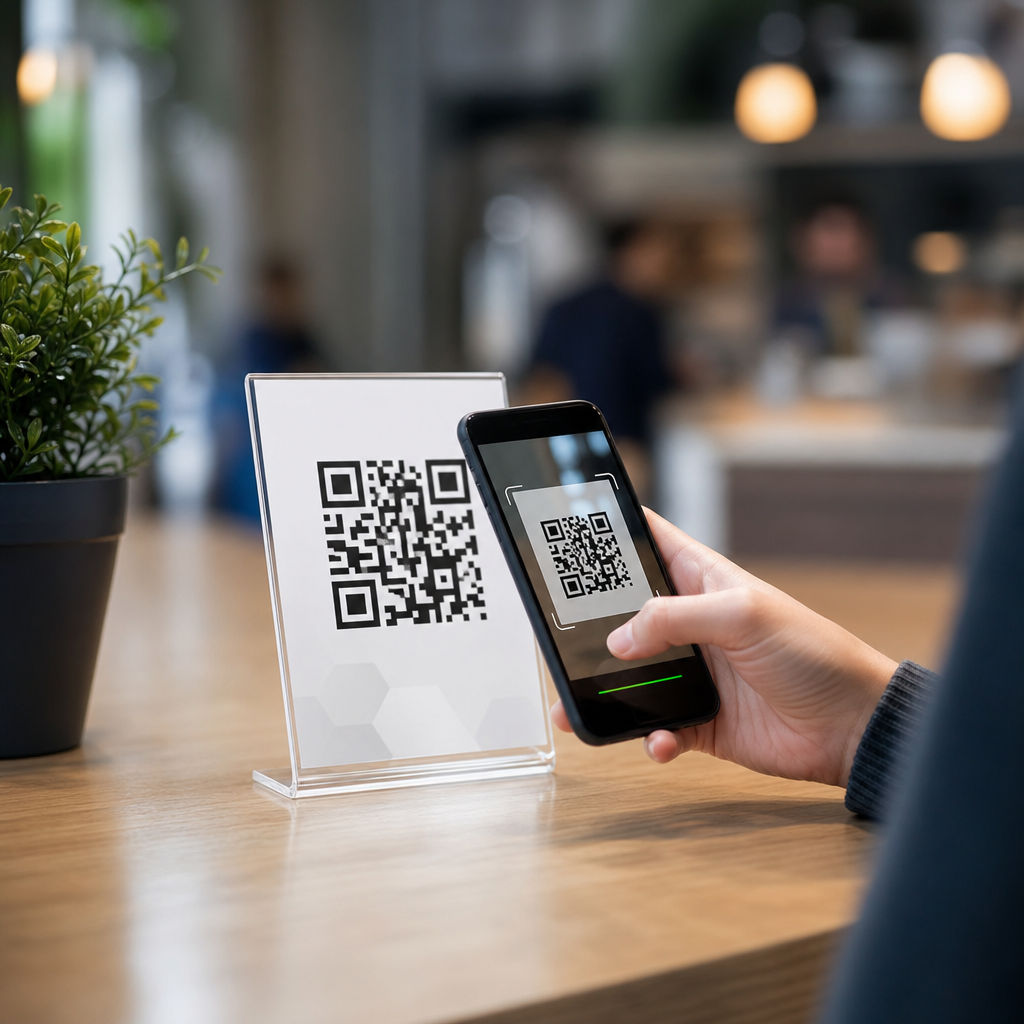
Real-world examples are everywhere. A consumer packaged goods brand can place a code on product packaging that opens usage tips, recipes, warranty registration, or a subscription reorder page. A restaurant can place table tents that open the menu, allergen details, seasonal promotions, and mobile payment. A retailer can add shelf labels that lead to product comparison charts, inventory by store, or customer reviews. At events, exhibitors use QR codes on booth signage to collect leads through a form tied to a CRM like HubSpot or Salesforce. Direct mail teams print personalized codes that open campaign-specific landing pages with UTM parameters, enabling precise attribution between mail drop and website behavior in Google Analytics 4.
That versatility explains why QR codes matter across the funnel. At the awareness stage, they can connect posters, flyers, and out-of-home media to video storytelling. In consideration, they can open spec sheets, reviews, or calculators. In conversion, they can launch checkout, booking, payment, or coupon redemption. After purchase, they can support onboarding, support content, referral programs, or satisfaction surveys. Few tools work this smoothly across so many stages while remaining inexpensive to deploy and simple for consumers to understand.
Common Types of Marketing QR Code Campaigns
The practical uses of QR codes in marketing become clearer when grouped by campaign goal. Lead generation campaigns often use codes on brochures, trade show materials, vehicle wraps, and storefront windows to open short forms offering consultations, quotes, or downloadable resources. Promotional campaigns frequently send scanners to discount pages, limited-time bundles, coupon wallets, or contest entry forms. Content engagement campaigns connect audiences to how-to videos, customer stories, product pages, and interactive experiences. Operational campaigns reduce service friction by opening FAQs, setup guides, contact options, and return portals directly from packaging or receipts.
| Campaign type | Typical placement | Destination | Primary metric |
|---|---|---|---|
| Lead generation | Trade show booth, flyer, mailer | Form or booking page | Qualified leads |
| Promotion | Poster, receipt, package insert | Offer landing page | Redemptions |
| Product education | Packaging, shelf tag, manual | Video, specs, FAQ | Engaged sessions |
| Loyalty and retention | Menu, app card, checkout counter | Rewards signup | Registrations |
| Reviews and feedback | Table card, invoice, follow-up card | Survey or review page | Response rate |
| Payments | Countertop, invoice, event sign | Payment interface | Completed transactions |
I have seen especially strong performance when a code solves a real-world inconvenience. One home services client added QR codes to door hangers and service invoices that opened a prefilled review page and maintenance plan signup. The response rate beat prior short-link campaigns because customers did not need to search for the business. Another example comes from retail: shelf-edge QR codes can extend limited shelf space by linking to detailed specifications, compatibility information, and side-by-side comparisons, which is valuable for electronics, skincare, supplements, and home improvement products where purchase confidence depends on details not visible on packaging.
Static vs Dynamic QR Codes: Which Should Marketers Use?
Static QR codes permanently encode the destination data into the pattern itself. Once printed, the destination cannot be changed without generating and redistributing a new code. They are useful for fixed information such as Wi-Fi login, plain text, or a permanent canonical URL unlikely to change. Dynamic QR codes use a short redirect URL controlled through a platform, allowing the marketer to update the final destination after printing. For campaigns, dynamic codes are almost always the better choice because they support analytics, link editing, geotargeting, A/B testing, campaign pausing, expiration rules, and error correction through redirect management.
In practice, dynamic QR codes reduce expensive reprint risk. If a landing page slug changes, a promotion expires, or inventory shifts, the marketer can update the destination inside the dashboard rather than replace packaging, posters, or mail pieces. Platforms such as Bitly, QR Code Generator Pro, Beaconstac, Uniqode, and Flowcode provide management features, while enterprise teams may route dynamic codes through their own domains for stronger branding, governance, and data ownership. The tradeoff is operational dependency: if the service fails, redirects break. That is why brands should choose reliable providers, monitor uptime, and use short branded domains with clear redirect documentation.
How QR Codes Are Tracked and Measured
One reason QR codes are now standard in marketing is measurement. A properly configured dynamic QR code can reveal scans by date, time, device, approximate location, and campaign asset. More important, it can connect to on-site behavior and business outcomes through analytics. The standard setup uses a campaign-specific landing page or tagged URL with UTM parameters such as source, medium, campaign, content, and term. In Google Analytics 4, marketers can then evaluate sessions, engagement, conversions, revenue, and assisted paths. CRM integrations extend this by connecting each scan-led form fill or sale to lifecycle stages and pipeline value.
Measurement requires careful interpretation. A scan is not the same as a qualified visit, and a visit is not the same as a conversion. Poor lighting, accidental scans, or repeat scans can inflate top-line counts. Conversely, privacy settings, app browser limitations, and cross-device behavior can hide downstream outcomes. The cleanest approach is to define success metrics in advance by campaign type: for awareness, measure unique scans and engaged sessions; for lead generation, measure completed forms and qualified opportunities; for commerce, measure revenue per scan and redemption rate. When I audit QR campaigns, the missing piece is usually not data collection but destination alignment. If the page does not match the context of the scan, even excellent tracking only confirms weak execution.
Best Practices for QR Code Design, Placement, and Destination Pages
A QR code works best when it is easy to notice, easy to scan, and clearly worth scanning. Start with contrast: dark code on a light background is the safest choice. Avoid reflective materials, cramped placement near folds or edges, and tiny print sizes. A practical minimum is around 2 x 2 centimeters for close-range use, but larger sizes are needed for posters, windows, and billboards viewed from farther away. A common rule is a scan distance to code size ratio of about 10:1, meaning a code scanned from ten feet away should be roughly one foot wide. Testing in real conditions matters more than relying on templates.
Every marketing QR code should include a visible call to action that states what happens after the scan. “Scan for menu” outperforms a bare symbol. “Scan to get 15% off,” “Scan to watch setup instructions,” and “Scan to compare models” each set clear expectations and improve intent quality. Branded customization can help recognition, especially on packaging and signage, but excessive styling harms readability. Keep logos modest, preserve quiet zones around the code, and validate across multiple devices before launch. The landing page must be mobile optimized, fast, secure with HTTPS, and tightly matched to the promise on the asset. If a user scans a code from a skincare box expecting ingredient details and lands on a generic homepage, the campaign has failed even if the scan counted.
Limitations, Risks, and the Future of QR Codes in Marketing
QR codes are effective, but they are not universal solutions. They depend on smartphone access, camera confidence, adequate lighting, and enough motivation to act in the moment. In some contexts, NFC, short URLs, SMS keywords, or traditional signage may outperform them. Security is another concern because malicious actors can place fraudulent stickers over real codes or redirect users to deceptive pages. Brands should use recognizable domains, monitor public placements, and educate customers to verify the destination before entering data. Accessibility matters too: a QR code alone excludes some users, so printed URLs or alternative instructions should remain available where practical.
Even with those limits, the future role of QR codes in marketing remains strong because they connect physical media to measurable digital experiences at almost no marginal cost. They now support mobile wallets, first-party data capture, omnichannel attribution, digital product passports, and packaging transparency initiatives tied to sustainability and compliance. In markets affected by privacy changes and weaker third-party tracking, QR codes give brands a direct, consent-based path to interaction. If you want a reliable answer to “what is a QR code used for in marketing,” it is this: QR codes turn attention into action with less friction and better measurement than most offline-to-online tools. Use them thoughtfully, test them in the real world, and build every scan around a clear user benefit. Then explore the rest of your QR Code Basics & Education hub to deepen strategy, setup, and campaign execution.
Frequently Asked Questions
What is a QR code used for in marketing?
In marketing, a QR code is used to move someone from a physical touchpoint directly into a digital experience with almost no friction. Instead of asking a customer to type in a long web address, search for a product, or download an app manually, a business can place a QR code on a poster, product package, direct mail piece, restaurant menu, shelf tag, business card, event sign, or advertisement and let the customer scan it with a smartphone. That scan can instantly open a landing page, product page, coupon, video, sign-up form, social profile, app download, payment page, review form, or contact card.
The real marketing value of QR codes is speed and convenience. They shorten the path between interest and action. If a person sees something they like in a store, on a flyer, or at an event, the QR code gives them an immediate next step while their attention is still high. Marketers use that capability to increase engagement, generate leads, support purchases, deliver promotions, gather feedback, and connect offline campaigns to measurable online behavior. In simple terms, a QR code turns printed and in-person marketing into something interactive, trackable, and easier for customers to respond to.
How do businesses use QR codes to connect offline and online marketing?
Businesses use QR codes as a bridge between physical media and digital channels. A printed ad can link to a campaign landing page. A product package can open setup instructions, loyalty rewards, recipes, or cross-sell offers. A window sign can send passersby to store hours, a booking page, or a limited-time promotion. At trade shows, QR codes on booths and badges can connect visitors to product demos, brochures, meeting schedulers, or lead capture forms. In restaurants, they can direct diners to menus, ordering systems, feedback requests, and loyalty programs. In direct mail, they can take recipients to personalized offers that are easier to redeem than traditional coupons.
This connection matters because it gives marketers a practical way to continue the customer journey beyond the moment of exposure. Someone may notice a billboard or package but not be ready to act later if they have to remember the brand name or search for it on their own. A QR code reduces drop-off by creating an instant handoff from awareness to action. It also allows offline campaigns to generate online data, such as scans, clicks, conversions, and page visits, which helps businesses understand which placements, messages, and offers are producing results. That makes QR codes useful not just for customer convenience, but also for campaign optimization and attribution.
What are the main benefits of using QR codes in a marketing campaign?
The biggest benefits are convenience, speed, versatility, and measurability. From the customer’s point of view, scanning a QR code is easier than typing a URL or searching for information manually. That lower effort can improve response rates, especially when people are on the move or interacting with a printed item for only a few seconds. From the marketer’s perspective, QR codes can be placed on nearly any surface and used for many objectives, including promotions, email capture, app downloads, event registration, product education, payments, customer support, and review generation.
Another major advantage is that QR codes can help make traditional marketing more measurable. When a business uses campaign-specific QR codes, it can often track how many scans occur, when they happen, where they come from, and what users do after landing on the destination page. That makes it easier to compare the performance of different posters, stores, packaging runs, mailers, or in-store displays. QR codes can also support a better customer experience by delivering timely information in context. For example, a shopper standing in front of a product can scan for specifications, tutorials, testimonials, or an instant discount. In many cases, the result is a smoother path to decision-making and a stronger connection between brand messaging and customer action.
What should a QR code link to in order to be effective for marketing?
An effective marketing QR code should link to a destination that matches the user’s context and makes the next step obvious. If the code appears on product packaging, it should usually lead to something useful for a buyer or interested shopper, such as product details, how-to content, warranty registration, reviews, or a reorder page. If it appears on a poster for an event, the destination should likely be a registration page, event schedule, map, or speaker lineup. If it appears in a retail environment, it might link to a coupon, comparison guide, inventory page, or mobile checkout experience. The key is relevance. The landing experience should feel like a natural continuation of what the person just saw.
It is also important that the destination be mobile-friendly, fast-loading, and focused on one clear action. When people scan QR codes, they are usually using a phone, often in a public place and with limited patience. If the page loads slowly, looks cluttered, or asks for too much information immediately, conversion rates can suffer. Strong QR code destinations typically have a simple headline, concise supporting copy, a visible call to action, and minimal distractions. Businesses should also avoid linking to generic homepages when a more specific landing page would better match the intent behind the scan. The more directly the QR code fulfills the user’s expectation, the more effective it will be as a marketing tool.
How can marketers make QR codes more successful and track their performance?
To make QR codes more successful, marketers should start with clear intent. Every QR code should support a specific goal, such as collecting leads, driving purchases, increasing app downloads, promoting a limited-time offer, or helping customers access product information. The code should be placed where people can easily notice and scan it, with enough size, contrast, and surrounding space to work reliably. It also helps to include a short call to action near the code, such as “Scan to get 20% off,” “Scan to watch the demo,” or “Scan to book now.” That extra instruction removes uncertainty and gives people a reason to engage.
Tracking performance usually involves linking the QR code to a dedicated landing page or a URL with campaign parameters so scans and downstream activity can be measured in analytics tools. Marketers can then evaluate metrics such as scan volume, click-through behavior, conversion rate, time of scan, device type, and resulting revenue or leads. For more advanced campaigns, different QR codes can be assigned to different print locations, packaging versions, store displays, or audience segments to compare results. Testing is also important. Businesses can improve outcomes by experimenting with placement, offer language, landing page design, and call-to-action wording. In practice, the most effective QR code campaigns combine strong creative, a compelling incentive, a smooth mobile experience, and reliable tracking so that every scan contributes to both customer engagement and marketing insight.