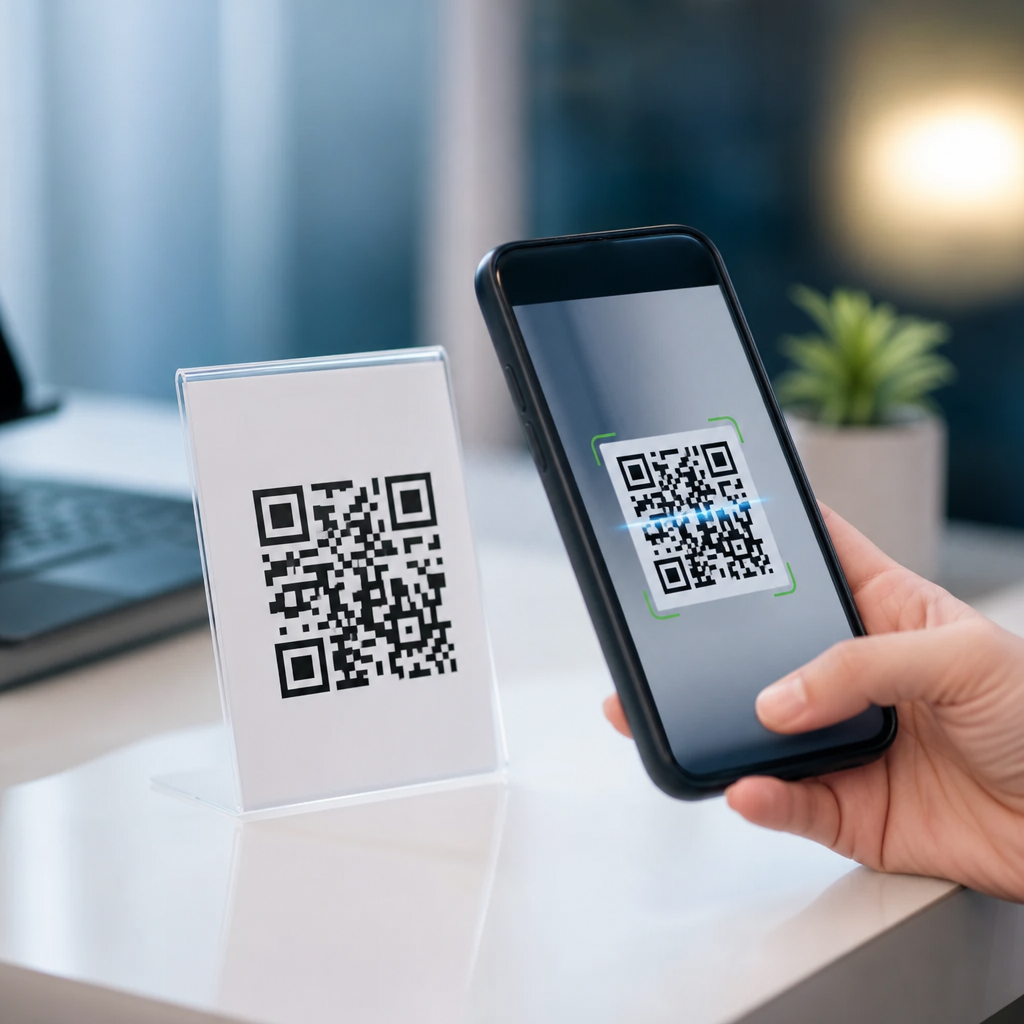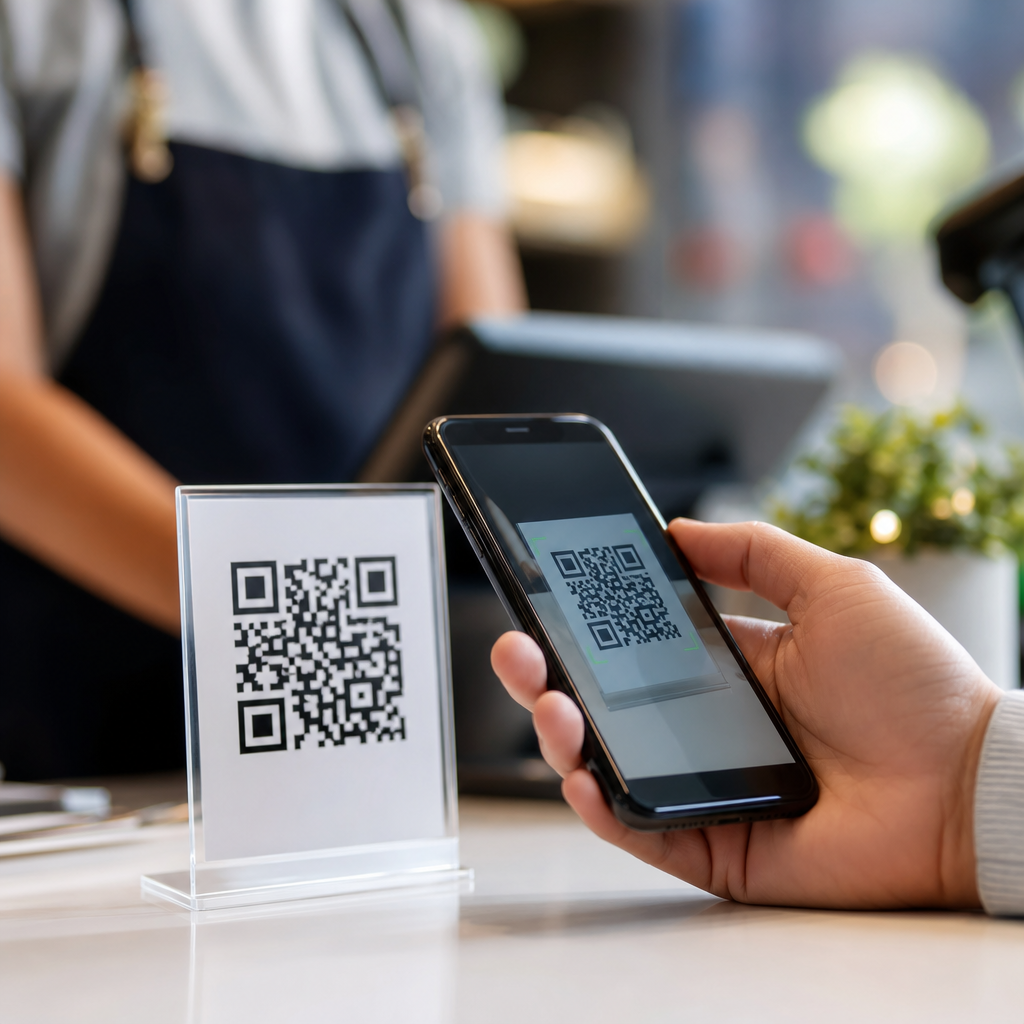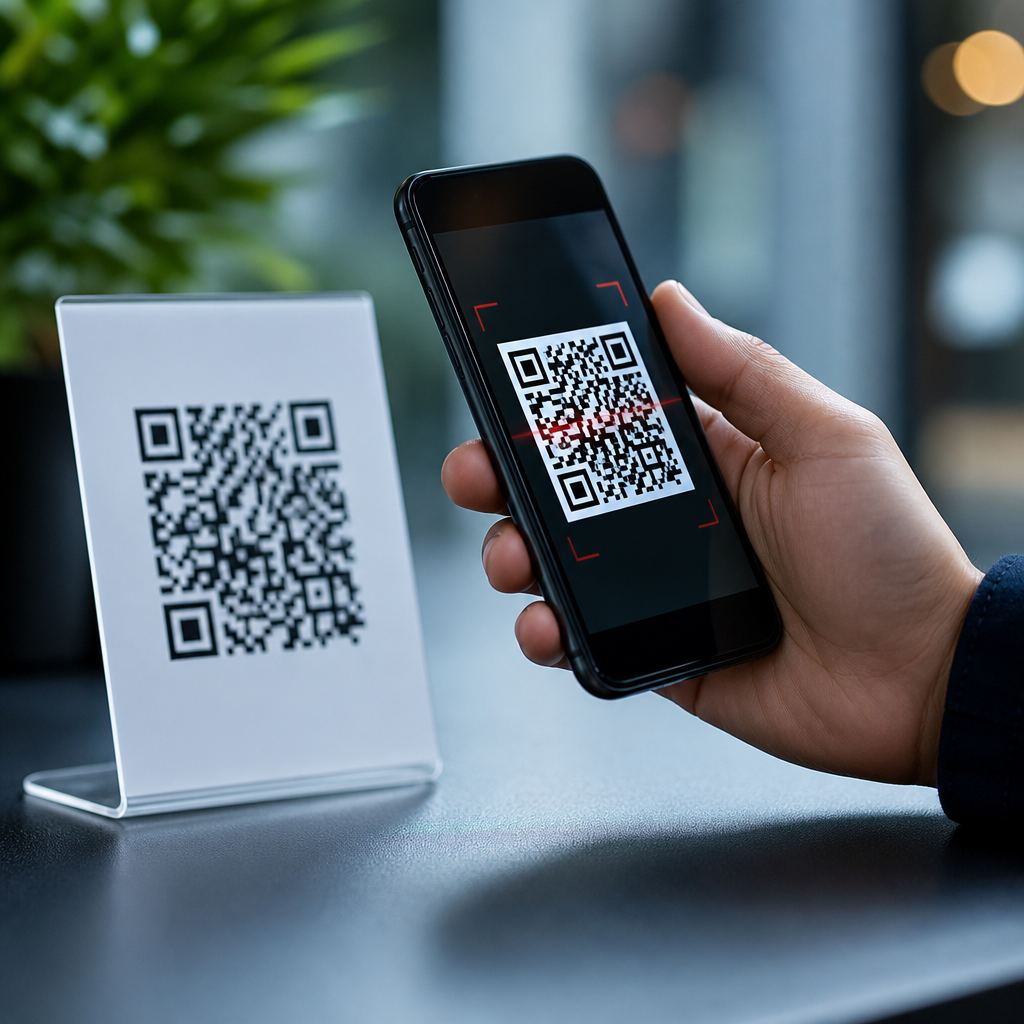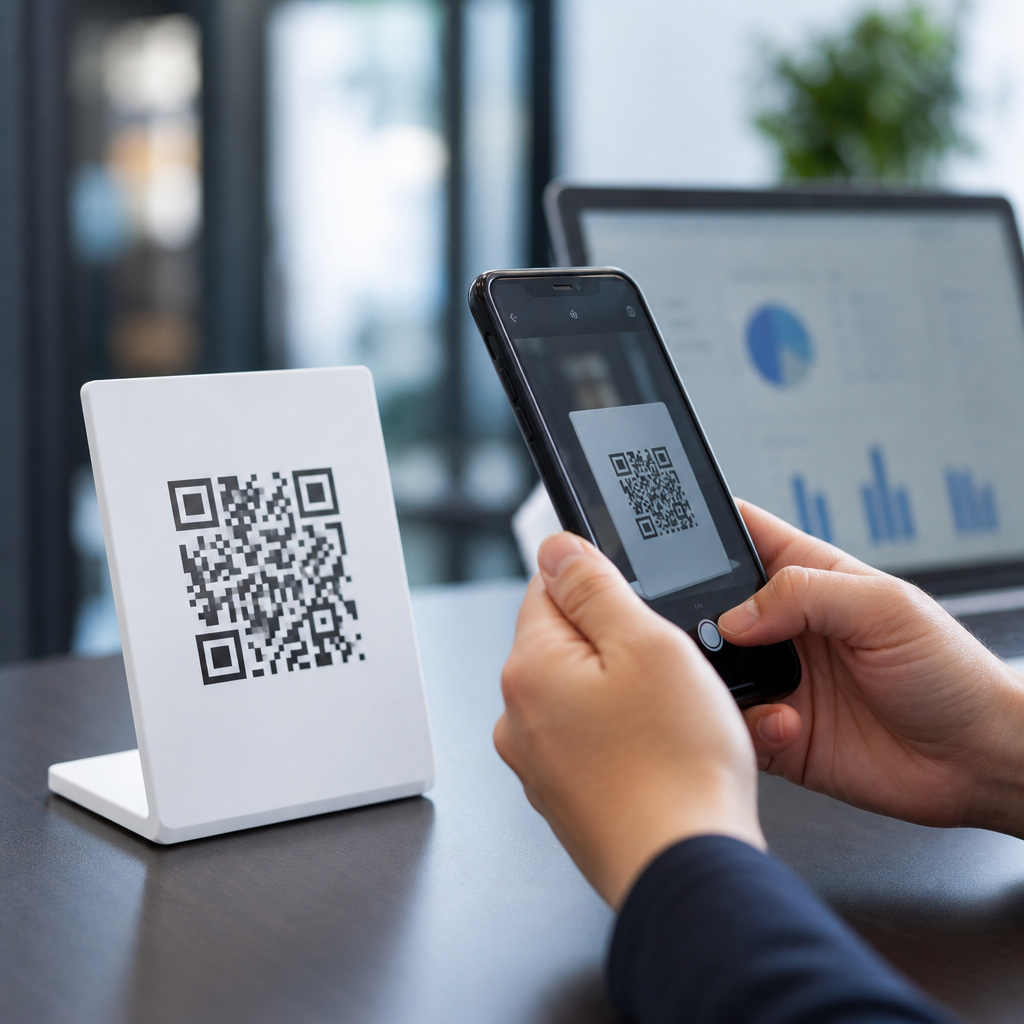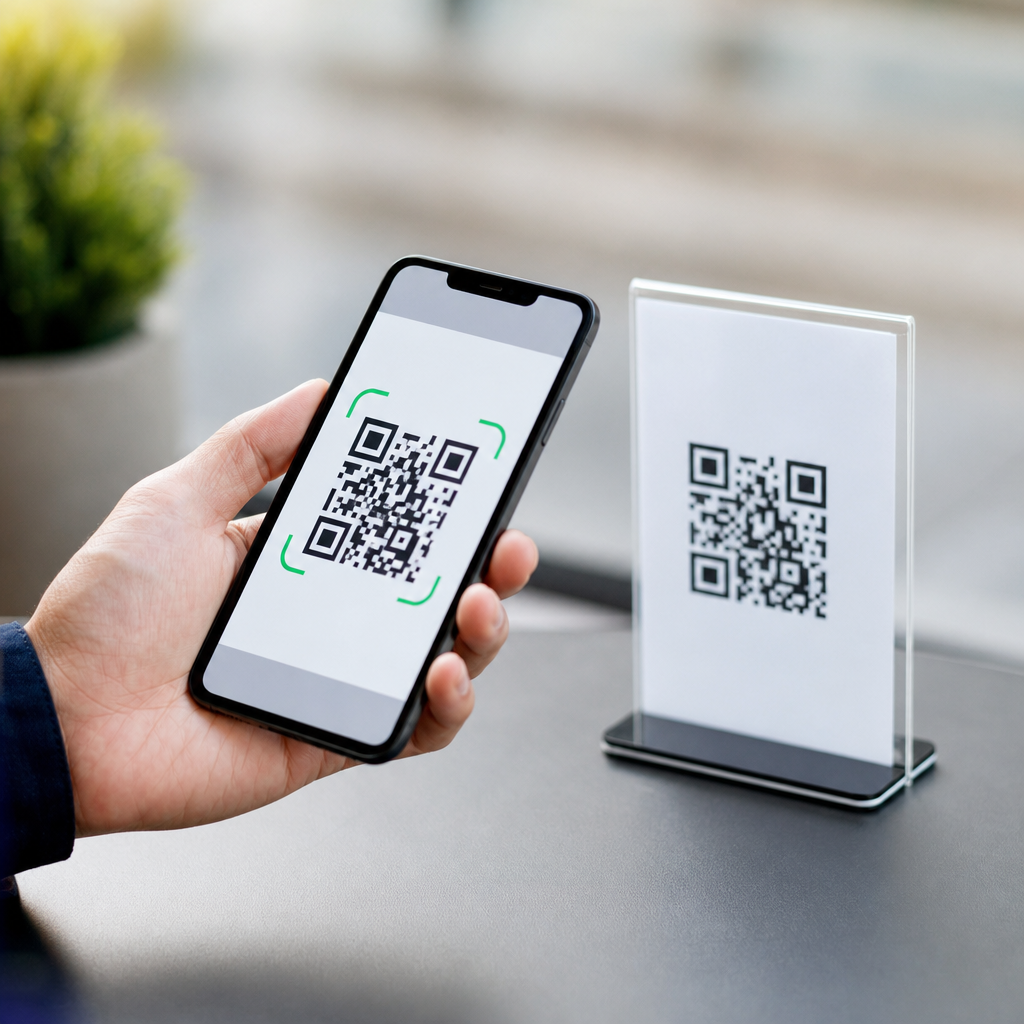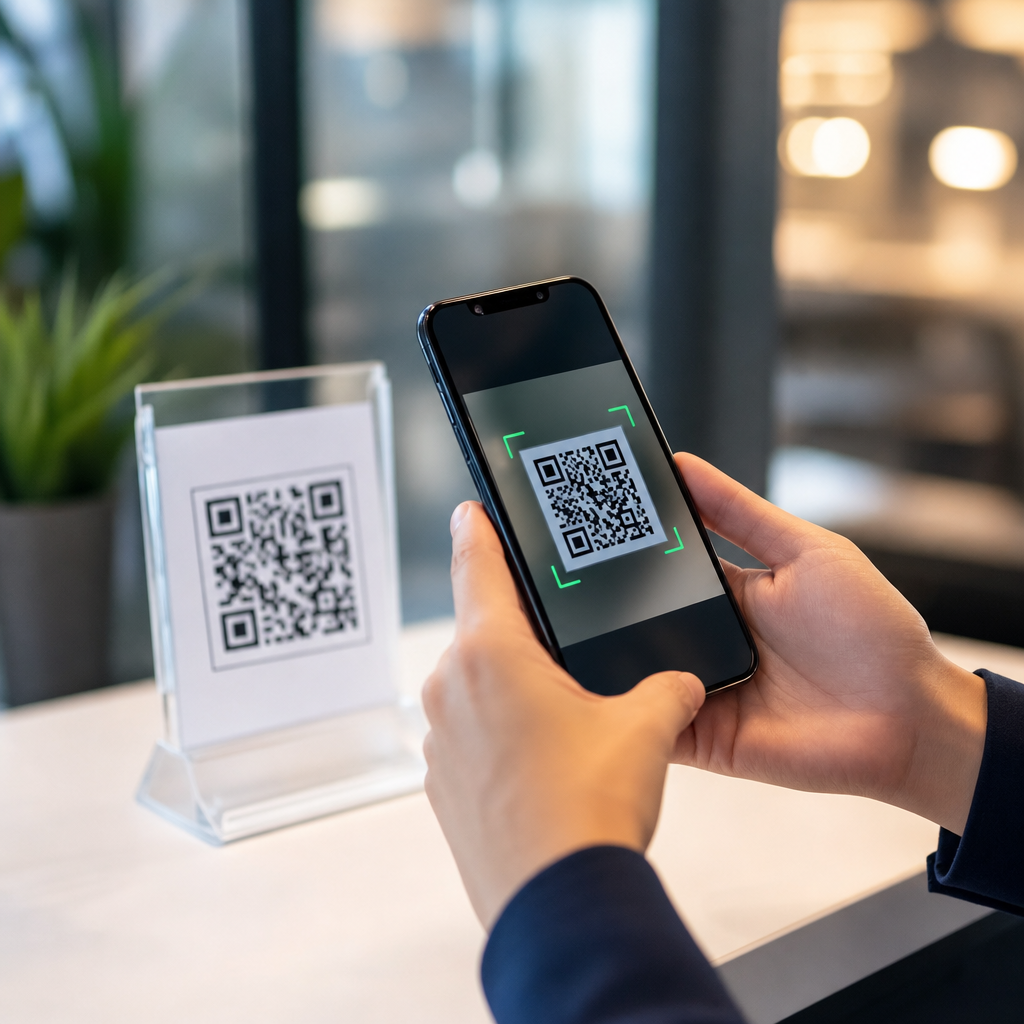
QR code engagement rises or falls on trust. I have seen the same campaign produce dramatically different scan rates based on one variable alone: whether people felt safe scanning it. In the context of QR Code Security, Privacy & Compliance, trust signals are the visible cues, disclosures, and technical safeguards that reassure users a QR code is legitimate, useful, and respectful of their data. User trust and transparency are not soft branding extras. They are conversion factors that determine whether a person scans, abandons, or reports a code as suspicious.
A trust signal is any indicator that reduces perceived risk before or after a scan. That includes branded design, clear destination labeling, HTTPS landing pages, concise consent language, recognizable domains, privacy notices, and accessible customer support. Engagement means more than raw scan volume. It also includes scan-to-landing completion, time on page, form completion, coupon redemption, app download rate, and repeat scanning behavior. If users doubt the source, they often never scan. If they scan but distrust the destination, they bounce within seconds.
This matters because QR codes now sit at the intersection of physical and digital experience. They appear on packaging, menus, posters, utility bills, medical documents, event signage, direct mail, and product labels. Unlike a printed URL, a QR code conceals the destination until the device resolves it. That convenience creates uncertainty. Security teams worry about phishing, marketers want frictionless conversion, compliance officers need valid consent and disclosure, and customers want confidence that a scan will not expose them to fraud, malware, or invasive tracking.
The hub topic of user trust and transparency covers the full system behind safe, high-performing QR code experiences: what users see before scanning, what happens during redirection, what the landing page communicates, how data is collected, and what follow-up signals reinforce legitimacy. In practice, strong QR code trust signals improve engagement because they lower ambiguity. People scan faster when they know who owns the code, where it leads, why it exists, and what happens to their information.
Why trust determines QR code engagement
The main reason trust drives QR code engagement is that scanning is a micro-risk decision. A user points a personal device at an unknown marker and authorizes software to open content. In user research sessions I have run for retail packaging and event signage, participants asked four immediate questions: Who put this here? Where will it take me? Is it secure? What do I get in return? If the asset answers those questions upfront, engagement improves. If not, hesitation grows.
Research from mobile usability studies consistently shows that uncertainty increases abandonment. With QR codes, uncertainty is amplified by the hidden destination problem. A short link or redirect chain can obscure the final page, and malicious actors exploit that. This is why fraudulent sticker overlays on parking meters, restaurant tables, and parcel lockers have become a known threat pattern. Once users hear about those incidents, their baseline skepticism rises even for legitimate campaigns.
Trust also affects downstream behavior after the scan. A person may scan a code on a product box, but if the landing page uses a mismatched domain, loads slowly, or requests excessive permissions, confidence collapses. Bounce rates climb, forms remain incomplete, and repeat use declines. Engagement is therefore cumulative. Pre-scan trust signals earn the first action, while post-scan transparency earns the second, third, and fourth actions that create business value.
Pre-scan trust signals users notice first
The strongest pre-scan trust signals are simple and highly visible. The first is clear source identification. Put the organization name next to the QR code, not buried elsewhere on the asset. A code labeled “Scan to activate your warranty at brandname.com” performs better than an unlabeled square floating in white space. The second is purpose clarity. Tell users exactly what the scan does: view instructions, verify authenticity, pay an invoice, join Wi-Fi, download the app, or register attendance.
Design quality matters because people use visual polish as a proxy for legitimacy. High-resolution printing, adequate quiet zone spacing, error correction configured properly, and brand-consistent colors signal professionalism. Poor print contrast, warped placement on curved surfaces, or low-quality sticker application can make a code look tampered with even when it is valid. For public installations, anti-tamper labels and regular physical inspection are practical trust builders because users increasingly watch for pasted overlays.
Contextual cues also help. When a museum label includes a curator note, accession number, and QR code for audio commentary, the code inherits credibility from its setting. The same code posted alone on a lamppost invites suspicion. Physical environment influences trust more than many teams expect. In regulated sectors such as healthcare or financial services, adding a brief disclosure like “No payment or personal data required to view” can materially reduce hesitation.
| Trust signal | What it tells the user | Engagement effect |
|---|---|---|
| Branded label beside code | The code belongs to a known organization | Raises scan intent |
| Plain-language call to action | The benefit of scanning is clear | Improves scan rate |
| Visible destination domain | The landing page is predictable | Reduces hesitation |
| Anti-tamper placement | The code is less likely to be altered | Improves confidence in public spaces |
| Privacy notice nearby | Data use is limited and disclosed | Improves post-scan completion |
Post-scan transparency that keeps users engaged
Once the scan occurs, the landing experience must confirm the promise made offline. The first checkpoint is the URL itself. Users trust recognizable domains, especially when the brand name appears in the root domain rather than an obscure subdomain on a generic shortener. HTTPS is mandatory, not optional. Modern browsers flag nonsecure pages, and that warning can destroy confidence before content loads. If redirects are necessary for analytics or localization, keep them minimal and document them internally.
The landing page should immediately answer three questions above the fold: Where am I, why was I sent here, and what should I do next? Headline-message match is critical. If the poster said “Scan for assembly instructions,” the destination should open to assembly instructions, not a generic homepage. When users land on mismatched pages, they infer deception even if the campaign was merely misconfigured. I have seen scan-to-task completion double after replacing generic mobile homepages with dedicated pages aligned to the printed call to action.
Transparency about data collection is equally important. If the page sets analytics cookies, requests email registration, or captures location, say so in concise language and link to the full privacy notice. Avoid manipulative consent patterns such as prechecked boxes or vague “by continuing” language. If no personal data is required, say that explicitly. For sectors subject to GDPR, CCPA, HIPAA-adjacent policies, or card payment standards, legal review should shape the flow early, not after launch.
Security signals that support trust without adding friction
Security signals work best when they are visible enough to reassure but not so heavy-handed that they alarm the user. A secure domain, certificate validity, and fast page performance form the technical baseline. From there, use context-appropriate reinforcement. Product authentication pages can display serial verification results, signed manufacturing data, or GS1 Digital Link structures that connect the code to standardized product identifiers. Those are meaningful signals because they tie the scan to an established data model rather than a vague marketing page.
For payment and account-access use cases, stronger controls are justified. Payment QR codes should use trusted payment providers, merchant identification, transaction summaries, and confirmation screens before submission. Account login via QR should include device pairing notifications and expiration timers. In enterprise deployments, mobile device management teams often require deep link allowlisting, phishing detection, and domain reputation monitoring. These controls may be invisible to the user, but their outward effect is a smoother, less suspicious experience.
There is a tradeoff to manage. Too many warnings can suppress engagement by implying danger. The goal is not to lecture users about cybercrime on every package. The goal is to present a clean, well-governed experience that quietly demonstrates legitimacy. Good security design is confidence-building, not fear-inducing.
Brand consistency, domain strategy, and message alignment
Brand consistency is one of the most underrated QR code trust signals. When the printed asset, destination domain, logo, typography, and tone of voice match, users experience continuity. Continuity reduces the cognitive load of deciding whether something is authentic. This is why large consumer brands increasingly avoid generic URL shorteners on QR campaigns and instead use branded short domains or full canonical domains. A trusted domain architecture is not cosmetic. It is a risk-reduction measure.
Domain strategy should account for longevity and ownership clarity. If a campaign will run on product packaging for two years, do not route it through a temporary microsite domain managed by a departing agency. Broken redirects and expired domains are trust killers. Use domains the organization controls centrally, with certificate renewal, redirect governance, and analytics access documented. I recommend maintaining a QR code inventory that records destination URLs, owners, change history, and retirement dates. That operational discipline directly protects engagement.
Message alignment extends to every step. The phrase near the code, the preview text some camera apps display, the browser title, and the landing-page headline should tell one consistent story. Users are remarkably sensitive to mismatch. A scan promising a product manual that lands on a newsletter signup page may generate leads in the short term, but it weakens brand trust and depresses future scan behavior.
Privacy disclosures, consent, and respectful data practices
Privacy is central to user trust and transparency because QR interactions often bridge offline identity and digital behavior. A scan on a receipt, shipment insert, or membership card can reveal purchase context, location, device type, and time. That does not mean organizations should avoid measurement. It means they should limit collection to what is necessary, explain the purpose, and offer meaningful choice where required. Data minimization is not only a compliance principle; it is a practical trust strategy.
Users respond well to plain-language disclosures. “We use anonymous analytics to measure scans” is clearer than a dense legal sentence. If personal information is requested for a benefit such as warranty registration or gated content, explain what is required, what is optional, and how long records are retained. If sharing with a fulfillment provider or CRM platform occurs, disclose that in the privacy notice. Respectful transparency reduces form abandonment because users understand the exchange.
Accessibility also belongs in this conversation. A transparent experience includes readable contrast, descriptive headings, keyboard-friendly forms, and language localization where relevant. Accessibility signals competence and care. It tells users the organization thought beyond the scan itself and designed for real people in varied contexts.
Measurement, testing, and governance for long-term trust
Teams improve QR code engagement when they measure trust-related signals, not just scans. Track bounce rate, redirect errors, page speed, consent acceptance rate, form completion, repeat scans, customer support contacts, and reports of suspicious codes. Pair quantitative data with field audits. Visit locations, inspect print quality, test device behavior on iOS and Android, and review whether camera preview text matches expectations. In my experience, many trust failures are operational, not strategic: a replaced sign, a stale redirect, or a page blocked by a cookie banner bug.
Governance is what turns one successful campaign into a repeatable standard. Create publishing rules for QR assets, approved domains, disclosure language, print specifications, review workflows, and incident response. Define who can generate codes, who approves destinations, and how updates are logged. For organizations with broad distribution, periodic code validation and tamper inspection should be scheduled like any other compliance control. Trust decays when ownership is unclear.
This hub topic connects to adjacent articles on phishing prevention, dynamic versus static codes, payment QR risk controls, privacy law considerations, consent UX, packaging authentication, and QR code analytics. Together, those subjects form a complete trust framework. The immediate takeaway is simple: people engage with QR codes when the experience is recognizable, secure, transparent, and respectful. Build trust signals into the physical asset, the redirect path, the landing page, and the operating model behind them. Audit your live codes, tighten disclosures, standardize trusted domains, and make every scan feel safe enough to complete.
Frequently Asked Questions
What are trust signals in QR code campaigns, and why do they matter so much for engagement?
Trust signals are the visual, technical, and informational cues that help people decide whether a QR code is safe and worth scanning. In practice, these signals can include branded design, clear labeling, recognizable destination URLs, short explanations of what happens after the scan, privacy disclosures, secure HTTPS landing pages, and signs that the code is part of an official campaign rather than a random sticker or unknown placement. They matter because scanning a QR code asks users to cross a trust threshold. Unlike clicking a visible web link, a QR code hides the destination until the scanning process begins, which naturally creates hesitation.
That hesitation directly affects scan rates. If a user sees a code with no context, no branding, and no indication of where it leads, they may assume it could be spam, a phishing attempt, or a data collection trap. On the other hand, when the code is presented alongside recognizable brand elements, a clear value proposition, and transparency about the destination, users are much more likely to engage. In other words, trust signals reduce uncertainty. They make the interaction feel legitimate, intentional, and respectful of the user’s time and privacy.
From a performance standpoint, trust is not just a brand perception issue. It is a conversion variable. Two nearly identical campaigns can produce very different results if one provides strong signals of legitimacy and the other does not. In QR Code Security, Privacy & Compliance, trust signals function as practical engagement drivers because they reassure users that the scan is safe, relevant, and unlikely to expose them to fraud or misuse of personal data.
Which trust signals most effectively increase QR code scan rates?
The most effective trust signals are usually the ones users can understand immediately at the point of scan. Clear branding is one of the strongest. If the QR code appears on packaging, signage, direct mail, or product inserts and includes a recognizable logo, brand colors, and consistent design, users are more likely to believe the code is official. Context also matters. A short line of text such as “Scan to view setup instructions,” “Scan for today’s menu,” or “Scan to verify your registration” removes ambiguity and tells people exactly what they will get.
Another high-impact trust signal is destination transparency. Whenever possible, show the website domain near the code or direct users to a branded short link they can recognize. If the resulting landing page uses HTTPS, loads quickly, and visually matches the offline asset, trust strengthens further because the experience feels continuous and legitimate. Privacy language can also improve engagement, especially in situations involving forms, registrations, payments, or personal information. A simple disclosure such as “No app required” or “We do not sell your data” can reduce common user concerns.
Operational trust signals matter too. Codes should be printed clearly, placed in secure and expected locations, and monitored to prevent tampering. If users see a wrinkled sticker placed over another code, or a code posted in a suspicious environment without explanation, confidence drops fast. In sectors like healthcare, finance, education, and events, compliance indicators, consent notices, and secure authentication steps can be especially important. The strongest-performing campaigns typically combine visual legitimacy, clear user benefit, technical security, and transparent data practices into one seamless experience.
How can businesses make QR codes feel safer without hurting the user experience?
The key is to build trust into the experience without adding unnecessary friction. Start with clarity. Tell users what the code does before they scan it and what they should expect after scanning. This can be as simple as a one-sentence explanation placed beside the code. That small addition can dramatically improve confidence because it answers the user’s first question: “Where is this taking me, and why should I do it?”
Next, create a strong brand connection from offline to online. The QR code should not look isolated or generic. It should feel like part of an official customer journey. When the landing page opens, users should immediately recognize the same brand identity they saw next to the code. If the page looks unrelated, unpolished, or different from the printed asset, trust can break down instantly. That visual continuity is one of the easiest ways to reinforce legitimacy without slowing anyone down.
It also helps to minimize technical surprises. Avoid multiple redirects, intrusive pop-ups, forced app downloads, or vague intermediary pages. Make sure the page is mobile-optimized, secured with HTTPS, and fast to load. If personal data is being collected, explain why, how it will be used, and what protections are in place. Keep the explanation concise but accessible. Safety does not have to mean complexity. In fact, the safest-feeling QR experiences are often the simplest ones: clear purpose, branded destination, secure page, and honest communication about privacy.
What role do privacy, compliance, and security disclosures play in QR code trust?
Privacy, compliance, and security disclosures play a major role because they answer concerns that many users may not voice directly but still feel when deciding whether to scan. People increasingly understand that digital interactions can lead to tracking, data collection, or exposure to malicious links. When a QR code campaign acknowledges those concerns and addresses them openly, it signals professionalism and accountability. That alone can improve engagement because users are more comfortable when they know the organization has considered their safety.
Privacy disclosures are especially important when the scan leads to registration forms, payment pages, loyalty programs, gated downloads, or customer support workflows. Users want to know whether they need to submit personal information, whether cookies or analytics are involved, and how their data will be handled. Simple, visible statements can be highly effective, such as noting that the page is secure, that data is used only for a stated purpose, or that the organization follows applicable privacy standards. These are not just legal details. They are trust-building conversion elements.
Compliance and security messaging can be especially relevant in regulated industries or sensitive environments. For example, a healthcare provider, bank, university, or government agency may need to reassure users that the QR interaction aligns with formal policies and secure systems. Even in less regulated industries, visible commitment to secure design and transparent data handling can differentiate a campaign from suspicious or careless alternatives. The best disclosures are easy to understand, appropriately placed, and aligned with the actual experience. If messaging promises security but the destination looks weak or asks for too much information too soon, trust can erode instead of improve.
How can you test and improve trust signals in a QR code campaign over time?
Improving trust signals should be treated as an ongoing optimization process, not a one-time design decision. Start by identifying the moments where users may hesitate: before scanning, during the redirect, on the landing page, or when asked to share information. Then test changes that reduce uncertainty at each stage. For example, compare a plain QR code against one that includes a logo, a descriptive call to action, and a visible destination domain. You can also test whether adding a privacy reassurance or benefit-focused label changes scan and completion rates.
Look beyond raw scan counts. A campaign may generate scans but still lose users if the destination appears untrustworthy or asks for too much too quickly. Measure landing page bounce rate, form completion rate, time on page, return visits, and downstream conversions. These metrics can reveal whether your trust signals are helping users feel confident enough to continue. Qualitative feedback is useful too. Ask customers or event attendees what they expected before scanning, what made them comfortable, and what caused hesitation.
It is also important to maintain the technical side of trust. Audit links regularly, confirm certificates are valid, monitor for tampering in physical locations, and make sure redirects still lead where users expect. A trustworthy campaign is not just designed well at launch; it stays trustworthy over time. Organizations that consistently review both the visible trust cues and the underlying security practices are more likely to sustain strong engagement. In QR code campaigns, trust is measurable, improvable, and directly connected to performance.