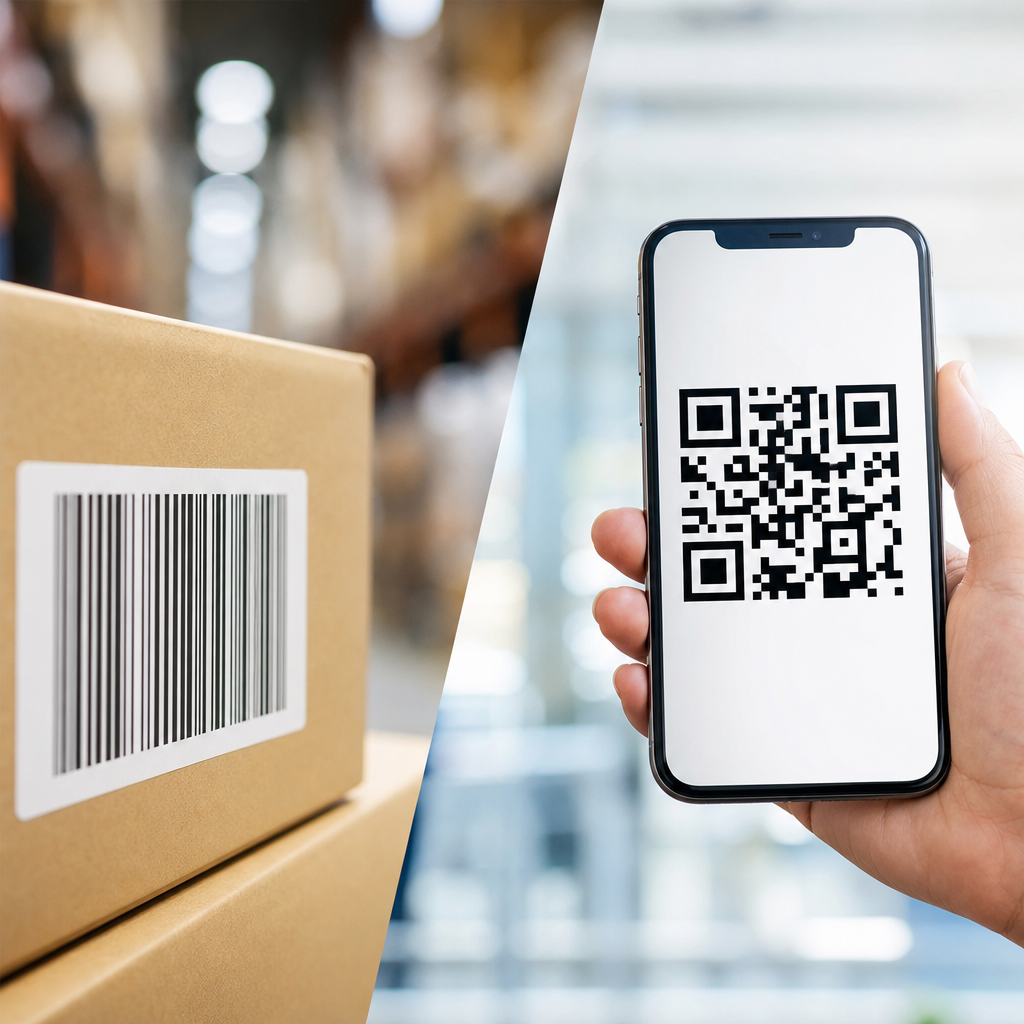
QR codes and barcodes solve the same fundamental problem—connecting a physical item to digital or printed information—but they come from different eras, engineering constraints, and business needs. A barcode usually refers to a one-dimensional symbol made of parallel lines of varying widths, while a QR code is a two-dimensional matrix of black squares arranged on a grid. The historical comparison matters because these symbols shaped retail checkout, inventory control, manufacturing traceability, mobile marketing, ticketing, and authentication. I have worked with both in packaging, warehouse, and print production projects, and the contrast is practical as much as technical: barcodes were built for laser scanners and fixed retail environments, whereas QR codes were built for speed, damage tolerance, and flexible data capture. Understanding the history of QR codes also explains why they became the default bridge between smartphones and the physical world.
The barcode story begins earlier, in an age when computing power was scarce and retail chains needed a standardized way to identify products quickly. The QR code story begins later, when Japanese manufacturers needed to track more information at higher speed without cluttering parts with multiple labels. Those different starting points explain differences in capacity, scanning behavior, and design. A UPC barcode can identify a product class efficiently, but a QR code can hold URLs, serial numbers, contact records, and operational metadata in one compact symbol. For anyone studying QR Code Basics and Education, history is not background trivia. It reveals why global standards emerged, why error correction matters, why smartphones accelerated adoption, and why older barcode systems still remain essential today despite the rise of QR technology across consumer and industrial settings worldwide.
The Barcode Era: Origins in Retail Automation
The first major milestone in machine-readable product identification came long before QR codes existed. In 1949, Norman Joseph Woodland and Bernard Silver filed the patent application for a “Classifying Apparatus and Method,” later granted in 1952. Their early concept used patterns inspired partly by Morse code and eventually evolved into line-based symbols that machines could read. The idea was ahead of the hardware available at the time. Reliable scanners, low-cost printing, and integrated retail systems were not yet mature enough for broad deployment. Still, the patent established the core premise of barcode history: a printed symbol could compress identification into a form that machines process faster and more accurately than manual entry.
Barcodes moved from concept to infrastructure in the late 1960s and early 1970s as supermarkets pushed for automation. The Uniform Product Code, or UPC, became the dominant standard in the United States after industry coordination led by grocery associations, manufacturers, and technology vendors. On June 26, 1974, a pack of Wrigley’s Juicy Fruit gum was scanned at a Marsh supermarket in Troy, Ohio, often cited as the first commercial UPC scan. That event mattered because it proved the full system worked: standardized numbering, package printing, optical scanning, pricing databases, and point-of-sale software. Once retailers saw faster checkout and better inventory records, barcode adoption accelerated across consumer goods.
Historically, the one-dimensional barcode was a triumph of standardization. UPC and later EAN formats delivered a global language for product identification. They were simple to print, fast to scan with laser readers, and dependable under retail conditions. Yet their limitations were built into the format. A linear symbol stores modest amounts of data and usually acts as a lookup key rather than a container for rich information. If a product needed batch data, expiry dates, or internal process information, businesses often had to add separate labels or maintain external databases. In my experience on packaging lines, that separation works well for retail checkout but becomes cumbersome when manufacturers need detailed traceability at the part or lot level.
The Birth of the QR Code in Japanese Manufacturing
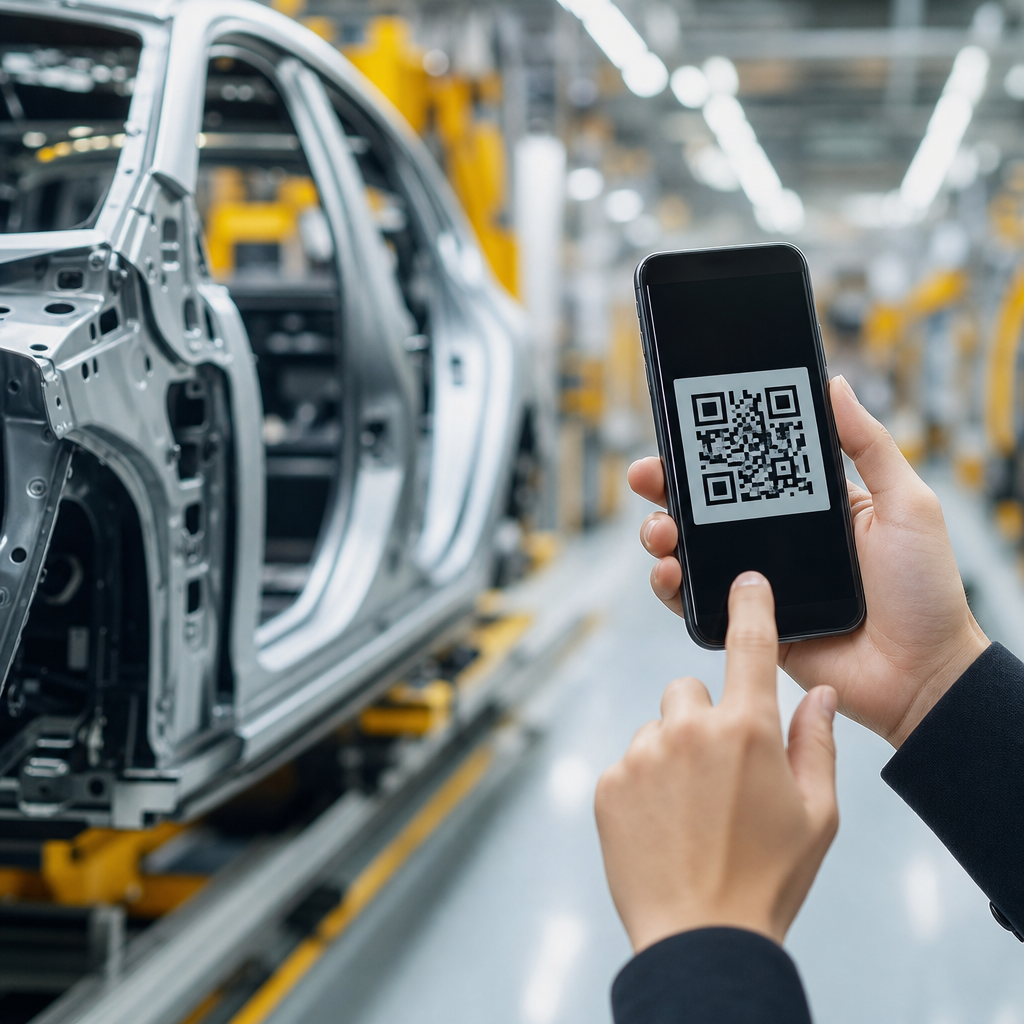
The history of QR codes begins in 1994 at Denso Wave, a subsidiary of the Toyota Group in Japan. The company needed a code that could be scanned rapidly on automotive production lines while carrying far more information than conventional barcodes. Masahiro Hara and the Denso Wave team developed the Quick Response code, designed to read quickly from any angle and to store data both horizontally and vertically. This was the decisive break from traditional barcode design. Instead of encoding information in one direction, the QR code used a matrix format with finder patterns in three corners, allowing scanners to detect orientation almost instantly.
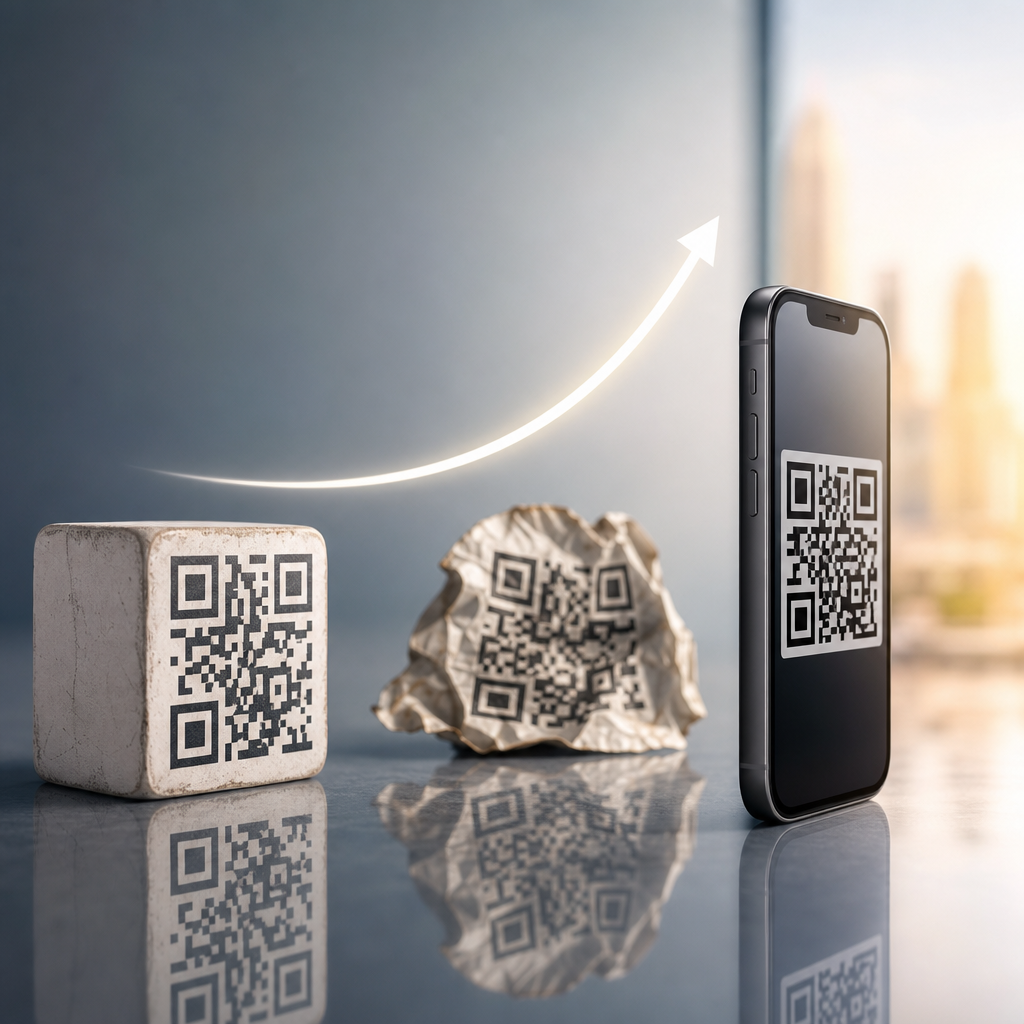
The manufacturing context is essential to understanding why QR codes emerged. Automotive plants handle thousands of components, subassemblies, suppliers, and process steps. A simple product lookup number was not enough. Production teams needed compact symbols that could hold part identifiers, quantities, destination codes, and workflow data while remaining readable even when labels were partially dirty or damaged. QR codes answered that need through higher capacity and Reed–Solomon error correction. Depending on the mode and version, a QR code can store numeric, alphanumeric, binary, or Kanji data. Even if part of the symbol is obscured, the code can often still be reconstructed and decoded.
Denso Wave made another historically important decision: it did not aggressively enforce patent rights for widespread usage. Combined with standardization through ISO/IEC 18004, that openness helped QR codes spread beyond the automotive sector. I have seen this pattern repeatedly with identification technologies: the format that wins is often the one that balances engineering quality with practical accessibility. QR codes were technically strong and commercially easy to adopt. Printers could reproduce them, software developers could generate them, and hardware makers could build compatible scanners without navigating a restrictive ecosystem. That combination made QR codes far more than a niche industrial label.
How QR Codes Improved on Traditional Barcodes
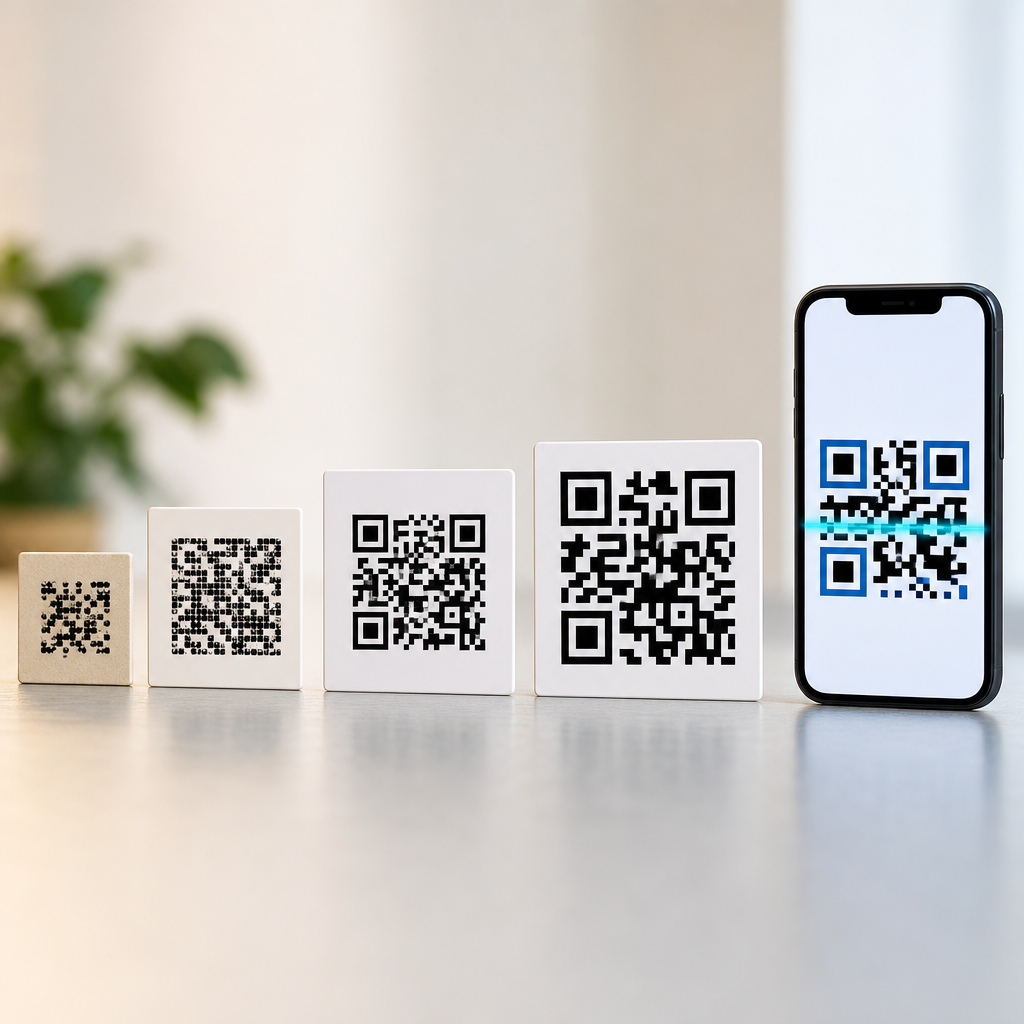
The clearest historical difference between QR codes and barcodes is not simply age; it is the problem each format was optimized to solve. Barcodes were designed primarily for efficient product identification in retail workflows. QR codes were designed for dense, fast, resilient data capture in industrial environments. That distinction created several technical advantages. First, QR codes store much more information in the same physical area because they encode data in two dimensions. Second, they scan from multiple angles thanks to their position detection patterns. Third, they tolerate damage better because error correction allows partial recovery of missing data. These were not cosmetic improvements; they directly addressed production-line bottlenecks.
In practical use, that means a single QR code can replace multiple linear barcodes or eliminate the need for repeated database lookups. A manufacturer can encode a serial number, work order, and destination in one symbol. A marketer can encode a URL that opens instantly on a phone. A hospital can encode patient or medication data more compactly. Traditional barcodes remain excellent when the goal is quick product identification using established retail systems, but they are less versatile when workflows demand richer data at the point of scan. This is why QR code history is closely tied to digital transformation. The symbol itself became a lightweight data carrier for more dynamic processes.
| Feature | Traditional Barcode | QR Code |
|---|---|---|
| Structure | One-dimensional lines | Two-dimensional square matrix |
| Primary early use | Retail checkout and inventory | Manufacturing traceability |
| Data capacity | Low | High |
| Scan orientation | Usually requires alignment | Readable from multiple angles |
| Damage tolerance | Limited | High with error correction |
| Smartphone friendliness | Generally poor without apps | Excellent with native cameras |
Another major advantage was speed in real environments. On a busy line, scan speed is not an abstract specification; it affects throughput, labor, and error rates. QR codes were engineered for rapid detection, which is why the “Quick Response” name was more than branding. When I have tested symbols under warehouse lighting, on curved packaging, or after minor abrasion, QR codes consistently performed better when data density and imperfect conditions mattered. That said, barcode history shows the older format stayed dominant wherever infrastructure, regulation, and habit favored simplicity. Retailers had billions invested in UPC/EAN systems, and those systems were already exceptionally efficient for point-of-sale identification.
From Industrial Tool to Consumer Technology
For several years, QR codes were strongest in Japan and in industrial settings where their advantages were obvious. The turning point came when camera phones and mobile internet made it useful for ordinary consumers to scan printed symbols. Japan led this shift earlier than many Western markets because mobile ecosystems there adopted QR interactions quickly for payments, product information, and promotions. In Europe and North America, early QR campaigns often disappointed because users needed separate scanning apps and mobile web experiences were weak. Marketers printed codes on posters and packaging before the wider user journey was ready. The technology was sound, but consumer behavior and supporting software lagged.
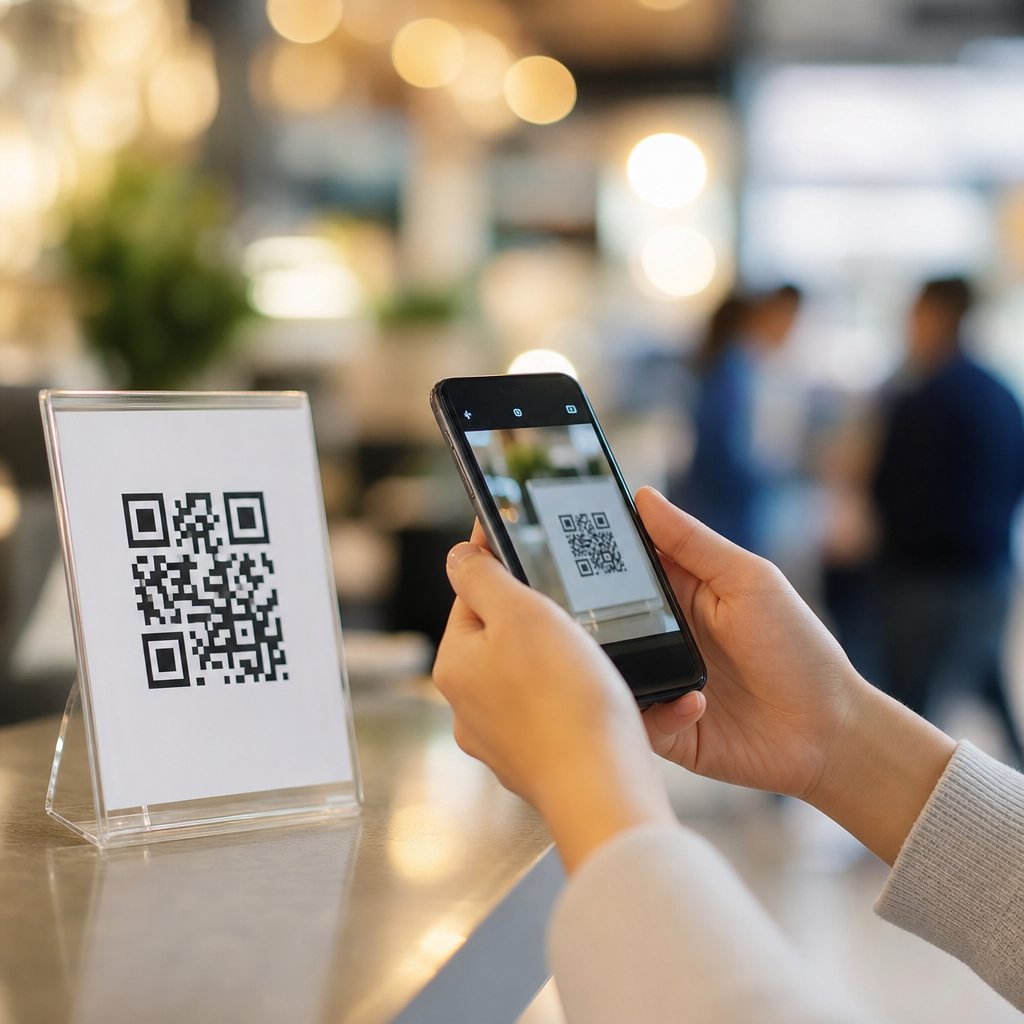
The real global breakthrough happened when smartphone operating systems integrated QR recognition directly into the camera. Apple added native QR scanning in iOS 11 in 2017, and Android ecosystems broadly normalized it around the same period. That removed a major friction point. Suddenly, the code did not need explanation, a special app, or a technical audience. The COVID-19 pandemic then accelerated adoption dramatically. Restaurants replaced printed menus, venues deployed contactless check-in, brands linked packaging to product pages, and payment systems expanded QR acceptance. By then, QR codes had achieved something traditional retail barcodes never aimed for: mainstream direct interaction between people and digital services through a printed symbol.
This phase also changed design expectations. A retail barcode is usually invisible as a marketing object; it sits quietly on the package because the shopper is not meant to engage with it. A QR code became both a utility and a call to action. Brands customized colors, added logos, and embedded destination tracking through dynamic QR platforms. That flexibility created opportunities and risks. In my consulting work, I often had to remind teams that decorative styling can reduce scan reliability if contrast, quiet zones, or module integrity are compromised. The historical lesson is clear: QR adoption surged when the code stayed easy to scan while serving a genuinely useful purpose.
Standards, Variants, and the Modern Role of Both Formats
Neither technology exists as a single monolith. Barcode history includes UPC, EAN, Code 39, Code 128, ITF, and GS1 DataBar, each suited to different operational needs. QR code history also includes Model 1, Model 2, Micro QR, and related matrix formats such as Data Matrix, which is widely used in electronics, aerospace, and healthcare. The broader lesson is that identification systems evolve through standards bodies, industry groups, and supply-chain requirements. GS1 plays a central role in global barcode governance, while ISO standards help ensure QR interoperability across devices and software. These standards matter because a code is only useful when every partner in the chain can interpret it consistently.
Today, the comparison between QR codes and barcodes is not a winner-take-all contest. Linear barcodes remain indispensable in retail because they are efficient, deeply integrated into checkout systems, and tied to global trade item numbering. QR codes excel when organizations need richer data, customer interaction, or flexible digital destinations. GS1 is now promoting two-dimensional codes in retail environments through initiatives often described as the next evolution of point-of-sale scanning. That does not erase barcode history; it extends it. Many businesses will operate hybrid environments for years, using UPC or EAN for legacy compatibility while adding QR or other 2D symbols for traceability, promotions, recalls, and post-purchase support.
Security and governance have also become more important in the modern era. A barcode that points to a product identifier is relatively constrained. A QR code that opens a URL can be used for service, but also for phishing if poorly managed. That is why trustworthy QR deployment requires domain control, clear labeling, and testing across devices. Dynamic QR platforms should be audited, redirects should be minimized, and printed codes should be monitored for tampering in public spaces. These are not fringe concerns. As QR codes moved from factories to consumer touchpoints, they inherited the broader security challenges of the web. Responsible implementation is now part of the technology’s history and future.
The historical comparison between QR codes and barcodes shows how identification technology follows business reality. Barcodes emerged when retailers needed a fast, standardized product key, and they transformed checkout and inventory management. QR codes emerged when manufacturers needed more data, faster scanning, and resilience under demanding conditions, and they later became the simplest bridge between printed objects and mobile experiences. Each format reflects the tools, networks, and user behavior of its time. If you are building your understanding of QR Code Basics and Education, start with that context: QR codes did not replace barcodes by accident; they solved different problems better.
The main benefit of studying the history of QR codes is practical clarity. You can make better decisions about packaging, labeling, marketing, and operations when you know why the symbol was invented, how standards shaped adoption, and where its strengths truly lie. Use traditional barcodes when universal retail identification is the goal. Use QR codes when you need compact data storage, mobile engagement, flexible destinations, or stronger tolerance for imperfect scanning conditions. The most effective programs often combine both. Continue exploring this subtopic hub to learn how QR code versions, error correction, dynamic links, and design best practices affect real-world performance and long-term value.
Frequently Asked Questions
What is the main historical difference between barcodes and QR codes?
The biggest historical difference is that barcodes and QR codes were created in response to different technological moments and business pressures. The barcode, especially the familiar one-dimensional UPC format, emerged in the mid-20th century when retailers and manufacturers needed a faster, more reliable way to identify products at checkout and in warehouses. Its design reflected the limitations and priorities of that era: simple optical scanning, standardized product identification, and compatibility with early retail hardware. In other words, the barcode was built for speed, consistency, and mass adoption in a world where computers were becoming more useful in business but were still relatively limited.
QR codes came much later, in the 1990s, after computing, imaging, and industrial automation had become far more advanced. They were developed in a context where businesses needed to store more data in a compact symbol and read it quickly from multiple angles. Rather than relying on a single row of lines, QR codes use a two-dimensional grid of dark and light modules, which allows them to hold much more information than traditional linear barcodes. Historically, that makes QR codes a product of a more digitally mature era—one shaped by advanced manufacturing, mobile devices, and the growing expectation that physical objects should connect directly to rich digital information.
So while both technologies solve the same core problem—linking a physical item to encoded information—their histories reflect different stages of industrial and digital development. Barcodes belong to the rise of modern retail automation; QR codes belong to the expansion of data-rich, interconnected systems across manufacturing, logistics, and consumer engagement.
Why were barcodes so important to the development of modern retail and inventory systems?
Barcodes were transformative because they gave businesses a practical, scalable way to automate identification. Before barcode adoption, checkout and inventory management depended heavily on manual price entry, handwritten logs, printed labels, and labor-intensive stock tracking. That approach was slow, error-prone, and difficult to scale as product catalogs grew. The barcode changed that by turning every packaged item into something a machine could recognize instantly.
In retail, this had an enormous historical impact. A cashier could scan a product instead of keying in information, which sped up checkout lines, reduced pricing mistakes, and improved consistency across stores. At the same time, every scan generated data. That meant retailers could begin tracking sales patterns in near real time, manage replenishment more intelligently, and understand which products were moving quickly and which were not. This capability helped lay the foundation for modern point-of-sale systems and data-driven merchandising.
In inventory and supply chain settings, barcodes also improved accuracy and traceability. Warehouses could scan incoming and outgoing goods, reducing paperwork and helping align physical stock with digital records. Manufacturers and distributors gained a standardized identification method that worked across organizations, which was essential for scale. Historically, this standardization mattered as much as the symbol itself. The barcode was not just a visual pattern; it was part of a broader system of numbering, labeling, and scanning that made high-volume commerce far more efficient. That is why barcodes are often seen as one of the key enabling technologies behind modern retail operations and global product distribution.
Why were QR codes invented if barcodes already existed?
QR codes were invented because traditional barcodes, while extremely useful, had limitations that became more obvious as industrial and digital systems evolved. A one-dimensional barcode can only store a relatively small amount of data because it encodes information along a single horizontal axis. That was sufficient for many retail uses, where the barcode often functioned mainly as a product identifier linked to a database. But in manufacturing and traceability environments, businesses often needed symbols that could hold more information directly and still be scanned quickly in demanding conditions.
This is where QR codes represented a historical step forward rather than a replacement born out of failure. They were designed to increase data capacity, improve scanning speed, and support reliable reading even when the code was viewed from different angles or partially damaged. Their square, two-dimensional structure allowed much denser encoding than the parallel-line design of a classic barcode. That made them especially valuable in production environments where parts, assemblies, and components required more detailed tracking.
Another important reason QR codes emerged is that the broader technology environment had changed. By the 1990s and later, imaging systems, industrial scanners, and eventually smartphone cameras made two-dimensional codes far more practical. Businesses and consumers also expected faster access to digital information. A QR code could act not just as an identifier, but as a direct bridge to URLs, serial data, instructions, promotions, or authentication systems. Historically, QR codes were invented because industry needed more flexibility and more data in less space, and because the available technology had finally matured enough to support that design at scale.
How do the designs of barcodes and QR codes reflect the engineering constraints of their eras?
The design of each code says a great deal about the time in which it was created. Barcodes are visually simple: a sequence of vertical lines and spaces with varying widths. That simplicity was not accidental. It matched the capabilities of early optical scanning systems, which were better suited to reading data in a single direction. Engineers needed a symbol that could be printed reliably on packaging, scanned quickly with relatively straightforward hardware, and standardized across many industries. The one-dimensional format met those requirements efficiently, even if it limited how much data could be stored directly in the symbol.
QR codes reflect a different set of engineering assumptions. By the time they were developed, scanning hardware and image processing had advanced enough to support a more complex symbol. Their grid-based structure allows data to be stored both horizontally and vertically, greatly increasing capacity. The prominent square finder patterns in the corners help scanners determine orientation rapidly, which means the code can be read from multiple angles. QR codes also include error correction, allowing successful reads even when part of the symbol is obscured or damaged. That is a major engineering advantage in industrial environments and one reason QR codes became so adaptable across sectors.
In historical terms, barcodes were optimized for reliability and broad deployment in an age of simpler computing and retail-focused automation. QR codes were optimized for flexibility, data density, and resilient scanning in an age of advanced manufacturing and digital connectivity. Each format is a practical answer to the engineering realities of its era, which is why comparing them historically reveals more than just visual differences. It shows how information technology evolved from basic machine-readable identification to richer, more interactive data exchange between physical objects and digital systems.
Did QR codes replace barcodes, or do they serve different historical and business roles?
QR codes did not simply replace barcodes; in most cases, the two technologies serve different roles shaped by their historical origins and practical strengths. Barcodes remain deeply embedded in retail and logistics because they are inexpensive, standardized, fast to print, and perfectly suited to many common identification tasks. For a supermarket product that only needs a scannable item number tied to a database, a traditional barcode still does the job extremely well. Its persistence is a reminder that older technologies do not disappear just because something more advanced exists; they often remain in use when they are cost-effective, familiar, and operationally efficient.
QR codes expanded the possibilities rather than making barcodes obsolete. They are particularly useful when more data needs to be encoded directly in the symbol, when scanning conditions are less predictable, or when physical items need to connect users to digital experiences. That includes manufacturing traceability, marketing campaigns, mobile payments, digital menus, product authentication, and interactive packaging. Their rise reflects a broader shift in business needs: organizations increasingly want symbols that do more than identify an item internally. They also want symbols that communicate with customers, support mobile workflows, and operate within connected digital ecosystems.
Historically, this means barcodes and QR codes represent different layers of business evolution. Barcodes helped automate core commercial processes like checkout and stock control. QR codes built on that legacy by extending machine-readable symbols into richer, more flexible uses across industry and consumer technology. In practice, many organizations use both. A product might carry a barcode for retail scanning and a QR code for traceability, support information, or consumer engagement. That coexistence is one of the clearest signs that these symbols are not simply rivals from different eras, but complementary tools shaped by different needs.