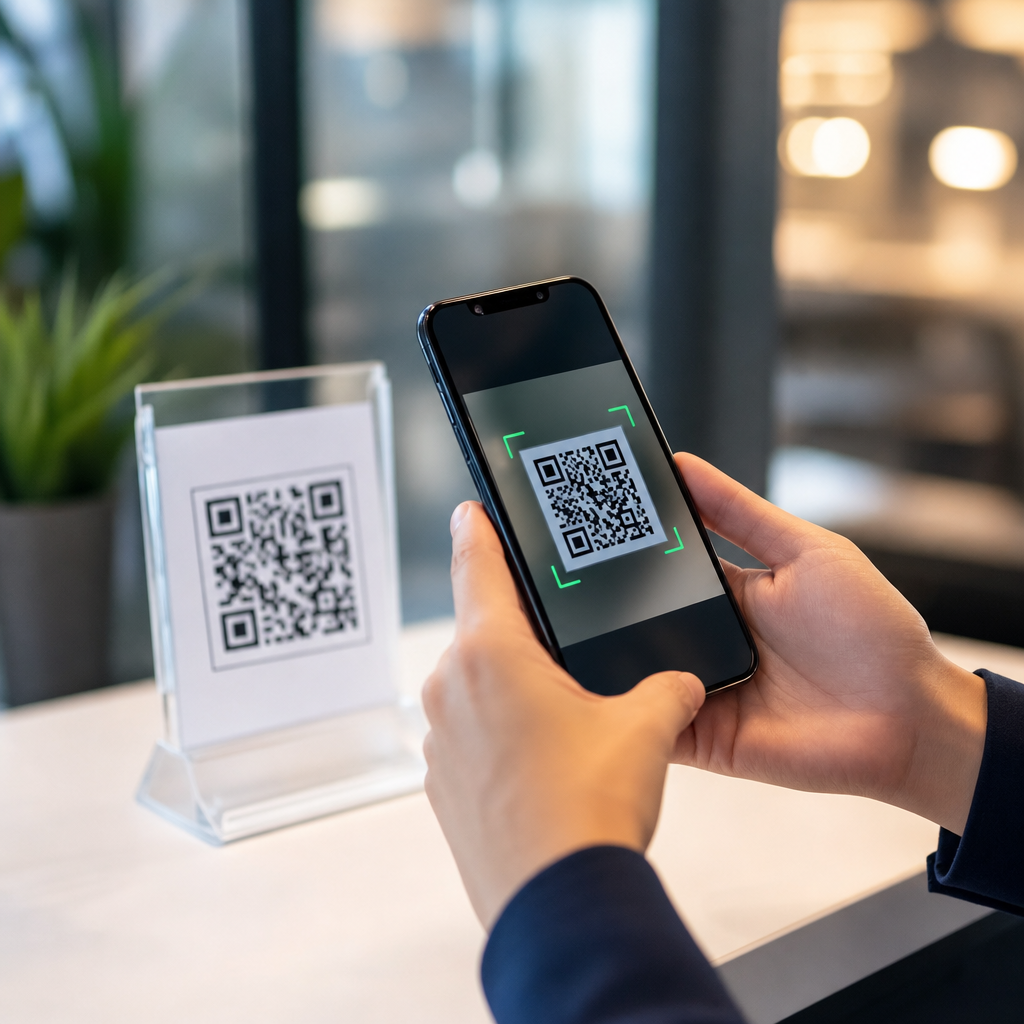
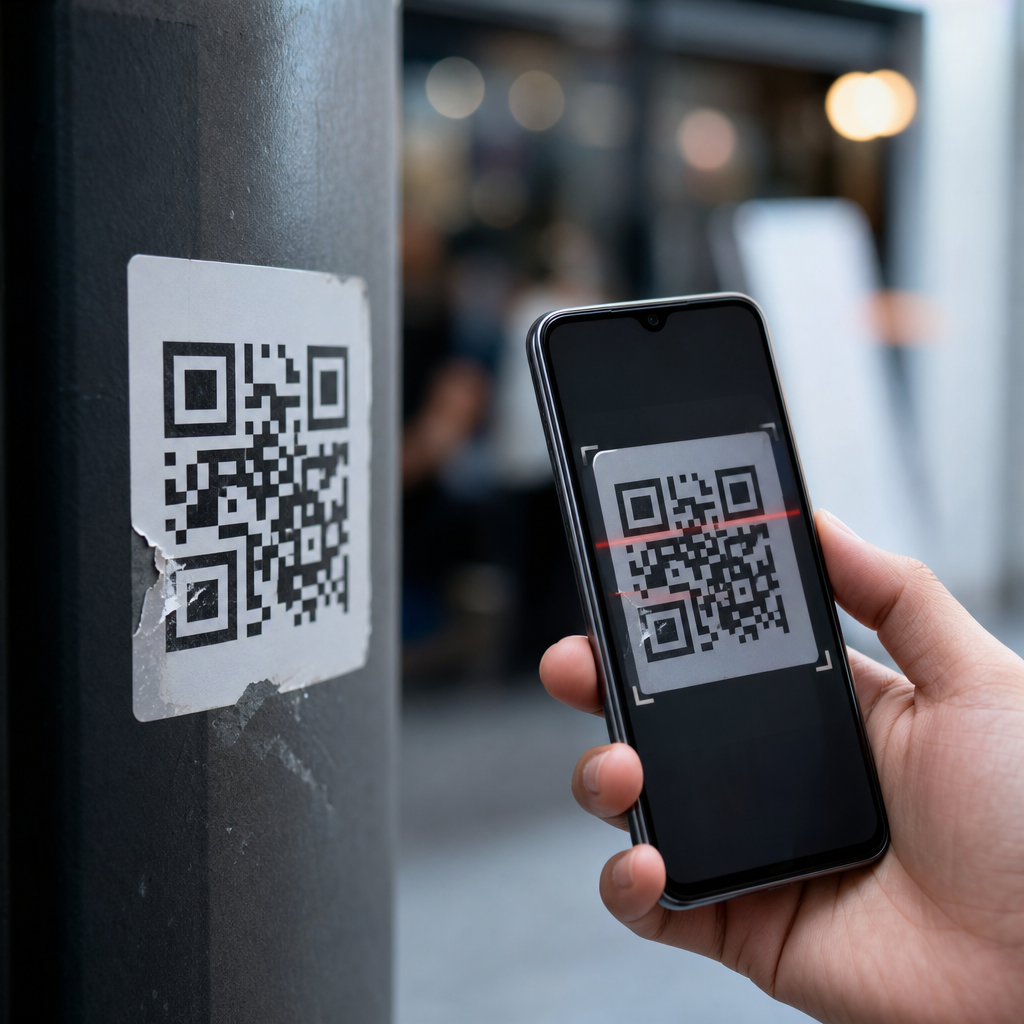
QR code fraud in marketing campaigns is no longer a niche security issue; it is a mainstream brand, privacy, and revenue risk that affects retailers, restaurants, events, packaging, out-of-home advertising, and direct mail at scale. A QR code, or quick response code, is a two-dimensional barcode that sends a smartphone user to a website, payment flow, app download, form, menu, or file. Marketers value QR codes because they bridge offline attention and online action with very little friction. That same convenience is exactly why criminals target them. In practice, attackers replace legitimate codes with malicious ones, create convincing lookalike landing pages, hijack dynamic QR destinations, or exploit weak campaign governance to steal logins, payment details, customer data, and attribution.
I have seen this risk increase as teams push campaigns live faster, often through multiple agencies, print vendors, franchise operators, and local field marketers. The fraud problem is not limited to obvious phishing. It also includes affiliate abuse, fake coupon redemptions, ad budget diversion, lead poisoning, malware delivery, QR code tampering on posters or packaging, and analytics manipulation that makes a campaign appear healthy while it is quietly compromised. For brands, the damage spreads across customer trust, compliance exposure, chargebacks, operational cleanup, and reputational harm.
This hub explains QR code scams and risks comprehensively so marketing, security, legal, and operations teams can identify common attack paths and build safer campaigns. It covers physical tampering, digital redirection, payment scams, data harvesting, account takeover, vendor weaknesses, measurement fraud, and the controls that matter most. The central point is simple: a QR code is not just a design element. It is a distribution channel, a link shortener, a redirector, a data collection point, and sometimes a payment trigger. Treating it with the same discipline applied to landing pages, checkout flows, and customer data systems is the most effective way to reduce fraud without sacrificing campaign performance.
What QR code fraud looks like in real marketing campaigns
QR code fraud in marketing campaigns usually starts with trust transfer. A customer sees a code on a poster, product box, in-store display, mailer, receipt, table tent, or event badge and assumes the destination is endorsed by the brand. Attackers exploit that assumption. The most common method is quishing, a phishing attack delivered through a QR code. Instead of a visible URL that a user can inspect before clicking, the code hides the destination until the phone camera resolves it, which lowers skepticism and speeds action.
In the field, I most often see five high-risk patterns. First, sticker swapping: a criminal places a fake code on top of a real one in transit or on location, often targeting parking meters, restaurant tables, transit ads, or unattended displays. Second, redirect hijacking: a dynamic QR code points to a URL that can be changed after print, and weak access controls let an attacker alter the destination. Third, lookalike domains: the code resolves to a domain that resembles the brand, then asks for a login, survey data, or payment. Fourth, incentive abuse: a fake “scan for discount” flow captures emails, loyalty credentials, or card information. Fifth, analytics fraud: bots or organized actors scan codes to inflate engagement or poison attribution data.
The impact depends on the campaign objective. If the code leads to a coupon, the fraud may center on unauthorized redemption and margin loss. If it drives app downloads, the risk may involve sideloaded malware or app-store impersonation. If it starts a payment flow, the risk escalates to direct financial theft. If it supports lead generation, the likely outcome is data harvesting and spam. In every case, the attacker benefits from the compressed user journey. The fewer steps between scan and action, the less time there is for the customer to notice a problem.
Physical tampering, print supply chain risk, and on-site replacement
Physical tampering is the oldest QR scam and still one of the most effective because many campaigns rely on distributed assets that receive little inspection after deployment. Posters in subway stations, flyers in storefront windows, conference signage, table talkers in restaurants, and direct mail left in common areas can all be altered with a cheap printed sticker. At scale, local campaign rollouts create uneven quality control. Headquarters may approve artwork, but local installation crews, franchisees, or third-party merchandisers often own placement and upkeep.
Print supply chain risk starts even earlier. A compromised print file, a mistaken export, or a vendor that inserts the wrong code into final artwork can push a broken or malicious destination into thousands of physical assets before anyone notices. I have seen campaigns where the source artwork linked correctly in staging, but the production file embedded an outdated redirect from another market. That kind of error is not always criminal, yet it creates the same customer harm and can be exploited if stale domains are later purchased by an attacker.
Mitigation requires chain-of-custody discipline. Use serialized asset logs, approved print proofs with destination verification, tamper-evident placement where feasible, and field audit routines with photo confirmation. For high-value placements, pair the code with a short branded URL so customers can verify the destination manually. During campaign launch, scan samples from each vendor batch and from live locations, not just digital proofs. Security teams should also monitor whether destination URLs appear in threat intelligence feeds or passive DNS records tied to suspicious infrastructure.
Dynamic QR codes, redirects, and destination hijacking
Dynamic QR codes are popular because they let marketers change destinations without reprinting materials, rotate by geography, personalize content, and collect analytics. They are also a major risk concentration point. A static QR code usually encodes a fixed URL. A dynamic QR code typically points to a short URL or redirect service, which then forwards the visitor to a final page. If that redirect layer is compromised, every printed asset that uses it becomes vulnerable immediately.
The practical weaknesses are familiar: reused admin passwords, no multifactor authentication, excessive user permissions, agency access that persists after a contract ends, and ungoverned redirect rules. Some teams also rely on generic link shorteners that were never intended for regulated campaigns or high-volume consumer trust. When an attacker gains access, they can send users to phishing pages, malware sites, fake surveys, or payment collection forms while preserving the appearance of a legitimate scan. Because the printed code remains unchanged, fraud can continue unnoticed unless someone tests the live flow.
The strongest control is to treat dynamic QR management like a production system. Use role-based access control, multifactor authentication, approval workflows, and change logging. Restrict final redirects to an allowlist of approved domains. Prefer branded short domains with HSTS, certificate management, and DNS control held by the organization, not a single employee or freelancer. If you use a QR platform, review its security architecture, event logs, export controls, and incident response commitments. This is especially important for campaigns that route users into account areas, loyalty programs, health information, or payments.
Payment scams, fake offers, and customer data theft
Many of the most damaging QR code scams in marketing involve urgency and reward. “Scan to pay,” “scan to claim,” and “scan for exclusive access” are highly effective calls to action, which is why criminals mimic them. In retail and hospitality, a fraudulent code can redirect a customer to a fake checkout page that captures card data or to a peer-to-peer payment handle controlled by the attacker. In events, fake registration updates can harvest attendee credentials. In loyalty campaigns, counterfeit reward pages often ask users to sign in, verify a one-time passcode, or save a card for a small fee.
These scams succeed because the mobile browser experience hides useful context. Domain bars are compressed, users are distracted, and social proof from the physical environment does the attacker’s persuasion work. A customer standing in front of a branded display assumes the transaction belongs to the brand. In recent public warnings, agencies such as the Federal Trade Commission and cybersecurity authorities have emphasized QR-driven phishing because it bypasses the normal caution many users apply to email links.
| Risk type | Typical attack method | Likely impact | Best prevention control |
|---|---|---|---|
| Physical replacement | Sticker placed over real code | Phishing, fake payments, brand damage | Field audits and tamper checks |
| Redirect hijack | Compromised dynamic QR account | Mass diversion of traffic | MFA, allowlists, change approval |
| Lookalike landing page | Typosquatted or spoofed domain | Credential theft, data capture | Branded domains and user warnings |
| Coupon abuse | Copied code shared beyond intended audience | Revenue leakage, attribution errors | Single-use tokens and redemption limits |
| Analytics manipulation | Bot scans or scripted traffic | Misleading performance decisions | Fraud filtering and server-side validation |
To reduce loss, never route payments from broad-reach campaign QR codes to destinations that are difficult for users to verify. Use trusted payment providers, visible branding, and transaction confirmation screens that clearly show the merchant name. For offers, avoid collecting more data than necessary. If a discount can be delivered without an account login, do not require one. The less sensitive the downstream action, the lower the fraud payoff.
Measurement fraud, lead poisoning, and operational blind spots
Not all QR code fraud aims to steal money immediately. Some attackers manipulate marketing systems themselves. Bot networks can scan public codes to inflate engagement, making underperforming placements look successful. Competitors or affiliate fraud actors may trigger scans to distort geographic performance and siphon commission credit. Lead forms promoted through QR campaigns can be flooded with synthetic identities, disposable emails, and call center spam, raising CRM costs and weakening sales productivity.
Operational blind spots make these attacks harder to catch. Many teams review top-line scan counts but do not compare scans to landing-page events, form completions, session duration, or server logs. They also fail to segment by device, ASN, velocity, and repeat patterns. In one campaign I reviewed, scan volume rose 240 percent week over week, but unique engaged sessions barely moved. The gap was caused by automated hits against the redirect endpoint, not real customer interest. Because the dashboard celebrated scans as a success metric, the anomaly went uninvestigated until downstream conversion rates collapsed.
The remedy is measurement integrity. Use server-side analytics where possible, normalize for unique visitors, monitor abnormal velocity, and flag scans from data center IP ranges or improbable geographies. Tie QR reporting to business outcomes, not vanity metrics. For lead generation, apply CAPTCHA alternatives that are mobile friendly, email verification, rate limiting, and deduplication. Campaign managers should also maintain a response playbook that defines who pauses a code, who changes a redirect, how customers are notified, and how attribution is corrected after an incident.
Governance, compliance, and a practical security checklist for marketers
QR code security sits at the intersection of marketing operations, cybersecurity, privacy, and vendor management. That means ownership must be explicit. The most resilient organizations maintain a campaign inventory with code purpose, destination domain, owner, platform, vendor, launch date, and retirement date. They also classify campaigns by risk. A code linking to a menu has different controls than one linking to a payment page or health questionnaire. Risk-based governance keeps security proportional instead of blocking routine marketing work.
Privacy and compliance matter because many QR campaigns collect personal data, location signals, or behavioral analytics. If the landing page drops cookies, profiles users, or requests contact information, consent and disclosure obligations may apply depending on jurisdiction. Accessibility matters too: every QR campaign should offer a non-QR path, such as a short URL, because not every user can or wants to scan. This backup path also helps when a customer suspects tampering.
A practical checklist is straightforward. Use branded domains. Prefer static codes unless a documented need for dynamic routing exists. Protect QR management platforms with MFA and least privilege. Maintain redirect allowlists. Verify print proofs and live placements. Pair codes with readable URLs and destination context. Minimize sensitive actions immediately after a scan. Monitor scans, redirects, and conversions for anomalies. Retire unused codes and domains. Train field staff to spot sticker swaps and customers to verify payment pages. Most importantly, rehearse incident response before a campaign goes live, because speed determines whether a QR fraud event becomes a minor interruption or a headline.
QR code fraud in marketing campaigns is best understood as a trust problem expressed through a small square image. The code may look simple, but behind it sits a chain of decisions about domains, redirects, vendors, permissions, analytics, payments, and data collection. Weakness at any point can be exploited. The scams themselves vary from physical sticker replacement and malicious redirects to fake promotions, credential theft, coupon abuse, and fabricated performance data. What unites them is that they weaponize convenience. The smoother the path from scan to action, the more careful brands must be about verification and control.
The good news is that effective prevention is operationally realistic. Marketers do not need to abandon QR codes. They need to govern them like any other customer-facing digital asset. That means branded destinations, secure redirect infrastructure, limited permissions, vendor oversight, proof testing, field audits, measurement validation, and a clear incident process. When these basics are in place, QR codes remain one of the most efficient ways to connect physical media with digital experiences without exposing customers and campaigns to unnecessary risk.
Use this hub as the starting point for your broader QR code security, privacy, and compliance program. Review every active campaign, rank codes by risk, tighten controls around the highest-value destinations, and close the gaps that fraud actors exploit first. A safer scan experience protects customers, preserves trust, and improves marketing performance at the same time.
Frequently Asked Questions
What is QR code fraud in marketing campaigns, and why has it become such a serious issue?
QR code fraud in marketing campaigns happens when a legitimate code is replaced, altered, redirected, or imitated in a way that sends users somewhere other than the destination a brand intended. In practice, that can mean a sticker placed over a poster QR code, a malicious redirect inserted into a dynamic QR campaign, a fake landing page that imitates a real promotion, or a cloned code used in direct mail, packaging, event signage, restaurant menus, or retail displays. Because QR codes are designed to remove friction between offline media and online action, they also remove many of the pause points that would normally make people think twice before clicking a link or entering payment details.
This is now a mainstream issue because QR codes are used at enormous scale across retail, food service, entertainment, packaging, transit, outdoor advertising, and customer engagement programs. A single compromised code can affect thousands of consumers in a short period of time, especially in high-traffic environments. The risk is not limited to cybersecurity in the narrow sense. It can damage brand trust, expose customer data, divert sales, interfere with attribution, contaminate campaign analytics, and create legal or compliance concerns if customer information is harvested through fraudulent pages. For marketers, that means QR code fraud is no longer just an IT problem. It is a business risk that touches reputation, revenue, customer experience, and measurement.
How do scammers typically exploit QR codes in retail, restaurants, events, and other marketing channels?
Fraudsters usually exploit QR codes by taking advantage of the fact that users cannot visually inspect a code and instantly know where it will lead. In physical environments, one of the most common tactics is code replacement. A malicious actor places a counterfeit sticker over a real QR code on a table tent, store display, poster, package insert, event badge, or billboard. When scanned, the fake code may send users to a phishing site, a fake payment page, an app download containing malware, or a lead form designed to capture personal information. In digital and operational environments, attackers may target the infrastructure behind dynamic QR codes by abusing redirects, compromising linked landing pages, or imitating branded campaign pages closely enough that users believe they are interacting with the real company.
Different industries face different patterns of abuse. In restaurants, criminals may swap menu or payment QR codes to intercept card details or redirect diners to lookalike ordering pages. In retail, fraudulent codes can redirect shoppers away from a promotion, coupon, loyalty enrollment, or product authentication page. At events, fake codes may be used to collect attendee information, reroute registrations, or spread malware through supposed agenda downloads. In packaging and direct mail, copied or altered QR codes can hijack response tracking and send consumers to unauthorized sellers, counterfeit offers, or data-harvesting forms. What makes these attacks effective is that they often appear low-tech on the surface but produce very real downstream harm in customer acquisition, conversion, and trust.
What are the biggest risks QR code fraud creates for brands, customers, and campaign performance?
The most immediate risk for brands is loss of trust. When a customer scans a code from a brand’s ad, storefront, packaging, or event signage, they assume the experience is safe and intentional. If that scan leads to a suspicious page, a scam checkout flow, or a fake form, customers often blame the brand first, even if the company was technically the victim. That trust damage can be expensive and long-lasting, particularly for brands that rely on repeat engagement, loyalty programs, app adoption, or omnichannel commerce. A single incident can also trigger negative reviews, social media backlash, customer support spikes, and broader reputational fallout.
There are also direct financial and operational consequences. Fraud can divert purchases, steal referral traffic, corrupt attribution data, inflate or suppress campaign performance metrics, and reduce conversion rates without teams immediately realizing why. If a malicious code collects customer data, the incident may create privacy, notification, or regulatory obligations depending on the market and the type of information exposed. Customers face their own serious risks, including phishing, payment fraud, identity theft, device compromise, and unwanted data sharing. In other words, QR code fraud is not just a minor annoyance or edge-case nuisance. It can undermine the entire promise of QR-driven marketing by turning a high-convenience conversion path into a high-risk attack surface.
How can marketers reduce the risk of QR code fraud in their campaigns?
Marketers can reduce risk by treating QR codes as managed campaign assets rather than simple graphics. That starts with controlling how codes are created, stored, and deployed. Teams should use trusted QR generation platforms, maintain an inventory of approved codes and their destinations, and apply clear governance around who can create or edit dynamic redirects. Landing pages should use secure HTTPS connections, consistent branding, and domain names that customers can recognize. Where practical, marketers should avoid sending users directly into sensitive actions without context. A branded intermediate page can help reassure users they are in the right place before they proceed to a purchase, login, or form submission.
Physical security matters just as much as digital security. Brands should inspect in-market placements regularly, especially in high-traffic areas such as checkout counters, restaurant tables, event entrances, public posters, and transit ads where sticker replacement is easy. Tamper-evident printing, protected placement, and routine field audits can help detect altered codes quickly. Teams should also monitor scan behavior for anomalies such as sudden destination changes, geographic spikes, unusual device patterns, or sharp conversion drop-offs that may indicate fraud. Finally, customer education plays an important role. Encourage users to verify the URL preview before continuing, be cautious with QR codes in public spaces, and avoid entering payment or login details on pages that do not clearly match the brand. The most effective defense is a mix of governance, monitoring, secure design, and user awareness.
What should a company do if it discovers a fraudulent QR code in an active marketing campaign?
If a company discovers QR code fraud, it should respond quickly and in a coordinated way. The first priority is containment. Remove or disable the affected code, shut down malicious redirects if possible, pause related campaign placements, and work with vendors, venue operators, store teams, or field staff to inspect other live assets for similar tampering. If the campaign uses dynamic QR technology, immediately review redirect settings, access logs, and account permissions. At the same time, preserve evidence such as screenshots, timestamps, physical photos, scan logs, and impacted URLs so the organization can investigate what happened and assess scope.
Next, focus on impact assessment and communication. Determine whether customers were exposed to phishing, payment theft, fake downloads, or data collection, and identify which channels were affected, such as packaging, direct mail, events, retail signage, or out-of-home placements. If customer data may have been compromised, involve legal, compliance, security, and privacy stakeholders right away. Customer-facing communication should be clear, timely, and practical: explain what happened, where the legitimate destination is, what warning signs to watch for, and what steps affected users should take. After containment, conduct a root-cause review and strengthen controls, whether that means improving field inspections, tightening redirect access, standardizing QR governance, enhancing analytics alerts, or redesigning the scan flow for better trust signals. A fast, transparent response can limit damage and help restore confidence, but the long-term goal should be preventing the next incident rather than simply cleaning up the current one.