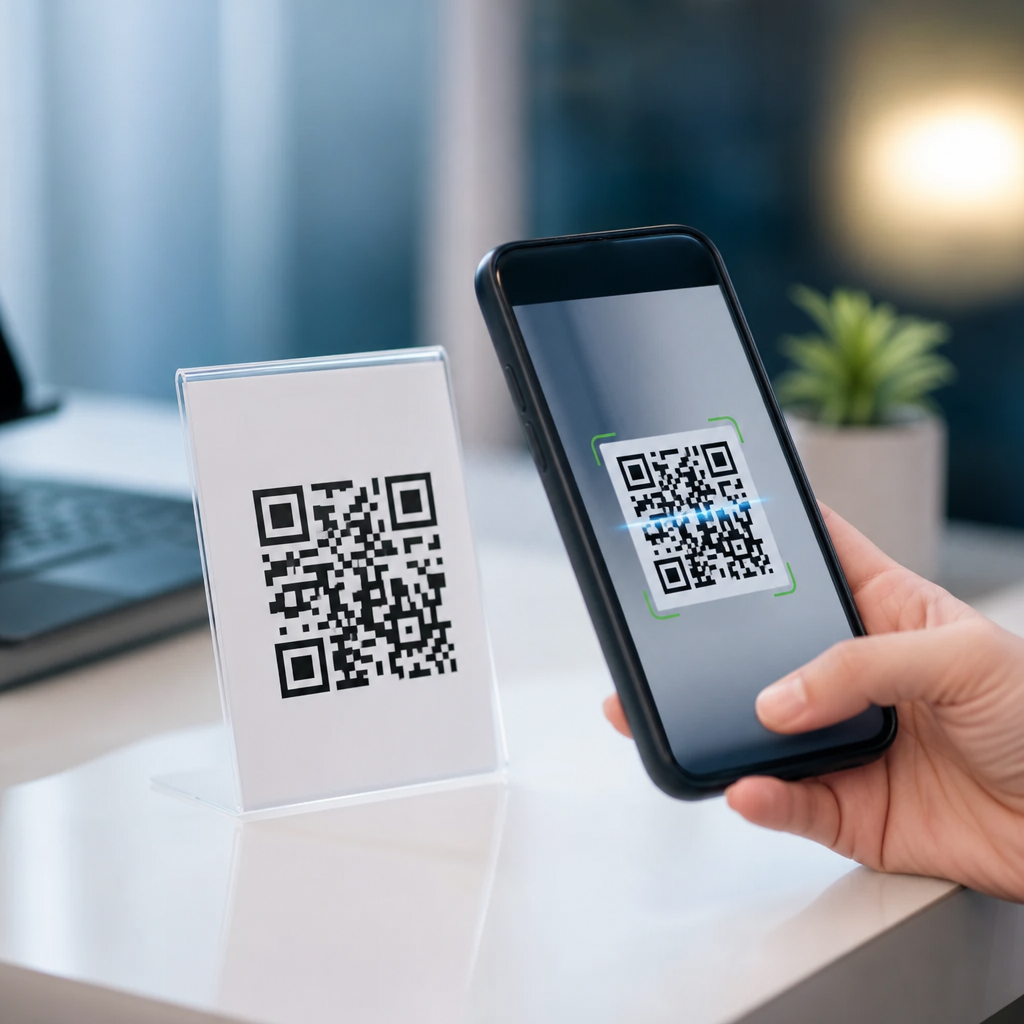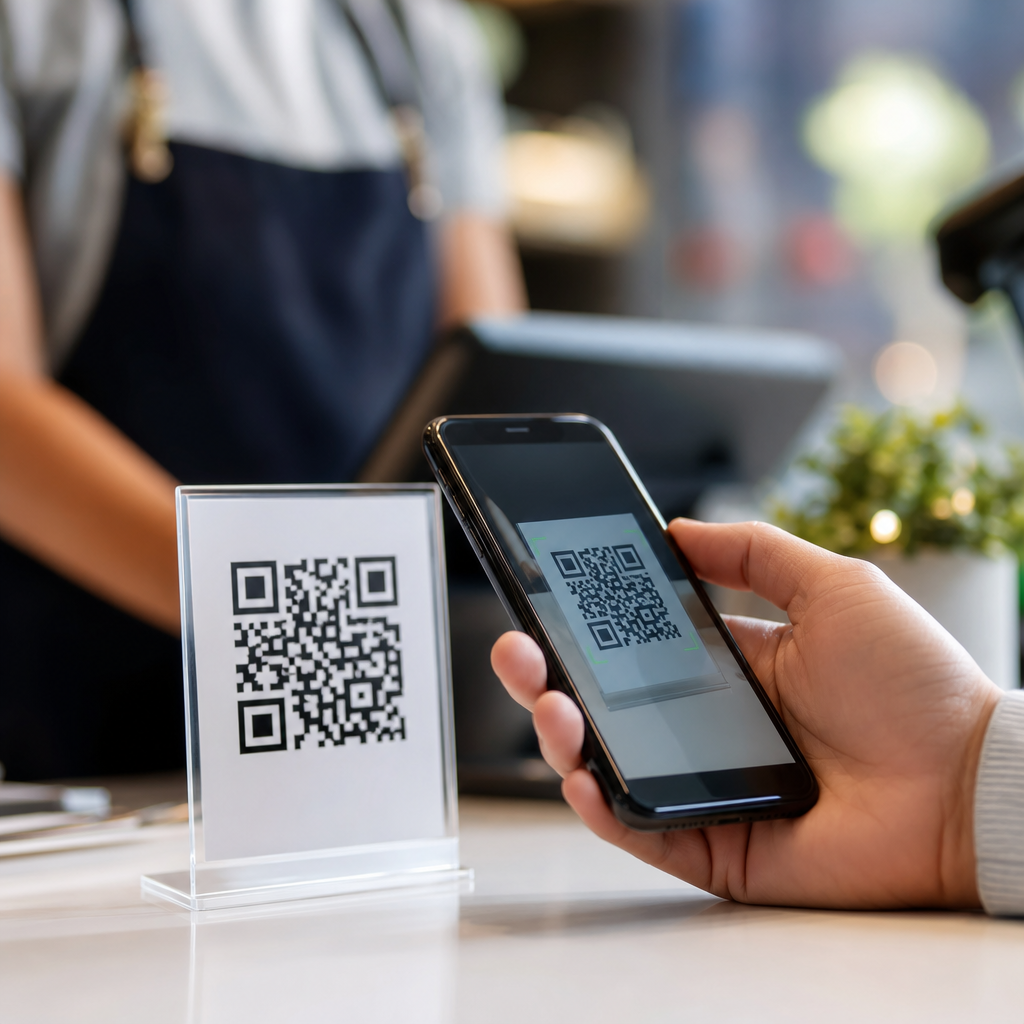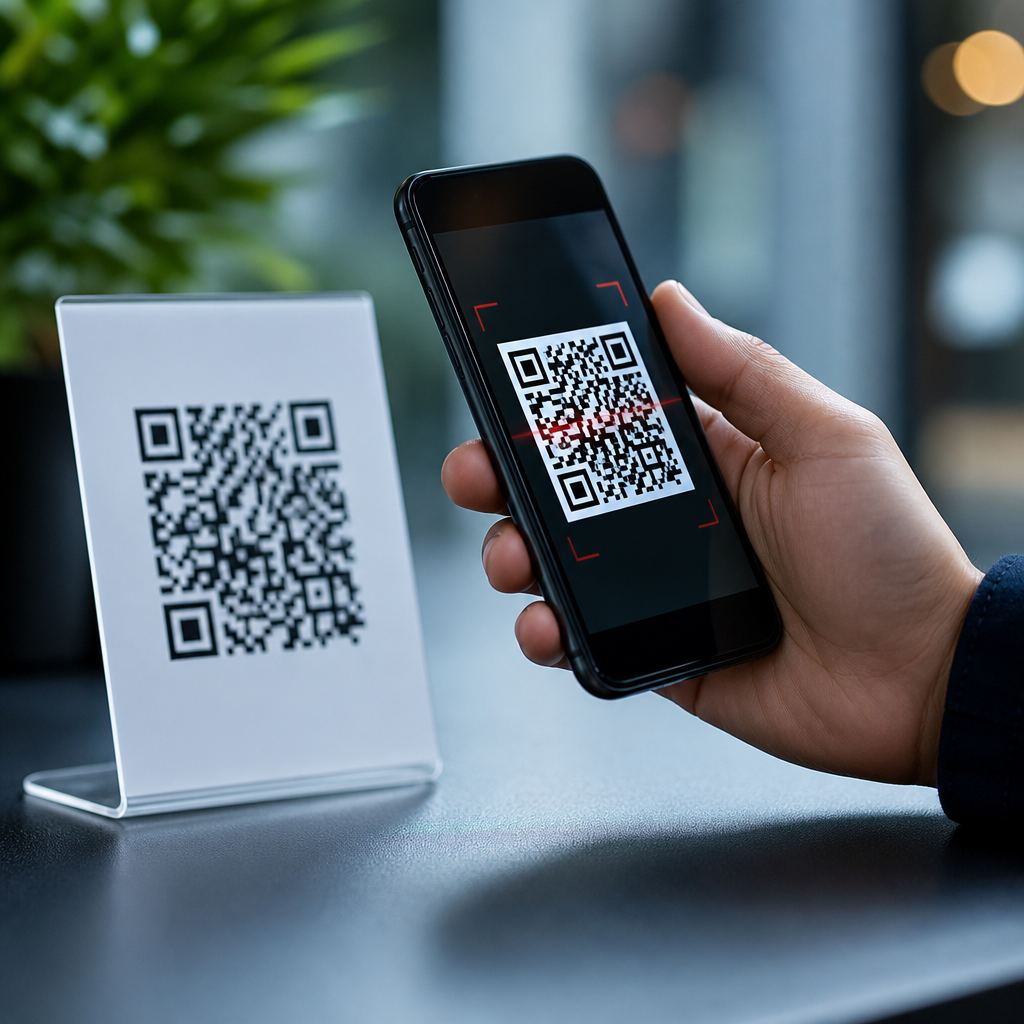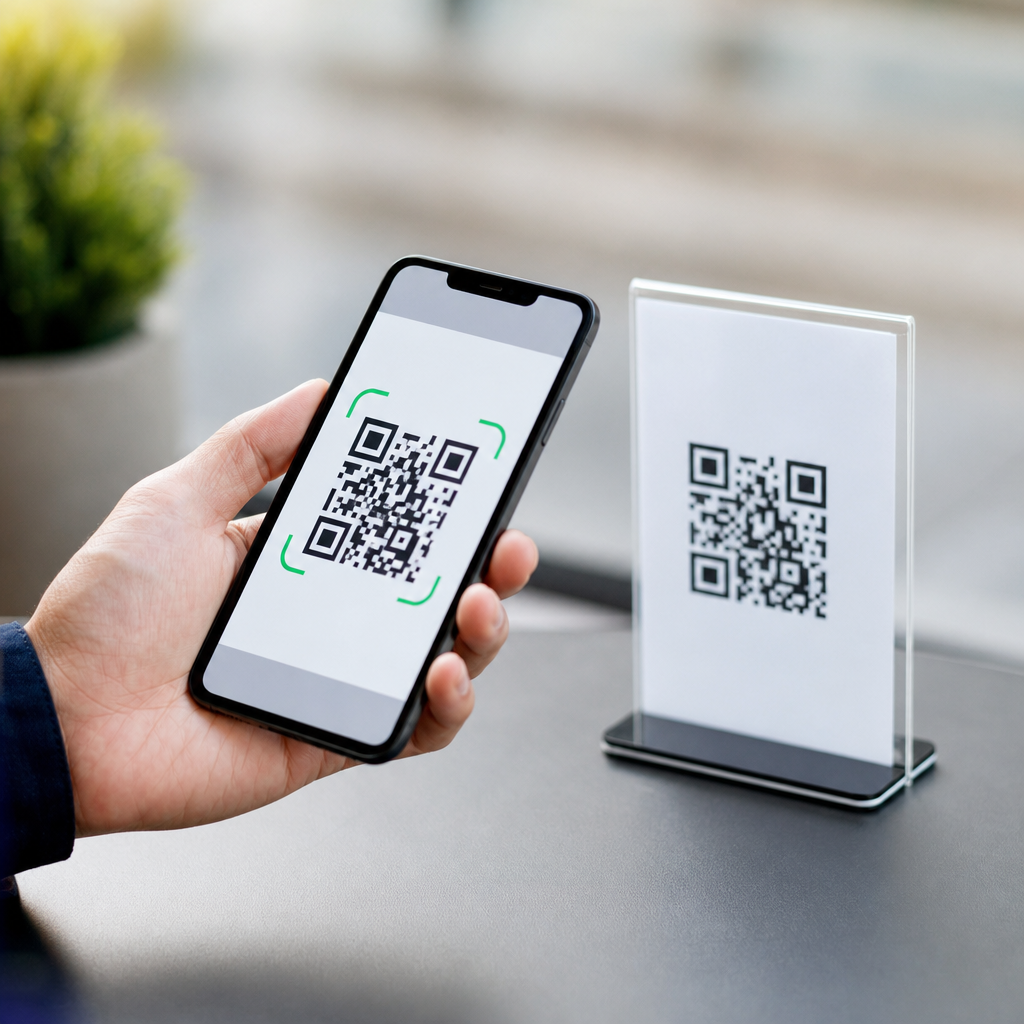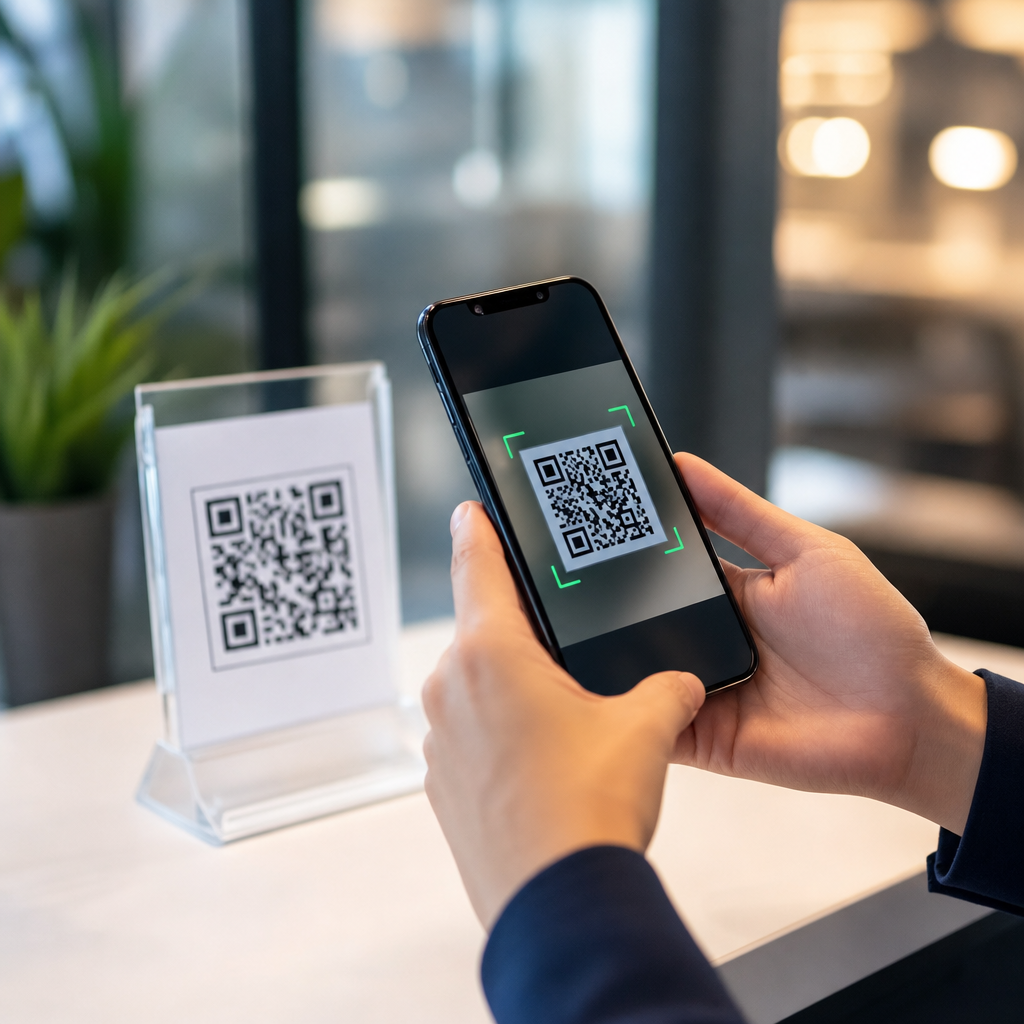

QR codes have become a routine bridge between physical spaces and digital experiences, but that convenience has created a new security education challenge: most people scan first and think later. To educate users about QR code safety, organizations need more than a warning label. They need a practical trust framework that explains what a QR code does, what information it requests, which risks matter, and how users can verify legitimacy before they interact. In my work on digital onboarding, payment flows, and access-control systems, the most effective programs never rely on fear alone. They build user trust through transparency, consistent design, and clear decision points that help people recognize safe behavior in seconds.
A QR code, or Quick Response code, is a two-dimensional matrix barcode that stores data such as a URL, contact card, payment payload, Wi-Fi credential, event ticket, or authentication token. When a smartphone camera or scanning app reads the code, it decodes the embedded data and launches a linked action. That action may be harmless, such as opening a menu, or sensitive, such as initiating a bank transfer, logging into a service, or downloading a file. QR code safety means teaching users to assess both the code itself and the digital destination behind it. User trust and transparency, the focus of this hub article, refers to the practices that make those actions understandable, predictable, and verifiable for ordinary users.
This topic matters because QR code usage now cuts across retail, healthcare, hospitality, education, government services, and workplace security. Attackers know that users often treat QR codes as neutral objects rather than clickable links. A printed code on a parking meter, restaurant table, package insert, or building poster can redirect a user to a phishing page just as easily as a malicious email can. Industry observers often call this quishing, a blend of QR and phishing. The attack works because the code hides the destination until after the scan. That delay removes the visual cues people use to evaluate email links, and it creates a small but critical trust gap. Educating users closes that gap and reduces errors without undermining the convenience that makes QR codes valuable.
For a sub-pillar hub under QR Code Security, Privacy and Compliance, user trust and transparency should connect every related topic: secure design, privacy notices, consent collection, payment protection, identity verification, accessibility, and incident response. The core principle is simple. Users are more likely to act safely when they know what will happen next, why it is happening, and how to verify that the experience is authentic. The sections below explain how to build that understanding into messaging, interfaces, training, and policy so users can scan with confidence instead of guesswork.
Start with the risks users actually face
The first step in user education is naming the real threats in plain language. Most users do not need a taxonomy of every barcode attack. They need to understand the few common scenarios that account for most harm. The most important risk is redirection to a fraudulent website that steals login credentials, payment details, or personal information. I have seen this in field audits where counterfeit QR stickers were placed over legitimate codes on lobby kiosks and public posters. Users scanned, landed on a cloned login page, and entered credentials because the flow felt routine. A second major risk is unauthorized payment. In some regions, QR payments are common enough that users may transfer funds to a spoofed merchant account if the payee name is not clearly verified before confirmation.
Other risks are less frequent but still relevant. A QR code can trigger the download of a malicious file, add a fake contact, draft a text message to a premium number, or prompt connection to an untrusted Wi-Fi network. Dynamic QR codes, which redirect through a managed service, add another layer of complexity because the visible code may remain the same while the destination changes over time. That flexibility is useful for marketing and operations, but it also means users should judge the trustworthiness of the publisher and the landing page, not just the printed square. Good education programs state these risks directly, then explain which ones apply to that specific organization’s use cases.
Context is essential. A patient scanning a code on a hospital discharge packet faces different concerns than a customer scanning a café menu. The patient may worry about health data collection, account login, and consent. The café customer may care more about payment safety and whether the menu page is legitimate. Teach by scenario, not by abstract warning. When users recognize their own environment in the guidance, they remember it.
Explain what a trustworthy QR experience looks like
Users make faster, safer decisions when they know the signs of a legitimate scan journey. A trustworthy QR experience begins before the scan. The surrounding sign, package, placard, or screen should identify the organization, the purpose of the code, and the expected outcome. “Scan to view today’s menu at brandname.com/menu” is stronger than “Scan here.” It sets an expectation that users can compare against the result on their phone. If the code opens a payment flow, the signage should state the merchant name and, where relevant, the amount or product category. In controlled environments, such as offices or schools, add a support contact or help desk reference so users know where to verify suspicious codes.
After the scan, transparency shifts to the device and landing page. Modern smartphone cameras often preview the URL before opening it. Teach users to pause and inspect the domain, especially the root domain, before they tap. Attackers rely on lookalike names, extra subdomains, and misspellings such as payrnents-example.com where the “m” is replaced or hidden. The landing page should then confirm the organization identity with clear branding, a readable domain, and a purpose statement at the top of the page. If the page requests personal data, location access, camera access, or payment details, it should explain why. Surprises erode trust. Predictable flows build it.
Consistency matters more than many teams realize. If the same company uses one visual style for email, another for its website, and a third for QR landing pages, users have little baseline for verification. The safest programs standardize templates, URL structures, and page elements so people can quickly spot something that looks wrong. That includes using HTTPS everywhere, avoiding unnecessary URL shorteners, and displaying the destination domain on physical materials whenever possible.
Teach a simple scan-check-decide routine
The most effective user education can be reduced to a short repeatable habit. I recommend a three-step routine: scan, check, decide. Scan with the native camera or a trusted app. Check the previewed destination, the physical context, and any request for credentials or payment. Decide whether the action matches the stated purpose and whether the source is verifiable. This routine is short enough for posters, onboarding screens, and staff training cards, yet specific enough to prevent many common mistakes.
For organizations building a user trust program, the routine should be supported by concrete examples. Show users side-by-side screenshots of a legitimate domain versus a lookalike domain. Demonstrate the difference between a code printed by the venue and a sticker placed over it. Explain that a login prompt immediately after scanning a poster in a public place is higher risk than a menu page or information page. If payment is involved, train users to confirm the merchant name and amount before submitting. If account access is involved, advise them to navigate manually to the official site if anything feels unusual.
| Situation | What users should check | Safe action |
|---|---|---|
| Restaurant menu QR code | Brand name on sign, domain preview, no unnecessary login | Open only if domain matches the restaurant or approved platform |
| Parking meter payment code | Official city or vendor branding, payee name, amount screen | Verify merchant details before paying; stop if redirected oddly |
| Workplace login QR code | Expected use case, company domain, authentication page design | If unsure, open the company app directly instead of scanning |
| Package insert or flyer | Reason for scan, destination domain, privacy notice | Proceed only if the code aligns with the sender and offer |
This kind of instruction works because it converts an abstract security message into a repeatable decision model. Users do not need to become experts in QR encoding. They need a reliable pause point before trust is extended.
Use transparency to reduce fear and improve adoption
Many organizations make a costly mistake when they educate users about QR code safety: they focus only on warnings. Excessive warning language can lower adoption, increase support requests, and cause people to bypass the official process altogether. Transparency is more effective than alarm. Tell users exactly what the code is for, what data is collected, whether the code is static or managed through a redirect service, and what the first screen will ask them to do. This approach improves both security and completion rates because users are less likely to abandon a legitimate flow that they understand.
Privacy disclosure is a major part of transparency. If a QR code opens a form, signs a user into a portal, or tracks campaign attribution, say so clearly. In regulated contexts such as healthcare, finance, and education, this is not only good practice but often necessary for compliance and defensibility. The disclosure does not need to be long. It needs to be timely and specific. For example, “This code opens our appointment check-in page and logs the clinic location for queue management” is more useful than a generic privacy statement buried in the footer.
Transparency also means acknowledging limitations. No organization can guarantee that every code in every public environment will remain untampered forever. State the verification steps users should take and provide an easy reporting path for suspicious codes. In practice, trust grows when users see that an organization has thought through the risks and built a response process instead of pretending the risk does not exist.
Design physical and digital touchpoints that support trust
User education succeeds when the environment reinforces the lesson. On physical materials, use tamper-evident labels where replacement risk is high, such as parking kiosks, event venues, and shared public counters. Avoid tiny codes with no surrounding text. Include the organization name, destination hint, and support details near the code. In high-value workflows, add a human-readable short URL so users can choose to type it manually. This is especially helpful for accessibility and for users who distrust scanning.
On digital landing pages, front-load trust signals. The page title, logo, domain, and purpose statement should be visible immediately. If a QR code is used for login, pair it with established methods such as time-bound tokens, device binding, or mutual confirmation between the desktop screen and mobile app. Large platforms use these patterns because they reduce credential phishing risk. For payments, display payee verification prominently and require explicit confirmation before money moves. For data collection, minimize fields and explain each requested permission.
Testing is where many programs improve rapidly. Run usability sessions with ordinary users, not just internal security staff. Ask participants to scan several real and simulated codes and talk through what makes them trust or distrust the experience. In projects I have supported, these sessions often reveal simple fixes, such as moving the domain higher on the page, clarifying the reason for location access, or replacing jargon like “authenticate” with “confirm it’s you.” Trust is rarely built by one perfect message. It is built by removing points of confusion across the entire journey.
Build training, policy, and reporting into a lasting program
One poster near a QR code is not a user trust strategy. Effective education is continuous and matched to risk. For consumers, embed brief guidance on packaging, point-of-sale displays, confirmation pages, and help centers. For employees, include QR scenarios in security awareness training alongside email, SMS, and collaboration-tool phishing. Teach staff not only how to scan safely, but also when not to scan at all. In sensitive environments, the safest advice may be to use the official mobile app or type the known address instead of scanning a publicly displayed code.
Policy should define where QR codes are allowed, who can publish them, how redirects are managed, what review is required for landing pages, and how incidents are handled. Recognized controls from governance and security standards can support this work even when they do not mention QR codes specifically. Asset inventory, change control, access management, secure software development, and logging are all relevant. If marketing can create unmanaged dynamic codes outside approved tooling, transparency breaks down because neither users nor security teams can confidently verify the destination.
Finally, make reporting easy and visible. Users should know exactly how to report a suspicious code, misleading landing page, or payment mismatch. A short support URL, hotline, or in-app reporting feature can dramatically reduce dwell time for fraudulent codes in the field. Review reports for patterns, then feed those lessons back into design and training. If you manage QR programs across multiple locations, track metrics such as scan completion rate, abandonment rate, suspicious report volume, and incident confirmation rate. Those numbers tell you whether trust is rising for the right reasons.
Educating users about QR code safety is ultimately an exercise in trust design. The goal is not to make people suspicious of every code. The goal is to help them distinguish legitimate, transparent experiences from manipulative ones quickly and accurately. Start with the real risks, define what a trustworthy journey looks like, and teach a short scan-check-decide habit that users can apply anywhere. Support that habit with clear signage, consistent domains, privacy explanations, verified payment details, and visible reporting options. When physical materials and landing pages are designed to answer the user’s next question before they ask it, safe behavior becomes easier than unsafe behavior.
As the hub for user trust and transparency within QR Code Security, Privacy and Compliance, this topic should guide every related article and implementation choice. Payment safety, consent collection, secure login, accessibility, tamper resistance, and incident response all depend on the same foundation: users need clarity before they act. Audit your current QR touchpoints, document where trust signals are missing, and update both education and design together. That is how organizations protect users, improve completion rates, and make QR code convenience worthy of user confidence.
Frequently Asked Questions
1. Why is user education so important for QR code safety?
QR codes feel familiar, fast, and low-friction, which is exactly why they can become a security blind spot. Most users treat scanning as a harmless first step, but a QR code can send someone to a phishing site, trigger a malicious download, open a payment request, launch a prefilled message, or initiate a login flow that looks legitimate but is not. The problem is not the technology itself. The problem is that the destination is hidden until after the scan, so users often act before they evaluate. That makes education essential.
Effective QR code safety education helps people slow down just enough to make better decisions without making them afraid of every code they see. Organizations should explain that a QR code is simply a shortcut to an action, and like any shortcut, it can be used responsibly or abusively. When users understand that scanning can lead to data entry forms, credential prompts, device permissions, account connections, or payment screens, they are more likely to recognize that the same caution they would use with links in email or text messages also applies here. The goal is not to overwhelm people with technical warnings. It is to give them a practical decision-making framework they can use in real situations.
Education also builds trust when it is tied to a broader onboarding and communication strategy. If users know where a legitimate organization places QR codes, what those codes are used for, what the next screen should look like, and what information will never be requested, they are much better equipped to detect tampering or fraud. In other words, teaching QR code safety is not just about avoiding scams. It is about helping users confidently distinguish between secure, expected digital experiences and suspicious ones.
2. What are the biggest QR code risks users should understand before scanning?
The most important risk is redirection to a malicious website. A QR code can take a user to a convincing fake login page, a counterfeit payment portal, a fraudulent survey, or a spoofed customer support form designed to capture usernames, passwords, credit card details, or personal information. Because the code itself does not visually reveal the destination, users may trust the printed placement of the code more than they should. Attackers take advantage of that by placing fake stickers over real codes, inserting fraudulent codes into posters, menus, parking meters, product packaging, and public notices, or sending images of QR codes through email and messaging apps.
Another major risk is social engineering after the scan. Even when a destination does not immediately install malware, it may pressure users into acting quickly, entering one-time passcodes, approving multifactor authentication prompts, downloading unofficial apps, or making urgent payments. In practice, many QR code attacks rely less on technical exploitation and more on manipulation. The page may look polished and familiar, but the request itself can be unusual, unnecessary, or timed to create panic. Users need to understand that urgency, secrecy, and credential collection are warning signs no matter how the interaction begins.
There are also privacy and device-related concerns. Some QR codes may open actions that trigger app downloads, connect to wireless settings, create calendar events, initiate calls or messages, or collect tracking data through hidden parameters in the URL. Not every one of these outcomes is dangerous, but each one deserves user awareness. A good educational program teaches that the core questions are always the same: Where is this code taking me, what is it asking me to do, what information will I be sharing, and does this interaction align with what I expected from the context in which I found it?
3. How can organizations teach users to verify whether a QR code is legitimate?
The best approach is to give users a simple, repeatable verification checklist. First, they should consider the context. Is the QR code located where they would reasonably expect it to be, such as inside an official branch, on branded materials, within a secure product package, or on a company-owned website or app? Second, they should inspect the physical code when possible. Signs of tampering, such as stickers layered over another code, mismatched branding, poor print quality, or unusual placement, should be treated as warning flags. Third, after scanning, users should review the previewed destination before opening it if their camera or scanner provides that option.
Users should also be taught how to evaluate the web address itself. They do not need deep technical knowledge, but they should know to look for misspellings, extra words, unfamiliar domains, strange subdomains, and branded names used in deceptive ways. For example, a page that appears to belong to a bank, retailer, or employer but uses an unrelated or suspicious domain should not be trusted. Education should include examples of legitimate versus misleading URLs so users can see the difference in realistic scenarios. This kind of pattern recognition is far more useful than generic warnings alone.
Organizations can strengthen this training by clearly defining what their own QR codes will and will not do. For example, they can tell users that official codes will only direct to a specific domain, will never ask for passwords immediately after scanning, will not request payment through unfamiliar processors, and will always be accompanied by visible branding and a short explanation of purpose. They should also provide alternate ways to access the same destination, such as typing a URL manually or navigating through the official app. When users know they have a safe alternative, they are less likely to feel forced into trusting a questionable scan.
4. What should a practical QR code safety framework include in user onboarding and training?
A practical framework should begin with a clear explanation of what a QR code does. Users should understand that it is not inherently safe or unsafe; it is simply a machine-readable trigger that opens a destination or action. From there, training should explain the most common legitimate uses, such as accessing menus, payments, sign-in pages, product information, support resources, or app downloads, alongside the most common abuse cases, such as fake login pages, credential harvesting, unauthorized payment requests, and malicious redirects. When users see both sides, they develop a more balanced and realistic understanding.
The framework should then move into action-based guidance. A useful model is: pause, preview, verify, and proceed. Pause before scanning or before tapping through after a scan. Preview the destination if possible. Verify the source, the domain, and the expected purpose. Proceed only if the request makes sense and the destination appears legitimate. This structure is easy to remember and can be repeated across onboarding, security awareness content, printed signage, customer support scripts, and employee training. Consistency matters because users retain short, repeatable behaviors better than long lists of abstract rules.
Strong programs also define boundaries around sensitive information. Users should know exactly what your organization will never request through a QR-initiated flow, such as full passwords in response to an unexpected scan, payment to a personal account, immediate transfer of funds to resolve a surprise issue, or disclosure of one-time authentication codes to support staff. Finally, the framework should include reporting instructions. If a code appears suspicious, users need a fast and easy way to report it, ask for confirmation, or access a verified alternative. Education works best when it is supported by clear process, not just awareness messaging.
5. What are the best practices for helping users build long-term safe QR code habits?
Long-term safety habits come from repetition, realism, and convenience. Organizations should not treat QR code safety as a one-time warning buried in a policy document. Instead, it should appear at the moments when people are most likely to scan: during account setup, in payment experiences, in physical locations, in product packaging, and in support interactions. Brief reminders work well when they are contextual, such as “Verify the destination before entering your password” or “Official codes from us always lead to example.com.” This type of just-in-time guidance is far more effective than generic fear-based messaging.
Real examples are especially powerful. Show users what a legitimate QR flow looks like and compare it with a suspicious one. Demonstrate how a URL preview appears on a phone, how a fake domain can imitate a trusted brand, and how attackers may place replacement stickers over public codes. The more concrete the examples, the more likely users are to recognize similar patterns in the real world. Short scenario-based training, microlearning modules, branch or in-store signage, and onboarding walkthroughs can all reinforce the same core behaviors without creating fatigue.
Finally, safe habits grow when organizations reduce ambiguity. If you want users to trust your QR experiences, standardize them. Use consistent branding, explain the purpose of each code nearby, publish the official domains you use, and offer backup options such as direct navigation through your website or app. Encourage users to stop and verify without making them feel they are slowing down the process or being difficult. When security guidance is practical, repeatable, and supported by trustworthy design, users are much more likely to adopt careful scanning as a normal part of their digital behavior rather than as an occasional precaution.