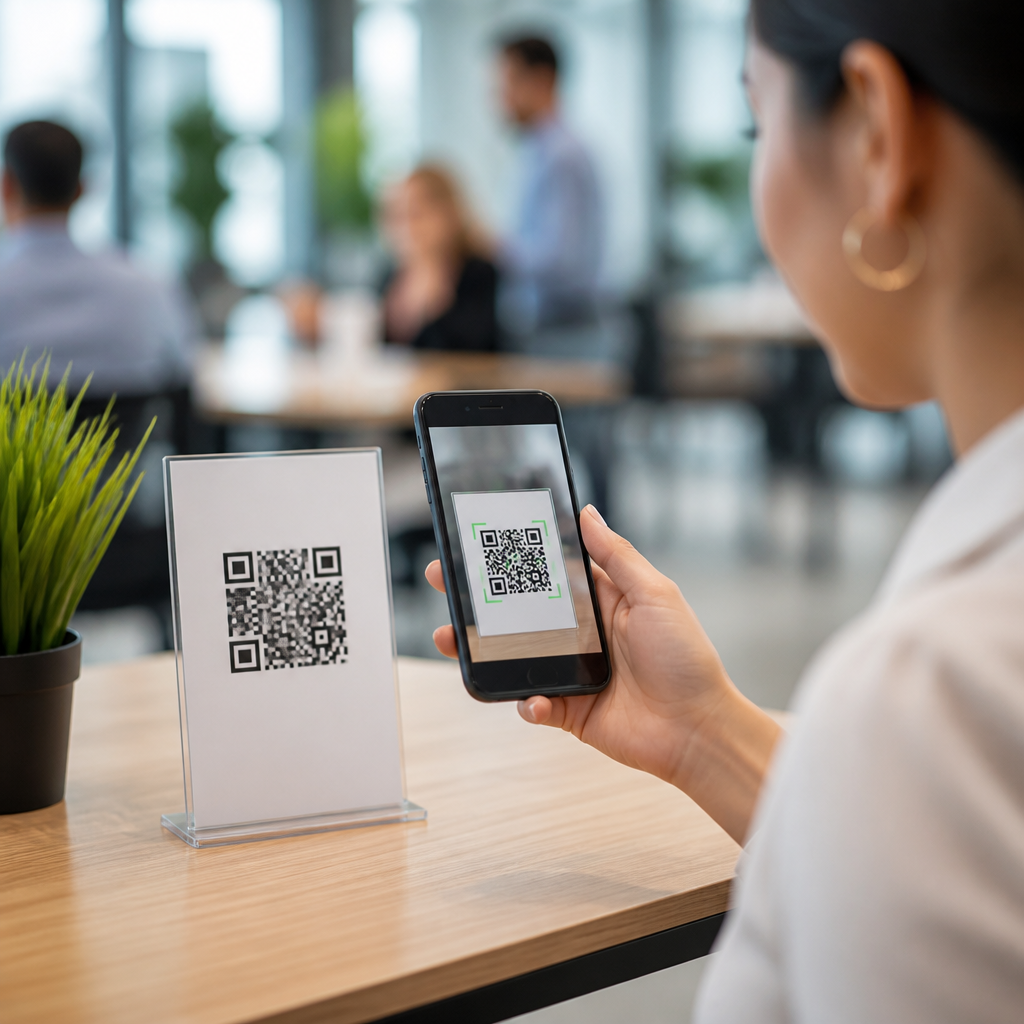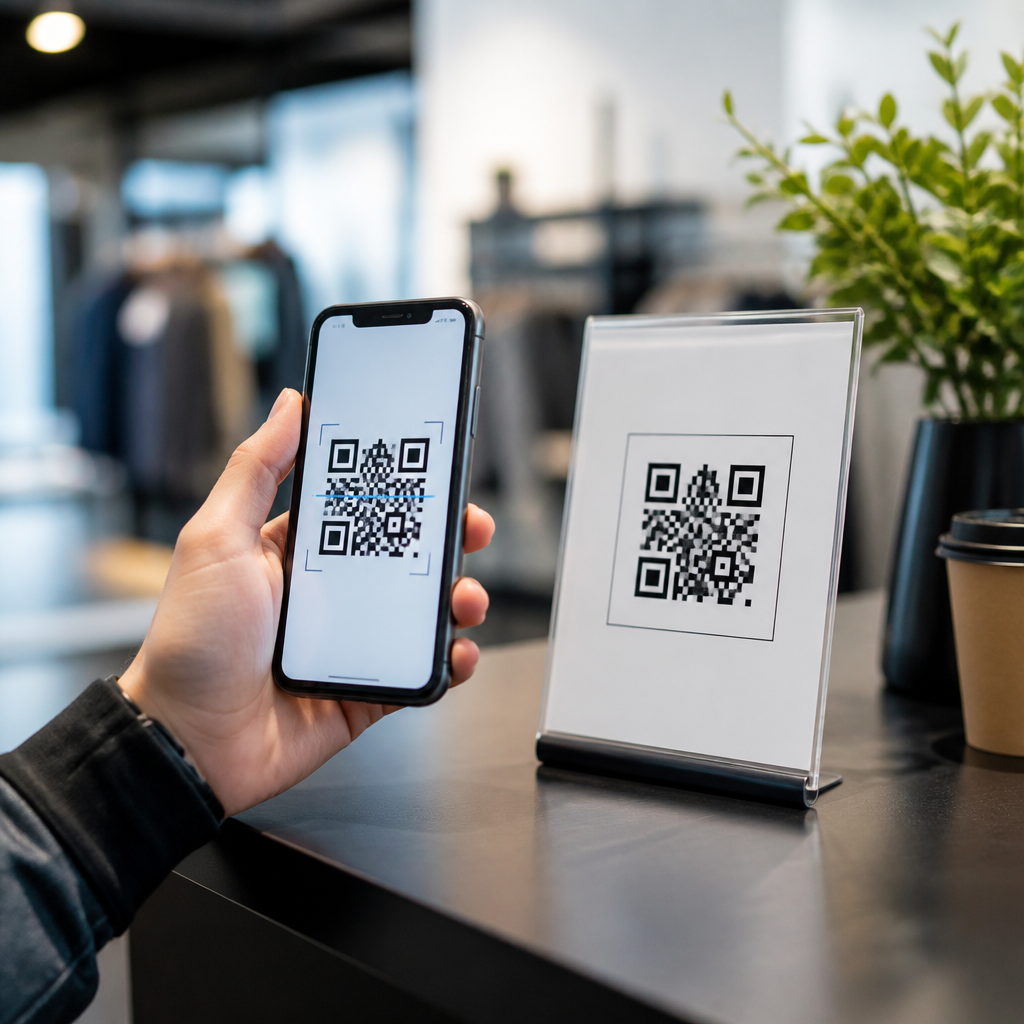
QR code campaigns look simple on the surface: place a scannable square on packaging, signs, mailers, or screens, then wait for visits. In practice, optimization is what separates a novelty from a measurable acquisition channel. An intermediate guide to QR code campaign optimization sits between basic setup and advanced attribution modeling. It helps teams move from “our code scans” to “our code drives qualified traffic, conversions, and usable audience insight.”
A QR code, or Quick Response code, is a two-dimensional barcode that stores a destination such as a URL, vCard, app link, PDF, coupon, or payment request. Campaign optimization means improving every variable that influences results: code type, landing-page match, placement, creative context, scan environment, analytics, and post-scan conversion flow. Dynamic QR codes matter especially because they allow destination changes, tagging, and scan reporting without reprinting the code. Static codes still have a place for permanent, low-risk destinations, but they limit testing and governance.
This topic matters because offline-to-online behavior is now standard. Consumers scan codes on product labels, restaurant tables, event signage, direct mail, connected TV screens, and retail displays. Smartphone cameras made scanning friction low, but low friction does not guarantee performance. I have worked on campaigns where a code on a trade-show banner generated thousands of scans but poor lead quality, while a smaller code on packaging drove fewer scans yet higher repeat purchases because the destination and timing matched user intent. Optimization is the discipline of finding that match consistently.
As a hub within QR Code Tutorials, Guides & Resources, this page connects beginner, intermediate, and advanced guides into one decision-making framework. Beginners need clear setup rules, naming conventions, and print basics. Intermediate teams need testing plans, segmentation, and channel comparisons. Advanced practitioners need attribution logic, privacy compliance, redirect governance, and automation into CRM and BI tools. This article covers that full path in practical terms so you can design better scans, measure the right outcomes, and build a repeatable QR program instead of one-off executions.
Build the right campaign foundation before you design
The first optimization step is choosing a campaign objective that can be measured after the scan. Common objectives include product education, coupon redemption, app installs, event registration, menu access, review generation, payment completion, and lead capture. Each objective implies different success metrics. For product education, time on page and secondary clicks may matter more than raw scans. For lead generation, form completion rate and cost per qualified lead matter more than pageviews. Teams often fail here by tracking only scans, which is equivalent to judging email by opens alone.
Use a consistent taxonomy before generating any code. I recommend a naming structure that captures brand, region, placement, asset type, audience, and date, then matches UTM parameters and analytics events. For example, a code on a spring catalog cover might map to source=print, medium=qr, campaign=spring_catalog_2026, content=cover, term=loyalty_segment. This makes reporting usable across Google Analytics 4, Adobe Analytics, CRM records, and dashboard tools. If you skip naming discipline, your data fragments fast, especially when agencies, franchisees, and field teams create codes independently.
Destination strategy is equally important. The post-scan experience should be mobile-first, fast, and purpose-built. Sending every scan to a homepage is a common mistake because it forces users to navigate after already expressing intent. A packaging code should land on the exact product support or recipe page, not the main site. A conference booth code should open a short form or meeting scheduler, not a generic services overview. Pages must load quickly on cellular networks, maintain message match with the physical asset, and present one primary next action.
Governance matters more as campaigns scale. Assign ownership for code creation, redirect control, creative review, analytics QA, and retirement. Maintain a master inventory with code IDs, destinations, print files, launch dates, and deactivation rules. If a campaign expires, users should not hit a dead page; they should be redirected to a relevant fallback page. In large organizations, this simple operational discipline prevents outdated offers, inconsistent brand experiences, and compliance problems when legal terms change after materials are distributed.
Choose formats, placements, and creative treatments that increase scans
Optimization starts with scanability. Error correction level, contrast, quiet zone, output size, and material finish all affect performance. A reliable rule is dark code on a light background with a sufficient quiet zone around all sides. Decorative inversions, busy backgrounds, and low contrast may look branded but often reduce read rates. Glossy surfaces can create glare under retail lighting, and curved placements on bottles or cups can distort modules. Test printed samples with multiple phones before approving production, not just the digital artwork on a desktop monitor.
Size and distance should align. A practical rule used in print production is roughly one inch of code width for every ten inches of scanning distance, then adjusted for environment and audience speed. A code on a shelf talker can be small because the user stands close. A code on an in-store hanging sign, bus shelter, or stage screen needs to be much larger. Context also matters. If someone is moving, such as in transit, the code must be bigger, simpler, and paired with a clear value proposition because they have less time to decide and scan.
Call-to-action copy often determines whether the code is ignored or used. “Scan me” is weaker than benefit-led language such as “Scan for installation steps,” “Scan to claim 15% off,” or “Scan to compare models.” In my experience, scan volume rises when the user knows exactly what happens next and why it is worth their effort. The copy should also set expectations about data use when relevant, especially for forms, downloads, or gated content. That transparency improves trust and reduces abandonment after the landing page loads.
Placement must respect user ergonomics. Codes should sit where a person can stop, frame, and scan without awkward movement. On packaging, avoid folds, seams, and edges likely to be damaged. On restaurant tables, keep codes clear of condensation rings and utensils. On posters, place codes below eye level but high enough to remain visible in crowds. For digital displays, avoid rapid animation near the code because motion interferes with camera focus. Accessibility matters too: pair the code with a short URL so users have an alternative if scanning fails.
| Campaign setting | Best QR placement approach | Main optimization concern |
|---|---|---|
| Product packaging | Flat panel near usage instructions or nutrition details | Curvature, abrasion, and message match after purchase |
| Retail signage | Lower center area with strong contrast and short CTA | Viewing distance, store lighting, and dwell time |
| Direct mail | Front panel or offer block near personalized copy | Clarity of incentive and attribution to audience segment |
| Events and trade shows | Booth counters, handouts, and session slides | Lead quality, Wi-Fi congestion, and follow-up speed |
| Connected TV or presentations | Large on-screen code with long display duration | Scan distance, motion, and destination speed on mobile |
Measure the full funnel, not just scan counts
Scan count is a top-of-funnel metric, not the final verdict on campaign quality. Strong QR code campaign optimization tracks exposure where possible, scans, sessions, engaged sessions, key events, conversions, revenue, and assisted outcomes. Google Analytics 4 can capture post-scan behavior through tagged URLs and custom events, while marketing automation platforms can tie form fills to nurture and pipeline stages. If you run retail or field campaigns, add location, store, or rep metadata into URLs or redirects so you can compare local performance without guessing.
Dynamic QR platforms provide useful operational data such as total scans, unique scans, device type, operating system, time of day, and approximate location. These data points are helpful but should be interpreted carefully. A “unique” scan depends on the platform’s method and is not the same as a known individual. Location is usually approximate, not precise. Use platform analytics to spot patterns, then rely on your primary analytics and CRM systems for conversion truth. This distinction avoids inflated reporting and keeps decision-making grounded.
Intermediate teams should define a scan-to-conversion benchmark by campaign type. For example, a discount offer on direct mail may convert at a very different rate than a QR code on instructional packaging. Compare like with like. Segment by source environment, audience intent, and funnel step. A code scanned after purchase will naturally produce different behavior than one scanned before purchase. Also measure lag time. Some scans convert immediately; others assist later branded search, store visits, or sales conversations. Attribution models should reflect that reality, especially in B2B and higher-consideration consumer categories.
Testing should be structured, not random. A/B test one primary variable at a time where feasible: CTA wording, landing-page headline, incentive, placement height, screen duration, or form length. In print, split testing can happen across store groups, mail segments, or event sessions. For dynamic destinations, server-side redirects make testing easier because the physical code remains unchanged. Keep a test log with hypotheses, dates, audience details, and outcome definitions. Without that discipline, teams repeat experiments, misread noise as learning, and cannot explain why one code outperformed another.
Connect beginner, intermediate, and advanced guides into one operating model
A strong hub page should help readers move from first steps to mature execution. The beginner layer covers basics: static versus dynamic codes, safe generators, print specifications, mobile landing pages, and essential tagging. The intermediate layer builds on that foundation with campaign architecture, placements by channel, testing methods, and conversion analysis. The advanced layer extends into CRM integrations, redirect logic, first-party data capture, geofenced variations, fraud prevention, and BI dashboards. Organizing content this way mirrors how teams actually adopt QR programs over time.
Internal pathways should reflect common user questions. Someone who lands here may ask, “What size should my QR code be?” “Should I use a dynamic QR code?” “How do I track scans in GA4?” “Why are people scanning but not converting?” “How do I update a printed code after launch?” This hub should connect each question to a dedicated guide while still answering the essentials directly on the page. That structure helps readers solve immediate problems and signals topical depth across the full Beginner to Advanced Guides cluster.
For resource planning, think in phases. Phase one is reliable deployment: generation standards, secure redirects, branded landing pages, and baseline analytics. Phase two is optimization: segmented campaigns, on-asset messaging tests, and conversion-rate improvements. Phase three is scale: templates, approval workflows, localization, CRM sync, and executive dashboards. I have seen organizations stall because they chased advanced personalization before fixing basics like broken redirects or inconsistent UTM tagging. Maturity comes from stacking capabilities in order, not skipping ahead to complexity.
Advanced optimization also requires acknowledging limitations. QR codes do not solve weak offers, slow sites, or poor follow-up. Privacy rules can limit identity resolution, especially across offline and online touchpoints. Some environments produce accidental scans or low-intent traffic. Older print assets may remain in circulation long after campaign assumptions change. The best programs plan for these realities with fallback destinations, expiration policies, consent language, and periodic audits. When you treat QR as a governed channel rather than a graphic element, performance and reliability improve together.
Intermediate guide to QR code campaign optimization is ultimately about turning a scan into business value through better decisions. Start with a measurable objective, use dynamic infrastructure where flexibility matters, and create landing experiences that match the user’s context. Design for real scanning conditions, not ideal mockups. Measure downstream behavior in analytics and CRM systems, then test methodically so improvements compound over time. Use this hub as your roadmap across beginner, intermediate, and advanced guides, and review your current campaigns with fresh rigor. The fastest wins usually come from clearer calls to action, cleaner destinations, and better tracking.
If you manage QR code tutorials, guides, and resources for a team or brand, make this page the center of your workflow. Link out to focused how-to articles, maintain naming and governance standards, and revisit older assets before they decay into broken experiences. QR codes reward operational discipline because every scan is a moment of intent. Capture that intent well, and the channel becomes measurable, scalable, and surprisingly efficient. Choose one live campaign today, audit it from code design to conversion reporting, and apply the improvements outlined here.
Frequently Asked Questions
1. What does “QR code campaign optimization” actually mean at the intermediate level?
At the intermediate level, QR code campaign optimization means going beyond simply generating a QR code and confirming that it scans. The focus shifts to improving the full journey from scan to outcome. That includes where the code is placed, how clearly the call to action is written, what landing page experience users see after scanning, how traffic is tagged and measured, and whether scans turn into meaningful actions such as signups, purchases, downloads, bookings, or store visits.
An intermediate approach usually starts with the understanding that a QR code is not the campaign by itself. It is a bridge between an offline or physical touchpoint and a digital experience. If that bridge is weak, even a highly visible code may underperform. For example, a code on product packaging may generate scans, but if the destination page is slow, irrelevant, or difficult to use on mobile, conversion rates will suffer. Optimization at this stage means identifying and removing those points of friction.
It also means setting clearer performance benchmarks. Rather than asking only, “How many scans did we get?” teams begin asking better questions: Which placements produce the highest scan rate? Which audience segment converts best? Does one call to action outperform another? Are users scanning in-store, at home, or on the go? Which channels drive repeat engagement instead of one-time curiosity? Those questions help transform QR efforts from passive utilities into measurable acquisition and engagement channels.
In practical terms, intermediate optimization often includes using dynamic QR codes, adding UTM parameters for analytics, segmenting campaigns by placement or region, testing landing page variations, and measuring scan-to-conversion performance rather than scan volume alone. It is the stage where teams start connecting creative, user experience, and data together so the QR code becomes part of a broader performance strategy, not just a technical add-on.
2. Which metrics matter most when evaluating a QR code campaign?
The most important metrics depend on campaign goals, but intermediate teams should avoid relying on scan count as the primary success indicator. Scans are useful, but they only show initial interest. A healthier measurement framework tracks the entire funnel. That usually starts with scan volume, then moves into scan rate by placement, landing page engagement, click-through behavior, conversion rate, and downstream business outcomes such as revenue, lead quality, or customer retention.
Scan rate is especially valuable because it adds context. For instance, 500 scans may be excellent for a limited direct mail drop but underwhelming for a high-traffic retail display. Comparing scans against estimated impressions, units distributed, store traffic, or event attendance helps determine whether the code is truly compelling in its environment. This is where placement-specific tracking becomes essential. A QR code on a poster, product label, and receipt should usually not all feed into the same undifferentiated destination if you want actionable reporting.
Landing page metrics also matter. Bounce rate, time on page, scroll depth, and completion rate can reveal whether the post-scan experience matches user intent. If scans are high but conversions are low, the issue may not be the code itself. It may be the page content, form length, mobile usability, load speed, or message mismatch. Intermediate optimization depends on diagnosing that gap accurately.
Teams should also track technical and audience signals where possible, including device type, operating system, geography, time of scan, and repeat visits. These dimensions can uncover patterns such as stronger evening performance, weaker conversion in poor connectivity environments, or better response from specific locations. If the campaign goal is commerce, revenue per scan and revenue per converting user become highly valuable. If the goal is lead generation, then lead quality, not just lead quantity, should be monitored. The strongest QR reporting setup ties scan behavior to business outcomes, so optimization decisions are based on impact rather than activity.
3. How can I improve QR code scan rates without compromising user experience?
Improving scan rates starts with visibility, clarity, and trust. Many QR campaigns underperform not because people dislike scanning, but because the code is hard to notice, difficult to access, or disconnected from a clear value proposition. The first step is placement. A QR code should be easy to spot, easy to physically reach, and easy to scan from a realistic distance and angle. On packaging, that may mean avoiding folds, curves, seams, or reflective surfaces. On signage, it means considering lighting, height, viewing distance, and crowd flow.
Equally important is the call to action. A QR code without context often feels like a gamble. Users want to know what they will get before they scan. Specific prompts such as “Scan to view today’s menu,” “Scan for a 15% discount,” or “Scan to watch the setup guide” generally outperform vague instructions like “Scan me.” The promise should be immediate, relevant, and worthwhile. In many cases, adding one short line of supporting text can dramatically improve scan intent.
Design quality also affects performance. The code must maintain sufficient contrast and quiet space around it so phone cameras can read it reliably. Branded styling can help recognition, but not if it reduces scannability. Intermediate optimization means balancing aesthetics with function. Codes should be tested on multiple devices, in different lighting conditions, and from expected user distances before launch. It is also smart to include a fallback short URL nearby for users who cannot scan easily.
From a user experience standpoint, what happens after the scan matters just as much as the code itself. A slow, cluttered, or non-mobile-friendly landing page can train users not to engage with future QR prompts. To protect the experience, send users to a page that loads fast, matches the promise made near the code, and minimizes unnecessary steps. If the scan came from packaging in a store aisle, the destination should reflect that context. If it came from an event booth, the page should continue that event message. Better alignment between context, incentive, and destination tends to improve both scan rates and post-scan performance over time.
4. What is the best way to test and iterate on a QR code campaign?
The best way to test a QR code campaign is to isolate meaningful variables and evaluate them against a clear success metric. At the intermediate level, that usually means running controlled comparisons across elements such as call to action, placement, design treatment, incentive, landing page version, or destination flow. The goal is not to change everything at once, but to identify which specific adjustments produce better scan quality and conversion efficiency.
A practical starting point is to create separate dynamic QR codes or tracking links for each environment or variation. For example, if the same campaign appears on window signage, shelf talkers, and printed inserts, each version should be tracked independently. That allows you to compare not only total scans, but also scan-to-conversion rates and engagement behavior by placement. Often, one location drives more scans but lower intent, while another produces fewer scans but stronger conversions. Without separated tracking, those insights are easy to miss.
Testing should also include the landing experience. Many teams focus heavily on the code design and physical placement but overlook the fact that post-scan friction often determines campaign success. Try different page layouts, shorter forms, alternate headlines, stronger proof points, or faster paths to conversion. If your users are scanning in low-attention environments, a concise mobile-first page may outperform a more detailed experience. If they are scanning for product education, richer content may perform better. The right answer depends on context, which is why testing matters.
Iteration should be structured and documented. Define the hypothesis before launching a test, set a reasonable sample size or test duration, and review results against the primary objective. A campaign aimed at purchases should not be judged only on scan volume. Likewise, a campaign meant to educate may require metrics such as content engagement or assisted conversion influence. Over time, the strongest optimization process becomes a feedback loop: launch, measure, diagnose, adjust, and retest. That disciplined approach helps teams build repeatable learnings rather than relying on assumptions or one-off wins.
5. How do dynamic QR codes and campaign tracking improve optimization?
Dynamic QR codes are one of the most valuable tools for QR campaign optimization because they add flexibility and measurement depth. Unlike static QR codes, which point permanently to a single fixed URL, dynamic codes route through a manageable link that can be updated without reprinting the code itself. That means you can change destinations, correct mistakes, rotate offers, localize experiences, or pause underperforming pages while keeping the same printed asset in market. For campaigns running across packaging, retail materials, direct mail, or out-of-home placements, that flexibility is a major operational advantage.
From an optimization perspective, dynamic QR codes make granular tracking much easier. You can assign different codes or tracking rules to specific placements, regions, products, creative versions, or partner channels. Combined with analytics platforms and properly structured UTM parameters, this helps teams understand where scans are coming from and what users do afterward. Instead of seeing QR traffic as one blended bucket, you can evaluate campaign performance at the level where decisions are actually made.
They also support ongoing refinement. If one printed campaign is sending users to a generic homepage, a dynamic QR setup allows you to redirect future scans to a more relevant landing page without replacing the original materials. If a promotion expires, the code can point to a new