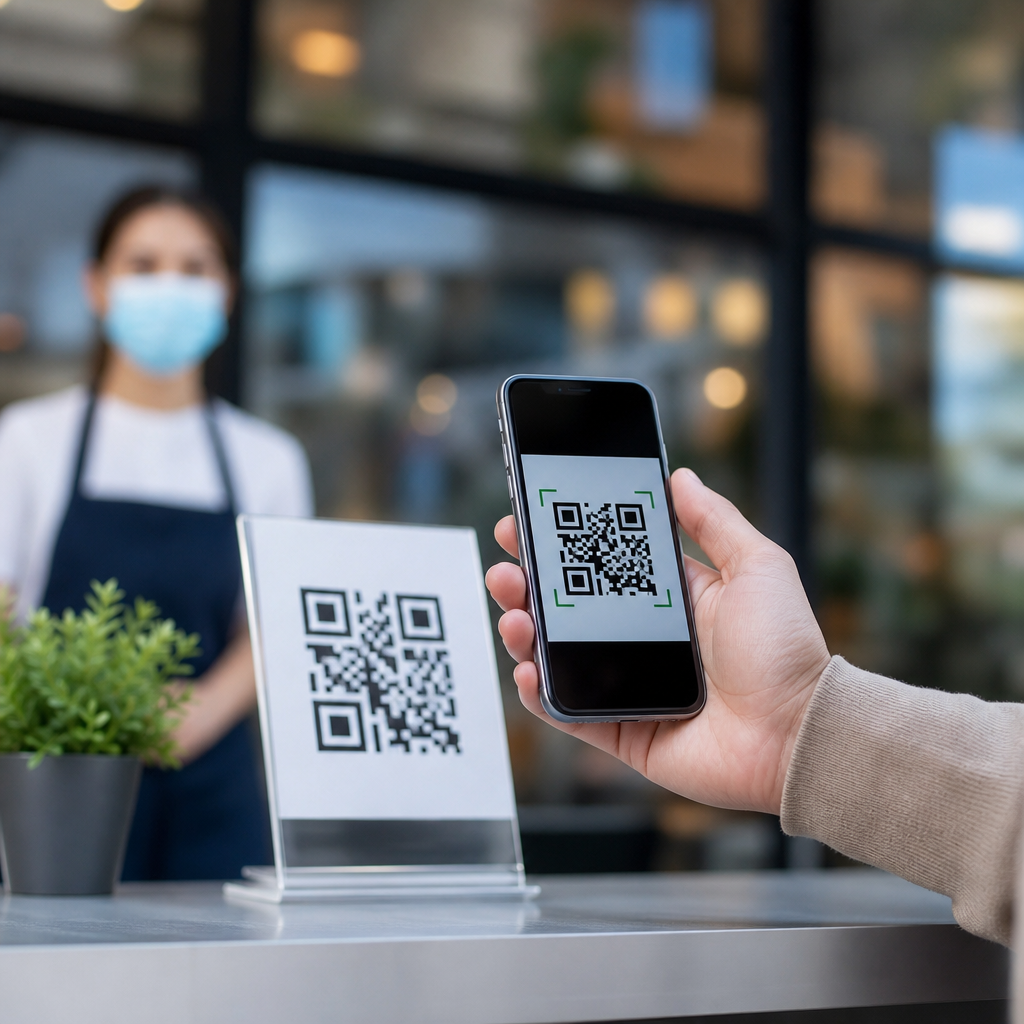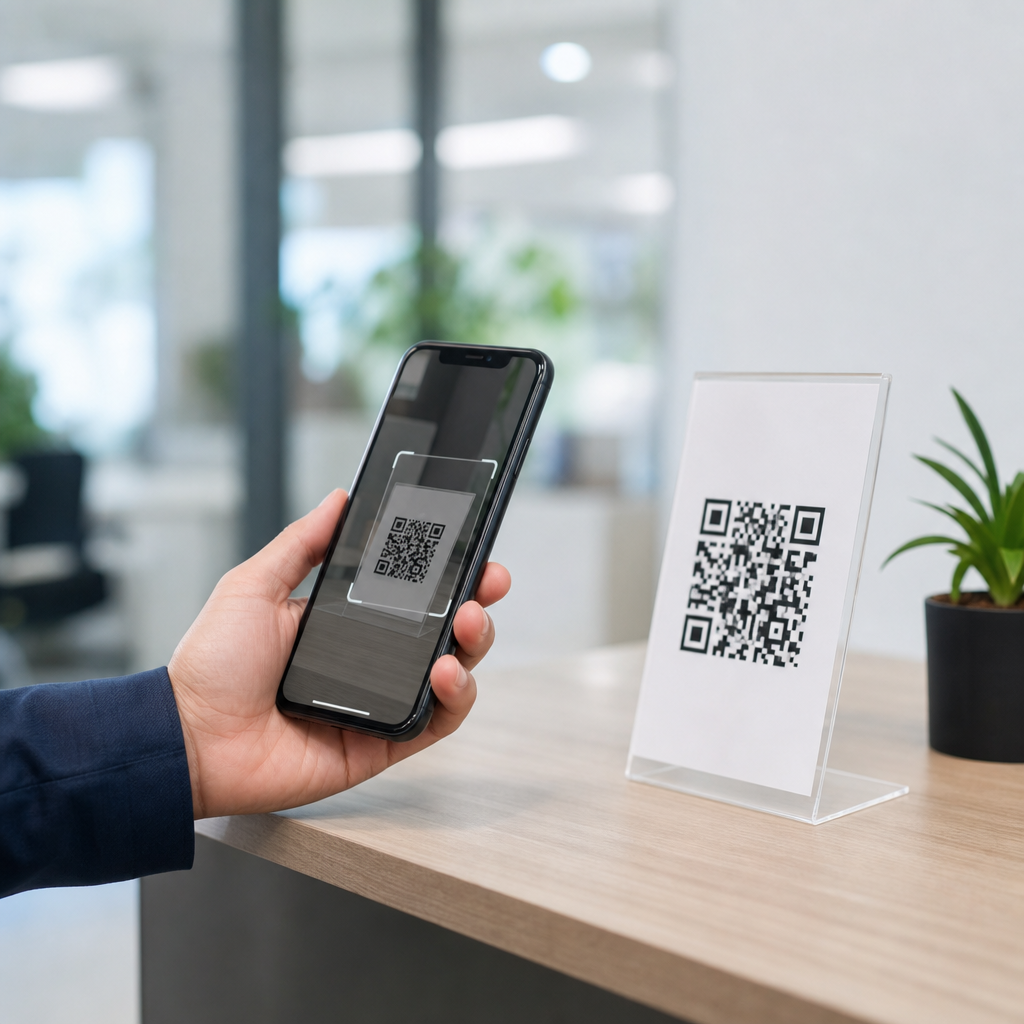
QR codes remain highly relevant in 2026 because they solve a simple, persistent problem: turning physical touchpoints into instant digital actions with a quick camera scan. A QR code, short for Quick Response code, is a two-dimensional barcode that stores data such as a URL, contact record, payment credential, Wi-Fi login, app deep link, or product identifier. Unlike a traditional one-dimensional barcode, it can hold more information and still work when partially damaged because it uses error correction. I have deployed QR programs for retail packaging, restaurant menus, events, and field service teams, and the pattern is consistent: when the code is easy to scan and the destination is useful, people use it without hesitation.
That practical utility explains why the question is not whether QR codes still matter, but where they create value and where they do not. Smartphone camera apps now recognize codes natively on iPhone and Android, removing the biggest adoption barrier from the early 2010s, when users often needed a separate scanner. Pandemic-era contactless habits accelerated mainstream familiarity, but the technology did not fade when restrictions eased. It matured. In 2026, QR codes support payments, authentication, product transparency, inventory workflows, tickets, loyalty, and omnichannel marketing. They also fit the broader shift toward measurable offline-to-online journeys, where brands want to know which poster, package, countertop display, or direct mail piece actually drove a visit or conversion.
As a hub page for QR code basics and education, this article answers the foundational questions: what QR codes are, how they work, why businesses still use them, where they succeed, what limitations matter, and how to implement them well. It also clarifies a common misconception. A QR code itself is not a strategy; it is a delivery mechanism. Results depend on the experience behind the scan, the placement, the design, and the analytics setup. Understanding those fundamentals is essential before exploring more specialized topics such as dynamic QR codes, QR code tracking, restaurant QR menus, payment QR standards, and QR code security best practices.
What Are QR Codes and How Do They Work?
A QR code is a matrix barcode invented in 1994 by Denso Wave, a Toyota group company, to track automotive components more efficiently than linear barcodes. It uses black modules arranged on a square grid, usually on a white background, to encode information horizontally and vertically. Three large position markers in the corners help a scanner detect orientation, while alignment patterns, timing patterns, and format information tell the device how to interpret the symbol. The scanner decodes the pattern and converts it into the stored data, which may be plain text, a web address, a phone number, an SMS command, a vCard, or other standardized payloads.
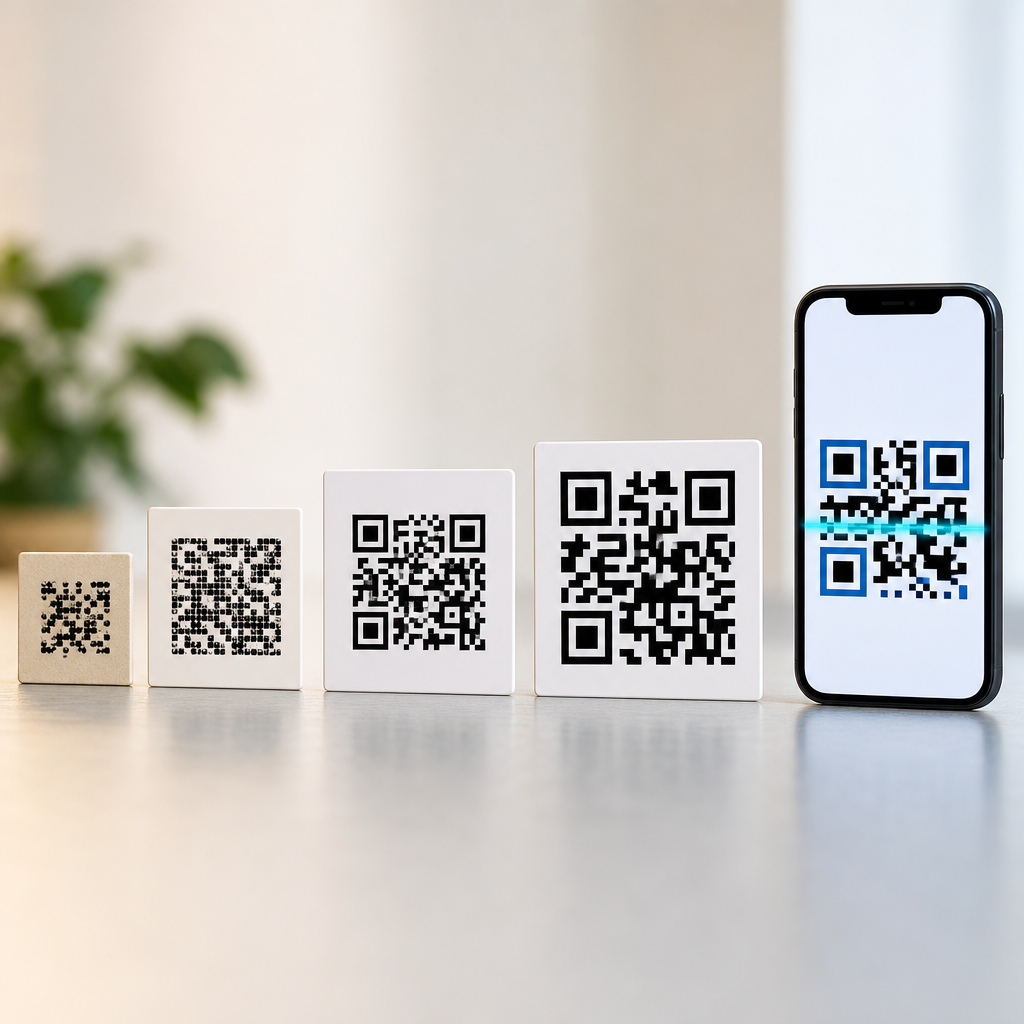
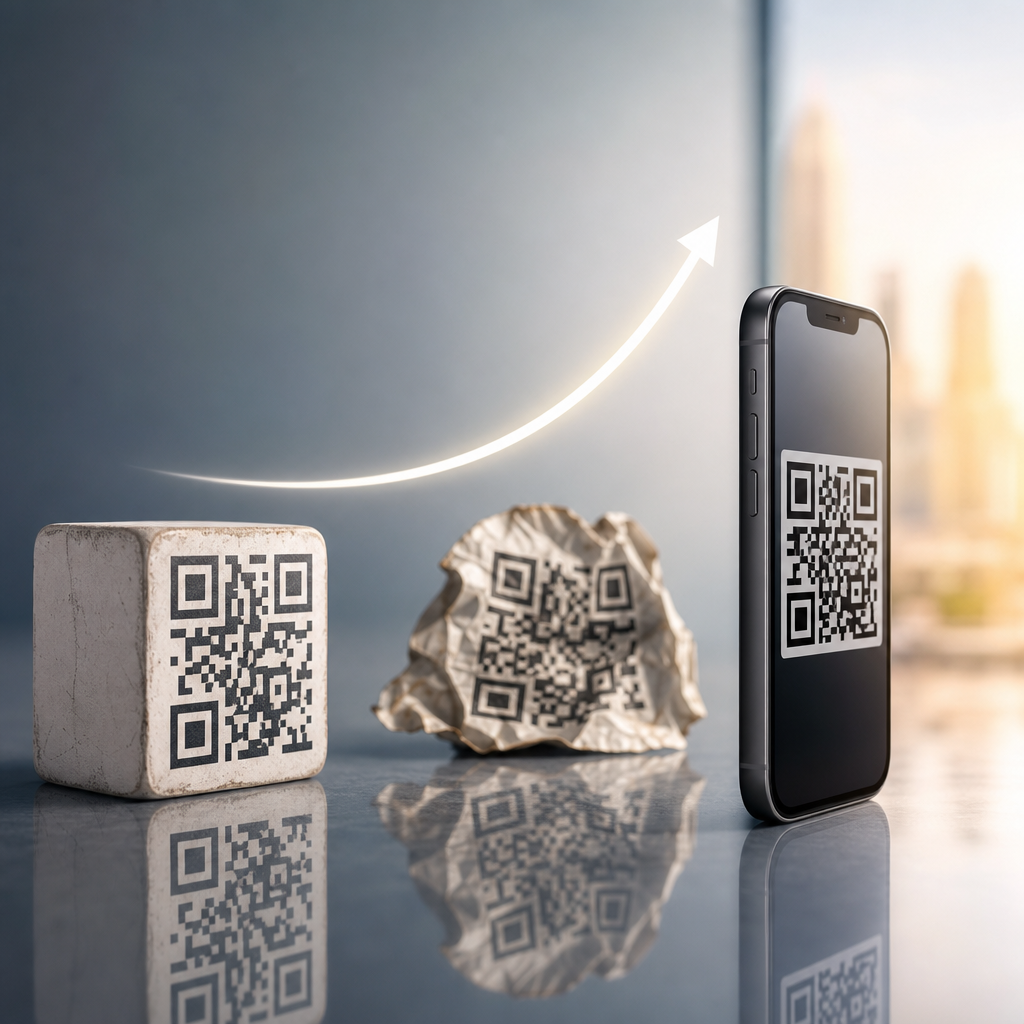
Two technical features make QR codes resilient and versatile. First, they support error correction using Reed-Solomon coding, with levels commonly labeled L, M, Q, and H. Higher error correction allows a code to remain readable even if part of it is smudged, scratched, or covered by a logo, though it also reduces data capacity. Second, they can encode data in multiple modes, including numeric, alphanumeric, byte, and kanji. In practical terms, that means a short payment string or URL can fit in a compact symbol, while a long text block requires a denser code that may be harder to scan at small sizes.
Static and dynamic QR codes are an important distinction for beginners. A static QR code contains the final destination directly inside the symbol, so it cannot be edited after printing. A dynamic QR code contains a short redirect URL managed by a QR platform, which then forwards the user to the current destination. In client projects, dynamic codes are usually the better business choice because they let teams update landing pages, fix mistakes, geotarget experiences, run A/B tests, and collect scan analytics without reprinting materials. Static codes are still useful for simple, permanent uses such as Wi-Fi access in a café or a fixed product manual URL on durable equipment.
Why QR Codes Are Still Relevant in 2026
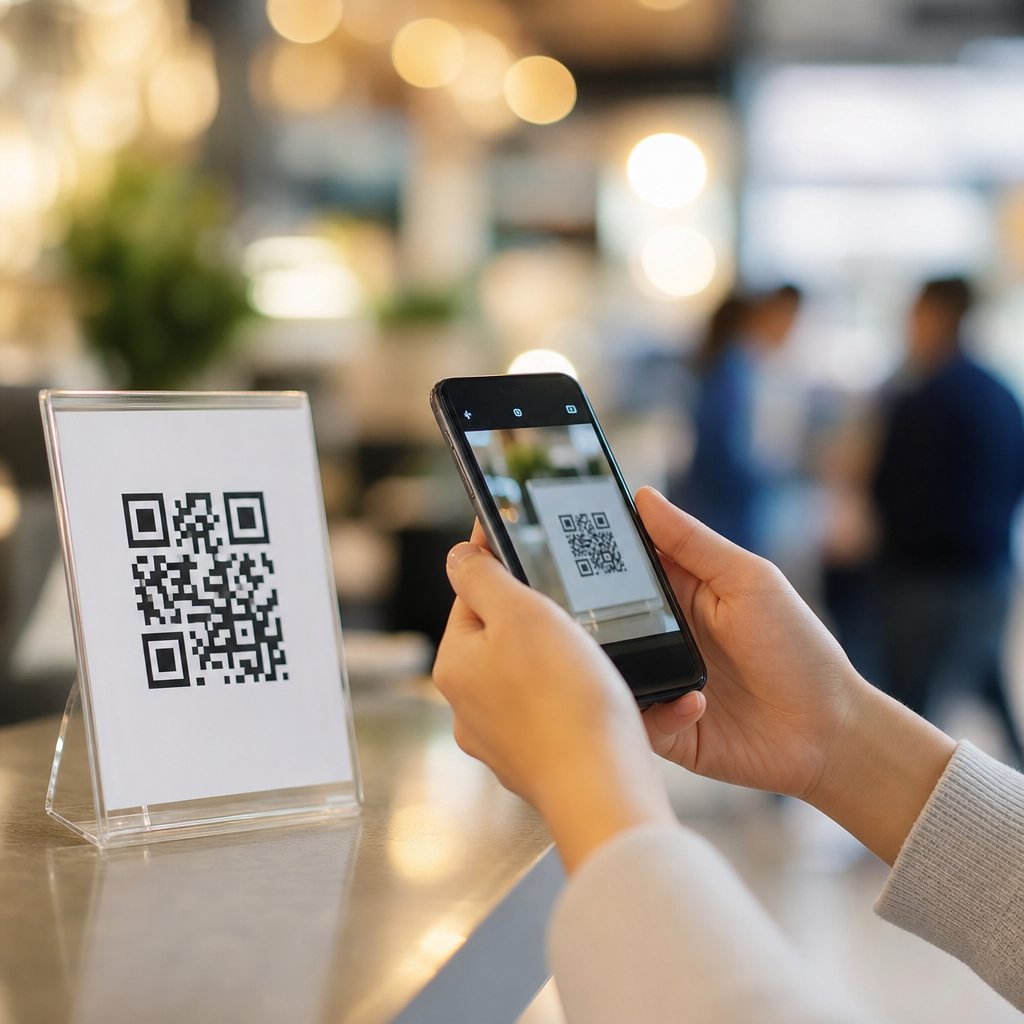
QR codes are still relevant because they match how people behave with phones in the real world: they notice something physical, want more information immediately, and prefer not to type. Friction reduction is the core value. A well-placed code removes the need to enter a long URL, search an app store, ask staff for directions, or fill out details manually. That convenience matters in high-intent moments such as paying at a table, claiming a warranty, joining a loyalty program, authenticating a package, or checking an event ticket. The technology succeeds not because it is novel, but because it is fast, familiar, and nearly universal.
Adoption is also reinforced by infrastructure. Mobile operating systems treat code scanning as a native behavior. Digital wallets support QR-based passes and payments. Major payment ecosystems, especially in Asia and Latin America, normalized person-to-merchant and merchant-to-person transactions through interoperable or semi-interoperable QR standards. In the United States and Europe, QR payments grew more gradually, but usage in hospitality, parking, peer-to-peer transfers, and self-service checkout became routine. Businesses appreciate that a printed QR code is low-cost, channel-agnostic, and easy to deploy across packaging, signage, mailers, labels, receipts, and point-of-sale materials.
Relevance in 2026 also comes from measurement. Marketers and operations teams increasingly need attribution for offline assets. A QR code on a store window can indicate footfall intent after hours. A direct mail QR code can connect campaign source, creative version, and conversion path inside analytics tools such as Google Analytics 4, Adobe Analytics, HubSpot, or Salesforce. Product teams use codes to link packaging to onboarding videos and support content, reducing call-center volume. Facilities teams use them for asset tags and maintenance logs. In other words, QR codes persist because they bridge atoms and bits efficiently, and few alternatives offer the same mix of simplicity, scale, and trackability.
Common Uses for QR Codes Across Industries
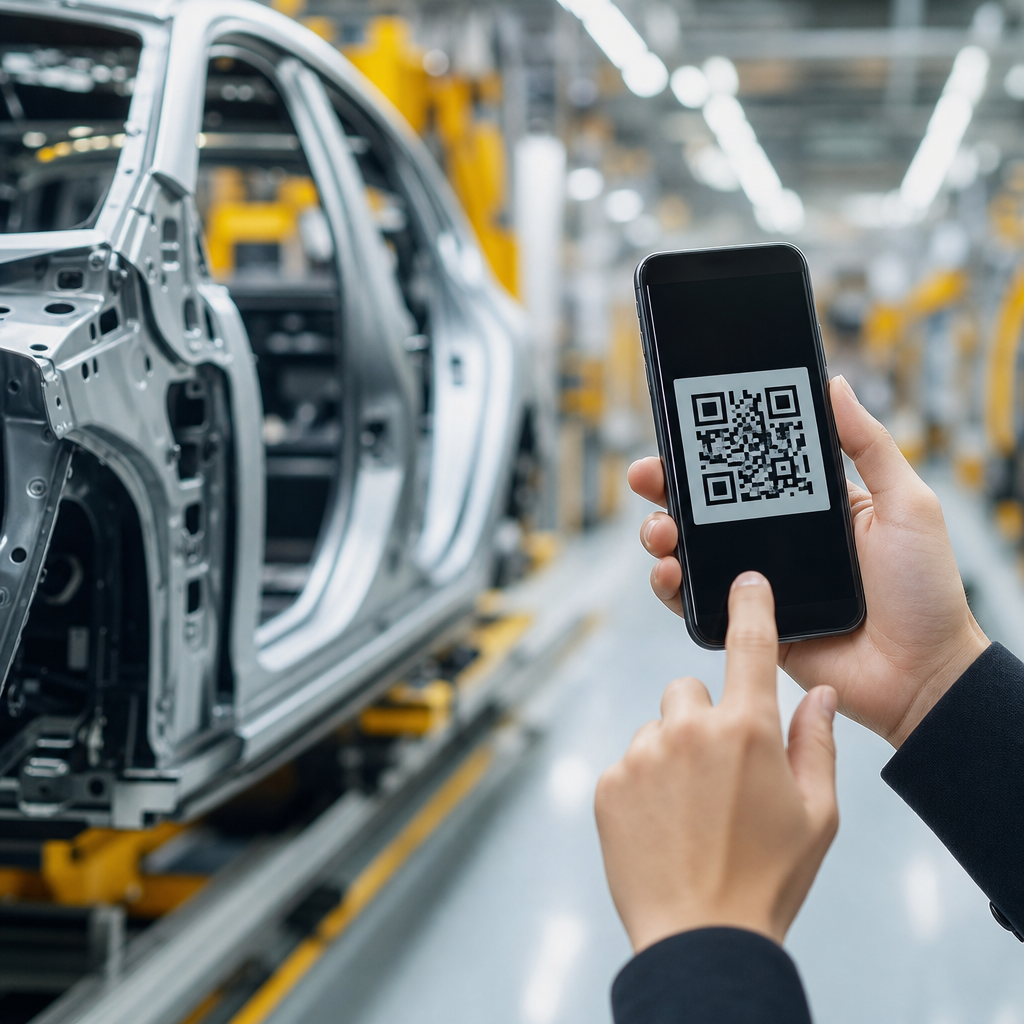
The strongest proof of continued relevance is breadth of use. Restaurants use QR codes for menus, ordering, table payments, reviews, and loyalty enrollment. Retailers put them on shelf talkers, end caps, packaging, and receipts to unlock product details, tutorials, replenishment links, or cross-sell offers. Event organizers use them for ticketing, wayfinding, sponsor activations, and lead capture. Healthcare providers use QR codes on patient paperwork, medication instructions, specimen tracking, and clinic check-in flows, though regulated environments require careful privacy controls. Manufacturers place codes on machinery and parts for digital manuals, serial tracking, maintenance history, and training videos that technicians can access on the shop floor.
Education and public services rely on them as well. Universities place QR codes on campus signage to open maps, library resources, emergency contacts, and event registration forms. Museums use them next to exhibits to deliver multilingual interpretation and audio guides without printing excessive text. Real estate agents use yard-sign QR codes to show listings, virtual tours, and mortgage calculators. Logistics teams use them for inventory movement and proof of delivery. Consumer packaged goods brands increasingly place codes on labels to satisfy demand for ingredient sourcing, recycling instructions, promotions, and anti-counterfeit checks. In each case, the code acts as a lightweight doorway to timely information.
| Industry | Typical QR Use | Main Benefit | Practical Example |
|---|---|---|---|
| Restaurants | Menus, ordering, payment | Faster service, fewer printed updates | Seasonal menu changes without reprinting table cards |
| Retail | Packaging, shelf displays, loyalty | Product education and attribution | Scan on shampoo bottle opens ingredient and refill page |
| Events | Tickets and lead capture | Quick entry and measurable engagement | Badge QR scanned at booth syncs contact to CRM |
| Manufacturing | Asset tagging and manuals | Reduced downtime | Technician scans machine label for service checklist |
| Healthcare | Check-in and instructions | Less paperwork friction | Patient scans poster to complete intake on phone |
What matters across these sectors is context. The best QR use cases are high intent, time sensitive, or cumbersome without scanning. A code that opens a generic homepage usually underperforms because it asks the user to do the navigation work. A code that lands on the exact menu section, claim form, language version, or service record performs better because it completes a specific task. That principle applies whether the goal is conversion, convenience, or compliance.
Benefits, Limitations, and Security Considerations
The main benefits of QR codes are speed, low deployment cost, versatility, and measurability. They work on paper and screens, scale from one location to thousands, and support both marketing and operational workflows. A business can print codes on packaging for pennies, then monitor scan behavior by time, location, device, and campaign using dynamic code platforms. They are accessible to small organizations because the barrier to entry is low, yet sophisticated enough for enterprise use when integrated with customer data platforms, POS systems, mobile wallets, or field service software.
Still, QR codes are not universally effective. They fail when signage is too small, lighting is poor, the code contrasts badly with the background, the destination page loads slowly, or mobile service is weak. They are also awkward when users need hands-free access, when the audience lacks smartphones, or when a direct tap, NFC interaction, or short URL would be simpler. I have seen expensive packaging runs undermined by one preventable mistake: placing a tiny stylized code on a reflective curved surface. It looked elegant in mockups and scanned terribly in stores. Testing in real conditions matters more than visual novelty.
Security is another legitimate concern. Attackers sometimes place malicious stickers over legitimate codes or use phishing pages hidden behind shortened redirects, a tactic often called QR phishing or quishing. The defense is not avoiding QR altogether; it is implementing controls. Organizations should use branded domains when possible, publish clear scan destinations, monitor dynamic redirects, and educate users to preview links before opening sensitive pages. For payments and identity workflows, established standards such as EMV QR specifications, strong TLS configurations, and app-based verification reduce risk. Trust rises when the code sits in a credible context, the brand is recognizable, and the landing page matches user expectations immediately.
Best Practices for Creating Effective QR Code Experiences
Effective QR code design starts with the destination, not the graphic. Define the single action the user should complete after scanning, then build a mobile-first landing page that accomplishes it quickly. If the purpose is Wi-Fi access, connect directly. If it is a coupon, show the offer instantly. If it is product education, place the most requested information above the fold. Use UTM parameters or equivalent campaign tagging so scans can be attributed correctly in analytics. For business-critical deployments, prefer dynamic QR codes so links can be updated without replacing printed materials.
Physical execution matters just as much as digital execution. Keep strong contrast, preserve the quiet zone around the code, and size it for scanning distance; a common rule is roughly one inch of code size for every ten inches of distance, though field testing should validate it. Avoid placing codes where glare, wrinkles, folds, or curvature interfere with readability. Add a plain-language call to action such as “Scan to view ingredients,” “Scan to pay,” or “Scan for setup video.” Response rates improve when users know exactly what they will get. In retail audits I have run, descriptive CTAs consistently outperformed unlabeled codes.
Measurement should be planned from the start. Track scans, unique users, bounce rate, downstream conversions, and assisted revenue where applicable. Compare placement, creative, and incentive variations. Segment by device type, location, and time to uncover operational insights. For example, a chain restaurant may learn that lunchtime table-payment scans spike on weekdays while menu scans dominate on weekends, prompting different prompts by daypart. A manufacturer may discover that support-video scans increase after a firmware update, indicating documentation gaps. The point of a QR code program is not merely to generate scans. It is to reduce friction and produce an outcome that can be improved over time.
What Businesses and Consumers Should Expect Next
In 2026, the future of QR codes is not about replacing every interaction; it is about becoming an ordinary interface layer wherever physical and digital meet. Expect wider use of first-party data capture tied to loyalty, richer product passports linked to sustainability reporting, and more authentication use cases in resale, luxury goods, and regulated supply chains. GS1 Digital Link is especially important because it allows a product barcode or QR code to resolve to web-based information for different stakeholders, including consumers, retailers, and regulators. That shift moves codes from campaign accessories toward persistent infrastructure on packaging and products.
For businesses, the takeaway is straightforward: QR codes are still relevant when they are purposeful, trustworthy, and easy to use. For consumers, they remain a convenient shortcut, but one worth using with normal digital caution. As the hub for QR Code Basics & Education, this page should anchor your understanding before you explore deeper topics like static versus dynamic QR codes, QR code tracking, design guidelines, payments, menus, and security. Start by auditing one physical touchpoint in your organization where people still type, wait, or ask for basic information. If a scan can remove that friction cleanly, a QR code is still relevant—and likely profitable—in 2026.
Frequently Asked Questions
Are QR codes still relevant in 2026, or have newer technologies replaced them?
Yes, QR codes are still highly relevant in 2026, and in many industries they are more useful than ever. The reason is simple: they solve a practical, ongoing problem better than most alternatives by turning a physical object or location into an instant digital action. A person can scan a code on packaging, a poster, a receipt, a table tent, a product label, or a sign and immediately open a website, start a payment, download an app, join Wi-Fi, save contact details, or verify product information. That level of convenience remains extremely valuable.
While newer technologies such as NFC, digital wallets, and app-based recognition have grown, they have not made QR codes obsolete. Instead, QR codes often work alongside them. Unlike some alternatives, a QR code does not require special hardware beyond a smartphone camera, does not depend on close-range tapping, and can be printed almost anywhere at very low cost. It is platform-neutral, familiar to consumers, and easy for businesses to deploy at scale. In other words, QR codes have stayed relevant because they are accessible, inexpensive, and flexible, which is exactly why they continue to appear in retail, restaurants, logistics, healthcare, ticketing, payments, authentication, and marketing.
Why do QR codes continue to work so well for connecting physical spaces to digital experiences?
QR codes continue to perform well because they remove friction. In the physical world, people regularly encounter situations where they need a fast bridge to digital content: viewing a menu, redeeming an offer, checking a product manual, registering a device, confirming an appointment, or proving event entry. Typing a long web address, searching manually, or downloading a specific app first adds unnecessary steps. A QR code collapses that process into a quick camera scan.
They are also effective because of what they can store and trigger. A QR code, or Quick Response code, is a two-dimensional barcode capable of holding far more data than a traditional one-dimensional barcode. It can encode a URL, contact information, payment credentials, Wi-Fi login details, app deep links, product identifiers, and more. On top of that, QR codes include error correction, which means they can still scan even if part of the code is scratched, creased, or partially obscured. That resilience matters in real-world conditions where labels get worn, packaging gets damaged, and signs are exposed to weather or heavy use.
From a business perspective, they are practical because they are cheap to generate, easy to print, and simple to update when paired with dynamic destinations. From a user perspective, they feel natural because scanning has become a normalized behavior. That combination of low friction, technical flexibility, and user familiarity is exactly why QR codes remain a reliable link between offline moments and online actions.
What are the most common uses of QR codes in 2026?
In 2026, QR codes are used across a wide range of everyday and business applications. In payments, they are a common way to initiate transactions quickly without cards or cash, especially in mobile-first environments. In restaurants and hospitality, they continue to support menus, ordering, guest services, feedback collection, and loyalty enrollment. In retail, they appear on packaging, shelf tags, and receipts to provide product information, authenticity checks, warranty registration, tutorials, and post-purchase support.
QR codes are also widely used in logistics and operations because they help with identification, tracking, inventory processes, and workflow automation. In healthcare, they can direct patients to forms, prescription information, educational materials, and appointment systems. In events and travel, they streamline check-in, ticket validation, boarding access, and venue navigation. For offices and public spaces, they are often used for visitor registration, room booking, equipment setup guides, and secure Wi-Fi access.
Marketing remains another major use case, but the role is broader than simply linking to a homepage. Businesses use QR codes to launch campaign landing pages, limited-time offers, video demos, reviews, lead generation forms, app installs, social profiles, and personalized experiences. What makes them particularly valuable is that one printed code can act as the entry point to an entire digital journey. In 2026, that ability to support utility, commerce, support, and engagement all at once is a big reason they remain so widely adopted.
Are QR codes secure, and what should businesses and consumers watch out for?
QR codes themselves are not inherently unsafe, but they are only as trustworthy as the destination they point to. A QR code is simply a data container. It can direct a user to a legitimate website, a secure payment flow, a contact card, or a Wi-Fi credential, but it can also be used maliciously if someone replaces a genuine code with one that leads to a phishing page or harmful download. That means the security question is less about the symbol itself and more about governance, destination control, and user awareness.
For businesses, best practices include using trusted QR code generation platforms, securing linked destinations with HTTPS, monitoring codes for tampering in physical environments, and using branded landing pages that reassure users they are in the right place. Dynamic QR codes can also help organizations maintain control because the destination can be updated without replacing printed materials. In regulated or high-risk environments, companies may add verification cues, shortened branded domains, or authentication layers to reduce misuse and improve trust.
For consumers, common-sense precautions still matter. It is wise to preview the link when possible, be cautious if a code is placed over an existing label, avoid entering sensitive information on suspicious pages, and pay attention to whether the destination matches the context. For example, a code on a restaurant table should not unexpectedly lead to an unrelated login page. Overall, QR codes remain safe and useful when implemented responsibly, and in 2026 most organizations understand that user trust depends on making the scan experience transparent, secure, and consistent.
What makes QR codes better than traditional barcodes for many modern applications?
Traditional one-dimensional barcodes still play an important role, especially in retail checkout and standardized product identification, but QR codes offer clear advantages for modern digital interactions. The biggest difference is data capacity. A traditional barcode usually stores a relatively small string of numbers or characters, often meant to reference information in a database. A QR code can hold substantially more information directly, including URLs, text, contact data, payment instructions, app links, and device setup details.
QR codes are also more versatile in how they are scanned and used. Because they are two-dimensional, they can be read from different angles more easily and can function even when partially damaged thanks to built-in error correction. That makes them more robust in environments where labels may be smudged, folded, or worn down. They can also be printed in small formats while still remaining scannable, which is useful on packaging, instruction cards, badges, and compact signage.
Most importantly, QR codes are better suited to interactive experiences. A traditional barcode is usually designed for machine-centric inventory or pricing workflows. A QR code is designed to connect people to actions. It can launch a webpage, trigger a payment, save a phone number, connect to Wi-Fi, or open a specific part of an app in seconds. That human-facing flexibility is what keeps QR codes relevant in 2026. They do not replace every barcode, but for bridging physical media and digital functionality, they are often the more capable and practical choice.