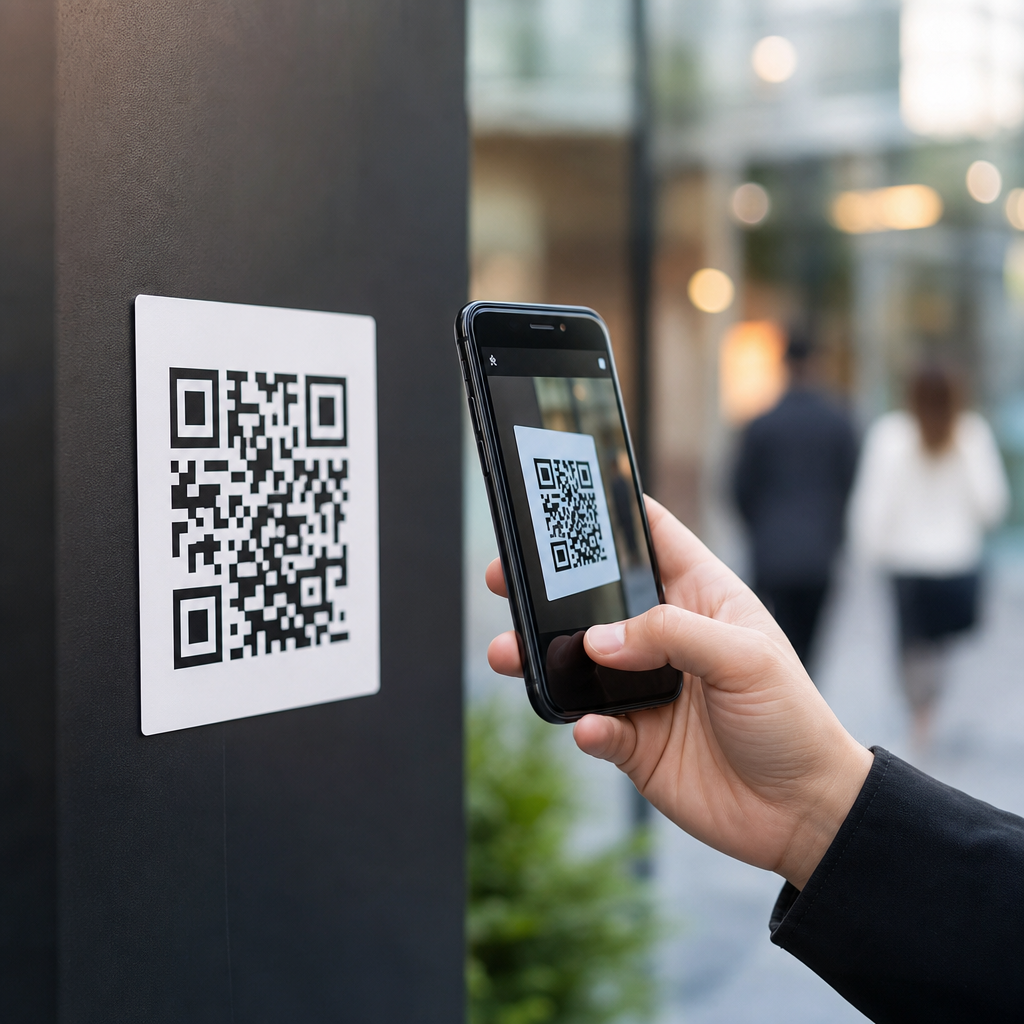
What we can learn from top QR code campaigns is not just that scans drive clicks, but that the best campaigns turn a simple square code into a measurable bridge between physical attention and digital action. A QR code, or quick response code, is a scannable matrix barcode that opens a link, file, app prompt, payment screen, or interactive experience when read by a smartphone camera. In marketing, successful QR code campaigns use that instant transition to remove friction at the exact moment a customer is curious. I have seen campaigns fail when teams treat the code as decoration, and succeed when they match placement, incentive, landing page, and follow-up analytics to a specific user intent.
This matters because QR behavior now sits at the center of omnichannel marketing. A print ad can become a product demo. Packaging can become a loyalty enrollment point. In-store signage can deliver inventory details, coupons, or reviews without forcing staff interaction. Event booths can collect leads in seconds. Restaurant tables can handle ordering and payment. The lesson from top examples is consistent: a QR code is not the campaign. It is the handoff. Performance depends on what happens before the scan, during the scan, and after the scan. Brands that understand this create higher conversion rates, cleaner attribution, and better customer experiences than brands that merely add a code and hope for engagement.
As a hub for successful QR code campaigns, this article explains what separates high-performing executions from forgettable ones. It covers strategic goals, creative design, placement, landing page structure, trust signals, measurement, and common mistakes. It also draws practical lessons from retail, food service, entertainment, packaging, out-of-home advertising, and B2B events. If you are planning your own QR code campaign ideas and case studies roadmap, these principles will help you evaluate examples correctly and build campaigns that produce scans with business value, not vanity metrics alone.
The Core Pattern Behind Successful QR Code Campaigns
The strongest QR code campaigns share a repeatable pattern: clear context, obvious benefit, low-friction destination, and rigorous tracking. Context answers the question, “Why should I scan this here?” A shopper standing in front of a shelf may want reviews, ingredients, or a discount. A commuter looking at a poster may want tickets, directions, or a trailer. Benefit answers, “What do I get immediately?” That could be a menu, exclusive content, faster checkout, loyalty points, or entry into a giveaway. Low friction means the page loads fast, displays correctly on mobile, and asks only for information proportional to the value offered. Tracking means each code is tied to source, placement, and campaign objective through dynamic URLs, UTM parameters, and analytics events.
In practice, top campaigns are specific. A beverage company might place unique dynamic QR codes on regional point-of-sale displays, each directing users to a city-specific sweepstakes page with localized prizes. A cosmetics brand may use packaging QR codes to connect customers to shade-matching videos and replenishment reminders. A museum exhibition can place wall labels beside key works, linking to curator audio commentary in multiple languages. These examples work because they solve a real user need in the moment. They do not ask people to scan out of abstract brand affection.
Another shared characteristic is operational discipline. High-performing teams test scan distance, print contrast, lighting conditions, and error correction levels before launch. They verify redirects, set fallback pages, and monitor analytics daily. If a landing page bounce rate spikes on one placement, they adjust copy or creative quickly. Successful QR code campaigns are often praised for creativity, but their reliability comes from execution basics done well.
What Top Brand Campaigns Consistently Do Better
Leading campaigns outperform because they treat the entire journey as one connected system. The code is large enough to scan easily, surrounded by enough quiet space, and placed where a person can actually pause. The call to action is explicit, such as “Scan to see ingredients,” “Scan for 20% off today,” or “Scan to watch the trailer.” Vague prompts like “Learn more” almost always underperform because they hide the value exchange.
They also align the destination with the medium. If someone scans from packaging, the landing page should acknowledge the product they are holding. If they scan from a conference badge, the page should simplify contact exchange or session downloads. If they scan from outdoor media, the experience must be fast and lightweight because the user is likely on mobile data and possibly in motion. I have repeatedly found that a one-second improvement in mobile load time materially improves form completion and downstream conversion.
Trust is another differentiator. Users have become more cautious about unknown links. Smart campaigns reinforce confidence through branded short domains, familiar logos, HTTPS destinations, and visible explanations of what happens after the scan. Payment campaigns, especially in hospitality and retail, need this most. When customers see a table tent with a branded domain, itemized order flow, and recognized processors, scan-to-pay adoption rises because the interaction feels legitimate and safe.
| Campaign element | What top campaigns do | Common weak approach | Likely result |
|---|---|---|---|
| Call to action | States exact value, such as discount, menu, demo, or ticket access | Generic “scan here” wording | Lower scan intent |
| Landing page | Mobile-first, fast, tied to source context | Desktop-style homepage redirect | Higher bounce rate |
| Tracking | Dynamic QR code with UTM parameters and event goals | Static link with no attribution setup | Unclear ROI |
| Placement | Visible, reachable, and scan-tested in real conditions | Too small, curved, reflective, or rushed past | Failed scans |
| Incentive | Matches user intent in that moment | Irrelevant offer | Poor conversion after scan |
Lessons from Retail, Packaging, and In-Store Activation
Retail is one of the clearest environments for learning from top QR code campaigns because the shopper’s intent changes by location. On shelf, the most effective codes answer questions that block purchase: price comparison, ingredients, sustainability, ratings, compatibility, or stock availability. On packaging, they extend the relationship after purchase: setup instructions, care guides, warranty registration, loyalty enrollment, recipes, and cross-sell recommendations.
Consider packaged food. A pasta brand can place a QR code on the box that opens recipe variations based on dietary preference, then tracks which recipes drive add-on ingredient purchases through retailer media partnerships. That creates value for consumers and measurable merchandising insight for the brand. Beauty packaging campaigns often perform well when they link to tutorials featuring the exact shade or product line in hand. The customer is already committed enough to have the item. The scan gives reassurance, increases satisfaction, and can support repeat purchase via subscription or reminders.
In-store signage offers another lesson: codes should reduce decision friction, not create a scavenger hunt. A furniture retailer can use aisle-end QR codes for room visualizers, dimension guides, and local inventory. A hardware store can link shelf tags to installation videos and parts lists. These campaigns work because they support practical decision-making. They fail when they dump users onto a generic homepage or ask for an email before delivering the promised information.
Dynamic QR platforms such as Bitly, Flowcode, QR Code Generator Pro, and Beaconstac are useful here because they allow destination updates without reprinting packaging or signs. That matters when inventory, promotions, or creative assets change. For long-life packaging, dynamic management is not optional. It is risk control.
Lessons from Restaurants, Hospitality, and Payments
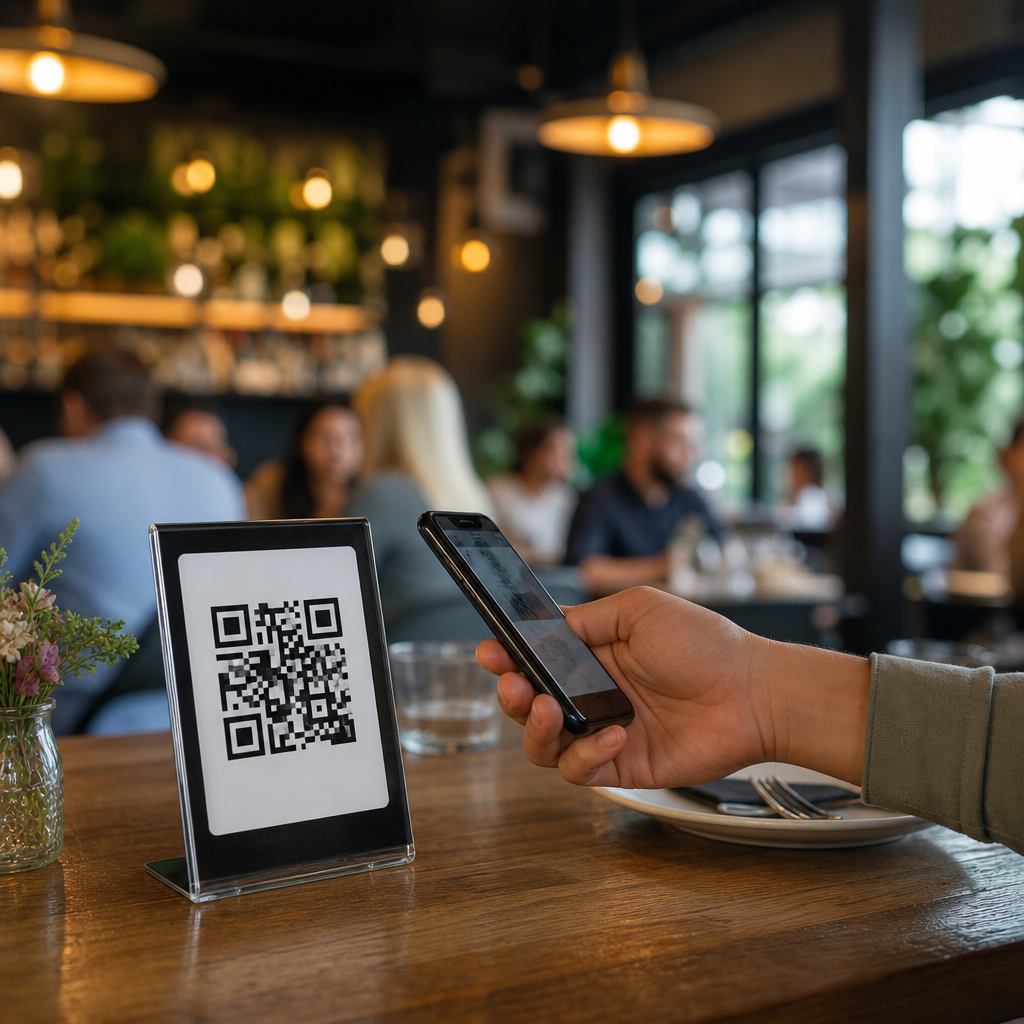
Restaurants accelerated QR adoption by using codes for menus, ordering, waitlists, reviews, and payment, but the best programs solved experience problems rather than merely replacing paper. A strong menu QR flow opens instantly, requires no app download, shows current pricing, and makes allergy or dietary filters easy to use. A weak flow loads a PDF slowly, forces pinch-zooming, and hides the checkout path.
Hospitality campaigns teach an important lesson about convenience and trust working together. Hotels use room QR codes for spa booking, room service, Wi-Fi instructions, local guides, and late checkout. When the code is branded and the destination reflects the guest’s language and property, engagement increases because the interaction feels like service, not advertising. Resorts often use poolside or in-room QR placements to drive incremental revenue from food, upgrades, or activities. The successful versions minimize typing and remember session details so a guest does not restart the process repeatedly.
Scan-to-pay campaigns show the operational side of success. The code must connect to secure payment rails, display order confirmation clearly, and integrate with POS or reservation systems. In cafés and quick-service restaurants, table QR ordering can lift throughput during rush periods, but only if menus are intuitive and item modifiers are easy to select. Otherwise, staff end up troubleshooting technology instead of serving customers. The lesson is straightforward: operational simplicity beats novelty every time.
Lessons from Events, Entertainment, and Out-of-Home Media
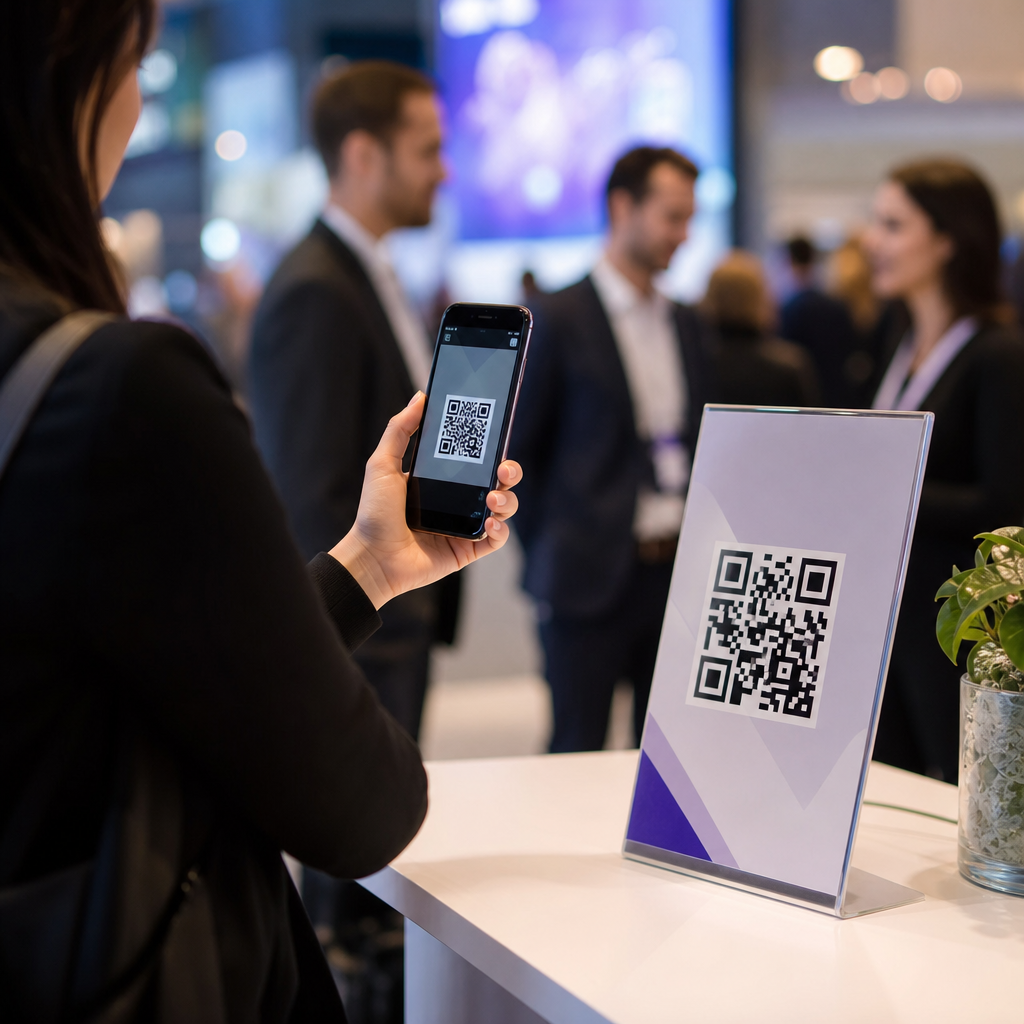
Events and entertainment reveal how timing shapes QR performance. At trade shows, a badge or booth QR code should eliminate manual lead capture. The best examples direct visitors to a short form prefilled through event systems, downloadable collateral, or a calendar booking page for follow-up. Sales teams then score leads based on scan source, session attended, and requested asset. That is materially better than collecting a business card bowl and guessing intent later.
Entertainment campaigns use QR codes to turn passive exposure into active participation. Movie posters can link to trailers, ticketing, AR filters, or soundtrack previews. Streaming promotions can connect physical merch to exclusive behind-the-scenes clips. Live sports venues use seatback or concourse signage for instant replays, concession ordering, and sponsor activations. These campaigns win when they respect context. A person in a stadium wants something useful in seconds, not a long-form microsite.
Out-of-home advertising has stricter constraints. Distance, movement, weather, and lighting affect scannability. Transit shelter posters, elevator panels, and street-level retail windows generally work better than highway billboards because users can safely stop. Top campaigns account for this by increasing code size, boosting contrast, and shortening the path after scan. They also use memorable backup URLs or NFC where appropriate. The best out-of-home QR code campaigns are designed for the environment first and the creative concept second.
Measurement, Attribution, and the Mistakes That Undermine Results
A successful QR code campaign is measurable at multiple levels: scans, unique users, landing page engagement, conversion rate, assisted conversions, and downstream revenue or retention. At minimum, each code should have a distinct dynamic destination, UTM-tagged source data, and event tracking in analytics platforms such as Google Analytics 4 or Adobe Analytics. CRM integration matters for lead generation and loyalty use cases because scans alone do not prove business impact. You need to see whether a scan became a signup, booking, order, or repeat purchase.
The most common mistakes are predictable. Teams use static codes when they need flexible routing. They place codes where people cannot physically scan comfortably. They send all scans to the homepage. They launch with no baseline metrics. They neglect page speed. They ask for too much information too soon. They fail to state what the user will get. They do not test across iPhone and Android camera behavior. They forget that staff training affects adoption in stores, restaurants, and events.
There are also strategic mistakes. Some brands use QR codes for experiences that would be better served by a short URL, native app push, or simple printed information. A code should remove friction, not add it. If the user is already online and authenticated, another scan may be unnecessary. Strong teams choose QR where physical-to-digital transition is the problem to solve.
The biggest lesson from top QR code campaigns is that success comes from relevance, usability, and measurement working together. Great campaigns meet a real need at the moment of attention, whether that means product details on a shelf, a faster menu at a table, a ticket link on a poster, or lead capture at an event. They use clear calls to action, reliable mobile destinations, trusted branding, and dynamic tracking so marketers can optimize performance after launch.
As the hub for successful QR code campaigns, this page should guide how you evaluate every case study under the broader QR code campaign ideas and case studies topic. Ask the same questions each time: Why would someone scan here? What value appears immediately? Is the landing experience faster than the alternative? Can the team measure business outcomes, not just scans? When those answers are strong, the campaign usually is too.
If you are building your next QR initiative, start small but be precise. Define one goal, one audience moment, one clear incentive, and one mobile-first destination. Then test placement, analytics, and follow-up before scaling. That disciplined approach is what the best QR code campaigns have in common, and it is the fastest way to turn scans into meaningful results.
Frequently Asked Questions
What makes top QR code campaigns more effective than basic “scan here” promotions?
The strongest QR code campaigns succeed because they do far more than place a scannable code on a package, poster, menu, or ad. They connect user intent, timing, and value into one seamless action. A basic promotion often assumes the code itself is enough to motivate engagement, but top-performing campaigns understand that people scan only when the outcome feels immediate, useful, and relevant. In other words, the QR code is not the campaign. It is the bridge between physical attention and digital action.
What sets the best campaigns apart is clarity of purpose. They tell people exactly why they should scan, what they will get, and why it matters right now. That benefit might be instant access to an offer, an exclusive video, a product tutorial, a loyalty reward, event registration, a payment screen, or an interactive branded experience. The message around the code reduces uncertainty and friction. Instead of asking users to take a blind step, it gives them confidence that the scan is worth their time.
Top QR code campaigns also pay close attention to context. A code on transit signage may need a faster, simpler destination than one in a magazine where the reader has more time. A product package can lead to onboarding instructions, recipes, or authenticity verification because those needs arise naturally at the moment of use. The lesson is that effectiveness comes from matching the destination to the user’s real-world situation. The more naturally the digital experience continues the physical one, the better the campaign tends to perform.
What can marketers learn from successful QR code campaigns about reducing customer friction?
One of the biggest lessons from top QR code campaigns is that convenience drives action. The best campaigns remove as many steps as possible between interest and conversion. Instead of asking someone to remember a URL, search for a product, download materials later, or navigate a complicated homepage, the QR code takes them directly to the next logical step. That direct path is what makes QR marketing so powerful when it is executed well.
Reducing friction starts with destination quality. A QR code should open a mobile-friendly page that loads quickly and immediately fulfills the promise made near the code. If the code advertises a discount, the user should land on the discount, not a generic homepage. If it promotes a video demo, the content should be visible right away without requiring unnecessary clicks. Every extra step creates drop-off, so top campaigns simplify navigation, shorten forms, and make the desired action obvious.
Successful campaigns also reduce psychological friction. They reassure users by being transparent about the value of scanning and by appearing in trusted, well-designed environments. Strong branding, clean design, and a concise call to action make people more comfortable scanning. In many of the best examples, the QR code feels like a natural extension of the customer journey rather than an interruption. That is the key takeaway for marketers: make the scan feel useful, safe, and immediately rewarding, and performance usually improves.
How do top QR code campaigns measure success beyond scan volume?
Scan count is a useful starting metric, but it only tells part of the story. The most effective QR code campaigns are evaluated based on what happens after the scan. A high number of scans may look impressive, yet if users bounce quickly, fail to convert, or do not engage meaningfully with the destination, the campaign may not actually be delivering business value. That is why top campaigns treat the QR code as a measurable entry point into a larger customer journey.
Marketers can learn to track deeper performance indicators such as click-through to key pages, completion rates, purchases, form submissions, app downloads, coupon redemptions, video watch time, or repeat engagement. These post-scan actions reveal whether the experience was aligned with user expectations and campaign goals. For example, a QR code on product packaging might be judged by tutorial completion or subscription sign-ups, while a code in retail signage may be measured by in-store offer redemption or sales lift.
Another important lesson is the value of testing placement, messaging, and destination experience. Dynamic QR codes allow marketers to update links and compare outcomes across channels, locations, and creative variations. This makes it possible to learn which call to action produces more scans, which landing page converts better, and which offline touchpoints generate the strongest digital behavior. In short, top QR code campaigns teach that success is not about getting people to scan once. It is about understanding how that scan contributes to awareness, engagement, and conversion in a measurable way.
Why is the landing experience so important in a QR code campaign?
The landing experience is critical because it determines whether the momentum created by the scan turns into action or disappears. A person who scans a QR code has already shown intent. That moment of interest is valuable, but it is also fragile. If the landing page is slow, confusing, irrelevant, or poorly optimized for mobile devices, the campaign loses the opportunity almost immediately. Top QR code campaigns recognize that the scan is only the beginning, not the finish line.
Successful campaigns create landing experiences that are fast, focused, and highly relevant to the promise made before the scan. If the physical touchpoint says “Scan to see how it works,” the page should open directly to a clear demonstration. If it says “Scan for 20% off,” the discount should be easy to access without digging through menus. The best landing pages are designed for small screens, short attention spans, and clear next steps. They prioritize readability, strong calls to action, and minimal distractions.
There is also a strategic lesson here for brands. The landing experience is where the company proves it understands customer intent. It can educate, reassure, entertain, convert, or build trust, depending on the goal. In top campaigns, the landing page often feels like a continuation of the physical asset in tone, design, and message, which creates a smoother brand experience. That continuity matters because it reinforces confidence and helps users complete the action they came for. A great QR code can attract a scan, but only a great landing experience can turn that scan into meaningful results.
What best practices from top QR code campaigns should brands apply to future marketing efforts?
Brands can take away several practical best practices from leading QR code campaigns. First, always give the code a clear purpose. Users should instantly understand what they gain by scanning, whether that is exclusive content, easier checkout, product information, event access, rewards, support, or entertainment. Vague prompts usually underperform, while specific calls to action create stronger motivation. The surrounding copy matters just as much as the code itself.
Second, design for the real environment where the code appears. Size, contrast, placement, and visibility all affect scan rates. A QR code in a storefront window has different needs than one on product packaging or a direct mail piece. Top campaigns think carefully about distance, lighting, movement, and user attention span. They also test the scanning experience across devices to ensure the code works quickly and reliably. Technical consistency is essential because even a promising campaign can fail if the code is hard to scan.
Third, connect the campaign to a broader strategy. The best QR code efforts are not isolated gimmicks. They support customer education, lead generation, sales enablement, loyalty, service, or brand storytelling. They use tracking to measure outcomes, optimize performance over time, and learn more about audience behavior. That is perhaps the biggest lesson of all: top QR code campaigns succeed when they combine creative execution with practical utility and measurable goals. Brands that approach QR codes as strategic tools rather than decorative add-ons are far more likely to create campaigns that people actually use and remember.