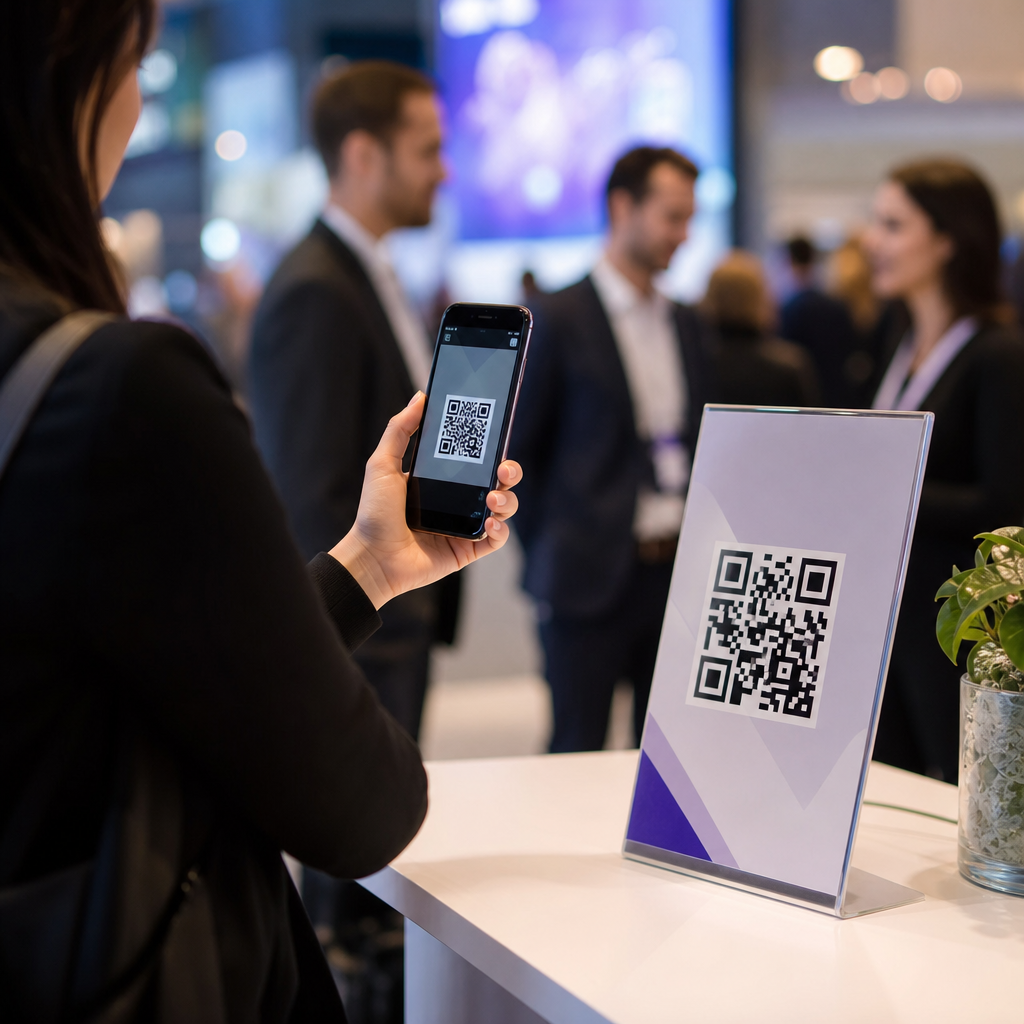
QR codes have become one of the most practical tools in event marketing because they bridge physical attendance and digital action with almost no friction. A brand case study on QR codes in event marketing is more than a success story; it is a structured review of how a company used scannable codes to drive registrations, booth traffic, app downloads, lead capture, product education, or post-event conversion. In my work on event campaigns, the difference between a QR code that performs and one that gets ignored usually comes down to placement, incentive, creative clarity, and measurement. That is why this topic matters for marketers building repeatable programs rather than one-off activations.
For this hub, “brand case studies” refers to documented examples from companies, agencies, exhibitors, organizers, and sponsors that used QR codes across conferences, trade shows, retail pop-ups, sports venues, festivals, and corporate events. “Event marketing” includes pre-event promotion, on-site engagement, and post-event follow-up. The best case studies show the full chain: objective, code type, landing page, call to action, scan environment, analytics setup, and business outcome. Without that chain, a scan count alone tells you very little. A thousand scans can be weak if they produce no qualified leads, while two hundred scans can be excellent if they drive high-intent demos or revenue.
Brands care about QR code event marketing because modern events are measurable only when offline actions are connected to digital systems. Static signage, brochures, and badges create attention, but not always attribution. QR codes can connect a booth visitor to a CRM record, route attendees to segmented landing pages, trigger check-in flows, or deliver product content tailored to where the person scanned. They also reduce printing complexity. Instead of reprinting materials after a URL changes, teams can use dynamic codes and update the destination. For a sub-pillar hub like this one, the goal is to help marketers evaluate examples correctly, understand what success looks like in different event formats, and identify the internal case studies that support broader QR code campaign planning.
What Strong QR Code Event Case Studies Actually Show
A useful case study starts with a narrow objective. Brands that say they used QR codes “to increase engagement” usually leave too much unexplained. Stronger examples define one primary job for each code: register for a session, enter a giveaway, download a product sheet, join a waitlist, activate a coupon, or book a meeting. When I audit event campaigns, I look first for code purpose separation. A single QR code pasted across every touchpoint often produces muddy data because scans from badges, banners, packaging, and presentations all collapse into one stream.
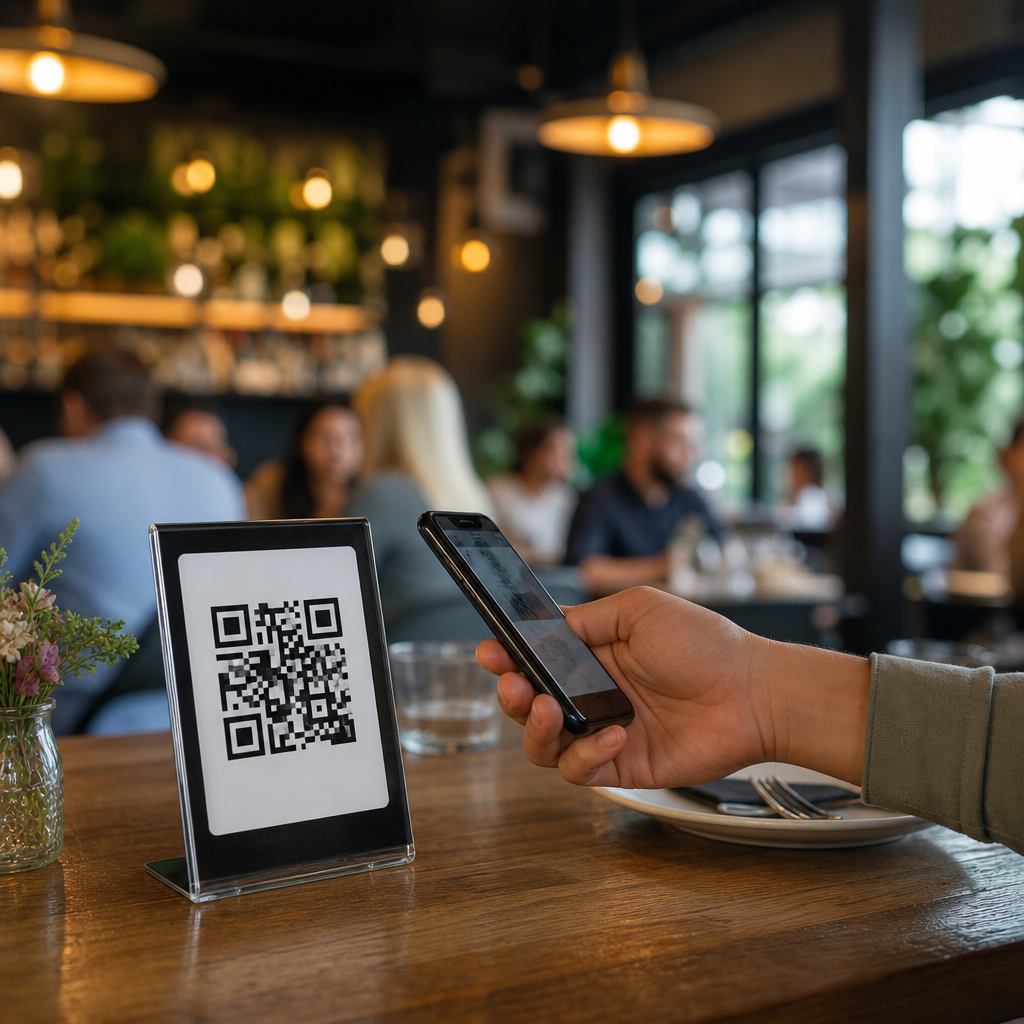
The next requirement is context. Scan behavior changes dramatically by environment. A code shown on a keynote slide for five seconds performs differently from one printed on a lanyard, table tent, or window cling. Distance, lighting, crowd flow, mobile signal strength, and perceived reward all affect completion rates. The best brand case studies explain these variables in plain terms. For example, an exhibitor at a trade show may report that a large-format QR code at eye level near the product demo generated more qualified leads than a brochure code because attendees scanned while talking with staff, not later from a hotel room.
Measurement must go beyond gross scans. Reliable case studies report unique scans, scan-to-landing-page rate, form completion rate, sales accepted leads, booked meetings, app installs, coupon redemptions, or attributed revenue. Teams that use Google Analytics 4, Adobe Analytics, HubSpot, Marketo, Salesforce, or event platforms such as Cvent and Bizzabo can usually track this path well if UTM parameters and campaign naming are disciplined. The strongest examples also note limitations. Scan volume may be inflated by repeat users, poor Wi-Fi may suppress completions, or privacy rules may restrict individual-level attribution. Those details make a case study credible and useful.
Common Brand Use Cases Across Event Types
Trade shows are the clearest fit for QR codes because attendees already expect self-directed information access. Brands use them to replace printed spec sheets, route visitors to lead forms, and push calendar booking pages for after-show demos. In software events, I have seen teams place separate dynamic codes on product stations, each linked to a unique landing page with technical documentation and a “talk to an engineer” option. That setup identifies not just that someone scanned, but what product line interested them. Manufacturers often use a similar approach for compliance sheets, installation guides, and distributor signups.
At conferences, session marketing is a major use case. Organizers place QR codes on agenda boards, presentation slides, badges, and room signage to support session check-in, live polling, presentation downloads, and continuing education credits. Brands sponsoring breakout rooms often connect a code to a themed resource center. The gain is not merely convenience. It creates a clean handoff from attention to owned audience, especially when the landing page is optimized for mobile and asks for only essential information. Long forms kill event conversion.
Retail pop-ups and experiential activations use QR codes differently. Here the code often extends the experience after the physical moment ends. Beauty brands link samples to tutorials and shade finders. Food and beverage brands connect tastings to recipes, store locators, and loyalty enrollment. Automotive brands use stand displays and test-drive zones to route visitors to configuration tools. Sports and entertainment venues frequently deploy QR codes for contests, merchandise drops, seat upgrades, and sponsor activations. In these settings, speed matters more than explanation. The creative must tell people exactly what happens after they scan.
| Event format | Typical QR code goal | Best placement | Primary metric |
|---|---|---|---|
| Trade show booth | Lead capture or demo booking | Product stations, counters, demo screens | Qualified leads |
| Conference session | Slide download or poll response | Opening and closing slides, room signage | Completion rate |
| Retail pop-up | Loyalty signup or coupon claim | Sampling area, mirrors, checkout | Redemption rate |
| Festival or sports venue | Contest entry or sponsor engagement | High-traffic barriers, seat backs, screens | Unique scans |
Brand Case Study Patterns That Reappear in Winning Campaigns
Across categories, successful QR code event marketing campaigns repeat a few patterns. First, they offer immediate value. People scan when the reward is obvious and timely: exclusive content, shorter lines, a live giveaway, a useful download, or a personalized recommendation. Second, they reduce typing. The landing page should not ask attendees to enter information the event organizer or exhibitor already has. Third, they make the destination feel native to the event rather than generic. A page that references the booth number, session name, speaker, or city usually converts better because it confirms relevance.
Another recurring pattern is deliberate code architecture. High-performing brands rarely use one destination for every audience. They create dynamic QR codes segmented by source, creative, language, region, or funnel stage. For example, a global consumer electronics brand might use one code on pre-event email to drive appointment scheduling, another at the booth for product comparison, and a third on packaging samples for post-event warranty registration. This segmentation improves analytics and makes follow-up more accurate. It also supports internal linking between resources, which is useful when this hub points readers to deeper articles on trade show QR lead capture, conference engagement tactics, or retail activation examples.
Finally, winning case studies show operational discipline. Someone owns the URL structure, someone tests every code on iOS and Android, and someone monitors scans during the event so weak placements can be corrected. I have seen campaigns improve mid-show simply by enlarging a code, adding a stronger caption, or moving signage away from glare. These adjustments sound small, but they often produce the biggest gains because event conditions are unpredictable. Strong teams plan for iteration instead of assuming the initial setup is perfect.
Examples From Real Brand Categories and What They Teach
Consumer packaged goods brands often use QR codes at sampling events to continue the relationship after trial. A beverage company at a music festival, for instance, may put a QR code on cup wraps and cooler signage offering a limited-time sweepstakes entry tied to SMS or email signup. The campaign works when the page loads fast, age-gates if necessary, and captures first-party data with clear consent. The teaching point is that physical product trial creates emotional momentum; the QR code should harvest that momentum immediately, not ask users to navigate a full website.
B2B technology brands tend to generate richer case studies because they care deeply about attribution. At a major expo, a cloud software vendor might assign unique dynamic QR codes to each product pod and integrate the forms with Salesforce through HubSpot or Marketo. Sales development reps can then see whether a prospect scanned infrastructure content, security content, or AI workflow content. Post-event outreach becomes more relevant because the rep is not guessing what the person wanted. The lesson here is precision. The QR code is not just a lead tool; it is an intent signal.
Luxury and fashion brands usually emphasize experience over forms. At pop-up installations, QR codes can unlock lookbooks, limited inventory alerts, appointment requests, or behind-the-scenes content from a launch event. The best examples protect brand feel by keeping the mobile experience visually consistent with the environment. If the activation is premium and immersive but the destination is a plain, cluttered landing page, conversion drops because the handoff feels cheap. Hospitality and tourism brands face a similar challenge. Resort groups and destination marketers often use QR codes at trade events and travel fairs to deliver itineraries, virtual tours, and booking incentives. Their strongest case studies show not just scans, but package inquiries and completed reservations.
How to Evaluate a QR Code Case Study Before Applying It
Not every published success story deserves to shape your strategy. First, check whether the audience matches yours. A QR code campaign that worked at a fan festival with broad consumer traffic may not translate directly to a procurement-focused industrial expo. Second, examine the incentive. If the case study reports unusually high scan rates because attendees entered a giveaway for a large prize, separate the effect of the QR code from the effect of the reward. Third, look at the denominator. Ten thousand scans sounds impressive until you learn the event had two hundred thousand attendees and the landing page converted poorly.
You should also examine technical setup. Dynamic QR codes are usually better for event marketing because they allow destination edits, scan analytics, and source segmentation. Static QR codes are appropriate when the destination is permanent and privacy-sensitive, but they are much harder to optimize after printing. Error correction, contrast, quiet zone, and print size matter in real venues. A code that scans flawlessly on a desk may fail under stage lighting or from several feet away. Credible case studies acknowledge these production details.
Finally, ask whether the business outcome is sustainable. A one-time spike in app downloads or lead volume is less valuable than a repeatable system that sales and event teams can run each quarter. The best brand case studies document process: naming conventions, dashboard setup, staff training, compliance review, and post-event reporting. Those details let you borrow the method, not just admire the result. As this brand case study hub expands, that is the lens to use on every example: objective clarity, audience fit, environmental context, technical quality, and downstream business impact.
Building Your Own Internal Hub of Event Marketing Evidence
Most organizations already have raw material for case studies, even if no one has packaged it. Start by pulling scan data, landing page data, CRM outcomes, and event notes from the last six to twelve months. Compare placements, offers, and formats. You will often find that small operational changes explain major differences. One client I worked with discovered that a code paired with “Get the spec sheet” drew far fewer qualified responses than a code labeled “See pricing and book a 15-minute walkthrough.” The second call to action filtered casual interest and improved sales efficiency.
Build your internal hub around repeat questions: which event types justify QR investment, what incentives convert best, where should codes be placed, and how should teams measure success? Then connect each answer to a concrete example. Over time, your hub becomes more valuable than any single campaign recap because it captures institutional knowledge. That is the real benefit of studying brand case studies in QR codes for event marketing. You stop treating every event like a fresh experiment and start building a tested playbook. Review your last event, document one lesson clearly, and use it to improve the next scan-driven campaign.
Frequently Asked Questions
What makes a brand case study on QR codes in event marketing actually useful?
A useful brand case study goes beyond saying that a QR code was placed at an event and generated scans. It explains the full strategy behind the campaign, including where the codes appeared, what action attendees were asked to take, what landing experience followed the scan, and how success was measured. In event marketing, QR codes are effective because they remove friction between a real-world touchpoint and a digital response, but that only matters if the campaign design supports the attendee journey from first glance to final conversion.
The strongest case studies typically show the business objective first. For example, the goal may have been to increase registrations before an event, drive booth visits during the event, encourage app downloads for session access, capture leads for sales follow-up, or move attendees toward a post-event product demo. Once the objective is clear, the case study should outline how the QR code was integrated into signage, badges, presentation slides, packaging, printed materials, or staff interactions. It should also explain why that placement mattered in the context of attendee behavior.
What makes the analysis especially valuable is specificity. A strong case study will compare the QR code effort against prior campaigns, alternate channels, or baseline engagement rates. It should address scan-through rate, landing page conversion rate, lead quality, timing of engagement, and any follow-on actions such as purchases, meetings booked, or content views. That level of detail helps marketers understand not just whether QR codes worked, but why they worked and how to replicate the result in a future event setting.
How do brands typically use QR codes at events to improve attendee engagement and conversions?
Brands use QR codes at events because they create an immediate path from attention to action. Instead of asking attendees to manually type a URL, search for an app, or remember a product page after the event, a QR code allows the brand to capture intent in the moment. This is especially important in busy event environments where attention is limited and opportunities to act disappear quickly. When used well, QR codes can support nearly every stage of the event funnel.
Before an event, brands often place QR codes on invitations, direct mail, social graphics, posters, and partner promotions to drive fast registration. During the event, codes are commonly used on booth displays, product demo stations, speaker slides, table tents, packaging inserts, badges, and networking areas. These placements can direct attendees to meeting booking pages, interactive product experiences, digital brochures, surveys, giveaway entries, gated resources, or app downloads. After the event, QR codes may still appear in recap emails, printed leave-behinds, follow-up kits, or on-demand content promotions to continue engagement.
From a conversion perspective, the most effective brands treat the QR code as part of a complete experience rather than a standalone tactic. The scan destination should match the attendee’s context and intent. Someone scanning from a keynote slide may want quick access to slides or resources, while someone scanning at a product station may be ready for technical information or a sales conversation. When the call to action, code placement, and landing page all align, engagement improves significantly. That is why case studies often show higher performance when brands customize QR code destinations by audience segment, location, or event moment instead of sending every visitor to the same generic homepage.
What separates a high-performing event QR code campaign from one that underperforms?
The difference usually comes down to relevance, clarity, and follow-through. A high-performing QR code campaign gives attendees a compelling reason to scan, makes the code easy to notice and access, and delivers a smooth mobile experience afterward. An underperforming campaign often fails on one or more of those points. Many brands assume that adding a QR code automatically creates engagement, but attendees do not scan simply because a code is present. They scan when the value proposition is obvious and immediate.
Placement is one major factor. A code tucked into a crowded banner, printed too small, or displayed in poor lighting will naturally receive fewer scans. Timing matters too. A code shown during a fast-moving presentation without enough on-screen time may miss the audience entirely. Design also affects trust and usability. If the code blends into the background, lacks a clear instruction, or appears disconnected from the brand experience, people may ignore it. High-performing campaigns usually include a direct call to action such as “Scan to book a demo,” “Scan for the product guide,” or “Scan to claim your event offer,” so attendees know exactly what they will get.
The landing experience is just as important as the code itself. If the scan leads to a slow page, an irrelevant page, a desktop-only form, or a confusing navigation path, the campaign loses momentum immediately. Strong event campaigns reduce friction after the scan by offering mobile-optimized pages, short forms, clear next steps, and content tailored to the event audience. In many case studies, the real performance gap is not scan volume but post-scan conversion. Brands that succeed think beyond the code and design the entire path from physical interaction to measurable business outcome.
Which metrics should be included in a QR code event marketing case study?
The right metrics depend on the campaign goal, but a strong case study should cover both engagement metrics and outcome metrics. Engagement metrics show whether people noticed and interacted with the QR code. These may include scan count, unique scans, scan rate by placement, time of day, device type, repeat visits, and geographic or venue-based engagement patterns when available. These numbers help reveal which event touchpoints generated the most interest and when attendees were most likely to act.
Outcome metrics are what make the study meaningful from a business standpoint. If the goal was registration, the case study should track completed sign-ups and cost per registration. If the goal was booth traffic, it should measure check-ins, dwell time, staff conversations, or demo participation. If lead generation was the priority, then qualified leads, meeting bookings, CRM captures, and sales acceptance rates matter more than raw scans. For app-focused campaigns, installs, activations, and feature usage would be more relevant. For post-event conversion, marketers should look at content downloads, trial starts, purchases, renewal influence, or pipeline contribution.
The best case studies also include interpretation rather than just reporting numbers. A scan count alone does not tell the full story. For example, a smaller number of scans from a product demo station may outperform a larger number from general signage if those visitors convert into high-quality leads. This is why attribution and comparison are so important. A thorough case study may compare different QR code placements, different calls to action, or different landing pages. It may also examine how QR-driven leads performed versus leads from email, paid media, or walk-up traffic. Those comparisons turn the case study into a practical blueprint instead of a collection of isolated metrics.
What are the most important best practices brands should follow when using QR codes in event marketing?
The most important best practice is to begin with a clear objective. Brands should decide whether the QR code is meant to drive registration, capture leads, distribute content, increase app adoption, support product education, or generate post-event follow-up action. That objective should determine where the code appears, what the call to action says, and what the attendee sees after scanning. Without that alignment, QR codes often become generic add-ons that generate curiosity without producing meaningful results.
Another essential practice is optimizing for the event environment. Event spaces are crowded, noisy, and fast-moving, so codes need to be visible, scannable, and contextually placed. That means using sufficient size, strong contrast, good lighting conditions, and enough physical or screen exposure time. Brands should also test the code in real conditions, not just on a designer’s screen. A code that technically works may still fail if it is too high on a wall, too far from the audience, or placed where foot traffic makes scanning awkward. Clear instructional copy is equally important because attendees should instantly understand what benefit they will receive by scanning.
Finally, brands should focus on post-scan experience and measurement. The landing page must be mobile-friendly, fast, and tightly connected to the promise made next to the QR code. Forms should be as short as possible, and the next step should be obvious. Dynamic QR codes are often a smart choice because they allow marketers to update destinations, test variants, and track performance by placement or audience segment. When paired with analytics, CRM integration, and follow-up workflows, QR codes become far more than a convenience feature. They become a measurable event marketing channel that can support attribution, improve lead handling, and inform future campaign decisions with real evidence.