Analyzing a QR code campaign means measuring how often people scan, what they do afterward, and whether those actions produce real business results. A QR code campaign is any marketing, operational, or customer engagement effort that uses scannable two-dimensional codes to connect an offline or digital touchpoint with an online destination, such as a landing page, app download, coupon, feedback form, video, product page, or payment screen. Successful QR code campaigns are not defined by scan volume alone. They are judged by context, intent, conversion quality, and the business outcomes that follow, including revenue, leads, retention, attendance, and first-party data capture.
I have worked on QR launches for retail packaging, restaurant table tents, event signage, direct mail, and out-of-home placements, and the same lesson appears every time: teams usually track too little at the beginning and then struggle to explain performance later. Because QR codes sit at the intersection of physical media and digital analytics, they require tighter planning than a typical link campaign. You need naming conventions, destination logic, tracking parameters, redirect control, and a clear definition of success before the first code is printed. Without that setup, even a high-performing campaign can look inconclusive.
This matters because QR codes are now a standard bridge between physical attention and digital action. Smartphone camera recognition, digital wallets, contactless expectations, and app-less access have made scanning normal behavior in many markets. A code on packaging can turn shelf interest into product education. A code in a store window can capture demand after hours. A code on a receipt can prompt reviews or loyalty sign-ups. For marketers building a content hub around successful QR code campaigns, analysis is the discipline that separates novelty from repeatable performance. It shows which creative, locations, offers, and audiences deserve more budget and which should be redesigned or removed.
To analyze a campaign properly, start with a simple framework: source, scan, session, conversion, and value. Source refers to where the code appeared: flyer, poster, menu, label, billboard, or email signature. Scan is the act of opening the encoded link. Session captures what happens on the destination site or app. Conversion is the desired action, such as purchase, form completion, or account creation. Value ties that conversion to revenue, cost savings, or another strategic outcome. This structure makes successful QR code campaigns easier to compare across case studies, industries, and formats, and it turns scattered data into decisions.
Define goals, campaign structure, and success metrics
The first step in QR code campaign analysis is defining the business goal with enough precision that measurement becomes obvious. If the campaign objective is “engagement,” analysis will drift. If the objective is “generate 500 qualified demo requests from conference booth traffic at a cost below paid social benchmarks,” you know what to collect and what matters. In practice, I recommend separating primary metrics from diagnostic metrics. Primary metrics are outcomes: purchases, leads, registrations, coupon redemptions, app installs, repeat orders, or support deflection. Diagnostic metrics explain performance: scan rate by placement, landing page bounce rate, load speed, form completion rate, and time to conversion.
Dynamic QR codes are usually the right choice for serious campaigns because they allow redirect edits, event logging, and destination changes without reprinting the code. Static codes can work for permanent destinations, but they limit optimization and make recovery harder if URLs change. Every campaign should also use a consistent taxonomy in analytics tools. That means campaign names, mediums, creative labels, and location identifiers should match across QR generator, analytics platform, CRM, and reporting dashboard. UTM parameters remain essential. I typically encode a short redirect URL and append tracking parameters at the redirect layer so the visible destination can change while attribution stays intact.
Success metrics depend on campaign type. For a restaurant menu QR code, scans alone are weak evidence because diners may scan once and never order. Better metrics are scan-to-order rate, average order value, attachment rate of promoted items, and repeat visits by loyalty members. For product packaging, strong indicators include unique scans per thousand units sold, dwell time on care instructions or recipes, email capture rate, and cross-sell purchases. For an event badge campaign, the right measures may be profile views, meeting bookings, session attendance, and influenced pipeline. The key is to match the metric to the user job and the business objective, not to the novelty of the code itself.
Track the full funnel from scan to outcome
Many teams stop analysis at scan counts because scan data is easy to access in QR platforms. That is a mistake. A scan is a click equivalent, not proof of value. Full-funnel analysis connects QR platform data with web analytics, product analytics, CRM records, ecommerce reporting, and offline redemption logs. At minimum, you should know unique scans, repeat scans, device type, operating system, timestamp, approximate location, sessions, engaged sessions, destination page speed, conversion events, and downstream revenue. In more mature setups, server-side tagging, call tracking, coupon code mapping, and customer data platforms can connect scans to both online and offline outcomes.
Redirect behavior deserves close attention. If a billboard QR code points to a page that loads in four seconds on mobile, performance will suffer even if the creative is excellent. I have seen campaigns double conversion rates simply by replacing a heavy landing page with a lightweight mobile-first page that matched the promise on the sign. The path should be friction-light: one scan, one clear page, one obvious action. If the code opens an app store when the user expected a coupon, or if the page asks for too much information too early, you will see high scans but poor conversion quality. Analysis should identify these mismatches quickly.
Segmentation is what turns raw data into insight. Compare outcomes by placement height, venue type, region, creative message, offer, daypart, and audience. A retail window code may outperform a shelf talker after store hours but underperform during peak shopping periods when staff assistance is available. A direct mail QR code may produce fewer scans than an SMS follow-up but a higher average order value because the audience is more deliberate. When you review successful QR code campaigns, the winners usually are not universally better. They are better for a specific context, audience, and intent state. Analysis should reveal that fit rather than flattening everything into a single average.
| Metric | What it tells you | Common benchmark question |
|---|---|---|
| Unique scans | Initial reach and interest from a placement | Which channel generated attention? |
| Scan-to-session rate | Whether scans became usable visits | Did slow load time or redirects cause drop-off? |
| Engaged session rate | Whether the destination matched user intent | Did visitors stay long enough to consume content? |
| Conversion rate | Efficiency of the landing experience | Did the offer and page design drive action? |
| Revenue per scan | Economic value of each placement | Which code deserved more budget or print volume? |
| Repeat scan rate | Ongoing utility or revisit behavior | Was the code useful beyond one interaction? |
Learn from successful QR code campaigns across channels
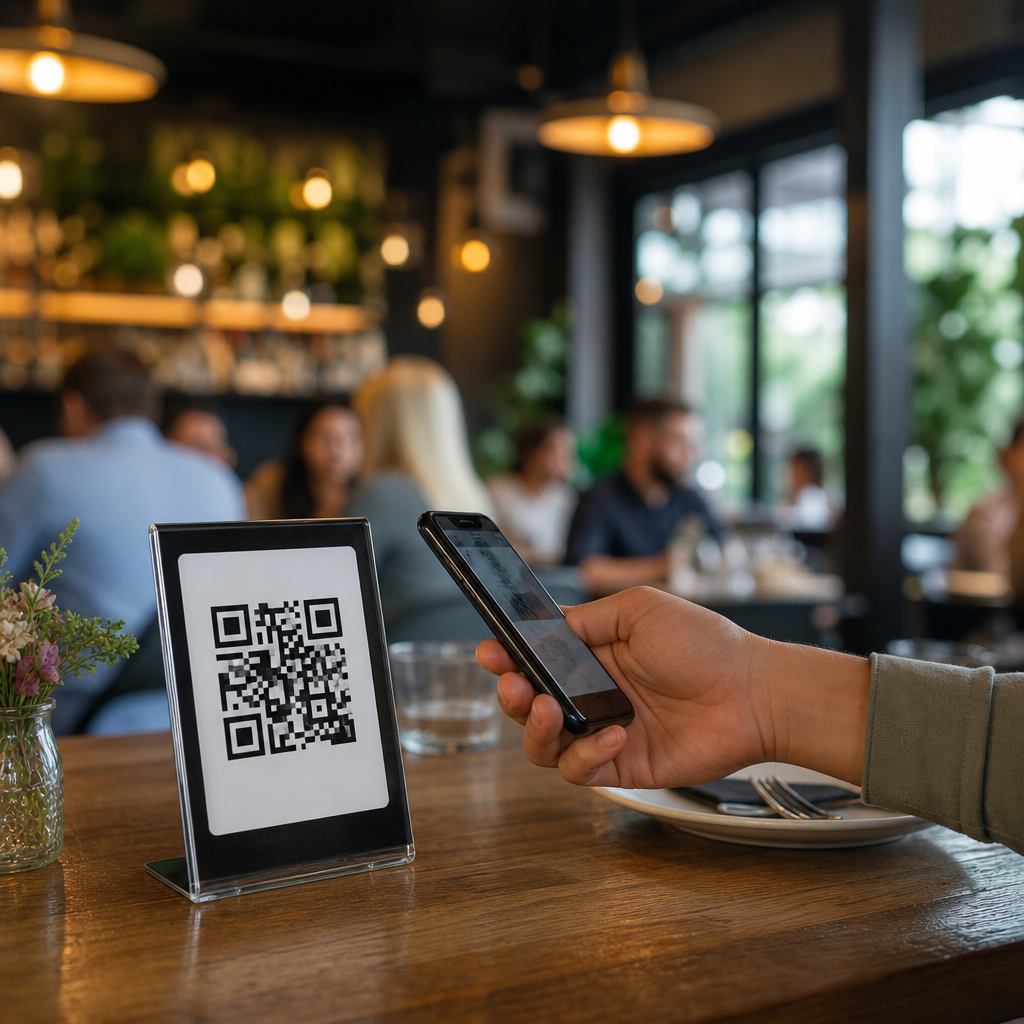
Successful QR code campaigns share a few traits across industries. First, the code appears where the user already has a reason to act. Second, the destination fulfills the promise immediately. Third, the measurement plan captures more than scans. Consider restaurant table tents promoting a limited-time dessert. The best-performing programs I have analyzed placed the code next to a strong visual, used a short call to action such as “See tonight’s dessert and order now,” and led to a mobile page with one-click add-to-order functionality. Because the path was tight, scan-to-order rate was measurable and meaningful, and managers could compare locations without guessing.
Retail packaging offers another instructive case. Beauty and consumer goods brands often use QR codes for tutorials, ingredient transparency, refill reminders, or loyalty enrollment. The strongest campaigns do not send every product to a generic homepage. They route each SKU to a tailored page with usage instructions, frequently asked questions, social proof, and a related upsell. Analysis then becomes much richer. You can compare scan rates by product line, identify items with unusually high support content usage, and test whether tutorial views increase repeat purchase. In one packaging program I worked on, a haircare brand found that tutorial viewers were substantially more likely to buy a complementary product within thirty days, which justified expanding the code system across the range.
Events and trade shows are often cited in successful QR code campaigns because they solve a clear problem: fast access to schedules, maps, lead capture, and session materials. But the best event campaigns go further by assigning different codes to signage zones, sponsor booths, badges, and follow-up materials. That lets organizers see not just total scans but movement and interest patterns. Booth A may collect many scans but few qualified follow-ups, while Booth B generates fewer scans yet more meetings booked. For sponsors, that distinction matters more than traffic alone. Analysis should always distinguish curiosity from qualified intent.
Out-of-home advertising is where QR code campaign analysis becomes especially nuanced. Billboards, transit posters, and street furniture can generate strong top-of-funnel attention, but they also introduce environmental constraints. Scanning while walking, waiting, or sitting in traffic limits time and patience. Successful campaigns in these spaces use very clear incentives, large quiet zones around the code, concise copy, and fast mobile destinations. Measurement should account for geotime effects, weather patterns, and competing foot traffic. If a transit shelter code performs best during the morning commute, the offer may be right but the afternoon creative may need adjustment. Good analysis does not blame the medium when the issue is timing or message alignment.
Optimize creative, placement, and landing experience
Creative analysis starts with the call to action. “Scan me” is weaker than “Scan for 15% off today,” “Scan to watch the setup video,” or “Scan to reserve your seat.” People need a reason, not just an instruction. In testing, explicit value propositions nearly always improve scan rate because they answer the question every passerby asks: why should I bother. Placement matters just as much. A code placed too low on a shelf, too high on a poster, or too close to visual clutter will lose performance. Print quality, contrast ratio, code size, and surrounding whitespace affect readability. Branded styling can help recognition, but excessive customization can harm scan reliability.
Once the user scans, the landing experience carries most of the conversion burden. The page must match the exact promise of the code, load quickly on mobile networks, and present one primary next step. If multiple actions are necessary, sequence them. For example, a healthcare clinic might use a waiting room QR code to route patients to digital intake. The first screen should identify the clinic and appointment type, then move directly into forms. It should not force users through generic navigation. Every extra field or ambiguous button reduces completion. Analysis should include form abandonment, scroll depth, rage clicks, and page speed because those signals often explain poor results better than scan volume does.
A/B testing is valuable, but only when the variables are isolated. Test one offer against another, one landing page layout against another, or one placement against another. Do not change code design, call to action, destination, and incentive all at once, then claim a winner. For printed materials, dynamic redirects make testing possible without replacing physical assets. You can send half of traffic to one page and half to another, or change the destination after a week if results are weak. That flexibility is one reason I recommend dynamic infrastructure for nearly every campaign with meaningful budget.
Build reporting, attribution, and continuous improvement
Reporting should answer three practical questions: what happened, why it happened, and what to do next. A useful QR dashboard includes scans, unique users, sessions, engagement, conversions, revenue, cost, and trend lines by placement and campaign. It should also show anomalies, such as sudden drops that suggest a broken redirect or print damage. Attribution deserves care because QR codes often influence actions that happen later on another device or in a store. Coupon codes, CRM matching, loyalty IDs, and post-purchase surveys can help close the loop. No attribution model is perfect, but directionally reliable data is enough to guide budget and design choices.
For a sub-pillar hub on QR Code Campaign Ideas & Case Studies, the main lesson is simple: successful QR code campaigns are engineered, not improvised. They begin with a concrete goal, use dynamic tracking, respect mobile behavior, and measure the entire path from physical touchpoint to business outcome. The strongest programs treat every code as a testable channel with its own audience, context, and economics. If you are building or reviewing a campaign now, audit your goals, tracking, creative, landing page, and attribution setup before the next print run. Better analysis leads directly to better QR performance.
Frequently Asked Questions
1. What metrics matter most when analyzing a QR code campaign?
The most important metrics depend on the goal of the campaign, but strong QR code analysis usually starts with a few core measurements: total scans, unique scans, scan rate by placement, time and date of scans, device type, and location data when available. These numbers show whether people are noticing the code and taking the first step. However, scans alone do not tell the full story. A campaign can generate a high number of scans and still fail to produce meaningful results if users do not take action after landing on the destination page.
That is why post-scan behavior matters just as much as scan volume. You should track what users do after scanning, such as page views, bounce rate, time on page, click-throughs, form submissions, purchases, app installs, coupon redemptions, bookings, downloads, or payment completions. These downstream actions reveal whether the QR code is attracting the right audience and whether the landing experience is aligned with user intent. For example, if many people scan a code on product packaging but very few complete the intended action, the issue may be the offer, the landing page, or the relevance of the call to action rather than the code itself.
To measure true business impact, connect QR performance to conversion metrics and revenue outcomes whenever possible. That can include cost per conversion, lead quality, average order value, return on ad spend, customer acquisition cost, or retention-related outcomes. In practical terms, the best way to analyze a QR code campaign is to separate metrics into three levels: engagement metrics that show interest, behavioral metrics that show what happens after the scan, and outcome metrics that show business value. When those three layers are tracked together, you can judge campaign effectiveness accurately instead of relying on scan counts alone.
2. How can I tell whether a QR code campaign is actually successful?
A successful QR code campaign is not defined by scan volume alone. It is successful when it helps achieve the objective it was designed for, whether that objective is generating leads, driving purchases, increasing app downloads, collecting feedback, improving customer support, or connecting offline audiences to digital content. The first step in evaluating success is to define the campaign goal clearly before launch. If you do not know what outcome you are measuring against, the data will be difficult to interpret.
Once the objective is clear, compare performance against key performance indicators tied to that goal. For a lead generation campaign, success might mean a strong form completion rate and qualified submissions. For a retail promotion, it might mean coupon redemption rate, in-store visits, or sales attributed to scans. For an operational use case, such as equipment access or support documentation, success may be measured by reduced support requests, faster task completion, or improved user compliance. In each case, the right question is not just “How many people scanned?” but “Did the scan lead to the intended action, and did that action create value?”
It is also important to look at context and benchmarks. A QR code on packaging will typically behave differently from one on a billboard, event badge, receipt, direct mail piece, or social graphic. Placement, visibility, audience intent, and environment all affect performance. A campaign may have a moderate number of scans but still perform extremely well if the conversion rate is high and the business outcome is strong. On the other hand, a campaign with heavy scan traffic but poor follow-through may need optimization. True success comes from a combination of visibility, relevance, user experience, and measurable results tied back to campaign goals.
3. What tools and tracking methods should I use to measure QR code campaign performance?
The most effective approach is to combine QR code tracking with web analytics and conversion tracking tools. Dynamic QR codes are especially useful because they allow you to update the destination URL without reprinting the code and typically provide built-in scan analytics such as scan count, timestamp, approximate location, and device information. These analytics provide a useful top-level view of engagement, but they should be paired with website or app tracking for a complete understanding of user behavior after the scan.
To connect scans with downstream actions, use tagged URLs with campaign parameters such as UTM tags. This allows platforms like Google Analytics or other analytics suites to identify traffic specifically coming from each QR code placement, creative, or audience segment. You can create separate tagged URLs for different print materials, store locations, packaging variations, or event assets, which makes performance comparisons much easier. If your campaign goal involves form fills, purchases, calls, sign-ups, or app activity, make sure those events are configured as conversions so you can trace the customer journey from scan to final outcome.
In more advanced setups, you can integrate QR campaign data with CRM systems, marketing automation platforms, point-of-sale data, and attribution tools. That is especially valuable for lead generation, omnichannel marketing, and customer lifecycle campaigns where the scan is just one touchpoint in a broader journey. For example, if a prospect scans a QR code from a mailer, fills out a form, and later becomes a customer, integrating QR data with your CRM helps you measure lead quality and eventual revenue contribution. The best tracking stack is one that captures both immediate engagement and long-term business results, giving you visibility beyond the initial scan.
4. Why do some QR code campaigns get scans but low conversions?
This is a common problem, and it usually points to a mismatch somewhere between the user’s motivation and the experience that follows the scan. People may scan because the code is visible or intriguing, but they will only convert if the next step feels useful, trustworthy, and easy. One of the biggest causes of low conversion is weak message match. If the QR code promises a discount, quick access, exclusive content, or instant support, the landing page must deliver that exact value immediately. If users arrive at a generic homepage or have to search for the offer, many will leave.
Another major factor is friction in the landing experience. Slow page load times, poor mobile design, long forms, unclear calls to action, excessive pop-ups, login requirements, or confusing navigation can all reduce conversion rates. Since most QR scans happen on mobile devices, the destination must be optimized for small screens and fast action. The best-performing QR campaigns usually remove unnecessary steps and guide users directly to one clearly defined action. If a user has to think too hard about what to do next, the campaign loses momentum.
Audience and placement also matter. A QR code in a high-intent environment, such as product packaging, receipts, store displays, or event check-in materials, often converts differently than one placed in broad-awareness media. If scan intent is casual rather than purposeful, conversion rates may naturally be lower. That does not always mean the campaign failed, but it does mean expectations should match the context. To improve performance, analyze the full path from exposure to scan to conversion, identify where users drop off, and test variables such as call-to-action copy, landing page design, incentive strength, placement, and destination relevance. In most cases, low conversion is not a QR code issue by itself; it is a journey optimization issue.
5. How can I optimize a QR code campaign after reviewing the data?
Optimization starts by identifying where performance is strongest and where users are falling away. Begin with segmentation. Compare results by code placement, audience type, time period, geography, device, creative version, and destination page. This helps you find patterns that broad averages may hide. For instance, one flyer design might generate fewer scans overall but far more conversions, or one retail location might outperform others because the code is placed at a more natural point in the customer journey. Once you know which variables influence performance, you can make targeted improvements rather than broad guesses.
Next, improve the parts of the campaign that users interact with directly. That includes the call to action near the code, the visual prominence of the code, the clarity of the benefit being offered, and the mobile usability of the landing page. If scans are low, the issue may be visibility, context, or weak prompting. If scans are strong but actions are weak, focus on the post-scan experience. Test shorter forms, faster-loading pages, stronger headlines, more obvious buttons, personalized destinations, or more relevant offers. Small changes in the landing flow can produce large gains in conversion rates.
Finally, treat QR code analysis as an ongoing process, not a one-time report. The best campaigns improve through repeated testing and measurement. Set a regular review cycle, establish baseline metrics, and run controlled experiments where possible. Keep the campaign objective at the center of every adjustment so optimization remains tied to business outcomes. Over time, a well-analyzed QR code campaign should become more efficient, more relevant to users, and more effective at producing measurable results beyond the scan itself.