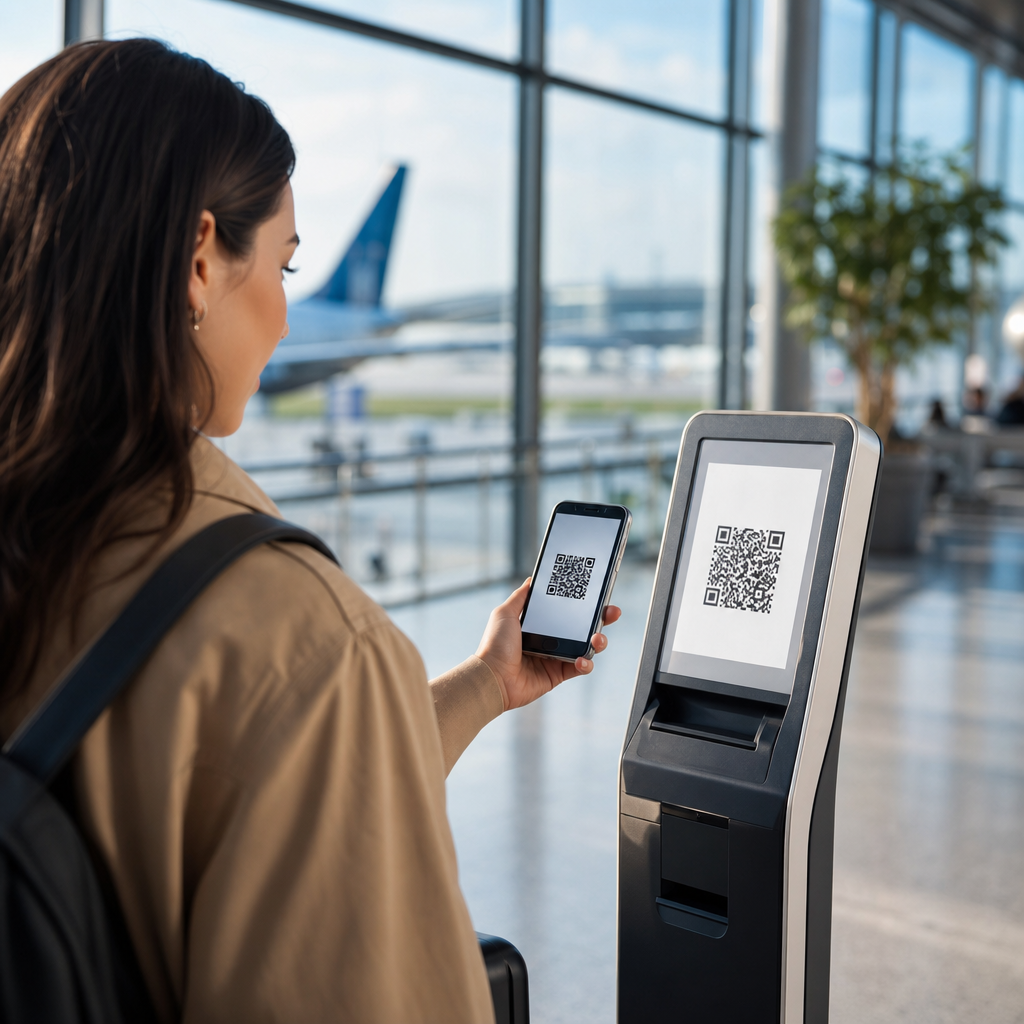
QR codes have become one of the most practical bridges between physical travel experiences and digital brand engagement, and in tourism they solve a simple problem with outsized impact: travelers need fast, context-aware information without friction. A QR code is a scannable matrix barcode that opens a web page, app screen, file, map, payment flow, or messaging channel on a smartphone. In travel and tourism, that means a hotel guest can scan a placard for late checkout, a museum visitor can launch an audio guide, an airline passenger can retrieve baggage help, and a destination marketer can turn a poster into a bookable itinerary. I have worked on QR-driven campaigns for hospitality and visitor-experience teams, and the pattern is consistent: when the code leads to something genuinely useful in the moment, scan rates rise and customer-service costs fall.
This hub article on brand case studies explains how QR codes are used across travel and tourism, what separates strong campaigns from forgettable ones, which metrics matter, and how this subtopic connects to broader QR code campaign ideas and case studies. The phrase brand case study matters here because tourism decisions are shaped by trust, convenience, and timing. Prospective guests compare properties, travelers make choices while moving through airports and stations, and destination organizations compete for attention in crowded physical spaces. A well-built QR campaign shortens the path from interest to action.
Travel brands also operate in a high-variance environment. Connectivity can be poor, audiences are multilingual, journeys span multiple devices, and operations involve many stakeholders, from front desk teams to tour operators. That is why QR codes are not just a creative gimmick. They are a deployment model for service design. Used well, they improve wayfinding, self-service, ancillary revenue, review generation, loyalty enrollment, and post-visit retention. Used badly, they dump users on generic homepages, break attribution, and create frustration. The case studies under this hub should be judged by one standard: did the QR code reduce effort at a decisive traveler moment while giving the brand measurable business value?
Why QR codes fit travel and tourism so well
Travel is full of micro-moments where people need immediate answers: Where is check-in? How do I access my room? What is the menu? When does the next shuttle leave? What can I do nearby? QR codes work in these moments because they remove typing, searching, and app-store friction. Modern smartphone cameras scan natively on iOS and Android, so adoption barriers are far lower than they were a decade ago. During the pandemic, contactless menus and touch-free check-in accelerated behavior change, but the lasting lesson was broader: travelers will scan when the utility is obvious.
Brand case studies in this category typically cluster around six environments: airports, airlines, hotels, attractions, tours and transport, and destination marketing organizations. In airports, QR codes support navigation, lounge access, retail offers, and disruption management. Airlines use them in boarding workflows, seat-upgrade prompts, and service recovery. Hotels deploy them for digital concierge services, spa booking, room service, housekeeping requests, and local recommendations. Museums, theme parks, and heritage sites use them for layered interpretation, multilingual content, donation flows, and membership upsells. Tour companies use them on buses, kiosks, tickets, and printed collateral. Destination marketers use them on out-of-home media, visitor guides, and event signage to connect inspiration with booking intent.
The strongest examples share a common architecture. First, the code is dynamic, not static, so the destination URL can be changed without reprinting assets. Second, the landing experience is mobile-first, fast, and context specific. Third, tracking is planned from the start with UTM parameters, event tags, and a defined conversion hierarchy. Fourth, the call to action is explicit, such as “Scan for today’s trail conditions” rather than “Learn more.” Fifth, governance is clear, including ownership of content updates and QA across locations. These basics sound operational, but they are what make campaigns scalable.
What a strong travel QR code case study includes
A useful brand case study should document the business problem, placement strategy, user journey, technology stack, and measurable results. In practice, I look for five questions. What traveler friction existed before the campaign? Why was QR the right mechanism instead of NFC, SMS, an app push, or printed instructions? Where exactly was the code placed, and what was the traveler doing at that moment? What happened after the scan? And what business outcome improved: conversion rate, average order value, reduced queue time, lower support volume, stronger review velocity, or better retention?
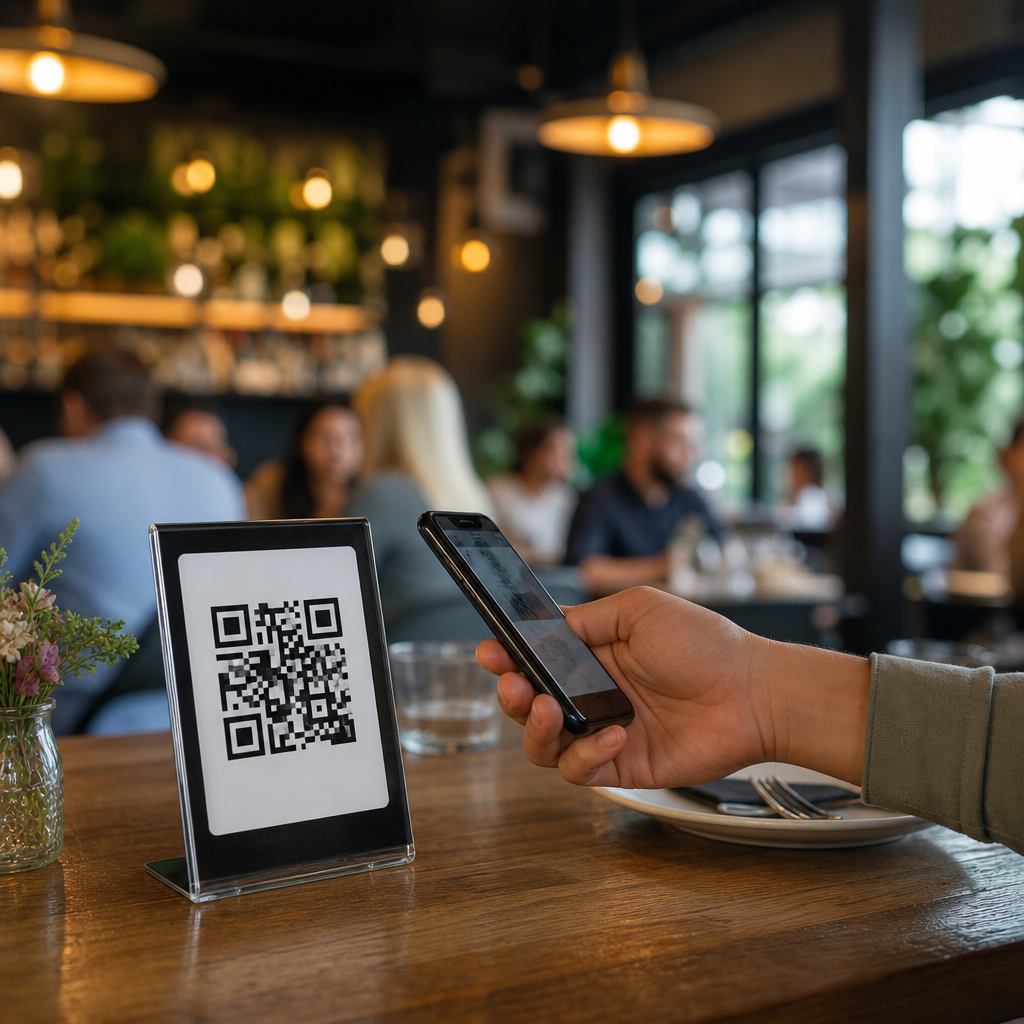
For example, consider a resort that receives repeat questions about breakfast hours, pool reservations, and airport transfers. A weak implementation places one generic code on the welcome folder linking to the homepage. A strong implementation places separate dynamic QR codes in-room, at reception, in elevators, and near the pool, each opening a concise mobile page built around the nearby context. The in-room code might surface breakfast, room service, housekeeping, and chat support. The pool code might open cabana availability and food ordering. Because each code has its own campaign taxonomy, the resort can see where demand originates and staff accordingly.
Case studies should also explain constraints. Luxury properties may worry about visual clutter and preserve-brand aesthetics. Heritage sites may have signage regulations. Airports require approvals, accessibility review, and robust fallback paths. International travelers need multilingual support and low-bandwidth pages. These details matter because they show whether success came from a repeatable strategy or from one favorable circumstance. The most credible examples include tradeoffs, such as lower scan rates in areas with weak lighting or the need to retrain staff when guests shifted from desk inquiries to messaging channels.
| Travel segment | Common QR use case | Primary KPI | Typical operational benefit |
|---|---|---|---|
| Hotels | Digital concierge, room service, review prompts | Ancillary revenue per guest | Fewer repetitive front desk requests |
| Airports | Wayfinding, disruption updates, retail offers | Scan-to-action rate | Reduced queue pressure during delays |
| Attractions | Audio guides, multilingual interpretation, donations | Engagement time | Richer self-guided visitor experience |
| Tour operators | Ticket retrieval, itinerary details, upsells | Upgrade conversion rate | Less manual check-in support |
| Destination marketers | Poster-to-itinerary, event discovery, lead capture | Qualified visit-planning sessions | Better attribution from offline media |
Brand case study patterns across hotels, attractions, and destinations
In hotels, the most effective QR campaigns blend service and revenue. Marriott, Hilton, Hyatt, and Accor have all invested heavily in mobile guest journeys, though execution differs by property and brand standard. The common lesson from the broader market is that guests scan more often for immediate utility than for promotional copy. A code that opens mobile key instructions, airport transfer booking, or WhatsApp concierge will usually outperform a code that simply says “discover our amenities.” Independent hotels often move faster than large chains because they can test placements quickly using platforms such as Bitly, Beaconstac, QR Code Generator Pro, or Uniqode and connect them to booking engines, CRM systems, and review platforms.
At attractions, QR codes shine when they add a second layer of interpretation without slowing foot traffic. Museums can attach codes beside labels to offer curatorial video, conservation notes, sign-language support, or translations. Theme parks can use them for virtual queue information, showtimes, and in-park dining. Historic sites and national parks benefit from codes that unlock trail safety updates, restoration stories, or augmented reconstructions, especially where printed panels must stay concise. The best campaigns respect attention span. They do not force every visitor into a long experience; they offer optional depth for those who want it.
Destination organizations use QR codes to connect inspiration with planning. A city tourism board might place codes on transit ads that open a weekend itinerary tailored to family travel, food tourism, or events. A convention and visitors bureau can embed codes in printed guides that launch map-based trails for public art, breweries, or seasonal festivals. Because these campaigns start offline and finish online, they are valuable for attribution. When campaign URLs include source, placement, creative, and date, the organization can compare a station poster with a hotel lobby brochure and optimize media spend based on engaged sessions rather than impressions alone.
Measurement, attribution, and optimization
Measuring QR performance in travel requires more than scan counts. A scan is only the first signal. The meaningful metrics are downstream: booking starts, completed reservations, ancillary purchases, messaging initiated, guide downloads, reviews submitted, dwell time, or reduced service contacts. In Google Analytics 4, I recommend pairing campaign-tagged landing pages with custom events for actions such as menu_open, concierge_chat_start, directions_click, or spa_booking_complete. Heat-mapping tools like Microsoft Clarity or Hotjar can show whether users are abandoning because the page is too dense, the button is below the fold, or language selection is unclear.
Attribution becomes especially important when QR codes sit inside larger campaigns. A destination ad may generate scans, but actual bookings might occur days later on another device. That does not make the code ineffective; it means the journey is multi-touch. Travel brands should connect QR traffic to CRM and marketing-automation platforms where possible. For hotel groups, tying scans to guest profiles can reveal whether first-time visitors use concierge codes differently from loyalty members. For attractions, comparing scan behavior by time slot can influence staffing, signage placement, or content scheduling. The key is to define one primary conversion and several assist conversions before launch.
Optimization usually delivers gains faster than redesign. In my experience, changing the CTA text from a vague phrase to a precise benefit can improve scan-through performance immediately. So can raising contrast, increasing quiet zone space, improving placement height, or replacing a PDF with a lightweight web page. QR codes should be tested across glare, distance, and multilingual contexts. ISO/IEC 18004 defines the QR Code symbology, but practical field testing matters just as much. If a code works only when held perfectly in bright light, it is not ready for an airport gate, a sunlit beach club, or a moving tour bus.
Implementation standards, accessibility, and common mistakes
The technical and editorial standards behind a campaign often determine whether it scales. Dynamic codes are usually the right choice because they allow destination updates, A/B tests, and expired-offer replacement without reprinting. Error correction levels should be selected carefully; heavily stylized codes with logos may scan poorly if contrast is insufficient. Short URLs should be branded when possible to increase trust. Landing pages should use HTTPS, load quickly on mobile networks, and avoid intrusive interstitials. If a form is necessary, keep it short. Travelers standing in a lobby or station will not complete a ten-field lead form.
Accessibility is non-negotiable. Every QR placement needs adjacent text explaining what the user will get after scanning, because a code alone is not self-describing. Important information should not be available only via QR. If a museum uses codes for exhibit interpretation, a visitor without a smartphone still needs access to core content. Videos should be captioned, pages should support screen readers, and multilingual options should be clear. For tourism, accessibility also includes cognitive load. Travelers under time pressure need plain language, recognizable buttons, and immediate next steps.
The most common mistakes are predictable. Brands send scans to a homepage instead of a purpose-built landing page. They print static codes before finalizing content ownership. They fail to test in real lighting conditions. They use tiny placements on glossy surfaces. They neglect analytics or mix all placements into one undifferentiated URL. They overdesign the code until it becomes unreliable. And they assume one template works everywhere. A hotel elevator, an airline seatback, a trailhead sign, and a city poster each demand different copy, placement, and success criteria. Good case studies expose these mistakes because they teach what to avoid, not just what to copy.
How this hub supports the wider QR code campaign ideas and case studies topic
As a sub-pillar hub, this page should guide readers toward deeper analyses of individual brand examples and adjacent campaign types. Travel and tourism is one of the richest categories for QR deployment because it combines hospitality, mobility, retail, entertainment, and place marketing in a single customer journey. That makes it a strong reference point for other sectors as well. Lessons from hotel concierge codes can inform healthcare wayfinding. Museum interpretation models can influence real estate walkthroughs. Destination attribution methods can improve retail out-of-home campaigns. The principles travel well because they are rooted in contextual utility.
The most valuable next-step articles under this hub would profile distinct implementations: hotel in-room QR programs, airport disruption communication, museum audio-guide systems, destination poster campaigns, and tour-operator upsell flows. Each should document placement, user intent, tech stack, governance, metrics, and outcomes. When these case studies are organized consistently, the hub becomes more than a list of examples; it becomes a decision framework. Readers can compare use cases, understand benchmarks, and identify which model fits their own environment. That is the real role of a hub article in a broader QR code campaign ideas and case studies content structure.
QR codes in travel and tourism work because they match the reality of travel: people move quickly, need answers in context, and reward brands that remove friction. The best brand case studies show that success does not come from the code itself. It comes from placing the code at a decisive moment, pairing it with a clear promise, delivering a fast mobile experience, and measuring outcomes beyond scans. Hotels can increase ancillary revenue and reduce repetitive service requests. Attractions can enrich visits without adding queues. Destination marketers can finally connect offline media with digital planning behavior in a measurable way.
For teams building out this sub-pillar hub, the priority is clarity and comparability. Document the problem, the traveler moment, the QR destination, the analytics setup, and the operational result. Include limitations as well as wins. Over time, that creates a library of brand case studies that is actually useful to marketers, hotel operators, tourism boards, and visitor-experience leaders evaluating where QR codes fit in their journey design. If you are expanding your QR code campaign ideas and case studies content, start with the travel examples that solved a real service problem, then build outward from those proven patterns.
Frequently Asked Questions
How are QR codes used in travel and tourism brand experiences?
QR codes are used throughout the travel journey to connect physical touchpoints with useful digital actions in a way that feels immediate and low-friction. In practice, that can mean a hotel placing a code in guest rooms for room service menus, spa bookings, Wi-Fi access, late checkout requests, or local recommendations. Airports and transit hubs can use them for gate updates, terminal maps, baggage information, or multilingual wayfinding. Museums, attractions, and guided tours often rely on QR codes to deliver audio guides, exhibit details, translated content, ticket upgrades, and interactive storytelling. Restaurants inside resorts or tourism districts can link to digital menus, waitlists, promotions, or payment flows. Even destination marketing organizations use QR codes on brochures, posters, event signage, and outdoor installations to move travelers from awareness to action in seconds.
What makes QR codes especially valuable in tourism is that they match the real-world context the traveler is already in. A visitor standing in front of a landmark does not want to search manually for a page, download the wrong app, or type a long URL. Scanning a code removes those steps and delivers the exact information or next action at the moment it is most relevant. That makes the experience feel smoother for the traveler and more measurable for the brand. Instead of hoping a printed flyer or in-room card drives later engagement, tourism brands can see scans, timing, locations, and conversion behavior, then optimize campaigns based on real usage patterns.
Why are QR codes so effective for improving traveler convenience?
QR codes work well in travel because they solve a simple but important problem: travelers need fast, context-aware information without unnecessary effort. People on the move are often dealing with time pressure, unfamiliar environments, language barriers, roaming limitations, and decision fatigue. A QR code reduces friction by turning a physical object into a direct entry point to a digital resource. Rather than asking a guest to visit a homepage and hunt for the right page, a single scan can open a map, booking form, support chat, digital pass, or translation-friendly information screen. That speed matters in tourism, where even small conveniences can noticeably improve satisfaction.
They are also effective because they adapt well to changing information. Printed brochures, room materials, and attraction signage traditionally become outdated quickly, especially when hours, prices, safety policies, menus, or seasonal offerings change. With a dynamic QR code, the destination behind the code can be updated without reprinting the physical asset. That gives brands flexibility while keeping traveler-facing materials current. From a user experience perspective, QR codes can also support accessibility and personalization by directing people to language-specific pages, mobile-friendly content, contactless services, or location-based offers. When used thoughtfully, they make travel experiences feel more responsive, modern, and intuitive.
What are the main benefits of QR codes for hotels, airlines, attractions, and tourism brands?
The main benefit is efficiency across both customer experience and operations. For hotels, QR codes can reduce front desk pressure by shifting routine tasks such as check-in instructions, amenity requests, housekeeping preferences, dining reservations, and concierge recommendations to mobile self-service flows. Airlines and airports can use them to streamline passenger communications, from navigation and boarding support to lounge access and disruption updates. Attractions and museums benefit by enriching exhibits without cluttering physical spaces, giving visitors optional layers of content, multimedia, and language support. Destination brands can extend campaigns from print, outdoor media, and event installations into measurable digital engagement.
There is also a strong marketing advantage. QR codes make offline media trackable, which is especially useful in tourism where brands invest heavily in physical placements such as brochures, lobby displays, airport advertising, transport wraps, visitor maps, and local signage. A well-designed QR code campaign can reveal which locations drive the most scans, what time travelers engage, which offers convert best, and where users drop off. That data helps brands make smarter decisions about content, placement, and messaging. Beyond analytics, QR codes can increase upsells and ancillary revenue by presenting timely offers such as room upgrades, attraction add-ons, guided tours, insurance, dining packages, and last-minute experiences. In short, they are not just convenience tools; they are also performance and revenue tools.
What should a travel or tourism brand include in a successful QR code case study?
A strong QR code case study should clearly explain the business challenge, the traveler scenario, the implementation approach, and the measurable outcome. Start with the problem the brand was trying to solve. For example, maybe hotel guests were overwhelming the front desk with repetitive service requests, museum visitors needed multilingual exhibit content, or a destination campaign struggled to convert print exposure into online bookings. Then describe where the QR codes were placed, what each code linked to, and why those placements made sense in the traveler journey. Specificity matters here. A case study is more persuasive when it identifies touchpoints such as room placards, airport kiosks, trailhead signs, tour buses, event badges, or restaurant tables rather than speaking in broad generalities.
The best case studies also include performance data and practical lessons. Useful metrics might include scan volume, scan-to-booking conversion rate, increase in ancillary purchases, reduction in staff workload, growth in engagement time, multilingual content usage, customer satisfaction improvements, or lower print update costs. It is also important to mention optimization decisions, such as redesigning the call to action, changing the landing page, localizing content, or using dynamic QR codes to update destinations over time. A credible case study shows not only that QR codes were deployed, but that they were integrated into a larger customer experience strategy. That is what helps readers understand the real brand impact rather than viewing the code as a novelty.
What are the best practices for implementing QR codes in travel and tourism marketing?
The first best practice is to make the destination behind the code genuinely useful. Travelers will only scan if they expect immediate value, so the content should match the physical context and intent of the moment. A code in a hotel elevator might work well for promotions or amenity booking, while a code at a landmark should lead to maps, history, audio content, or nearby recommendations. Every code should have a clear call to action that tells users exactly what they will get, such as “Scan for express check-out,” “Scan for exhibit audio guide,” or “Scan for local transit directions.” Vague prompts lead to lower engagement. Mobile optimization is also essential, since travelers are scanning on phones and usually want a fast-loading experience with minimal typing.
Brands should also focus on design, placement, tracking, and trust. The QR code must be easy to spot, large enough to scan, and placed where lighting, distance, and movement will not make scanning difficult. Use dynamic QR codes when possible so links can be updated and performance can be measured over time. It is wise to create landing pages tailored to traveler language, location, device, and journey stage. Security matters too, especially in public spaces where users may hesitate to scan unfamiliar codes, so branding around the code should make the source obvious and credible. Finally, test everything in real-world conditions. A QR code strategy succeeds when it is treated as part of the service design and marketing funnel, not just added as a visual afterthought. In travel and tourism, the strongest implementations are the ones that respect the traveler’s time, answer immediate needs, and turn physical presence into meaningful digital engagement.