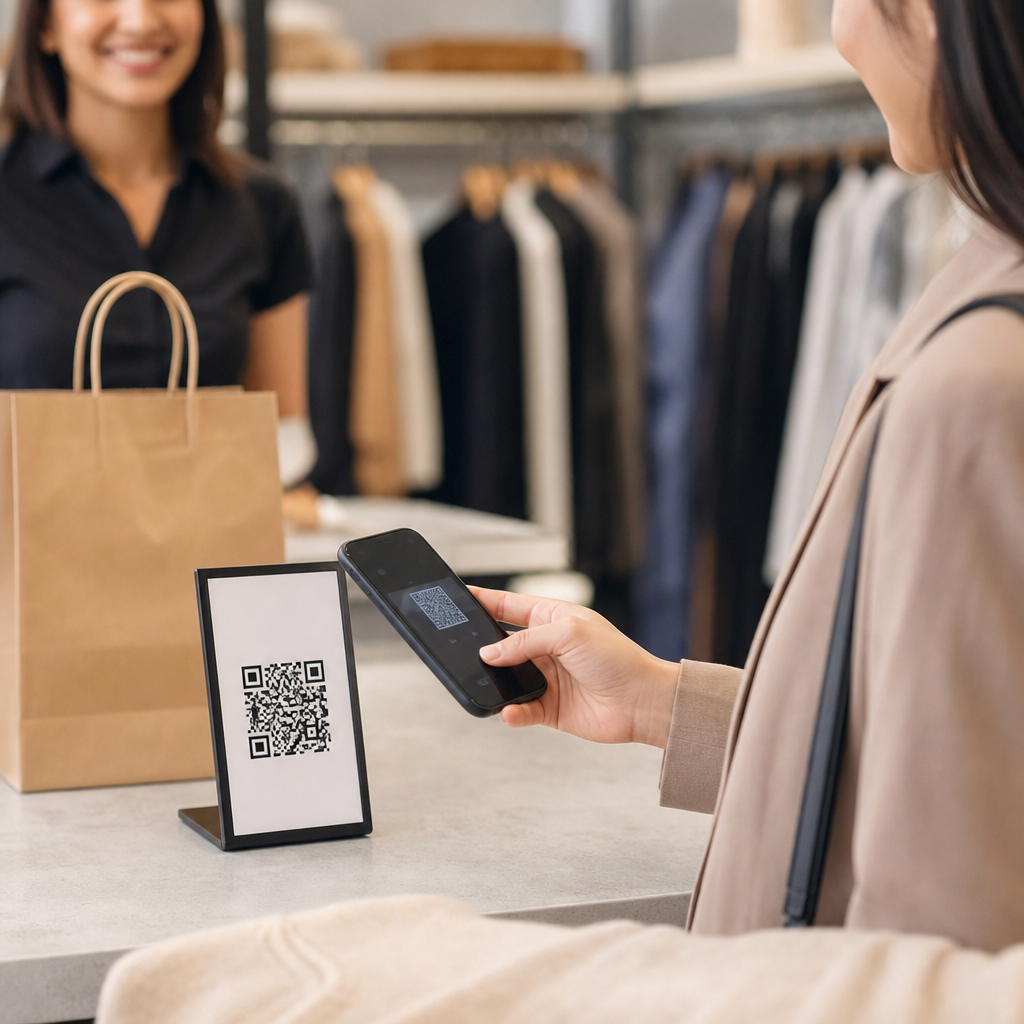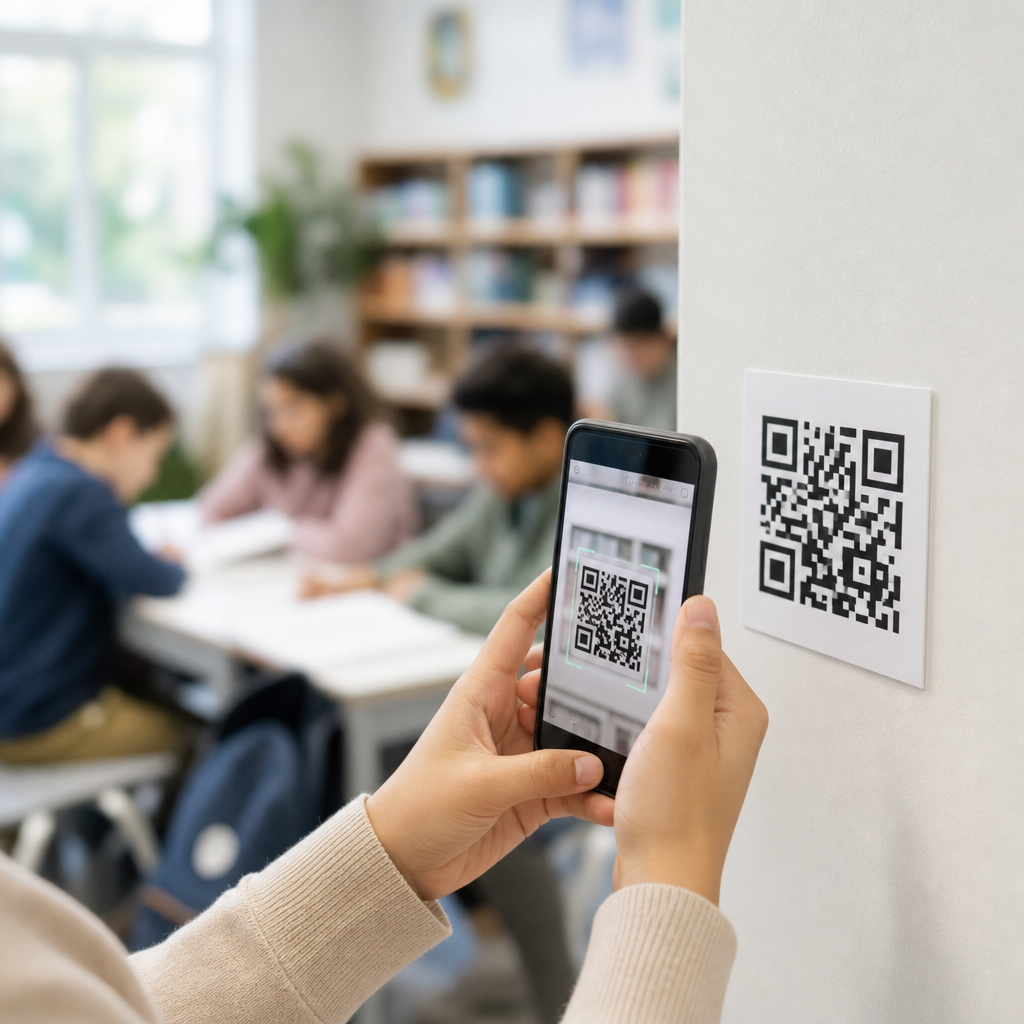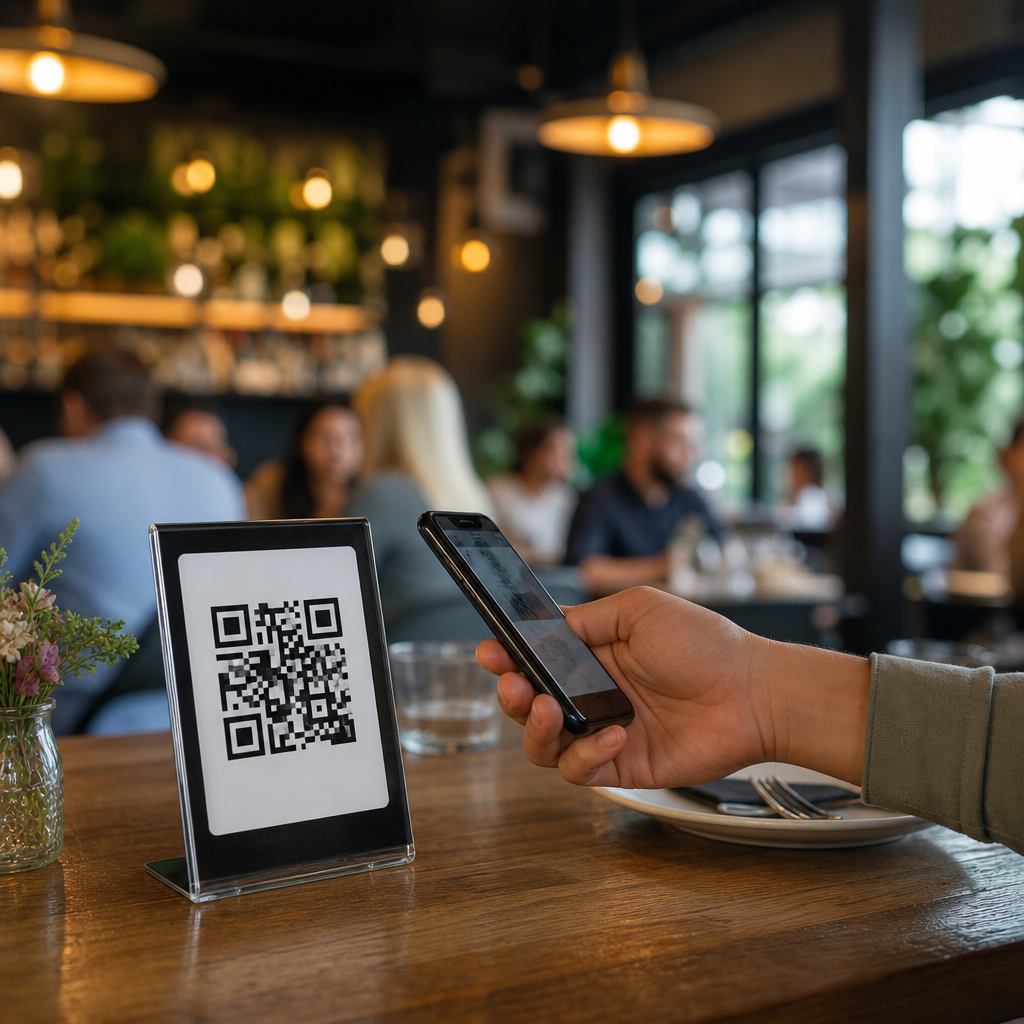
QR codes reshaped restaurant marketing and operations by turning a printed square into a measurable bridge between tables, takeaway packaging, loyalty programs, and post-meal feedback. In the restaurant industry, a QR code is a scannable matrix barcode that opens digital content such as menus, payment pages, ordering flows, app downloads, coupons, or review requests. A brand case study examines how a specific restaurant, chain, or hospitality group used that tool to solve a business problem and what happened next. I have worked on restaurant QR campaigns for limited-service chains and independent operators, and the difference between gimmick use and disciplined use is obvious: successful brands tie every scan to a customer task, a clear incentive, and a trackable outcome. That is why this topic matters. Restaurants operate on thin margins, high labor pressure, changing diner expectations, and fierce local competition. A well-designed QR code program can reduce menu printing costs, improve order accuracy, speed table turns, capture first-party data, and create attribution that traditional flyers and static signage rarely provide. This hub article explains the major case study patterns, the metrics that matter, and the lessons brands can apply across dine-in, quick-service, delivery, and franchise environments.
Why QR code case studies matter in restaurant marketing
Restaurant leaders do not need abstract claims about “digital engagement.” They need proof that a QR code on a table tent, window decal, receipt, or pizza box can increase revenue or lower friction. Case studies provide that proof because they connect a business objective to execution details and measurable outcomes. In practice, the most useful restaurant QR code case studies answer five questions directly: what problem existed, where the code appeared, what destination it opened, how guests were persuaded to scan, and what performance indicators changed after launch.
Common restaurant use cases fall into a few repeatable categories. The first is menu access. During the pandemic, many brands moved to contactless menus, but the strongest operators kept the format after restrictions eased because updating prices, allergens, and limited-time offers became faster and cheaper. The second is ordering and payment. Quick-service restaurants use codes on tables and kiosks to send guests into mobile ordering flows that increase customization and reduce cashier bottlenecks. The third is loyalty enrollment. A QR code on cups, tray liners, and receipts can move a casual diner into an owned database with far more efficiency than asking a cashier to verbally explain a rewards program during a lunch rush. The fourth is feedback and reviews. Brands often segment codes by location or channel so operations teams can compare customer sentiment at the store level. The fifth is packaging and post-purchase engagement, where delivery-heavy brands use box-top codes to trigger reheating instructions, cross-sell desserts, or request ratings after food arrival.
From my experience, the best case studies also reveal constraints. A high scan rate means little if the menu page loads slowly on weak cellular service, if franchisees cannot update content, or if guests abandon the ordering flow when forced to download an app. That is why restaurant brand case studies are valuable as a hub topic: they show not only creative ideas, but also the operational decisions behind them.
Core brand case study patterns across restaurant formats
Although every brand has different goals, restaurant QR code case studies usually cluster by service model. Full-service restaurants often use QR codes to streamline menus, wine lists, waitlists, and payment. Their success depends on preserving hospitality while removing friction. A polished digital menu with allergen filters and pairing suggestions can improve guest confidence, but a cluttered page can make the dining room feel transactional. Quick-service brands focus more heavily on throughput, upsells, and app adoption. For them, a code near the entrance or on in-store signage works when it sends the guest directly to a fast mobile order screen with saved payment and a clear pickup path. Fast-casual brands sit between those approaches, often using QR codes for table ordering, loyalty, and seasonal campaigns. Cafes and beverage chains favor retention plays, such as app downloads, stored value, and gamified rewards tied to repeated scans.
Franchise systems introduce another pattern: local flexibility within central control. National brands usually need a governance model covering branded templates, URL structure, analytics tagging, and approved calls to action. If operators generate codes independently, destinations become inconsistent and reporting breaks. The strongest franchise case studies therefore involve centralized dynamic QR management, unique campaign parameters by region or store, and destination pages that inherit brand design while allowing local offers. This matters because restaurant performance is hyperlocal. A code on a suburban drive-thru menu board serves a different customer need than a code on a downtown lunch counter or sports venue concession stand.
Another pattern is incentive design. Guests scan when they expect immediate value. “View menu” works if a physical menu is absent. “Skip the line” works in crowded environments. “Get a free side with first mobile order” works for app adoption. “Tell us how we did” works best after payment and when the survey is short. Case studies become genuinely useful when they show how the brand matched the promise to the dining context.
What leading restaurant QR campaigns actually measure
Restaurants often overfocus on scan volume, but scan count is only the top of the funnel. A serious brand case study tracks the full path from impression to business result. At minimum, the measurement framework should include scan rate by placement, destination load speed, click-through rate on the landing page, conversion rate to the primary action, average order value, repeat purchase behavior, and location-level differences. For loyalty campaigns, restaurants should also monitor enrollment completion, profile completeness, and 30- or 60-day activation. For feedback campaigns, response rate, sentiment, complaint category, and closed-loop resolution speed matter more than raw submissions.
The difference between static and dynamic QR codes is crucial here. Static codes embed a fixed destination and are adequate for permanent utility pages, but they limit optimization. Dynamic codes route through a managed link so the brand can change the destination later, apply campaign parameters, and analyze performance without replacing printed materials. In restaurant operations, dynamic codes are usually the smarter choice because menus change, promotions expire, and individual stores may need different landing pages. Platforms such as Bitly, QR Code Generator Pro, Beaconstac, and enterprise campaign tools can support this workflow, while analytics commonly flow into Google Analytics 4, Adobe Analytics, or customer data platforms. For in-store ordering, brands may combine code-level tracking with point-of-sale integrations from systems like Toast, Square, Clover, or Olo to connect scans to completed checks.
| Campaign goal | Typical QR placement | Primary KPI | Common secondary KPI |
|---|---|---|---|
| Digital menu access | Table tents, host stand, window decals | Menu opens per cover | Time on menu, item clicks |
| Mobile ordering | Tables, counter signage, drive-thru prompts | Order conversion rate | Average order value |
| Loyalty enrollment | Receipts, cups, tray liners, packaging | Completed sign-ups | 30-day repeat purchase |
| Feedback and reviews | Receipts, exit signage, delivery inserts | Survey completion rate | Star rating, issue resolution speed |
When I audit restaurant programs, I also look for operational metrics. Did staff answer fewer menu questions after launch? Did table turns improve? Did call volume about allergen information decrease? These indicators often prove the program’s value better than scan numbers alone.
Restaurant brand case study examples and lessons
One widely recognized example comes from large quick-service chains that placed QR codes on packaging and in-store materials to accelerate app adoption and loyalty growth. The strongest executions did not ask diners to “learn more.” They offered an immediate benefit, such as bonus points on a first order or access to member-only pricing, then dropped users into a streamlined signup flow. This approach works because packaging reaches customers after the purchase, when they are already engaged with the brand. In similar campaigns I have supported, scan rates were highest on drink cups and order stickers because those assets remain visible during consumption, while receipt-bottom codes underperformed unless paired with a clear incentive.
Another recurring case study pattern appears in full-service dining. Independent restaurant groups and hotel restaurants often use QR menus not only to replace printed menus but to improve service consistency. A properly built menu can flag allergens, identify vegetarian and gluten-free items, show wine notes, and support easy updates before each shift. Some operators connect the menu to reservation or waitlist tools so walk-in guests can join a queue without crowding the host stand. The lesson is straightforward: QR codes add the most value when they solve a real service bottleneck. If guests still need a server to explain missing information, the digital layer is incomplete.
Delivery-first and pizza brands provide another important model. Packaging acts as owned media, especially when third-party marketplaces control the first transaction. A QR code on the box can push customers toward direct ordering on their next purchase, reducing marketplace commission exposure. Effective campaigns typically lead with a direct-order incentive and support it with convenience, such as saved favorite orders or local store pickup options. The strategic goal is not just one scan; it is channel migration from rented platforms to owned customer relationships. That distinction separates tactical QR usage from long-term customer acquisition strategy.
Coffee chains and fast-casual concepts have shown how QR codes can support retention through stored value and subscription-style offers. When a code on counter signage opens an app store page, many users drop off. When the same code opens a mobile web experience with guest checkout or instant wallet signup, more users complete the first action. This is a repeated lesson across hospitality: reducing forced app downloads increases immediate conversion, while the app can be introduced later once value is proven.
Execution best practices that separate strong campaigns from weak ones
Placement, destination quality, and staff readiness determine most outcomes. A QR code should appear where the customer naturally pauses and where the next action makes sense. Table codes support menu browsing and payment. Front-door decals support waitlists and ordering ahead. Packaging supports repeat purchase and reviews. Drive-thru placements must account for safety and time pressure, so they work better for follow-up offers than for complex actions during the order process.
Destination pages need disciplined mobile design. The page should load quickly, match the promise on the sign, and present one primary action above the fold. Restaurant guests are often standing, distracted, and on variable connections. Bloated pages with autoplay video, too many links, or mandatory account creation will kill conversion. Accessibility matters as well. Menu text should be readable, contrast should be strong, and allergen information should not be hidden behind multiple taps. If a restaurant serves tourists, multilingual support can materially increase completion rates.
Creative and physical production are equally important. Codes must be large enough to scan easily, printed with sufficient contrast, and tested under actual restaurant lighting. Matte finishes usually outperform glossy ones because glare interferes with cameras. I also recommend short, explicit calls to action: “Scan to view allergen-friendly menu,” “Scan to reorder directly,” or “Scan to pay at your table.” Vague prompts depress engagement.
Finally, train staff. Servers, hosts, and cashiers should know what each code does and when to mention it. In successful launches, managers test every code daily, especially when menu links, POS integrations, or landing pages change. Restaurants are busy environments; without ownership, codes break silently and stay broken.
How to build a restaurant QR code case study hub that scales
As a sub-pillar hub, this topic should organize brand case studies by use case, restaurant format, and business outcome so readers can quickly find relevant examples. The most effective structure starts with broad categories such as menus, ordering, loyalty, reviews, packaging, and franchise deployment. Each category should link to deeper articles covering individual brands, campaign breakdowns, implementation checklists, and technology comparisons. This creates clear pathways for readers researching specific problems, and it helps search engines understand the relationship between the hub and detailed supporting pages.
Every case study page in the cluster should follow a consistent template: brand background, objective, QR placement, landing destination, technology stack, incentive, results, limitations, and replicable lessons. Include screenshots or diagrams where possible, but prioritize operational detail over surface-level storytelling. Restaurant operators want to know whether the code was dynamic, how scans were tagged, whether a loyalty provider was involved, and how the brand handled franchise or multi-location reporting. They also want honest discussion of tradeoffs. For example, table-ordering QR systems can boost convenience, yet some full-service brands find they reduce human interaction in ways that affect guest satisfaction or tip patterns.
This hub should also surface adjacent topics readers naturally need next: QR code menu design, dynamic versus static code selection, POS integration, review generation tactics, and direct-order packaging campaigns. Those related articles help the reader move from inspiration to implementation. For publishers and brands alike, that hub-and-cluster structure supports stronger topical authority because it covers the subject comprehensively instead of treating each example as a disconnected anecdote.
QR codes in the restaurant industry work best when they are treated as operational infrastructure, not novelty. The most instructive brand case studies show a tight connection between customer context, incentive, destination design, and measurable business impact. Across full-service, quick-service, fast-casual, delivery, and franchise models, the same principles repeat: place the code where the next action is obvious, offer immediate value, use dynamic links for control and measurement, and connect scans to outcomes such as orders, loyalty growth, feedback quality, or direct-channel migration. Strong examples also acknowledge limits. Not every guest wants a phone-led dining experience, and not every placement deserves a code. Restaurants that win with QR campaigns test relentlessly, simplify mobile journeys, and train staff so the digital layer supports hospitality rather than replacing it.
As the hub for brand case studies under QR code campaign ideas, this page should guide readers toward the specific examples most relevant to their format and goals. Use it to compare campaign types, identify the right metrics, and understand what separates a high-performing program from a wasted print run. If you are building or refining a restaurant QR strategy, start by selecting one customer task to improve, instrument it properly, and study comparable brand executions before scaling across locations.
Frequently Asked Questions
What does a brand case study about QR codes in the restaurant industry usually include?
A strong brand case study explains how a restaurant, chain, café, ghost kitchen, or hospitality group used QR codes to address a specific business challenge and produce measurable results. In practice, that means the case study should move beyond simply saying that a restaurant added QR menus. It should outline the original problem, such as slow table turns, printing costs, low loyalty participation, limited upselling, poor customer data visibility, or weak review volume. From there, it should describe the implementation in detail, including where the QR codes were placed, what digital experience they opened, how the experience was designed for mobile users, and how staff introduced the tool to guests.
The most credible case studies also connect the QR code strategy to operational and marketing outcomes. For example, a restaurant may have used table QR codes to replace static menus, takeaway box QR codes to drive repeat orders, window signage QR codes to promote app downloads, or receipt QR codes to collect feedback before customers posted public complaints. A useful case study identifies the metrics that matter, such as scan rate, menu views, average order value, coupon redemptions, repeat visit rate, review submissions, loyalty sign-ups, or labor savings. When those numbers are compared to a clear baseline, readers can see whether the QR code initiative truly improved performance.
Just as important, an effective restaurant QR code case study explains why the campaign worked. That might include menu design changes, better call-to-action copy, strategic placement, incentive offers, segmented landing pages, or integrations with ordering and CRM systems. The best examples are not just stories about technology adoption; they are examples of how restaurants used QR codes as a measurable bridge between physical dining experiences and digital actions that support revenue, retention, and guest satisfaction.
How have QR codes changed restaurant marketing and operations in practical terms?
QR codes have had a meaningful impact because they connect physical touchpoints inside and outside the restaurant to trackable digital experiences. Before widespread QR use, many restaurant interactions were difficult to measure. Printed menus, takeaway bags, table tents, posters, and receipts could communicate information, but they rarely provided direct insight into what guests did next. QR codes changed that by making it possible to link those assets to mobile menus, ordering pages, payment flows, loyalty enrollment forms, coupon offers, review requests, or app download prompts while also capturing data on scans, timing, device behavior, and conversions.
Operationally, restaurants have used QR codes to reduce friction at multiple stages of the guest journey. Diners can scan to view menus, place orders, pay the bill, join waitlists, redeem specials, or access allergen and nutrition details. That can shorten service bottlenecks, lower reprint costs, improve menu accuracy, and give restaurants flexibility to update pricing or inventory in real time. For quick-service and takeaway brands, QR codes on packaging can keep the relationship going after the customer leaves by linking to reorder pages, loyalty rewards, promotional campaigns, or satisfaction surveys.
From a marketing standpoint, QR codes give restaurants a low-cost way to turn every table, counter, window, flyer, and package into a conversion opportunity. Instead of using print as a dead-end communication channel, restaurants can use it to encourage direct digital action. That helps brands capture first-party data, test different offers, segment customers based on behavior, and attribute outcomes more accurately. In a case study setting, this matters because it shows that the QR code itself is not the strategy. The strategy is how the restaurant uses that scan to improve convenience, increase revenue, strengthen retention, and make customer behavior visible in ways that traditional print never could.
What results should a restaurant look for when measuring the success of a QR code campaign?
The right results depend on the original business goal, but successful restaurant QR code campaigns typically focus on a mix of engagement, revenue, retention, and operational metrics. If the goal was to improve menu access, the restaurant might look at scan volume, unique scans, menu completion rate, bounce rate, and how often guests moved from the menu to an ordering or payment step. If the purpose was to drive direct orders and reduce reliance on third-party marketplaces, relevant indicators might include direct order conversion rate, average order value, cart completion, cost per acquisition, and repeat purchases from QR-driven traffic.
For loyalty and customer retention use cases, useful metrics include sign-up rate, reward activation, repeat visit frequency, coupon redemption, and customer lifetime value among guests who entered the ecosystem via a QR code. If the restaurant placed QR codes on receipts, packaging, or tabletop displays to encourage feedback and reviews, it should measure survey completion, review volume, average rating, private feedback submission, and any reduction in negative public reviews. For full-service restaurants, it may also be helpful to look at labor efficiency, table turn time, payment speed, and guest satisfaction scores if the QR implementation was designed to streamline front-of-house operations.
In a brand case study, the most persuasive results are specific, comparable, and tied to a timeline. Saying that a QR campaign “improved engagement” is not nearly as useful as showing that tabletop QR menus increased upsell clicks by 24%, packaging QR codes drove 18% more repeat orders over 60 days, or a review-request QR program lifted review volume by 40% while keeping average ratings stable or higher. Restaurants should also watch for second-order effects. Sometimes a QR code campaign succeeds not just because it gets scans, but because it reduces menu confusion, increases order accuracy, helps staff spend more time on hospitality, and gives the marketing team a reliable way to test offers in the real world.
Where should restaurants place QR codes to get the best performance?
Placement has a major influence on results because guests scan when the context is clear and the next step feels useful. In dine-in settings, tabletop displays, menu inserts, check presenters, and window decals are common placements because they align with natural points of decision-making. A guest sitting at a table may scan to browse specials, order another round, join a loyalty program, or pay without waiting. A customer near the entrance may scan to view the menu, join the waitlist, or access promotions before ordering. In quick-service and takeaway environments, counters, pickup shelves, receipts, cups, bags, boxes, and napkin dispensers can all become high-intent scan points.
The best-performing placements usually match the customer journey. If the objective is first-time ordering, entrance signage or counter displays may work best. If the goal is repeat business, packaging and receipts are often stronger because they reach the customer after the meal, when they are closer to making a future decision. If the goal is review generation or issue recovery, placing a QR code on the receipt or table can invite private feedback while the experience is still fresh. Restaurants can also segment placements by audience. For example, in-store codes may open a dine-in menu, while delivery packaging codes may lead to a reorder page or loyalty offer designed specifically for off-premise customers.
Case studies often reveal that placement alone is not enough. The QR code needs a clear call to action, strong visual contrast, mobile-friendly landing pages, and a reason to scan. “Scan to view menu” works for utility, but “Scan for today’s specials and loyalty rewards” may perform better if the goal is engagement and sign-up growth. Restaurants should test different placements, messages, and destinations rather than treating QR deployment as a one-time setup. In many successful examples, performance improves when brands think of QR codes as part of service design and conversion strategy, not just as a graphic added to printed materials.
What mistakes should restaurants avoid when creating a QR code case study or launching a QR campaign?
One of the biggest mistakes is focusing too much on the QR code itself and not enough on the customer experience that follows the scan. A QR code does not create value unless it leads to a fast, relevant, mobile-optimized destination. If a guest scans and lands on a slow page, a generic homepage, a PDF that is hard to read, or a form with too many fields, the campaign will underperform regardless of where the code was placed. Restaurants should make sure each scan path has a clear purpose, whether that is viewing a menu, placing an order, joining loyalty, redeeming an offer, paying the bill, or leaving feedback.
Another common mistake is failing to define success before launch. Without a clear objective and baseline, it becomes difficult to produce a meaningful case study. A restaurant might generate plenty of scans but no measurable business impact if the wrong destination, offer, or placement was used. Brands should decide in advance whether the campaign is intended to increase direct orders, boost average check size, reduce printing costs, improve review generation, grow app installs, or raise loyalty participation. They should then track the metrics that connect directly to that goal. In a case study, this clarity helps separate vanity metrics from evidence of actual business improvement.
Restaurants also make avoidable errors in execution, such as using codes that are too small, placing them in poor lighting, not testing them across devices, or failing to train staff on how to explain the experience to guests. From a storytelling perspective, case studies can fall short when they omit operational context, ignore obstacles, or present results without explaining what changed. The most useful case studies are honest about the setup, the iterations, and the lessons learned. They show not only