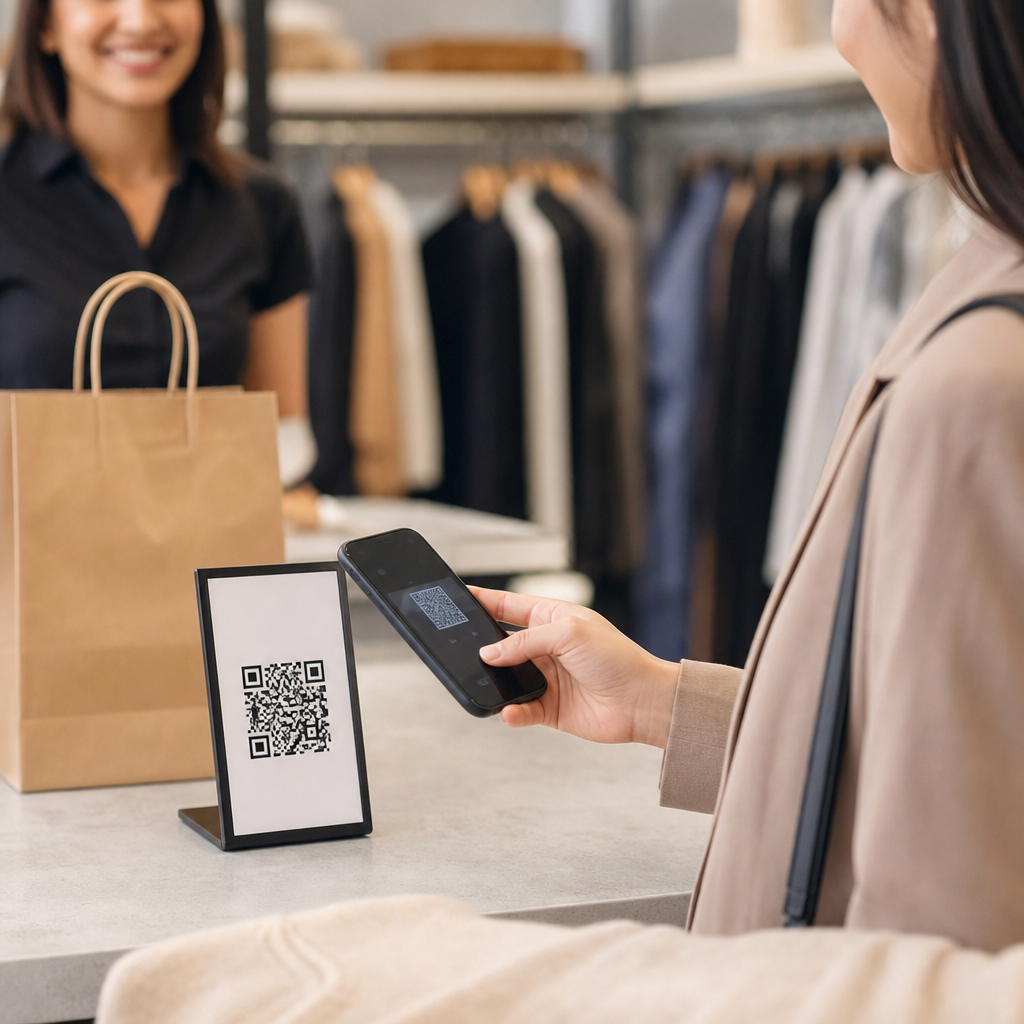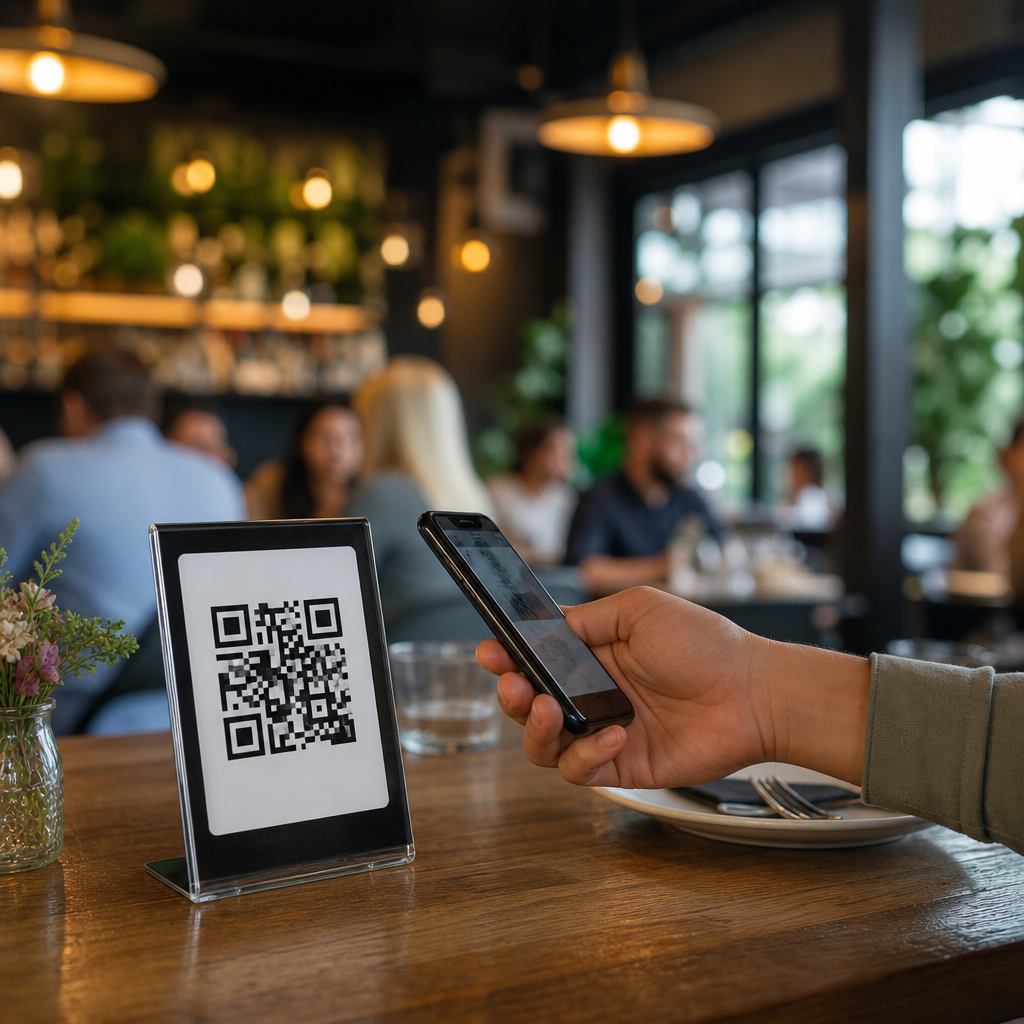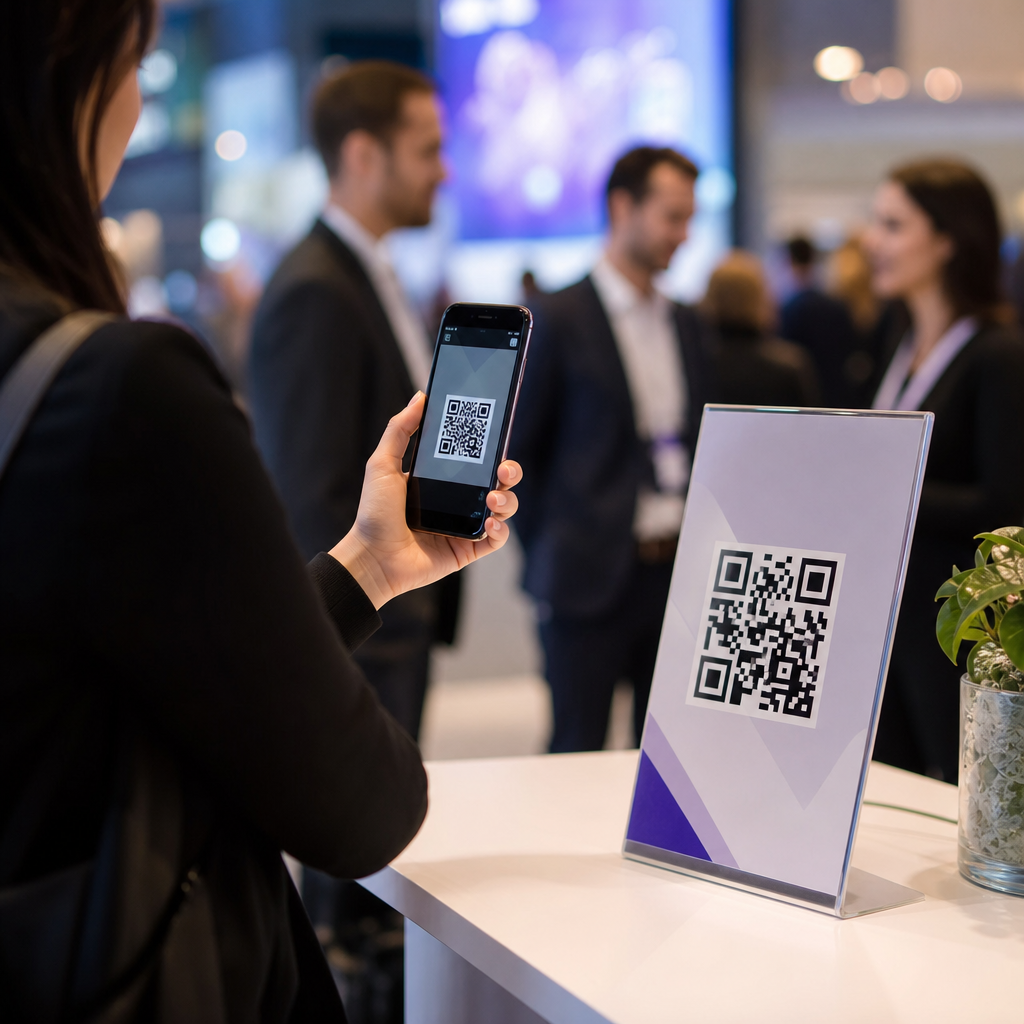
QR code campaign examples that went viral reveal a simple truth: when a quick scan unlocks something genuinely useful, surprising, or shareable, people participate at scale. A QR code, short for quick response code, is a two-dimensional barcode that stores a URL, file, payment instruction, app link, or other machine-readable data. In marketing, a QR code campaign uses that scan behavior to bridge physical attention and digital action. I have worked on retail, event, packaging, and out-of-home campaigns where the difference between a mediocre scan rate and a breakout result came down to execution details most teams ignore.
This matters because QR codes now sit at the intersection of mobile behavior, offline media measurement, and customer acquisition. Smartphone cameras read them natively, consumers recognize them instantly, and brands can tie scans to sessions, conversions, and revenue with UTM parameters, dynamic redirects, and analytics dashboards. Successful QR code campaigns are not successful because the code itself is novel. They work because the offer is obvious, friction is low, and the context makes scanning feel worthwhile. Viral performance adds another layer: the campaign gives people a reason to share, film, post, or talk about what happened after the scan.
As a hub topic, successful QR code campaigns includes packaging activations, restaurant ordering, ticketing, payments, augmented reality, product authentication, social filters, loyalty programs, and public stunts. Some campaigns go viral through scale, such as a national product launch. Others spread because the mechanic is clever, such as turning a storefront into a game or a billboard into an instant purchase path. The common thread is clarity. If users need to guess what happens next, scan rates fall. If the destination page loads slowly, trust drops. If the code sits where people cannot comfortably scan it, even a strong creative idea underperforms.
For marketers building a QR code campaign hub, studying viral examples is useful because the same principles transfer across channels. A code on coffee packaging, a concert poster, a direct mail piece, and a taxi-top ad all ask the same questions: why should I scan, what do I get, and how fast can I get it. The best answers are concrete. Scan to unlock early access. Scan to see the ingredient source. Scan to claim the discount before midnight. Scan to vote live during the event. Those direct promises, backed by mobile-first landing pages and dependable tracking, are what turn ordinary QR placements into memorable, measurable campaigns.
What makes a QR code campaign go viral
A viral QR code campaign usually combines five factors: visible placement, a strong incentive, immediate payoff, social proof, and low-friction mobile design. In practice, I have seen scan volume rise dramatically when brands replace vague copy like “learn more” with precise value propositions like “scan for 20% off today” or “scan to unlock the hidden menu.” The code must also be large enough, high contrast, and positioned where a person can scan without awkward angles, glare, or motion. A brilliant mechanic on a badly printed code never gets the chance to work.
The incentive does not need to be a discount. Many high-performing successful QR code campaigns use access, exclusivity, or entertainment instead. Product drops, behind-the-scenes video, AR filters, voting rights, and instant personalization all create urgency. Viral reach appears when the post-scan experience is worth showing other people. That is why campaigns tied to UGC often outperform static coupon pages. If scanning creates a collectible, a personalized result, or a visual reveal, users naturally share screenshots and videos.
Measurement also separates viral stories from anecdotal ones. Dynamic QR codes let marketers change the destination without reprinting, segment traffic by location, and compare placements across stores, products, or media buys. Named tools such as Bitly, QR Code Generator PRO, Beaconstac, Uniqode, and Google Analytics 4 make it possible to attribute scans to downstream behavior. When teams pair every code with campaign tags, event tracking, and mobile conversion goals, they can see whether a billboard generated curiosity only or actual purchases, sign-ups, or app installs.
Viral QR code campaign examples across industries
Some of the best QR code campaign examples went viral because they used the physical world as a trigger for a digital story. Coinbase’s Super Bowl ad is the most cited recent example. The ad showed a bouncing QR code on a blank screen, reminiscent of an old DVD screensaver. Curiosity drove massive scans, traffic surged, and the landing page offered a crypto giveaway. The campaign demonstrated that mystery can work when the brand already has broad awareness and the payoff is immediate. It also showed the risk: reports indicated the sudden traffic spike strained the destination experience, proving server readiness is part of campaign design.
Restaurant and beverage brands have used QR codes effectively on packaging and in-store surfaces. Heinz placed QR codes on bottles and displays to send users to recipes, promotions, and product storytelling. Starbucks normalized QR-based payment and loyalty long before many competitors, training customers to see scanning as a fast utility rather than a gimmick. Pepsi and Coca-Cola have both tied packaging scans to music, contests, and limited-time experiences, using the product itself as always-on media. In these cases, virality often comes from repeat exposure. Millions of items on shelves create millions of invitations to scan.
Fashion and beauty campaigns often go viral by adding authentication and personalization. Brands including L’Oréal and select luxury labels have used product-linked codes to verify authenticity, explain ingredients, and connect buyers to tutorials. A cosmetics QR code campaign can turn a package into a mini consultant: scan to match a shade, watch an application video, and save the product to a wishlist. When the result solves a real buyer problem, scans are high and customer support questions drop. When the result includes a shareable transformation or filter, social reach follows naturally.
Events, museums, and live entertainment also generate strong case studies. Festivals use QR codes for cashless payment, lineup updates, map access, and surprise perks. Museums place codes near exhibits to layer in audio, archival footage, or multilingual context without cluttering the physical space. Concert tours increasingly use seat-specific or merch-specific codes to push exclusive content and post-show offers. These are successful QR code campaigns because they respect the moment. People do not want long forms at a crowded venue; they want one tap after the scan and a clear next step.
Common patterns behind successful QR code campaigns
Across industries, the strongest campaigns tend to follow the same operating rules. They are simple enough to understand instantly, but not shallow. They connect the code to a concrete reward, but the reward fits the setting. They reduce clicks, shorten forms, and design for one-handed mobile use. Most importantly, they align creative, technology, and operations before launch.
| Campaign pattern | How it works | Why it performs |
|---|---|---|
| Instant incentive | Scan leads directly to discount, giveaway, or redemption page | Clear value lifts first-time scan rates |
| Exclusive access | Code unlocks limited content, early product drop, or VIP registration | Scarcity increases urgency and sharing |
| Interactive utility | Scan opens menu, payment, map, authentication, or how-to guide | Practical usefulness drives repeat behavior |
| Social experience | Code launches filter, game, vote, or personalized result | Users create content that amplifies reach |
| Serialized tracking | Dynamic or unique codes track location, product, or user journey | Teams can optimize placements and prove ROI |
I have found that the “utility plus delight” combination is especially powerful. A plain utility scan, such as opening a PDF menu, may produce strong usage but little sharing. A delight-only scan, such as a novelty animation with no clear purpose, may get attention but weak conversion. Combine the two, and performance improves. For example, a food package can open nutritional information first, then offer a personalized recipe builder and coupon. That sequence satisfies intent while creating an optional moment worth sharing.
Another recurring pattern is local relevance. National campaigns often look uniform, but the best operators customize landing pages by store, city, event date, weather, or inventory. A QR code on a window poster should not lead every user to the same generic homepage. It should detect location or route by code ID to the nearest store, local offer, or in-stock product set. That small technical choice often doubles the business impact of the same creative asset.
How brands design QR campaigns that spread
To create successful QR code campaigns, start with the user’s question at the moment of scanning. On packaging, the question may be “what is this product and why should I trust it.” On a poster, it may be “is this worth my time right now.” On a table tent, it is often “how quickly can I order.” Build the landing flow around that intent, not around internal brand messaging. In real campaigns, I map one primary action per code and resist the urge to turn every destination into a crowded microsite.
Creative execution matters as much as technology. Use a visible call to action, but keep it specific. “Scan to see the full recipe in 15 seconds” will outperform “scan here.” Maintain sufficient quiet zone around the code, test print sizes at real distances, and avoid placing codes on curved surfaces where distortion can break readability. ISO/IEC 18004 defines the QR code standard, but field testing matters more than theoretical compliance. I test in daylight, low light, cracked-screen conditions, and older phones before approving a campaign.
Technical reliability is nonnegotiable. The destination must load fast on cellular data, render cleanly on iPhone and Android browsers, and avoid interstitial friction. If app download is required, offer a browser fallback. If a form is necessary, minimize fields and support wallet passes, autofill, and one-tap sign-in where possible. Security also matters. Consumers have learned to be cautious about unknown codes, so branded URLs, HTTPS, and familiar domain structures improve trust. For product authentication or regulated industries, signed URLs and anti-counterfeit serialization add another layer of protection.
Distribution strategy determines whether a good campaign stays niche or goes viral. Seed the code where people already pause, queue, wait, or unbox. Pair offline placements with creator content that demonstrates the scan outcome. Encourage employees, retail partners, or event staff to explain the benefit in one sentence. Then monitor live metrics and iterate quickly. Dynamic redirects allow teams to swap a weak offer, fix a page, or localize content without replacing printed materials. That adaptability is one of the strongest advantages QR marketing offers over static URLs.
Key metrics, mistakes, and lessons from real campaigns
The core metrics for a QR code campaign are scan rate, unique scans, landing-page engagement, conversion rate, assisted revenue, repeat scans, and location or placement performance. For packaged goods, I also watch scan-to-purchase lag and repeat household activity. For events, I track peak-minute concurrency, since a code shown on a stage screen can create an intense traffic burst. A “viral” campaign that only generates scans but no meaningful downstream action may be entertaining, yet commercially weak. Good reporting distinguishes curiosity from customer value.
Common mistakes are predictable. Brands put codes in places that are impossible to scan from moving cars, too high on walls, behind reflective glass, or on low-resolution screens. They send users to desktop pages, app stores without context, or generic homepages with no message match. They fail to tag URLs, so they cannot tell which placements worked. They print static codes too early, then cannot adjust when stock changes or an offer expires. And they underestimate operations, especially hosting capacity, customer service readiness, and retail staff training.
The lesson from the best successful QR code campaigns is disciplined usefulness. Give people a clear reason to scan, deliver exactly what was promised, and make the next action effortless. If you are building your own QR code campaign hub, study examples by environment: packaging, posters, direct mail, in-store signage, product labels, events, and television. Each environment changes scan distance, intent, and dwell time. Matching those factors to the right incentive is what turns a simple black-and-white square into a measurable growth channel.
QR code campaign examples that went viral are not accidents. They succeed because teams combine sharp creative, practical mobile UX, reliable infrastructure, and rigorous measurement. The best campaigns make scanning feel natural, not forced, and useful, not ornamental. Whether you want more sales, stronger loyalty, better attribution, or richer product storytelling, the same rule applies: the value exchange must be obvious within seconds. Start with one focused use case, test in the real world, and refine based on scan and conversion data. Then expand from that foundation into more ambitious successful QR code campaigns across your channels.
Frequently Asked Questions
What makes a QR code campaign go viral instead of getting ignored?
A viral QR code campaign usually succeeds because it offers immediate value with very little friction. People scan when they believe they will get something worth their time, whether that is exclusive content, a discount, a game, a surprise reveal, early access, or a socially shareable experience. The strongest campaigns do not treat the QR code as the idea itself. They treat it as the doorway to the idea. In practice, that means the code appears in a context where curiosity is already high, the call to action is clear, and the landing experience loads fast on mobile.
Another major factor is emotional trigger. Campaigns that spread tend to create surprise, delight, urgency, or status. A code on packaging that unlocks a limited-edition drop, a billboard that reveals a live challenge, or an event activation that rewards people instantly can all create the kind of momentum that encourages screenshots, reposts, and word of mouth. Viral examples often combine offline visibility with digital amplification, so one scan does not just lead to a transaction, it leads to content people want to show others.
Execution matters just as much as concept. If the destination page is slow, confusing, or not optimized for phones, participation drops sharply. The best-performing campaigns also make the next step obvious. Instead of sending people to a generic homepage, they route scanners directly to one focused experience tied to the promise on the sign, package, poster, or product. That clarity is one of the biggest differences between a campaign that gets noticed and one that spreads.
Where have viral QR code campaign examples worked best in the real world?
QR code campaigns have worked especially well in retail, live events, product packaging, restaurants, transit environments, and out-of-home advertising. These are high-attention physical spaces where people are already pausing, browsing, waiting, or interacting with a brand. In retail, for example, QR codes on shelves, endcaps, window displays, or fitting room signage can unlock product demos, reviews, styling guides, loyalty rewards, or instant promotions. When the scan solves a real customer question in the moment, engagement rates improve dramatically.
Events are another strong category because they naturally combine energy, urgency, and participation. A QR code on badges, stage screens, booths, or venue signage can trigger contests, agenda downloads, networking experiences, scavenger hunts, merchandise claims, or exclusive content drops. Because attendees are already primed to interact, well-placed codes can quickly become part of the event conversation and spread through social posts. Packaging also performs well because it turns a static product into a repeat digital touchpoint. Brands have used QR codes on boxes, labels, and inserts to deliver recipes, how-to videos, product authentication, reordering, warranty registration, or collectible experiences.
Out-of-home campaigns can be especially powerful when the creative is bold and the payoff is immediate. Billboards, transit ads, street installations, and public posters can generate huge attention when paired with a strong hook. The most successful examples are usually location-aware, visually simple, and highly mobile-friendly. In each of these settings, the principle is the same: the scan must feel natural in context and lead to something people genuinely care about right then and there.
What are the most common traits shared by successful viral QR code campaigns?
The best campaigns usually share five traits: a compelling reason to scan, a clear call to action, low-friction mobile experience, strong creative placement, and measurable follow-through. First, there has to be a clear benefit. “Scan to learn more” is weak because it is vague. “Scan to unlock a secret menu,” “Scan to enter today’s giveaway,” or “Scan to see the surprise drop” gives people a concrete reason to act. Specificity consistently outperforms generic messaging.
Second, winning campaigns make the next step effortless. The landing page should load quickly, match the message on the code placement, and require as few taps as possible. If users need to pinch, scroll endlessly, or search for the real offer after scanning, the campaign loses momentum. Third, placement and timing matter. A QR code placed where people already have dwell time, such as in line, on transit, at a display, on packaging after purchase, or at a live activation, performs much better than a code dropped into an environment where people are rushed or distracted.
Fourth, successful campaigns are built to be shared. That could mean the scan opens a visually striking reveal, a personalized result, a contest mechanic, or a reward worth posting. Finally, the strongest campaigns are trackable and iterative. Marketers who use dynamic QR codes, tagged URLs, and location-specific variations can see which placements, messages, and offers are actually driving scans and conversions. Viral success often looks spontaneous from the outside, but it is usually the result of disciplined testing, clear incentives, and smart optimization behind the scenes.
How can brands measure whether a QR code campaign is truly successful?
Success should be measured beyond raw scan volume. A large number of scans may indicate strong curiosity, but that does not automatically mean the campaign delivered business value. The better approach is to track the full journey: scans, unique users, click-through behavior, dwell time, conversions, revenue, sign-ups, coupon redemptions, app installs, content shares, and repeat engagement. The right success metrics depend on the campaign objective. If the goal is awareness, reach and shareability may matter most. If the goal is sales, then conversion rate, average order value, and assisted revenue become more important.
Dynamic QR codes are especially useful because they allow brands to update destinations without reprinting materials and often provide scan analytics such as time, location, device type, and volume trends. When combined with UTM parameters, analytics platforms, CRM systems, and point-of-sale data, QR campaigns become much easier to evaluate. For example, a retailer can compare scans from window signage versus packaging inserts, or an event team can identify which booth activation drove the highest lead quality. This makes it possible to move from guessing to actual performance management.
It is also important to define what qualifies as success before launching. A campaign designed to build buzz may be considered successful if it generates user-generated content, media pickups, and social mentions, even if direct sales are modest. On the other hand, a promotional packaging campaign might need to prove redemption rates and customer retention. The most effective teams look at both leading indicators, such as scans and engagement, and lagging indicators, such as sales impact and lifetime value. That wider view gives a much more accurate picture of whether a QR code campaign truly worked.
What mistakes should marketers avoid when trying to create a viral QR code campaign?
The biggest mistake is assuming the QR code itself is enough to attract interest. It is not. People need a compelling reason to scan, and that reason has to be communicated instantly. Weak calls to action, generic destination pages, and poor creative integration are some of the most common failure points. Another major issue is sending scanners to a homepage instead of a purpose-built mobile landing page. Every extra second of confusion reduces completion rates, especially in fast-moving retail, event, or street-level environments.
Marketers also underestimate the importance of placement, sizing, and usability. A QR code that is too small, placed too high, poorly lit, distorted by curved packaging, or positioned where people cannot safely stop and scan will underperform no matter how strong the offer is. Testing in the real environment matters. So does making sure the linked experience works across different devices, browsers, and connection speeds. If the destination requires app downloads, logins, or long forms before delivering value, participation can drop fast unless the reward is exceptionally strong.
Another avoidable mistake is failing to connect the campaign to clear measurement. Without tracking, brands may misread curiosity as impact or miss the placements and messages that are actually driving results. Finally, many campaigns neglect the social layer. If the experience is useful but not memorable, it may convert but not spread. If it is flashy but not useful, it may attract attention but fail commercially. The most effective QR code campaigns balance utility, novelty, speed, and shareability. That balance is what turns a simple scan into meaningful engagement at scale.