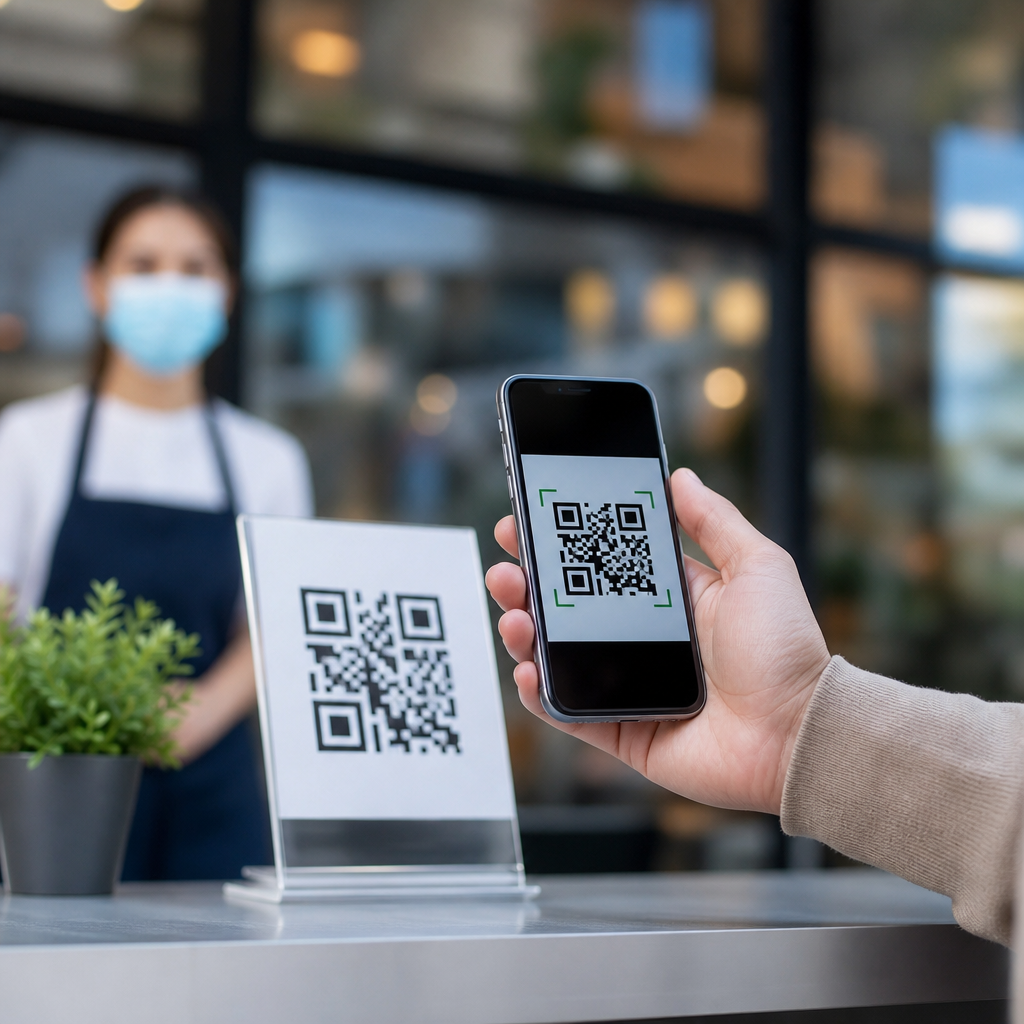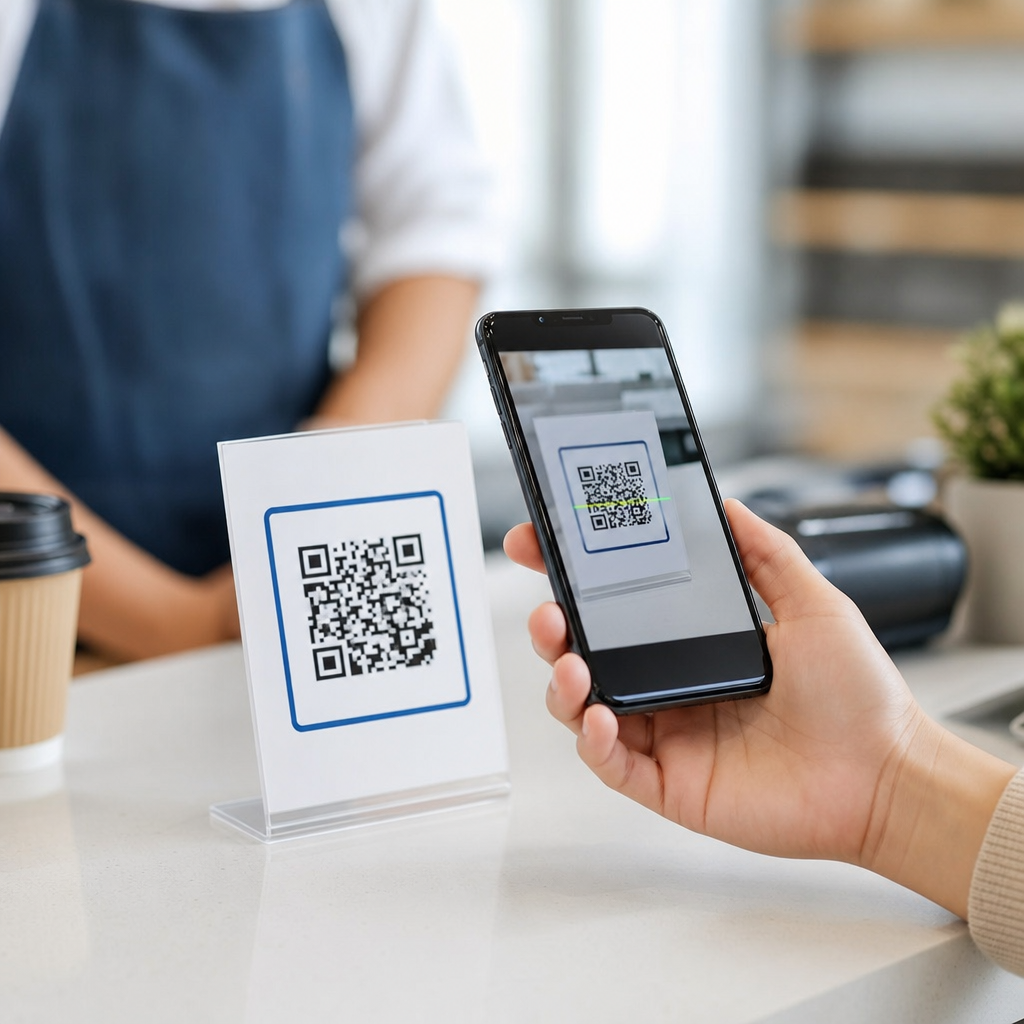
A payment QR code is a scannable two-dimensional barcode that stores the information needed to initiate and complete a financial transaction, typically by linking a customer’s banking app, digital wallet, or payment processor to a merchant, invoice, or checkout request. In practice, I have seen payment QR codes reduce queue times at events, simplify bill payment for small retailers, and give service businesses a low-cost way to accept digital payments without buying complex point-of-sale hardware. For readers exploring QR Code Basics & Education, this topic matters because payment QR codes sit at the intersection of convenience, security, and modern commerce, and they are now one of the most important types of QR codes used in daily life.
At a basic level, a QR code works by encoding data in a square grid that a smartphone camera or scanning app can interpret. A payment QR code does not move money by itself; instead, it carries instructions such as a merchant identifier, account reference, amount, currency, invoice number, or payment URL. When scanned, the user is directed to a banking or payment environment where the transaction is authenticated. That distinction is important. A payment QR code is a trigger for a payment workflow, not a bank account in visual form.
There are several ways to classify payment QR codes. The most common split is static versus dynamic. A static payment QR code contains fixed information, such as a merchant wallet address or account reference, and can be printed once and reused many times. A dynamic payment QR code is generated for a specific transaction and can include an exact amount, an order ID, expiration controls, and reconciliation data. Other categories include consumer-presented versus merchant-presented codes, wallet-based versus bank-based systems, and in-store versus remote payment QR flows. Understanding these types of QR codes helps businesses choose the right setup and helps consumers recognize what they are scanning.
Payment QR codes matter because they solve practical problems. They lower acceptance costs for small merchants, support contactless transactions, and work well in markets where card terminals are expensive or internet infrastructure is uneven. They also support interoperability when standards are adopted across banks and payment providers. In countries such as India, Brazil, and China, QR-based payments became mainstream because they met users where they already were: on smartphones. For businesses building their knowledge of QR code types, payment QR codes are a core category because they show how a simple visual code can connect physical spaces, digital checkout, accounting systems, and customer behavior in one scan.
How payment QR codes work
A payment QR code works by encoding a payload that a supported app can read and translate into a payment request. Depending on the scheme, that payload may include a merchant name, merchant category code, acquiring institution, payment network identifier, destination account, amount, tax information, and free-form reference text. Standards vary by country and provider, but the logic is consistent: scan, review, authenticate, confirm. In my experience implementing these systems for local merchants, the biggest misconception is that the code itself confirms payment. It does not. Settlement happens through the connected banking or wallet rails after the app validates and authorizes the transaction.
The user journey is usually simple. A customer opens a camera or payment app, scans the code, sees the payee details and amount, confirms with a PIN, password, or biometric authentication, and receives a success screen. The merchant may receive an instant on-screen confirmation, a push alert, or a backend update through an API. Dynamic payment QR codes are especially useful here because they tie each transaction to a specific order, making reconciliation far easier than matching a stream of generic transfers at the end of the day.
Payment QR code systems often rely on formal standards. EMVCo QR specifications are widely used in card-linked and account-based environments. National systems may add their own layers, such as UPI QR in India or Pix QR in Brazil. These frameworks matter because standardization improves interoperability, reduces merchant confusion, and increases trust. When businesses ask which type of QR code they should use for payments, the first answer is usually: use the format supported by your bank, payment service provider, and the dominant customer apps in your market.
Types of payment QR codes
The most important types of payment QR codes can be grouped by how they are generated, displayed, and processed. Static payment QR codes are fixed and reusable. A café may print one at the counter so customers can manually enter the amount after scanning. Dynamic payment QR codes are unique to each transaction. A restaurant bill, ecommerce invoice, or self-checkout kiosk typically generates a fresh code with the exact amount already embedded. Dynamic codes improve reconciliation, reduce underpayment risk, and can expire automatically, which is why larger merchants usually prefer them.
Another useful classification is merchant-presented versus customer-presented. In a merchant-presented flow, the seller shows a QR code and the customer scans it to pay. This is the most familiar model for retail counters, taxis, vending machines, and printed invoices. In a customer-presented flow, the buyer shows a QR code generated by a wallet app, and the merchant scans it with a POS device. This model is common in loyalty-linked wallets and some transit or hospitality environments. Both are payment QR codes, but the operational requirements are different because one depends more on the customer device and the other depends more on merchant scanning hardware.
There are also network-specific types of QR codes. Some route payments through card schemes, some through instant bank transfer systems, and others through closed-loop wallets such as merchant apps or super apps. Closed-loop wallet QR codes can be fast and inexpensive inside one ecosystem, but they may limit reach if customers do not use that wallet. Open or interoperable bank-linked QR codes generally offer broader acceptance, though implementation can require stricter compliance and settlement processes.
| Type | How it works | Best use case | Main tradeoff |
|---|---|---|---|
| Static payment QR code | Reusable code with fixed payee details | Small shops, tips, simple bill payment | Manual amount entry and harder reconciliation |
| Dynamic payment QR code | Unique code generated per transaction | Retail POS, invoices, ecommerce, utilities | Needs software integration or generation system |
| Merchant-presented QR | Merchant displays code for customer scan | Counters, posters, tables, receipts | Customer app compatibility matters |
| Customer-presented QR | Customer shows wallet code to merchant scanner | Loyalty apps, transit, closed ecosystems | Merchant needs scanner or POS support |
| Bank-linked interoperable QR | Routes through bank or national payment rails | Broad acceptance and account-to-account payments | Compliance and onboarding can be stricter |
Where payment QR codes are used
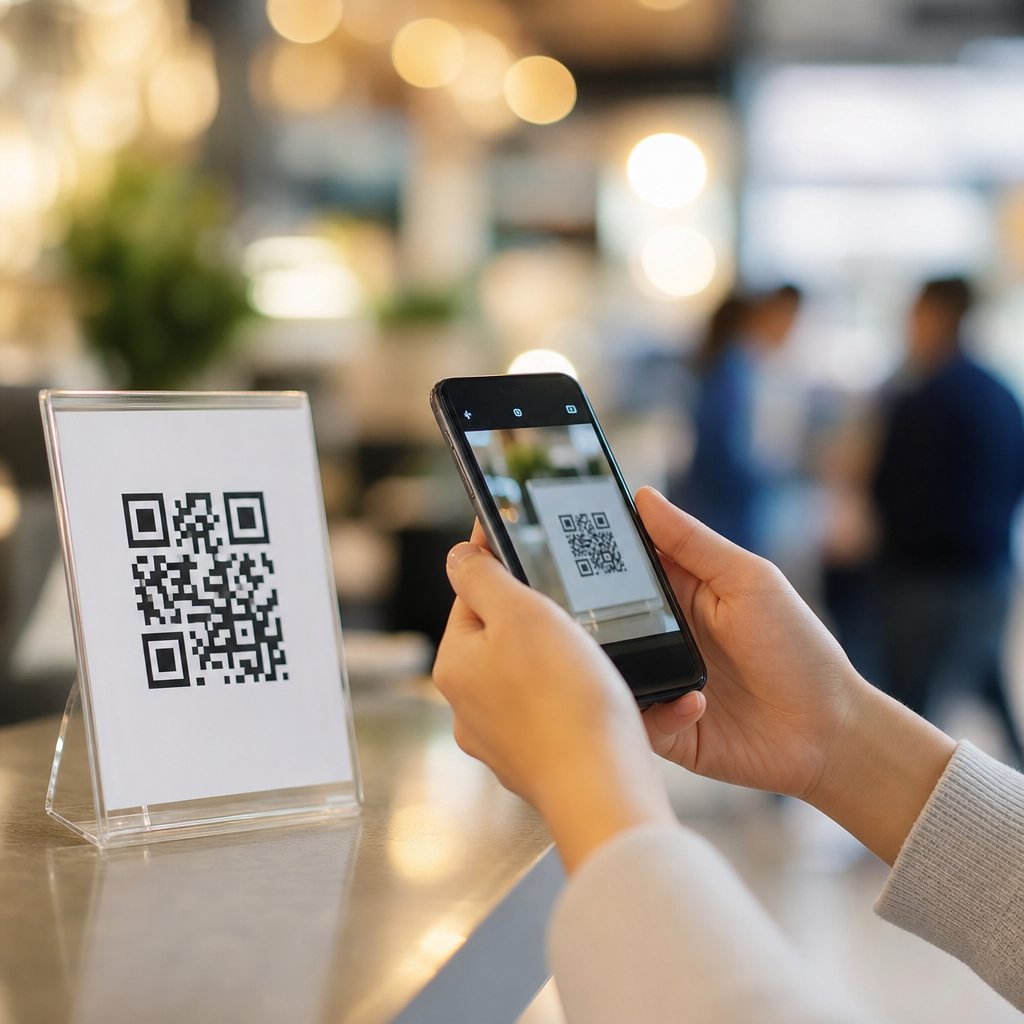
Payment QR codes are used across physical retail, online-to-offline commerce, peer-to-business transactions, and bill payments. In stores, they appear on countertop stands, menus, shelf talkers, and checkout screens. Restaurants use table QR codes for pay-at-table flows. Freelancers place them on invoices. Utilities use them on printed statements so customers can pay without typing long account numbers. I have also seen payment QR codes used effectively at markets and temporary events where installing card terminals for every vendor would be impractical.
In ecommerce and omnichannel settings, payment QR codes often support desktop-to-mobile checkout. A customer shopping on a laptop can scan a code with a banking app on a phone and complete payment securely without entering card details into the browser. This reduces friction and can improve conversion, especially in markets where mobile banking adoption is high. It also creates a cleaner path for account-to-account payments, which may lower merchant fees compared with traditional card processing.
Cross-border use is growing, but it remains uneven. Tourists increasingly expect to scan and pay abroad using familiar apps, yet interoperability between countries depends on regulatory agreements, network partnerships, and currency settlement rules. Businesses should not assume that every payment QR code works globally. Support must be checked at the scheme and acquirer level.
Benefits, limitations, and security considerations
The main benefit of a payment QR code is simplicity. Merchants can start accepting digital payments with minimal hardware, and customers can pay with a device they already carry. QR payments are also contactless, which became especially valuable during the pandemic and remains important for speed and hygiene. Dynamic codes add operational benefits by carrying exact transaction data, improving reconciliation, reducing payment disputes, and supporting automatic status updates through APIs.
There are limits. Static payment QR codes are cheap to deploy but easy to misuse if staff rely on screenshots or if customer-entered amounts are not checked carefully. Dynamic payment QR codes are stronger operationally, yet they require software, connectivity, and integration with payment providers. User adoption also depends on trust and familiarity. In some markets, customers still prefer cards or cash, so QR acceptance should complement existing methods rather than replace them abruptly.
Security depends less on the black-and-white pattern itself and more on the payment flow around it. The major risk is code substitution, where a criminal replaces a legitimate merchant QR code with one directing funds elsewhere. This is why tamper checks, staff training, and merchant verification screens matter. Safer systems display the merchant name clearly before confirmation and require app-based authentication such as biometrics or device-bound credentials. Businesses should avoid downloadable image swaps, monitor printed materials, and use dynamic codes from trusted systems whenever possible. Consumers should verify the payee name, avoid scanning codes from suspicious stickers, and use official banking or wallet apps instead of random scanner tools for payments.
Choosing the right payment QR code for your business
Choosing the right payment QR code starts with transaction volume, average ticket size, and how payments are reconciled. For a sole trader collecting occasional payments, a static code may be enough. For a retailer processing hundreds of daily orders, dynamic payment QR codes are the better choice because they attach each payment to a specific sale. If refunds, taxes, split tenders, or inventory updates matter, POS integration is usually necessary.
Next, evaluate customer behavior and market norms. If most customers already use a national instant payment system, adopting that interoperable QR format will usually outperform a niche wallet. If you operate in hospitality or loyalty-heavy retail, a customer-presented wallet QR may add value because it can connect payment, rewards, and promotions in one scan. Businesses should also check settlement times, transaction fees, API quality, dispute handling, and reporting exports before committing to a provider.
Finally, think beyond launch. Good implementation includes visible instructions, staff scripts, confirmation procedures, and fallback options when a device fails or a network drops. The best payment QR code strategy is not the most advanced one; it is the one customers understand immediately, staff can support consistently, and finance teams can reconcile without manual cleanup. If you are building a broader understanding of QR code types, start by mapping your use case to static, dynamic, merchant-presented, customer-presented, and network-linked models, then choose the format that fits your operational reality.
Payment QR codes are one of the clearest examples of how QR technology solves a real business problem. They turn a simple scan into a complete payment journey, whether the goal is paying a shop counter, settling a restaurant bill, covering a utility invoice, or finishing a desktop checkout on mobile. As a core topic within QR Code Basics & Education, they also provide a practical framework for understanding the wider landscape of types of QR codes: some are fixed, some are transaction-specific, some are displayed by merchants, and some are generated by customers or apps.
The key takeaway is straightforward. A payment QR code is not a single universal format but a family of payment-enabled QR methods shaped by standards, networks, and business needs. Static codes are simple and inexpensive. Dynamic codes are more precise and scalable. Interoperable bank-linked systems often offer broader reach, while wallet-based systems can add speed and loyalty features inside specific ecosystems. The right choice depends on customer expectations, reporting needs, and the level of integration your business can support.
If you are comparing types of QR codes for commercial use, payment QR codes deserve special attention because they directly affect revenue, customer experience, and operational efficiency. Review the payment apps your customers already use, confirm which standards dominate your market, and choose a setup that balances convenience with control. Then explore the related QR code types in your educational hub to build a complete strategy for scanning, engagement, and conversion.
Frequently Asked Questions
What is a payment QR code, and how does it work?
A payment QR code is a two-dimensional barcode that contains the data needed to start a payment transaction. When a customer scans it with a banking app, mobile wallet, or payment app, the code directs them to the correct payment destination, such as a merchant account, a checkout page, an invoice, or a prefilled transfer request. Instead of manually typing in account numbers, payment amounts, or references, the user simply scans the code, reviews the payment details, and authorizes the transaction.
In practical terms, payment QR codes act as a bridge between the payer and the payee. The code may store information such as the merchant identifier, account details, transaction amount, currency, invoice number, and payment reference. Some QR codes are static, meaning the same code is used repeatedly and the customer enters the amount manually. Others are dynamic, meaning each code is generated for a specific transaction and can include an exact amount and order details. This makes payment QR codes a fast, accurate, and low-friction way to accept digital payments in stores, at events, for service calls, or on printed invoices.
Are payment QR codes safe to use for businesses and customers?
Yes, payment QR codes can be very safe when they are implemented through trusted payment providers and used with standard security practices. The QR code itself is typically just a container for payment instructions or a secure payment link. It does not usually store sensitive card data in plain view. Security comes from the payment app, banking system, or processor handling the transaction, often with encryption, tokenization, login requirements, and customer authentication steps such as biometrics, passcodes, or device verification.
That said, safety also depends on how the code is presented and where it comes from. Businesses should generate QR codes through reputable payment platforms, keep printed codes protected from tampering, and regularly inspect physical displays to make sure no one has placed a fake sticker over the original code. Customers should verify the merchant name, payment amount, and destination before approving payment. In real-world use, QR payments are generally considered secure, but like any payment method, they work best when both the merchant and the customer pay attention to fraud prevention and only use trusted apps and providers.
What is the difference between a static payment QR code and a dynamic payment QR code?
A static payment QR code stays the same every time it is used. It usually points to a fixed merchant account, payment address, or payment handle. This is common for small retailers, market vendors, freelancers, and service businesses that want a simple, low-cost setup. A customer scans the code, enters the payment amount if needed, and confirms the transaction. Static codes are easy to create and print, but they may require more manual entry and can be harder to match to a specific invoice or order unless the customer adds a reference.
A dynamic payment QR code is generated for a specific transaction. It can include the exact amount due, currency, invoice number, order reference, expiration time, and even customer-specific details. This makes dynamic codes more suitable for e-commerce, restaurant ordering, ticketing, professional invoices, and higher-volume retail environments. They improve accuracy, reduce payment errors, and simplify reconciliation because each payment is tied to a unique request. In many businesses, static codes are ideal for simplicity and affordability, while dynamic codes are preferred when automation, tracking, and payment precision matter more.
What are the main benefits of using payment QR codes for a business?
Payment QR codes offer several major advantages, especially for businesses that want to accept digital payments without investing in expensive point-of-sale hardware. They are affordable to deploy, easy to share digitally or in print, and familiar to customers who already use mobile banking and wallet apps. For small retailers, food stalls, pop-up shops, independent professionals, and field service businesses, a QR code can create a simple payment experience with minimal setup. Instead of handling cash or manually entering payment details, customers can scan and pay in seconds.
They also improve operational efficiency. In many settings, payment QR codes reduce queue times because they speed up checkout and cut down on manual steps. At events, that can mean shorter lines and faster turnover. For invoicing and bill payment, they help customers pay the correct amount to the correct destination with fewer mistakes. For service businesses, they provide a practical way to accept digital payment on-site without carrying bulky terminals. On top of that, QR-based payments can support better recordkeeping, smoother reconciliation, and a more modern customer experience. For businesses looking for a low-cost, flexible, and scalable payment method, QR codes are often one of the easiest tools to implement.
Where are payment QR codes commonly used, and who benefits most from them?
Payment QR codes are used across a wide range of industries because they are flexible and easy to deploy. You will commonly see them in retail stores, cafes, restaurants, market stalls, taxis, delivery services, salons, repair businesses, professional services, charity fundraising, and event venues. They are also widely used on invoices, utility bills, online checkout pages, and appointment confirmations. In each case, the goal is the same: give the customer a fast and convenient way to pay without needing to manually enter payment details or rely only on cash and cards.
The businesses that benefit most are often those looking for simplicity, mobility, and lower overhead. Small retailers can use QR codes to simplify bill payment and reduce checkout friction. Event organizers can use them to move people through lines faster. Mobile service providers such as cleaners, technicians, photographers, and tutors can collect payment on the spot without specialized hardware. Even larger businesses benefit when they want to streamline invoice payment or offer customers another payment option. In short, payment QR codes are especially valuable anywhere speed, convenience, and low-cost digital payment acceptance are important.