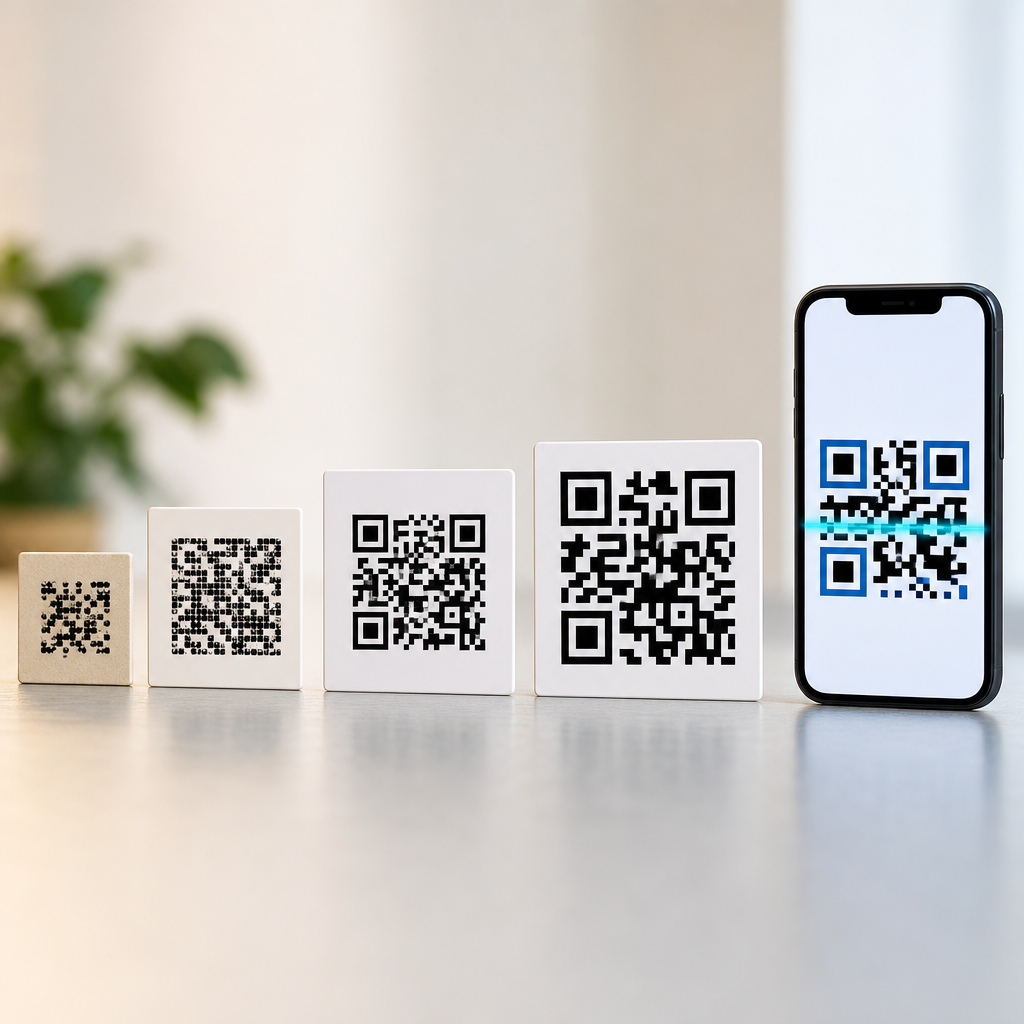
A dynamic QR code is a scannable code whose destination can be changed after printing, letting businesses update links, files, menus, forms, and campaigns without replacing the code itself. That simple capability is the difference between a disposable asset and a reusable one. In QR code projects I have managed for restaurants, field service teams, retail packaging, and event operations, dynamic codes consistently reduce reprint costs, improve measurement, and make campaign changes practical under real deadlines. To understand why, it helps to define the core terms clearly.
A QR code, or Quick Response code, is a two-dimensional matrix barcode standardized under ISO/IEC 18004. Smartphones read the encoded data through a camera app or scanning application, then trigger an action such as opening a URL, displaying text, downloading a file, connecting to Wi-Fi, or saving contact details. A static QR code stores the final destination directly in the pattern. A dynamic QR code usually stores a short redirect URL or identifier managed by a QR code platform. When someone scans it, the platform forwards the user to the current destination you have set.
That redirect layer is what makes dynamic QR codes so useful. If a printed poster initially points to a spring sale page and the campaign later ends, you can change the destination to a summer offer, a waitlist, or a store locator without touching the artwork. You also gain analytics, because the platform can log scan counts, timestamps, devices, rough locations, and other metadata before sending the user onward. Static codes still have valid uses, especially for permanent information like plain text or a fixed URL, but they cannot match the flexibility of dynamic codes for active marketing or operational workflows.
This topic matters because QR codes now sit at the intersection of offline and digital behavior. Packaging, point-of-sale signage, invoices, manuals, museum labels, business cards, and direct mail all use them. Once a code is printed on ten thousand boxes or installed across fifty stores, changing it becomes expensive. Choosing static versus dynamic at the start affects campaign agility, data quality, compliance review, and long-term maintenance. This guide explains how dynamic QR codes work, how they compare with static QR codes, when each option is best, and what to look for when selecting a QR code generator for durable, measurable deployment.
How a dynamic QR code works
A dynamic QR code does not usually embed the final content directly. Instead, it encodes a short URL controlled by a QR management service. When scanned, that short link resolves through the provider’s server, which then issues an HTTP redirect to the destination you configured. In most implementations, the redirect is a 301 or 302 depending on platform logic and editing behavior. The user experience is nearly immediate, but that server-side step creates the administrative control static codes lack.
In practice, the workflow is straightforward. You create a destination such as a landing page, PDF, app link, vCard, Google Maps location, coupon page, or digital menu. The platform generates a short redirect link and converts it into the QR code image. After printing or publishing the code, you can log into the dashboard and change the underlying destination. I have used this approach during event rollouts where venue maps changed the night before doors opened; updating one dynamic code prevented thousands of attendees from seeing outdated directions.
Most dynamic QR platforms also attach reporting. Common metrics include total scans, unique scans, time of day, operating system, city-level geolocation derived from IP, and conversion events when integrated with analytics tools. Better systems support UTM parameters, custom domains, password protection, expiration windows, scan limits, and A/B testing. Some also offer conditional redirects by device language, location, or operating system. For example, a single code on app promotion signage can send iPhone users to the App Store and Android users to Google Play automatically.
Because the code depends on a managed redirect, dynamic QR codes require an active service. That creates a tradeoff: you gain editability and reporting, but you rely on provider uptime, account status, and subscription continuity. Reputable platforms mitigate this with custom domains, export controls, and service-level commitments. For important deployments, I advise documenting ownership, renewal dates, and redirect mappings so the QR code remains manageable even if staff, agencies, or vendors change.
Static vs dynamic QR codes: the key differences
The easiest way to compare static and dynamic QR codes is to focus on destination flexibility, analytics, density, and ongoing dependencies. A static QR code is fixed at creation. If it points to the wrong URL or the destination changes, the code must be replaced everywhere it appears. A dynamic QR code can be edited after printing, which makes it ideal for any use case where content, campaigns, or inventory may change. For teams managing multiple touchpoints, that difference is operationally significant, not just convenient.
Static codes generally contain more of the actual data inside the symbol. If the URL is long, the code can become denser, which may reduce scanning reliability at small print sizes or on low-contrast materials. Dynamic codes often encode a shorter link, which can produce a cleaner pattern with easier scanning. Error correction levels, quiet zone spacing, print quality, contrast ratio, and module size still matter, but the shorter data payload can be an advantage in constrained packaging and label layouts.
Analytics are another decisive difference. A static QR code cannot report scans by itself because no managed redirect records the event. You can attach campaign parameters to the destination URL and analyze landing page sessions in Google Analytics, but you will not capture every scan scenario with the same granularity, especially if the page fails to load or users bounce immediately. Dynamic QR codes record the scan event before the redirect, creating a stronger measurement layer for campaign optimization and auditing.
The tradeoff is permanence versus control. Static QR codes can function indefinitely as long as the encoded content remains valid. They do not depend on a subscription service. Dynamic QR codes depend on a platform or redirect infrastructure, so vendor reliability and account governance become part of the decision. For a Wi-Fi password in a conference room or a plain text equipment ID, static may be sufficient. For menus, promotions, manuals, forms, and packaging campaigns, dynamic is usually the better long-term choice.
| Factor | Static QR Code | Dynamic QR Code |
|---|---|---|
| Editable after printing | No | Yes |
| Scan analytics | Limited or indirect | Built in on most platforms |
| Best for | Permanent information | Campaigns and changing content |
| Data density | Often higher for long URLs | Often lower due to short redirects |
| Dependency | None beyond destination validity | Requires provider uptime and account |
When to use a dynamic QR code
Use a dynamic QR code when the destination may change, when you need measurement, or when multiple teams share responsibility for the asset over time. Restaurant menus are the classic example. Prices, seasonal items, allergens, and availability change constantly. A static menu code printed on table tents creates immediate reprint risk. A dynamic menu code lets the operator update the hosted menu, switch to a holiday menu, or route diners to online ordering during a rush. During the pandemic, this flexibility moved from nice-to-have to essential for many hospitality teams.
Retail packaging is another strong fit. I have seen consumer brands place a single dynamic code on product boxes that initially linked to setup instructions, then later redirected buyers to troubleshooting videos, registration pages, or accessory bundles. Because packaging inventory can sit in warehouses for months, the ability to update the destination preserves usefulness long after print deadlines pass. It also supports regionalization, where the same code can route users by language or market if the platform supports rules-based redirects.
Dynamic codes are also effective for event operations, real estate signage, nonprofit fundraising, and field service documentation. An event code can switch from registration to agenda updates to post-event surveys. A property flyer can redirect from an active listing to a backup property if the home sells. A donation poster can rotate campaigns while preserving scan history. A field technician can scan an equipment label that always resolves to the latest service manual, even after document revisions. In each case, the value comes from persistent access through a single printed code.
Use static QR codes when the encoded content is truly permanent and low risk. Good examples include plain text serial numbers, SMS templates, a fixed email address, or a canonical homepage that is unlikely to change. Even then, many teams still choose dynamic because governance changes faster than expected. Departments merge, microsites retire, and tracking needs evolve. If the code will be printed at scale or remain in circulation for more than a few months, dynamic is often the safer default.
Benefits, limitations, and common mistakes
The main benefit of a dynamic QR code is control after launch. That means fewer reprints, faster campaign changes, and better continuity across physical assets. The second major benefit is insight. You can see which placements generate scans, what time users engage, and whether mobile operating systems respond differently. In one retail pilot I worked on, scan data showed that in-store shelf talkers drove far more engagement on weekends, while package inserts produced steadier weekday scans. That pattern changed the promotion schedule and improved media efficiency.
Another benefit is governance. Dynamic platforms often centralize assets, permissions, and naming conventions. Teams can organize codes by campaign, location, or business unit, then export reports or deactivate outdated links. Features like custom domains also improve brand trust. A branded short link is generally more reassuring than an unfamiliar generic domain, especially in environments where users worry about phishing. Redirect rules can also simplify user experience by sending scanners to the right app store, language version, or localized landing page automatically.
The limitations are real and should be acknowledged. Dynamic codes are not ideal if you need complete independence from third-party infrastructure. If the provider suspends the account, suffers downtime, or sunsets a feature, the user experience can break. Costs also matter. Free plans often cap scans or remove editing and analytics. For high-volume or mission-critical use, evaluate uptime history, custom domain support, API access, data retention policies, privacy controls, and export options. If personal data is involved, review consent flows and regional privacy requirements carefully.
The most common mistakes are avoidable. Teams print codes too small, place them on reflective surfaces, use weak contrast, or omit a clear call-to-action explaining what the scan delivers. They also fail to test at real viewing distances and with different phones. Another frequent error is linking to non-mobile pages, oversized PDFs, or slow websites. A QR code can only accelerate access; it cannot rescue a poor destination. The best deployments combine a scannable code, a short benefit-driven label, and a landing page designed for fast mobile completion.
How to choose a QR code platform and manage it well
Selecting a dynamic QR code generator should start with reliability and ownership, not aesthetics. Look for support for custom domains, editable destinations, scan analytics, bulk creation, folder structure, role-based access, and export capability. If your organization uses marketing automation or analytics platforms, ask whether the provider supports UTM management, webhooks, API access, or integrations with Google Analytics 4, CRM systems, and ad platforms. For enterprise use, security documentation, data processing terms, and retention controls are as important as design templates.
Print performance matters too. Good platforms allow SVG, EPS, or high-resolution PNG export, control over error correction, and safe customization of colors and logos without compromising scan reliability. Follow practical standards: maintain a clear quiet zone, preserve strong contrast, and test the final artwork in context. A code that scans perfectly on screen may fail on corrugated packaging, curved bottles, or sunlit windows. I recommend test prints at intended sizes, then scanning from typical user distances with both iOS and Android devices.
Management discipline is what turns dynamic QR codes into durable infrastructure. Create naming conventions that include channel, location, campaign, and date. Maintain a redirect inventory in a shared document or asset management system. Use branded domains when possible, assign ownership to a team rather than an individual, and set reminders for subscription renewals. For larger organizations, establish a review process for destination changes so compliance, legal, or localization teams can approve updates without delaying urgent edits.
As a hub within QR Code Basics and Education, this topic leads naturally to related guides on QR code testing, ideal print sizes, QR code tracking, restaurant menu QR codes, packaging QR code strategy, and branded QR code design. Those deeper articles can expand each operational area, but the central principle remains simple: if the content might change or you need to measure scans, choose dynamic. If the information is permanent and independence matters most, static can still be appropriate.
A dynamic QR code gives you flexibility, measurement, and operational control that a static QR code cannot provide after printing. By encoding a managed redirect instead of a fixed destination, it allows edits without reprinting and captures useful scan data before the user reaches the final page. That makes dynamic QR codes especially valuable for menus, packaging, events, manuals, fundraising, and any campaign where content evolves over time. Static QR codes still have a place for permanent, low-risk information, but they are a narrower tool.
The practical decision comes down to changeability, scale, and accountability. If thousands of printed assets may stay in circulation for months, a dynamic QR code protects that investment. If you need to compare locations, track engagement, or localize destinations, dynamic is the clear choice. If you want a code that works without platform dependence and the content will never change, static may be enough. In real projects, the future changes more often than teams expect, which is why dynamic has become the default recommendation for most business use cases.
Choose a platform with strong uptime, custom domain support, export options, and analytics you will actually use. Then test thoroughly, label the code clearly, and send users to a mobile-friendly destination that fulfills the promise of the scan. If you are building out your QR Code Basics and Education resources, start with a dynamic-versus-static audit of your current codes. That one review will show where you can reduce reprints, improve reporting, and make every printed QR code work harder.
Frequently Asked Questions
What is a dynamic QR code, and how is it different from a static QR code?
A dynamic QR code is a QR code that points to a short redirect URL rather than directly embedding the final destination inside the code itself. That redirect is managed through a platform, which means the destination can be changed later without altering the printed QR code. In practical terms, you can place the same code on packaging, menus, flyers, signs, service labels, or event materials and update where it sends people at any time.
A static QR code works differently. With a static code, the final URL or data is permanently built into the pattern. Once it has been printed or distributed, it cannot be edited. If the webpage changes, the promotion ends, or the file needs replacing, the code itself must be recreated and usually reprinted. That makes static QR codes fine for permanent, simple use cases, but much less flexible for anything that may change over time.
The real advantage of a dynamic QR code is that it turns the code into a reusable asset instead of a disposable one. Businesses can update links, swap PDFs, change menu pages, redirect to seasonal campaigns, replace forms, or send users to different landing pages based on operational needs. That flexibility is why dynamic QR codes are commonly used in restaurants, retail, field service, events, and marketing campaigns where speed, accuracy, and adaptability matter.
Why do businesses use dynamic QR codes instead of printing a new code every time something changes?
Businesses use dynamic QR codes because they save time, reduce reprint costs, and make updates realistic in day-to-day operations. If a restaurant changes its menu, a retailer updates a product page, or an event organizer needs to change a registration link, a dynamic code allows that update to happen instantly in the dashboard. There is no need to redesign printed materials, wait for new signage, or replace labels already in use.
This matters more than many people expect. In real business environments, links change frequently. Promotions end, files are revised, forms are replaced, and landing pages are optimized. A static QR code turns every one of those updates into a production problem. A dynamic QR code removes that friction by keeping the visible code the same while changing the destination behind it.
There is also a measurement advantage. Most dynamic QR platforms provide scan analytics such as total scans, time of scan, device type, and approximate location data. That gives teams a way to compare placements, test campaign performance, and understand whether a code on packaging, a counter display, or an event badge is actually being used. For many organizations, that mix of flexibility and reporting is the main reason dynamic QR codes become the standard choice.
Can you change the destination of a dynamic QR code after it has been printed?
Yes, that is the core benefit of a dynamic QR code. After the code has been printed and distributed, you can log into the QR code management platform and update the destination it points to. The physical code stays the same, but the scan result changes based on the new settings. That means one printed code can support multiple versions of a campaign, updated files, revised forms, or new web pages over time.
For example, a code on restaurant tables might first point to a lunch menu, then be updated for a dinner menu, seasonal specials, or a customer feedback form. A QR code on product packaging might initially direct users to setup instructions and later be changed to warranty registration, a new product page, or support documentation. Event teams can use the same printed code for schedule updates, venue maps, speaker information, or post-event surveys.
This editability is especially valuable when materials are expensive or difficult to replace. Think of window decals, equipment labels, posters in multiple locations, or codes printed directly on packaging. Instead of treating each printed QR code as a fixed endpoint, a dynamic code lets you treat it as a durable access point that can evolve with the business need. That is what makes it so efficient operationally.
Do dynamic QR codes provide tracking and analytics?
Yes, most dynamic QR codes include analytics because scans pass through a managed redirect before reaching the final destination. That redirect layer gives the platform a chance to record activity such as the number of scans, when the scans happened, what type of device was used, and sometimes broad location information based on IP data. While the exact reporting varies by provider, dynamic QR codes generally offer far more visibility than static codes.
This tracking is valuable for both marketing and operations. A marketing team can compare scan volume across flyers, packaging, displays, and direct mail pieces to see which channels are working. A restaurant can measure whether table tents get more scans than window signage. An event team can monitor whether attendees are engaging with schedules, exhibitor lists, or feedback forms. Even field service organizations can use scan data to understand whether customers are accessing manuals or service instructions on site.
It is important to understand that analytics should be used responsibly and in line with privacy requirements. Dynamic QR reporting is most useful when it helps answer practical questions: which location performs best, which campaign drove scans, when customers engage, and whether a printed asset is delivering value. Used that way, analytics turn QR codes from passive links into measurable business tools.
What are the best use cases for a dynamic QR code?
Dynamic QR codes are best for any situation where the destination may need to change, performance needs to be measured, or printed materials are costly to replace. Restaurants use them for menus, specials, ordering pages, loyalty offers, and review requests. Retail brands use them on packaging to link to product details, instructions, promotions, and support resources. Event teams use them for registration, agenda updates, maps, digital tickets, sponsor pages, and post-event surveys.
They are also highly effective in field service and operations. A code on equipment can point to installation guides today and updated maintenance instructions later. A property management team can place a code on signage that leads to service request forms, emergency contacts, or move-in documentation. Healthcare, education, and nonprofit organizations also benefit when they need to update forms, resource pages, or campaign destinations without reprinting materials already in circulation.
In general, if the information is likely to change or if you want the flexibility to optimize over time, a dynamic QR code is usually the better choice. It supports ongoing improvements without wasting physical assets. That is why businesses that run multiple campaigns, maintain distributed signage, or print QR codes at scale often move quickly from one-off static codes to a dynamic system they can manage long term.