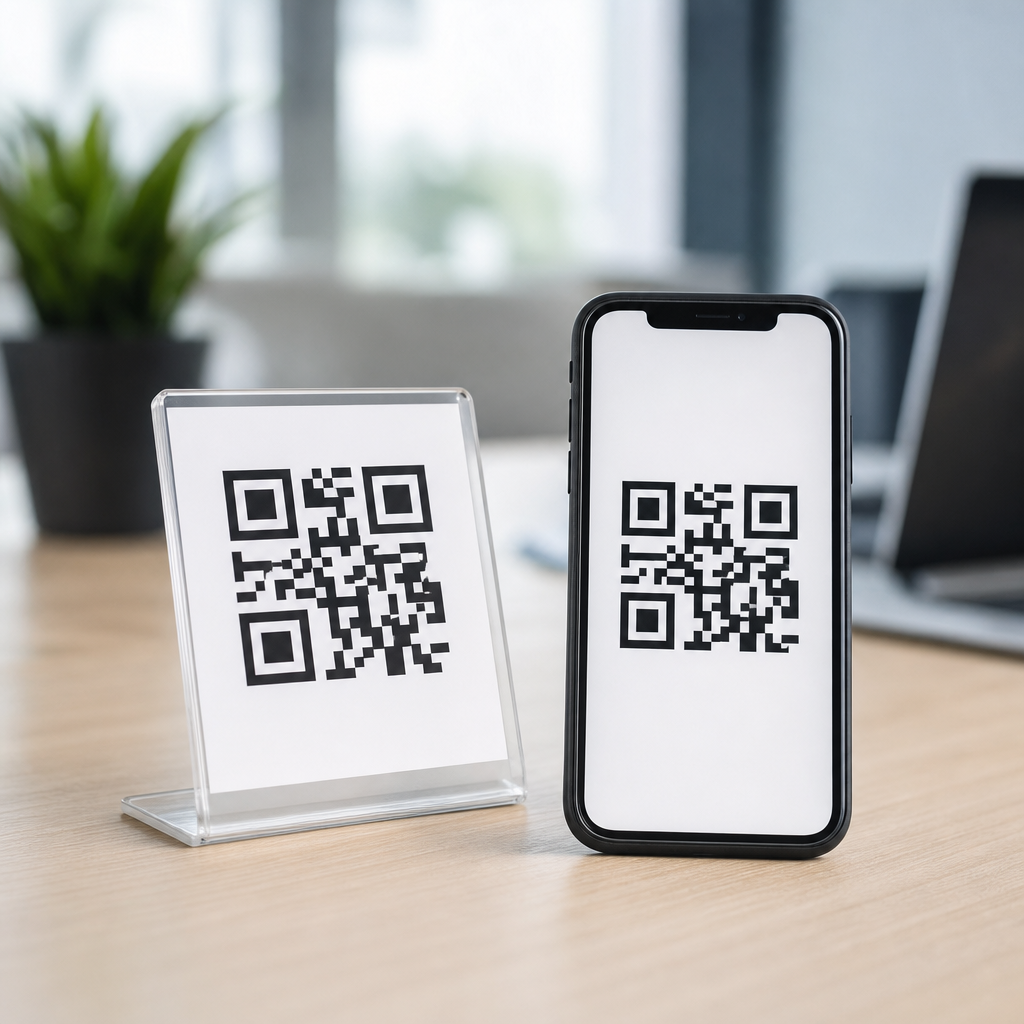
QR codes look simple on the surface, but choosing between a static QR code and a dynamic QR code affects cost, flexibility, security, analytics, and long-term maintenance. In practical terms, a static QR code stores the final destination or data directly in the pattern itself, while a dynamic QR code usually stores a short redirect URL that points to content managed elsewhere. That one architectural difference changes everything from whether you can edit a link after printing to whether you can measure scans by device, time, or location. I have implemented both formats for packaging, restaurant menus, event signage, direct mail, and internal asset tracking, and the wrong choice almost always creates avoidable reprint costs or reporting gaps.
This distinction matters because QR codes are often deployed in physical environments where mistakes are expensive. A flyer, product label, poster, or billboard may stay in circulation for months. If a campaign URL changes, a static QR code cannot be updated without replacing the printed asset. A dynamic QR code can usually be edited in the dashboard of the QR code generator, preserving the same printed symbol while changing the destination behind it. Businesses also care about data. Marketing teams want attribution, operations teams want reliability, and compliance teams want control over where a scan resolves. Understanding static vs dynamic QR codes is not just a technical exercise; it is the basis for deciding which QR code type fits a real business objective.
To evaluate the difference clearly, it helps to define a few key terms. The encoded payload is the information embedded in the QR symbol. Error correction is the redundancy that lets scanners recover data even when part of the code is damaged. A redirect is an intermediate URL that forwards a scanner to the final destination. Editability means you can change the destination later without changing the printed code. Scan tracking refers to analytics such as total scans, unique scans, timestamp, approximate location, operating system, and device type. Once you understand those concepts, the decision between static and dynamic QR codes becomes much easier and far more strategic.
What Is a Static QR Code?
A static QR code permanently encodes the final information inside the symbol. That information might be a website URL, plain text, Wi-Fi credentials, a vCard, an SMS template, or an email address. Because the data is directly embedded, the code works independently of a QR platform after creation. If the QR code contains https://example.com/page-a, scanning it takes the user to that exact address every time unless the destination website itself redirects elsewhere. There is no management layer between the printed code and the destination, which makes static QR codes simple, durable, and often free to generate.
Static QR codes are best when the underlying data will not change. Good examples include linking to a permanent homepage, sharing a fixed contact card, publishing a long-term PDF hosted at a stable URL, or encoding Wi-Fi settings for a guest network that rarely changes. In manufacturing and internal operations, static codes also work well for permanent identifiers where analytics are unnecessary. The main advantage is independence: once generated, a static QR code does not require an active subscription or vendor dashboard to keep functioning. If the data remains valid, the code remains valid.
The tradeoff is inflexibility. If you print a static code on 50,000 product inserts and then change the landing page structure, every insert becomes outdated unless you maintain redirects on your own domain. Static codes also provide little or no built-in analytics. You may still measure traffic in Google Analytics, Adobe Analytics, or server logs if the URL includes campaign parameters, but you cannot usually change those parameters later. In my experience, static codes are excellent for stable utility use cases and risky for live campaigns, promotions, menus, and any environment where content evolves.
What Is a Dynamic QR Code?
A dynamic QR code does not usually encode the final destination directly. Instead, it encodes a short URL controlled through a QR code platform or redirect service. When scanned, the short URL sends the user to the current destination configured in the dashboard. That architecture enables post-print editing, detailed scan analytics, campaign segmentation, A/B testing, expiration settings, password protection in some systems, and device-based routing. If a restaurant updates its menu URL or a retailer swaps a seasonal offer, the printed dynamic QR code can stay the same while the destination changes instantly.
This flexibility makes dynamic QR codes the default choice for most marketing, customer experience, and multi-location deployments. I have used them on conference badges, transit ads, retail shelf talkers, packaging, and real estate signage because campaigns change, links break, and teams need measurement. A dynamic code can redirect different audiences to different pages, route users to the App Store or Google Play automatically, or pause traffic if a landing page goes down. Some platforms also support UTM management, retargeting pixels, and bulk creation for serialized campaigns.
Dynamic codes do come with dependencies. They often require a paid QR code generator plan, and the code remains dependent on the provider’s infrastructure or your own redirect layer. If the provider disables the account, the short domain expires, or the service experiences downtime, scans can fail. That risk is manageable but real. Mature teams reduce it by choosing reputable vendors, using custom branded domains when possible, monitoring redirects, and documenting ownership. Dynamic QR codes offer more control and insight, but they also require operational discipline.
Static vs Dynamic QR Codes: The Core Differences
The easiest way to understand static vs dynamic QR codes is to compare them across editability, analytics, complexity, and risk. Static codes are fixed. Dynamic codes are managed. Static codes can be generated once and forgotten if the content never changes. Dynamic codes must be maintained, but they reward that maintenance with data and flexibility. Neither format is universally better. The right choice depends on the lifespan of the printed asset, the volatility of the destination, and whether measurement matters.
| Factor | Static QR Code | Dynamic QR Code |
|---|---|---|
| Destination after printing | Cannot be changed | Can be edited in dashboard |
| Analytics | Limited or external only | Built-in scan tracking |
| Cost | Usually free or low cost | Often subscription-based |
| Dependency on provider | Low | Higher unless self-managed |
| Best for | Permanent content | Campaigns and changing content |
| Reprint risk | High if URL changes | Low because destination is editable |
Another important difference is symbol density. Because static QR codes may encode a long final URL directly, they can become visually denser and harder to scan at small print sizes. Dynamic QR codes often contain shorter redirect URLs, which can produce cleaner patterns. This matters on business cards, small labels, and packaging where print area is limited. Error correction can compensate for some design treatments, but dense symbols still increase scan friction. If you want a branded QR code with a logo, rounded modules, or color treatment, dynamic codes often provide more design margin because the payload is shorter.
Security and governance also differ. Static codes are transparent in the sense that the destination is fixed, but they offer no management controls once printed. Dynamic codes can be paused, redirected, or monitored if something goes wrong, which is valuable during phishing incidents, domain migrations, or product recalls. However, users and IT teams should know that dynamic systems add a redirect step. That means governance over domains, SSL certificates, ownership, and vendor policies becomes part of the implementation. For enterprise use, this is not a drawback so much as a responsibility.
When to Use a Static QR Code
Use a static QR code when the content is genuinely permanent, the budget is tight, and analytics are not required. Examples include a museum exhibit linking to a stable institutional homepage, a small office posting guest Wi-Fi credentials, or a business card sending contacts to a personal site that rarely changes. Educational handouts and classroom posters are also common static use cases if the teacher controls a stable short URL on their own domain. In these scenarios, the simplicity of a static code is a benefit, not a limitation.
Static codes are also appropriate when resilience matters more than measurement. If you generate a code that contains plain text, a phone number, or a mailto link, there is no third-party dashboard that can break the experience later. I often recommend static QR codes for internal equipment tags that encode asset IDs rather than web links. The scanner reads the identifier, and the receiving system handles lookup separately. That keeps the QR code durable for years.
The caution is that many teams assume a URL is permanent when it is not. Websites are redesigned, PDFs are replaced, campaign taxonomies change, and localization paths evolve. Before choosing static, ask one question: will this exact destination still be correct after the printed item has been distributed for its full life? If the answer is uncertain, dynamic is usually safer.
When to Use a Dynamic QR Code
Use a dynamic QR code when the destination may change, when you need scan data, or when the printed asset is expensive to replace. That includes product packaging, outdoor ads, direct mail, restaurant menus, event materials, retail displays, app download flows, and franchise or multi-location campaigns. A dynamic setup lets a team update a broken link, swap out creative, segment traffic by geography, or turn one QR code into a persistent access point for evolving content.
Real-world examples show the advantage clearly. During the pandemic, many restaurants moved to digital menus through QR codes. Menus changed constantly because of ingredient shortages and pricing updates. Static QR codes would have forced repeated reprints or a fragile chain of website redirects. Dynamic QR codes let operators keep the same table tents while updating menu destinations daily. In retail, I have seen packaging teams print one dynamic code months before launch, then point it to waitlists, launch pages, tutorials, and support documents as the product lifecycle progressed. That kind of continuity is exactly what dynamic codes are built for.
Dynamic QR codes are also stronger for measurement. A marketer can compare scans from store windows versus shelf wobblers, see scan spikes after a TV spot, or identify that Android users convert differently from iPhone users. Those insights guide budget decisions. Without analytics, a QR code is just a doorway. With analytics, it becomes a measurable channel.
Best Practices for Choosing, Creating, and Managing QR Codes
Start with the lifespan of the asset. If the code will appear on anything hard to replace, default toward dynamic unless the content is unquestionably permanent. Use HTTPS destinations, test on both iOS and Android camera apps, and keep sufficient quiet zone around the code so scanners can detect it quickly. For print, a minimum size of about 2 x 2 centimeters can work at close range, but larger sizes are safer, especially for dense symbols or lower-quality materials. Distance matters; a common rule is roughly one inch of QR size for every ten inches of scanning distance.
Choose a QR code generator with reliable infrastructure, export options such as SVG and EPS for print, and clear policies on ownership and scan limits. Reputable tools in the market include QR Code Generator Pro, Bitly, Beaconstac, Uniqode, Flowcode, and enterprise campaign platforms with native QR modules. If you use dynamic codes at scale, set up a custom short domain, document account ownership, and monitor redirects. That prevents a common failure mode where a vendor account is tied to a former employee or a free trial.
Finally, design for trust and usability. Put a short call-to-action next to the code, such as “Scan for setup guide” or “Scan to view menu.” Users scan more when they know what happens next. Avoid excessive styling that reduces contrast. Test under glare, low light, and real camera conditions rather than relying only on a generator preview. The best QR code strategy is not simply choosing static or dynamic; it is matching the code architecture to business reality, then managing it like any other customer touchpoint.
Static vs dynamic QR codes is ultimately a choice between permanence and flexibility. Static QR codes directly embed fixed information, making them simple, independent, and often free. They are the right fit for stable content, internal identifiers, Wi-Fi access, and long-lived links that are unlikely to change. Their weakness is obvious but important: once printed, the destination is locked. If a URL changes, the code itself cannot adapt. That limitation can turn a cheap implementation into an expensive reprint project.
Dynamic QR codes add a managed redirect layer, which makes them editable, measurable, and better suited to campaigns, packaging, menus, multi-location programs, and any use case where content may evolve. They support analytics, routing logic, and operational control, but they also require a dependable platform, sound governance, and active ownership. For most business deployments, that tradeoff is worth it because physical materials outlast digital plans. The ability to change a destination without changing the printed code is usually the decisive advantage.
If you are deciding which QR code type to use, start with three questions: Will the destination ever change? Do you need scan analytics? How costly would reprinting be? If the answer to any of those points raises uncertainty, choose dynamic. If the content is truly fixed and measurement does not matter, static remains a solid option. Review your current QR codes, document where each one points, and standardize your approach before the next print run. That small audit will prevent broken experiences, preserve budget, and make every scan more valuable.
Frequently Asked Questions
What is the main difference between a static QR code and a dynamic QR code?
The core difference is where the final information lives. A static QR code contains the actual destination or data directly inside the QR pattern itself. That could be a website URL, plain text, contact details, Wi-Fi credentials, or other fixed information. Once that code is generated, the encoded content is essentially locked in. If you print it on packaging, posters, menus, or business cards and later need to change the destination, you cannot update the existing code. You would need to create a brand-new QR code and replace the printed version everywhere it appears.
A dynamic QR code works differently. Instead of storing the final destination directly, it typically stores a short redirect link that points to content managed on a server or within a QR code platform. That means you can change where the code sends people after the code has already been printed and distributed. The visible QR image stays the same, but the destination behind it can be updated. This structural difference is what makes dynamic QR codes more flexible for marketing campaigns, product packaging, seasonal promotions, event changes, and long-term use cases where links may need to evolve over time.
In simple terms, static means fixed, and dynamic means editable. That one distinction affects nearly everything else: cost, tracking, maintenance, error correction in real-world campaigns, and how much control you retain after something has gone live.
Can you edit a QR code after printing it?
If the QR code is static, no. Once a static QR code has been created and printed, the encoded data cannot be changed without generating a completely new code. This is because the destination is built directly into the pattern of black and white modules. If the URL changes, the code breaks. If a landing page moves, the code still points to the old address. If you discover a typo in the encoded content, there is no fix except replacement. For one-time or permanent information, that may be acceptable, but for anything that might change, it can become inconvenient and expensive.
If the QR code is dynamic, yes, in most cases you can update the destination after printing without changing the QR image itself. That is one of the biggest reasons businesses choose dynamic QR codes. For example, a restaurant can update a menu link, an event organizer can switch from a registration page to a recap page, or a retailer can redirect scans from a seasonal offer to a current promotion. The code printed on signs, boxes, labels, and flyers remains usable while the content behind it evolves.
This flexibility matters most in real-world campaigns where printed materials are difficult or costly to replace. It also reduces risk. If you launch a campaign and later realize the landing page needs improvement, a dynamic code allows you to fix the destination immediately. With static codes, a small mistake can turn into a costly reprint. So if post-print editing is important, dynamic QR codes are usually the safer choice.
Are dynamic QR codes better for tracking analytics and marketing performance?
Yes, dynamic QR codes are generally much better for analytics because the scan request passes through a managed redirect system before reaching the final content. That creates an opportunity to collect useful performance data such as scan counts, time of scan, device type, approximate location, and sometimes campaign-specific details depending on the platform being used. For marketers, this is extremely valuable because it turns a printed QR code into a measurable channel rather than a blind traffic source.
Static QR codes usually do not provide built-in analytics on their own. If a static code points directly to a website, you may still be able to track visits using URL parameters, web analytics tools, or dedicated landing pages, but the visibility is more limited and less centralized. You typically cannot manage or compare scan performance as easily across different print placements, regions, or campaigns unless you build that tracking strategy manually in advance.
Dynamic QR codes also support testing and optimization more effectively. You can use one code on printed materials, monitor engagement, and update the destination to improve conversion rates without replacing the code itself. That is useful for A/B testing landing pages, adjusting promotions, or shifting traffic to a better-performing experience. For businesses that care about attribution, campaign reporting, and continuous improvement, dynamic QR codes are usually the stronger option.
That said, analytics should be handled responsibly. If you are collecting data through a dynamic QR platform, make sure your practices align with privacy laws, consent requirements, and your broader data governance policies. The marketing benefits are real, but so is the need for careful compliance.
Which is more secure and reliable: a static or dynamic QR code?
Security and reliability depend on how the QR code is being used, but each type has different strengths and risks. A static QR code is simple and direct. Because it points straight to the final data or destination, there is no extra redirect layer or third-party management system involved. That simplicity can reduce certain dependencies. If the encoded content is correct and the destination remains live, the code can keep working indefinitely without requiring account access or platform maintenance.
However, static QR codes are less forgiving when something goes wrong. If the destination URL changes, the code cannot be updated. If sensitive or incorrect information is encoded by mistake, it is permanently embedded in that version of the code. Reliability can therefore become a problem over time, especially when organizations restructure websites, retire pages, or change domains.
Dynamic QR codes introduce more flexibility, but also more moving parts. Because they often rely on a redirect service or QR management platform, the code’s long-term reliability depends in part on that service remaining active and properly maintained. If a subscription expires, a platform shuts down, or a redirect is misconfigured, scans may fail even if the printed QR image is still intact. On the other hand, dynamic codes can improve operational reliability because you can correct broken links, replace compromised destinations, and reroute users instantly if needed.
From a security standpoint, dynamic QR codes can be an advantage when managed well. They allow administrators to respond quickly to issues, monitor suspicious scan activity, and update destinations without reprinting materials. But they also require trust in the platform handling the redirects. The safest approach is to use reputable providers, secure your account access, monitor your links, and maintain clear ownership over your QR code infrastructure. In short, static codes are simpler, while dynamic codes are more controllable. The better choice depends on whether you value low dependency or ongoing adaptability.
When should you choose a static QR code instead of a dynamic QR code?
A static QR code is the right choice when the information will not change and you do not need advanced management features. Good examples include encoding Wi-Fi access details for a fixed network, sharing a permanent contact card, linking to a stable personal portfolio URL, or displaying plain text information that is meant to remain unchanged. In these situations, the simplicity of a static QR code can be an advantage. There is no redirect layer, no account dashboard to manage, and often no ongoing cost.
Static QR codes can also work well for small-scale or personal use where analytics, editing, and campaign optimization are not priorities. If you are creating a code for something permanent and straightforward, a static code may be entirely sufficient. It is often the most economical option for one-off needs and simple offline-to-online access.
That said, the decision should be based less on what the code does today and more on whether the destination might need to change later. Many businesses choose static codes because they seem cheaper at first, only to realize later that website migrations, product updates, expired promotions, or branding changes make the printed code obsolete. If there is any realistic chance that the link, file, page, or offer could change, a dynamic code is usually the more future-proof decision.
So the practical rule is this: choose static when the content is truly permanent and the use case is simple. Choose dynamic when flexibility, analytics, long-term maintenance, or marketing performance matter. The more public, expensive, or widely distributed the printed material is, the more valuable that flexibility tends to become.