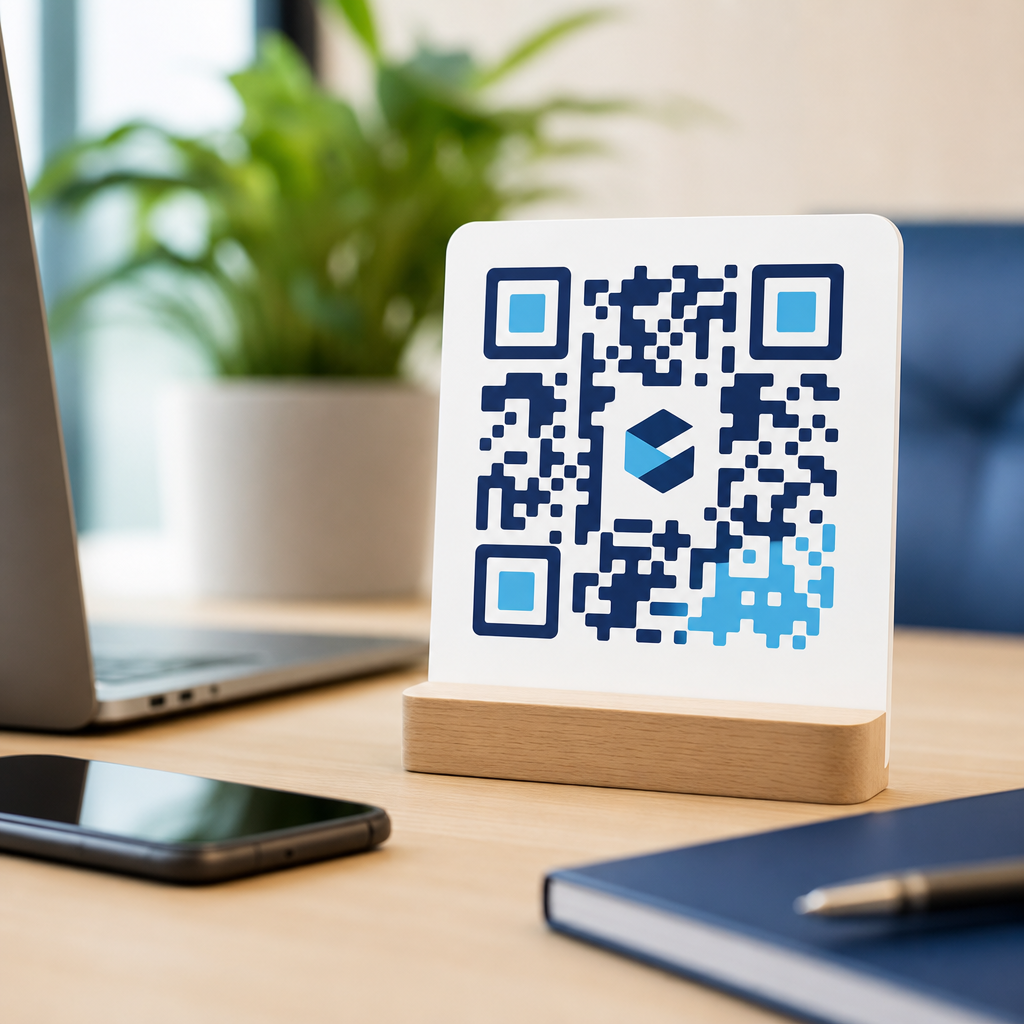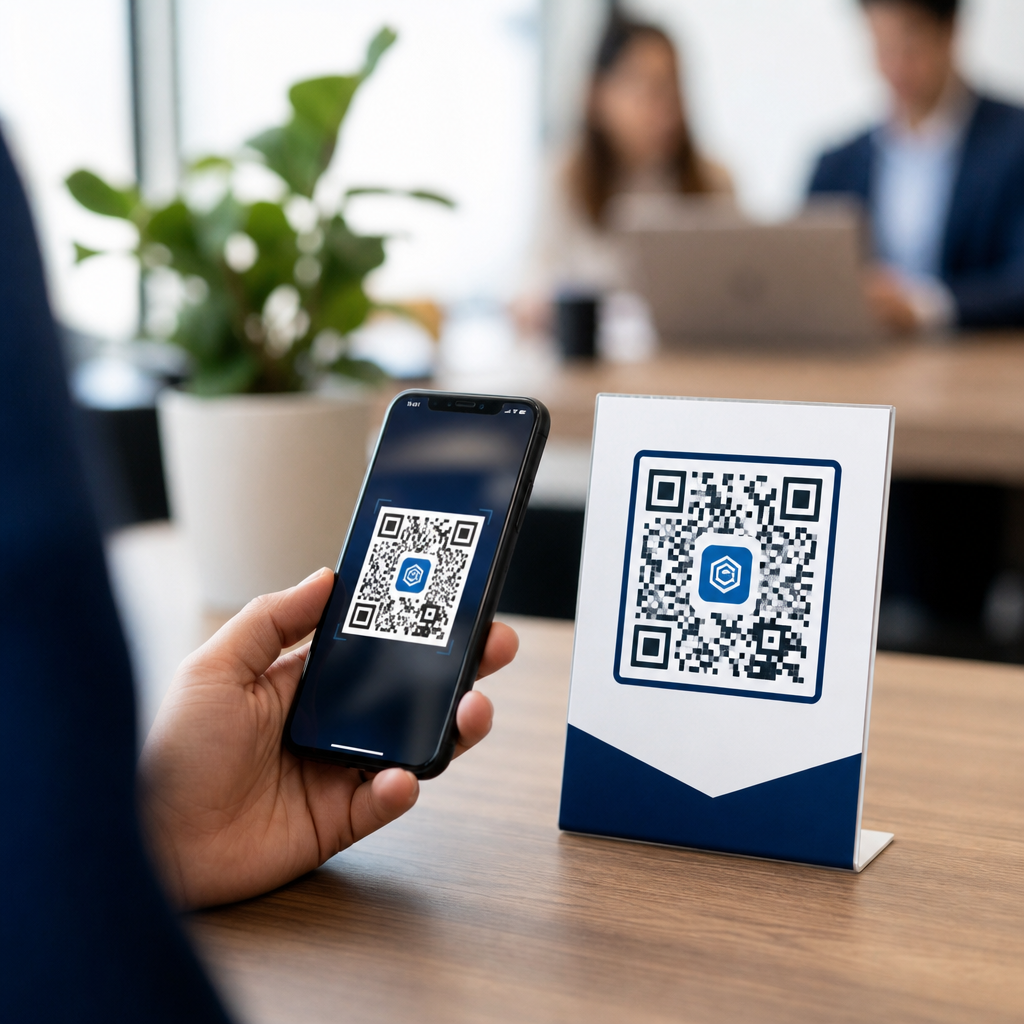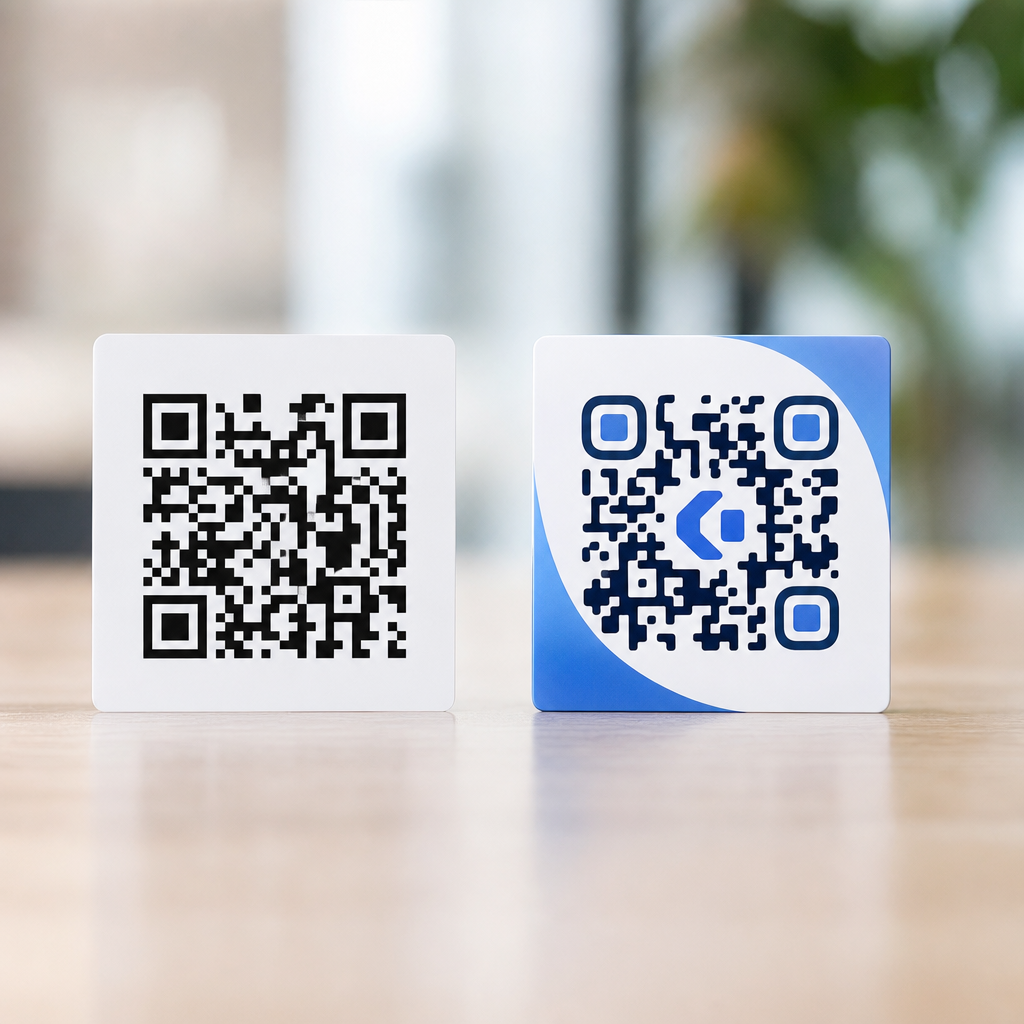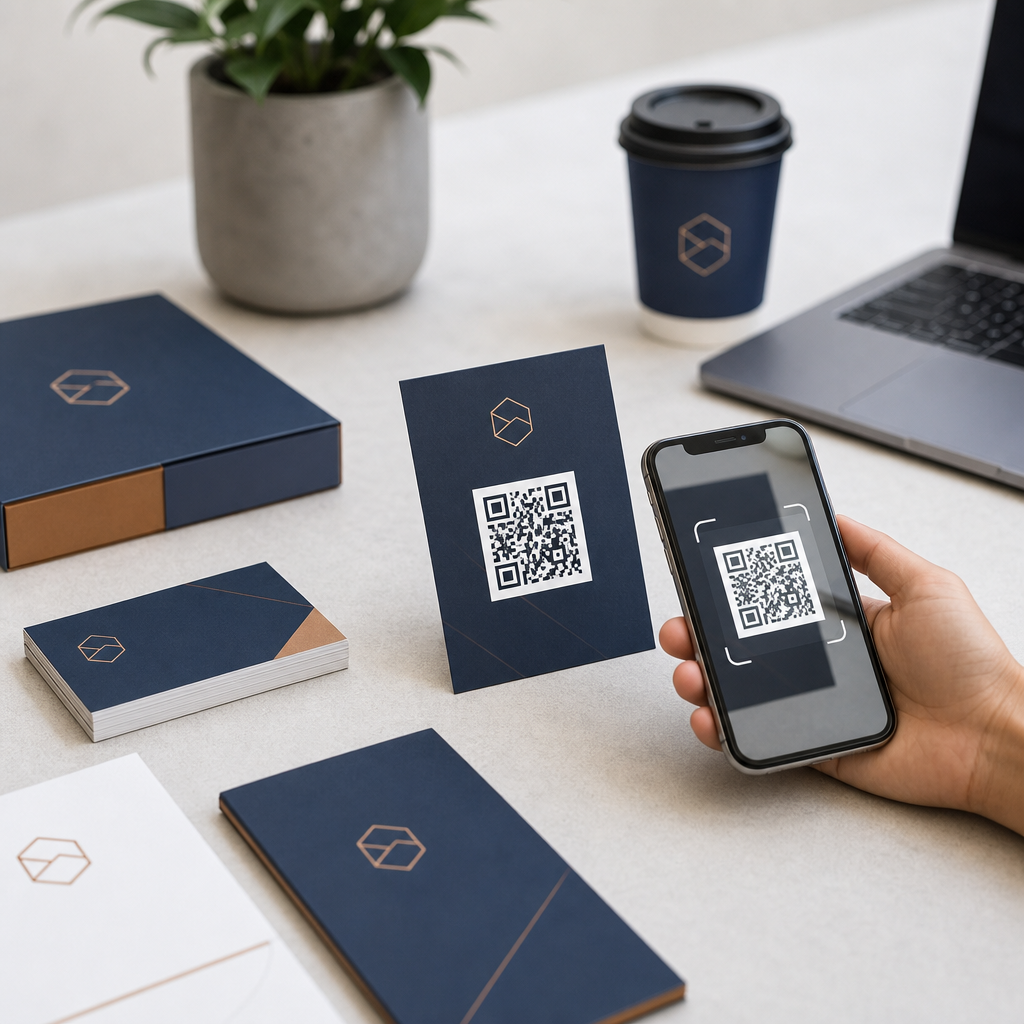
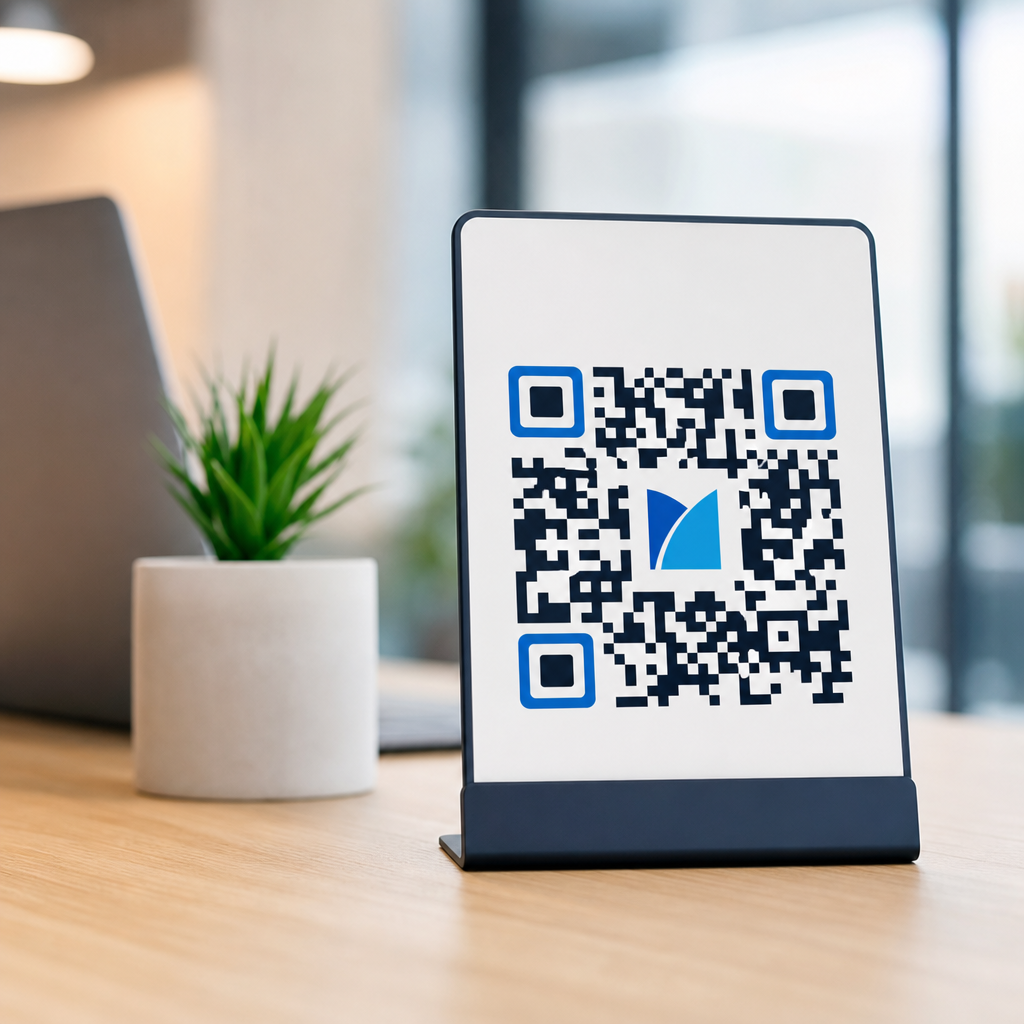
Branded QR codes are scannable codes customized with brand elements such as logos, colors, frames, and short calls to action, while still preserving the machine-readable pattern that opens a link, file, app, payment screen, or other digital destination. Unlike a plain black-and-white code generated with default settings, a branded QR code is designed to look intentional, recognizable, and trustworthy at the exact moment a customer decides whether to scan it. That distinction matters because scanning is a voluntary action. People hesitate when a code looks generic, poorly printed, or disconnected from the company presenting it. They are far more likely to engage when the code clearly belongs to a known brand and explains what happens next.
In practice, branded QR codes sit at the intersection of visual identity, conversion design, and mobile user experience. I have worked on QR campaigns for packaging, retail displays, restaurant menus, direct mail, and event signage, and the highest-performing codes were never treated as simple utilities. They were treated like miniature landing pages in physical form. A good branded QR code carries familiar visual cues, uses error correction intelligently, respects scanning physics, and aligns with the destination experience after the scan. That is why branded QR codes belong in any serious QR Code Design & Branding strategy: they do more than decorate a code. They improve recognition, increase scan confidence, support campaign attribution, and help connect offline attention to measurable digital outcomes.
To understand the topic fully, it helps to define a few core terms. A QR code, short for Quick Response code, is a two-dimensional matrix barcode standardized under ISO/IEC 18004. Static QR codes store a fixed destination directly in the pattern, while dynamic QR codes usually point to a short redirect URL that can be updated later and tracked. Branding refers to visual and verbal identity choices including logo usage, color palette, typography, framing devices, and message hierarchy. A branded QR code combines those branding elements with a technically valid QR structure, including finder patterns, quiet zone, module contrast, and sufficient error correction. The result should remain easy for smartphone cameras and scanning apps to decode under real-world conditions such as glare, low light, curved surfaces, and variable print quality.
Why does this matter now? Because QR codes have moved from novelty to infrastructure. Consumers use them for payments, menus, authentication, product information, app downloads, support flows, loyalty programs, and omnichannel commerce. Apple’s Camera app, Google Lens, and nearly every modern Android camera have made scanning frictionless. At the same time, audiences have become more cautious about unknown links, phishing attempts, and low-quality print materials. In that environment, branded QR codes are not cosmetic extras. They are risk-reduction and conversion tools. They tell users who is asking for the scan, what value they will get, and whether the experience is likely to be safe, relevant, and worth their time.
What makes a QR code branded
A branded QR code starts with a valid code and adds identity without breaking readability. The most common additions are a logo placed in the center, a custom color treatment that still maintains strong contrast, a frame around the code, and a short CTA such as “Scan to view menu” or “Scan for warranty.” Shape styling is also common. Instead of square modules and standard corner eyes, designers may use rounded dots, softened corners, or custom eye frames. These changes work when they stay inside technical limits. They fail when aesthetics overpower function.
The defining feature is not any single decoration; it is coherence. The code should match the broader campaign or brand system. A luxury skincare brand might use a muted palette, refined frame, and “Scan for ingredients” prompt on carton packaging. A sports event might use bold contrast, sponsor colors, and “Scan for live schedule” on venue signage. In both cases, the branded QR code looks like part of the experience, not an afterthought pasted into it.
Branding also extends to the destination. A code on a product box should not open a raw URL with mismatched design or a generic redirect page. The landing page, app screen, or file should carry the same message and visual system promised by the code. When that continuity exists, users perceive competence and legitimacy. When it does not, scan trust drops immediately.
How branded QR codes improve marketing performance
The main benefit of branded QR codes is that they increase the likelihood of a scan from qualified users. In field tests across retail and print campaigns, I have repeatedly seen generic codes underperform framed, clearly labeled versions because people need context before acting. A call to action answers the first question: why should I scan? Brand cues answer the second: do I trust this? If either answer is missing, many users ignore the code.
Branded QR codes also support stronger attribution. When a code is created for a specific package variant, flyer, storefront poster, or conference booth, dynamic tracking can tie scans to that asset, date range, geography, and destination. Teams can compare response by placement, creative version, and offer. A plain code can do this too, but a branded code is more likely to be deployed deliberately, with campaign naming conventions and performance measurement built in. That discipline matters.
Another advantage is memorability. If someone does not scan immediately, a distinctive code framed in brand colors is easier to remember later than a generic black square. That can matter in out-of-home advertising, where response often happens after exposure, not during it. Strong visual identity helps a QR code act as both a utility and a brand signal.
Design principles that keep branded QR codes scannable
The first rule is contrast. Dark modules on a light background remain the safest option. Reversing that treatment or using low-contrast combinations such as pastel on white can work in controlled conditions but often fails in the field. The second rule is preserving the quiet zone, the blank margin around the code. Remove it, crowd it with graphics, or place it over busy imagery, and decoding reliability drops sharply. The third rule is size. A common baseline is at least 2 x 2 centimeters for close-range print, but practical sizing depends on scan distance, camera quality, and surface.
Error correction is what makes logo placement possible. QR codes can be generated with different error correction levels, and higher levels allow more of the code to be obscured while still scanning. In most branded applications, that means using a high enough setting to accommodate a centered logo or stylized modules without damaging performance. However, higher error correction increases code density, which can make very small prints harder to scan. The right choice depends on content length and intended use.
Testing is non-negotiable. I usually test codes on both iPhone and Android devices, under bright indoor light, near windows with glare, and from multiple angles. Curved bottles, matte paper, foil packaging, and acrylic signage all introduce different risks. A code that scans on a laptop screen may fail on a glossy retail label. This is why production proofing matters as much as design.
| Element | Best practice | Common mistake | Practical example |
|---|---|---|---|
| Color | Use high contrast, usually dark foreground on light background | Using brand colors with weak contrast | Navy code on white carton scans better than pale gold on cream |
| Logo | Keep the logo centered and modest in size | Oversized logo covering critical modules | Small icon mark works; full wordmark often does not |
| Quiet zone | Maintain clear blank space around the code | Placing text or borders too close | Leave margin on menu cards and packaging panels |
| CTA | State the benefit of scanning in plain language | No explanation or vague wording | “Scan for setup video” outperforms “Scan me” |
| Placement | Put the code where a phone can reach and focus easily | Mounting too high, too low, or on reflective surfaces | Eye-level shelf talker beats floor decal in most stores |
Static versus dynamic branded QR codes
Static branded QR codes are useful when the destination will never change, such as a permanent Wi-Fi credential, a plain text record, or a stable canonical URL. They are simple and often cost nothing beyond generation. Their limitation is permanence. If the link changes, the printed code becomes obsolete.
Dynamic branded QR codes are usually the better choice for marketing, packaging, and customer experience programs. The visible code points to a short redirect that can send users to different destinations over time. That means a product insert printed this year can lead to a launch page today, a troubleshooting guide next quarter, and a support knowledge base later, all without reprinting. Dynamic codes also allow analytics such as scan count, timestamp, device type, and sometimes approximate location depending on the platform and privacy settings.
For a hub article on branded QR codes, this distinction is central because design and branding decisions are only half the story. Management, tracking, and destination control are the other half. Most enterprise teams standardize on dynamic QR platforms for governance alone. They need naming conventions, access controls, expiration rules, and performance reporting across dozens or hundreds of assets.
Where branded QR codes work best
Packaging is one of the strongest use cases because the code is physically attached to the product at the exact moment of intent. Brands use it for authenticity checks, care instructions, manuals, recipes, ingredient sourcing, warranty registration, and reorder flows. Consumer packaged goods companies increasingly treat the pack QR code as a persistent digital shelf extension.
Retail signage is another high-performing environment. Shelf talkers, endcaps, window posters, and product comparison displays can bridge physical browsing to richer content such as reviews, stock lookup, styling inspiration, or financing options. In stores, branded QR codes help serve shoppers who want more information without waiting for staff.
Restaurants and hospitality operators use branded QR codes for menus, ordering, loyalty enrollment, room service information, and guest support. The best implementations use concise CTAs and codes sized for quick scanning in low-light settings. Events, trade shows, and direct mail also benefit because QR codes compress action into a simple scan: register, download the agenda, claim an offer, or save contact details.
Security, trust, and compliance considerations
Users have good reason to be cautious. QR phishing, often called quishing, has trained people to question random codes. Branding helps, but it is not a substitute for secure practices. Use HTTPS destinations, reputable redirect domains, and landing pages that clearly identify the organization. Avoid chaining multiple redirects, because slow loads reduce trust. If the code opens a payment flow or collects data, say so plainly before the scan and again on the destination page.
Compliance requirements vary by industry. Healthcare, financial services, and regulated consumer products may need approved language, privacy disclosures, retention standards, or accessible alternatives. A QR code should not be the only path to essential information if that creates an accessibility barrier. Include a short URL when appropriate, especially on packaging and public notices.
Governance matters internally too. I have seen teams lose control of printed QR assets because codes were generated ad hoc by different vendors with no inventory or ownership record. A branded QR code program should include a source-of-truth library, documented destinations, expiration policies, and periodic scan audits.
How to create effective branded QR codes
Start with the use case, not the artwork. Decide what the user needs after scanning, what action you want, and how success will be measured. Then choose static or dynamic architecture, define the destination, and write the CTA. Only after that should you customize the visual design. Use a reliable generator such as QR Code Generator Pro, Bitly Codes, Flowcode, Beaconstac, or enterprise DAM-linked tools if your organization requires governance. Generate several variants, test them on actual devices, and proof them at final production size.
Next, align the code with brand standards without forcing every visual rule into the symbol. Some brand colors simply do not scan well. Some logos are too detailed to embed. In those cases, use the brand elsewhere in the frame, label, or surrounding layout rather than compromising readability. A branded QR code succeeds when it feels on-brand and scans instantly. If you must choose, instant scanning wins.
Finally, connect the code to reporting. Add UTM parameters where appropriate, map each code to a campaign taxonomy, and monitor scan-to-visit and visit-to-conversion performance. That data turns branded QR codes from design assets into managed acquisition and service channels.
Conclusion
Branded QR codes are customized QR codes designed to look credible, recognizable, and purposeful while remaining fully scannable. They combine visual identity with technical discipline: contrast, quiet zone, sizing, error correction, clear CTAs, and destination consistency. When done well, they increase scan confidence, improve response rates, support attribution, and extend physical touchpoints into measurable digital experiences.
As the hub for branded QR codes within QR Code Design & Branding, the key idea is simple: treat the code as both a functional link and a branded interface. Build it around the user’s question, test it in real conditions, manage it with the right platform, and protect trust with secure destinations and clear messaging. If you are planning packaging, print, retail, or event campaigns, audit every QR code you use today and upgrade the generic ones first.
Frequently Asked Questions
What is a branded QR code?
A branded QR code is a QR code that has been customized with visual elements tied to a company, product, campaign, or organization while still remaining fully scannable. Instead of using a plain black-and-white square with no context, a branded QR code may include a logo in the center, brand colors, a custom frame, rounded modules, and a short call to action such as “Scan to View Menu” or “Scan for 10% Off.” The goal is to preserve the machine-readable structure of the code while making it look more intentional, familiar, and trustworthy to the person seeing it.
That matters because people often make a split-second decision about whether to scan. A generic code can feel anonymous or even suspicious, especially in print ads, product packaging, storefronts, and public spaces. A branded QR code helps connect the code to a recognizable business identity, which can improve confidence and increase scan rates. In practical terms, branded QR codes can point to websites, landing pages, app downloads, digital business cards, PDFs, videos, payment screens, Wi-Fi access, and many other destinations. They function like standard QR codes, but with stronger visual alignment to the brand experience around them.
How are branded QR codes different from regular QR codes?
The core technical purpose is the same: both branded QR codes and regular QR codes store scannable data that a smartphone or scanner can read. The difference is in presentation, recognition, and user perception. A regular QR code is usually generated with default settings, which means a black-and-white appearance with no brand context and no visual cues about what will happen after a scan. A branded QR code, by contrast, is intentionally designed to fit into a broader marketing or customer experience strategy.
That design difference can have a real impact. When a QR code includes a business logo, recognizable colors, and a clear instruction, it can look more legitimate and more inviting. This is especially valuable in environments where attention is limited and trust is essential. For example, on packaging, direct mail, restaurant tables, event signage, and retail displays, a branded QR code can feel like part of the experience instead of an afterthought. Many branded QR codes are also created as dynamic QR codes, which means the destination can be updated later without reprinting the code, and scan analytics can be tracked. So while a regular code may simply “work,” a branded QR code is often built to perform better in real-world marketing, sales, and customer engagement use cases.
Do branded QR codes still work reliably if they include logos and colors?
Yes, branded QR codes can work very reliably when they are designed correctly. QR codes include built-in error correction, which allows part of the code to be obscured or stylized without breaking functionality. This is what makes it possible to place a logo in the center, adjust shapes, or introduce brand colors while keeping the code scannable. However, reliability depends on maintaining enough contrast, preserving the essential data pattern, and avoiding design choices that interfere with scanning.
Best practices are important. The code should still have strong contrast between the foreground and background, a clean quiet zone around the edges, and a size appropriate for the scanning distance. Overly complex color combinations, low contrast, excessive distortion, or a logo that covers too much of the code can reduce performance. It is also wise to test the QR code across different phones, lighting conditions, camera qualities, and print surfaces before publishing it widely. In short, branding should enhance the code, not overwhelm it. When created with sound design and proper testing, a branded QR code can be both visually distinctive and highly dependable.
Why do branded QR codes matter for marketing and customer trust?
Branded QR codes matter because they influence the exact moment when a customer decides whether to engage. A QR code may seem like a small design element, but it often acts as the bridge between an offline touchpoint and an online action. If the code looks generic, disconnected, or unclear, people may ignore it. If it looks branded, professional, and purposeful, they are more likely to believe it is safe to scan and worth their time. That increase in trust can directly support better response rates, stronger engagement, and smoother customer journeys.
From a marketing standpoint, branded QR codes also reinforce consistency. When the code matches the campaign creative, packaging design, storefront signage, or promotional materials, it feels like part of a cohesive brand system. That can improve recognition and reduce friction. Adding a short call to action further helps by telling users what they will get, such as a coupon, product instructions, event registration, menu, or exclusive content. This clarity is powerful because people are more likely to scan when the value is obvious. In a crowded environment where attention is limited, branded QR codes help businesses stand out while making the interaction feel more credible and more intentional.
What are the best practices for creating an effective branded QR code?
The most effective branded QR codes balance visual customization with scanning performance. Start with a clear purpose: know exactly where the code will lead and what the user should do next. Then design the code so it supports that goal. Use brand colors carefully, but maintain strong contrast. Add a logo if it fits, but do not cover so much of the pattern that readability suffers. Include a frame or label when helpful, and consider adding a concise call to action that explains the benefit of scanning. A message like “Scan to Download the Guide” is usually far more effective than showing a code with no context.
Technical execution matters just as much as design. Use a high-resolution file for print, keep adequate white space around the code, and size it appropriately for the expected scanning distance. Test it on both iPhone and Android devices, in bright and dim lighting, and on the actual material where it will appear, such as cardboard, glossy labels, posters, or menus. If possible, use a dynamic QR code so you can change the destination later and measure performance through scan tracking. Finally, send users to a mobile-friendly destination, because even a perfectly designed QR code can underperform if the landing page is slow, confusing, or not optimized for phones. The best branded QR codes are not just attractive; they are clear, functional, and strategically connected to the customer experience.