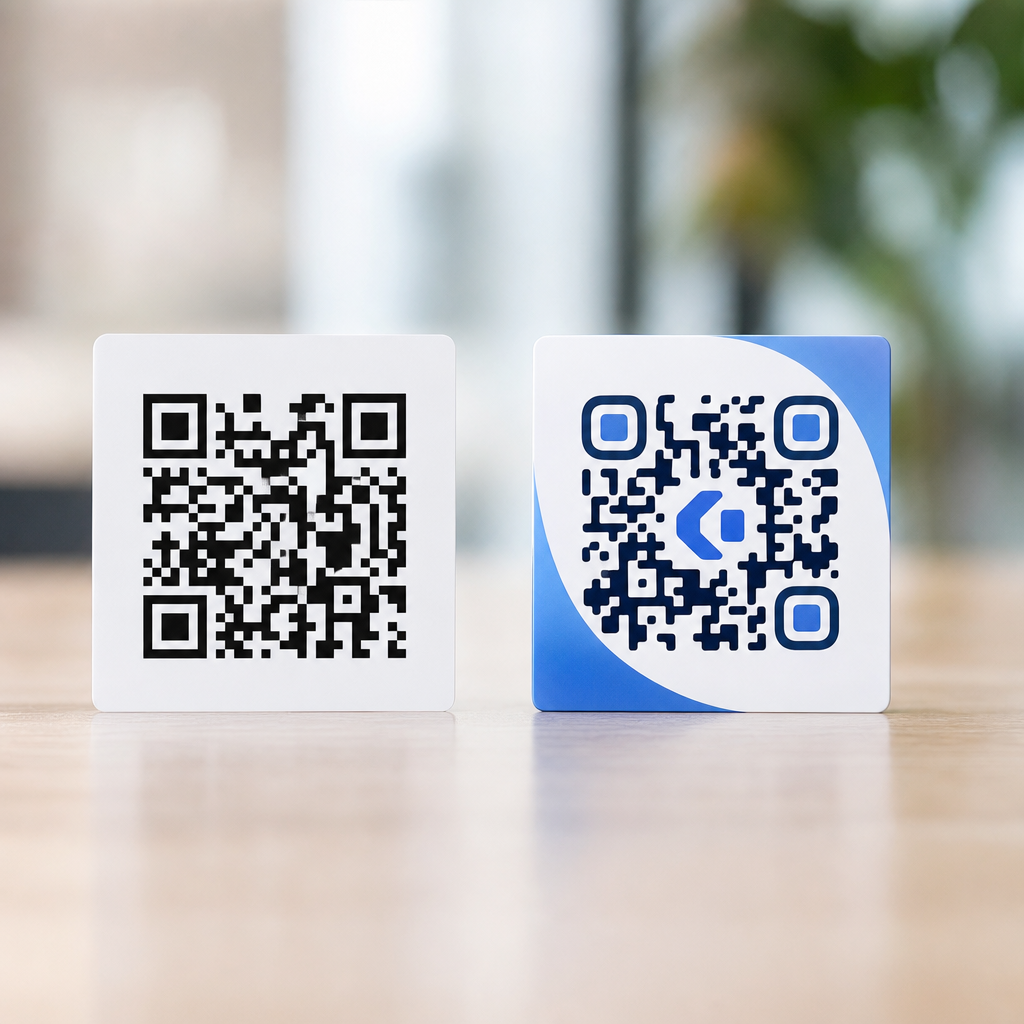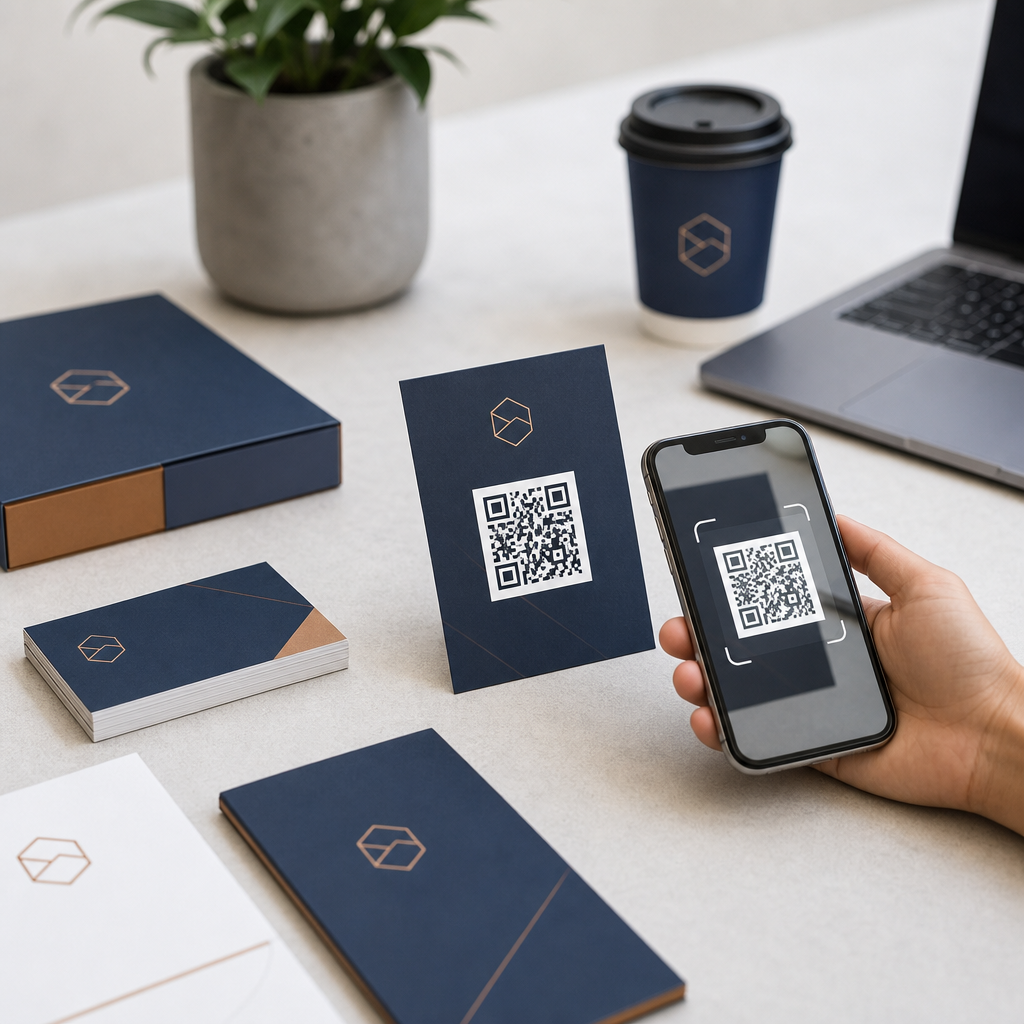
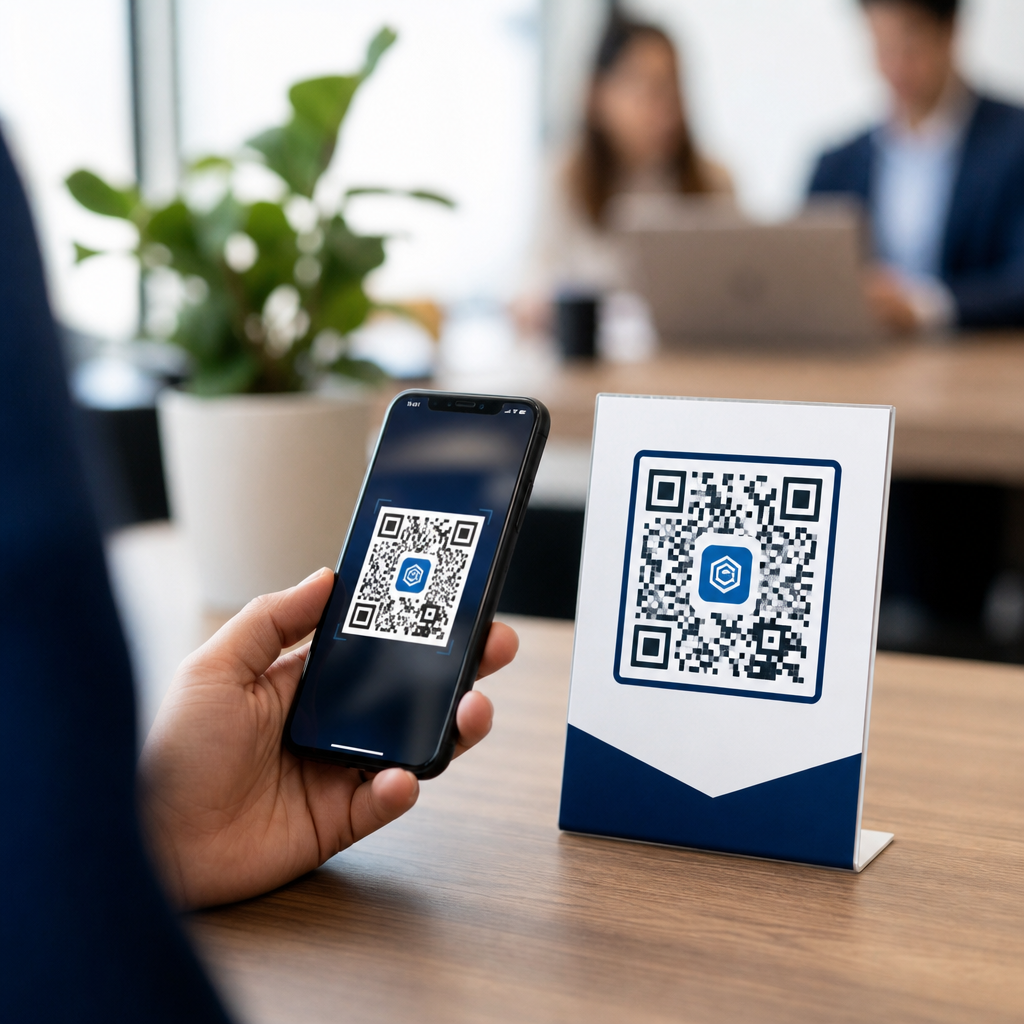
Branded QR codes turn a generic scan prompt into a recognizable brand touchpoint, and that simple shift can materially improve trust, scan rates, and post-scan engagement. A branded QR code is a QR code customized with brand elements such as a logo, approved colors, a shaped frame, a short call to action, or a destination URL that matches the company domain. Unlike plain black-and-white codes that often feel anonymous, branded QR codes signal legitimacy at the exact moment a customer decides whether to scan. That matters because people have learned to be cautious. Phishing links, counterfeit packaging, and low-quality print materials have made users skeptical of anything that asks for immediate phone interaction.
In practice, I have seen the difference repeatedly across packaging, retail displays, direct mail, event signage, and restaurant menus. When the code clearly belongs to the brand in front of the customer, hesitation drops. The visual identity acts as a trust cue, much like a verified domain, a professional storefront, or tamper-evident packaging. The QR code stops looking like an unknown shortcut and starts functioning as part of the overall customer experience. For marketers, that means more scans from qualified audiences. For operations teams, it means fewer support questions about where a code leads. For customers, it means less uncertainty and more confidence in the action they are being asked to take.
This topic matters because QR codes now sit at a critical junction between physical and digital channels. A product box can send buyers to setup instructions. A shelf talker can deliver reviews. A business card can open a booking page. A printed invoice can lead to account support. In each case, the scan is a moment of decision, and trust is the gatekeeper. Engagement comes next. A high-performing branded QR code does not only attract scans; it also sets expectations for the landing experience, reinforces recall, and increases the chance that users complete the intended action, whether that is reading content, registering, purchasing, downloading, or sharing.
Understanding branded QR codes requires a few key terms. The QR code itself is a two-dimensional matrix barcode that stores information, usually a URL. A static QR code contains fixed data that cannot be changed after printing. A dynamic QR code points to a short redirect URL, allowing the destination, tracking parameters, and analytics to be updated later. Error correction is the built-in redundancy that lets scanners read a code even if part of it is obscured or stylized; common levels are L, M, Q, and H, with H providing the most tolerance. The quiet zone is the clear margin around the code that scanners need to detect its boundaries. These technical details directly shape design decisions.
Why branded QR codes increase trust
Trust increases when a user can answer three questions instantly: who is asking me to scan, where will this take me, and is it safe? Branded QR codes help answer all three before the camera even opens the link preview. A logo in the center identifies the sender. Brand colors and typography connect the code to the surrounding asset. A frame with a concise instruction such as “Scan to verify product” or “Scan for warranty setup” clarifies purpose. When the destination uses a recognizable domain, the final confirmation appears at the operating-system level, which further reduces friction.
These are not superficial signals. They map to familiar trust mechanisms in user experience design. Consistency lowers perceived risk. Clear labeling reduces ambiguity. Domain recognition supports credibility. In offline environments, where users cannot hover over a link or inspect navigation first, those cues carry extra weight. Consider pharmaceutical packaging, where patients may scan for dosage guides or authenticity checks. A plain code can look interchangeable with a counterfeit sticker. A branded code paired with a verification message and official domain immediately feels more accountable.
There is also a fraud-prevention angle. Bad actors often use generic QR stickers to redirect people to fake payment pages or credential harvesters. Brands that consistently deploy customized QR codes train customers to expect specific visual and domain patterns. That makes anomalies easier to spot. While design alone cannot prevent tampering, it raises the bar for imitation and supports broader anti-counterfeit measures such as serial verification, secure landing pages, and package inspection workflows.
How branded QR codes drive engagement after the scan
Engagement starts before the scan and continues after it. The best branded QR codes create a coherent path from physical trigger to digital destination. If a premium cosmetics brand places an elegant code on packaging, users expect a polished mobile page, tutorial video, and straightforward product registration. When the landing page fulfills that expectation, abandonment drops. The code has effectively pre-qualified the user and framed the interaction.
Branded presentation also improves memory. People are more likely to recall the company associated with the content they just viewed when the visual identity is present throughout the journey. That matters for repeat purchase, referrals, and assisted conversions. In campaign analysis, I often see branded codes contribute beyond direct clicks because they strengthen attribution in the customer’s mind even when the user returns later through search, email, or direct traffic.
The call to action matters as much as the styling. “Scan me” is weak because it describes the mechanism, not the benefit. “Scan for assembly video,” “Scan to redeem 10% off,” and “Scan to see ingredients” perform better because they answer the user’s question immediately. This is especially important in high-distraction contexts such as trade shows, transit posters, and point-of-sale displays. A branded QR code captures attention; a benefit-led CTA converts attention into action.
Core design elements that affect performance
Good branding never comes at the expense of scan reliability. The highest-performing branded QR codes balance identity with machine readability. Start with contrast. Dark modules on a light background remain the safest choice because most smartphone cameras and scanning libraries detect them quickly in varied lighting. Brand colors can work, but low-contrast combinations such as pastel-on-white often fail in the real world, especially on glossy materials or curved packaging.
Logo placement is another common failure point. Most generators allow a central logo because error correction can compensate for some obstruction, but the size must be controlled. As a rule, a large center mark demands a higher error-correction level and more testing across devices. Quiet zone violations are equally damaging. Designers often push the code too close to borders, patterns, or product imagery, which confuses scanners. Keep a clear margin on all sides, and protect it in print production files.
Shape customization should be used carefully. Rounded modules, custom corner eyes, and decorative frames can work, but only when the underlying geometry remains distinct. If every square becomes an ornate icon, detection slows or breaks. File output matters too. For print, vector formats such as SVG or EPS preserve sharp edges at any size. Raster exports can introduce blur when scaled. On packaging, substrate, ink spread, lamination, and curvature all affect final readability, so prepress review is not optional.
| Element | Best practice | Common mistake | Effect on results |
|---|---|---|---|
| Color | High contrast, dark on light | Low contrast brand palette | Higher scan success and faster detection |
| Logo | Small centered mark with adequate error correction | Oversized logo covering data modules | Preserves branding without breaking scans |
| Quiet zone | Clear margin around the code | Text or graphics touching the edges | Improves boundary detection |
| CTA frame | Specific benefit-led instruction | Generic “Scan me” message | Raises scan intent and expectation clarity |
| Destination | Official branded domain | Unfamiliar short link | Increases trust at link preview stage |
Where branded QR codes work best
Packaging is one of the strongest use cases because it reaches customers at purchase, unboxing, and repeat use. Consumer electronics brands use branded QR codes for setup guides, firmware instructions, and warranty registration. Food and beverage companies use them for sourcing stories, nutrition details, recipes, and loyalty programs. Apparel brands can link to care instructions, authenticity checks, and styling content. In each scenario, the code extends the product experience while reinforcing the brand at a moment of high attention.
Retail and in-store signage are equally effective. Shelf displays can direct shoppers to comparison guides, reviews, stock lookups, and coupon pages. Because stores are full of competing stimuli, a QR code that visually belongs to the brand performs better than a generic square dropped onto a sign as an afterthought. Events and trade shows are another strong fit. Booth traffic is limited, and attendees move quickly. A branded code on signage, badges, and handouts can collect leads, book demos, distribute decks, and deliver maps without requiring staff to repeat basic instructions all day.
Direct mail deserves special mention. Mail pieces create a controlled visual environment, which makes branded QR codes especially persuasive. Insurance providers can use them for policy explanation videos. Healthcare organizations can use them for appointment scheduling. Real estate teams can place them on postcards linking to virtual tours. Because the recipient is often evaluating legitimacy first, branding and domain alignment have an outsized effect on response.
Measurement, testing, and optimization
Branded QR codes should be treated like any other conversion asset: measured, tested, and improved. Dynamic QR codes are usually the right choice because they allow campaign managers to change destinations without reprinting materials and to collect scan data by time, device, and location. Pair them with UTM parameters and analytics platforms such as Google Analytics 4, Adobe Analytics, or Matomo to connect scans to downstream actions. Scan count alone is not enough. Evaluate landing-page views, bounce rate, completion rate, assisted conversions, and revenue or lead value where applicable.
Testing should happen in realistic conditions, not only on a designer’s monitor. Scan the code on iPhone and Android devices, with native camera apps and popular third-party scanners. Test under bright retail lighting, outdoor glare, low light, and from likely distances. Print prototypes at final size, on final stock, with final finishes. A code that scans perfectly on matte paper may struggle on metallic labels or curved bottles.
Optimization often produces quick wins. Increase code size on posters viewed from several feet away. Rewrite the CTA to emphasize user benefit. Replace an unfamiliar redirect domain with a first-party branded domain. Simplify the landing page to reduce load time and remove distractions. In one packaging program I worked on, scan volume rose after we changed the CTA from “Learn More” to “See Setup in 60 Seconds” and moved the code from a side panel to the unboxing flap. The technology did not change; the context and promise did.
Common mistakes and how to avoid them
The most common mistake is prioritizing aesthetics over function. A QR code is not just a graphic element; it is a machine-readable interface. If it fails to scan quickly, trust drops immediately. Another mistake is sending users to a generic homepage. People scan because they expect relevance and speed. Deep-link to the exact mobile page that matches the prompt on the printed asset. If the package says “Scan for ingredients,” do not make users search the site after landing.
Teams also underestimate operational governance. Brand, marketing, packaging, legal, and web teams all influence the final experience. Without standards, organizations end up with inconsistent code styles, mixed domains, expired campaign pages, and broken redirects. A practical governance model includes approved templates, domain rules, CTA guidelines, analytics naming conventions, and periodic link audits. If multiple agencies or regional teams produce assets, central review becomes essential.
Finally, do not assume every audience wants the same thing. A service technician scanning a code on industrial equipment needs manuals, parts lists, and support contacts. A shopper scanning a beauty product wants tutorials, shade matching, and social proof. Good branded QR code strategy starts with user intent, then builds design and content around it.
Branded QR codes increase trust because they make the sender, purpose, and destination clear at the exact point of decision. They increase engagement because they connect the physical asset to a relevant digital experience with less friction and stronger expectation setting. When executed well, they do more than decorate a barcode. They become a measurable bridge between print, packaging, retail, events, and mobile conversion paths.
The essentials are straightforward: use high contrast, protect the quiet zone, size logos conservatively, keep the destination on an official domain, and write a CTA that promises a real benefit. Then test the code in real conditions, track outcomes beyond scans, and align the landing page with the user’s intent. Brands that follow these fundamentals see better reliability, stronger response, and fewer trust barriers.
As a hub topic, branded QR codes connect to broader work in QR code design, dynamic QR infrastructure, landing-page optimization, analytics, packaging UX, and anti-counterfeit strategy. If you are building or revising a QR program, start by auditing every existing code your customers can see. Standardize the design system, fix weak destinations, and test the highest-traffic placements first. That is where trust turns into engagement, and engagement turns into results.
Frequently Asked Questions
1. What is a branded QR code, and how is it different from a standard QR code?
A branded QR code is a QR code that has been customized to reflect a company’s visual identity and reassure users that the code is legitimate. Instead of appearing as a plain black-and-white square with no obvious owner, a branded version can include a company logo, approved brand colors, a custom frame, a short call to action, and a destination that clearly aligns with the company’s website or campaign. That difference matters because people make fast trust decisions before they scan. If a code looks generic, they may hesitate, wondering where it leads or whether it is safe. If it looks familiar and professionally designed, it feels more credible and intentional.
In practical terms, branded QR codes turn the scan moment into a brand touchpoint rather than a technical utility. They connect offline materials such as packaging, signage, direct mail, menus, brochures, and retail displays to a consistent digital experience. When the design of the QR code matches the surrounding ad, product, or environment, users are more likely to recognize it as part of a legitimate campaign. That recognition can increase scan rates, reduce uncertainty, and improve the quality of post-scan engagement because users arrive with more confidence in what they are about to see.
2. Why do branded QR codes increase trust more than generic ones?
Branded QR codes increase trust because they remove ambiguity at the exact moment a customer is deciding whether to engage. A generic QR code does not reveal who is behind it, and that anonymity can create hesitation. People are more cautious than ever about scams, phishing, and misleading links, especially in public places or printed materials where there is no easy way to preview the destination. When a QR code includes recognizable brand elements and is paired with a company domain or a clear call to action, it sends a stronger legitimacy signal. It tells users, “This belongs to a real business, and the experience on the other side is intentional.”
Trust also comes from consistency. If the QR code’s colors, logo, frame, and message match the broader campaign or product packaging, users are less likely to see it as random or suspicious. That consistency reduces cognitive friction. Instead of asking whether the code is safe, they can focus on the value of scanning it. The result is often better performance because users feel more comfortable taking the next step. In many cases, that trust carries beyond the scan itself and influences how users view the landing page, offer, or brand interaction that follows.
3. How do branded QR codes improve engagement after someone scans?
Branded QR codes do more than increase scans; they help set expectations that shape the post-scan experience. When users scan a code that clearly represents a brand, they are more likely to expect a relevant, polished destination rather than a random link. That expectation can improve engagement because the transition feels deliberate and coherent. For example, if someone scans a QR code on product packaging and the code includes the company logo, brand colors, and a message like “See ingredients” or “Watch how it works,” they already understand why they are scanning and what value they will receive. That clarity typically leads to better interaction once they arrive on the page.
Post-scan engagement improves further when the landing experience matches the promise of the code. A branded QR code creates a psychological bridge between offline and online channels, so users are more likely to stay, explore, click, sign up, or purchase if the destination feels like a seamless continuation of what they just saw. In other words, branding does not just boost the initial scan; it helps qualify the traffic. People who scan a branded code often arrive with stronger intent and higher confidence, which can lead to longer time on page, lower bounce rates, and better conversion performance overall.
4. What branding elements should businesses include in a QR code without hurting scanability?
The most effective branded QR codes strike a balance between visual identity and technical reliability. Businesses commonly add a logo in the center, use approved brand colors with strong contrast, place the code inside a shaped frame, and include a short call to action nearby or within the frame itself. These elements can make the code feel more trustworthy and on-brand, but they must be applied carefully. QR codes still need enough contrast, clear quiet space around the edges, and a design that preserves the code’s scannable structure. If the logo is too large, the colors are too low-contrast, or the styling is too aggressive, scan performance can suffer.
Best practice is to keep branding purposeful and functional. Use colors that maintain clear separation between foreground and background, ensure the logo does not cover too much of the pattern, and test the code across different devices, lighting conditions, sizes, and print surfaces. It is also smart to use a recognizable destination URL or branded short link so the user sees consistency before and after the scan. A concise call to action such as “Scan to shop,” “Scan for menu,” or “Scan for setup guide” can further increase response by telling people exactly what they will get. Good branded QR design is not decoration for its own sake; it is a trust-building tool that must still perform flawlessly.
5. Where are branded QR codes most effective for increasing trust and scan rates?
Branded QR codes are especially effective anywhere customers have to make a quick judgment about whether scanning is worth it. That includes product packaging, in-store displays, event signage, restaurant menus, brochures, direct mail, out-of-home advertising, business cards, invoices, and customer support materials. In these settings, the user often has only a moment to decide, and a generic code can easily be ignored. A branded QR code, by contrast, immediately communicates ownership and intent. It feels like part of the experience rather than an unexplained digital add-on, which can significantly improve willingness to scan.
They are also powerful in situations where trust is closely tied to conversion. For example, on packaging, a branded QR code can lead to product details, authenticity verification, tutorials, or loyalty offers. In retail, it can connect shoppers to reviews, inventory, or exclusive promotions. In direct mail, it can move someone from print to a personalized landing page with less hesitation. In customer service, it can direct users to setup guides, warranty registration, or support resources while reinforcing that they are engaging with the official brand. Across all of these use cases, the advantage is the same: branded QR codes reduce uncertainty, increase confidence, and create a more consistent path from attention to action.