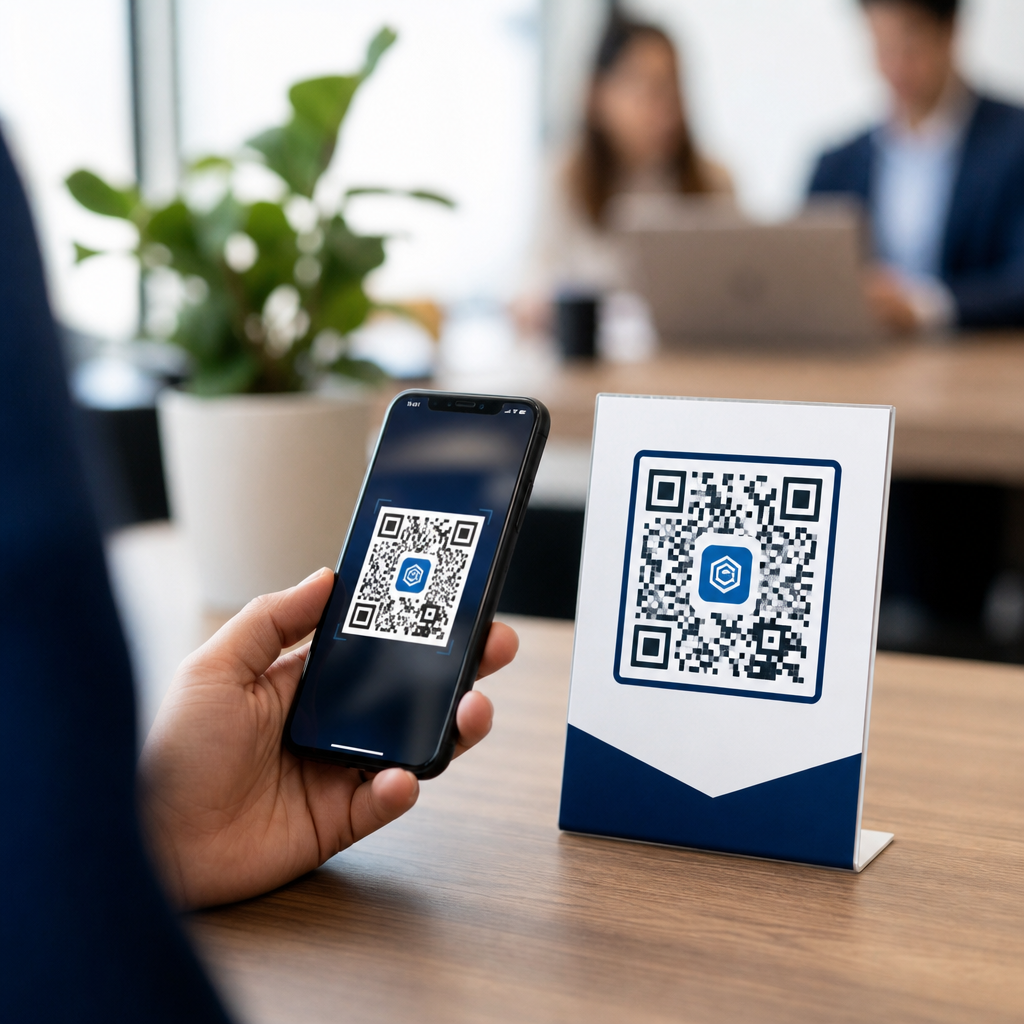
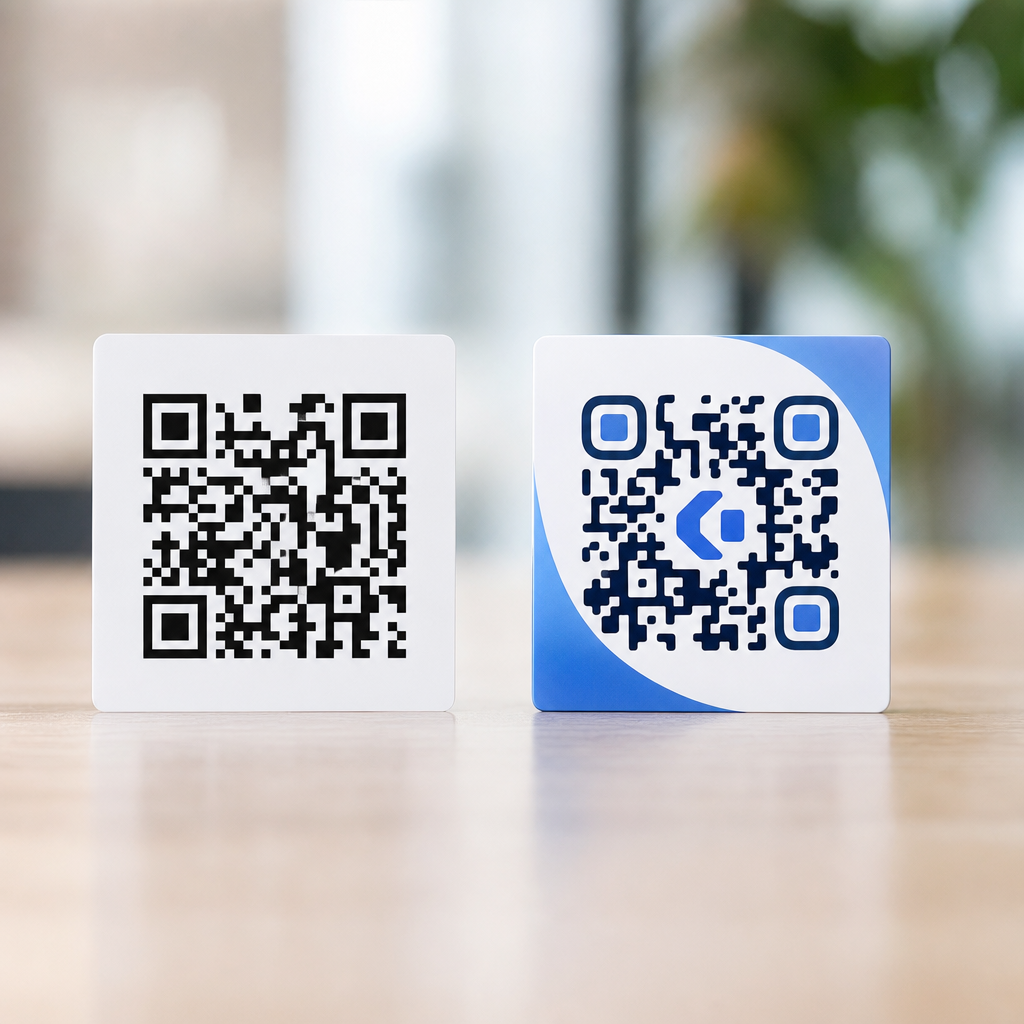
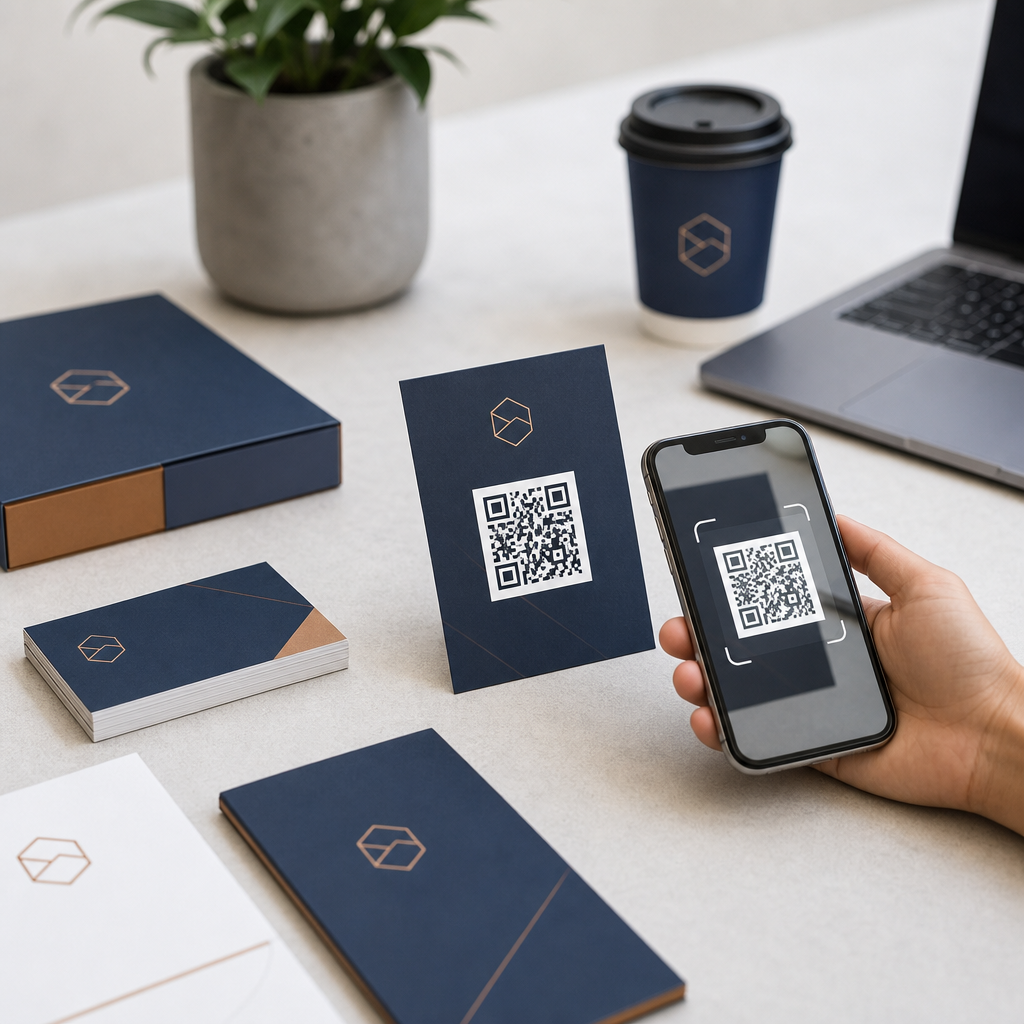
Examples of high-converting branded QR codes show how a simple scan can become a measurable marketing action when design, placement, and offer strategy work together. A branded QR code is a scannable code customized with brand colors, logos, frames, and messaging so it looks like a deliberate part of a campaign rather than a generic black-and-white square. In practice, I have seen branded QR codes lift scan rates when they answer a basic question clearly: why should someone scan this right now? That is why this topic matters for any business building a QR Code Design & Branding strategy. Branded QR codes sit at the intersection of visual identity, mobile usability, and conversion optimization. They can drive app downloads, lead generation, product education, event registrations, review requests, and in-store purchases. They also reduce the trust gap that often hurts generic codes, because users are more willing to scan something that visibly belongs to a known company. The best examples are not just attractive; they are engineered for performance, with strong contrast, tested error correction, concise calls to action, and landing pages matched to user intent.
To understand what makes branded QR codes convert, it helps to define conversion in context. For a retailer, a conversion may be a coupon redemption. For a software company, it may be a demo request. For a restaurant, it may be an online order. A high-converting branded QR code therefore is not one with the most scans, but one that produces the highest rate of desired actions after the scan. This distinction is essential. I have audited campaigns where scan volume looked impressive, yet revenue remained flat because the destination page was slow, irrelevant, or too complicated. Effective branded QR codes solve the entire journey, from visual discovery to scan confidence to post-scan action. This hub article explains the core patterns behind successful campaigns, practical examples across industries, design choices that protect scanability, and the measurement standards teams should use to improve results over time.
What High-Converting Branded QR Codes Have in Common
High-converting branded QR codes share five traits. First, they communicate ownership through familiar brand assets such as a logo, signature color palette, or packaging style. Second, they use a direct instruction like “Scan to order,” “Scan for sizing,” or “Scan for 15% off.” Third, they appear in a moment of high intent, such as on a product shelf, direct mail piece, event badge, table tent, or shipping insert. Fourth, they lead to a mobile-first destination that continues the same message the code promised. Fifth, they are technically robust, with enough contrast, quiet zone spacing, and print quality to scan quickly on both iPhone and Android devices.
In my experience, the strongest results come when design teams and performance marketers work from the same brief. The designer focuses on visual trust and brand consistency, while the marketer defines the conversion event, audience segment, and test variables. This coordination prevents common mistakes such as adding too much logo area, shrinking the code below practical size, or sending every campaign to the homepage. Standards from GS1, mobile usability guidance from Google, and practical testing in tools like QR Code Generator Pro, Bitly, Beaconstac, or Flowcode all support the same principle: a QR code is a conversion asset, not a decorative afterthought.
Retail and Packaging Examples That Drive Purchase Decisions
Retail is where branded QR codes often deliver the clearest commercial value because the scan happens close to the buying moment. One effective example is a skincare brand placing a teal-and-white QR code with its leaf logo on shelf talkers beside premium serums. The call to action reads, “Scan for ingredient proof and before-and-after results.” This works because shoppers in high-consideration categories want reassurance. Instead of sending them to a broad product catalog, the code opens a fast landing page with dermatologist testing details, usage instructions, verified reviews, and a one-tap add-to-cart option. The conversion is not just a scan; it is a completed purchase supported by trust-building information.
Packaging is another high-performing use case. A coffee roaster can place a branded QR code on the back of each bag linking to brew guides by grind type, farm sourcing details, and a reorder subscription. When I worked on similar packaging programs, repeat-purchase intent increased because the code extended the product experience after checkout. It also reduced customer service questions about brew ratios and freshness. A snack brand might use a code to unlock a limited-time giveaway, but the best versions still tie back to core business goals through email capture, loyalty enrollment, or retail locator visits. The code should feel useful even if the promotion ends. That long-term utility is what separates a gimmick from a scalable branded QR code strategy.
Restaurant, Hospitality, and Venue Examples That Increase Immediate Action
Restaurants were early adopters of QR codes, but the highest-converting branded QR codes now go beyond digital menus. A casual dining chain can print a red code with a subtle logo mark on table tents and use the frame text, “Scan to reorder your favorite in two taps.” The destination recognizes store location, features the top-selling items, and remembers previous orders for logged-in users. That setup shortens decision time and raises average order value. A generic menu PDF rarely converts as well because it adds friction and lacks persuasive structure.
Hotels and venues also benefit from branded QR codes when the offer is context-specific. A hotel elevator poster can use a gold-accented code reading, “Scan for late checkout offers and local dining perks.” Guests are already on property and likely to act if the value is immediate. At stadiums, branded QR codes printed on seatbacks can link to merchandise bundles, express concessions, or instant replays sponsored by a partner brand. Conversion improves because the code appears exactly when the user wants convenience. In these environments, large code size, matte materials that avoid glare, and strong Wi-Fi or mobile signal matter as much as design aesthetics.
Direct Mail, Print Ads, and Out-of-Home Examples That Bridge Offline to Online
Direct mail remains one of the best channels for high-converting branded QR codes because response can be tracked precisely. A home services company might mail oversized postcards with a navy code, trust badge, and simple promise: “Scan for your instant roof estimate.” The landing page asks only for address confirmation and contact details, then returns a preliminary estimate and booking option. That is far more effective than asking prospects to type a long URL or call during business hours. In campaign reviews, I consistently see direct mail codes outperform when they reduce effort and preserve the message match between the printed offer and digital form.
Magazine ads and billboards can work too, but only when built for scanning distance and attention limits. A fitness brand running transit shelter ads should use a very short call to action such as “Scan for a 7-day class pass,” not a multi-benefit paragraph. Out-of-home branded QR codes need oversized modules, strong contrast, and a destination that loads instantly on cellular data. They also need campaign-specific tracking parameters so teams can separate scans from downtown placements versus suburban stations. Without that segmentation, optimization is guesswork.
Event, B2B, and Lead Generation Examples That Improve Follow-Through
At trade shows and conferences, branded QR codes can replace manual lead capture when they are tied to a clear value exchange. A software company booth might display a branded code that says, “Scan for the benchmark report and live demo slots.” The first screen should offer two paths: download the report immediately or book a demo. This segmentation matters. Some visitors are early-stage researchers, while others are ready to talk to sales. Forcing both groups into one long form depresses conversion. I have seen better results when the code lands on a page personalized to the event name, with logos of customer brands and a concise explanation of the product category.
B2B sales teams also use branded QR codes in one-pagers, proposal decks, and showroom signage. For example, an industrial equipment manufacturer can add a code linking to a 90-second maintenance walkthrough, CAD file library, or ROI calculator. These assets reduce uncertainty for engineers and procurement teams. The conversion may be a specification request rather than an immediate purchase, but the principle is identical: answer the next question fast. Branded visual treatment helps the code feel trustworthy in formal business settings where random links are often avoided.
Design Patterns That Balance Brand Identity and Scanability
Branded QR codes convert only if they scan reliably. Marketers sometimes over-customize them by using low-contrast colors, busy backgrounds, or oversized center logos that break the finder patterns. The safer approach is to brand around the code first and inside the code second. Use dark modules on a light background, maintain a clean quiet zone, and reserve custom shapes for moderate styling rather than extreme distortion. Error correction can help protect scanability when adding a logo, but it is not a license to ignore testing. A code that looks elegant on a desktop mockup may fail on glossy print, curved packaging, or low-light environments.
| Design element | High-converting approach | Conversion risk if done poorly |
|---|---|---|
| Color | Dark foreground, light background, brand colors with strong contrast | Weak contrast lowers scan success |
| Logo | Small centered logo with adequate error correction | Large logo blocks data modules |
| Call to action | Specific benefit such as discount, guide, menu, or demo | Vague “Scan me” messaging reduces intent |
| Placement | Appears at a decision point with enough viewing time | Poor angles or distance limit scans |
| Landing page | Mobile-first page matched to the promise on the code | Homepage traffic leaks conversions |
Size matters as well. On packaging viewed in hand, a code around 0.8 to 1 inch square can work if print quality is high. On posters or signage, larger is safer, especially when users scan from several feet away. I recommend testing printed samples on multiple devices before rollout, including older phone cameras. Dynamic QR codes are usually the better choice because they allow destination updates, detailed analytics, and campaign management without reprinting the code. Static codes fit permanent information, but they limit optimization.
Measurement, Testing, and Hub-Level Strategy for Branded QR Codes
To judge whether a branded QR code is high-converting, track more than scans. Measure scan-through rate by impression source, landing page bounce rate, conversion rate, revenue per scan, and assisted conversions in analytics platforms such as Google Analytics 4. If the code appears in stores, pair scans with POS redemption or loyalty IDs. If it appears on direct mail, compare holdout groups where possible. These methods reveal whether the code itself is effective or whether the offer, audience, or destination page is the real constraint.
Testing should focus on one variable at a time. Compare frame text, offer type, logo presence, page length, or destination format. For example, a furniture retailer may test “Scan for room ideas” against “Scan for in-stock colors near you.” The second message often wins because it reduces shopping uncertainty tied directly to purchase intent. This hub page supports the full Branded QR Codes content cluster because every subtopic connects back to the same system: visual design, technical performance, placement strategy, and conversion measurement. From packaging QR code best practices to QR code CTA copy, dynamic code analytics, retail signage design, and mobile landing page optimization, the winning campaigns align every step of the customer journey. That alignment is the real reason some branded QR codes convert far better than others.
Examples of high-converting branded QR codes all point to one conclusion: performance comes from relevance, trust, and friction reduction working together. The code must look like it belongs to the brand, appear where the user has a real reason to scan, and lead to a page that fulfills a specific promise fast. Retail packaging succeeds when it answers product questions that influence purchase or repeat orders. Restaurants and venues win when the code saves time and simplifies ordering. Direct mail performs when scanning is easier than typing, calling, or searching. B2B and event campaigns convert when the code exchanges immediate value for the next sales step without overcomplicating the form.
The practical lesson is simple. Treat branded QR codes as conversion paths, not just design assets. Build them with strong contrast, a clear call to action, mobile-first destinations, and campaign-level tracking. Test the physical environment, not just the digital mockup. Use dynamic codes when flexibility and analytics matter. Most of all, match the scan experience to user intent at that exact moment. If you are building out your QR Code Design & Branding program, use this hub as the foundation, then review each related subtopic with the same standard: does the branded QR code make the next action obvious, useful, and easy? Start there, measure rigorously, and improve each campaign based on what real users do.
Frequently Asked Questions
What makes a branded QR code convert better than a standard QR code?
A branded QR code usually converts better because it looks intentional, trustworthy, and relevant to the campaign around it. A standard black-and-white QR code can work, but it often feels generic and disconnected from the message the audience is seeing. When a QR code includes brand colors, a logo, a clear frame, and short supporting copy, people understand that it is part of a real marketing experience rather than a random technical element. That visual alignment matters because people decide in seconds whether something deserves their attention.
High-converting examples almost always answer one immediate question: what do I get if I scan this right now? The strongest branded QR codes are not just prettier codes; they are paired with a compelling call to action such as “Scan to get 20% off,” “Scan to watch the demo,” or “Scan to book your free consultation.” In other words, the design earns attention, but the offer drives action. If the incentive is weak or unclear, even a well-designed code may underperform.
Another reason branded QR codes convert well is that they reduce friction in environments where attention is limited. On packaging, posters, table tents, direct mail, product inserts, and event signage, a scan gives people an immediate path from offline interest to online action. The best-performing examples make that path feel easy and low risk. They reassure users with recognizable branding, concise instructions, and a landing experience that matches the promise made at the scan point.
From a performance perspective, branded QR codes also support better measurement. Marketers can connect the code to campaign-specific landing pages, track scan rates by placement, and compare different offers or designs. That means a branded QR code is not only a creative asset but also a measurable conversion tool. When design, message, placement, and destination all work together, a simple scan becomes a meaningful marketing action rather than a passive interaction.
What are some real-world examples of high-converting branded QR codes?
Some of the best examples come from everyday marketing channels where people already have a reason to engage. On product packaging, a branded QR code can convert well when it offers something useful after purchase, such as setup instructions, a loyalty reward, a recipe, product registration, or access to exclusive content. For example, a food brand might place a branded code on the box with a message like “Scan for 5 quick recipes.” That works because it connects directly to buyer intent and provides immediate value in context.
Retail window displays are another strong example. A branded QR code on a storefront can drive conversions outside business hours by letting people browse products, claim a limited-time offer, or book an appointment. A beauty clinic, for instance, might use a code framed with “Scan for this month’s treatment special.” In that case, the code is effective because it captures interest at the moment someone is physically near the business and already considering the category.
Event marketing also produces high-converting use cases. At trade shows, branded QR codes on booth signage, badges, product displays, and handouts can send visitors to demo pages, lead forms, giveaways, or appointment calendars. The strongest examples keep the ask simple and relevant, such as “Scan to get the case study” or “Scan to schedule a 10-minute walkthrough.” These offers convert because they match the fast-paced environment and give attendees a reason to continue the conversation after leaving the booth.
Direct mail campaigns often see strong results as well, especially when the QR code bridges a personalized offline message to a targeted online experience. A real estate agent might send a postcard with a branded QR code that says “Scan to view available homes in your price range,” while a local service business might use “Scan for your instant quote.” These examples work because the QR code is tied to a specific need and the destination page continues the same message without distraction.
Restaurant tables, menus, and takeout packaging are also excellent examples. A branded QR code can promote reorders, loyalty signups, reviews, catering inquiries, or limited-time menu items. “Scan to earn points on today’s order” is often more effective than a general “Scan me” label because it gives a clear reason to engage immediately. Across all of these examples, the common thread is not the industry itself but the combination of contextual placement, recognizable branding, and a compelling next step.
How should a branded QR code be designed to maximize scan rates and conversions?
Designing a branded QR code for performance starts with clarity, not decoration. The code should still be easy to scan from the expected distance, under real lighting conditions, and on the material where it will appear. That means preserving enough contrast, using a clean quiet zone around the code, and avoiding over-customization that interferes with readability. Brand colors, logo placement, and custom frames can improve attention and trust, but they should never come at the expense of reliable scanning.
A high-converting design usually includes four elements: a recognizable brand identity, a visible call to action, supporting context, and a mobile-friendly destination. The branding helps people instantly associate the code with a company or campaign they recognize. The call to action tells them why to scan. The supporting context, such as a short headline or benefit statement, reinforces the value. Then the landing page must fulfill that promise quickly, because conversion does not happen at the scan alone; it happens when the user completes the next action.
Frames and labels often make a major difference. Many top-performing branded QR codes are wrapped in a frame that contains action-oriented copy like “Scan to save,” “Scan to order,” or “Scan to learn more.” This small addition removes ambiguity. Instead of asking users to guess the outcome, it gives them a direct benefit. Including a subtle logo in the center can also build trust, especially in crowded visual environments where people may hesitate to scan an unfamiliar code.
Size and placement are equally important parts of design. A QR code on a billboard needs very different dimensions from one on a business card or shelf tag. The code should be large enough for the expected scanning distance and placed where it can be reached without awkward movement or visual confusion. If people need to rotate packaging, step into traffic, or stand too far away, conversion rates will suffer regardless of how attractive the code looks.
Finally, testing should be treated as part of the design process. Scan the code on multiple devices, from multiple angles, and in the exact environment where it will be used. Test different CTA wording, frame styles, and landing page offers. In many cases, a small improvement in the message around the code can outperform a major visual redesign. The goal is not simply to make the QR code look branded; the goal is to make it unmistakably useful and frictionless to act on.
Where should branded QR codes be placed for the highest conversion potential?
The best placement for a branded QR code is wherever audience attention and intent are already high. Conversion tends to improve when the code appears at a natural decision point: while someone is considering a purchase, using a product, waiting for service, attending an event, or reviewing an offer. In those moments, a scan feels like the next logical step rather than an interruption. That is why placement should always be planned around user behavior, not just available space in a layout.
Packaging is one of the strongest placements because it reaches people who have already shown interest by buying or handling the product. A branded QR code there can drive repeat purchases, upsells, tutorials, user-generated content, reviews, or loyalty enrollment. In-store displays and shelf signage also work well because they catch shoppers close to the point of purchase. A code that compares products, reveals a coupon, or shows a quick demo can influence action when the customer is already evaluating options.
Physical locations create additional high-conversion opportunities. Storefront windows, counters, waiting areas, menu boards, hotel rooms, reception desks, and table tents all allow businesses to turn idle attention into measurable engagement. These settings work especially well when the QR code solves an immediate need, such as viewing a menu, joining a waitlist, claiming a promotion, or booking a service. The more relevant the offer is to the moment, the more likely the scan is to convert.
Printed media remains highly effective when used strategically. Direct mail, brochures, flyers, catalogs, magazine ads, and event handouts can all perform well if the QR code leads to a focused, mobile-optimized action. Rather than sending everyone to a homepage, high-converting campaigns typically use dedicated landing pages tailored to the specific source. This lets the audience continue the same message flow and gives marketers a cleaner way to measure results by placement.
Placement also involves practical considerations. The code should be visible without clutter, easy to access physically, and supported by enough context that users know what will happen when they scan. If multiple QR codes appear in the same area, confusion can reduce performance. A single clear code with one strong offer usually converts better than several competing options. In short, the highest conversion potential comes from putting branded QR codes in moments of intent and making the next step feel obvious.
How can you measure whether a branded QR code campaign is actually converting?
To measure a branded QR code campaign properly, start by defining what “conversion” means for that specific campaign. In some cases, the goal is a scan.