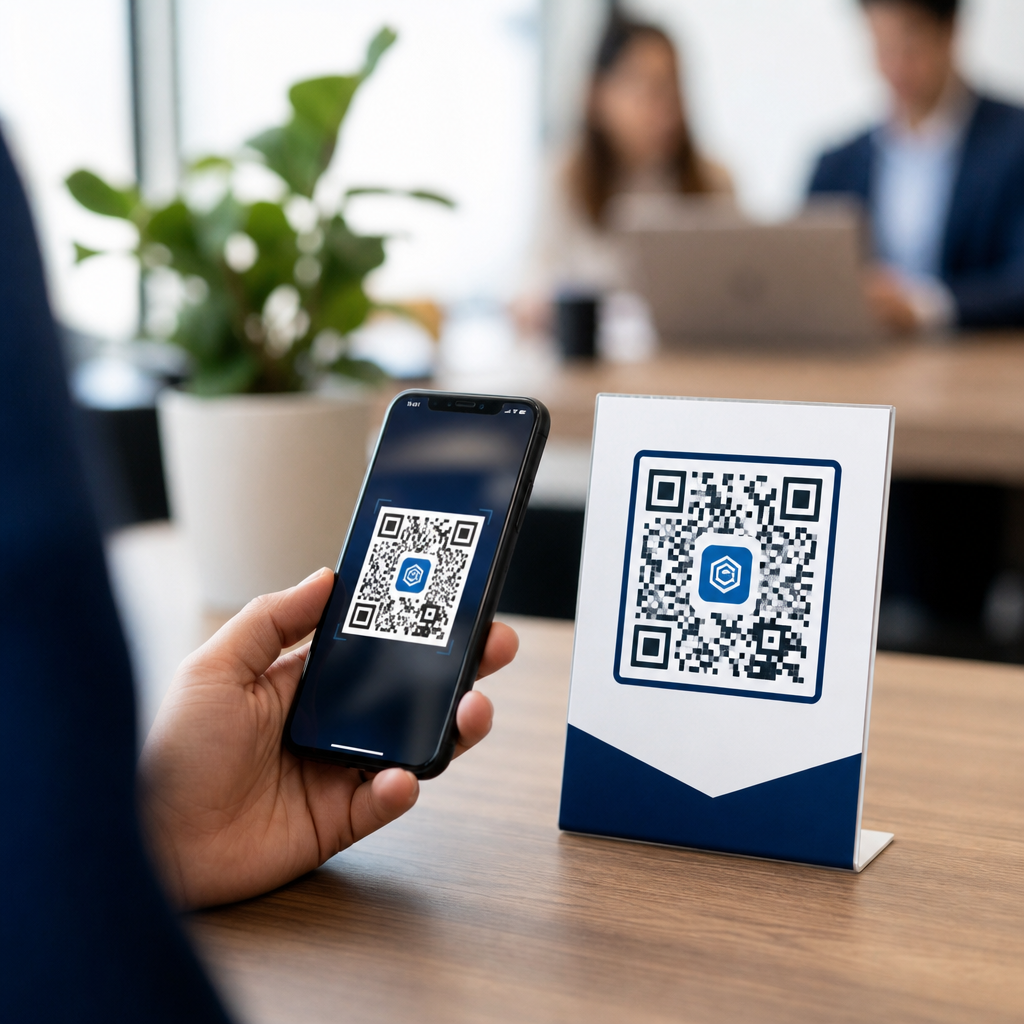
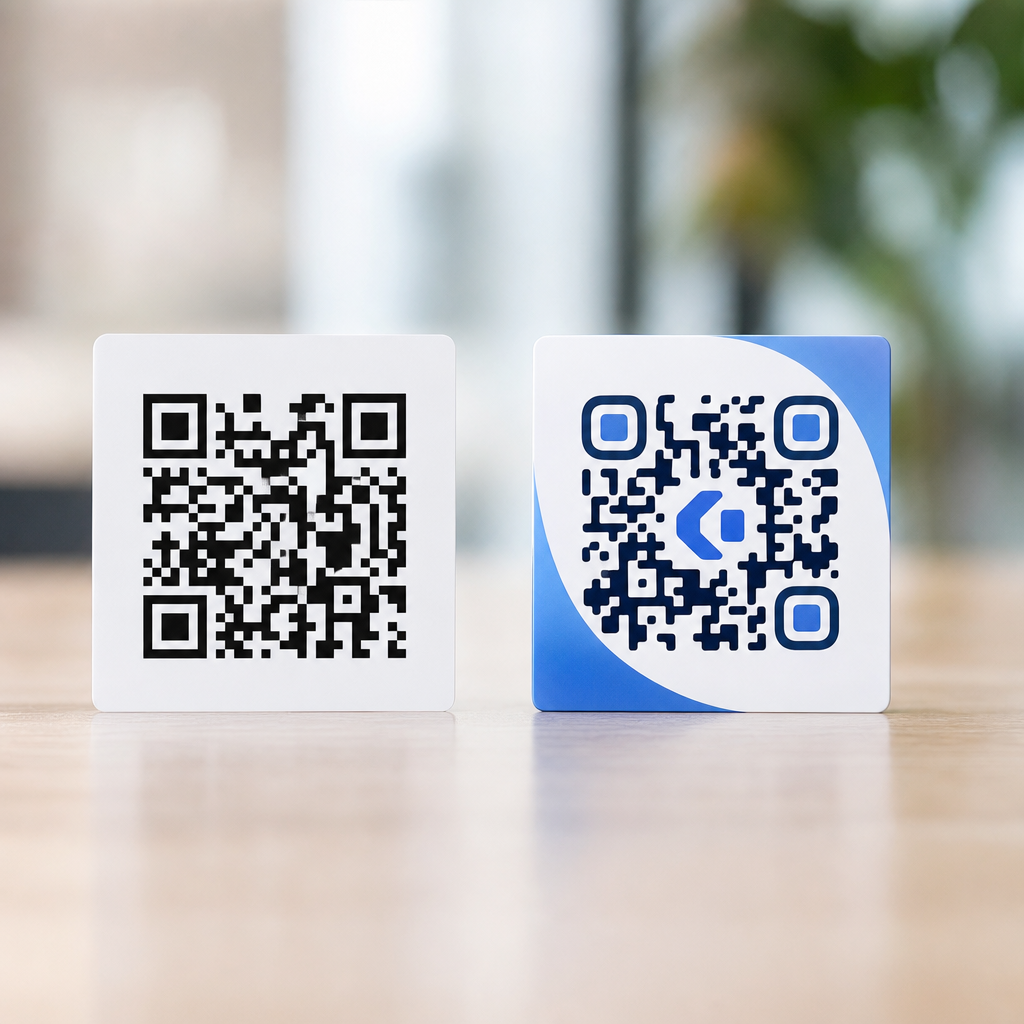
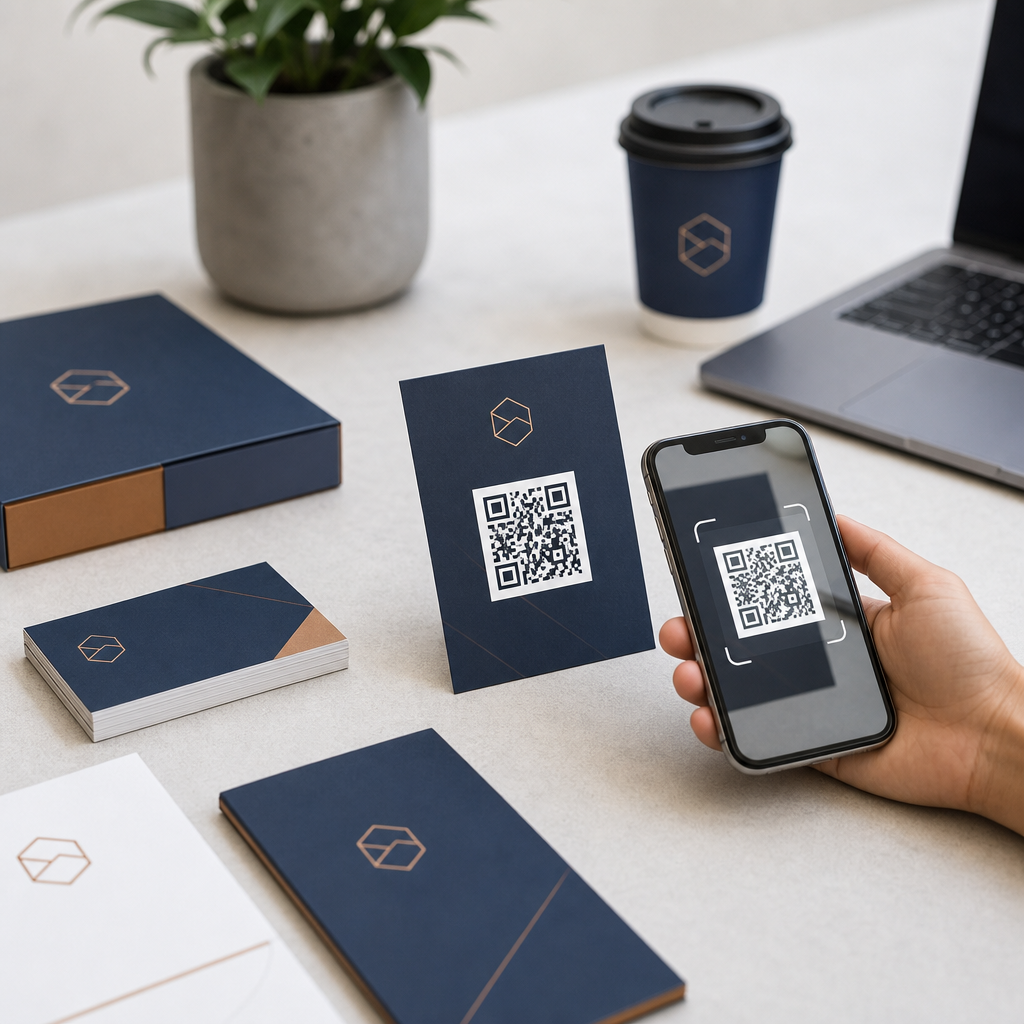
Branded QR codes turn a functional scanning tool into a recognizable marketing asset, helping businesses connect offline attention with digital action while reinforcing identity at the exact moment a customer engages. A branded QR code is a QR code customized with visual elements such as brand colors, a logo, a call to action, or a frame while still remaining scannable by smartphone cameras and QR reader apps. In practice, that means the code does more than open a link: it signals who is behind the experience, what the user should expect, and why the scan is worth the effort. That difference matters because most campaigns compete for seconds of attention on packaging, signs, direct mail, menus, product inserts, storefront windows, and event materials.
I have seen plain black-and-white codes ignored on printed pieces that otherwise had strong creative, then watched scan rates climb after the code was redesigned with a clear frame, short instruction, and logo that matched the campaign. The improvement was not magic. It came from reducing uncertainty. People are more likely to scan when they can identify the brand instantly and infer the destination, whether that is a product page, coupon, app download, warranty form, video, or payment screen. In marketing terms, branded QR codes improve trust, increase visual consistency, and make attribution easier when each placement is tied to a specific destination or dynamic campaign link.
This topic matters because QR codes now sit at the intersection of packaging, retail, out-of-home media, mobile commerce, and first-party data collection. Consumer behavior shifted sharply after smartphone cameras made scanning native and touchless interactions became common in restaurants, events, healthcare, and payments. Brands that treat QR codes as a design afterthought miss a measurable opportunity. Brands that treat them as a controlled, tested conversion point gain a practical edge. The benefits of using branded QR codes in marketing include better recognition, stronger engagement, improved tracking, higher confidence, and more flexible campaign management across channels.
Branded QR codes increase trust and scan rates
The first benefit is simple: people scan what feels legitimate. A generic code floating in empty space gives no context, and context drives action. When a QR code carries a familiar logo, uses approved brand colors, and includes a direct instruction such as “Scan to see ingredients” or “Scan for 15% off,” it answers the user’s first questions before they ask them. Who is this from? What happens next? Is it safe? Those questions are central to performance because scanning is a micro-conversion that requires confidence.
Trust is especially important in public settings where users are alert to phishing, malicious redirects, and sticker replacement fraud. A branded code does not eliminate risk, but it helps users compare the code against the surrounding asset. If the logo, typography, and color palette match the package or sign, the experience feels intentional rather than suspicious. This is one reason branded QR codes perform well on product packaging, event badges, and in-store displays. They visually belong to the medium. In my experience, even small additions like a consistent frame and branded short URL can noticeably improve scan willingness.
Design also affects usability. High-contrast codes with enough quiet zone, sensible logo sizing, and tested color combinations remain easy for cameras to read. The most effective branded QR codes are not overdesigned. They preserve error correction capacity, avoid extreme gradients, and maintain module clarity. Tools such as QR Code Generator Pro, Bitly Codes, Beaconstac, and Flowcode make this easier by validating scan reliability across devices. Strong branding works when it supports function, not when it competes with it.
They strengthen brand recognition across physical and digital touchpoints
Marketing works better when repeated exposure builds memory structures. A branded QR code contributes to that repetition because it carries the same identity system found in ads, packaging, landing pages, social profiles, and email campaigns. Instead of acting like an anonymous utility, the code becomes another branded touchpoint. That matters on crowded surfaces where every element must earn its place.
Consider a beverage brand launching a limited-edition product. The package may include a branded QR code that opens a behind-the-scenes video, loyalty offer, or retailer locator. The consumer sees the logo on shelf, on the code, and again on the landing page after scanning. That continuity reduces cognitive friction and reinforces recall. The code is no longer a detour from the brand experience; it is part of the experience.
This benefit extends beyond consumer packaged goods. Real estate agents use branded QR codes on yard signs to link to listings and virtual tours without weakening their personal brand. Museums place branded codes next to exhibits to guide visitors to audio commentary while preserving institutional identity. B2B exhibitors use them on booth graphics, brochures, and demo stations so post-event traffic remains tied to the campaign source. In each case, the QR code supports recognition and continuity, which are foundational to stronger response rates over time.
Branded QR codes improve campaign tracking and attribution
A major reason marketers adopt QR codes is measurement. Branded QR codes are typically built on dynamic links, which means the destination can be updated without reprinting the code and scan activity can be tracked in a reporting dashboard. That unlocks data on total scans, unique scans, time of day, device type, operating system, approximate location, and in some platforms conversion events after the click. For teams trying to connect offline media to digital outcomes, that visibility is valuable.
Attribution becomes more precise when each placement has its own code. A restaurant chain can place one branded QR code on window decals, another on table tents, and another on takeout packaging, each leading to the same menu but using distinct tracking parameters. The business can then see which touchpoint generated more engagement and optimize spend accordingly. The same method works for direct mail, point-of-sale displays, conference handouts, and transit ads.
When QR platforms integrate with Google Analytics 4, CRM systems, or marketing automation tools, scans become part of the broader funnel. A manufacturer can track scans from installation guides to support content, then identify which product lines generate the most post-purchase engagement. A retailer can compare scan volume by store region and tie it to redemption or sales lift. The practical advantage is not just reporting. It is better decision-making on creative, placement, and budget allocation.
They make offline marketing more interactive and conversion-focused
Traditional print and physical media often struggle with delayed action. A person sees a flyer, poster, or package, plans to look it up later, and forgets. A branded QR code compresses the path from interest to action. With one scan, the user moves directly into a mobile experience designed for conversion. That can mean signing up, buying, reserving, downloading, registering, reviewing, or sharing. The code shortens the journey and captures intent when it is freshest.
What makes the branded version stronger is the expectation it sets. A plain code may feel like an interruption. A branded code with a benefit-led frame feels like an invitation. “Scan to customize your order,” “Scan to unlock setup tips,” and “Scan to verify authenticity” are specific prompts that connect the physical object to a digital utility. This is why branded QR codes work so well for onboarding, loyalty, and post-purchase education. They turn static materials into active gateways.
For service businesses, the impact can be immediate. A salon can place a branded QR code at reception for rebooking and another at checkout for reviews. A clinic can direct patients to pre-visit forms or care instructions. A nonprofit can add one to event signage for donations and another to printed stories for volunteer sign-ups. In every case, the scan is tied to a clear action, and the branding reassures users that the next step is intentional and relevant.
Design flexibility supports different marketing goals without losing consistency
One of the strongest benefits of using branded QR codes in marketing is flexibility. The same brand can use different code treatments for awareness, education, conversion, service, and retention while preserving a consistent visual system. For example, a luxury retailer may use a subtle monochrome code on packaging inserts, a bold framed code on storefront displays, and a campaign-colored code on seasonal direct mail. Each serves a different context, yet all remain recognizably linked to the same brand.
That flexibility matters because placement conditions vary. Codes printed on corrugated shipping boxes need more contrast and durability than codes displayed on glossy menus. Codes used outdoors must account for viewing distance, glare, and weathering. Codes on small labels need careful sizing and simpler customization than codes on posters. A branded approach does not mean one fixed design. It means adapting within brand standards while protecting scan performance.
| Marketing use case | Recommended branded QR treatment | Main goal |
|---|---|---|
| Product packaging | Logo in center, short frame text, high contrast | Education, upsell, authenticity |
| Direct mail | Bold frame, campaign color, strong CTA | Response and lead generation |
| Retail signage | Larger code, simple branding, mobile-first landing page | In-store conversion |
| Events and trade shows | Distinct campaign tag, dynamic link, staff-specific codes | Attribution and follow-up |
| Post-purchase inserts | Support-focused message, branded help destination | Retention and reduced support friction |
Using a structured design system also helps teams scale. Brand managers can define approved logo placements, color ranges, minimum size, and destination rules so regional teams or franchisees do not improvise codes that weaken performance. This is particularly useful for multi-location brands that need local flexibility with central governance.
Branded QR codes support better customer experience and first-party data collection
Good marketing is not only about acquisition; it is also about making the customer journey easier. Branded QR codes can reduce friction at key moments by connecting people to exactly the information they need. On packaging, they can open assembly videos, ingredient details, care instructions, recycling guidance, or warranty registration. In hospitality, they can launch menus, room service options, local guides, or feedback forms. In software and electronics, they can connect users to setup workflows and knowledge base articles. When the destination solves a real problem quickly, the brand becomes more useful and more memorable.
These experiences also create opportunities to gather first-party data in a consent-based way. A scan can lead to a preference center, account registration page, loyalty enrollment flow, or gated content offer. Because the interaction starts from owned media such as packaging or printed collateral, the brand is not relying entirely on third-party platforms for access. That is strategically important as privacy rules tighten and paid media costs fluctuate. The key is relevance. Users share data when the exchange feels valuable and transparent.
There are limits, and smart marketers respect them. Too many QR codes on one asset can confuse users. Weak mobile pages can waste hard-won scans. Decorative changes that reduce contrast or crowd the quiet zone can hurt readability. The best results come from pairing strong design with strong destination experience: fast page loads, concise messaging, visible trust signals, and a clear next action.
Best practices for implementing branded QR codes effectively
Implementation determines whether branded QR codes deliver on their promise. Start with the objective. Every code should support a single primary goal, such as product education, coupon redemption, lead capture, review collection, or app install. Then match the destination to the moment. A shopper in an aisle needs different content than a customer opening a package at home. Context should guide both creative and landing page design.
Use dynamic QR codes whenever possible so you can change destinations, fix errors, and compare placements without reprinting. Test across iPhone and Android devices, native camera apps, and different lighting conditions. Maintain a generous quiet zone around the code and ensure the contrast ratio is strong enough for fast detection. If you add a logo, keep it within the platform’s recommended coverage limits and use appropriate error correction. Follow ISO/IEC 18004 principles for symbol quality even when using marketing tools that automate most of the setup.
Measure beyond scans. A high scan count with low downstream conversion may indicate a mismatch between the promise on the code and the landing page experience. Review bounce rate, form completion, coupon redemption, assisted revenue, and repeat engagement. Finally, document standards so future campaigns stay consistent. If you manage QR code design and branding as a governed system rather than a one-off tactic, the benefits compound across channels and over time.
Branded QR codes deliver a practical marketing advantage because they combine identity, usability, and measurement in one small asset. They increase trust at the point of scan, reinforce recognition across channels, connect physical media to digital conversion, and provide cleaner attribution for campaigns that once felt difficult to measure. They also improve customer experience by giving people fast access to relevant content, support, offers, and next steps when interest is highest.
The core lesson is straightforward: a QR code should not be treated as a generic utility pasted onto creative at the last minute. It should be designed, tested, and managed as a branded conversion point. When the code matches the surrounding experience, the value proposition is clear, and the destination is mobile-friendly, performance improves for both users and marketers. That is why branded QR codes continue to earn a central role in packaging, retail, events, hospitality, direct mail, and post-purchase communication.
If your business already uses QR codes, audit them for branding, clarity, and destination quality. If you are planning new campaigns, build branded QR codes into the creative process from the start and track each placement carefully. Done well, they turn everyday scans into stronger engagement, better data, and more consistent brand impact.
Frequently Asked Questions
What are branded QR codes, and how are they different from standard QR codes?
Branded QR codes are customized QR codes designed to reflect a company’s visual identity while still performing the same core function as a standard QR code: directing users to digital content when scanned. Instead of appearing as a plain black-and-white square, a branded QR code can include brand colors, a logo, a frame, a short call to action, and other design elements that make it immediately recognizable. That visual customization helps transform the code from a generic utility into a deliberate marketing asset.
The biggest difference is perception and context. A standard QR code may work functionally, but it often gives users no clue where the scan will take them or whether the destination is trustworthy. A branded QR code reduces that uncertainty by showing who is behind the experience before the user even scans. When someone sees familiar branding, they are more likely to feel confident engaging with it, especially on packaging, posters, menus, direct mail, event materials, or retail displays. In marketing, that matters because every moment of hesitation can reduce response rates.
Branded QR codes also support campaign consistency. They can be visually aligned with ads, product packaging, signage, or promotional materials so the scan feels like a natural next step instead of a disconnected action. In other words, branded QR codes do not just open a link—they reinforce identity, improve recognition, and make the offline-to-online transition more seamless for the customer.
What are the main marketing benefits of using branded QR codes?
The primary marketing benefit of branded QR codes is that they combine utility with brand reinforcement at the exact point of engagement. When a person scans a QR code, they are taking action in real time. That moment is valuable, and branded QR codes help businesses make the most of it by ensuring the interaction feels intentional, professional, and aligned with the broader campaign. Rather than acting as an invisible bridge to digital content, the code itself becomes part of the brand experience.
Another major advantage is increased trust and potential scan engagement. Consumers are more likely to interact with something that looks credible and familiar. A QR code that includes a logo, uses established brand colors, and presents a clear call to action can feel more legitimate than a plain code placed in the same location. That can improve the likelihood that someone scans it, especially in crowded environments where multiple messages compete for attention.
Branded QR codes also improve consistency across channels. Businesses can place them on print ads, product labels, brochures, event booths, restaurant tables, storefront windows, and shipping inserts while keeping the same visual identity customers see online. This creates a stronger omnichannel experience and helps bridge offline awareness with online action such as visiting a landing page, redeeming an offer, watching a product demo, joining a loyalty program, or following a brand on social media. From a strategic standpoint, branded QR codes can support awareness, engagement, conversion, and retention all in one simple format.
Do branded QR codes really improve customer trust and scan rates?
In many cases, yes. While scan rates depend on several factors—including placement, offer quality, timing, audience intent, and landing page relevance—branding can play an important role in making people feel comfortable enough to act. A generic QR code often gives users little information. They may wonder where it leads, whether it is safe, or whether it is worth the effort. A branded QR code helps answer those questions immediately by signaling ownership and purpose.
Trust is especially important because scanning a code involves a small but meaningful commitment. The user is taking out a phone, opening a camera, and expecting something useful in return. If the code looks polished and is paired with a clear message such as “Scan to view the menu,” “Scan for 20% off,” or “Scan to watch the tutorial,” the experience feels more transparent. Adding a recognizable logo or color scheme can reinforce legitimacy and reduce friction, which may lead to higher engagement compared with an unbranded alternative.
That said, branding alone is not enough. The best results come when the QR code is easy to scan, placed where people can notice and use it comfortably, and connected to a mobile-friendly destination that delivers on the promise. In short, branded QR codes can improve trust and support stronger scan performance, but they work best as part of a thoughtful user experience rather than as decoration alone.
Where can businesses use branded QR codes in their marketing campaigns?
Branded QR codes are highly versatile and can be used almost anywhere a business wants to connect physical attention with digital action. Common uses include product packaging, in-store displays, print advertisements, direct mail pieces, trade show materials, event signage, restaurant menus, business cards, brochures, window decals, posters, receipts, and shipping inserts. Because they are so flexible, they can support both short-term promotions and long-term brand experiences.
For example, a retailer might place a branded QR code on shelf signage to link shoppers to product reviews or limited-time offers. A food brand could add one to packaging that leads to recipes, sourcing information, or a loyalty program. A service business might use branded QR codes on flyers or vehicle wraps to drive appointment bookings. At events, companies often use them to share schedules, collect leads, distribute downloadable resources, or encourage social follows. In hospitality and restaurants, they can streamline digital menus, feedback forms, or promotional offers while maintaining a polished branded appearance.
The strongest use cases are those where the QR code has a clear purpose and a strong match between context and destination. If someone scans a code on packaging, they should land on content related to that product. If they scan at a trade show, the page should reflect the event interaction. Branded QR codes are most effective when they feel like a helpful continuation of the customer journey, not just a technical shortcut.
What should businesses keep in mind when designing branded QR codes for marketing?
The most important rule is that the QR code must remain easy to scan. Branding should enhance the code, not interfere with its functionality. That means maintaining enough contrast between the foreground and background, avoiding overly complex visual changes, and making sure any logo or design element does not block critical data areas. A professionally designed branded QR code should strike a balance between visual appeal and technical reliability so users can scan it quickly with standard smartphone cameras and QR reader apps.
Businesses should also think carefully about messaging and placement. A QR code performs better when it includes a clear call to action that tells people what they will get by scanning. Phrases like “Scan to shop,” “Scan for pricing,” or “Scan to claim your offer” give users a reason to engage. Size matters too: if the code is too small, too far away, or placed on a curved or reflective surface, scan performance can suffer. Testing in real-world conditions is essential before launching a campaign at scale.
Finally, the destination experience should be just as polished as the code itself. The landing page should load quickly, look good on mobile devices, and match the branding and promise presented offline. Businesses should also consider using trackable or dynamic QR codes when appropriate so they can measure scans, update destinations, and optimize performance over time. When design, usability, and destination quality all work together, branded QR codes can become a powerful and measurable part of a modern marketing strategy.