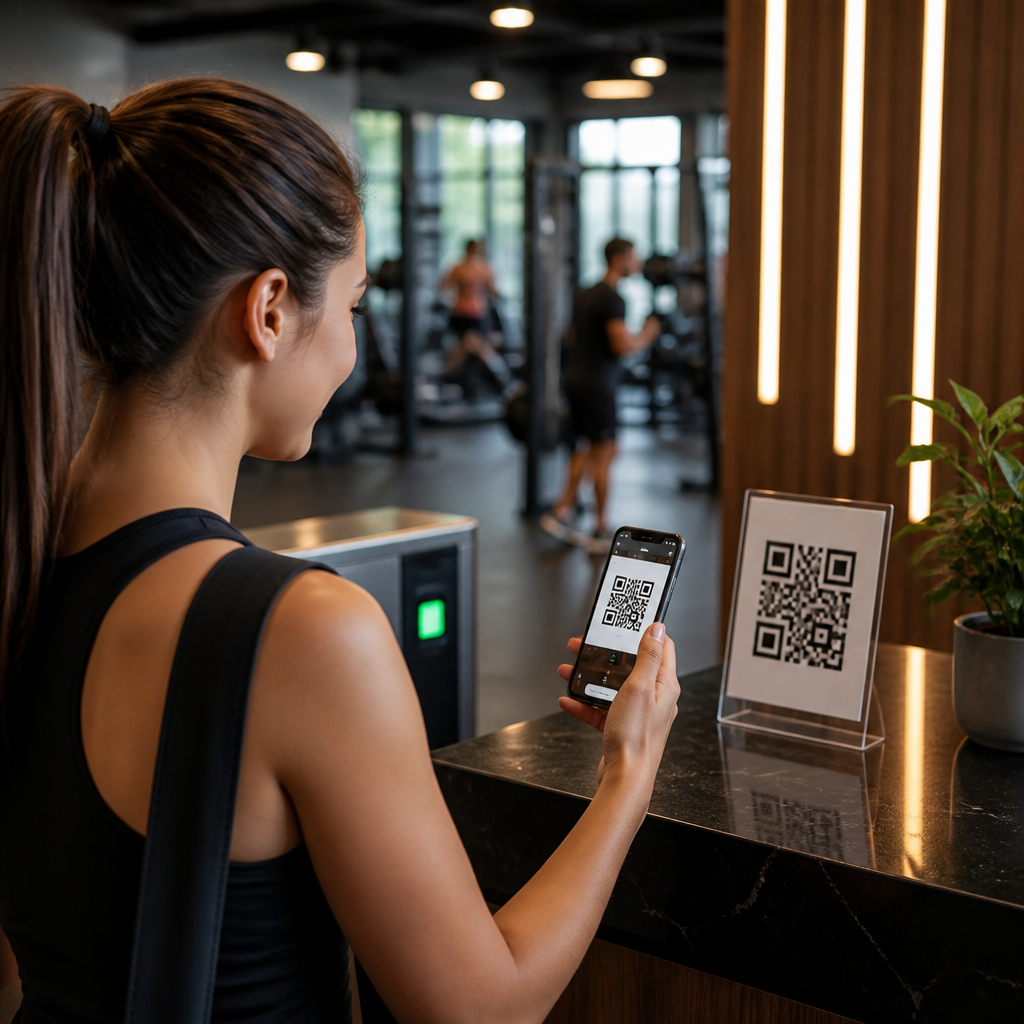
Using QR codes for gym check-ins gives fitness businesses a fast, trackable, and low-friction way to manage member access while improving operations, marketing, and the in-club experience. A QR code is a scannable image that links to data such as a member ID, a digital form, a class booking page, or a loyalty action. In gym settings, the most common use is replacing or supplementing key tags, barcode cards, and front-desk sign-in sheets with a phone-based or kiosk-based scan. I have helped operators roll out these systems in boutique studios, multi-site gyms, and unstaffed training facilities, and the same lesson appears every time: check-in is not just an entry process. It is a control point for security, attendance data, retention workflows, and revenue opportunities.
For fitness operators, that matters because check-in affects staffing efficiency, wait times, cleanliness protocols, class capacity, and member satisfaction. For members, it shapes the first thirty seconds of every visit. A slow or inconsistent arrival process creates friction before the workout even starts. A smooth QR code gym check-in system can shorten queues, verify active memberships instantly, trigger access control, and feed attendance data into customer relationship management platforms. It can also support waivers, guest passes, lead capture, and location-specific campaigns. As gyms increasingly combine in-person access with mobile apps, digital memberships, and automated billing, QR codes provide a practical bridge between the physical club and the software stack behind it.
This hub article explains how using QR codes for gym check-ins works, where it fits in fitness operations, and what gym owners should consider before deployment. It covers staffed clubs, boutique studios, 24/7 access models, franchise chains, and hybrid wellness spaces. It also addresses common questions directly: are QR codes secure enough for member access, what equipment is needed, how do they integrate with booking and billing systems, and what problems do they solve beyond speed? If you are building a broader QR strategy for fitness and gyms, this page serves as the central overview for access control, class attendance, lead generation, retail, and member engagement use cases.
How QR Code Gym Check-Ins Work in Practice
A QR code gym check-in system usually follows a simple sequence. A member receives a unique code through a mobile app, wallet pass, email, or printed credential. At the entrance, front desk, turnstile, or self-service kiosk, the member scans the code. The scanner or camera sends that identifier to the gym management platform, which checks account status, access permissions, time restrictions, and location rules. If the member is active and authorized, the system records attendance and can unlock a door or gate. If not, staff receive an alert or the app prompts the member to resolve billing or booking issues.
In real deployments, the details matter. Static QR codes can identify a member profile, but dynamic or rotating QR codes are stronger because they reduce screenshot sharing and replay risks. Many modern systems generate time-limited tokens inside the gym app. Some also bind the code to a logged-in device, location, or session. For staffed clubs, a desk attendant can visually confirm the profile photo after scan. For 24/7 facilities, the access control layer should log time stamps, door events, and failed attempts so managers can audit usage and investigate misuse.
Gym operators often ask whether QR codes replace membership cards entirely. The answer is yes in many facilities, but not in every one. A premium health club with an older demographic may still offer RFID fobs for convenience. A high-volume, low-cost chain may use both: QR for app users and barcode or RFID for everyone else. In practice, dual-mode access works well during transition periods because it reduces support tickets while members adopt the mobile workflow.
Operational Benefits for Fitness Businesses
The clearest benefit is efficiency. Front-desk teams spend less time searching names, checking paper lists, or replacing lost cards. During peak periods before 6 a.m., after work, and before popular classes, even a few seconds saved per member reduces queue length materially. In a club with 1,200 daily visits, trimming average check-in time from ten seconds to four seconds saves two staff-hours of member handling every day. That does not always eliminate labor, but it lets teams focus on tours, sales conversations, and service recovery rather than repetitive gatekeeping.
Attendance data is the second major advantage. Every scan creates a time-stamped event that can feed dashboards, billing logic, and retention triggers. Operators can identify low-frequency members before they cancel, compare visit patterns by location, and understand whether class attendance is cannibalizing open gym usage or expanding overall engagement. I have seen boutique studios use check-in data to spot members who book but do not attend more than twice in a month, then automate a coaching message or call. That intervention is far more effective when grounded in actual visit behavior rather than guesswork.
QR codes also improve hygiene and policy compliance. Post-pandemic, many gyms moved away from shared sign-in touchpoints and loose paper processes. A member scanning from their own phone reduces contact. The same workflow can present updated club rules, age confirmations, health declarations, or guest waivers before access is granted. Because the scan is digital, proof of acknowledgment is easier to store than a paper clipboard at reception.
Best-Fit Use Cases Across Gym Types
Not all fitness businesses use check-ins the same way, so the best implementation depends on the operating model. Boutique studios often tie QR scans to booked classes. The code validates that the member is on the roster, checks them into the session, and can trigger instructor dashboards or post-class follow-up. Traditional full-service gyms use the scan more for access control, attendance logging, and account validation. In 24/7 clubs, QR codes become part of the security model, often paired with CCTV, smart locks, and incident logs.
Franchise networks gain an additional advantage: standardization. When every location uses the same mobile check-in rules and reporting structure, corporate teams can compare utilization, staffing pressure, and conversion from trial to paid membership across markets. Hotel gyms, corporate wellness rooms, and apartment fitness centers can also use QR check-ins, but they usually need temporary access windows and guest verification rather than full membership logic.
| Gym type | Primary QR check-in goal | Typical integration | Key caution |
|---|---|---|---|
| Boutique studio | Validate class attendance | Booking platform and instructor roster | Handle late arrivals without slowing class start |
| Big-box gym | Speed entry and confirm active membership | Billing, CRM, and access control | Avoid bottlenecks at peak hours |
| 24/7 access club | Secure unattended entry | Door controller, cameras, and audit logs | Prevent code sharing and tailgating |
| Multi-site franchise | Standardize reporting across locations | Central member database and app | Maintain consistent rules by site |
These patterns help fitness owners choose the right workflow before buying hardware or changing software. The best system fits the business model first, then the technology stack.
Technology Stack, Hardware, and Integrations
Using QR codes for gym check-ins does not require a massive rebuild, but it does require clean integration choices. At minimum, a gym needs a member database, a QR code generator or app module, a scanner or camera, and logic that decides whether access is allowed. Most operators connect this to gym management software such as Mindbody, ABC Glofox, Zen Planner, ClubReady, Virtuagym, Pike13, or custom franchise platforms. Access control may run through door systems from vendors like Brivo, Paxton, Kisi, or SALTO, depending on the facility type.
Scanner choice affects reliability. Dedicated 2D barcode scanners are faster and more forgiving than low-end tablet cameras in bright sun or low light. At a reception desk, a handheld scanner often works well. At a turnstile or secure door, a fixed mount scanner with a visible aiming window is better. If the club relies on phone brightness for scanning, operators should test older devices with cracked screens and battery saver modes. Those edge cases are common at 5:30 a.m., and they are where member frustration starts.
Integration with billing is essential. A good system checks for delinquent accounts in real time and applies the business rule consistently. Some gyms allow a grace period and display a reminder. Others block access immediately. Neither approach is universally correct, but inconsistency is damaging. Booking integration matters too. If a studio limits class capacity, the check-in event should reconcile the reservation list automatically, release no-show spots according to policy, and update waitlists without staff intervention.
Security, Fraud Prevention, and Compliance
Are QR codes secure enough for gym access? Yes, when implemented properly. No, if they are just static images sent by email with no validation controls. The difference is the verification layer behind the code. Strong systems use dynamic codes, short expiration windows, encrypted tokens, device authentication, and server-side validation. They also monitor anomalies, such as the same member attempting check-in at two sites within minutes, repeated scans after denied billing status, or unusual overnight patterns.
Tailgating remains a risk in any access model. A QR code can confirm who scanned, but it cannot physically stop another person from slipping in behind them unless the entry design addresses it. Turnstiles, single-door vestibules, camera review, and staff presence reduce that exposure. For unstaffed gyms, recorded door events linked to scan logs are critical for incident investigation and rule enforcement.
Data handling matters as well. Check-in systems process personal data, visit history, and sometimes profile photos. Operators should minimize what is displayed on the scanner, use role-based permissions in the management platform, and store logs according to applicable privacy rules and local retention policies. If minors use the facility, waiver and consent workflows need special care. A convenient process is valuable, but convenience should never bypass sound access governance.
Member Experience, Marketing, and Revenue Opportunities
The biggest mistake is treating QR code gym check-ins as a back-office utility only. Check-in is also a marketing and retention moment. A successful scan can trigger a welcome message, class recommendation, personal training prompt, or retail offer inside the app. A failed scan can route the member to billing support or a staffed conversation before frustration turns into churn. Because the event is time-bound and location-specific, it is one of the strongest signals in the member journey.
Guest access is a strong example. A gym can issue a QR guest pass tied to one date, one club, and one waiver. When scanned, the system captures arrival, notifies staff, and starts a follow-up sequence for sales. Compared with paper guest slips, the data quality is dramatically better. Referral campaigns work the same way. Members can share a controlled guest QR invite, while the club tracks who referred whom and which visits converted to paid plans.
Check-ins can support loyalty programs too. Some clubs award points after visit thresholds, off-peak attendance, or class streaks. Others use scans to unlock in-club challenges, smoothie discounts, or recovery service bundles. The key is restraint. Members want check-in to be fast. Any upsell, survey, or promotional layer should appear after access is granted, not before.
Implementation Mistakes and How to Avoid Them
Most rollout failures are process failures, not QR failures. The first common mistake is launching without mapping edge cases: dead phones, forgotten passwords, suspended accounts, double bookings, family plans, and guest exceptions. Staff need clear fallback rules. The second mistake is poor entrance design. If members have to unlock a phone, open an app, find a hidden tab, increase screen brightness, and angle the code toward a weak scanner, the system will feel slower than a card even if the software is technically modern.
Another frequent issue is fragmented ownership. Operations, marketing, IT, and front-desk leaders often touch the project, but no one defines success metrics. Before launch, decide what will be measured: average check-in time, scan success rate, app adoption, no-show reduction, delinquent account capture, or labor savings. Then test one site or one member segment first. In my experience, a controlled pilot exposes far more than vendor demos do.
Training should include scripts, not just manuals. Staff need a consistent explanation for members who ask why the gym is changing the process, what happens if their phone dies, and how their data is used. Clear communication lowers resistance and accelerates adoption.
Using QR codes for gym check-ins is ultimately about more than replacing a plastic card. It is a practical way to connect access control, member data, class operations, billing rules, and retention strategy into one predictable workflow. When gyms design the system around real member behavior, choose reliable scanners, integrate with core management tools, and apply sensible security controls, the result is faster entry, better reporting, and a smoother club experience. When they skip those steps, the same technology can create friction instead of removing it.
For fitness businesses building a broader digital strategy, this use case deserves hub-level attention because it touches nearly every important metric: attendance, staffing, fraud prevention, app adoption, lead capture, and member lifetime value. It also creates the foundation for adjacent use cases across the fitness environment, including class check-in, guest passes, equipment tutorials, retail promotions, loyalty rewards, and post-visit follow-up. That is why QR code check-ins are not a narrow access feature. They are a central operating layer for modern gyms.
If you manage a gym, studio, or fitness franchise, review your current arrival experience from the member’s perspective, audit your software integrations, and pilot a QR-based check-in flow at one entrance or location. Measure speed, scan accuracy, staff workload, and member feedback. Then expand with confidence based on evidence, not assumptions.
Frequently Asked Questions
How do QR codes improve gym check-ins compared to key tags, barcode cards, or paper sign-in sheets?
QR codes streamline the entire check-in process by making entry faster, more accurate, and easier to track. Instead of relying on physical key tags or membership cards that can be lost, forgotten, or damaged, members can simply scan a code from their phone or use a code printed on a card if needed. This reduces front-desk friction, shortens lines during peak hours, and gives staff more time to focus on member service rather than manual check-in tasks.
From an operational standpoint, QR code check-ins also create cleaner data. Every scan can be tied to a time stamp, member profile, visit frequency, class attendance record, or loyalty action, depending on how the system is set up. That is a major improvement over paper logs, which are slow to complete, easy to misread, and difficult to analyze later. For gym owners and managers, that means better visibility into traffic patterns, staffing needs, busy hours, retention behavior, and usage trends across the club.
Another major advantage is flexibility. A QR code can do more than confirm entry. It can link to a waiver, a guest pass, a class booking page, a challenge sign-up, or a rewards program. That makes it useful not just for access control, but for improving the full in-club experience. In short, QR codes modernize check-ins by reducing friction for members while giving fitness businesses more control, better reporting, and more opportunities to automate everyday workflows.
What does a gym need to set up a QR code check-in system successfully?
At a basic level, a gym needs a way to generate unique QR codes, a device or scanner to read them, and software that connects scans to the correct member records. In many cases, this can be handled through a gym management platform that already supports digital membership IDs, attendance tracking, and automated access logs. Some gyms use a staffed front-desk tablet or phone scanner, while others install self-service kiosks or integrate QR scanning directly with turnstiles and doors.
The most important part of setup is matching the technology to the gym’s operating style. A boutique studio may only need a simple tablet-based check-in flow tied to class reservations, while a high-volume fitness center may need faster scanner hardware, automated gate access, and backup procedures for rush periods. It is also wise to plan for members who do not want to rely solely on a smartphone. Offering printed QR cards, account lookup options, or staff-assisted check-in helps ensure the system is inclusive and practical.
Successful implementation also depends on member communication and staff training. Members should understand where to find their code, how to scan it, and what to do if they have an issue. Staff should know how to troubleshoot failed scans, verify identities when needed, and explain the benefits clearly. When gyms treat QR check-ins as part of a broader member experience strategy rather than just a technology swap, adoption tends to be smoother and the operational payoff is much stronger.
Are QR code gym check-ins secure and reliable enough for member access control?
Yes, QR code check-ins can be very secure and reliable when they are implemented properly. The key is not the QR image alone, but the system behind it. A well-designed setup can use unique member-specific codes, expiration logic, rotating tokens, encrypted account references, or app-based authentication to reduce misuse. This is much more secure than many people assume, especially when compared with shared paper passes, manually checked names, or old plastic cards that can be handed from person to person.
Gyms can also build in additional layers of protection depending on their needs. For example, the software can restrict a code to active members only, flag duplicate scans within a short time window, limit access by location, or require a valid booking before entry to certain classes or training zones. Some operators combine QR scans with photo verification at the front desk, which helps confirm identity without creating unnecessary friction. These controls are especially useful for multi-location chains, 24/7 gyms, and facilities with premium access tiers.
Reliability comes down to having the right processes and backups. Internet outages, dead phone batteries, cracked screens, and scanner malfunctions can happen, so gyms should have a fallback option such as manual lookup, a staff override, or a printable backup code. Lighting, scanner placement, and app usability also matter more than many operators expect. With thoughtful planning, QR code access can be both secure and dependable, while still feeling quick and convenient for members.
Can QR codes be used for more than just checking members into the gym?
Absolutely. One of the biggest advantages of QR codes in a gym environment is that they can support far more than front-door access. The same technology can be used for class bookings, digital waivers, guest registration, locker access workflows, personal training inquiries, equipment tutorials, feedback forms, retail promotions, and loyalty programs. Because QR codes connect physical spaces to digital actions, they create many opportunities to improve convenience while also collecting useful engagement data.
For example, a QR code placed near the group fitness studio can let members view the day’s schedule and reserve a spot instantly. A code at the juice bar can trigger a rewards punch or mobile order flow. A code on a machine can open a short how-to video, which helps both new members and staff efficiency. Gyms can also place campaign-specific QR codes around the club to promote seasonal offers, member referrals, challenges, or app downloads. This turns everyday touchpoints into measurable engagement channels.
From a marketing and retention perspective, this is where QR codes become especially powerful. Each scan can reveal what members are interacting with, which services are generating interest, and where there may be drop-off in the customer journey. Instead of treating the gym as only a physical location, operators can use QR codes to bridge the in-person and digital experience. That creates a more connected member journey and opens up practical ways to increase participation, upsells, and long-term loyalty.
What are the best practices for getting members to adopt QR code check-ins without frustration?
The best approach is to make the process feel simpler than the system it replaces. Members are far more likely to adopt QR check-ins when the code is easy to access, the scan works quickly, and the instructions are clear. If members have to dig through multiple screens in an app, wait for slow loading times, or guess where to scan, frustration will rise immediately. The ideal setup puts the code one tap away inside the member app, email wallet pass, or SMS link, with highly visible signage at the point of entry.
It also helps to introduce QR check-ins gradually and with support. During rollout, staff should actively guide members, answer common questions, and reassure less tech-comfortable users that alternatives are available. A hybrid period, where QR check-ins operate alongside existing key tags or desk-assisted entry, can reduce resistance and give the team time to identify bottlenecks. Clear messaging matters as well. Members should understand that the new process is not just a tech upgrade for the gym, but a faster and more convenient experience for them.
Finally, gyms should monitor performance after launch. Pay attention to scan success rates, peak-time congestion, member feedback, and the number of support interventions required. Small adjustments such as brighter screens at kiosks, better scanner angles, improved Wi-Fi, or simpler app navigation can make a major difference. The most effective implementations combine good technology with practical user experience decisions. When the system is intuitive, inclusive, and consistently fast, member adoption tends to follow naturally.