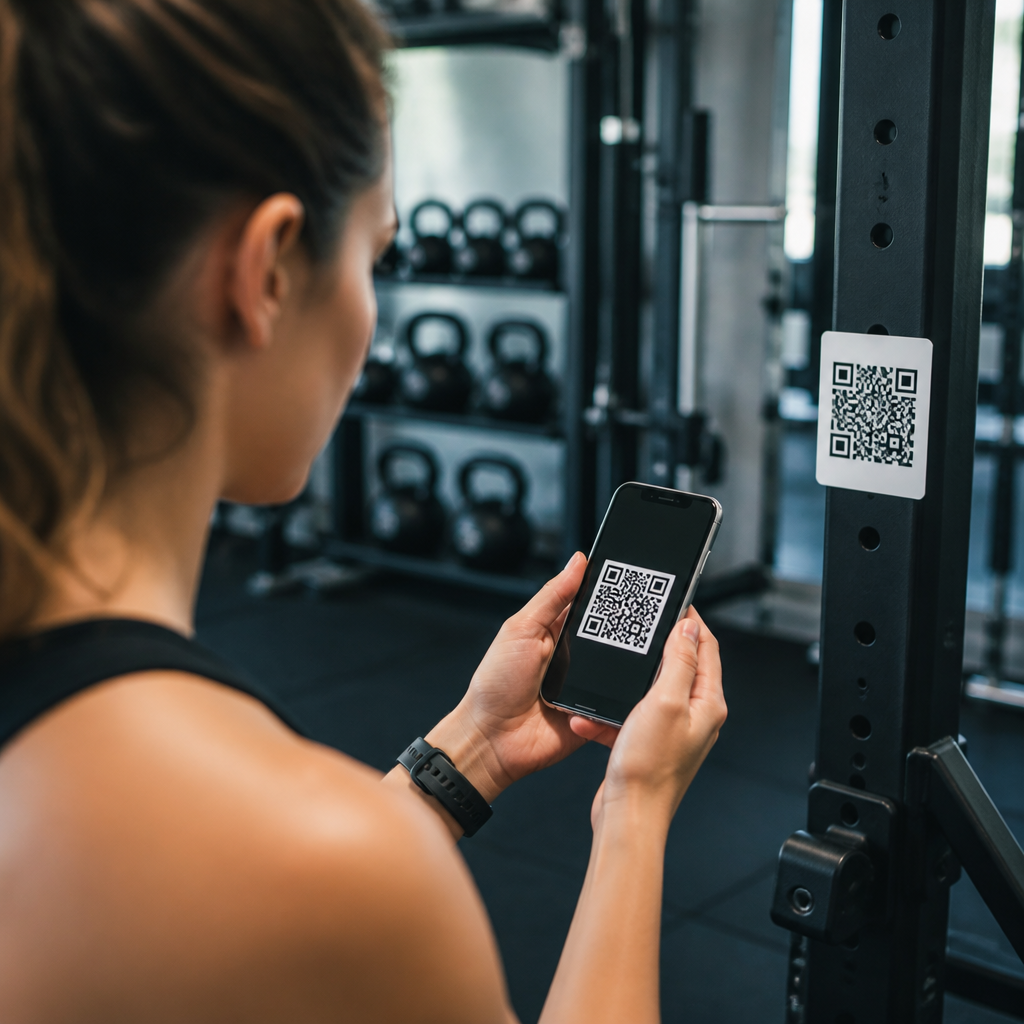
QR codes for workout plans and tutorials give gyms, personal trainers, and fitness brands a simple way to connect physical spaces with digital coaching. A QR code is a scannable two-dimensional barcode that opens a URL, video, PDF, app screen, or form when a member points a smartphone camera at it. In fitness settings, that small square can sit on a machine placard, dumbbell rack, poster, studio mirror, membership welcome pack, or recovery station and instantly deliver exercise instructions, training splits, onboarding flows, safety guidance, and class follow-ups. I have implemented these systems in club environments, and the practical value is clear: members get answers at the moment they need them, staff repeat themselves less often, and programming becomes easier to update without replacing printed materials.
This matters because modern gyms operate in two worlds at once. The physical facility still drives attendance, accountability, and equipment access, but members increasingly expect digital support equal to what they get from training apps and video platforms. New members often feel unsure how to use equipment correctly. Regular members want faster access to routines without searching email threads or social feeds. Trainers need a reliable way to standardize cues, track engagement, and keep instructional content consistent across locations. QR codes solve a real delivery problem. They reduce friction between intent and action, and in fitness, less friction usually means better compliance, safer movement, and stronger retention. For a marketing team, they also create measurable touchpoints that show what members actually use.
As a hub page for fitness and gym use cases, this article explains how QR codes support workout plans, exercise tutorials, onboarding, group fitness, recovery, retail, and member engagement. It also covers setup decisions, measurement, compliance, and common mistakes. The key concept is not the code itself but the system behind it: each scan should lead to a purpose-built destination with clear instruction, strong mobile usability, and a defined business objective. When gyms treat QR codes as part of member experience design rather than as decoration, they become one of the most cost-effective tools in the entire facility.
How gyms use QR codes for workout plans and exercise tutorials
The most effective fitness use case is equipment-level guidance. A QR code placed on a leg press, cable station, rower, or squat rack can open a short tutorial showing setup, starting position, range of motion, common faults, and rep targets. That matters because members rarely need a long lecture on the gym floor; they need a fast answer at the exact point of uncertainty. For example, a code on a cable machine can open a page with three sections: how to adjust pulley height, how to select weight safely, and which beginner exercises work best on that station. If the content also includes alternatives for mobility limitations, the gym serves a broader member base without requiring constant staff intervention.
Workout-plan delivery is the second major use case. Instead of handing out static PDFs that quickly become outdated, clubs can place QR codes in assessment rooms, onboarding booklets, locker areas, or welcome emails that open dynamic plans based on training goals. A beginner fat-loss plan, a strength split, a postural correction routine, and a machine-only circuit can each live behind separate codes. Dynamic QR platforms such as Bitly, QR Code Generator, Beaconstac, and Uniqode allow managers to change the destination without reprinting the code, which is essential when trainers update exercises, swap video links, or refresh programming every four to six weeks. In practice, this keeps the printed environment stable while the coaching content evolves.
These systems work especially well when the landing page follows a repeatable format. Each exercise entry should include exercise name, target muscles, setup steps, execution cues, tempo, sets, reps, rest period, and at least one regression or progression. If a member scans a code for a full-body beginner workout, the page should answer all obvious questions immediately: how long the session takes, what equipment is required, how often to repeat it, how to warm up, and how to know when to increase load. This directness improves usability and makes the page useful for search visibility too, because the content naturally aligns with the way people ask fitness questions.
Member onboarding, confidence, and retention
New-member onboarding is where QR codes often produce the fastest operational return. Many cancellations happen in the first ninety days, usually because people feel intimidated, confused, or unsupported. A structured onboarding journey can reduce that drop-off. I have seen gyms place a series of QR codes in a welcome pack: one for the first-week checklist, one for a machine induction playlist, one for a beginner mobility flow, and one for booking a trainer check-in. This gives members immediate next steps after sign-up rather than leaving them to navigate the facility alone. The psychological effect is significant. Clear next actions lower anxiety, and lower anxiety improves attendance.
Confidence also improves when tutorials are localized to the environment. A generic internet video on a chest press machine may not match the exact model on the gym floor, but a custom tutorial filmed in-house does. That difference matters. Equipment from Technogym, Life Fitness, Matrix, Precor, Hammer Strength, and Panatta often has different adjustment points and seat mechanics. If the gym records short clips on its own equipment, members can copy what they see with much less guesswork. That specificity builds trust because the instruction matches reality.
Retention benefits follow from repeated useful interactions. When a member scans codes weekly for workouts, recovery flows, or progression checks, the facility becomes more than a room full of machines. It becomes an accessible coaching system. Scan data can also indicate early engagement risk. If a new member never scans onboarding materials, never opens a starter routine, and never checks class prep guides, that pattern may suggest they need proactive outreach from staff. Used well, QR codes do not replace human coaching; they help teams identify where human support will matter most.
Group fitness, personal training, and hybrid coaching models
Group fitness programs can use QR codes before, during, and after class. A code outside a studio door can show what to bring, whether the session is high impact, how beginners should modify exercises, and how many calories participants typically burn in broad ranges. A code on the class summary board can open the post-class cooldown, music playlist, or home version of the workout. For cycle studios, yoga rooms, bootcamps, and functional training zones, this extends the class experience beyond the sixty-minute session and supports consistency between visits.
Personal trainers gain a different advantage: better continuity between coached sessions. A trainer can assign a QR-linked program card that opens the client’s current split, exercise library, and form reminders. If the client trains alone two days per week, they can still access the same coaching language used in sessions. That continuity reduces confusion and makes progression easier to manage. Trainers can also attach QR codes to assessment summaries so clients can review corrective drills, readiness questions, and habit targets at home. In hybrid coaching, where part of the service is delivered in person and part online, QR codes become a fast bridge rather than another login barrier.
Studios with multiple locations can standardize delivery through templates. Every HIIT class can have one pre-class page format, every strength class one exercise-demo layout, and every mobility class one follow-up workflow. Standardization matters because it protects brand quality. Members should not get an excellent tutorial at one branch and an outdated document at another. Centralized templates, clear file naming, and governance over who can edit destinations are operational details, but they directly shape member experience.
| Fitness use case | Typical QR placement | Best destination | Main business benefit |
|---|---|---|---|
| Equipment tutorial | Machine placard | Short mobile video with setup and safety cues | Better form and fewer staff interruptions |
| Beginner workout plan | Welcome pack or assessment room | Dynamic landing page with sets, reps, and progressions | Higher onboarding completion |
| Group class support | Studio entrance | Class prep guide and post-class recovery page | Improved attendance and satisfaction |
| Personal training follow-up | Printed program card | Client-specific exercise library | Stronger adherence between sessions |
| Retail upsell | Supplement shelf or recovery area | Product education and purchase page | More ancillary revenue |
Content design: what should happen after the scan
The destination matters more than the code. A good landing page must load quickly, display cleanly on mobile, and answer the member’s question in the first screen view. For workout plans, lead with session objective, duration, equipment list, and fitness level. For tutorials, lead with setup, execution, and safety warnings. Avoid sending people to a generic homepage, a cluttered YouTube channel, or a PDF that requires pinching and zooming. In gym settings, people often have one free hand, limited time, and weak patience. Design for that reality.
Video length should usually stay between thirty seconds and two minutes for single-exercise demos. Longer educational content can work for topics like “how to build a beginner routine” or “what progressive overload means,” but even then the page should summarize the answer in text above the video. Captions are essential because many users scan in loud environments. Thumbnails should clearly show the equipment or movement pattern so members know they opened the right content immediately.
Accessibility is also a practical requirement. Use high-contrast code printing, large enough quiet zones, and mounting positions that do not require awkward bending. On the destination page, include text alternatives for video, plain-language cues, and options for members with joint pain, balance limitations, or low training experience. Fitness brands often focus on aesthetics first, but usability drives actual scan volume. A beautiful code that no one can comfortably reach or understand is wasted inventory.
Measurement, governance, and compliance
QR codes are measurable, which is why they belong in the marketing and operations stack, not only on the gym floor. At minimum, track scans, unique users, device type, location, time of day, and downstream actions such as video completion, booking clicks, app installs, or plan downloads. UTM parameters can pass campaign data into Google Analytics 4, while dashboards in QR platforms can reveal which stations or posters attract use. If a mobility corner gets strong scan activity and a free-weight tutorial wall gets none, that is not trivial information. It suggests something about member intent, placement, or content quality.
Governance prevents content decay. Every code should have an owner, review cycle, naming convention, and archived source file. Without governance, gyms end up with broken links, duplicated content, or outdated exercise guidance that undermines trust. I recommend a quarterly audit for active codes and an immediate review whenever equipment changes or programming is overhauled. Version control matters more than many operators expect.
There are also privacy and liability considerations. If a code collects personal data through lead forms, health questionnaires, or consultation bookings, the page must align with applicable privacy rules and the gym’s published policy. If workout content includes technique guidance, it should state who the material is for, when someone should seek coaching or medical advice, and what limitations apply. No disclaimer can replace supervision for high-risk lifts, but clear instruction and sensible warnings reduce avoidable misuse. The safest approach is to pair digital guidance with visible access to staff help.
Common mistakes and the most effective next steps
The biggest mistake is treating QR codes as novelty rather than infrastructure. Codes fail when they lead to generic pages, low-quality videos, expired offers, or hard-to-read documents. They also fail when placed where members cannot easily pause to scan, such as narrow walkways or crowded machine fronts. Another frequent issue is launching too many codes at once without a content framework. Members do not need fifty disconnected destinations. They need a coherent system: start here, learn this movement, follow this plan, book this support.
A better rollout begins with three priority journeys. First, build a beginner onboarding pathway with a starter workout, equipment induction, and booking link for help. Second, create equipment tutorials for the ten machines or stations that generate the most confusion. Third, support one flagship class format with pre-class instructions and post-class recovery content. Measure engagement for six to eight weeks, then expand based on what members actually use. This phased approach controls workload, improves quality, and creates internal proof before wider deployment.
QR codes for workout plans and tutorials work because they meet members in context. They provide instruction where uncertainty happens, reinforce coaching without adding friction, and give gyms useful data about behavior. For fitness businesses, that combination supports better onboarding, safer exercise execution, stronger retention, and more scalable service. If you manage a gym, studio, or training brand, audit your current member journey, identify the moments where people need answers fast, and deploy QR codes there first. Start small, keep the destinations excellent, and build a fitness content system members will actually use every week.
Frequently Asked Questions
How do QR codes improve workout plans and tutorials in a gym or fitness studio?
QR codes make workout guidance faster, more accessible, and easier to update than printed instructions alone. When a member scans a code with a smartphone, they can instantly open a video demo, a step-by-step exercise tutorial, a beginner version of the movement, a full workout plan, or a recovery recommendation. This helps bridge the gap between the physical gym floor and digital coaching, giving members support exactly where they need it. For example, a code placed on a squat rack can link to proper bar setup, squat depth cues, breathing technique, and common mistakes to avoid. A code on a studio wall can launch a warm-up sequence before class begins.
From an operations standpoint, QR codes also reduce friction for staff and improve consistency across locations. Instead of relying on team members to explain every movement repeatedly, gyms and trainers can standardize instruction through curated digital content. That means members get reliable guidance whether they are attending during staffed hours or training independently. It also allows fitness businesses to update programs without reprinting large amounts of signage. If an exercise library changes, a trainer can edit the linked destination while keeping the same QR code in place, especially when using dynamic QR codes. In short, QR codes improve convenience, coaching quality, and scalability while creating a more modern member experience.
What types of content should a QR code link to for workout plans and fitness tutorials?
The most effective QR codes connect users to content that is specific, practical, and easy to consume in the moment. In fitness environments, that often includes short exercise demo videos, mobile-friendly workout plans, form checklists, stretching routines, machine instructions, nutrition tips, onboarding guides, and class preparation materials. A code on a cable machine might link to a page showing setup instructions, targeted muscle groups, suggested rep ranges, and two or three exercise variations. A code in a recovery corner could open guided foam rolling tutorials, mobility flows, or cooldown videos. The key is matching the content to the exact context in which the person is scanning.
It is also smart to organize content by experience level and training goal. Beginners may need simple explanations, safety cues, and confidence-building modifications, while advanced members may want tempo guidance, progressive overload recommendations, and links to full programs. Fitness brands and trainers can also use QR codes to connect to downloadable PDFs, app screens, registration forms, feedback surveys, or gated premium content for paying members. Whatever the destination, it should load quickly, display clearly on a phone, and deliver immediate value within a few seconds. If the content feels too long, confusing, or generic, users are less likely to keep scanning in the future.
Where should gyms, trainers, and fitness brands place QR codes for the best results?
Placement matters because the success of a QR code depends heavily on visibility, relevance, and timing. The best locations are places where members naturally pause, make decisions, or need instruction. That includes machine placards, free-weight areas, squat racks, cable stations, functional training zones, studio mirrors, locker room posters, welcome packets, and recovery stations. For example, putting a QR code directly on or near a machine gives members instant access to usage instructions and exercise tutorials at the exact point of need. A code by the dumbbell rack could link to upper-body circuits, while one near stretching mats could open mobility routines and cooldown videos.
Gyms should also think beyond the workout floor. QR codes can be placed on front desk signage for new member onboarding, on personal training brochures for consultation booking, on retail displays for supplement education, and in email or printed handouts to continue the digital journey at home. To maximize scan rates, the code should be large enough to scan easily, printed with strong contrast, and accompanied by a clear call to action such as “Scan for a 2-minute demo” or “Scan for today’s leg workout.” Avoid placing codes in awkward lighting, curved surfaces, or crowded visual layouts where they may be overlooked. Strategic placement turns QR codes from a novelty into a useful coaching tool that supports the full member experience.
Are QR codes a good fit for personal trainers and online fitness coaching programs?
Yes, QR codes are especially useful for personal trainers because they simplify client support and make programs more interactive. A trainer can attach a QR code to a printed workout sheet, client check-in card, or welcome packet so that each exercise instantly connects to a video demonstration or coaching note. This reduces confusion between sessions and helps clients maintain proper form when training on their own. It is particularly valuable for hybrid coaching models, where some guidance happens in person and the rest happens remotely. Instead of sending scattered links through text or email, trainers can organize resources in a cleaner, more professional way.
For online fitness programs, QR codes can also improve adherence and engagement. A client who receives a printed meal guide, challenge calendar, or training plan can scan directly into workout tutorials, progress tracking forms, community groups, or app-based lesson modules. Fitness brands can use them in packaging, event materials, or direct mail campaigns to connect physical touchpoints with digital products. They also offer measurement opportunities when paired with trackable links and dynamic QR platforms, allowing coaches to see which resources clients actually use. Overall, QR codes help trainers deliver a smoother coaching experience, reinforce accountability, and make digital fitness content easier to access in everyday settings.
What are the best practices for creating effective QR codes for workout plans and tutorials?
Effective fitness QR codes start with a clear purpose. Every code should answer one simple question: what useful action should happen after the scan? If the answer is vague, the member experience will be weak. The destination should be mobile-optimized, fast-loading, and directly relevant to the equipment, location, or training moment. Short video tutorials often perform especially well because they are easy to follow during a workout. It is also wise to use dynamic QR codes whenever possible, since they allow you to update the linked content later without replacing the printed code. This is ideal for seasonal programs, revised exercise libraries, and evolving coaching campaigns.
Design and usability are just as important as the content itself. Use high-contrast colors, adequate sizing, and enough white space around the code so phones can scan it reliably. Include a clear instruction or benefit statement nearby, such as “Scan for proper setup and form” or “Scan for the full beginner workout.” Test every code on multiple devices before rolling it out, and review analytics to see which placements and resources drive engagement. From a brand and safety perspective, make sure the linked content is accurate, current, and aligned with your training standards. In fitness environments, people often scan while moving quickly or between sets, so the experience should be simple, focused, and immediately helpful. When done well, QR codes become a practical extension of coaching, education, and member support.