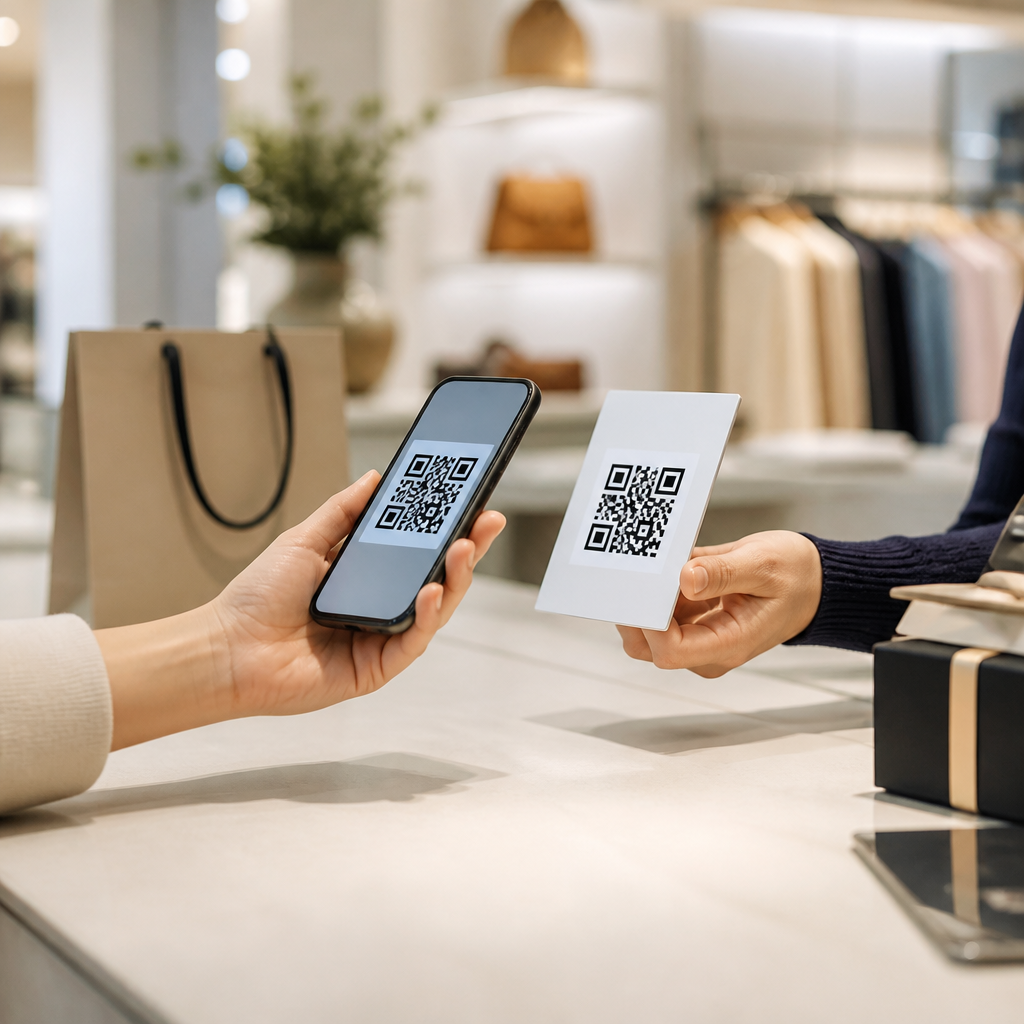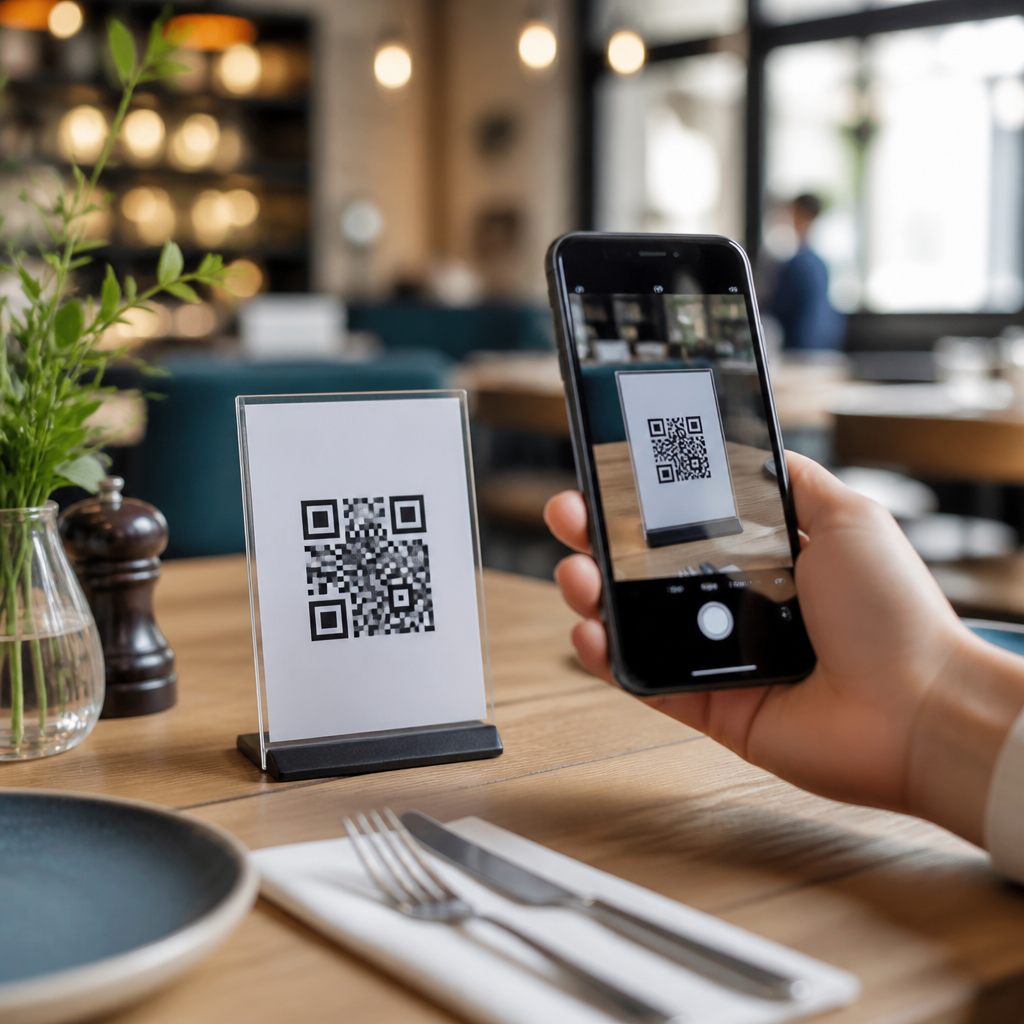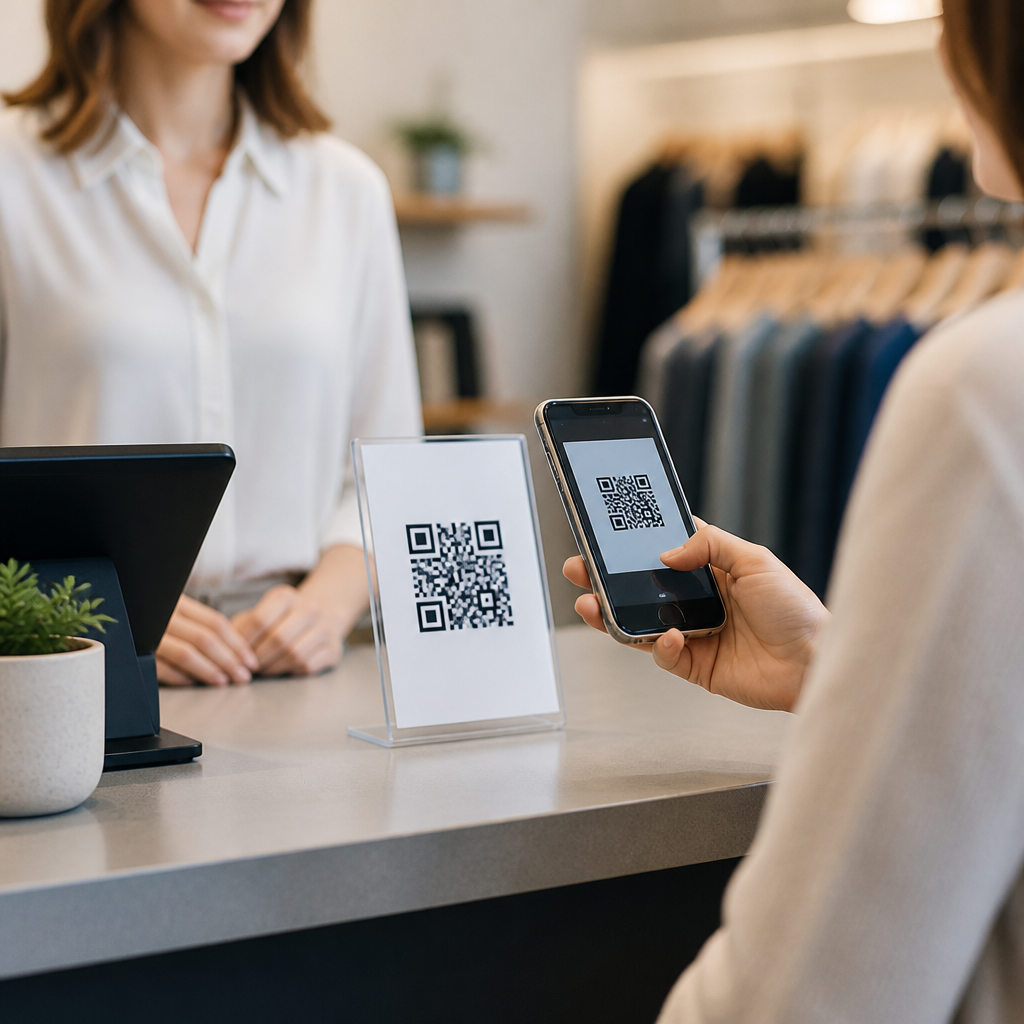
QR codes for customer reviews in retail give stores a direct, measurable way to turn in-person shopping moments into public feedback that influences future buyers. In practical terms, a QR code is a scannable image that opens a web destination, while a customer review is a rating or written testimonial published on platforms such as Google, Yelp, Facebook, Trustpilot, or a brand’s own site. When these tools are combined well, retailers reduce friction at the exact moment a shopper feels satisfied, frustrated, surprised, or loyal. I have implemented review QR campaigns across boutiques, grocery chains, pop-up shops, and showroom floors, and the pattern is consistent: the easier the ask, the higher the response rate. That matters because reviews affect local visibility, conversion rates, staff accountability, merchandising decisions, and reputation management. For retail and eCommerce teams, this topic sits at the center of a larger strategy that includes in-store signage, packaging inserts, receipts, loyalty programs, omnichannel attribution, and post-purchase messaging. A strong hub page must therefore cover not just how review QR codes work, but where they fit across store formats, what metrics matter, which platforms perform best, and where compliance or customer experience can break down. Retailers that treat review collection as an operational discipline, not a one-off promotion, gain a durable advantage in search visibility and trust.
How review QR codes work in retail and why they convert
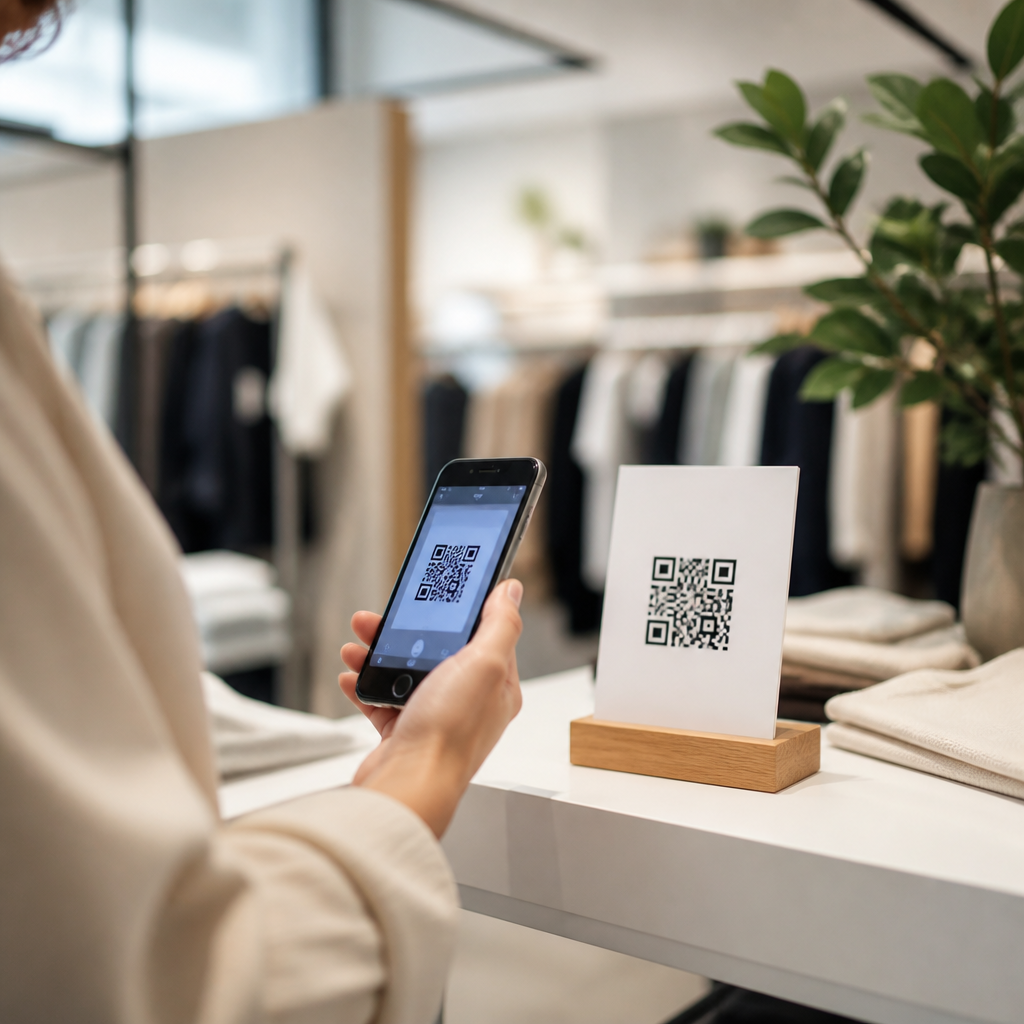
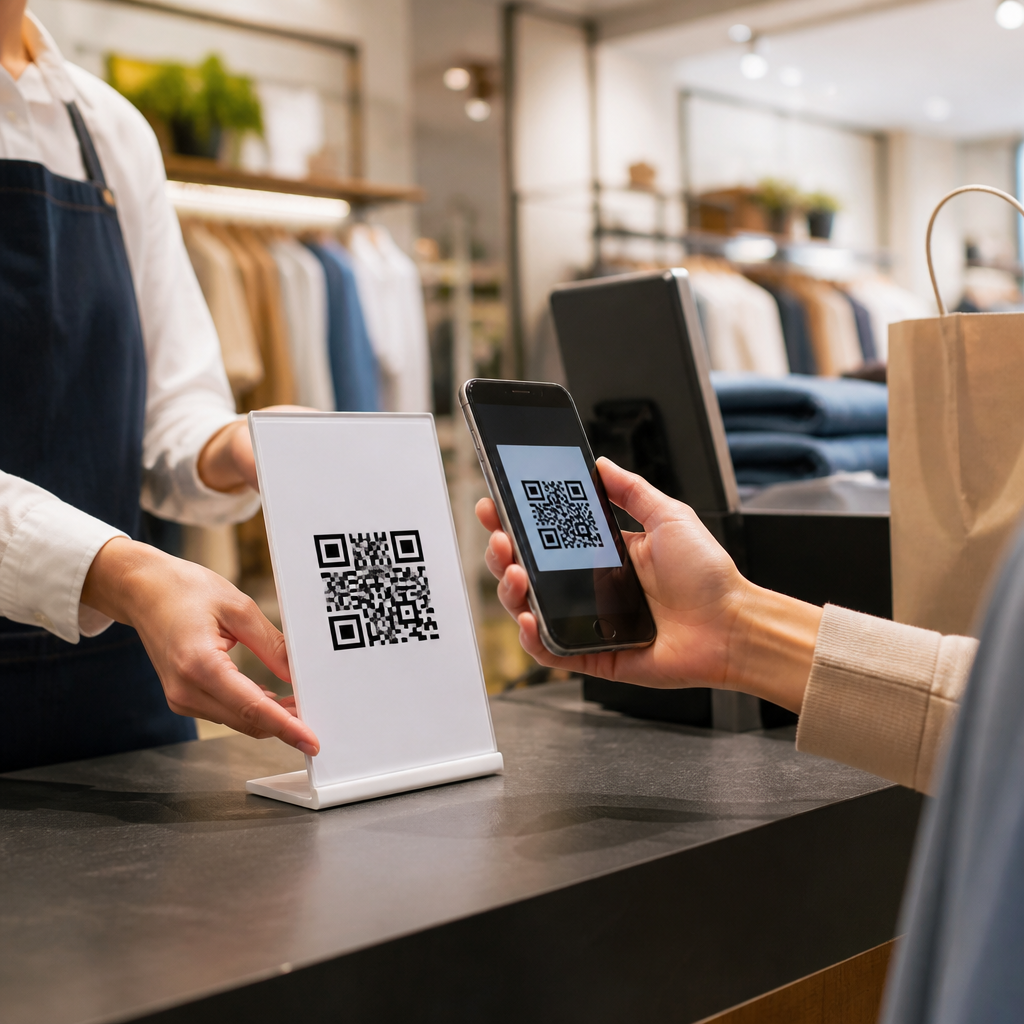
A review QR code sends a shopper to the shortest possible path between satisfaction and submission. In most retail environments, that means linking directly to a Google review form, a product review page, a post-purchase survey, or a landing page that routes customers by channel. The reason they convert is simple: they remove typing, searching, and memory from the process. A shopper leaving a store does not want to search for a location profile, log into an app, and hunt for the right product page. Scanning a code collapses those steps into one action. In stores where staff ask verbally for feedback, adding a code to the counter display or receipt consistently improves completion because the request becomes immediate and concrete rather than abstract.
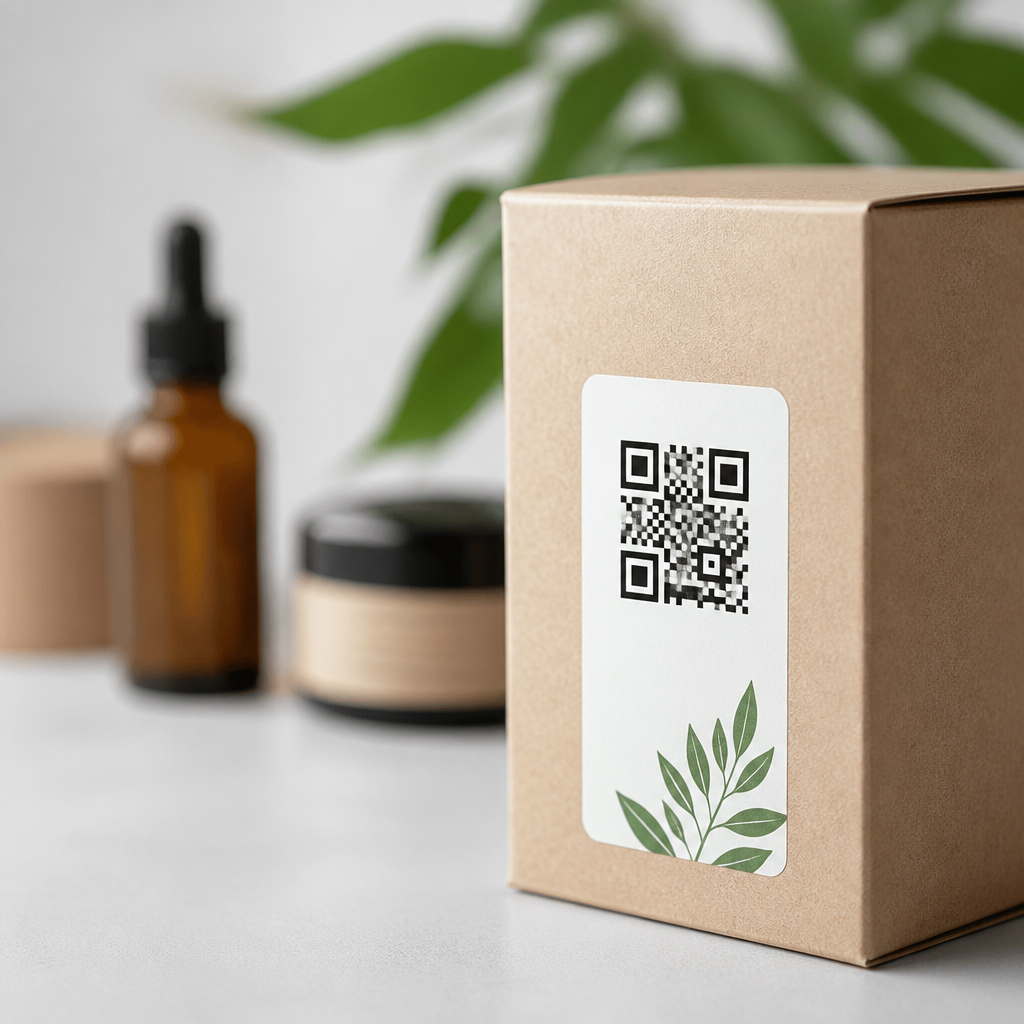
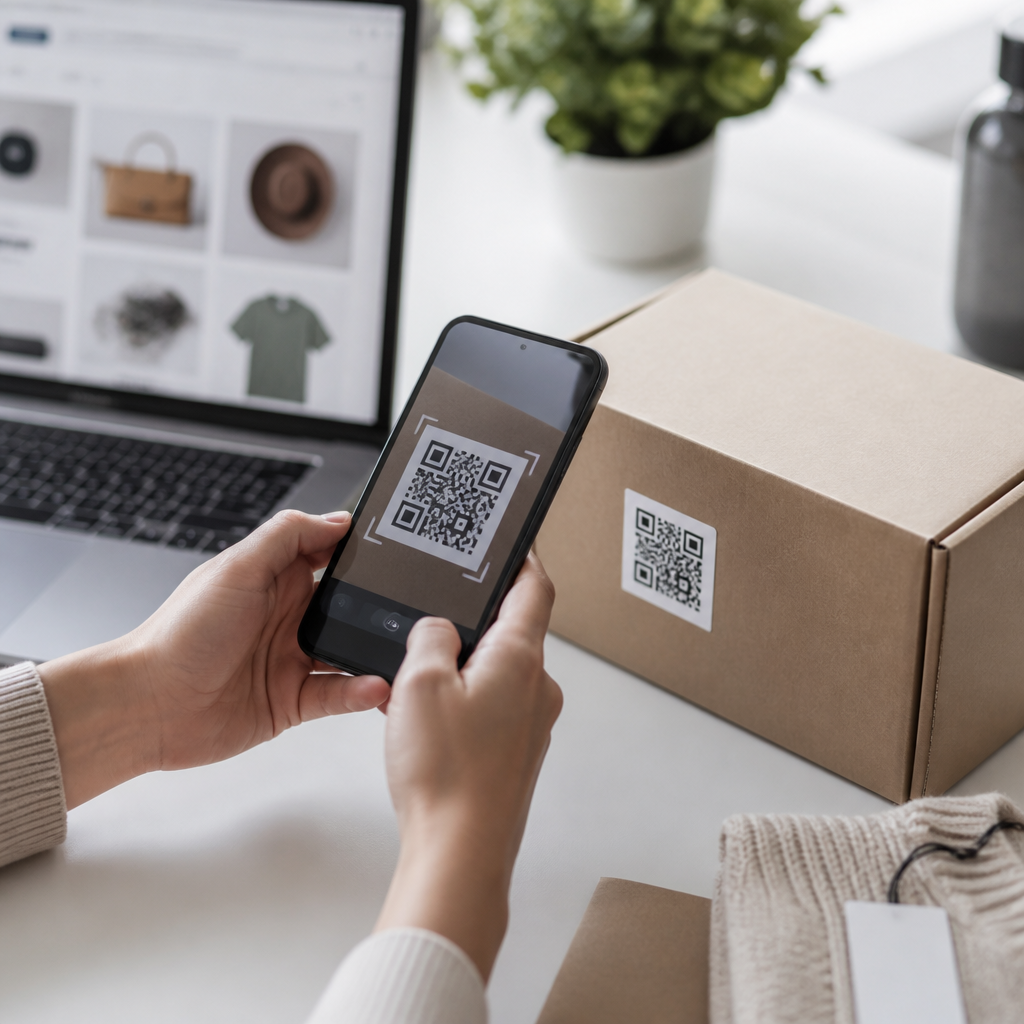
The highest-performing placements usually match the emotional peak of the visit. At checkout, customers have completed the purchase and can still see the associate who helped them. At fitting rooms, service desks, and pickup counters, the outcome of the interaction is fresh. On packaging, the code reaches buyers after product use, which is especially useful for cosmetics, home goods, hobby supplies, and electronics accessories where the product experience unfolds after the store visit. In eCommerce, the equivalent touchpoints are order inserts, shipping labels, thank-you cards, and account pages shown after delivery confirmation.
Retailers should use dynamic QR codes instead of static ones whenever possible. Dynamic codes allow the destination URL to be changed without reprinting assets, making them better for seasonal campaigns, platform tests, and location-specific routing. Tools such as Bitly, QR Code Generator, Beaconstac, and Uniqode also provide scan analytics, device data, timestamps, and campaign tagging. In my work, scan-to-review conversion rises when the destination is platform-native and mobile-friendly, not a generic homepage. The rule is directness: one code, one intent, one obvious next step.
Retail use cases by store type and channel
Different retail formats need different review strategies because purchase cycles, foot traffic patterns, and customer motivations vary widely. A neighborhood convenience store benefits from fast Google reviews that reinforce local discovery. A furniture showroom needs detailed feedback about delivery, assembly, and consultation quality. A fashion retailer may want both store reviews and product reviews because fit, service, and return handling all affect conversion. Big-box chains often need location-level review generation so each branch builds its own reputation, while specialty retailers may prioritize category-specific review sites or manufacturer-authorized marketplaces.
For brick-and-mortar stores, the most common use cases include counter signs, point-of-sale displays, shelf talkers, dressing room decals, bag stuffers, receipts, window stickers, and printed loyalty cards. For omnichannel retailers, buy online pick up in store is especially valuable because it combines digital attribution with a physical interaction. A pickup customer can be asked to review speed, accuracy, friendliness, and product condition at the handoff point. For eCommerce operations with physical packaging, the review QR code works best when aligned with delivery timing. A skincare brand, for example, might ask for a store review immediately after pickup but wait seven days before prompting for a product review because results take time to assess.
Returns and exchanges are another underused use case. Many retailers avoid asking for feedback during a return, but that moment often reveals process issues more clearly than successful transactions do. A QR code at the service desk can route dissatisfied shoppers to a private survey first, while satisfied exchange customers can be encouraged to leave a public review. This triage approach helps protect reputation while still surfacing operational problems. It is particularly effective in apparel, electronics, and home improvement, where policy clarity and staff knowledge strongly influence sentiment.
| Retail format | Best QR placement | Primary review goal | Recommended destination |
|---|---|---|---|
| Grocery | Receipt, exit signage | Local reputation and service speed | Google location review form |
| Fashion boutique | Fitting room, checkout counter | Staff service and product satisfaction | Landing page with store and product review options |
| Furniture showroom | Quote packet, delivery follow-up card | Consultation quality and fulfillment experience | Survey first, then public review request |
| Beauty retail | Packaging insert | Product efficacy and repurchase trust | Product review page |
| Electronics | Pickup counter, setup guide | Associate expertise and setup success | Google review or support feedback page |
Choosing the right review destination and campaign structure
The best destination depends on business model, platform strength, and the question the retailer needs answered. If local foot traffic matters most, Google reviews should usually come first because they influence map visibility, click-through rates, and branded search trust. If the retailer sells nationally online, on-site product reviews may deserve equal priority because they improve conversion on product detail pages and support merchandising decisions. Third-party destinations such as Trustpilot, Yelp, Facebook, Bazaarvoice, Yotpo, PowerReviews, and Judge.me each serve different purposes. Yelp remains influential in certain urban categories, while Yotpo and Bazaarvoice are often stronger for structured eCommerce product feedback.
One mistake I see often is sending every shopper to the same review endpoint regardless of context. A customer who bought a lamp online should not be pushed to the same page as a shopper praising a store associate for finding the right shoe size. Better campaign structure separates store experience, staff service, pickup experience, and product performance. The cleanest method uses a short mobile landing page with two or three clearly labeled options. That page can also include store locator logic, loyalty prompts, or a private support route. However, adding options creates decision friction, so the design must stay minimal.
Retailers should also decide whether they want public reviews, private feedback, or both. Public reviews build reputation, but private surveys uncover detail that customers might not post publicly. A balanced architecture often asks a simple first question such as “How was your experience today?” Customers who respond positively are invited to leave a public review. Customers who respond negatively are sent to a service recovery form. This pattern does not guarantee rating outcomes and must not suppress honest criticism, but it does help route urgent issues to the right team quickly. The distinction between routing and filtering is important because platform rules and consumer protection standards prohibit manipulative practices.
Execution details that determine performance
Creative execution matters more than many retailers expect. A QR code printed without context will be ignored, while a code paired with a specific value statement can perform very well. The most effective copy answers three questions immediately: why scan, what happens next, and how long it takes. “Review your visit in 30 seconds” usually outperforms vague text such as “Scan me.” Adding a small incentive can increase participation in private surveys, but retailers must follow platform policies carefully because many review sites restrict incentivized public reviews. If a reward is offered, it should typically be for completing a feedback process, not for leaving a positive review.
Size, contrast, placement height, and quiet space around the code all affect scan success. In-store signage should use high contrast, avoid glossy glare, and be tested on both iPhone and Android cameras from realistic distances. I recommend building every asset with UTM parameters, naming conventions by location, and campaign dates so teams can compare scans by store, placement, and season. A receipt code might generate more total scans, while a bag insert may yield better completion rates because the shopper engages later at home. Without consistent tagging, those insights disappear.
Staff training is equally important. Associates should know when to ask, how to phrase the request, and when not to push. The best scripts are natural and tied to the service moment: “If I helped you today, the code on your receipt goes straight to our review page.” That works because it feels specific and accountable. By contrast, robotic prompts at every transaction can lower goodwill. Managers should review scan data alongside review volume, star ratings, response times, and operational notes. When one location has high scans but low completions, the issue is usually destination friction. When scans are low, placement or staff adoption is usually the problem.
Measurement, compliance, and long-term reputation impact
Success should be measured beyond raw scan counts. Retailers need to track scan rate by placement, review completion rate, average rating, review velocity, keyword themes, location-level trends, and downstream business outcomes such as local ranking improvement, click-through rate from map results, conversion on product pages, and repeat purchase rate. Review text is especially valuable because it surfaces language customers use naturally. That language can inform product copy, FAQ content, staff coaching, merchandising, and future QR campaigns across the broader QR codes in marketing program.
Compliance deserves equal attention. Review requests must comply with platform guidelines, data privacy rules, and truth-in-advertising standards. Do not gate every unhappy customer away from public review options, post fake reviews, or ask employees to review their own store. If you collect private feedback before routing customers onward, disclose the process clearly and store any personal data securely. For enterprises operating across regions, legal review may be necessary to align campaigns with GDPR, CCPA, or sector-specific consumer rules. Accessibility also matters: signage should use legible text, plain language, and an alternative URL for customers who cannot or do not want to scan.
Over time, review QR codes become more than a convenience tactic. They create a steady operational feedback loop that links store execution to public trust. Retail leaders can identify top-performing associates, recurring inventory complaints, confusing promotions, or location-specific service failures faster than with annual surveys alone. eCommerce teams can connect product review themes to return reasons and packaging issues. The strongest programs treat review generation, response management, and process improvement as one system. That is why this retail and eCommerce hub matters within the broader QR code strategy: it connects acquisition, experience, reputation, and retention in one measurable workflow.
QR codes for customer reviews in retail work because they meet shoppers at the moment feedback is easiest to give and most useful to the business. When retailers link the right customer, at the right touchpoint, to the right destination, review volume rises with less friction and better attribution. The essential decisions are straightforward: choose the review objective, match the QR placement to the buying journey, use dynamic tracking, train staff, and measure completion and sentiment rather than scans alone. For physical retail, this means optimizing counters, receipts, packaging, pickup desks, and service areas. For eCommerce, it means aligning inserts and post-delivery prompts with actual product usage and support timing.
The biggest benefit is not simply collecting more stars. It is building a repeatable system that strengthens local visibility, improves conversion, surfaces operational issues, and gives customers a faster path to be heard. Done poorly, review QR codes feel spammy or manipulative. Done well, they feel like good service: simple, transparent, and timely. If you are building out industry-specific QR strategies under a larger QR codes in marketing program, retail should be one of the first areas you standardize because it produces quick data and clear lessons. Audit your current review journey, test two or three placements, and build a campaign structure that reflects how your customers actually shop.
Frequently Asked Questions
1. How do QR codes help retail stores collect more customer reviews?
QR codes help retail stores collect more customer reviews by removing the usual friction between a good shopping experience and the action of leaving feedback. Instead of asking customers to remember a website, search for a business profile later, or type in a long URL, the store gives them a fast, mobile-friendly path to the exact review page. That convenience matters because review intent is often highest immediately after a positive in-store interaction, such as helpful service, a smooth checkout, or satisfaction with a purchase.
In retail, timing and simplicity are critical. A QR code placed on receipts, countertop displays, packaging inserts, fitting room signage, or post-purchase emails allows a shopper to scan and respond in seconds. This creates a direct bridge from the physical store environment to public digital feedback on platforms like Google, Yelp, Facebook, Trustpilot, or a retailer’s own website. As a result, more customers follow through, which can increase review volume, improve review freshness, and strengthen social proof for future buyers comparing stores or products.
QR codes also make the process more measurable. Retailers can track how often a code is scanned, which locations generate the most engagement, and which placements perform best. That insight helps stores optimize review collection campaigns over time. When implemented thoughtfully, QR codes do more than just ask for reviews; they create a reliable system for capturing real customer sentiment at the moment it is most likely to be shared.
2. Where should retailers place QR codes to get the best review response rates?
The best placement for a review QR code is anywhere a customer naturally pauses after a successful shopping moment. High-performing locations often include checkout counters, printed receipts, shopping bags, product packaging, table tents near service desks, fitting room exits, and thank-you inserts. These placements work because they reach shoppers while the experience is still fresh and before they become distracted by the rest of their day.
Retailers should also think about the customer journey rather than relying on a single placement. For example, a QR code at checkout may capture immediate responses, while a code on a printed receipt gives customers a second chance to leave feedback later. Packaging inserts can be effective for products that customers use after leaving the store, especially if the retailer wants a review after product satisfaction becomes clear. For omnichannel retailers, adding the same review prompt to digital receipts, SMS follow-ups, or post-purchase emails can reinforce the request without making it feel repetitive.
Visibility and clarity matter just as much as location. A QR code should be large enough to scan easily, placed in good lighting, and paired with a short call to action such as “Review your visit,” “Tell us how we did,” or “Share your experience.” It also helps to mention the expected time commitment, such as “Takes less than a minute.” Retailers generally get better results when the request feels simple, timely, and relevant rather than generic or overly promotional.
3. What review platforms should a retail business link to with its QR codes?
The right review platform depends on the retailer’s goals, audience, and digital presence. For many local retailers, Google is the top priority because Google reviews can strongly influence local search visibility, map listings, and buyer trust. When shoppers search for nearby stores, star ratings and recent comments can significantly affect whether they choose one retailer over another. Yelp may also matter for categories where consumers actively compare local businesses, while Facebook can be useful for stores with strong community engagement.
Trustpilot and similar third-party review platforms can be valuable for retailers with broader e-commerce operations or a strong emphasis on reputation management across multiple channels. Brand-owned review pages are another option, especially when retailers want testimonials on their own website to support product pages, location pages, or conversion-focused landing pages. In some cases, stores use QR codes to direct customers to a review hub page where they can choose from several approved destinations rather than being routed to only one platform.
The most effective approach is usually strategic, not scattered. Retailers should prioritize the platform that best supports visibility, trust, and customer decision-making in their market. They should also make sure the destination page is mobile-friendly and easy to complete after scanning. A QR code that lands customers on a confusing page or forces extra steps will reduce completion rates. The goal is to match platform selection with business objectives while keeping the review experience as seamless as possible.
4. How can retailers encourage reviews with QR codes without seeming pushy or violating platform rules?
Retailers can encourage reviews effectively by focusing on convenience, gratitude, and authenticity. The best messaging is simple and respectful: thank the customer, invite honest feedback, and make the process quick. A prompt like “Thanks for shopping with us—scan to share your experience” feels more natural than language that pressures customers or promises a positive outcome. Shoppers respond better when the request sounds like an open invitation rather than a scripted demand.
It is also important to follow the policies of the review platform being used. Most major platforms prohibit review gating, which means businesses should not screen customers first and only direct happy ones to public review sites. They also often restrict incentives in exchange for reviews, especially if the reward is tied to leaving a positive rating. Retailers should avoid offering discounts, gifts, or contest entries in ways that could compromise review authenticity or platform compliance. Instead, they should ask all customers fairly and consistently.
Staff training makes a major difference. Employees should know when and how to mention the QR code naturally, such as after resolving a problem, completing a purchase smoothly, or hearing a customer express satisfaction. The request should feel like part of good service, not an awkward sales pitch. When retailers combine compliant language, thoughtful timing, and a frictionless scan experience, they can increase review participation while preserving trust and credibility.
5. How can retailers measure whether QR codes for customer reviews are actually working?
Retailers can measure success by looking at both engagement data and business outcomes. At the most basic level, they should track scan volume, unique scans, scan location performance, device usage, and time-of-day patterns if their QR code platform provides analytics. These numbers show whether customers are noticing and interacting with the code. Comparing scans across receipts, signage, packaging, and digital follow-ups can reveal which touchpoints drive the most review intent.
Beyond scans, the more meaningful metrics are review completions, review volume growth, average rating trends, and review recency. A store may get plenty of scans, but if customers abandon the process before posting, that suggests the landing page or platform flow needs improvement. Retailers should also evaluate location-specific performance, especially if they operate multiple stores. One branch may generate stronger reviews due to better staff engagement, better QR placement, or a stronger customer experience overall.
Longer term, retailers should connect review activity to reputation and revenue indicators wherever possible. More high-quality reviews can improve local search visibility, strengthen trust with future shoppers, and influence conversion rates both online and in-store. Reviewing the content of the feedback itself is valuable as well, since comments can uncover recurring service issues, merchandising opportunities, or standout staff performance. In other words, the most effective QR review programs are not judged only by how many scans they produce, but by how well they help the retailer collect meaningful, public feedback that supports continuous improvement and future sales.