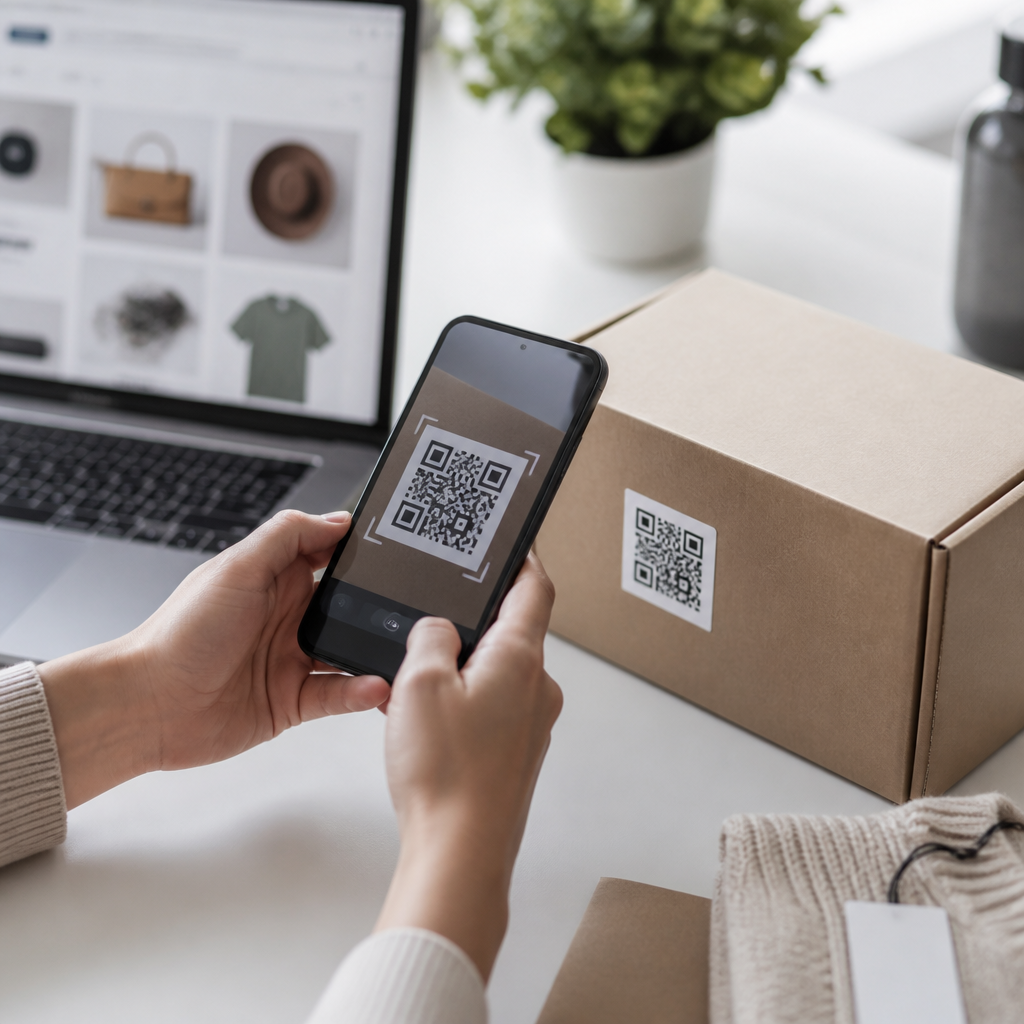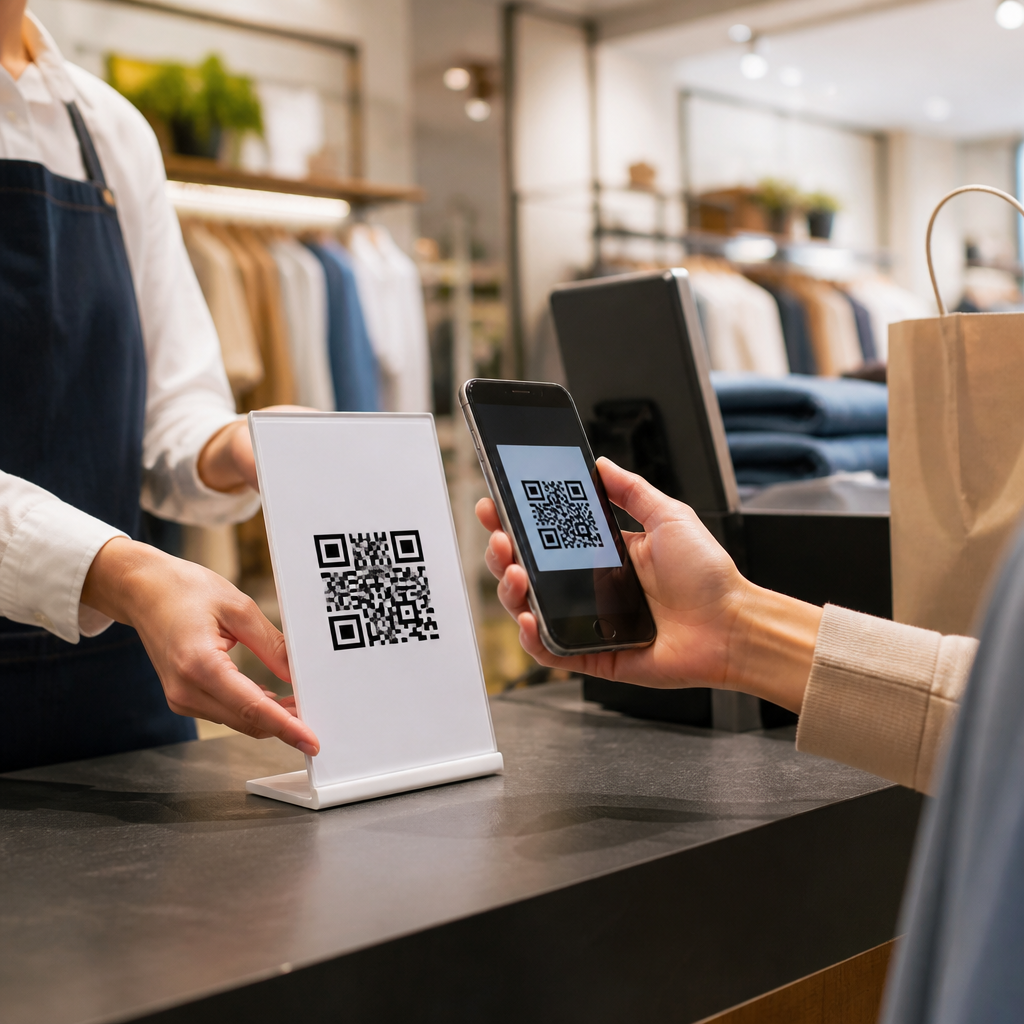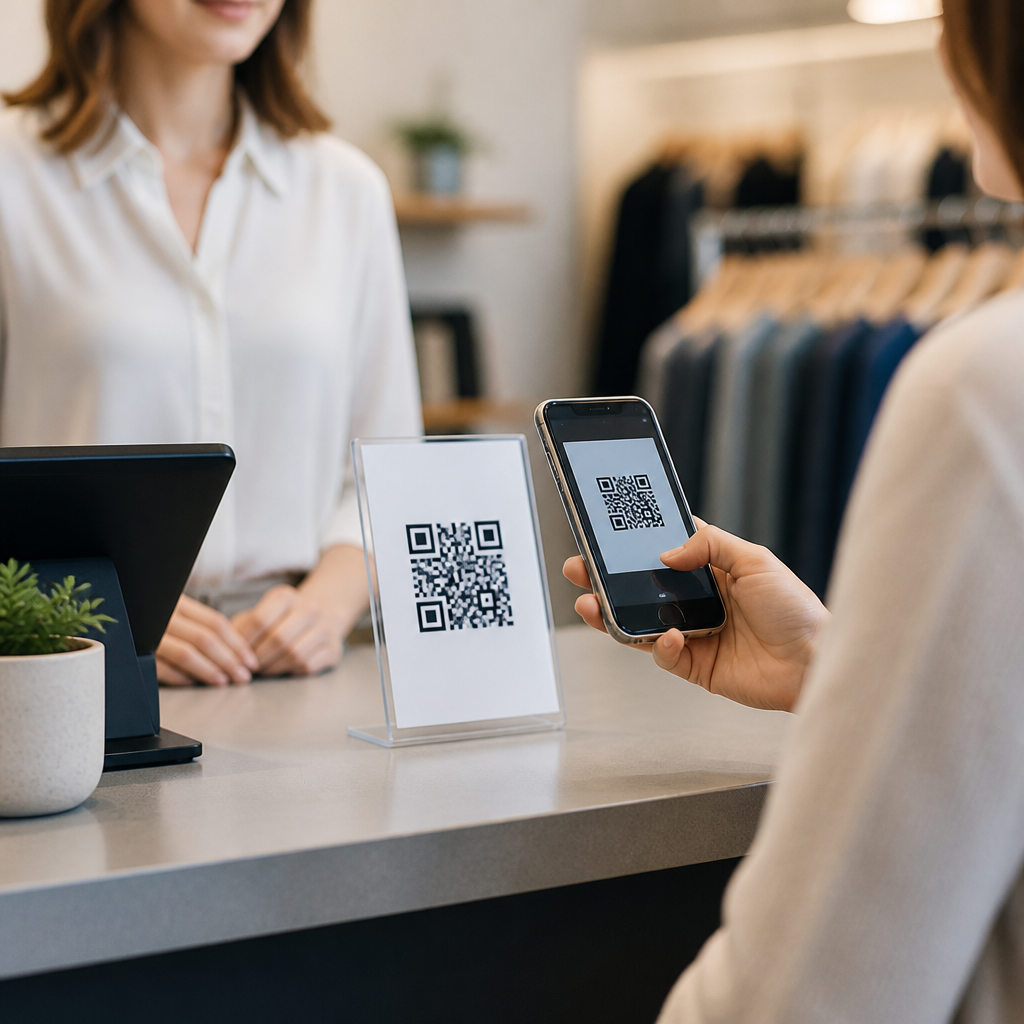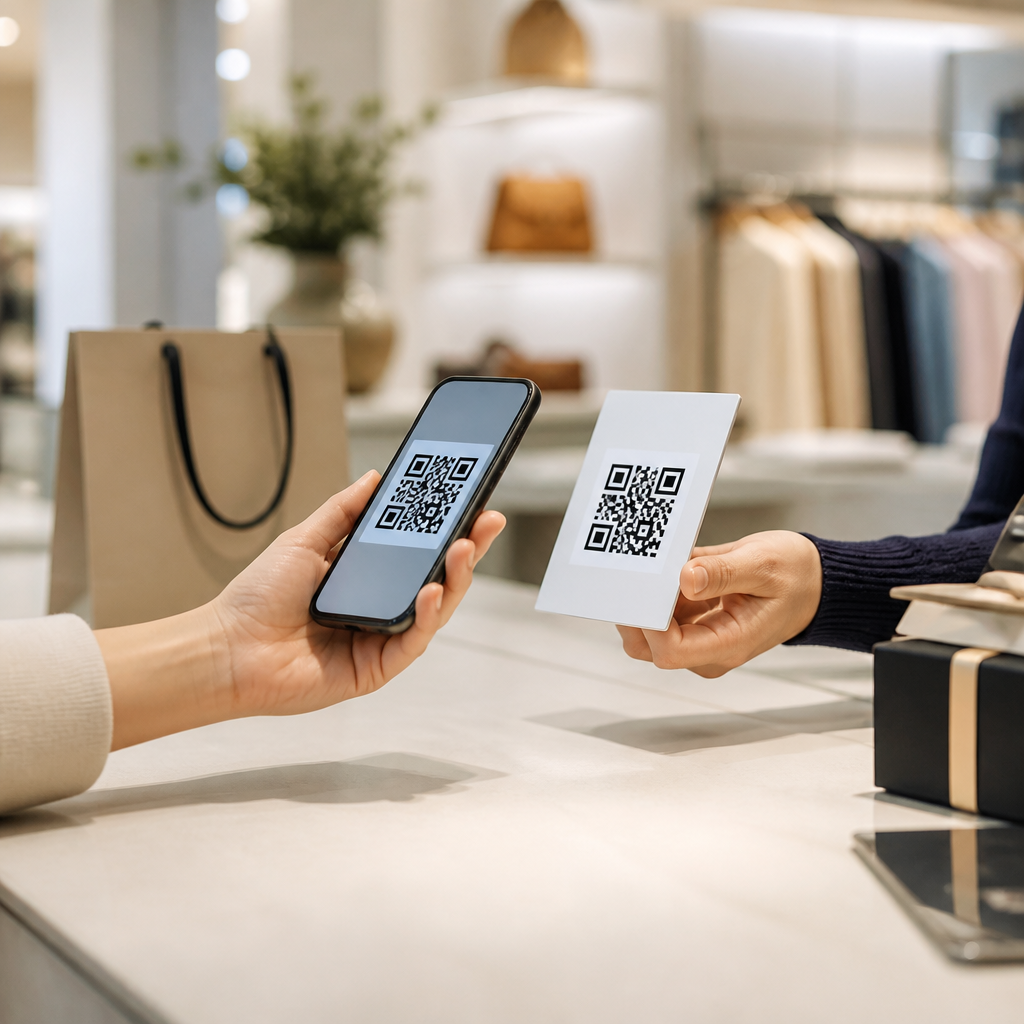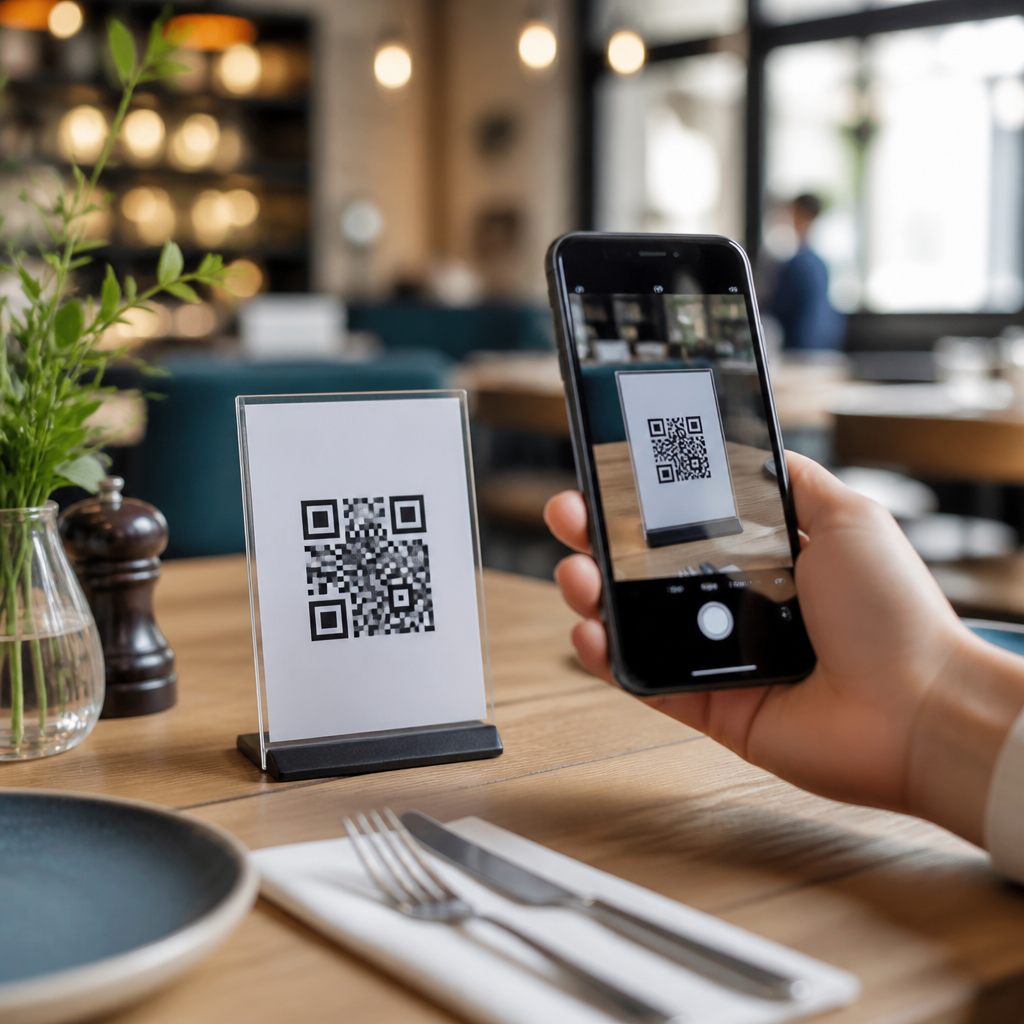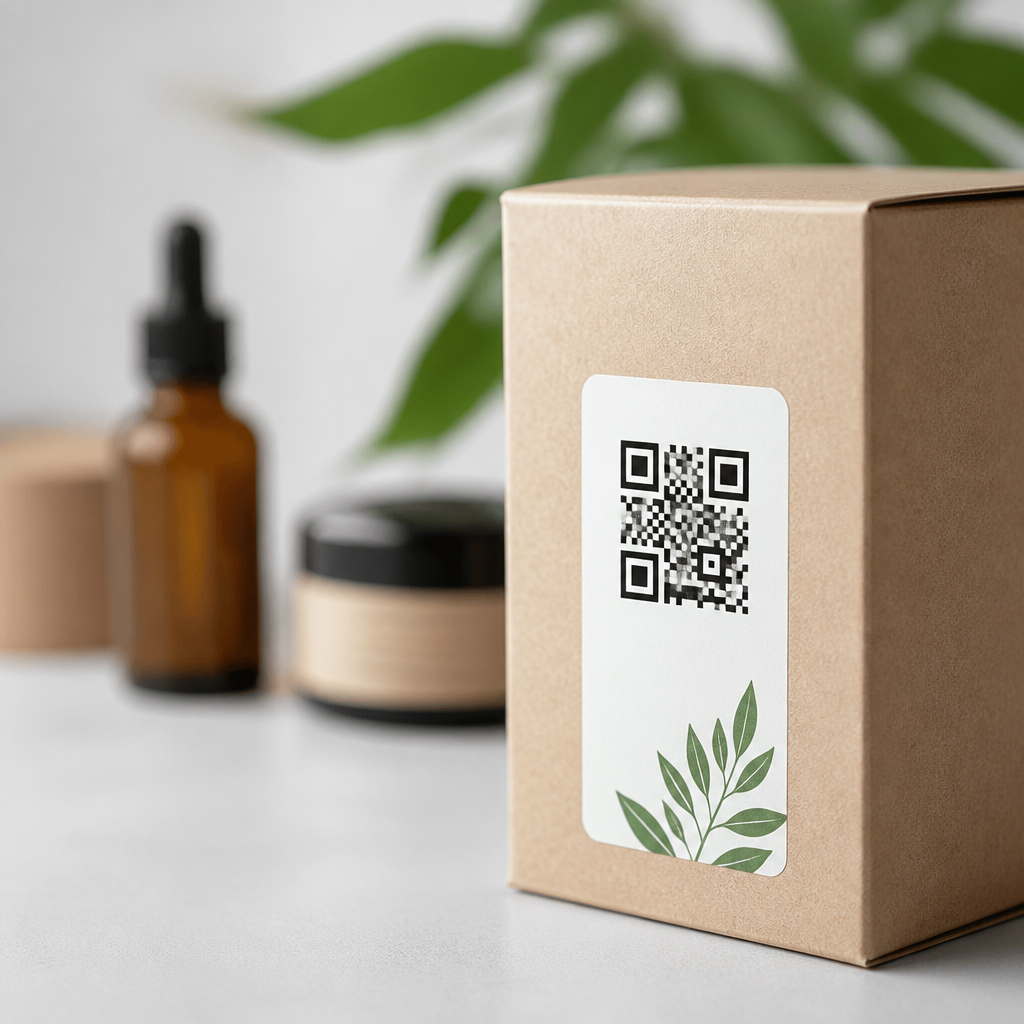
QR codes for product packaging have moved from novelty to core infrastructure in retail and eCommerce, giving brands a low-cost bridge between a physical item and a measurable digital experience. A QR code is a two-dimensional barcode that stores a URL, file, or structured data and can be scanned by most smartphone cameras without a separate app. On packaging, that simple square can open product instructions, ingredient details, warranty registration, loyalty offers, reorder pages, customer support, and post-purchase education in seconds. I have implemented packaging QR programs for consumer goods launches and online-first brands, and the pattern is consistent: when the code solves a real customer task, scan rates rise and support costs fall. This matters because packaging is often the last untouched media channel a brand fully controls. Unlike paid ads, shelf placements, and marketplace listings, the package remains with the buyer after checkout, through unboxing, setup, use, and replenishment. That makes packaging QR codes uniquely valuable for product discovery, conversion support, retention, and first-party data collection across the full customer lifecycle.
For retail and eCommerce teams, the opportunity is broader than linking to a homepage. Effective programs map the code to intent: a shopper in-store may want reviews, certifications, or a size guide, while a buyer at home may need setup help, refill options, or proof of authenticity. Key terms matter here. Static QR codes contain a fixed destination and cannot be edited after printing. Dynamic QR codes redirect through a management platform, allowing URL changes, scan analytics, device data, campaign tagging, and A/B testing without reprinting inventory. Packaging also introduces practical constraints, including print contrast, label curvature, material glare, code size, quiet zone spacing, and regulatory copy requirements. Understanding those basics is what separates a code that gets ignored from one that improves revenue, compliance, and customer satisfaction. This guide explains how to use QR codes on product packaging across retail and eCommerce, which use cases create measurable business value, how different industries apply them, and what brands need to consider for design, tracking, privacy, and operations.
Why packaging QR codes work across the retail and eCommerce journey
Packaging QR codes work because they meet customers at moments of high attention. In retail, that moment may be on-shelf, where a shopper compares products and wants proof fast. A code can surface ratings, sourcing details, video demos, or retailer-specific promotions without forcing the package to carry every message in print. For eCommerce, the scan moment often comes during unboxing, when the buyer is deciding whether setup feels easy, whether the product matches expectations, and whether the brand deserves a repeat purchase. I have seen the strongest lift when brands tie the destination to friction already present in the customer journey: fit uncertainty, assembly confusion, replenishment timing, or authenticity concerns. In those cases, the QR code is not decoration; it removes a decision barrier.
The business case is practical. Packaging real estate is limited, but digital destinations are flexible. A code lets marketers add multilingual content, care instructions, tutorial libraries, or seasonal campaigns without redesigning every panel. Operations teams benefit because fewer customers call support for issues that a thirty-second how-to video can resolve. Customer experience teams gain a persistent post-purchase channel that does not depend on email opens or social algorithms. Commerce teams can route buyers to reorder pages, subscription enrollment, or cross-sell bundles. Compliance teams can provide extended disclosures, test certificates, or recycling guidance where regulations permit digital delivery. Because dynamic QR platforms log scans by time, location, device, and campaign, teams can also measure packaging as a media asset instead of treating it as a static container.
Core use cases that create measurable value on product packaging
The most effective packaging QR code use cases answer a specific customer question quickly. For consideration-stage scans, common destinations include ingredients, materials, certifications, sustainability claims, user reviews, comparison charts, and demonstration videos. Beauty brands use codes to show shade matching tutorials and routine recommendations. Food brands use them for allergen details, recipes, sourcing stories, and nutritional explainers beyond the label. Apparel brands link to fit guidance, styling content, and care instructions that reduce returns. Consumer electronics brands route users to activation steps, troubleshooting flows, and software downloads. Home goods brands provide assembly videos and parts ordering pages. In each case, the code extends the package with information that is too detailed, too variable, or too interactive for print.
Post-purchase use cases often deliver the fastest return. Warranty registration is a classic example because it converts a passive owner into an identified customer while reducing registration friction. Product authentication is increasingly important in cosmetics, supplements, luxury accessories, and high-demand sneakers, where counterfeit risk damages both brand trust and customer safety. A code can also trigger loyalty enrollment, offer a discount on the next order, collect zero-party preference data, or guide customers into product communities. Subscription and replenishment links are especially effective for consumables such as vitamins, coffee, pet food, skin care, and cleaning products. When the package sits in a pantry or bathroom, the QR code becomes a reorder button in physical form. That is a meaningful advantage over acquisition channels that disappear after the sale.
| Use Case | Best Fit Industries | Primary Business Goal | Typical KPI |
|---|---|---|---|
| Product education and how-to video | Electronics, home goods, beauty | Reduce support friction | Lower ticket volume, higher activation rate |
| Ingredient, sourcing, or certification detail | Food, beverage, supplements, personal care | Build trust at consideration | Scan-through rate, conversion lift |
| Warranty registration or account creation | Electronics, appliances, tools | Capture first-party data | Registration completion rate |
| Reorder or subscribe | Consumables, pet care, cleaning | Increase repeat revenue | Repeat purchase rate, subscription starts |
| Authentication and traceability | Luxury, cosmetics, pharmaceuticals | Fight counterfeits | Verification scans, fraud reports reduced |
Industry-specific use cases in retail and eCommerce
Retail and eCommerce do not use packaging QR codes in identical ways, so industry context matters. In grocery and beverage, codes often support transparency and engagement. A coffee roaster might link each bag to farm origin, roast date, brewing guidance, and a subscription reorder page. A premium olive oil brand can connect buyers to harvest information, tasting notes, and anti-counterfeit verification. In beauty and personal care, packaging QR codes are especially powerful because purchase decisions depend on education. Brands commonly use them for ingredient glossaries, dermatologist FAQs, shade tools, refill instructions, and before-and-after application videos. For direct-to-consumer skin care, I have seen codes on cartons outperform email onboarding because customers scan while holding the product and following along at the sink.
Fashion, footwear, and accessories brands use packaging QR codes to support fit confidence, authenticity, and retention. A shoebox insert can open styling ideas, care guidance, and an authenticated product record tied to the SKU. Luxury brands increasingly combine serialization with QR access to prove origin and ownership history. In consumer electronics and appliances, packaging codes are operationally valuable. They reduce returns caused by setup confusion, provide model-specific manuals, route users to firmware downloads, and simplify warranty workflows. Home improvement and furniture brands often place separate codes on the carton exterior and inside the box: one for pre-purchase dimensions or retailer listings, another for assembly videos and spare parts after unboxing. Health, wellness, and supplements brands use codes for dosage guidance, third-party lab results, safety notices, and auto-ship enrollment. Pet brands connect packaging to feeding calculators, breed-specific recommendations, and replenishment plans. Across these categories, the common rule is simple: match the landing experience to the job the customer is trying to complete at that exact moment.
Design, print, and technical standards that affect scan performance
A packaging QR code succeeds or fails first on scanability. The code must be large enough for the expected scanning distance, printed with strong contrast, and surrounded by a clear quiet zone, which is the blank margin required for camera recognition. Dark code on a light matte background remains the safest option. In practice, glossy laminates, metallic inks, curved bottles, and shrink sleeves create more failures than teams expect. I advise testing on final production materials, not only on flat proofs, because warping and glare change readability. Error correction helps the code remain scannable if partially damaged, but using an excessively dense code to fit long URLs is a common mistake. Dynamic short links usually produce cleaner symbols with better tolerance in manufacturing.
Destination strategy matters as much as print quality. Landing pages must load quickly, be mobile optimized, and continue the message promised by the call to action next to the code. “Scan for recipes” should open recipes immediately, not a generic homepage. Add UTM parameters or equivalent campaign tracking so analytics platforms can attribute sessions and downstream conversions correctly. If the same SKU sells through retail and direct channels, use differentiated codes or redirects to compare behavior by context. Brands operating at scale should align with GS1 standards where relevant, especially as 2D barcodes expand in retail scanning environments. Security is also essential. Consumers are more willing to scan when the brand domain is recognizable, the packaging explains the benefit clearly, and redirects do not trigger suspicious browser warnings. Trust begins before the scan and continues through the page experience.
Measurement, governance, and common mistakes to avoid
Packaging QR codes should be managed like any other performance channel, with defined goals, owners, and reporting. Start by selecting one primary KPI per use case. If the purpose is support reduction, measure tutorial completion, self-service resolution, and contact deflection. If the purpose is loyalty growth, track enrollments, opt-ins, and repeat order rate. For replenishment, monitor scan-to-purchase conversion and subscription starts. Dynamic QR dashboards can show raw scans, unique scans, geography, device type, and time trends, but those metrics are only the top of the funnel. Connect them to commerce, CRM, and support data to see actual business impact. In my experience, a simple measurement framework beats a complex one: scan rate, destination engagement, and outcome conversion will answer most executive questions clearly.
Governance prevents expensive errors. Every packaging QR code program needs ownership across packaging, brand, legal, eCommerce, and analytics teams. Maintain a URL inventory, expiration policy, redirect rules, and archived creative references so codes do not point to outdated campaigns after inventory remains in market. Review privacy disclosures when collecting personal data, especially for warranty registration, loyalty enrollment, or location-aware experiences. Avoid overloading one package with multiple competing codes unless each has a distinct context and label. Another common mistake is adding a code without a visible benefit statement. “Scan to learn more” is weak; “Scan for setup video,” “Scan to verify authenticity,” or “Scan to reorder in 30 seconds” performs better because the value is explicit. Finally, treat packaging QR codes as a testing program. Small changes in copy, placement, incentive, and landing page structure can materially change scan behavior and conversion.
QR codes for product packaging are now a practical growth tool for retail and eCommerce, not a gimmick or design trend. They turn packaging into a connected touchpoint that can educate shoppers, support buyers, capture first-party relationships, fight counterfeits, and drive repeat purchases long after checkout. The key is to deploy them with purpose. Choose one customer task, build a mobile destination that completes it quickly, print the code to proven standards, and measure the business outcome rather than scans alone. Brands that do this well make packaging more useful and more profitable at the same time.
As the hub for industry-specific retail and eCommerce use cases, this guide should anchor your packaging QR strategy. From grocery transparency and beauty education to electronics onboarding and consumable replenishment, the strongest implementations are specific, tested, and operationally managed. Start with one high-friction product line, use dynamic QR codes, and document results across conversion, support, and retention. Then expand the program across your portfolio with clear governance and consistent analytics. If your packaging is already in customers’ hands, you already have a channel worth activating.
Frequently Asked Questions
What are QR codes on product packaging, and why have they become so important?
QR codes on product packaging are scannable two-dimensional barcodes that connect a physical product to digital content such as setup instructions, ingredient information, user guides, warranty registration forms, loyalty rewards, reorder pages, customer support, or promotional campaigns. Their importance has grown because they solve a practical problem for both brands and customers: packaging space is limited, but consumer demand for information keeps increasing. A single QR code can instantly deliver far more detail than a label ever could, without cluttering the design.
They have also become a core tool in modern retail and eCommerce because they create a measurable bridge between offline and online interactions. When a shopper scans a code, brands can track engagement, identify which products drive the most interest, measure campaign performance, and improve customer journeys over time. In other words, QR codes are not just a convenience feature. They are an affordable infrastructure layer for product education, post-purchase service, marketing attribution, and customer retention. As smartphone scanning has become second nature, QR codes have shifted from a novelty into a standard expectation on many types of packaging.
What information should a product packaging QR code link to?
The best destination depends on the product type, customer needs, and stage of the buyer journey. For many brands, the most useful packaging QR codes lead to practical, high-intent content such as assembly instructions, product demos, care guides, FAQs, troubleshooting steps, safety information, ingredient transparency, or warranty registration. These links reduce friction after purchase and can lower support costs by helping customers find answers on their own.
For consumer packaged goods, beauty, supplements, food, electronics, and household products, QR codes can also support regulatory and trust-building needs by linking to sourcing details, certifications, allergens, lab results, sustainability claims, recycling guidance, or authentication pages that confirm the item is genuine. In eCommerce and subscription models, packaging QR codes are especially effective for reorder pages, account sign-ins, product registration, referral programs, and loyalty offers because the customer is already holding the item and is often ready to take action.
A strong rule of thumb is to link the code to one clear, high-value experience rather than a vague homepage. The scan should answer the customer’s most likely question or move them to the next logical step. If someone scans a code on packaging and lands on a generic page with no obvious relevance, conversion rates usually suffer. The more directly the destination matches customer intent, the more useful and successful the QR code will be.
How can brands use QR codes on packaging to improve customer experience and drive sales?
QR codes improve customer experience by making information immediate and effortless. Instead of searching manually for manuals, support pages, or product details, customers can scan and get what they need in seconds. That speed matters. It reduces frustration, increases confidence in the product, and creates a smoother post-purchase experience. For products that require setup, usage instructions, or ongoing replenishment, a well-placed QR code can significantly improve satisfaction because it removes unnecessary steps.
From a sales perspective, packaging QR codes can support both direct revenue and long-term retention. Brands often use them to send customers to reorder pages, cross-sell related products, invite buyers into loyalty programs, offer first-party discounts, or encourage subscription enrollment. Because the person scanning is already a customer or highly engaged prospect, the traffic tends to be high intent. That makes packaging QR codes especially valuable for increasing repeat purchases and customer lifetime value.
They can also strengthen brand relationships by turning packaging into an interactive channel. A code might unlock tutorials, recipes, styling ideas, product registration, exclusive content, user communities, or personalized recommendations. These experiences can make the packaging feel useful long after the initial purchase. When done well, QR codes help brands move beyond one-time transactions and build an ongoing digital relationship with the customer.
What are the best practices for adding QR codes to product packaging?
Effective packaging QR codes start with clarity and usability. The code should be large enough to scan easily, printed with strong contrast, and placed on a flat, visible part of the package whenever possible. Avoid putting codes where seams, folds, glare, curves, or shrink wrap may interfere with scanning. It is also important to test the code across different phone models, lighting conditions, print materials, and packaging sizes before full production. A QR code that looks fine in a mockup but fails in real-world use can quickly undermine trust.
Context matters just as much as print quality. Brands should include a short call to action near the code, such as “Scan for setup instructions,” “Scan to register your warranty,” or “Scan to reorder.” This tells the customer exactly what they will get and gives them a reason to engage. Without that guidance, many people ignore even perfectly visible codes because the value is unclear. The landing page should also be mobile-friendly, fast-loading, and tightly aligned with the promise made on the packaging.
Another best practice is using dynamic QR codes when possible. Dynamic codes let brands update the destination URL without reprinting packaging, which is valuable for seasonal promotions, product updates, support changes, or campaign optimization. They also allow scan analytics such as location, time, and device trends, depending on the platform used. Finally, brands should think strategically about ownership and maintenance. A QR code is not a one-time design element. It is an active touchpoint that needs working links, current content, and periodic performance review.
How can you measure the success of QR codes on product packaging?
Success starts with defining the purpose of the code. If the QR code is meant to provide support, useful metrics might include total scans, unique users, time on page, reduced support tickets, completed registrations, or increased use of self-service resources. If the goal is sales, stronger indicators may include click-throughs to product pages, reorder conversions, subscription sign-ups, average order value, or repeat purchase rate. A code designed for education or trust might be evaluated through engagement with ingredient pages, sustainability content, certification views, or product authentication completions.
To measure effectively, brands should connect QR scans to analytics tools using trackable URLs, campaign parameters, and conversion events. This makes it possible to compare packaging variants, product lines, retail channels, or geographic regions. For example, a company can test whether “Scan for how-to video” outperforms “Scan for product tips,” or whether one package placement drives more scans than another. These insights help improve both packaging design and downstream digital experiences.
It is also important to look beyond scan volume alone. A high number of scans is not automatically a win if customers leave quickly or fail to complete the intended action. The best evaluation combines top-of-funnel engagement with bottom-of-funnel outcomes. In practice, that means asking not only “Did people scan?” but also “Did the scan solve a problem, create a conversion, or deepen the customer relationship?” When brands use that broader lens, QR codes become a measurable growth and service tool rather than just a packaging feature.