QR codes have become one of the most practical tools for retail loyalty programs because they connect in-store behavior, mobile engagement, and customer data in a single scan. In retail, a loyalty program is a structured system that rewards repeat purchases, referrals, visits, or other actions with points, discounts, perks, or exclusive access. A QR code is a scannable two-dimensional barcode that opens a digital destination such as a signup form, wallet pass, product page, coupon, or member dashboard. When these two systems are combined well, retailers reduce friction at enrollment, make redemption faster, and capture cleaner first-party data than paper punch cards or manual signup sheets ever allowed.
I have implemented QR-based promotions for stores ranging from independent boutiques to multi-location chains, and the pattern is consistent: participation rises when the next step is obvious and instantaneous. Customers do not want to type long URLs, download an app before seeing value, or wait at checkout while staff hunt for account details. A visible, well-placed QR code answers the immediate customer question: what do I get, and how do I start? For the retailer, the same code can trigger attribution, segment customers by location or campaign, and feed data into platforms such as Shopify, Klaviyo, Mailchimp, HubSpot, or a point-of-sale loyalty module.
This matters even more now because retail loyalty economics are changing. Acquisition costs remain high, privacy rules have limited third-party tracking, and margin pressure makes retention more valuable than broad discounting. A QR code loyalty strategy supports repeat revenue without requiring a massive technology budget. It works for apparel, beauty, grocery, home goods, pop-up retail, franchise stores, and eCommerce brands that also sell through packaging inserts, events, or temporary kiosks. The key is not the code itself. The key is designing the full journey behind the scan, from signup to reward to repeat purchase.
As a hub article for retail and eCommerce use cases, this guide explains how to use QR codes for loyalty programs, where they fit in the customer journey, what technology choices matter, which metrics to track, and how different retail formats should adapt the model. If you need one direct answer, it is this: use QR codes to remove steps between customer intent and loyalty action, then connect every scan to a measurable outcome.
How QR Codes Improve Retail Loyalty Program Enrollment and Redemption
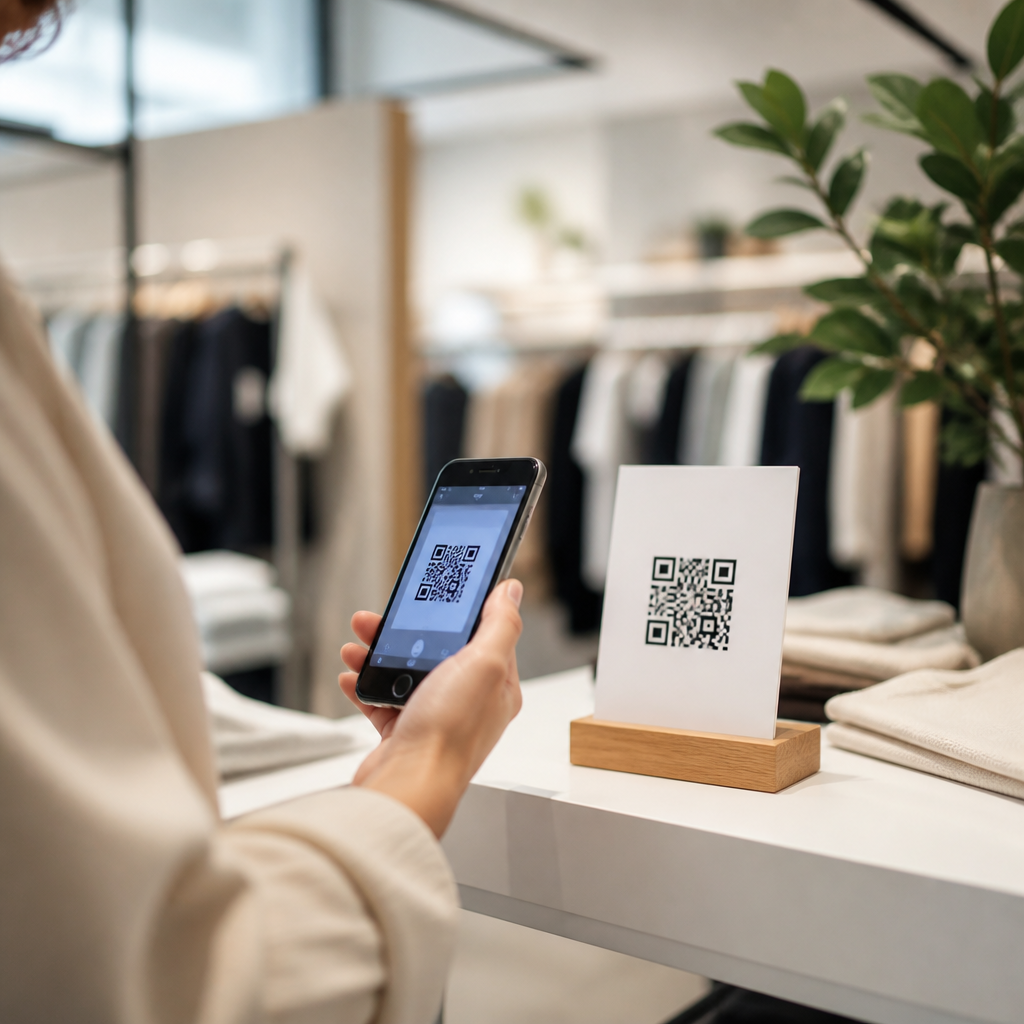
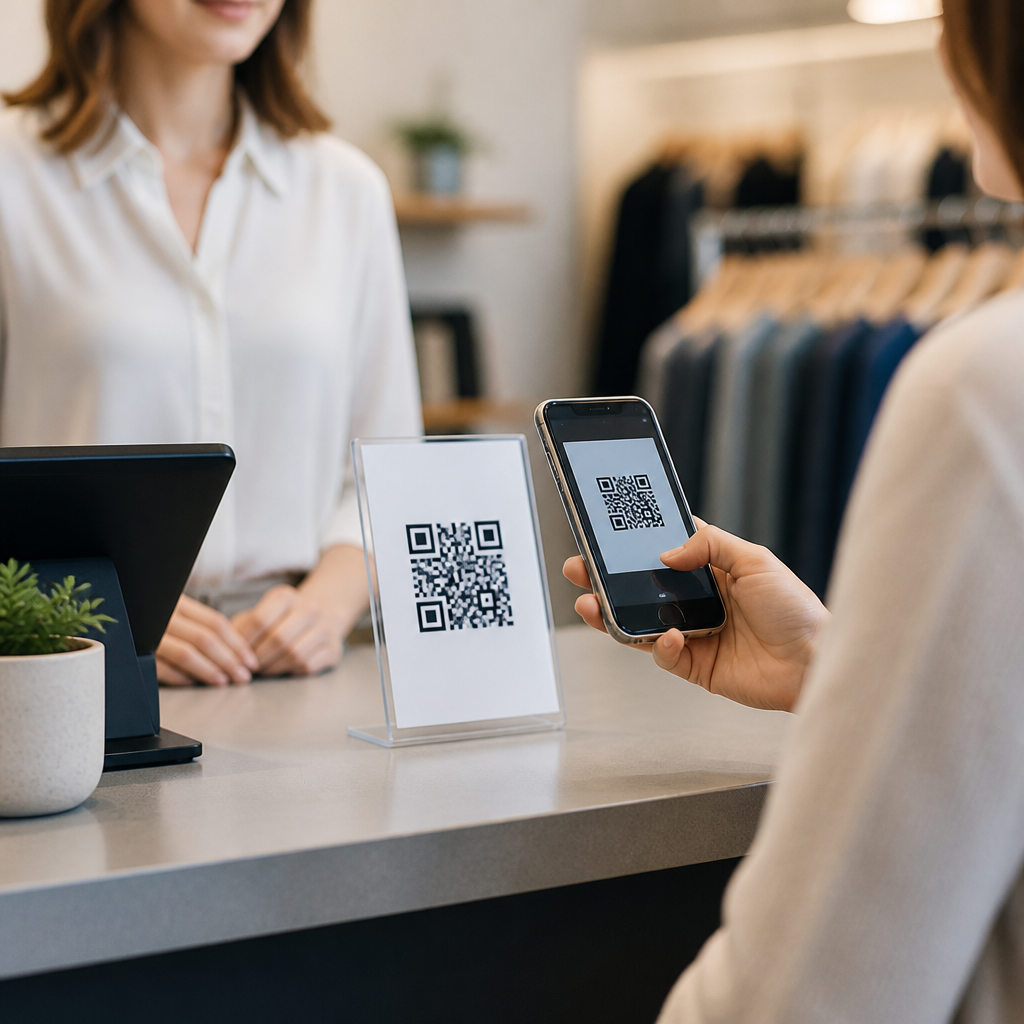
The fastest way to increase loyalty participation is to make enrollment available at the moment of interest. In stores, that moment usually happens at entry, at shelf level, in fitting rooms, on receipts, or during payment. In eCommerce, it happens on packaging, inserts, order confirmation pages, and post-purchase email flows. A QR code placed at these touchpoints can open a mobile landing page with a short value proposition, a lightweight form, and a clear reward such as “Join now for 10% off today” or “Scan to earn your first 100 points.” Because smartphone cameras handle scanning natively on iPhone and Android, no separate scanning app is usually required.
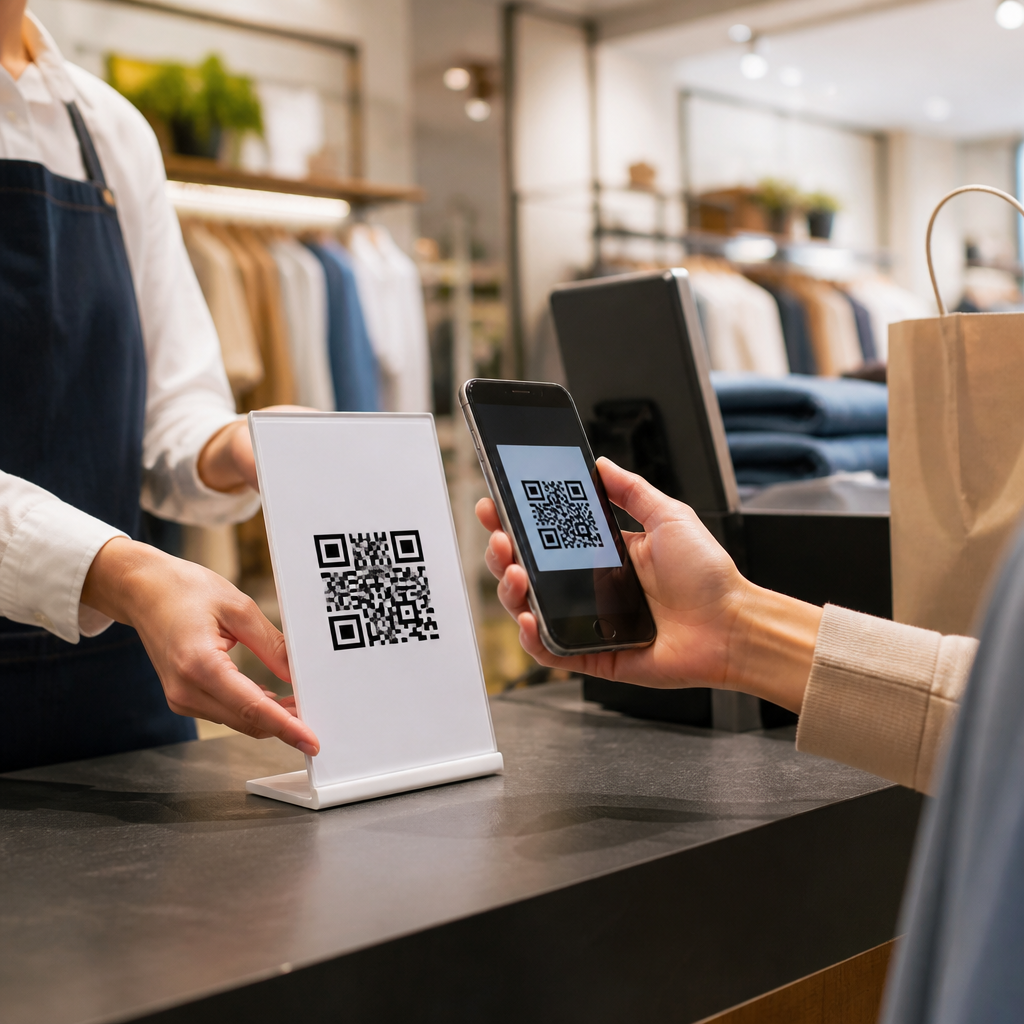
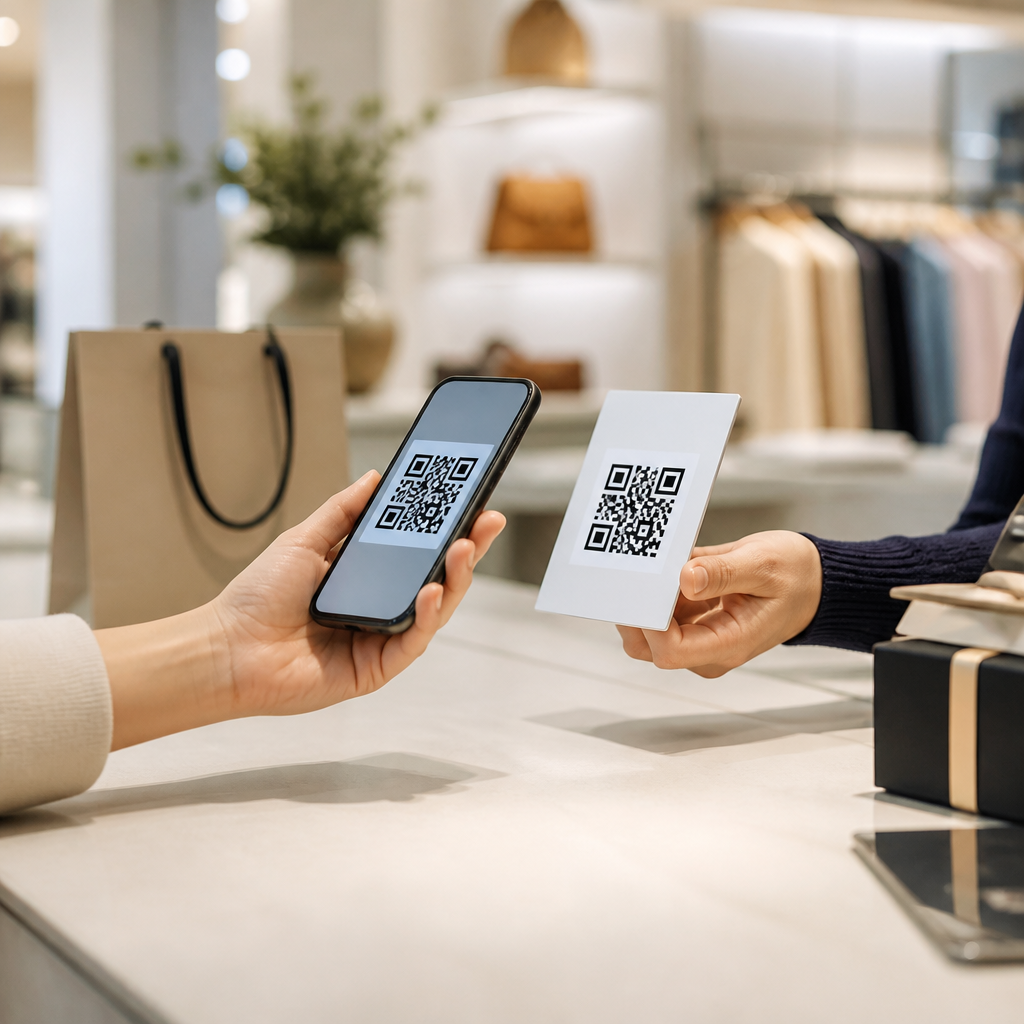
Redemption also becomes easier. Instead of expecting staff to search by phone number or ask customers to remember account details, the loyalty member can present a personal QR code stored in Apple Wallet, Google Wallet, email, SMS, or the retailer’s app. At checkout, the code can identify the account, apply a reward, or trigger point accrual. This is especially useful in high-volume environments such as quick-service counters, cosmetics stores, and holiday rush periods, where seconds matter. A good implementation shortens the transaction rather than adding a new layer of friction.
Static and dynamic QR codes serve different roles. Static codes are fixed and suitable when the destination will never change, such as a permanent page that explains the loyalty program. Dynamic codes are more useful for active retail marketing because the destination can be updated without reprinting signage. They also support scan analytics, campaign tagging, device data, and location-specific tracking. For loyalty programs, dynamic codes usually provide better operational control. If a seasonal promotion ends, a retailer can redirect the code to a general enrollment page instead of wasting printed materials.
The best-performing retail QR code experiences answer four questions immediately: what is this, why should I scan, what happens next, and what do I get? When those answers are not visible near the code, scan rates drop. I have seen elegant store signage fail simply because it displayed a code without a benefit statement. By contrast, basic signs with direct copy such as “Scan to join and get a birthday reward” routinely outperform more decorative creative.
Best Retail and eCommerce Use Cases for QR Code Loyalty Programs
Retail loyalty QR codes work best when they are matched to specific shopper behaviors rather than used as a generic add-on. The following use cases are the ones I see deliver the strongest commercial value across retail and eCommerce operations.
| Use case | Where the QR code appears | Main loyalty outcome | Example |
|---|---|---|---|
| Instant enrollment | Store entrance, checkout counter, shelf talker | New member signup | A fashion retailer offers 15% off the first purchase for scanning at the fitting room mirror |
| Receipt-based reactivation | Printed or digital receipt | Post-purchase enrollment or second visit | A home goods store prints “Scan within 7 days to claim bonus points” on every receipt |
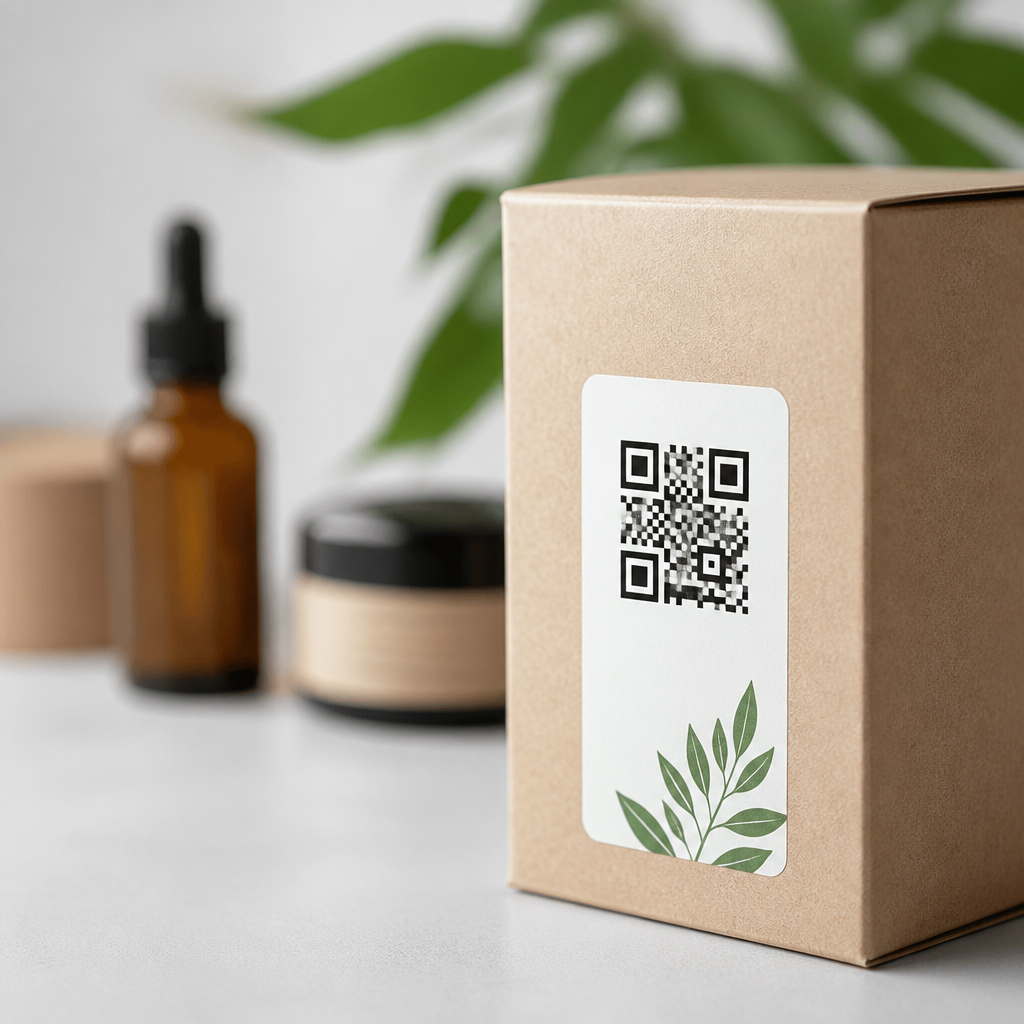
| Packaging loyalty extension | Box insert, hang tag, product label | Repeat purchase and education | A skincare brand links package scans to routines, points, and replenishment reminders |
| VIP tier access | Email, direct mail, event signage | Exclusive offers and tier engagement | A sneaker retailer sends members a QR code for early access to a limited release |
| Referral activation | Member dashboard or thank-you card | Member-get-member acquisition | An online boutique gives existing customers a shareable QR code tied to referral credits |
| Omnichannel identity | App, wallet pass, POS display | Unified online and offline tracking | A grocery chain lets customers scan one member code for in-store points and digital coupons |
Apparel retailers often use QR codes in fitting rooms because shopper intent is high there. A code can invite the customer to join the loyalty program for an immediate styling incentive, then lead to personalized recommendations after the visit. Beauty retailers can attach QR codes to testers or shelf displays that unlock product education and loyalty points for consultations or shade matching. Grocery and convenience operators can place member QR prompts near weekly specials, where the promise of member pricing creates an immediate reason to scan.
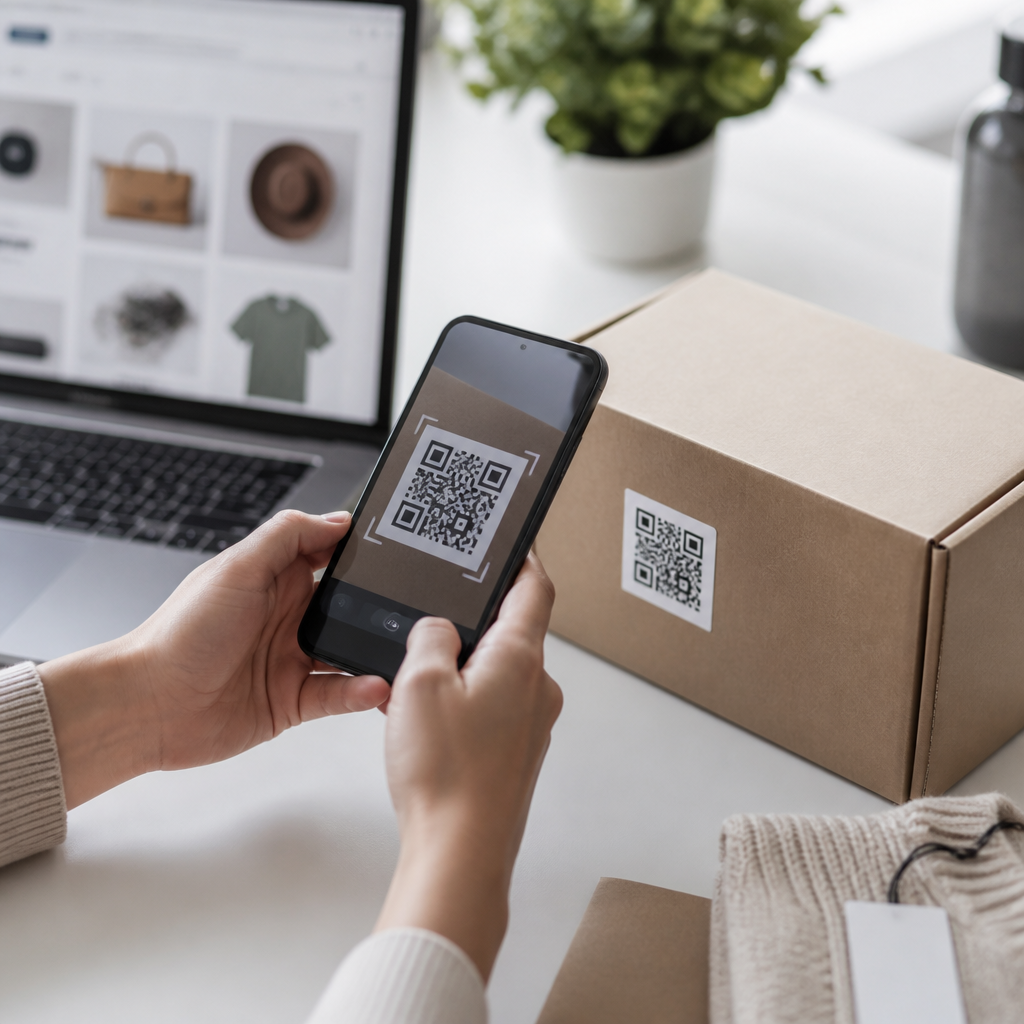
In eCommerce, packaging is underused real estate. A QR code inside the shipment can invite the buyer to register for points, review the product, join replenishment reminders, or unlock care instructions. This works particularly well for consumables, cosmetics, supplements, pet products, and household staples because the brand can capture a direct relationship after marketplace or guest checkout purchases. If the initial sale happened through Amazon, a specialty marketplace, or a wholesale partner, the packaging insert may be the first chance to pull that customer into the brand’s owned loyalty ecosystem.
How to Build a QR Code Loyalty Journey That Actually Converts
A successful QR code loyalty journey starts before design. First, define the single action each code should drive. Do not send one code to a cluttered page that asks visitors to join, browse products, download an app, subscribe to SMS, and follow social channels all at once. In practice, each placement should have one primary conversion event: enroll, redeem, identify, refer, or reactivate. This simplifies measurement and improves completion rates.
Next, build a mobile-first landing experience. Keep the headline benefit visible above the fold, ask only for essential data, and support autofill. For initial enrollment, name and email are often enough; phone number can be optional unless SMS is central to the program. If you require account creation, social login or one-time code verification reduces abandonment. The reward should be delivered instantly through a coupon code, barcode, wallet pass, or account confirmation screen. Delayed fulfillment weakens the connection between the scan and the value offered.
Integration with point-of-sale and customer data systems is the operational backbone. Retailers using Shopify POS, Square, Lightspeed, Clover, Toast, or custom enterprise systems should confirm whether loyalty IDs can be attached to transactions at the register or in post-purchase reconciliation. The objective is simple: every scan should either create an identifiable customer record or enrich one. If the code drives to a signup page but the resulting account never connects to purchase data, the program becomes a lead generator rather than a true loyalty engine.
Staff training matters more than many teams expect. Associates need a short script, a visible incentive explanation, and confidence that the scan will not slow checkout. In my experience, adoption increases when staff can say one sentence naturally, such as, “If you scan here, you’ll join our rewards program and get your welcome offer immediately.” Avoid scripts loaded with jargon about membership tiers or CRM benefits. Customers respond to plain language and immediate relevance.
Technology, Tracking, and Measurement for QR Code Loyalty Success
To measure whether a QR code loyalty program works, track more than scan volume. Scans are top-of-funnel signals, not outcomes. The more useful metrics are enrollment rate per scan, reward redemption rate, time from signup to first repeat purchase, average order value of members versus non-members, and ninety-day retention. Retailers with multiple store locations should also compare scan-to-enrollment rates by placement type, staff prompting rates, and localized offer performance. A front-window sign may attract attention, but a checkout display may convert better because intent is already established.
Use campaign parameters consistently. If each code includes structured tags for source, medium, store, fixture, campaign, and creative version, you can answer practical questions quickly. Which stores drive the cheapest loyalty acquisition? Do package inserts generate more second purchases than receipt prompts? Does a beauty consultation QR code produce higher lifetime value than a front-door signup offer? This level of instrumentation is standard practice, not an advanced extra, when retention budgets are under scrutiny.
Analytics platforms vary by stack, but the principles are the same. Google Analytics 4 can capture campaign sessions and conversion events. A QR management platform can log scans by time, device, and approximate location. Your loyalty platform should record enrollments, balances, redemptions, and member activity. Ideally, these datasets connect through a customer ID or at least through campaign naming conventions. Without that connection, reporting turns anecdotal, and teams argue over which channel deserves credit.
Security and governance should not be overlooked. QR codes can be misused if bad actors place fake stickers over legitimate codes or if redirects are not monitored. Use tamper-resistant placement where possible, branded landing pages, HTTPS destinations, and controlled access to dynamic code editing. Also respect consent rules. If the scan leads to SMS or email enrollment, make the opt-in terms explicit and jurisdiction compliant. In the United States, Telephone Consumer Protection Act obligations apply to SMS; in Europe, GDPR standards shape data handling. Trust is part of loyalty performance.
Industry-Specific Strategies for Apparel, Beauty, Grocery, Home Goods, and Omnichannel Retail
Apparel retailers should connect QR codes to style guidance, stock extension, and appointment-driven experiences. A shopper trying on jeans may scan for alternate sizes, fit notes, and member-exclusive discounts. That same profile can later trigger back-in-stock alerts or curated recommendations. Beauty retailers should emphasize education and replenishment. Shade libraries, regimen builders, and consultation bookings are natural loyalty actions because they help the customer make better choices, not just claim discounts. When points are awarded for profile completion or post-purchase routine tracking, engagement often deepens beyond promotional dependence.
Grocery and convenience stores benefit from speed and frequency. Here, QR codes should support weekly deals, digital coupon clipping, and account identification at checkout. Because baskets are frequent and margins can be thin, the strongest loyalty programs reward repeat cadence and category penetration rather than constant blanket discounts. Home goods and furniture retailers have longer purchase cycles, so QR codes should capture inspiration and project planning. A lamp tag might lead to room bundles, saved wish lists, and follow-up offers tied to design preferences. The loyalty value lies in staying present during consideration, not only at the moment of purchase.
Omnichannel retailers should treat the loyalty QR code as an identity bridge. A customer who discovers the brand in a store, buys later online, and returns in person should not feel like a new user each time. Wallet-based member codes, account-linked receipts, and packaging-triggered reengagement flows help unify these journeys. This hub topic connects naturally to related articles on QR code packaging campaigns, in-store signage optimization, post-purchase retention flows, and measuring offline-to-online attribution. The common thread is simple: every scan should move the shopper into a more connected relationship with the brand.
QR codes for retail loyalty programs work because they reduce friction, create measurable touchpoints, and support the retention goals that modern retailers cannot ignore. The most effective programs do not treat the code as a novelty. They place it where intent is highest, offer a clear benefit, connect the scan to customer records, and make redemption immediate. Across apparel, beauty, grocery, home goods, and eCommerce packaging, the winning pattern is consistent: one scan, one clear action, one useful reward, then a fast path to the next purchase.
If you are building a retail or eCommerce loyalty strategy, start with a single high-intent touchpoint and instrument it properly. Launch one dynamic QR code for enrollment or reactivation, tie it to your POS and customer platform, train staff, and measure repeat purchase behavior over the next ninety days. Once that flow proves itself, expand to packaging, receipts, shelf displays, and wallet-based member IDs. The retailers that win with QR codes are not the ones using the most codes. They are the ones designing the cleanest customer journey and improving it continuously.
Frequently Asked Questions
How can QR codes improve a retail loyalty program?
QR codes improve a retail loyalty program by making it faster and easier for customers to join, engage, and redeem rewards at every stage of the shopping journey. Instead of asking shoppers to fill out paper forms, download an app immediately, or remember a long URL, a retailer can place a QR code at the register, on shelf signage, on receipts, in fitting rooms, on packaging, or in post-purchase emails to send customers directly to a signup form, digital membership card, coupon, or rewards dashboard. That reduced friction is important because the easier the process feels, the more likely customers are to participate.
They also help connect offline retail behavior with digital customer data. For example, a customer can scan a code in-store to enroll in the program, check their points, claim a limited-time offer, or refer a friend. Each interaction can be tracked and tied to campaign performance, store location, product interest, or purchase activity. This gives retailers better visibility into what motivates repeat visits and conversions. In practical terms, QR codes turn ordinary touchpoints into measurable loyalty moments, which helps brands personalize offers, improve retention, and create a smoother customer experience without adding unnecessary complexity for staff or shoppers.
Where should retailers place QR codes to get the most loyalty signups and engagement?
The best placements are the ones that match customer intent and catch attention at moments when shoppers are already primed to act. In-store checkout counters are one of the strongest locations because customers are already engaged in a transaction and can be invited to join the loyalty program before they leave. Window displays can attract foot traffic and encourage passersby to scan for a welcome discount or instant enrollment. Shelf talkers, endcaps, product displays, and fitting room signage work well when retailers want to connect loyalty benefits to specific categories or products, such as bonus points for a featured collection.
Retailers should also think beyond the store floor. QR codes on receipts can prompt customers to register their purchase, earn points, or unlock a next-visit incentive. Packaging inserts can encourage post-purchase engagement, product reviews, or referrals. Email campaigns, direct mail, event signage, and printed promotional materials can also extend the loyalty program into omnichannel touchpoints. The key is relevance and clarity. Each QR code should have a clear call to action, such as “Join and get 10% off today,” “Scan to check your points,” or “Unlock members-only perks.” Strong visibility, simple messaging, and a mobile-friendly destination are what turn placement into performance.
What should a QR code link to in a retail loyalty program?
A QR code should link to the destination that best supports the customer’s immediate next step. For new customers, that is often a short, mobile-optimized signup form that makes enrollment quick and painless. For existing members, it may be more useful to send them to a digital wallet pass, member dashboard, points balance page, coupon redemption screen, or exclusive offer. Some retailers use different QR codes for different stages of the customer lifecycle, such as one for first-time signup, another for referral sharing, and another for reward redemption or product-based bonus point campaigns.
The most effective destinations are simple, fast, and directly tied to a visible benefit. If a shopper scans a code and lands on a confusing homepage, conversion rates will drop. If they scan and immediately see a reward, personalized offer, or one-step enrollment form, the interaction feels useful and intentional. Retailers can also use dynamic QR codes to change the destination without reprinting materials, which is especially helpful for seasonal campaigns, limited-time promotions, or location-specific offers. In short, the landing experience should match the promise made near the code and remove as many barriers as possible between interest and action.
How can retailers track and measure the success of QR codes in loyalty campaigns?
Retailers can measure QR code performance by tracking scans, conversions, enrollments, redemptions, repeat visits, and downstream purchase behavior. At the basic level, a retailer should know how many people scanned a code, where the code was placed, what device or channel drove the interaction, and whether the customer completed the intended action. That intended action might be joining the loyalty program, downloading a wallet pass, claiming a coupon, referring a friend, or making a purchase linked to a member profile. These metrics help retailers understand which placements and offers are actually driving engagement.
More advanced measurement comes from connecting QR code activity with customer relationship management systems, point-of-sale data, and loyalty software. This makes it possible to evaluate not just scans, but customer quality and long-term value. For example, a retailer can compare whether customers who joined through a fitting room QR code spend more over time than those who joined through receipt-based prompts. They can also test different calls to action, incentives, and store placements to improve results. The goal is not simply to generate scans, but to identify which QR experiences create stronger retention, higher redemption rates, larger basket sizes, and more frequent visits. When QR tracking is built into the loyalty strategy, it becomes a reliable tool for ongoing optimization.
What are the best practices for using QR codes in retail loyalty programs without frustrating customers?
The best practices start with keeping the experience genuinely convenient. A QR code should be easy to find, easy to scan, and tied to an immediate value proposition. Retailers should use high-contrast designs, adequate sizing, and thoughtful placement so customers do not have to struggle physically or visually to interact with the code. Every code should be accompanied by a short explanation of what happens after scanning, because customers are more likely to engage when the benefit is obvious. For example, “Scan to join and earn your first 100 points” is far more effective than displaying a code with no context.
Just as important, the mobile experience must be fast and frictionless. The landing page should load quickly, work well on all major devices, and ask only for the information needed at that moment. Retailers should avoid forcing immediate app downloads unless the app provides clear added value. They should also make sure staff understand the loyalty flow so they can explain it confidently and help customers if needed. Privacy matters too, so retailers should be transparent about what data is being collected and how it supports the loyalty experience. When done well, QR codes feel like a helpful shortcut rather than a marketing gimmick. That is the difference between a scan that builds long-term loyalty and one that gets ignored.