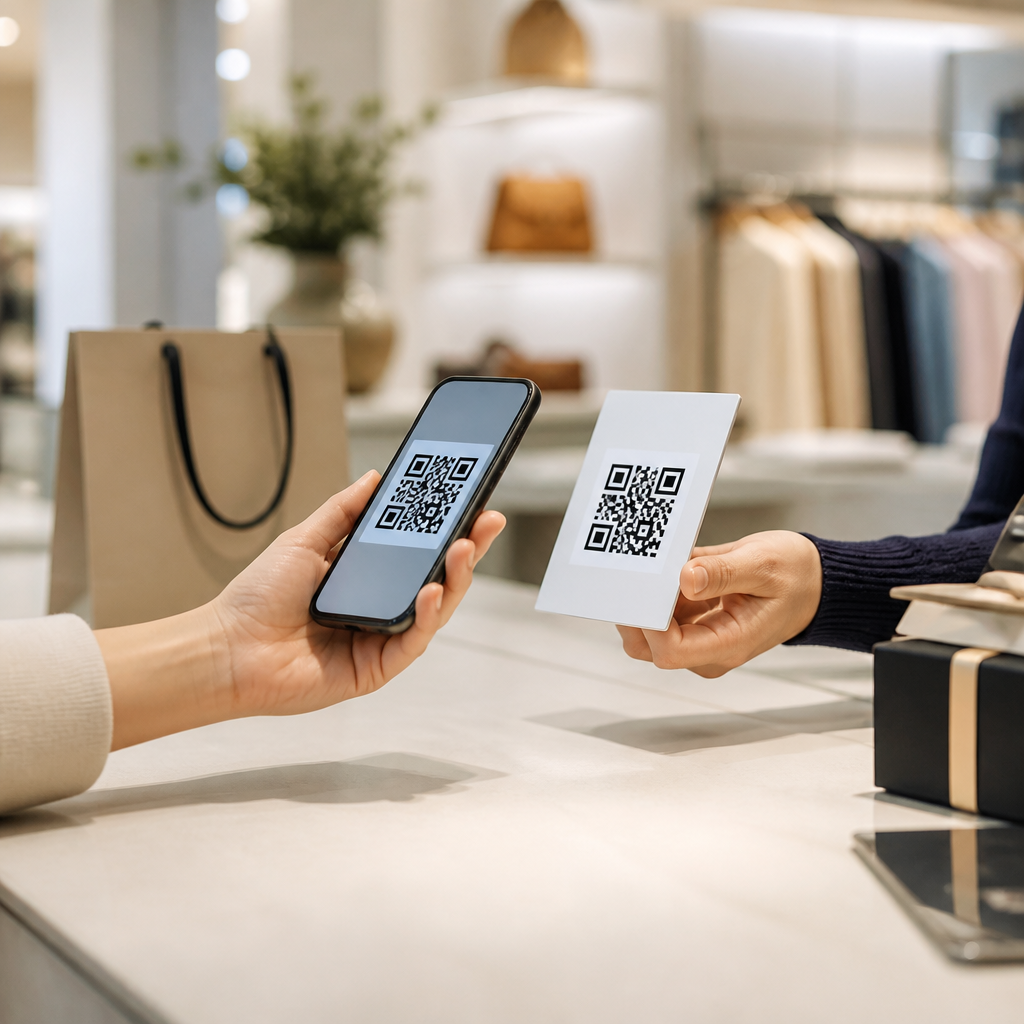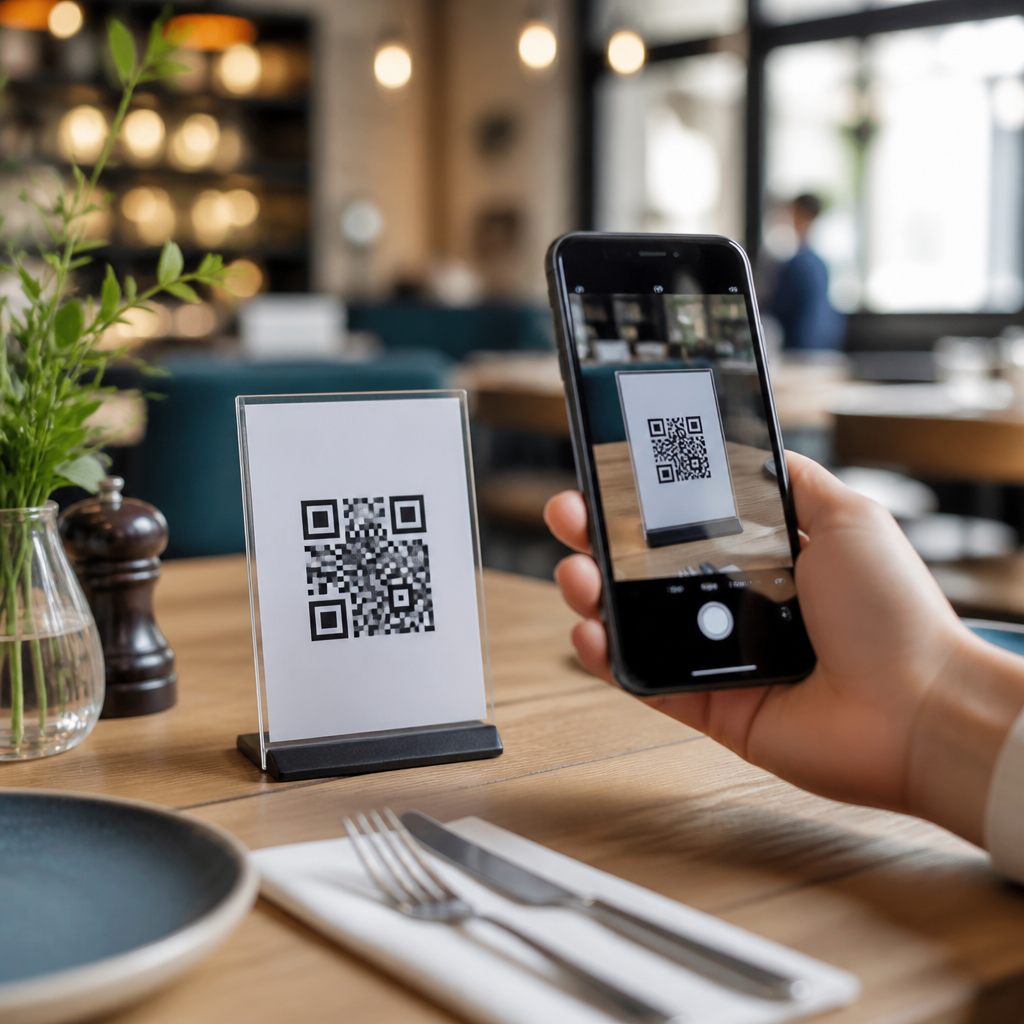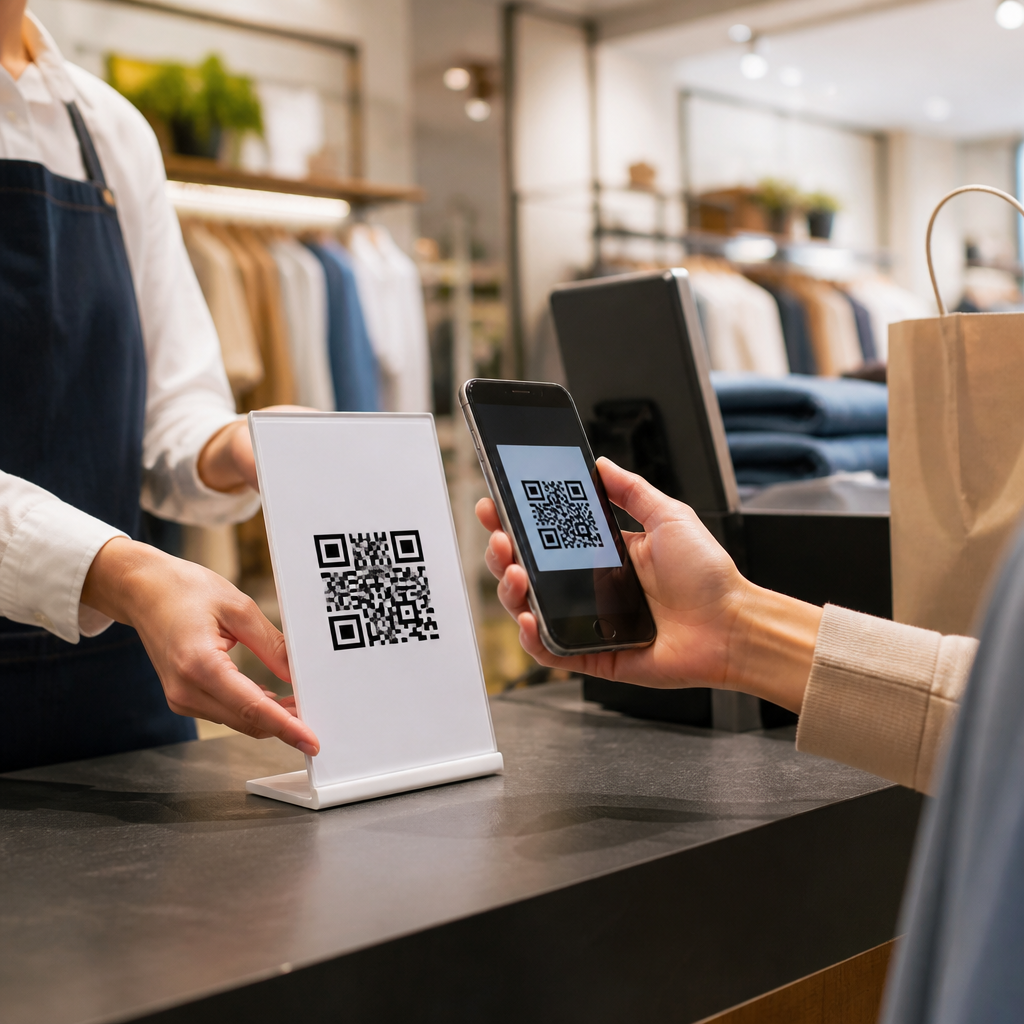
Using QR codes for in-store promotions and discounts gives retailers a fast, measurable way to connect shelf signage, packaging, receipts, and windows to digital offers that shoppers can redeem in seconds. A QR code is a scannable matrix barcode that opens a webpage, coupon, app screen, loyalty form, product page, or payment flow when a customer points a smartphone camera at it. In retail and eCommerce, that simple bridge matters because shopper attention is short, margins are tight, and every promotional channel must prove its value. I have used QR-driven campaigns in stores ranging from boutique apparel to multi-location chains, and the pattern is consistent: when the code leads to a clear benefit, scans rise, coupon redemptions become trackable, and staff spend less time explaining routine offers.
For marketers, store managers, and commerce teams, the value goes beyond novelty. QR codes make promotions flexible because the destination can be updated without reprinting signs when dynamic codes are used. They also support first-party data collection through loyalty signups, preference centers, and post-purchase surveys, which is increasingly important as paid targeting becomes less precise. Shoppers benefit too. Instead of remembering a promo code or searching a website, they scan and land directly on the right page. That reduction in friction improves conversion, especially in categories where product research happens beside the shelf, such as electronics, beauty, home improvement, and specialty food.
This article serves as a hub for retail and eCommerce teams building a practical QR code promotion strategy. It explains where QR codes fit in the customer journey, which in-store use cases perform best, how to design offers people actually redeem, what technical setup supports accurate attribution, and how to avoid common mistakes such as broken landing pages, weak signage, and generic discounts. Whether you run a single storefront, pop-up events, franchise locations, or an omnichannel brand with stores and an online catalog, the goal is the same: use QR codes to increase basket size, capture intent, and make discounts easier to discover and easier to measure.
Where QR codes fit in the retail and eCommerce customer journey
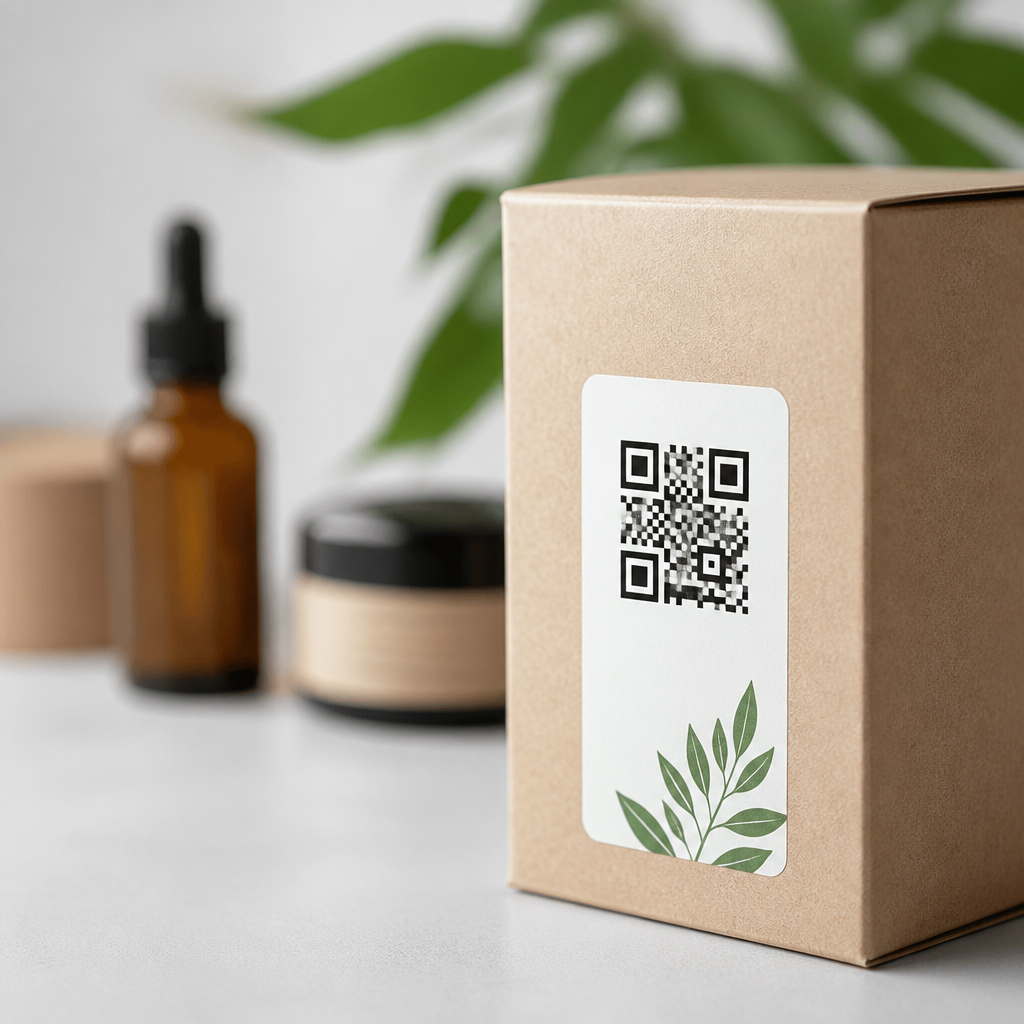
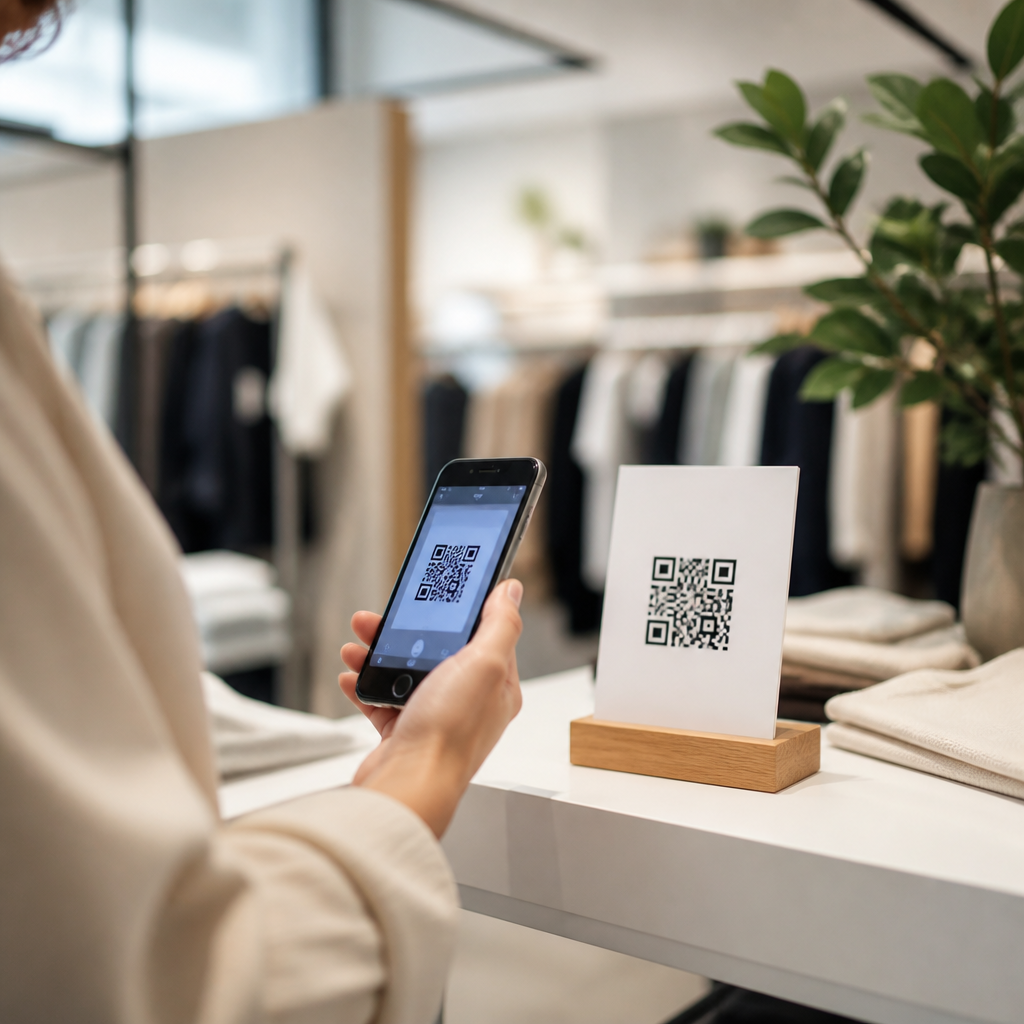
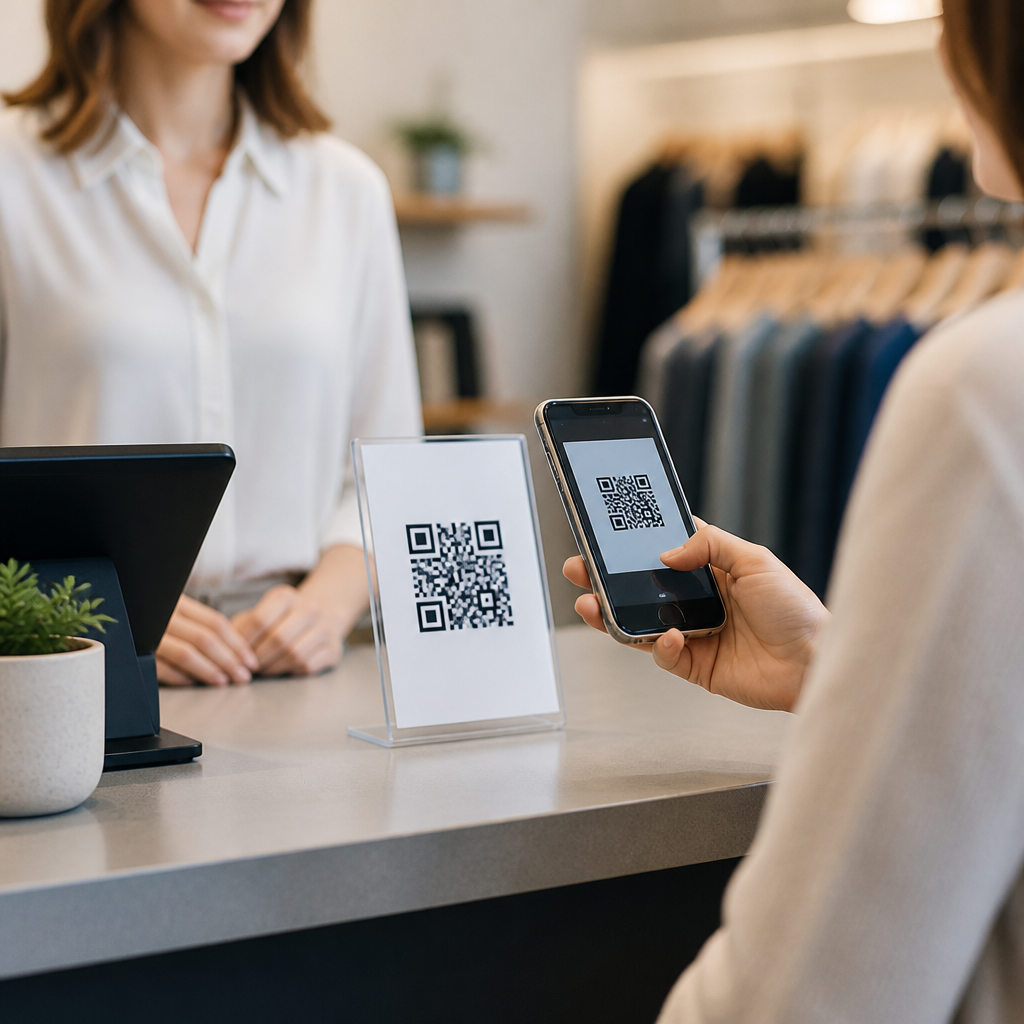
QR codes work best when they solve a specific step in the buying process. In practice, I map them to four moments: attraction, consideration, conversion, and retention. At the attraction stage, storefront window decals or sidewalk signs can promote limited-time offers to passersby even when the store is closed. A beauty retailer, for example, can place a code in the window that opens a mobile landing page with “scan for today’s shade match offer” and capture after-hours demand. During consideration, shelf talkers, endcaps, hangtags, and fitting-room signs can lead to product comparisons, reviews, size guides, or bundles that justify a purchase. At conversion, checkout counter displays, receipt QR codes, and cart signage can trigger a discount, gift-with-purchase, or loyalty enrollment. After the sale, packaging inserts and emailed order confirmations can bring customers back with replenishment reminders or cross-sell offers.
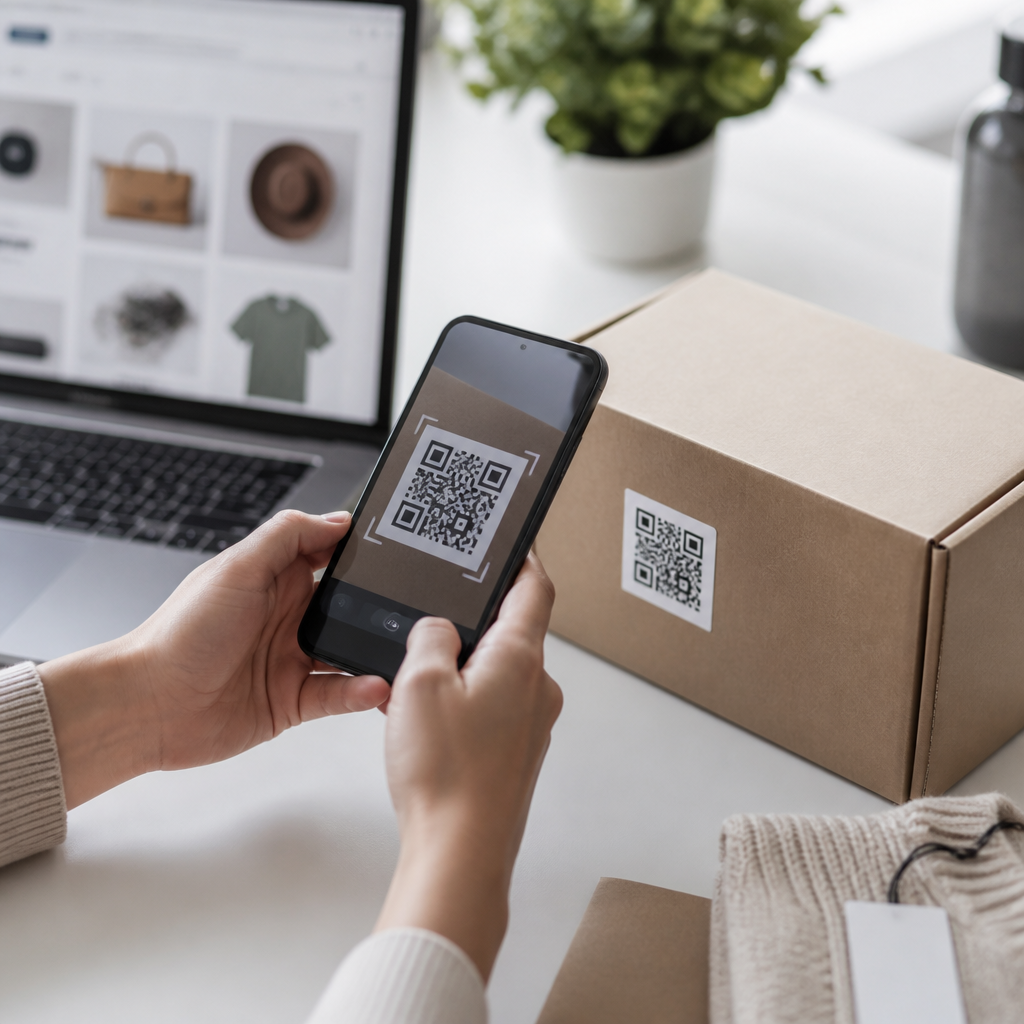
This journey matters because retail promotions often fail from timing rather than value. A 10 percent discount hidden in an email may not influence a shopper standing in aisle seven comparing two brands. A QR code placed beside the product can. The code removes navigation friction and preserves context. Instead of sending users to a homepage, it should deep link to the exact item, collection, or coupon wallet. For eCommerce brands with physical locations, QR codes also help synchronize channels. An in-store display can lead to online-only colors, larger sizes, subscription options, or back-in-stock alerts, extending aisle inventory without requiring extra floor space. That is particularly useful for footwear, furniture, and consumer electronics, where assortment breadth exceeds what most stores can stock.
High-performing in-store promotion use cases by retail format
The strongest use cases depend on store format, average order value, and buying frequency. Grocery and convenience stores benefit from speed-focused offers: scan-to-save shelf tags, meal bundle promotions, and digital coupon lockers tied to loyalty IDs. Apparel stores often see better performance from fitting-room QR codes that unlock outfit bundles, style recommendations, or limited-time discounts on a second item. In home improvement, QR codes can link to project calculators, installation guides, and bulk-purchase incentives, helping customers commit to larger baskets. Electronics retailers can attach codes to demo stations so shoppers compare models, check compatibility, and access same-day online pricing guarantees. Restaurants and cafés use table tents or counter signs for app downloads, bounce-back rewards, and upsells during off-peak hours.
For omnichannel retailers, buy online, pick up in store programs create another strong use case. A QR code near pickup counters can invite customers to add accessories before collection. A customer retrieving a laptop might scan a sign offering discounted sleeves, mice, or warranties, all ready for immediate add-on purchase. Pop-up shops and event retail also benefit because QR codes reduce the need for printed collateral and let temporary spaces behave like full stores. A cosmetics pop-up can use one code for event-exclusive bundles, another for waitlist registration, and a third for tutorial content. In luxury or premium retail, discounts should be used sparingly, but QR codes still work well for private appointments, VIP previews, and loyalty-only gifts. The key is matching the code’s destination to the customer’s intent in that location, not copying the same generic promo across every touchpoint.
How to structure offers so shoppers scan and redeem
The most effective QR promotions are concrete, immediate, and easy to understand from three feet away. In testing, vague calls to action such as “learn more” underperform direct benefit statements like “Scan for 15% off today,” “Scan to compare models,” or “Scan for a free sample with purchase.” The value exchange must be obvious before the scan happens. Shoppers should know what they will receive, whether any conditions apply, and how long the offer lasts. I recommend pairing every code with a short headline, one-line explanation, expiration cue, and a fallback URL for people who prefer typing. If staff need to explain the offer repeatedly, the signage is too ambiguous.
Offer mechanics should also fit the category. Low-consideration items respond well to instant discounts, while high-consideration purchases often need education plus incentive. A mattress store might offer “Scan for firmness guide and free pillow with purchase,” combining information with a bonus. A grocery chain can rotate manufacturer-funded coupons by aisle. A sporting goods retailer can use progressive incentives, such as a smaller discount on one item and a stronger discount when a customer buys a full kit. The landing page should carry the offer through to redemption without forcing extra steps, especially on mobile networks inside large stores where connectivity may vary.
| Retail format | Best QR promotion type | Typical placement | Main KPI |
|---|---|---|---|
| Grocery | Digital coupon or meal bundle | Shelf edge, endcap, cooler door | Redemption rate |
| Apparel | Outfit bundle or second-item discount | Fitting room, hangtag, mannequin sign | Units per transaction |
| Electronics | Comparison guide plus accessory offer | Demo table, spec card, checkout | Attachment rate |
| Home improvement | Project calculator with bulk incentive | Aisle bay, pallet display | Average order value |
| Restaurants | Loyalty signup or bounce-back reward | Counter card, table tent, receipt | Repeat visit rate |
Design, placement, and scanning fundamentals that affect performance
Good QR code performance starts with physical execution. Codes must be large enough for the expected scanning distance, printed with strong contrast, and placed where glare, wrinkles, or curved surfaces will not interfere. As a rule, the farther away the customer stands, the larger the code should be. Busy retail environments also demand quiet space around the code so phone cameras can isolate it quickly. Branded frames and short instructions help, but excessive design treatment can reduce readability if modules are distorted or color contrast is weak. Black on white remains the safest option.
Placement should follow shopper behavior. Endcaps, queue areas, fitting rooms, product displays, shopping carts, packaging, and receipts each support different actions. Queue lines are ideal for loyalty enrollment and post-purchase offers because customers have dwell time. Shelf edges work for instant coupons and product details. Window graphics capture after-hours scans, but only if the destination loads fast and the offer remains relevant outside store hours. Test with both iPhone and Android devices on real networks in each location. I have seen campaigns fail because a basement-level cosmetics counter had poor signal, making an otherwise strong offer look broken. In those cases, a lightweight landing page, in-store Wi-Fi prompt, or wallet-based coupon can protect conversion.
Tracking, attribution, and technology setup for reliable measurement
Measurement is where QR promotions become more than printed gimmicks. Use dynamic QR codes so destinations can change, campaigns can be paused, and scan activity can be segmented by store, region, display type, or date range. Each code should map to a unique URL structure with UTM parameters or an equivalent analytics framework, then connect to web analytics, coupon systems, point-of-sale data, and customer relationship management records where possible. If a national retailer uses the same window sign in 200 stores, each location still needs a distinct identifier; otherwise, local performance disappears inside aggregate scan totals.
Redemption tracking should be designed before creative production. Common methods include single-use coupon codes, barcode tokens passed to POS, loyalty account clipping, wallet saves, and offer IDs tied to mobile checkout sessions. For eCommerce extension campaigns, deep links can pre-apply discounts in cart and attribute the session to the specific in-store scan point. Useful metrics include scan-through rate by foot traffic, landing-page conversion rate, redemption rate, average order value lift, repeat purchase rate, and assisted revenue from customers who scanned in store and converted later online. Heat mapping by location can reveal that the same promotion works near checkout but not at the aisle entrance. That insight informs merchandising decisions, staffing scripts, and future creative versions.
Common mistakes, compliance issues, and ways to improve results over time
The most common mistake is offering a QR code without a compelling reason to scan. Customers do not scan because a code exists; they scan because the benefit is immediate and believable. The second mistake is sending traffic to a generic homepage rather than a dedicated mobile page. Other avoidable errors include expired offers left on signs, codes that open nonsecure pages, tiny print explaining major restrictions, and promotions staff cannot honor at checkout. In regulated categories such as alcohol, pharmacy, financial services, or age-restricted products, promotional QR flows must follow local rules on disclosures, eligibility, and data handling. Privacy expectations also matter. If the code collects email addresses or phone numbers, say so clearly and route data into consent-managed systems.
Improvement comes from disciplined testing. Rotate one variable at a time: offer type, call to action, placement height, sign size, incentive value, or landing-page format. Compare a percentage discount against a dollar-off threshold, or compare an instant savings message against a bundle message. Review store-level results weekly, not just campaign totals. Some locations need different incentives because of customer mix, weather, or staffing patterns. Train associates to mention the scan opportunity naturally, especially for higher-ticket categories where human reassurance still drives sales. Used well, QR codes turn physical retail into a measurable digital touchpoint and give eCommerce brands a smarter way to link stores, shelves, and shoppers. Start with one high-intent placement, one clear offer, and one trackable outcome, then expand what proves profitable.
Frequently Asked Questions
1. How do QR codes improve in-store promotions and discount campaigns?
QR codes improve in-store promotions by turning physical retail touchpoints into instant digital entry points. Instead of asking shoppers to remember a website, type in a long URL, or search for a product later, a QR code lets them access an offer in seconds while they are already engaged in the aisle, at the endcap, in a fitting room, or at the checkout counter. That speed matters because in-store attention is limited and purchase decisions often happen quickly. A well-placed code can connect signage, shelf talkers, product packaging, window displays, and receipts to coupons, limited-time discounts, product bundles, loyalty sign-ups, app-exclusive offers, and personalized landing pages.
They also make promotions far more measurable than traditional print-only campaigns. Retailers can track scans by location, time of day, device type, campaign creative, or store format, which helps reveal which offers actually influence shopper behavior. For example, a retailer can compare the performance of a shelf sign offering 10% off with a window display promoting a buy-one-get-one deal and use the scan data to optimize future campaigns. Dynamic QR codes are especially useful because the destination can be updated without reprinting the code, allowing stores to switch from one offer to another, pause expired promotions, or localize discounts by region.
Beyond convenience and measurement, QR codes help bridge online and offline commerce. A shopper might scan to claim an in-store discount, browse product details, check reviews, join a loyalty program, or save an offer for later online purchase. That creates a smoother omnichannel experience and gives retailers more opportunities to capture intent, increase conversion, and encourage repeat visits. When used thoughtfully, QR codes are not just a shortcut to a coupon; they are a flexible tool for moving customers from curiosity to action.
2. Where should retailers place QR codes in a store to get the best results?
The best placement depends on the goal of the promotion, but in general, QR codes perform best where customer attention and purchase intent naturally occur. High-value placements include shelf signage next to promoted items, endcaps featuring seasonal or high-margin products, product packaging for repeat-purchase incentives, fitting rooms for style suggestions and discounts, checkout lanes for last-minute offers, and store windows for after-hours engagement. These locations work because they meet shoppers at meaningful moments, whether they are comparing products, waiting in line, or deciding whether to enter the store.
Context is critical. A QR code should never appear as an isolated graphic with no explanation. It should be paired with clear copy that tells shoppers exactly what they will get when they scan, such as “Scan for 15% off today,” “Unlock a bundle deal,” or “Join rewards and save instantly.” Strong calls to action outperform vague messaging because customers want to know the value before they take out their phones. Visual clarity matters too. The code should be large enough to scan easily, placed at a comfortable height, and printed with enough contrast to work under real store lighting conditions. If the code is on a reflective surface, curved package, or low-light display, testing becomes even more important.
Retailers should also think in terms of customer flow. At the entrance, QR codes can promote welcome offers or app downloads. In the aisle, they can educate and convert. At checkout, they can drive loyalty enrollment or future purchases through receipt-based offers. On packaging, they can support replenishment discounts, warranties, tutorials, or cross-sell recommendations after the sale. The highest-performing programs usually use multiple placements tied to different stages of the shopping journey rather than relying on one code in one location.
3. What makes a QR code discount campaign successful?
A successful QR code discount campaign starts with a clear objective. Retailers should decide whether the goal is to increase basket size, move slow inventory, grow loyalty membership, drive app adoption, boost repeat visits, or improve conversion on featured products. That objective shapes everything else, including the offer, the landing page, the placement, and the way success is measured. Campaigns often underperform not because QR codes are ineffective, but because the offer is weak, the instructions are unclear, or the redemption process creates too much friction.
The most effective campaigns make the benefit immediate and obvious. Shoppers respond well to offers they can understand instantly, such as a percentage discount, dollar-off coupon, free gift with purchase, limited-time bundle, or loyalty bonus. Once scanned, the destination should load quickly and be mobile-friendly. If customers have to pinch and zoom, fill out long forms, or navigate through multiple pages before reaching the offer, drop-off rises sharply. A good experience usually includes a simple landing page, concise copy, prominent redemption instructions, and a visible expiration date or terms if relevant.
Operational readiness is just as important as creative execution. Store associates should know what the QR promotion is, how customers redeem it, and what to do if a shopper has a question at the register. POS compatibility should be tested in advance, especially if the campaign uses one-time coupon codes, barcodes, loyalty linking, or app-based redemption. On the analytics side, retailers should track scans, unique users, redemptions, conversion rate, average order value, and incremental revenue where possible. Running A/B tests on offer wording, design, and placement can provide useful insights. In practice, the best QR campaigns combine a compelling incentive, frictionless mobile experience, clear in-store execution, and strong measurement from start to finish.
4. Are dynamic QR codes better than static QR codes for retail promotions?
For most retail promotions, dynamic QR codes are the better choice because they offer flexibility, control, and stronger analytics. A static QR code points directly to one fixed destination, which means if the URL changes, the offer expires, or the retailer wants to redirect shoppers to a new promotion, the code often has to be replaced and reprinted. That can be inconvenient and costly in a retail environment where signage, packaging, and displays may already be distributed across multiple stores.
Dynamic QR codes solve that problem by routing the scan through a managed link that can be updated at any time. Retailers can keep the same printed code in place while changing the landing page behind it to reflect new discounts, seasonal campaigns, inventory status, or store-specific offers. This is especially valuable for long-running placements such as window decals, shelf fixtures, packaging inserts, or permanent signage. It also makes it easier to pause campaigns, fix errors, and run localized promotions without disrupting store operations.
Another major advantage is data. Dynamic QR code platforms typically provide reporting on total scans, unique scans, time trends, location insights, and campaign comparisons. That visibility helps retailers understand what is resonating and where adjustments are needed. Static codes may still be appropriate for very simple, permanent uses where tracking and flexibility are not priorities, but in promotional retail settings, dynamic codes usually deliver more business value. They support faster optimization, better campaign governance, and a more agile response to shopper behavior.
5. What are the biggest mistakes to avoid when using QR codes for in-store discounts?
One of the biggest mistakes is giving shoppers no clear reason to scan. A QR code by itself is not a promotion; it is simply a gateway. If the sign does not explain the benefit, many customers will ignore it. Messages like “Scan me” are less effective than benefit-driven calls to action such as “Scan for 20% off this item today” or “Scan to get a coupon at checkout.” The value proposition needs to be immediate, specific, and easy to understand from a short distance.
Another common problem is poor user experience after the scan. If the code leads to a generic homepage, slow-loading page, desktop-only site, expired offer, or confusing redemption path, the promotion loses momentum immediately. Shoppers expect speed and simplicity, especially when standing in a store. Retailers should make sure the landing page is mobile-optimized, loads quickly on cellular data, and gets users to the offer without unnecessary steps. Testing matters here not only on different devices, but also in the actual store environment where signal strength, glare, and lighting can affect performance.
Retailers also make mistakes on the operational side. An offer can generate frustration if staff are unaware of it, the register process is unclear, or terms and exclusions are hidden. Promotions should be supported by training, clear redemption instructions, and a consistent process at checkout. Finally, many brands fail to measure outcomes properly. Without tracking scans, redemptions, and sales impact, it is difficult to know whether a campaign is truly driving incremental results. Avoiding these mistakes comes down to a simple principle: pair a compelling offer with a frictionless mobile path, reliable store execution, and measurable goals. When all of those pieces work together, QR code discounts can become a highly effective part of in-store promotional strategy.