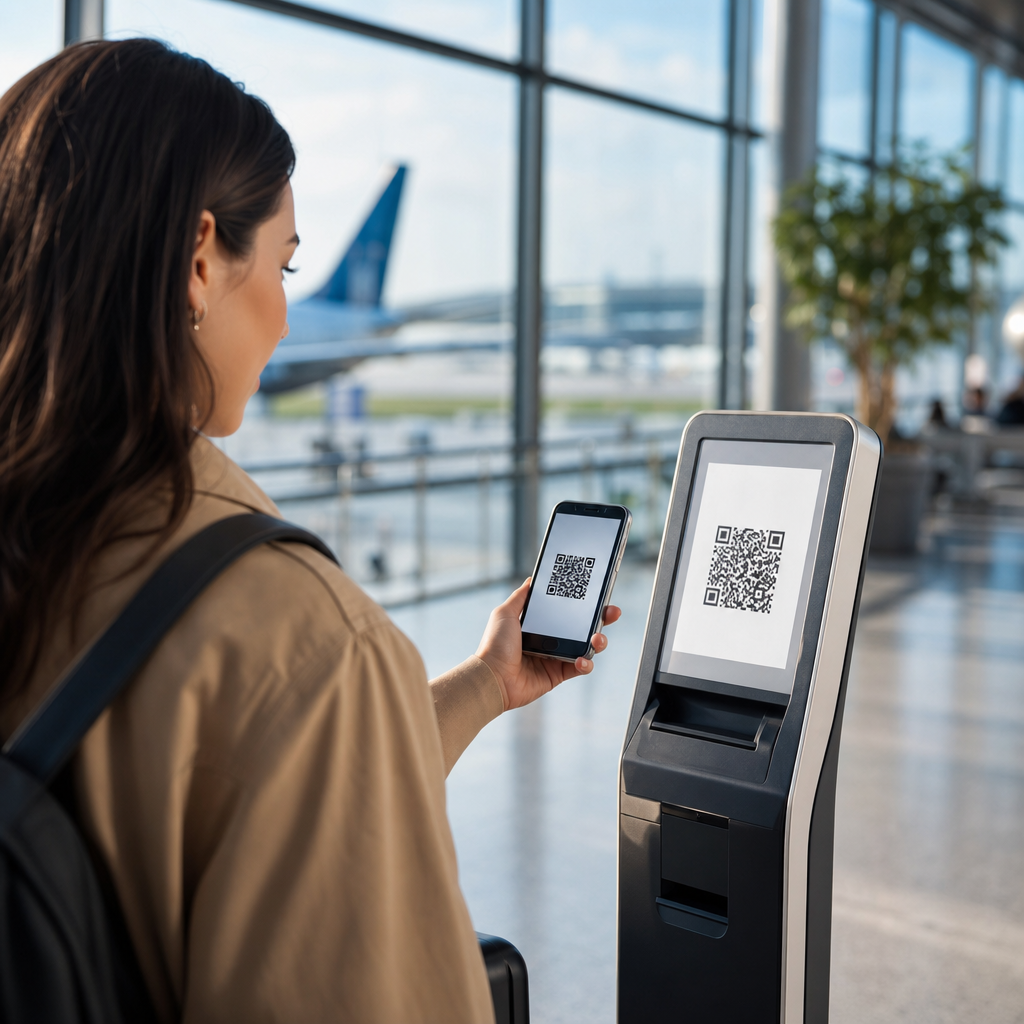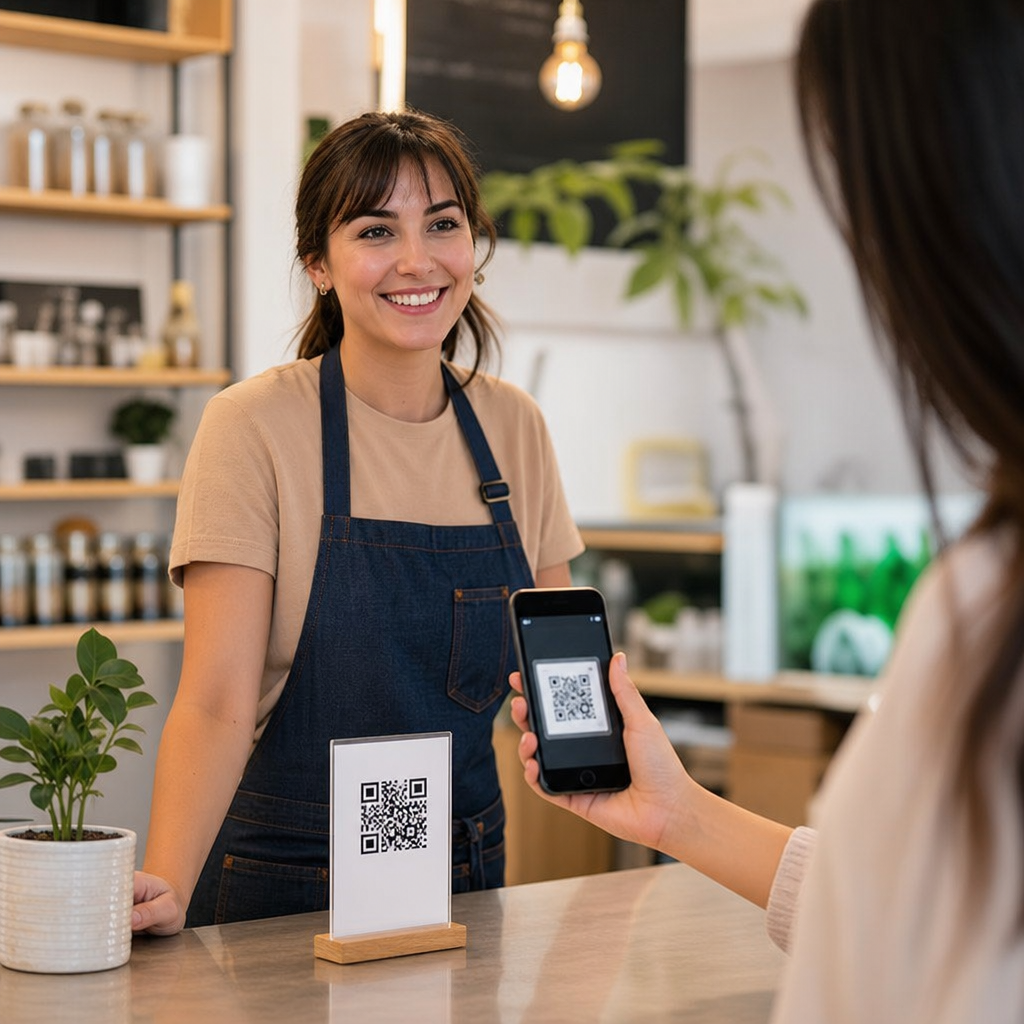
Small business QR code success stories matter because they show how a simple square pattern can bridge physical customer touchpoints and measurable digital action. A QR code, or quick response code, stores a link, file, payment request, contact card, or app action that a phone camera can open instantly. For small businesses, that means a poster can become an order page, a receipt can become a review request, and packaging can become a loyalty program enrollment. I have implemented QR campaigns for retailers, cafés, service firms, and event operators, and the pattern is consistent: when the code solves a clear customer need in the moment, scan rates rise and friction drops.
This topic matters now because customer behavior has changed. Most buyers carry smartphones, expect contactless interactions, and move fluidly between offline and online channels. During the pandemic, many businesses first adopted QR menus and touch-free payments, but the strongest operators did not stop there. They used QR codes for reordering, appointment booking, warranty registration, how-to videos, lead capture, and first-party data collection. Unlike broad advertising, a well-placed QR code targets intent at the exact point of decision. That makes it unusually efficient for small budgets, especially when every sign, table tent, product label, and direct mail piece needs to prove its value.
Small business QR code wins are not about novelty. They are about matching placement, message, and destination. A successful campaign usually has five parts: a dynamic code that can be edited later, a landing page built for mobile speed, a call to action that states the benefit, tracking through analytics parameters, and a business process ready to handle the response. If any one of those pieces is weak, results suffer. If all five are aligned, QR codes can lift revenue, improve customer experience, and create measurable paths from walk-in traffic to repeat purchase.
As a hub article under QR code campaign ideas and case studies, this guide explains where small businesses are seeing real gains, what separates strong campaigns from weak ones, and how to choose the right use case for your business model. You will see examples from restaurants, retail, home services, events, and healthcare-adjacent local businesses. You will also see the operational details that matter, from print contrast and error correction to analytics naming conventions and review platform compliance. The goal is practical: help you identify the next QR code campaign with the highest probability of producing a clear, defensible win.
Why small businesses win with QR codes
QR codes work for small businesses because they compress the gap between attention and action. A customer sees an offer, scans once, and lands on the exact next step without typing a URL or searching. That matters most in moments with high intent and limited patience: waiting in line, sitting at a restaurant table, opening a package, walking past a storefront, or reading a postcard. In each case, reducing one or two taps can materially improve conversion rate.
I have seen the strongest results when owners treat QR codes as infrastructure rather than decoration. A neighborhood café can use one code on tables for ordering, another on takeaway cups for loyalty enrollment, and a third on receipts for reviews. Each code serves a distinct goal, and each destination is optimized for that goal. This separation keeps analytics clean and lets the owner compare table-side ordering against post-purchase retention. Static codes can work for permanent destinations, but dynamic codes are usually the better choice because they allow URL changes, scan reporting, and campaign rotation without reprinting materials.
There is also a cost advantage. Small businesses rarely have large media budgets, but they do control many physical surfaces: windows, menus, invoices, counter cards, packaging, uniforms, and vehicles. QR codes turn those assets into trackable media. A florist, for example, can place a code on bouquet care cards that opens a care guide, then invites customers to prebook holiday deliveries. That one printed insert does service, education, and retention at once.
Restaurant and café success stories
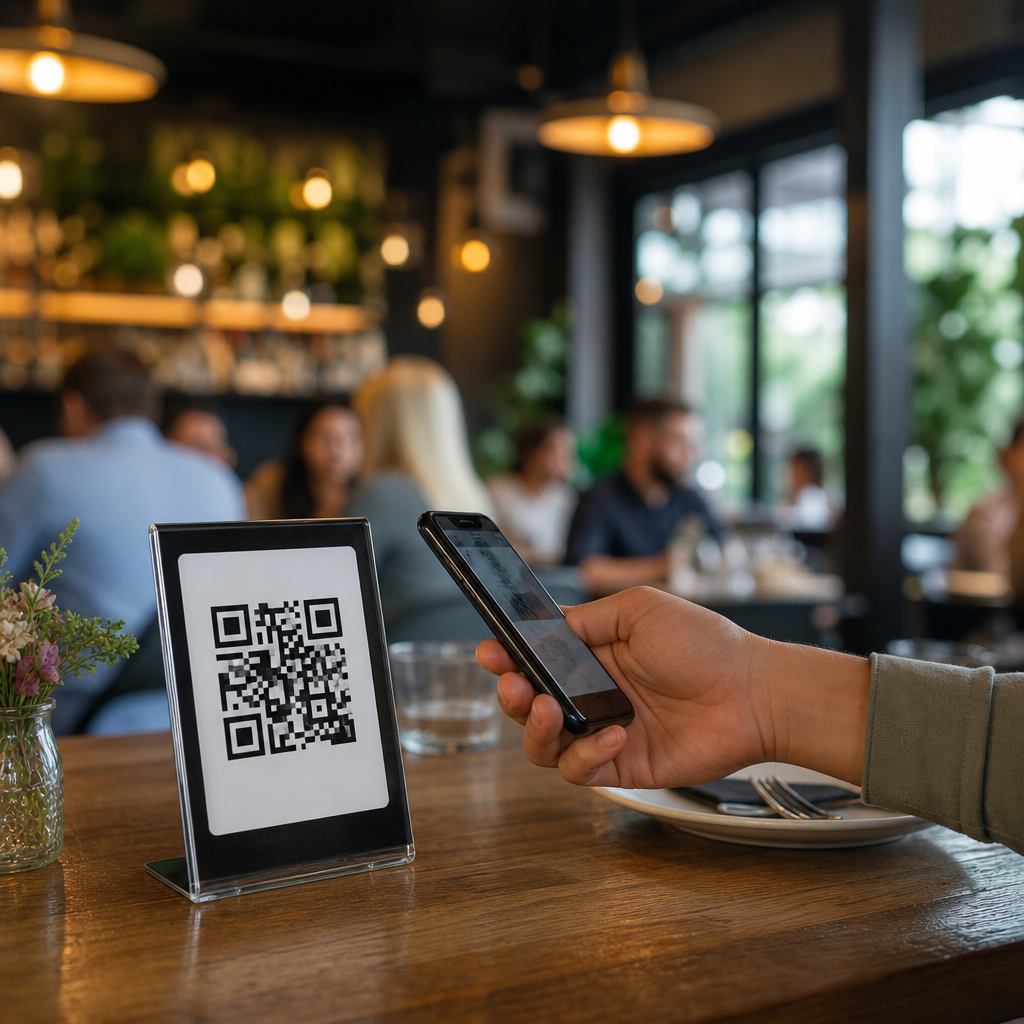
Restaurants were early adopters, but the best small business QR code wins in food service now go far beyond digital menus. One independent pizza shop I worked with added a QR code to every box linked to a reorder page prefilled with the customer’s most common items through the ordering platform. Repeat orders increased because the path from craving to checkout was shorter. Another café placed a code near the espresso pickup shelf labeled “Skip the line next time,” sending customers directly to mobile ordering with pickup defaults already selected.
Table-side QR ordering can also improve operations when deployed carefully. The gain is not just labor savings; it is ticket accuracy and average order value. Customers spend more time reviewing modifiers and add-ons on their own phones than they do under pressure with a cashier. In one brunch concept, the owner tested menu engineering on the mobile landing page and surfaced profitable extras such as avocado, specialty syrups, and pastries. The digital average ticket rose, while line congestion fell during peak hours.
Review generation is another strong restaurant use case, but it must be handled ethically. A code on the receipt that says “Tell us how we did” should lead to a neutral feedback page or directly to the business’s public review profile without filtering only happy customers. Platforms such as Google Business Profile prohibit review gating. The businesses that win long term make leaving feedback easy for everyone, then use operational follow-up to address service issues quickly.
Retail examples that increase basket size and repeat visits
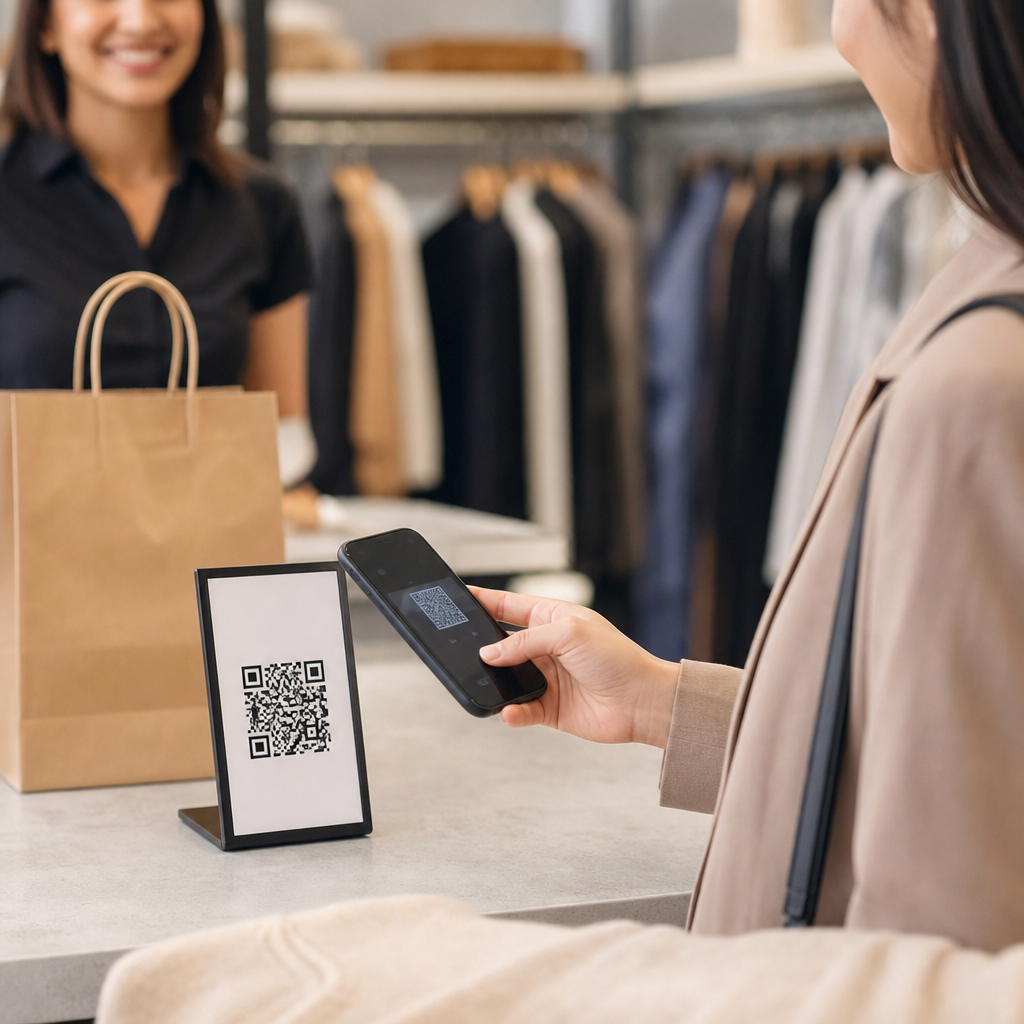
In retail, QR codes are most effective when they add information or remove uncertainty. A boutique skincare shop can place shelf tags with codes linking to ingredient explainers and routine builders. That supports self-service discovery without requiring every customer to wait for staff. A hardware store can place codes on endcaps that open quick installation videos. When shoppers understand how a product works, return rates often decline and confidence rises.
Packaging is underused by small retailers, especially those selling consumables or gifts. A specialty tea company can print a QR code on tins that opens brewing instructions, origin stories, and a reorder subscription. The first scan is education; the second is retention. I have also seen independent pet stores use codes on house-brand treats to link to feeding guidelines and autoship signup. Because the customer scans while using the product at home, the moment is ideal for replenishment prompts.
Loyalty enrollment performs well when the value exchange is immediate. “Scan to join and get 10% off today” is clearer than a generic “learn more.” The landing page should collect only essential information and apply the reward in one session if possible. Small businesses often lose momentum by asking for too many fields or sending customers to a homepage instead of a dedicated sign-up page. Every unnecessary step costs scans.
Service businesses and local lead generation
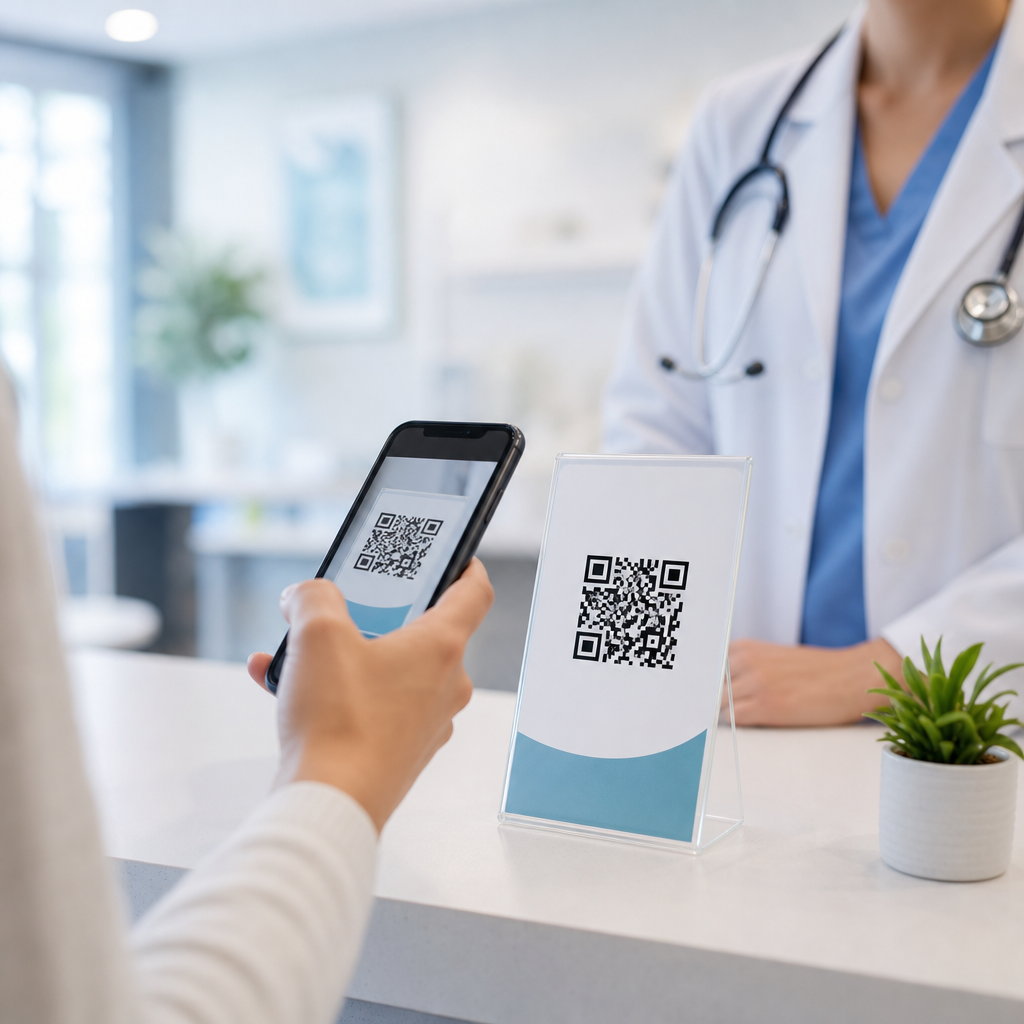
Service businesses often assume QR codes are mainly for retail, but some of the clearest wins come from home services, salons, fitness studios, and professional practices. The reason is simple: these businesses need qualified leads, appointments, and repeat booking, and QR codes can connect offline trust signals to immediate action. A plumber’s vehicle wrap can include a code for emergency booking. A salon mirror decal can link to rebooking before the client leaves the chair. A fitness studio flyer can open a class schedule filtered to beginner sessions.
For service companies, credibility is the conversion lever. The landing page should confirm licenses, show recent reviews, explain the service area, and offer a frictionless booking path. I have seen HVAC companies place QR codes on service invoices labeled “Save this for your next tune-up,” leading to a maintenance plan page. This works because the customer has just experienced the problem and the solution; intent is high and trust is fresh.
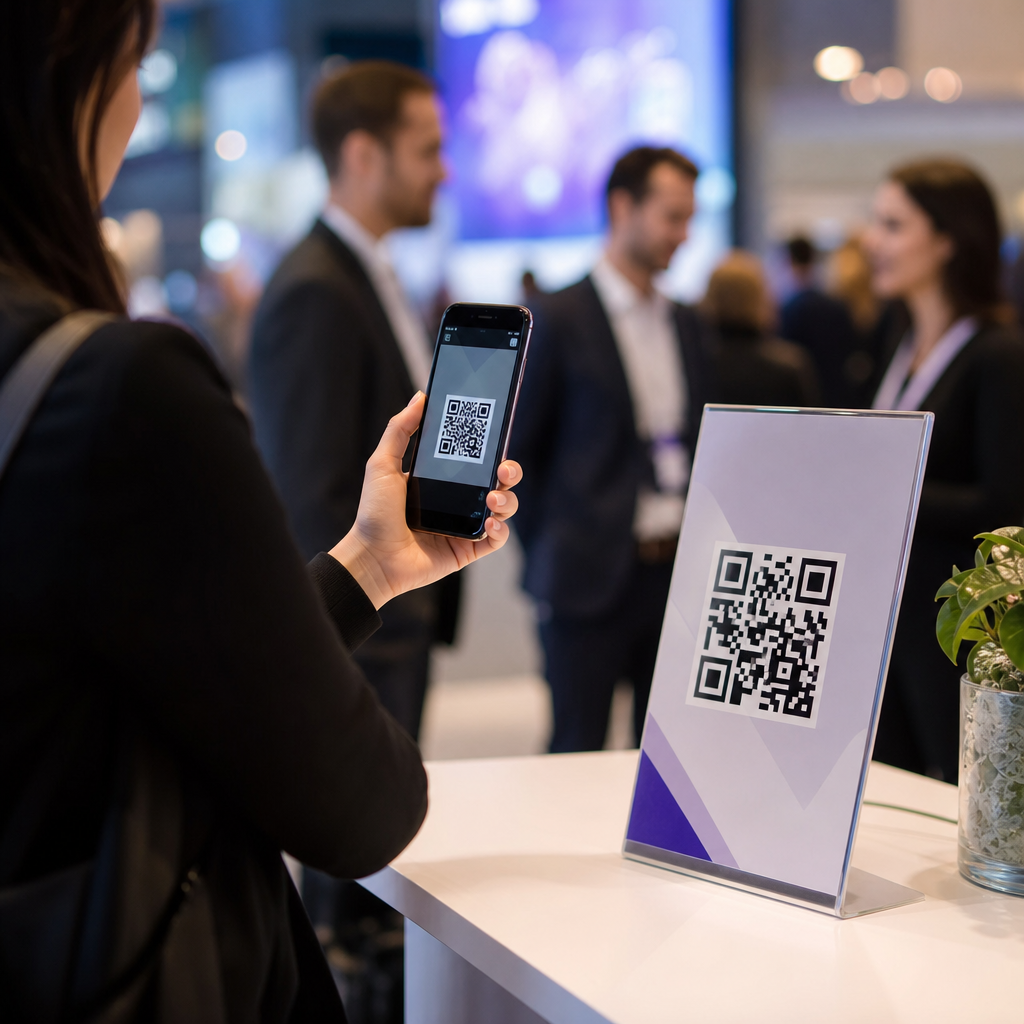
Events and pop-ups are especially strong environments for QR lead capture. A craft vendor at a market can use a counter sign that says “Out of stock? Scan for restock alerts.” A wedding photographer at a bridal expo can use a code linked to a gallery and consultation calendar. In both cases, the scan captures interest that would otherwise vanish once the attendee walks away. The key is speed: pages must load fast over mobile networks and ask for minimal information.
What the strongest campaigns have in common
The best small business QR code campaigns share a small set of technical and operational habits. They are easy to scan, easy to understand, and easy to complete. They also produce measurable data that the owner can use to decide whether to keep, adjust, or retire the campaign. This is where many small businesses separate into winners and non-winners.
| Campaign element | What successful businesses do | Why it works |
|---|---|---|
| Code type | Use dynamic QR codes with editable destinations | Prevents waste when offers, pages, or platforms change |
| Placement | Put codes at high-intent moments like checkout, tables, packaging, and invoices | Captures customers when motivation is strongest |
| Call to action | State the benefit clearly: order, book, save, review, or join | Improves scan intent by answering “why scan?” immediately |
| Landing page | Send users to a mobile-specific page, not the homepage | Reduces friction and raises conversion rates |
| Tracking | Add UTM parameters and event tracking in analytics tools | Shows which print assets and locations drive outcomes |
| Design | Maintain high contrast, quiet zone, and adequate print size | Improves reliability across phones and lighting conditions |
| Operations | Prepare staff, inventory, and response workflows before launch | Prevents customer frustration after the scan |
Print quality matters more than many owners realize. A code should usually be at least 0.8 inches square for close scanning and larger for posters, windows, or vehicle graphics. Contrast should be strong, typically dark code on light background. The quiet zone, the blank margin around the code, should not be crowded by text or design elements. If branding is added in the center, error correction must be set appropriately so scannability is preserved. Before printing at scale, test across iPhone and Android cameras under bright and dim conditions.
Analytics discipline is just as important. Use consistent naming conventions for source, medium, campaign, content, and location. A tabletop menu code and a takeout bag code should not share the same tracking string if you want clear attribution. In Google Analytics 4, define meaningful events such as menu_view, order_start, booking_submit, or review_click. If you use a CRM like HubSpot, Zoho, or Salesforce, pass campaign data through hidden fields so offline scans can be tied to downstream revenue.
Common mistakes that limit QR code results
The most common mistake is sending scans to a generic homepage. A homepage forces the visitor to navigate, search, and interpret, which defeats the purpose of a QR code. The destination should match the exact promise on the sign or packaging. If the code says “Book a haircut,” the page should open directly to booking, not a salon overview page. Another frequent mistake is poor mobile experience. Heavy images, pop-ups, tiny buttons, and long forms kill momentum quickly.
Businesses also underestimate context. A code on a moving vehicle may be impossible to scan safely, while a code in a dim restaurant corner may suffer from glare. Placement should reflect the customer’s actual ability to notice, scan, and act. The call to action must be legible from the distance at which the customer encounters it. Even strong offers fail when the sign is visually busy or the code is too small.
Finally, some owners launch without deciding what success looks like. A QR code can support sales, retention, education, support, reviews, referrals, payments, or list growth, but one code should emphasize one primary objective. Without a defined objective and baseline metrics, scan counts alone can be misleading. Ten scans that produce four bookings are better than one hundred scans that produce no meaningful action.
How to choose the right QR code win for your business
Start with the customer journey, not the technology. Ask where customers hesitate, where staff repeat the same explanation, where lines form, where repeat purchases happen, and where paper handoffs break. Those points usually reveal the best QR opportunities. Restaurants should test ordering, reordering, and reviews. Retailers should test product education, loyalty, and replenishment. Service businesses should test booking, estimate requests, and maintenance reminders.
Then rank opportunities by effort and payoff. A receipt review code is easy to launch but may produce modest revenue impact. A packaging reorder flow takes more setup but can materially improve lifetime value. Choose one or two high-intent use cases, create dedicated mobile landing pages, set analytics before launch, and review results after two to four weeks. Small business QR code wins rarely come from one perfect design; they come from measured iteration on message, placement, and destination.
Small business QR code success stories show that the technology itself is not the advantage. The advantage comes from using QR codes to remove friction exactly where customers are ready to act. The strongest wins happen when an offline touchpoint becomes a fast digital next step: a menu becomes an order, a package becomes a reorder, a service invoice becomes a maintenance plan, and a counter sign becomes a loyalty signup.
For owners and marketers, the lesson is practical. Start with one business goal, build one clear destination, and place the code where intent is already high. Use dynamic codes, test on real devices, track every scan source, and measure outcomes beyond raw scan volume. If a campaign performs, expand it across more surfaces and customer moments. If it underperforms, fix the offer, the page, or the placement before printing again.
As the hub for small business QR code wins, this guide should help you spot the use cases with the highest leverage and avoid the mistakes that waste scans. The next step is simple: choose one customer touchpoint this week, deploy a tightly matched QR experience, and review the data with the same rigor you would apply to any paid campaign. Small changes in friction can produce outsized gains when the customer is already ready to say yes.
Frequently Asked Questions
What do small business QR code success stories usually have in common?
The most effective small business QR code success stories usually share a few practical traits. First, the business gives customers a very clear reason to scan. Instead of placing a code on a flyer and hoping for the best, successful campaigns connect the scan to an immediate benefit such as ordering, joining a loyalty program, leaving a review, accessing a menu, claiming a discount, or getting product information. The value exchange is obvious, so customers understand what they gain in seconds.
Second, the QR code is placed at a high-intent moment in the customer journey. That might be on packaging after a purchase, at a table in a restaurant, on a storefront window for after-hours orders, on receipts for feedback collection, or at an event booth where interest is already high. In real-world success stories, placement matters as much as design because the scan happens when the customer is most ready to take action.
Third, strong results come from measuring outcomes instead of treating the code like a novelty. Small businesses that see meaningful ROI typically link QR codes to trackable landing pages, campaign-specific offers, review requests, appointment forms, or payment flows. That makes it possible to see how many people scanned, what they did next, and which physical materials generated the best response. In other words, the QR code succeeds not because it is trendy, but because it turns offline attention into digital behavior the business can track and improve.
How can a small business use QR codes to increase sales in a realistic way?
QR codes increase sales most effectively when they reduce friction between interest and purchase. A customer sees a product, display, sign, or package and can immediately move to the next step without typing a web address or searching online. For example, a bakery can place a QR code on in-store signage that links to preorders for holiday specials. A salon can add a code to window decals that opens a booking page when the shop is closed. A boutique can use shelf tags that link to size availability, product details, or online checkout for items not currently in stock.
Success stories are often built around convenience and timing. A food business may use table tents that link directly to ordering or upsell pages. A service company might add a QR code to leave-behind materials so prospects can request quotes instantly. A retailer could place a code on packaging that promotes related products, refill subscriptions, or limited-time offers for repeat purchases. In each case, the QR code shortens the path from curiosity to transaction.
The key is to send people to a destination that is mobile-friendly, fast, and highly specific. A QR code that opens a generic homepage usually underperforms. A code that opens a tailored landing page with one clear action performs much better. If the page matches the customer’s context and makes the next step simple, QR codes can become a very practical sales tool for small businesses rather than just a marketing add-on.
What are some examples of successful QR code campaigns for customer engagement and retention?
Many of the best small business QR code success stories are not just about one-time conversions. They are about keeping the customer relationship active after the sale. One common example is using QR codes on product packaging to invite customers into a loyalty or rewards program. This works especially well for coffee shops, bakeries, salons, pet businesses, and local retailers because the code turns every purchase into a chance to build repeat business.
Another strong retention use case is the post-purchase review request. When a QR code appears on a receipt, thank-you card, countertop display, or package insert, customers can scan and leave feedback while the experience is still fresh. Businesses that implement this well often see more reviews because they remove the effort required to find the correct platform. More reviews improve credibility, which supports future customer acquisition as well.
Educational and service-based engagement also performs well. A home services business can place a QR code on invoices or service stickers that links to maintenance tips, seasonal reminders, and referral offers. A skincare or specialty food brand can use packaging QR codes to share tutorials, recipes, or care instructions, making the product experience more useful and memorable. These campaigns succeed because they give customers continuing value after the initial transaction, which strengthens trust and increases the likelihood of repeat purchases and referrals.
How should a small business measure the success of a QR code campaign?
Small businesses should measure QR code success by tying the scan to a business outcome, not just counting scans alone. A scan is useful data, but it is only the starting point. The more important questions are what happened after the scan and whether the action supported revenue, retention, or customer experience goals. Depending on the campaign, the right metrics could include online orders, appointment bookings, coupon redemptions, review submissions, loyalty signups, contact form completions, payment completions, or time spent on a landing page.
One of the smartest ways to evaluate performance is to create separate QR codes for different locations, materials, or campaign messages. For example, a restaurant could compare scans from table tents, takeout bags, and window signage. A retailer could compare packaging inserts against in-store shelf signage. This helps identify where customer intent is strongest and where messaging is most effective. It also allows the business to refine placement, offer design, and calls to action over time.
Qualitative feedback matters too. If customers say a QR code made ordering easier, helped them find product details quickly, or simplified joining a loyalty program, that is meaningful evidence of success. The strongest QR code campaigns combine clear analytics with real customer convenience. When a business sees both measurable action and improved customer experience, that is when a QR implementation becomes a repeatable success story rather than an isolated test.
What are the biggest mistakes small businesses should avoid when trying to create their own QR code success story?
The biggest mistake is offering no compelling reason to scan. If the code leads to a generic homepage, a confusing menu, or content customers could easily ignore, scan rates will be low. Successful small businesses make the benefit explicit with a clear call to action such as “Order Ahead,” “Get 10% Off Your Next Visit,” “Leave a Review,” “Join Rewards,” or “Book in 30 Seconds.” Customers need immediate clarity on what the scan does and why it is worth their time.
Another common mistake is poor execution on mobile. Since QR codes are typically scanned on phones, the destination page must load quickly, display properly on small screens, and make the next action simple. Long forms, slow pages, broken links, or pages that require too many clicks will kill momentum. Businesses also make avoidable placement errors, such as putting QR codes where lighting is poor, where the code is too small to scan easily, or where there is no internet access or enough time for the customer to engage.
Finally, many businesses skip testing and tracking. Before launching, it is important to scan the code on multiple devices, confirm the link works, and verify that the customer experience feels smooth from start to finish. After launch, the business should monitor performance and adjust the offer, placement, or landing page if results are weak. The companies featured in the best QR code success stories usually do not succeed by accident. They succeed because they pair a simple technology with intentional strategy, customer-focused design, and ongoing optimization.