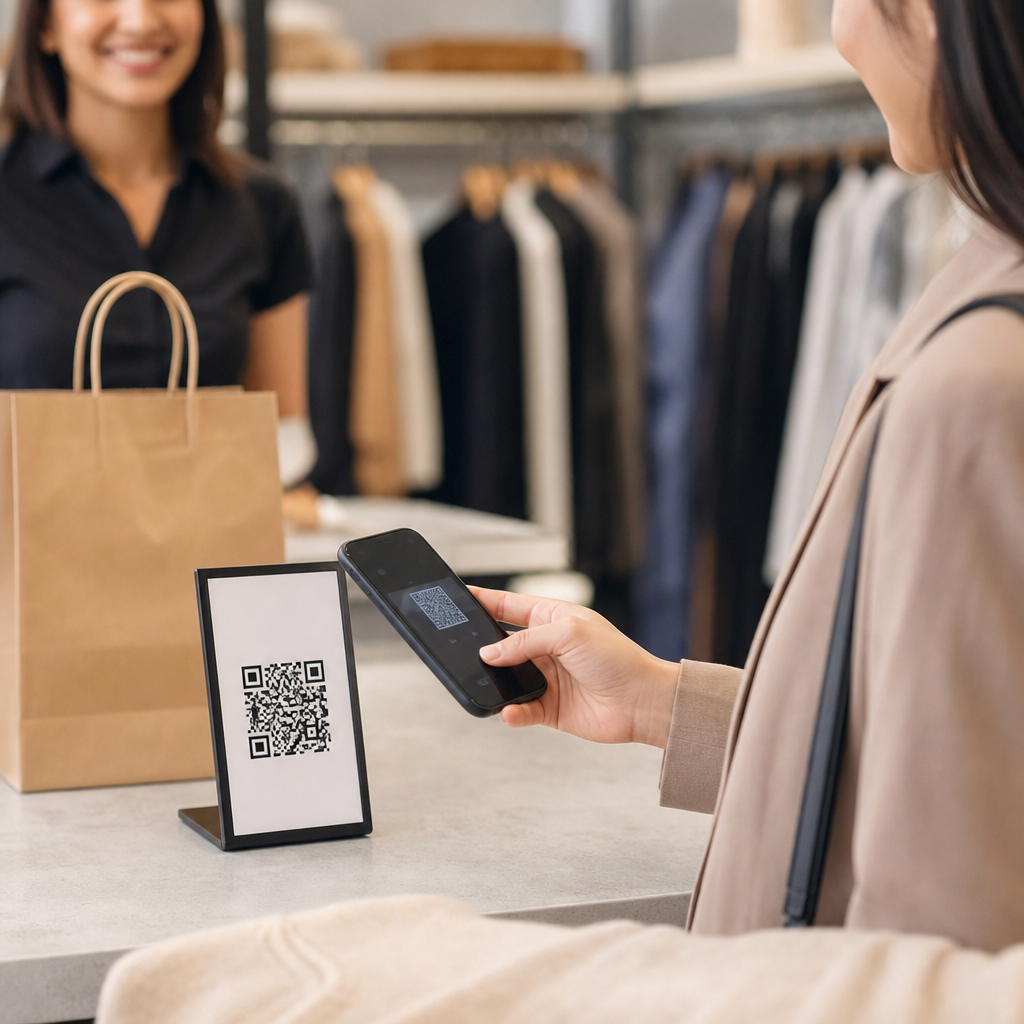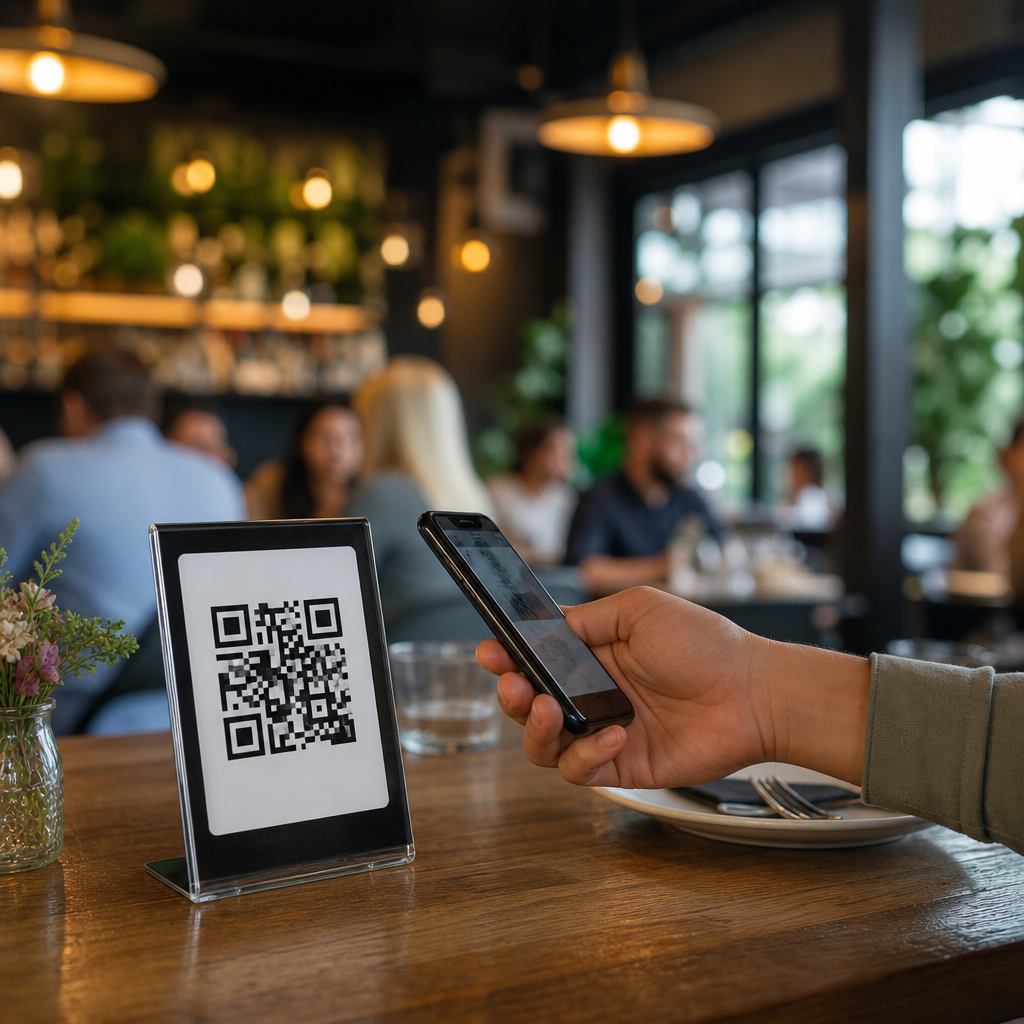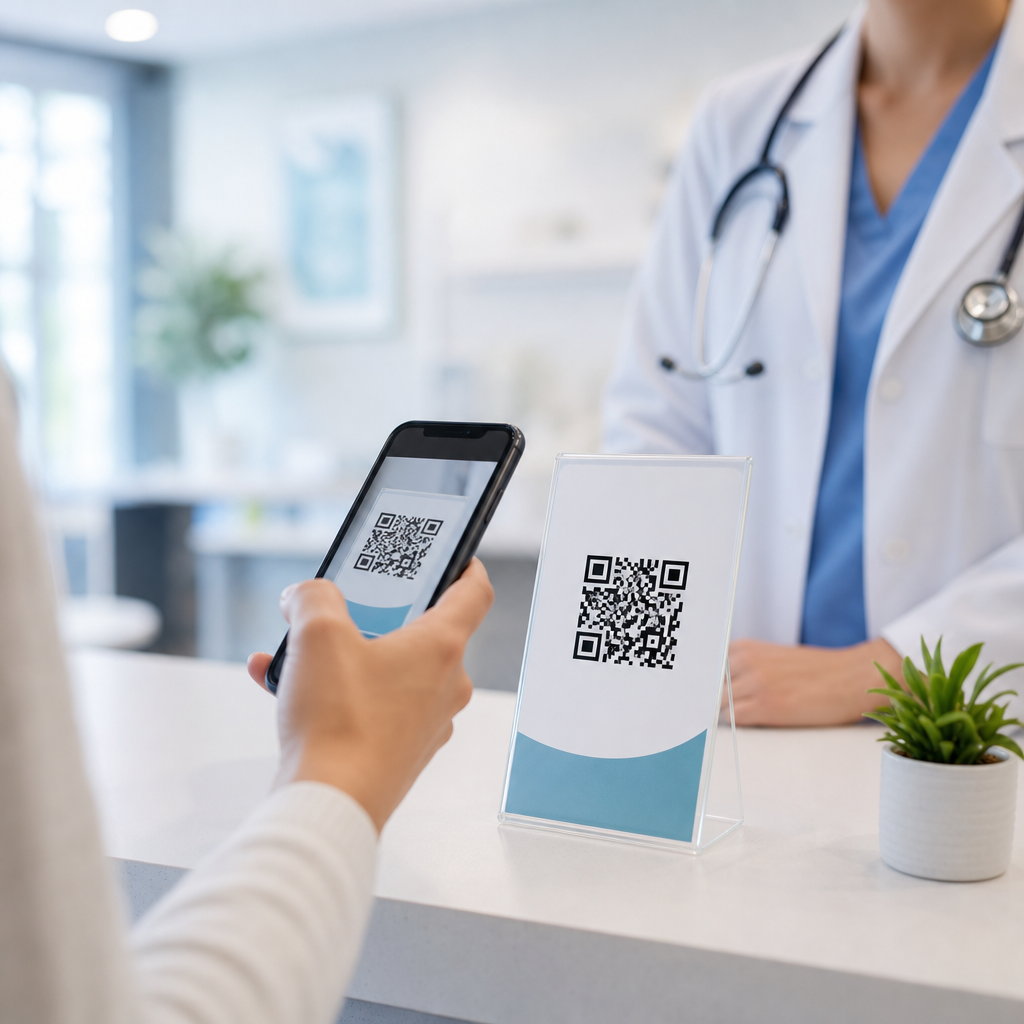
Low-budget QR code campaigns can produce measurable business results when the offer is useful, the scan path is frictionless, and the placement matches real customer behavior. For small businesses, that matters because marketing budgets are usually constrained, timelines are short, and every printed sign, package insert, receipt, and countertop display must justify its cost. A QR code campaign is simply a promotion or customer journey triggered by scanning a quick response code with a smartphone camera. Results can mean sales, reviews, loyalty sign-ups, appointments, email subscribers, event attendance, or first-party customer data. I have implemented QR programs for local retailers, restaurants, clinics, and service firms, and the campaigns that worked were rarely expensive. They were disciplined. They paired one clear action with one clear destination, then tracked scans, conversions, and revenue against a modest production budget. That practicality is why small business QR code wins deserve close study.
QR codes moved from niche utility to everyday behavior once smartphone cameras began reading them natively and pandemic-era contactless habits normalized scanning in stores, on menus, and at pickup points. The technology itself is simple: a matrix barcode encodes a URL, contact card, payment request, app link, or plain text. The strategy is not simple. Good campaigns answer a customer question in the moment: What is this product, how do I redeem this offer, where do I leave feedback, can I reorder quickly, or what happens next? Bad campaigns send people to a homepage and hope they figure it out. In practice, successful low-cost QR campaigns reduce steps. They shorten the path from curiosity to action, and they create a direct bridge between offline attention and online conversion. For local brands that rely on foot traffic, repeat visits, and word of mouth, that bridge can outperform broader advertising because intent is already high at the point of scan.
This hub page covers the most effective small business uses, the mechanics behind winning campaigns, and the tradeoffs owners should understand before printing codes at scale. It also frames how this subtopic connects to menu QR programs, packaging inserts, review generation, in-store signage, event promotion, loyalty enrollment, and local lead capture. If you are evaluating whether QR codes still work, the short answer is yes, but only when the campaign respects context. A customer standing at a café counter behaves differently from a homeowner scanning a postcard, and both differ from someone opening a shipped order. Budget campaigns win when they adapt to that reality. The examples below show what strong execution looks like, what metrics matter, and how small businesses can build campaigns that are inexpensive to launch yet robust enough to scale.
Why Small Business QR Code Campaigns Work on Tight Budgets
Small businesses benefit from QR codes because the production cost is low while the distribution surface is broad. A code can live on a window cling, table tent, poster, shelf tag, invoice, business card, direct mail piece, van wrap, or product label without adding much printing expense. In most cases, the variable cost is not the code itself but the landing page, incentive, and analytics setup. When those are lean, the economics are attractive. A neighborhood bakery might spend less than the cost of one boosted social post to print pickup bag stickers that link to preorders for weekend specials. If 50 scans generate 12 orders with a healthy margin, the campaign is already profitable.
The strongest low-budget campaigns focus on intent-rich moments. In a salon, the moment after checkout is ideal for a review request because satisfaction is fresh. In a hardware store, shelf signage linking to a one-minute installation video reduces hesitation and increases conversion on unfamiliar products. In a service business, a leave-behind card with a code to book maintenance capitalizes on trust established during the visit. These are not speculative impressions. They are opportunities embedded in real customer journeys. That is why QR codes often outperform generic awareness tactics for local operators: they meet people where a decision is already forming.
Another advantage is speed. I have seen businesses go from idea to live campaign in one afternoon using a dynamic QR platform, a simple mobile landing page, and UTM parameters inside Google Analytics. Tools such as Bitly, Flowcode, Beaconstac, QR Code Generator Pro, and Canva make design and deployment straightforward, while Google Business Profile, Square, Shopify, Mailchimp, and HubSpot can receive the resulting traffic or leads. The low barrier to testing matters. Small operators do not need a six-week media plan. They need a practical experiment, a baseline metric, and a way to iterate after a week of data.
Campaign Types That Consistently Produce Results
Across local businesses, a few campaign patterns repeatedly deliver results because they align tightly with customer intent. Review generation is the simplest. A restaurant prints a code on receipts with a short prompt such as “Loved your meal? Tell us in 30 seconds.” The destination should be a review page or a lightweight feedback form that routes happy customers toward a public review and dissatisfied customers toward private resolution. Reorder and reorder-plus-upsell campaigns are another strong format. A deli can place a code on packaging that links directly to online ordering with a saved “staff favorites” bundle. The code becomes a repeat revenue tool, not just a novelty.
Appointment booking works especially well for clinics, salons, tutors, repair services, and fitness studios. In these businesses, printed materials already exist: appointment reminder cards, door signage, waiting room displays, vehicle decals, and aftercare sheets. Adding a booking code turns static material into a conversion asset. Loyalty enrollment is equally effective when the sign-up form is short and the reward is immediate, such as a free topping, discounted first refill, or bonus points on the next purchase. Event and class registration campaigns also fit the low-budget model because posters and flyers naturally invite scanning, and attendance can be tracked to a single source.
Education-based scans can lift conversion in categories where customers need reassurance before buying. Pet supply stores use codes to explain nutrition differences. Garden centers use them to link to care instructions by plant variety. Specialty food shops use them to tell sourcing stories or recipe ideas. These examples work because they reduce uncertainty at the shelf. The code is not replacing staff expertise; it is extending it at low cost during busy hours. In that sense, a successful small business QR code campaign often acts like a scalable employee: always available, consistent, and focused on one useful task.
Real-World Small Business QR Code Wins
The most persuasive examples share a common trait: a narrow objective tied to a specific operational bottleneck. One coffee shop I advised was struggling with weekday afternoon traffic. Instead of discounting broadly, it printed countertop cards and window decals promoting a “3–5 PM mobile order perk” accessible only through a QR code. The landing page preloaded a limited menu and a single redeemable offer. Because the destination was purpose-built, mobile orders rose without slowing the line, and the staff could attribute redemptions directly to scans. The spend was limited to design time, a dynamic code subscription, and inexpensive print materials.
A home services company used a different model. Technicians left refrigerator magnets after each completed job, each with a code to schedule annual maintenance. The code led to a booking page with the customer’s service category preselected, reducing form friction. Over the next quarter, repeat bookings increased and customer acquisition cost declined because the business generated more revenue from existing accounts. This is a classic small business QR code win: the campaign did not chase cold traffic. It captured future demand from people who had already trusted the company once.
A boutique retailer improved review volume using package inserts rather than asking at the register. That mattered because the emotional peak happened at home when customers tried on the purchase, not during checkout. The insert code opened a mobile page with two choices: “Leave a review” or “Get styling help.” Positive respondents were directed toward Google reviews, while customers needing help entered a support flow that reduced returns. The campaign lifted review count and surfaced service issues quickly. The result was not just more ratings; it was cleaner operational feedback.
| Business type | Low-cost placement | Primary goal | Why it worked |
|---|---|---|---|
| Coffee shop | Counter cards and window decals | Increase off-peak mobile orders | Offer matched a slow daypart and linked to a simplified order page |
| Home services | Post-job magnets | Drive repeat maintenance bookings | Reached existing customers with high trust and clear future need |
| Boutique retailer | Package inserts | Generate reviews and reduce returns | Timed the scan for post-purchase excitement and offered support if needed |
| Fitness studio | Lobby poster | Convert trial visitors into members | Linked directly to class packs and a short FAQ answering common objections |
What Winning Campaigns Have in Common
In audits, I look for five elements that consistently separate successful campaigns from weak ones. First, there is one primary action. “Scan to book your follow-up” performs better than “Scan to explore our website.” Second, the code leads to a mobile-first destination, not a desktop page with tiny buttons. Third, the value exchange is obvious before the scan. People need to know what they will get: a discount, a menu, a tutorial, a faster reorder, a booking slot, or a reward. Fourth, the design includes a call to action near the code. A bare code without instruction underperforms because curiosity alone is unreliable.
Fifth, measurement is built in from day one. Dynamic QR codes, UTM tagging, and event tracking make it possible to compare placements, offers, and time periods. If a postcard code gets scans but no conversions, the problem may be the landing page or the audience. If a table tent code converts well, the operator can print more. This test-and-learn loop is where small businesses create leverage. They do not need perfect attribution, but they do need enough visibility to distinguish an interesting idea from a profitable one. A practical setup often includes unique codes by location, source, or staff team, plus a simple dashboard that tracks scans, sessions, conversion rate, and downstream revenue.
Operational fit is the final common trait. The campaign must be easy for staff to explain and easy for owners to maintain. If redemptions require manual validation across three systems, the program will break during a busy shift. If the linked inventory goes out of stock and the page is not updated, trust erodes fast. Winning campaigns are operationally humble. They promise only what the business can deliver consistently.
How to Launch a Low-Budget Campaign Without Wasting Money
Start with one business problem, not one channel. Do you need more reviews, more repeat purchases, more appointments, or better event turnout? Once the objective is clear, choose a scan moment that naturally connects to that problem. Then create one landing page or destination designed for that single action. For example, if the goal is repeat purchase, skip the homepage and link directly to a reorder page with a featured bundle. If the goal is lead capture, use a short form and a concise benefit statement. Keep the first test small: one location, one printed asset, one offer, and one measurement window.
Use dynamic codes whenever possible because they allow destination changes after printing and provide scan analytics. Create unique codes for each placement so you can tell whether receipts outperform window signage or packaging inserts outperform counter cards. Add UTM parameters and define a conversion event in your analytics platform. Check basic mobile usability before launch: load time, button size, autofill behavior, Apple and Android compatibility, and whether the destination opens in an in-app browser cleanly. These details sound minor, but they determine whether interest becomes action.
Design matters, but clarity matters more. Maintain strong contrast, enough white space around the code, and a size appropriate for scanning distance. Test under realistic lighting conditions. Include a plain-language instruction and a reason to scan. Then train staff on a one-sentence explanation so the campaign is reinforced verbally. After launch, review data within a week. If scans are low, the placement or call to action may be weak. If scans are high but conversions are low, the destination or offer likely needs work. Improve one variable at a time, and print larger quantities only after the pilot proves itself.
Common Mistakes and the Limits of QR Code Marketing
Low budget does not mean no risk. The most common failure is sending people to a generic homepage, which adds choices instead of removing them. Another is overestimating incentive power. A 10 percent discount will not rescue a slow page, a confusing form, or a weak value proposition. Some businesses also place codes where scanning is awkward, such as behind reflective glass, too high on a door, or in areas with poor cellular reception. Others ignore accessibility and provide no short URL alternative for users whose cameras or assistive technologies create friction.
Security and trust also matter. Customers are increasingly aware that QR codes can hide malicious links. Branded design, clear domain names, and familiar destinations reduce hesitation. Printed materials should be checked regularly for damage or tampering, especially in public spaces. There are strategic limits as well. QR campaigns are best when there is an offline touchpoint or a physical artifact. They are less compelling when the audience is already digital and one tap on a social ad can do the same job with less friction. Owners should evaluate whether a QR code is genuinely simplifying the journey or merely adding a fashionable step.
The takeaway is straightforward: small business QR code wins come from specificity, timing, and disciplined measurement, not from the code alone. If you manage a local brand, choose one customer action, place the code where intent is already high, and send scanners to a mobile page built for that exact purpose. Track scans, conversions, and revenue, then expand only after the numbers justify it. Done well, a low-budget QR campaign turns ordinary printed surfaces into accountable marketing assets. Start with one focused test this month, document the results, and use that data to build the next campaign with confidence.
Frequently Asked Questions
What makes a low-budget QR code campaign actually work?
A low-budget QR code campaign works when it solves a real customer need quickly and without friction. The most successful examples are not complicated or expensive; they simply connect a person to something useful at the exact moment interest is highest. That could be a limited-time discount, a review request after purchase, a product guide on packaging, a loyalty sign-up at the counter, or a menu, booking page, or reorder link placed where customers naturally pause. In other words, the code itself is not the strategy. The strategy is the value offered after the scan.
For small businesses, this is especially important because every piece of printed marketing has to earn its space. A QR code on a poster, receipt, table tent, package insert, or window sign should lead to one clear action, not a cluttered homepage with too many choices. The best-performing campaigns usually have a single purpose, a mobile-friendly landing page, fast load time, and very clear copy that tells people why they should scan. If the offer is obvious and the next step feels easy, response rates improve dramatically even with a small print budget.
Placement also matters as much as design. Low-budget campaigns tend to perform better when the QR code appears in places tied to customer behavior, such as checkout counters, product packaging, waiting areas, event signage, or takeout bags. These are moments when customers already have intent, attention, or idle time. A simple campaign placed in the right context can outperform a more expensive one placed where people are rushed, distracted, or unsure what they will get. That is why many low-cost QR campaigns deliver measurable results: they focus on timing, relevance, and ease rather than flashy execution.
Where should small businesses place QR codes to get the best results?
The best placement is wherever customers are most likely to notice the code and have a reason to act on it immediately. For many small businesses, high-performing locations include front counters, checkout areas, receipts, packaging, product labels, table displays, flyers, brochures, in-store signage, and window posters. These placements work because they meet customers during key decision points: while browsing, while paying, while waiting, or right after a purchase. Those moments are valuable because the business does not need to create interest from scratch; it is already present.
Packaging and inserts are especially powerful in low-budget campaigns because they extend the customer relationship beyond the first sale. A QR code inside a package can lead to setup instructions, care tips, cross-sell recommendations, referral offers, or a review request. Receipts can do the same by directing buyers to a loyalty program, instant coupon, or feedback form. A restaurant might place codes on table tents for seasonal specials or on takeout bags for reorders. A service business might use them on invoices, door hangers, or appointment reminder cards to encourage repeat bookings. The key is matching the scan destination to the customer’s stage in the journey.
Visibility and usability should guide every placement decision. The code must be large enough to scan easily, printed with strong contrast, and positioned where lighting and angles will not interfere. It should also include a short instruction and a clear benefit such as “Scan for 10% off your next visit” or “Scan to reorder in 30 seconds.” Without that context, many people will ignore it. The strongest low-budget placements combine convenience, relevance, and a clear reward, turning ordinary printed materials into trackable response channels.
What kind of offer should a budget-friendly QR code campaign promote?
The best offer is one that feels immediately useful and easy to claim. In low-budget campaigns, practical offers usually outperform vague branding messages because they give customers a concrete reason to scan. Effective examples include first-purchase discounts, bounce-back coupons, loyalty rewards, limited-time bundles, how-to content, appointment booking links, review incentives where allowed, event registration, digital menus, reorder pages, or exclusive product information. These offers work because they reduce effort, save time, or provide direct value right away.
Choosing the right offer depends on the business goal. If the goal is lead generation, the QR code might connect to a quote request form, consultation scheduler, or downloadable guide. If the goal is repeat business, it could lead to a loyalty sign-up page or a special code for the next purchase. If the goal is operational efficiency, the best offer may not be a discount at all; it could be a self-service page that answers common questions, shows setup instructions, or helps customers find the right product faster. Low-budget success often comes from selecting offers that improve conversion or retention without requiring heavy creative production.
Simple usually wins. A campaign does not need multiple branching options or a long explanation. One offer, one audience, and one call to action are often enough. Customers should understand the benefit in seconds and be able to complete the action on a phone without confusion. The strongest QR campaigns are budget-friendly not just because they are inexpensive to print, but because they avoid wasted clicks, unclear messaging, and unnecessary steps after the scan.
How can businesses measure whether a QR code campaign delivered real results?
Measurement starts with defining what “results” means before the campaign launches. For one business, success may be coupon redemptions. For another, it may be leads, bookings, email sign-ups, product page visits, repeat orders, review submissions, or average order value. Once the goal is clear, the QR code should connect to a trackable destination such as a dedicated landing page, campaign-specific URL, or link with analytics parameters. That way, the business can see not just how many people scanned, but what they did next.
The most useful metrics usually include scans, landing page visits, conversion rate, cost per conversion, and total revenue influenced by the campaign. If a code appears on different materials such as receipts, package inserts, and countertop signs, using separate trackable links helps identify which placement is performing best. This is where low-budget QR campaigns become especially attractive: even simple tests can reveal meaningful differences in customer behavior. A business may discover that a receipt offer drives more repeat visits than a poster, or that packaging inserts generate more reviews than email requests.
It is also important to connect QR activity to actual business outcomes, not vanity metrics alone. A high scan count means little if users bounce immediately or never complete the intended action. Real performance comes from what happens after the scan. Reviewing mobile page speed, form completion rates, redemption data, and customer follow-through will show whether the campaign is producing measurable value. In many cases, the most effective improvements are small, such as shortening a form, simplifying the page, or making the offer clearer. Because the campaigns are inexpensive to run, businesses can test, learn, and improve quickly without major risk.
What are the most common mistakes that cause low-budget QR code campaigns to fail?
The most common mistake is sending users to a destination that is not built for mobile. If the page loads slowly, looks cluttered on a phone, asks for too much information, or makes the next step unclear, many users will leave immediately. This is a major reason some QR campaigns underperform. The scan itself is easy; the experience after the scan determines whether the campaign generates leads, sales, or repeat engagement. A frictionless path means fast loading, simple design, concise copy, and one obvious action.
Another frequent problem is weak messaging around the code. Many businesses print a QR code without explaining why someone should scan it. Customers are much more likely to respond when there is a clear benefit stated beside the code, such as access to a discount, quick reorder page, setup help, giveaway entry, or exclusive information. Placement mistakes also matter. A code placed too high, too low, in poor lighting, on reflective material, or in a rushed environment can reduce scans no matter how strong the offer is. Even small details such as print size, contrast, and surrounding white space can affect usability.
Businesses also run into trouble when they try to make one QR code do too many things. A campaign with multiple competing goals often confuses users and weakens results. It is usually better to create a focused experience for one action and one audience segment. Finally, some campaigns fail simply because they are not tracked properly. Without campaign-specific analytics, it becomes difficult to know whether the code drove revenue, leads, or repeat visits. The businesses that get strong results from low-budget QR marketing tend to avoid these mistakes by keeping the offer useful, the experience simple, the placement intentional, and the measurement disciplined.