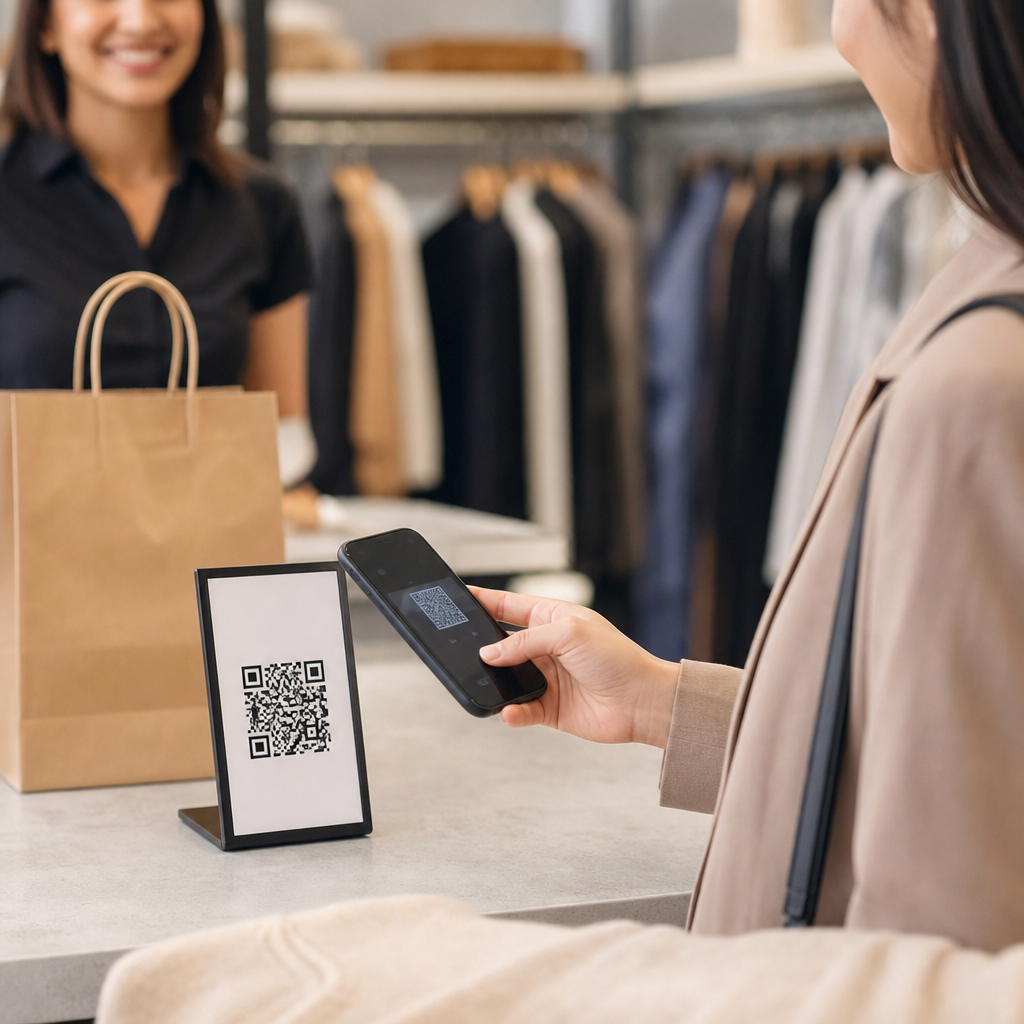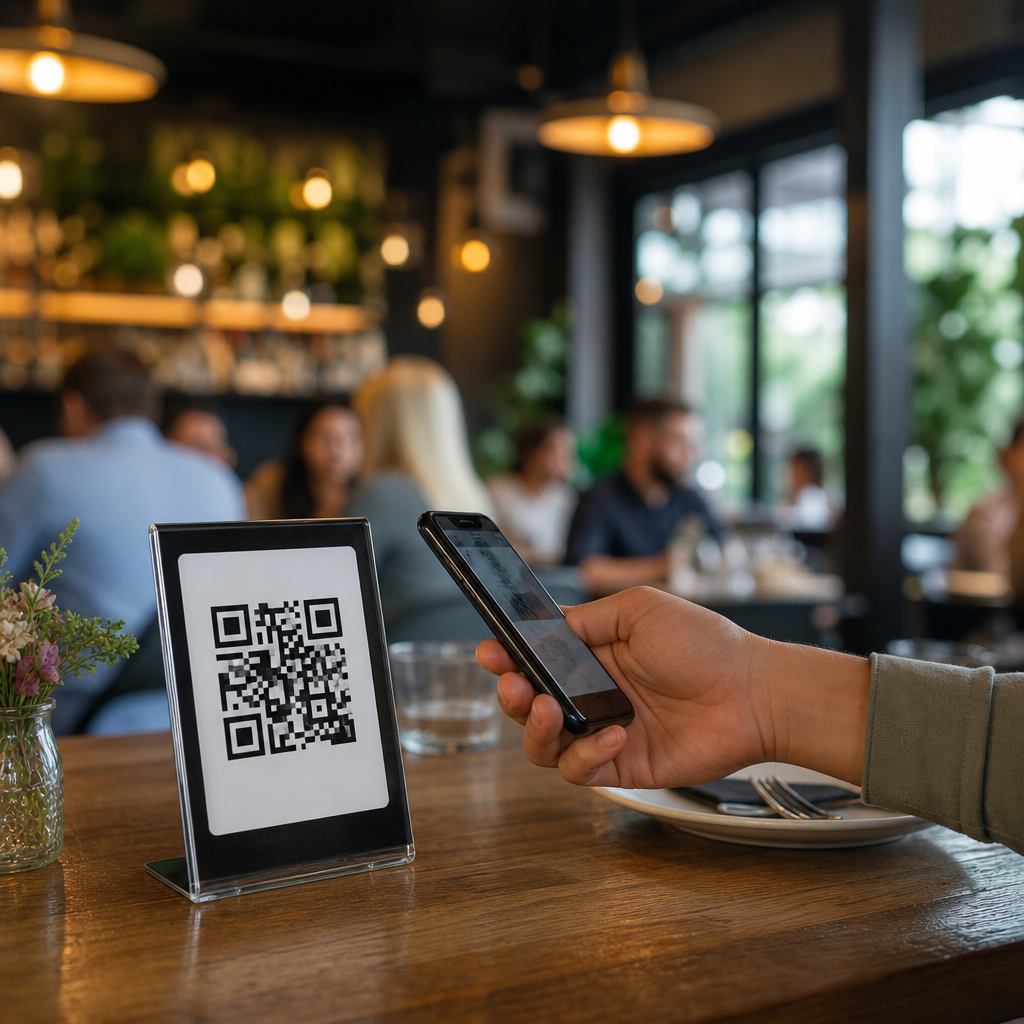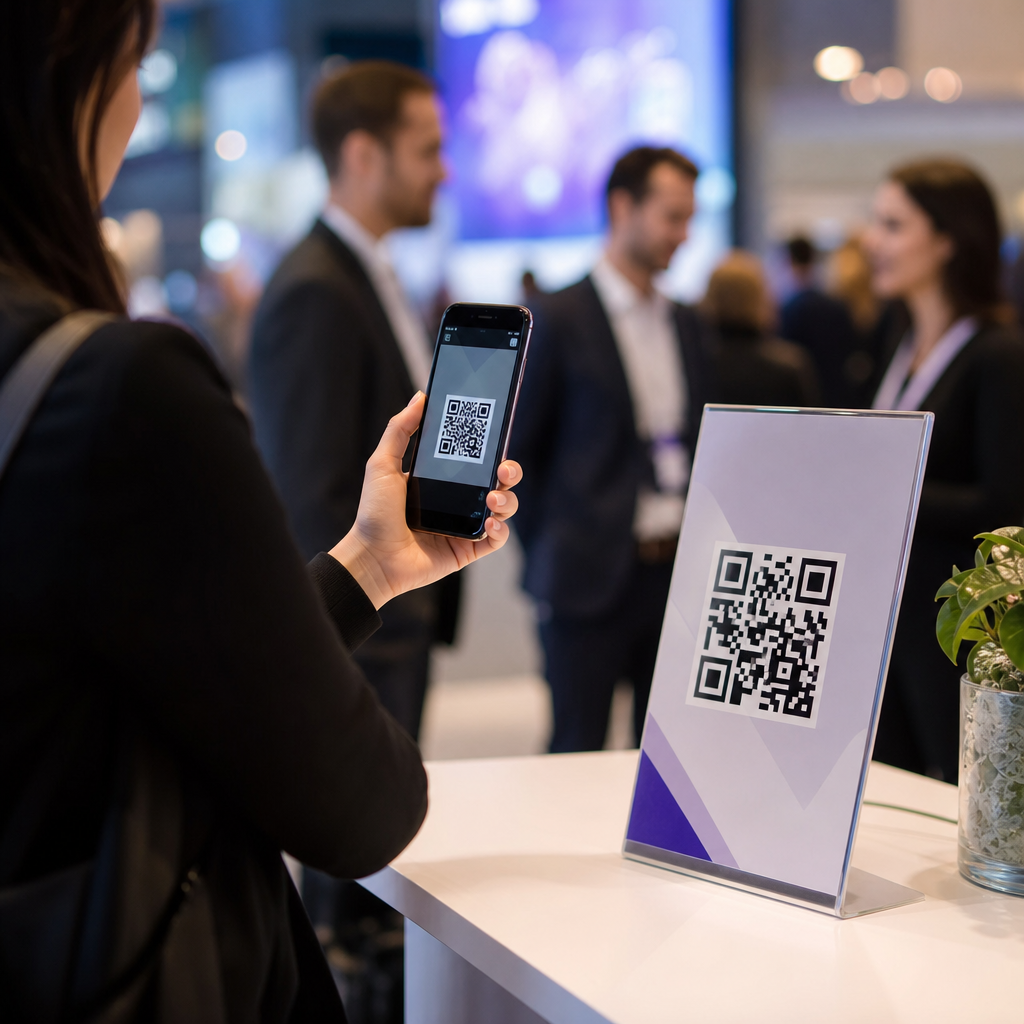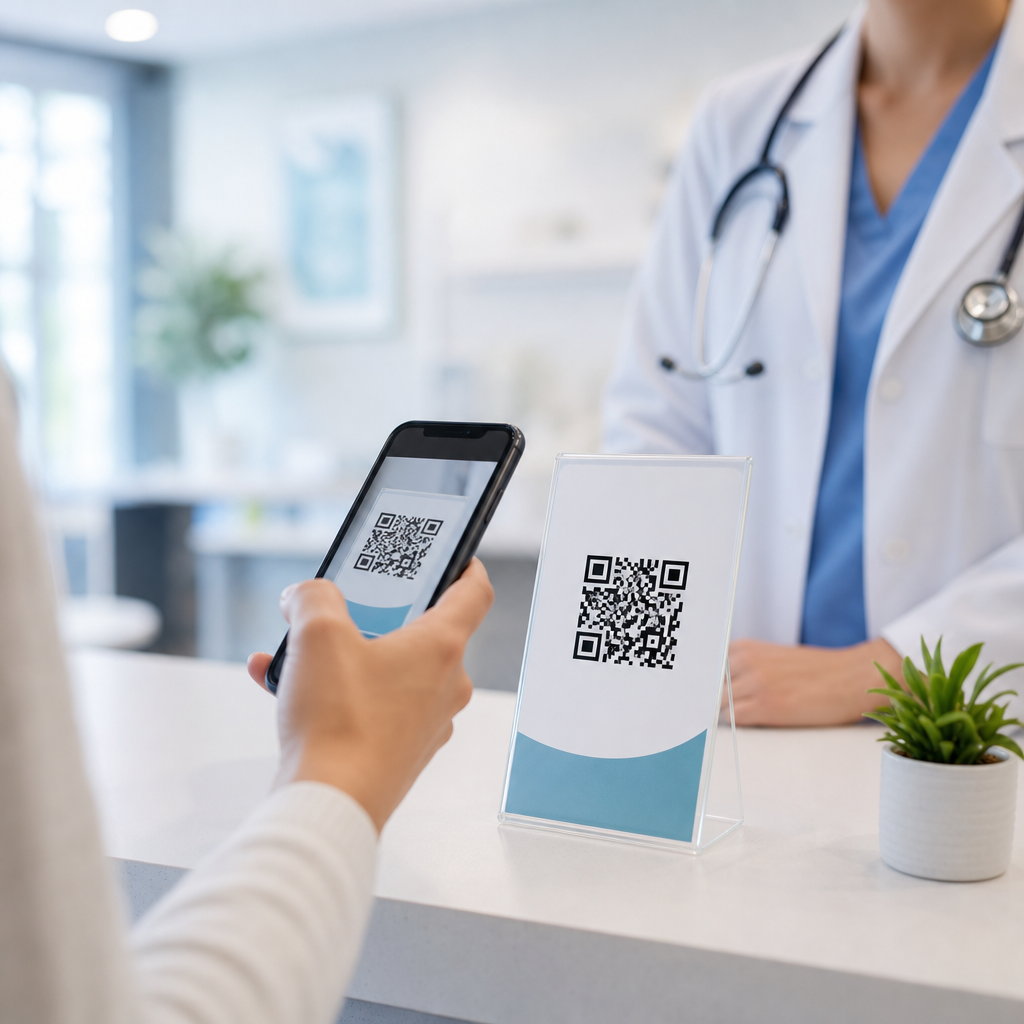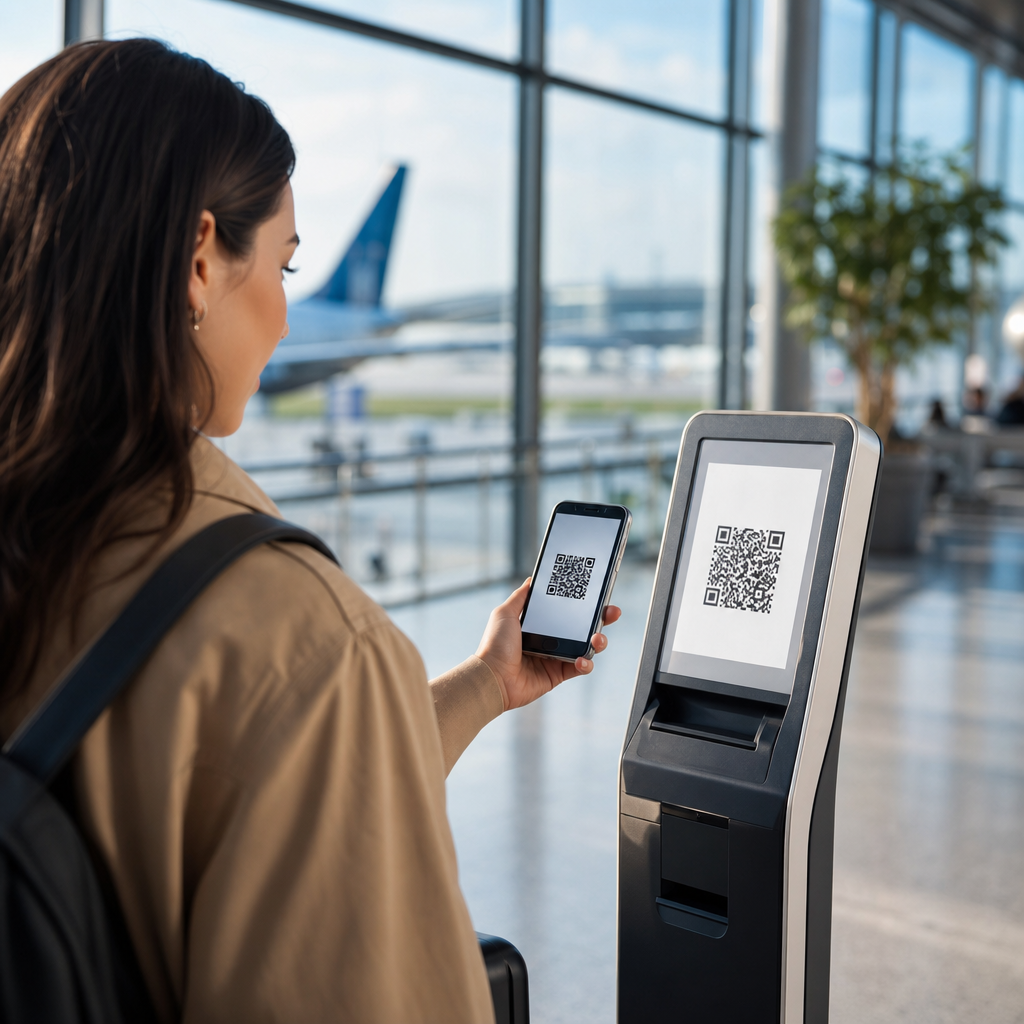
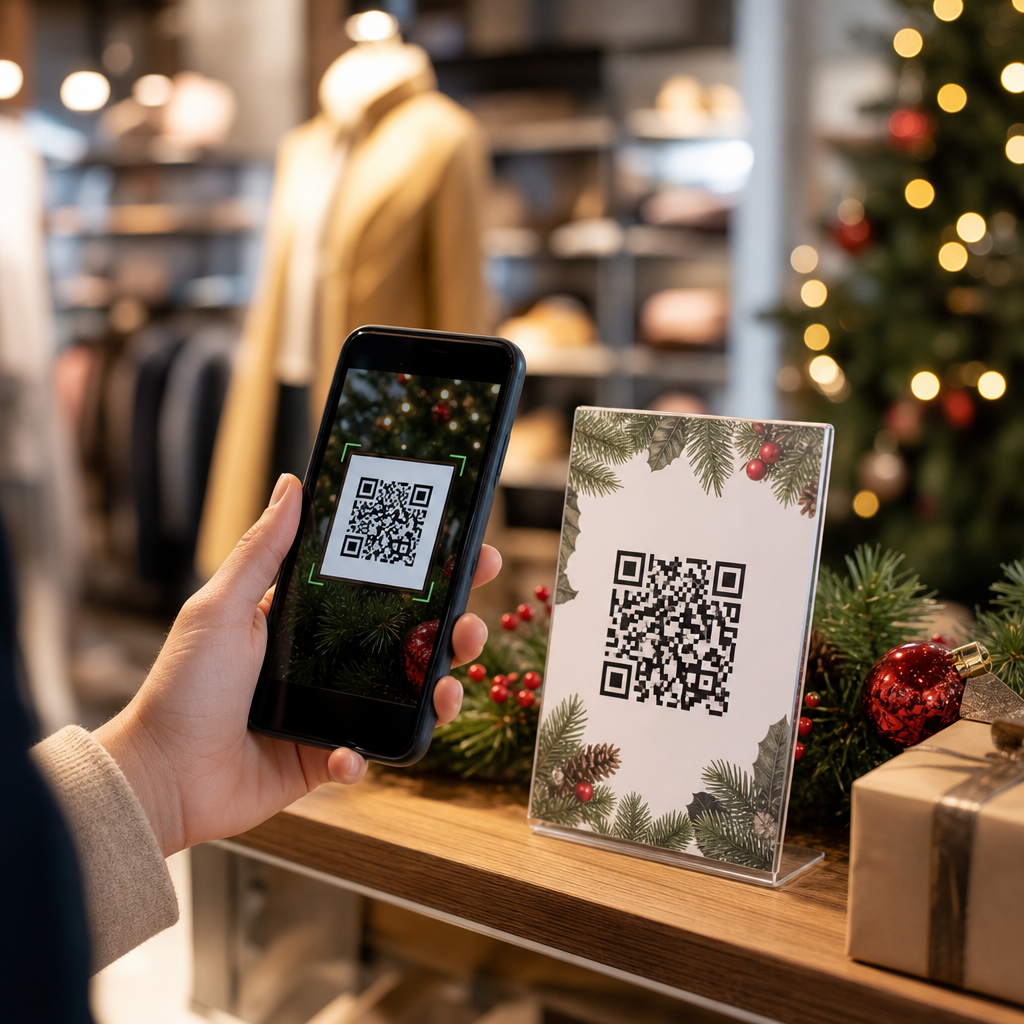
Seasonal promotions using QR codes give brands a fast, measurable way to connect physical moments with digital action during holidays, sales events, and limited-time campaigns. A QR code is a scannable matrix barcode that sends a customer to a landing page, coupon, video, app download, menu, or checkout flow without requiring manual typing. In seasonal marketing, timing matters more than almost any other variable, because interest spikes quickly around moments such as Black Friday, back-to-school, Valentine’s Day, summer travel, Ramadan, Diwali, Halloween, and Christmas. I have used QR codes in retail, hospitality, events, and franchise campaigns, and the pattern is consistent: when the code, offer, and context match the season, response rates improve because the next step feels immediate and relevant.
This topic matters because seasonal campaigns usually operate under compressed timelines, shared budgets, and high expectations for attribution. Teams need assets that can appear on packaging, store signage, direct mail, receipts, window clings, table tents, event badges, and social creative while still pointing to one trackable customer journey. QR codes solve that distribution problem better than long URLs or static promo text. They also support dynamic updates, allowing marketers to change the destination after print production, pause an expired offer, segment traffic by location, and test different messages without replacing every physical asset. For a sub-pillar hub on seasonal campaign ideas, QR codes deserve dedicated attention because they are one of the few tools that can bridge offline attention, mobile behavior, and performance reporting at the exact moment seasonal demand appears.
The strongest seasonal QR code campaigns share a few traits. First, they answer a clear customer question: what do I get if I scan? Second, they match placement to intent, such as gift guides near checkout, reservation pages on holiday flyers, or event maps on festival signage. Third, they reduce friction by sending the user to a mobile-optimized destination with one task, not five competing options. Finally, they are measured with meaningful metrics, including scan rate, unique visitors, conversion rate, redemption rate, average order value, and assisted revenue. When those fundamentals are in place, QR codes become more than a novelty. They become a repeatable campaign system for seasonal promotions.
Why QR codes work especially well for seasonal campaigns
Seasonal promotions are different from always-on marketing because they rely on urgency, thematic relevance, and short windows of consumer attention. QR codes perform well in that environment because they turn a temporary visual touchpoint into a trackable action. A holiday shelf talker can launch a gift bundle page. A summer festival poster can open a ticket wallet pass. A winter café cup sleeve can reveal a loyalty reward that expires in forty-eight hours. Each use case benefits from immediacy. The customer sees a limited-time prompt and can act before the moment disappears.
Another reason QR codes work is operational flexibility. In practice, seasonal creative is often approved before final pricing, inventory, or event details are locked. Dynamic QR codes let marketers preserve the printed asset while updating the destination later. I have seen this save campaigns when a featured product sold out, when store hours changed during holiday weeks, and when legal copy required a revised landing page. Static codes cannot do that. Dynamic management also supports geotargeting, dayparting, and retargeting, which makes a printed poster function more like a digital ad unit.
Measurement is the third advantage. Seasonal campaigns need proof quickly. By using tagged URLs, campaign-specific landing pages, and analytics platforms such as Google Analytics 4, Adobe Analytics, Bitly, or dedicated QR code generators with event tracking, teams can compare scan volume by location, asset type, date, and offer. That data helps answer practical questions: Did window decals outperform checkout signage? Did the Halloween offer drive more redemptions on weekends? Did the in-store code generate higher average order value than the email version? QR codes create a cleaner attribution trail than many offline seasonal tactics.
Seasonal campaign ideas by use case and customer intent
The best seasonal campaign ideas start with customer intent rather than design alone. During gift-giving periods, shoppers want speed and certainty, so QR codes should lead to gift guides, curated bundles, store locators, shipping cutoffs, or digital gift cards. During food-and-beverage seasons, such as summer patio openings or holiday dining, the code should open reservations, menus, waitlists, catering packages, or limited-edition items. During travel peaks, a code can unlock itineraries, local guides, room upgrades, or insurance add-ons. Matching the scan destination to the reason someone pauses in that moment is what makes the promotion feel useful instead of gimmicky.
Retailers can build entire holiday sequences around QR codes. A window sign in early November can promote a preview list for Black Friday deals. Shelf tags during the sale can reveal product comparisons, stock alerts, or buy-online-pickup-in-store options. Packaging in December can invite buyers to scan for setup videos, gift receipts, warranty registration, or New Year loyalty rewards. The same customer may interact with three different seasonal QR codes across one shopping cycle, each supporting a different stage of the journey.
Restaurants and hospitality brands also benefit from seasonal sequencing. A Valentine’s Day print ad can drive table bookings. A Mother’s Day tabletop code can upsell brunch packages or floral add-ons. A hotel’s summer lobby poster can direct guests to area events, spa offers, and late checkout. These campaigns work because the scan removes staff dependency. Instead of asking a host, server, or front desk agent for details, the guest gets a direct path to action on their phone, reducing friction during busy service periods.
| Season | High-performing QR code placement | Best destination | Primary metric |
|---|---|---|---|
| Back to school | Store entrance signage, catalogs, product displays | Supply lists, bundle pages, student discounts | Bundle conversion rate |
| Halloween | Packaging inserts, event posters, window decals | Costume guides, ticket sales, coupon unlocks | Redemption rate |
| Black Friday/Cyber Monday | Queue signage, direct mail, shelf talkers | Doorbuster lists, app downloads, flash sale pages | Revenue per scan |
| Christmas | Gift displays, receipts, shipping reminder cards | Gift guides, digital cards, last-minute pickup options | Average order value |
| Summer travel | Brochures, lobby signs, airport ads | Bookings, local guides, add-on upgrades | Booking completion rate |
How to build a seasonal QR code promotion that converts
A converting seasonal QR code campaign starts with one offer and one audience. If the code appears everywhere but sends every user to a generic homepage, performance drops. The destination should reflect the seasonal promise exactly: “Scan for 20% off holiday bundles,” “Scan to reserve Easter brunch,” or “Scan for your summer event pass.” In campaign audits I have run, the largest drop-off usually happens after the scan, not before it. Brands spend time designing the code but neglect landing-page speed, message match, and checkout simplicity. The fix is straightforward: one headline, one action, one incentive, and a page that loads fast on mobile connections.
Design and placement matter just as much as the offer. The code should be large enough to scan comfortably, with contrast that works under store lighting or outdoor glare. Quiet zones must be preserved, and branded styling should never reduce readability. Add a short call to action next to the code because people still need motivation. “Scan to unlock holiday pricing” outperforms a code with no explanation. Placement should match dwell time. Queue rails, menus, table tents, shelf edges, and packaging often outperform surfaces people pass too quickly.
Technical setup determines whether the campaign can be optimized. Use dynamic codes tied to tagged URLs. Create separate codes for each location, asset, or channel so reporting stays clean. Connect scans to analytics events and downstream conversions, not just top-level traffic. Where possible, include first-party capture such as email signup, loyalty enrollment, or SMS opt-in, especially for seasons that lead into another peak period. A Christmas gift buyer can become a Valentine’s Day customer if the follow-up path is already in place.
Examples of seasonal promotions using QR codes across industries
In retail apparel, a winter campaign might place QR codes on mannequin signage that open a “complete the look” page featuring giftable accessories, size availability, and buy-now-pick-up-today inventory. This works especially well when stores experience holiday crowds and shoppers want speed. One regional chain I worked with used fitting-room QR codes during December to show alternate colors and upsell scarves, gloves, and gift wrap. Scan volume was modest compared with email traffic, but conversion rate was higher because intent was strong at the point of consideration.
In grocery, seasonal QR codes can simplify meal planning. Thanksgiving endcaps can send shoppers to recipe bundles with all ingredients preloaded for pickup or delivery. During Ramadan, a supermarket can use aisle signage linking to iftar meal ideas, timing reminders, and family-size promotions. During Lunar New Year, shelf signs can open cultural recipe pages and celebratory product collections. These uses succeed when they respect the occasion and provide genuine utility rather than decorative branding alone.
For events, QR codes are almost foundational. A summer concert series can use one code on posters for lineup announcements and another at the venue for cashless top-ups, maps, merchandise drops, and future presale registration. Museums can build seasonal scavenger hunts around codes placed in exhibits during school holidays. Tourism boards can place codes on winter market banners that open multilingual maps, vendor directories, and transportation updates. In each case, the seasonal element creates urgency, but the digital layer carries the detailed information that signage cannot hold.
Service businesses can apply the same logic. A tax firm may run a year-end planning campaign with codes on direct mail that lead to appointment booking. A fitness studio can promote New Year challenges with studio posters linking to trial classes and accountability plans. A home-services company can use spring cleaning mailers with a code for instant estimates. The industry changes, but the mechanics remain the same: season-specific need, clear value, and a short path to conversion.
Measurement, testing, and common mistakes to avoid
The most useful way to measure seasonal promotions using QR codes is to separate scanning behavior from business outcomes. Scans tell you whether placement and messaging attracted attention. Conversions tell you whether the offer and landing page delivered value. Review unique scans, repeat scans, bounce rate, time to conversion, coupon redemption, booked revenue, and assisted conversions. If you run physical retail, connect QR-driven traffic to point-of-sale redemption or loyalty IDs. Without that link, teams often undercount the impact of store signage and packaging on in-store purchases.
Testing should be structured, not random. Compare one variable at a time: call to action, incentive, placement height, destination type, or expiry window. For example, “Scan for 15% off” may outperform “Scan for holiday savings” because specificity reduces uncertainty. A gift guide page may drive more revenue than a category page because it narrows decisions. In restaurants, a reservation page usually converts better than a general homepage during holiday dining periods. Small tests matter because seasonal windows are short and every improvement compounds quickly.
Several mistakes appear repeatedly. The first is sending all seasonal scans to the homepage. The second is using one code everywhere, which destroys attribution. The third is printing codes too small, too low, or on reflective materials. The fourth is forgetting expiration management, leaving old offers active after the season ends. The fifth is ignoring accessibility and context. Customers need plain-language instructions, fast mobile pages, and confidence that the destination is legitimate. Where trust is a concern, use recognizable domains and explain the benefit before the scan. Seasonal urgency helps, but clarity converts.
How this hub supports a broader seasonal QR code content strategy
As a hub page within QR code campaign ideas and case studies, this article should anchor deeper pieces on holiday retail promotions, restaurant seasonal menus, event activations, tourism campaigns, direct mail with QR codes, packaging-based offers, and post-purchase retention flows. The hub role is to frame the strategic options, establish the evaluation criteria, and help readers identify which seasonal campaign model fits their channel mix, buying cycle, and operational constraints. From here, detailed supporting articles can break down Black Friday QR tactics, Christmas gift-guide flows, summer travel booking campaigns, and New Year loyalty programs with examples, templates, and benchmarks.
The benefit of organizing content this way is practical. Marketers searching broad ideas need a comprehensive overview first, then they can move into specialized execution guidance. A retailer may start here, then continue to a deeper article on in-store signage. A restaurant operator may move to a case study on holiday reservations. An event marketer may need a guide focused on ticketing and sponsor activations. Hub content performs best when it answers the broad question completely while naturally leading readers to narrower next steps.
Seasonal promotions using QR codes work because they combine urgency, convenience, and measurable action in one simple interaction. When the code appears in the right place, promises a clear benefit, and opens a mobile-first destination, it turns seasonal attention into revenue, bookings, visits, and first-party data. The strongest campaigns are not the flashiest. They are the ones built around customer intent, dynamic management, disciplined measurement, and respectful seasonal relevance.
If you are planning seasonal campaign ideas for your brand, start with one season, one audience, and one conversion goal. Map where customers encounter your promotion, create a dedicated landing page, generate trackable dynamic QR codes, and measure the result by asset and location. Then expand what works into the next seasonal moment. Used this way, QR codes are not a one-off tactic; they are a reliable framework for running smarter seasonal promotions across retail, hospitality, events, and service businesses.
Frequently Asked Questions
What makes QR codes especially effective for seasonal promotions?
QR codes work particularly well in seasonal promotions because they remove friction at exactly the moment customer attention peaks. During holidays, flash sales, back-to-school campaigns, and limited-time events, brands often have a very small window to capture interest and convert it into action. A QR code lets someone move from a physical touchpoint, such as packaging, signage, shelf talkers, direct mail, event booths, or window displays, straight into a digital experience in seconds. Instead of asking customers to type a long URL, search for a product, or remember an offer later, the scan creates an immediate path to the next step.
That speed matters because seasonal campaigns are driven by urgency. People are already primed to shop, compare offers, and act quickly around specific dates or events. A QR code can instantly direct them to a holiday gift guide, a limited-time coupon, a countdown landing page, a menu, a product bundle, or a checkout flow built for that campaign. This improves convenience for the customer while giving the brand a measurable response channel.
Another major advantage is flexibility. Seasonal promotions change fast, and marketing teams often need to update messaging, offers, or inventory as demand shifts. QR-driven campaigns can support that by linking customers to pages that are easy to revise in real time. If a Christmas offer ends, a New Year offer can replace it. If a Black Friday item sells out, the destination can be updated to showcase alternatives. That adaptability helps brands stay relevant throughout the season instead of being locked into one static printed message.
QR codes also support stronger attribution. Since every scan is a trackable action, marketers can measure engagement by time, location, creative asset, store, or campaign variation. That level of visibility is extremely valuable during seasonal periods when brands need to make quick decisions about what is working and where to shift budget or inventory.
How can a business use QR codes across different seasonal campaign touchpoints?
A business can use QR codes across nearly every customer touchpoint that appears during a seasonal campaign, which is one reason they are so practical. In retail environments, QR codes can be printed on in-store displays, shelf signage, product tags, aisle endcaps, receipts, shopping bags, and storefront windows. These scans can lead to holiday collections, gift recommendations, digital coupons, loyalty sign-ups, product demos, or “buy online, pick up in store” pages. The key is matching the destination to the customer’s likely intent in that physical moment.
For printed materials, QR codes are highly useful on postcards, catalogs, flyers, inserts, packaging, and event handouts. A direct mail piece promoting a Valentine’s Day bundle, for example, can include a QR code that sends the customer directly to a personalized landing page with the exact featured offer. For restaurants and hospitality businesses, the code can connect people to seasonal menus, reservation pages, catering options, or holiday event bookings. For consumer packaged goods, a QR code on packaging might unlock a festive recipe, a limited-time rebate, or a branded video experience tied to the season.
Outdoor and event-based placements can also perform well. Seasonal markets, pop-ups, trade show booths, stadium activations, and holiday festivals are all environments where people are already engaged and willing to interact. A QR code on a banner or display can encourage instant entry into a giveaway, app download, store locator, or time-sensitive offer. Because people often discover brands in these settings while on the move, reducing effort is essential.
Businesses can even coordinate QR codes with digital channels for a more connected campaign. For example, an email can announce a seasonal promotion while in-store signage uses a QR code to redeem it. A social ad can build awareness, and a package insert can drive repeat purchases with a scan for a follow-up offer. Used this way, QR codes become a bridge between channels, helping brands create a smoother customer journey from awareness to conversion.
What should a QR code landing page include to improve seasonal campaign results?
The landing page behind a seasonal QR code should be highly focused, mobile-friendly, and designed for immediate action. Since most scans happen on smartphones, the page needs to load quickly, display clearly on small screens, and avoid unnecessary steps. Seasonal traffic is often impulse-driven, so every extra second or confusing element can reduce conversions. The experience should feel like a continuation of the promotion the customer just saw, not a generic page that forces them to search for the relevant offer.
Start with message match. If the QR code appears on a sign for a Black Friday discount, the landing page should clearly repeat that offer in the headline, visuals, and call to action. If the promotion is tied to a holiday bundle, the customer should land directly on that bundle, not the homepage. This consistency builds trust and keeps momentum high. Customers should instantly understand what they are getting, how long the promotion lasts, and what they need to do next.
A strong seasonal landing page usually includes a clear value proposition, prominent pricing or offer details, urgency cues such as countdowns or expiration dates, and a simple call to action like “Shop Now,” “Redeem Offer,” “Book Today,” or “Download Coupon.” If the campaign is part of a larger seasonal strategy, the page can also feature curated product recommendations, gift guides, limited-edition items, or location-based availability. For restaurants, that may mean a seasonal menu and reservation button. For retail, it may mean featured products, bundle savings, and checkout shortcuts.
It is also important to remove avoidable friction. Keep forms short, minimize required fields, support digital wallets or easy checkout methods when relevant, and make coupon redemption straightforward. Include tracking so the business can measure scans, conversions, bounce rates, and revenue generated by each code or placement. Finally, test the page before launch under real-world conditions. Seasonal campaigns move fast, and a broken link, expired offer, or slow mobile page can waste a valuable promotional window.
How can brands measure the success of seasonal promotions using QR codes?
Brands can measure QR code performance by treating each scan as the start of a trackable customer journey. The most basic metric is total scans, which shows how much engagement a code generated. But the real value comes from pairing scan data with downstream metrics such as landing page visits, coupon redemptions, purchases, app installs, reservations, email sign-ups, or other conversions tied to the campaign goal. This turns the QR code from a simple access tool into a measurable marketing asset.
For seasonal promotions, it is especially useful to break performance down by placement, timing, and creative variation. A brand may use one QR code on window signage, another on product packaging, and another in direct mail. Comparing scan volume and conversion rates across those touchpoints helps identify which environments produce the strongest results. The same applies to timing. Marketers can compare engagement before, during, and after key shopping dates to understand when audience interest peaked and how well urgency messaging performed.
Location-based insights can also be valuable, particularly for multi-location brands. If one store’s holiday display drives significantly more scans than another’s, that may reveal differences in traffic, placement visibility, offer relevance, or staff execution. Campaign teams can use these insights to adjust creative, merchandising, or promotion strategy while the seasonal window is still open.
Beyond direct conversions, brands should look at behavioral metrics such as bounce rate, time on page, repeat visits, and cart completion. If scans are high but purchases are low, the issue may not be the QR code itself. It could be that the landing page is weak, the offer is unclear, or the checkout flow is too complex. That is why end-to-end measurement matters. The most successful brands use QR analytics not only to report results after a campaign, but to optimize actively while the promotion is running.
What are the most common mistakes to avoid when using QR codes in limited-time seasonal campaigns?
One of the most common mistakes is sending people to a generic homepage instead of a campaign-specific destination. Seasonal promotions depend on relevance and immediacy. If someone scans a code expecting a holiday discount or event-specific offer and lands on a broad page with no obvious next step, momentum is lost quickly. The destination should match the exact message, product category, or incentive promoted at the scan point.
Another major issue is poor visibility or usability of the QR code itself. Codes that are too small, placed in awkward locations, printed with low contrast, or surrounded by clutter can be difficult to scan. Seasonal displays are often visually busy, so clarity is critical. Include enough white space around the code, ensure strong color contrast, and position it where customers can comfortably scan from a natural distance. It also helps to add a short call to action such as “Scan for 20% Off” or “Scan to View Holiday Menu” so people know why they should engage.
Brands also frequently underestimate the importance of mobile experience. A QR code may perform well at the point of scan, but if the landing page is slow, confusing, or not optimized for smartphones, conversion rates will suffer. During seasonal peaks, customers are often multitasking, shopping quickly, or standing in-store. The digital experience needs to support fast decisions, not create extra work.
Finally, businesses sometimes fail to plan for operational changes during a fast-moving season. Offers expire, inventory