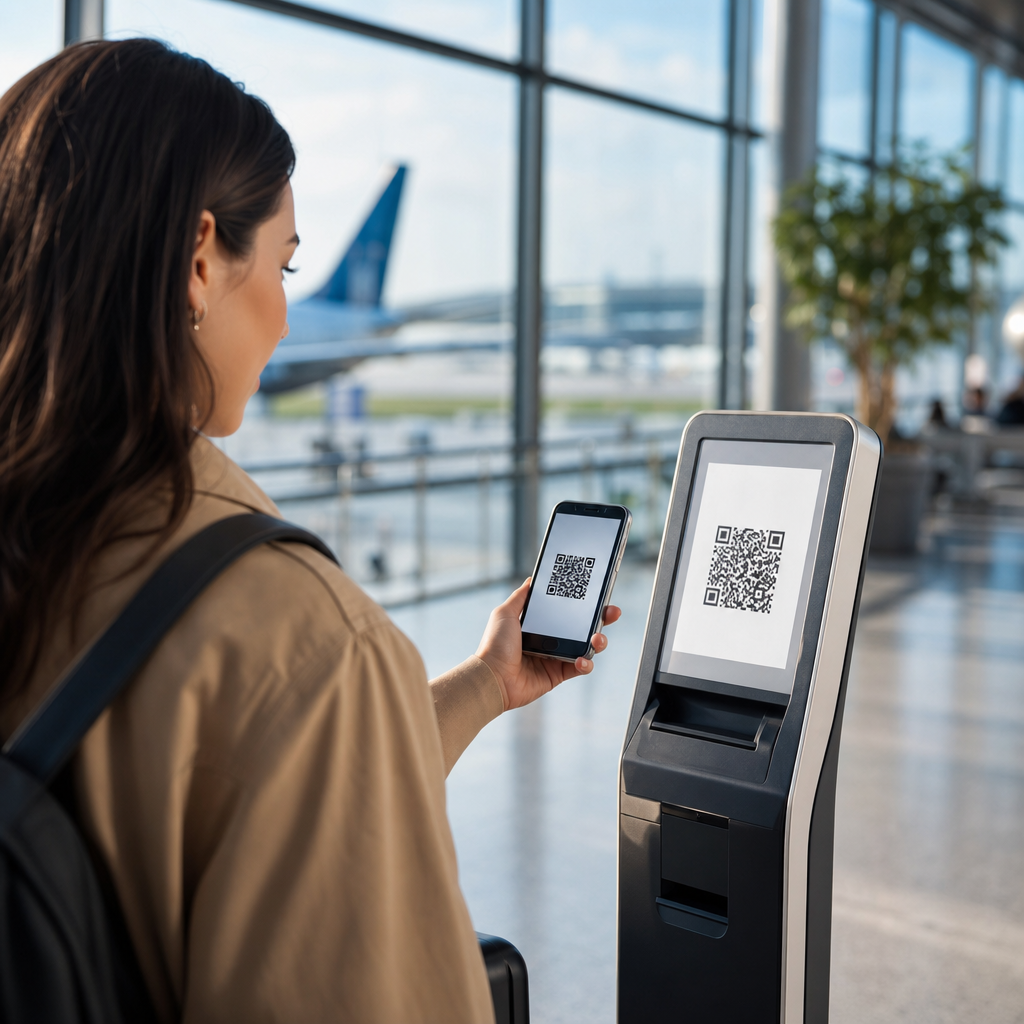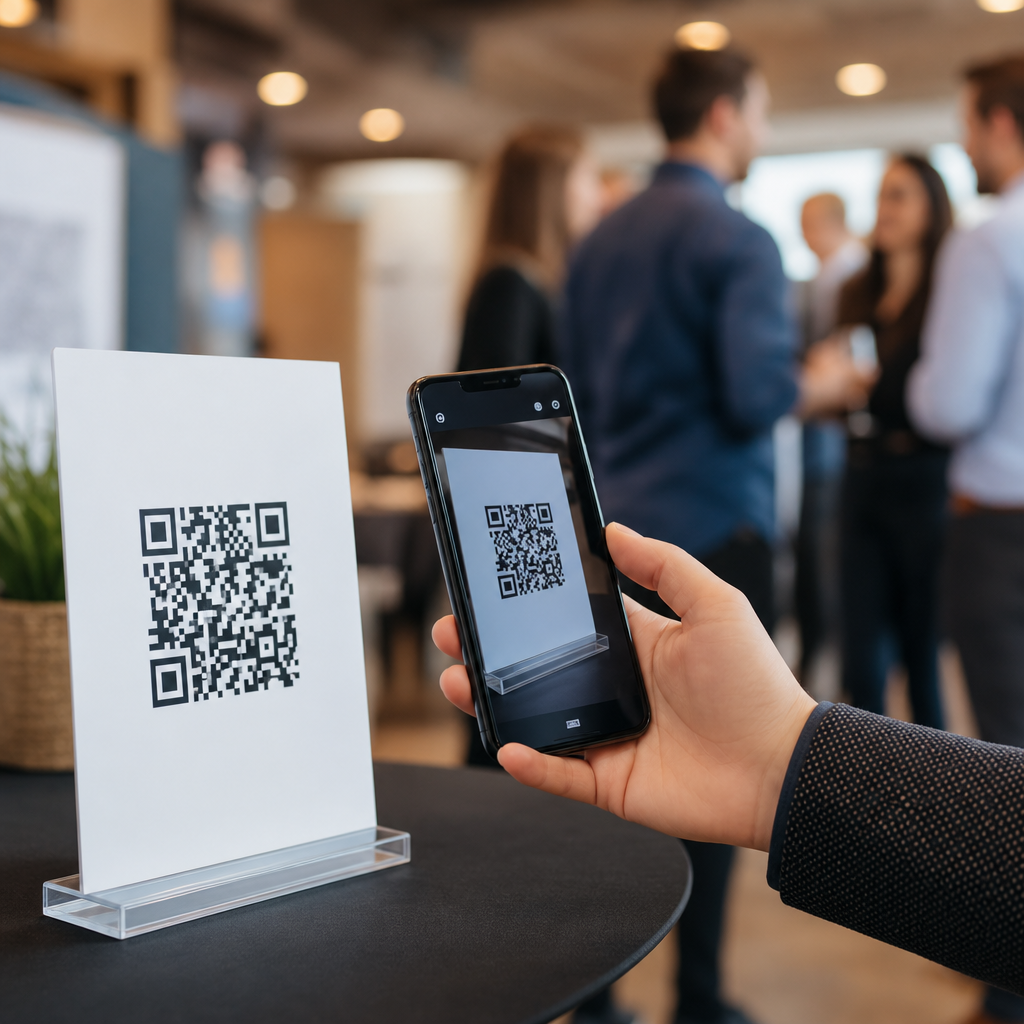
Event-based QR code campaign ideas give marketers a practical way to connect physical moments with measurable digital actions. In this context, an event can mean a holiday retail push, a local festival, a school fundraiser, a conference, a pop-up store, a sports match, or any seasonal occasion where audience attention spikes for a short period. A QR code campaign is the planned use of scannable codes on signs, packaging, tickets, menus, displays, direct mail, apparel, or screens to prompt a next step such as claiming an offer, joining a waitlist, viewing a schedule, entering a contest, making a payment, or sharing content. Seasonal campaign ideas matter because timing changes behavior. People browse differently during back-to-school periods than they do during summer travel or year-end gifting. I have built and audited QR campaigns around these peaks, and the pattern is consistent: when the code matches the moment, scan intent rises and conversion friction drops.
This hub article focuses on seasonal campaign ideas as a planning system, not a loose list of tactics. The objective is to help you design event-based QR code campaigns that fit real audience needs, operational limits, and revenue goals. That means choosing the right call to action, placing the code where scanning is easy, routing visitors to mobile-first pages, and tracking outcomes with discipline. It also means understanding the tradeoffs. A code on a poster at a winter market works differently from a code on a conference badge, because dwell time, lighting, connectivity, and social context all change scan behavior. Throughout this article, you will see practical structures, examples, and metrics you can use to map campaigns across holidays, retail seasons, community events, and brand moments.
What makes a seasonal QR code campaign effective
The best seasonal QR code campaigns answer a simple question immediately: why should someone scan right now? Urgency, relevance, and convenience are the three drivers that matter most. Urgency comes from the event window: today only, this weekend, while supplies last, doors open at noon, vote before the final set. Relevance comes from tying the experience to the season itself: gift guides during the holidays, allergy-safe menus at spring fairs, hydration tips at summer races, early access lists during back-to-school promotions. Convenience comes from reducing steps after the scan. A strong event-based QR code campaign opens a page that is fast, mobile-optimized, and focused on one action.
There are also technical basics that cannot be ignored. Dynamic QR codes are usually the right choice for seasonal work because the destination can change without reprinting assets, and scan analytics can be segmented by date, location, or creative variant. Error correction matters when codes appear on textured materials, outdoor banners, or curved packaging. Contrast matters even more; dark code, light background, and quiet zone protection remain standard best practice. In field tests, I have repeatedly seen attractive but low-contrast designs underperform plain black-and-white codes simply because they were harder to read in natural light. Seasonal creativity should never reduce scan reliability.
Measurement should be designed before production starts. At minimum, track scans, unique visitors, landing page conversion rate, assisted revenue, location, device type, and time of day. If the campaign supports in-person traffic, add redemption rate, footfall lift, check-in completion, or average order value. UTM parameters, event tagging in analytics, and platform-specific goals make the difference between a campaign that feels busy and one that can be optimized confidently. For larger activations, pair the QR data with point-of-sale or CRM records. That connection shows whether the code drove email acquisition, repeat attendance, upsells, or donations rather than vanity engagement.
Holiday and retail season campaign ideas
Holiday periods are the most obvious use case for event-based QR code campaign ideas because shopper intent is high and messaging can be tailored tightly. For Black Friday and Cyber Monday, place QR codes on storefront windows, queue signage, parking lot boards, and printed inserts that lead to live stock updates, doorbuster maps, or mobile checkout shortcuts. This works because holiday shoppers want certainty before entering a crowded store. For Christmas and year-end gifting, use shelf talkers and product tags that link to gift guides segmented by budget, recipient, or shipping deadline. A code beside “Gifts under $50” removes browsing friction and supports faster purchase decisions.
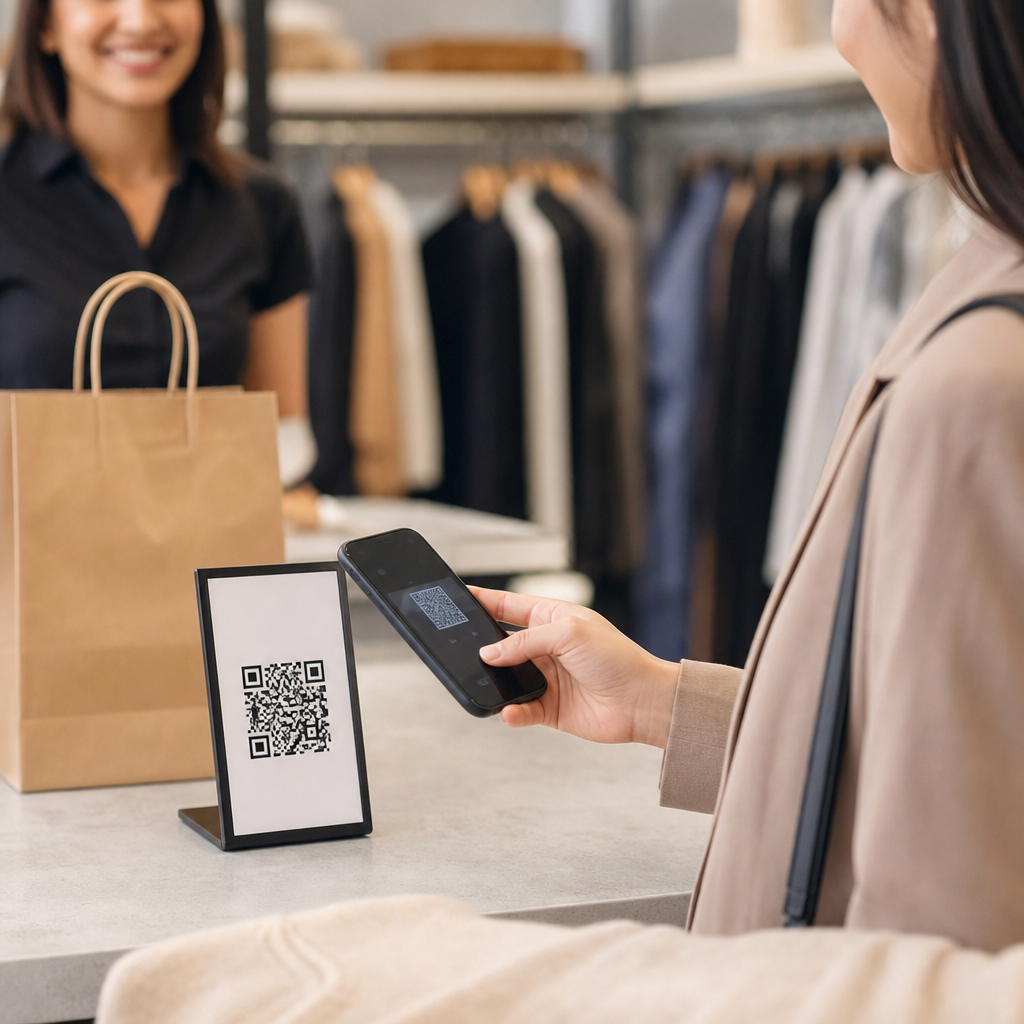
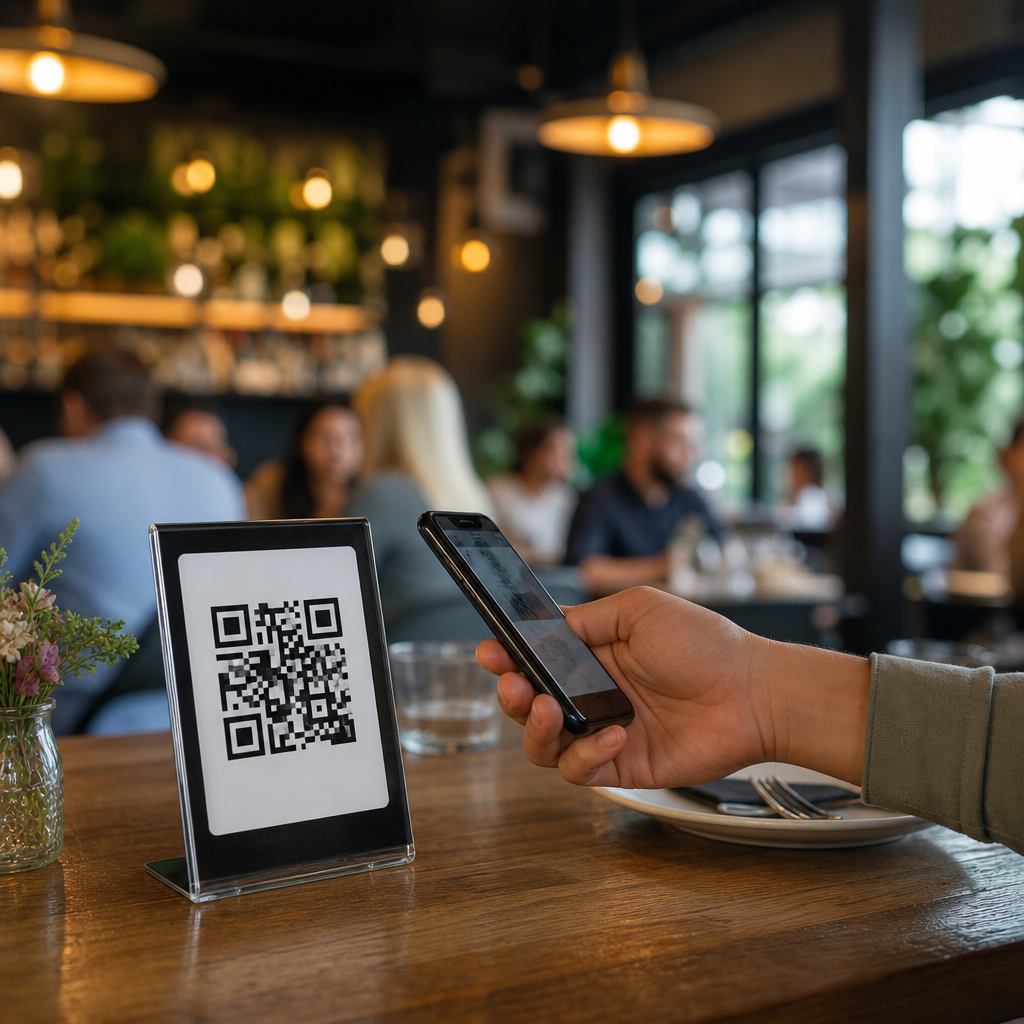
Valentine’s Day, Mother’s Day, Father’s Day, and graduation season also perform well with curated landing pages and personalization flows. Restaurants can place codes on table tents linking to pre-order packages, limited menus, or gift card bundles. Florists can print codes on counter cards that open same-day delivery options. Apparel retailers can use fitting room signage with a scan-to-build-a-look page that pairs seasonal items and checks sizes across nearby locations. If inventory changes quickly, dynamic codes keep the printed asset useful while the destination updates in real time. The core principle is simple: during retail peaks, customers reward clarity and speed.
For end-of-year campaigns, donation drives and nonprofit events deserve their own strategy. A holiday gala invitation can include one code for ticketing and another for silent auction previews, but each must have a distinct label and destination. Museums and schools can use codes on sponsor walls that open donor stories, recurring giving forms, or matched-gift instructions. The most effective examples I have seen explain the impact in one sentence before asking for the scan: “Fund one week of meals” converts better than “Support our mission” because the visitor understands the outcome instantly.
Community events, festivals, and local seasonal activations
Community events create rich opportunities because the audience is physically present, socially engaged, and often open to discovery. At spring fairs and farmers markets, QR codes can help vendors collect pre-orders, publish ingredient lists, share loyalty cards, or capture newsletter signups for the next market date. City tourism boards can place codes on event maps that open parking updates, restroom locations, sponsor offers, or self-guided trails. During fall festivals, pumpkin patches, and Halloween events, codes on admission signs can route guests to timed-entry upgrades, photo contest rules, or digital scavenger hunts.
Music festivals and outdoor summer events need special attention to environmental conditions. Sun glare, weak mobile networks, and long walking distances all affect performance. In these settings, larger codes with generous white space are essential, and landing pages should be lightweight so they load on poor connections. Good festival campaign ideas include codes on wristbands for cashless top-ups, on stage screens for set times, on beverage counters for age-gated menus, and on merch booths for size availability. One effective pattern is scan-to-save: users scan a code at the event to unlock a digital collectible, then receive an email or SMS reminder after the event with merchandise or next-ticket offers.
Sports events offer another strong fit. Teams can print QR codes on seat backs, concourse signs, and game-day programs linking to instant replays, player stats, concession pre-ordering, or fan polls. Seasonal tie-ins make the tactic stronger. Think opening day, rivalry week, homecoming, playoffs, or holiday theme nights. If weather is a factor, a code can link to postponement alerts or parking advisories. These are utility-driven scans, and utility converts. When fans get immediate value, they are more willing to opt into future promotions.
How campaign goals should shape the QR experience
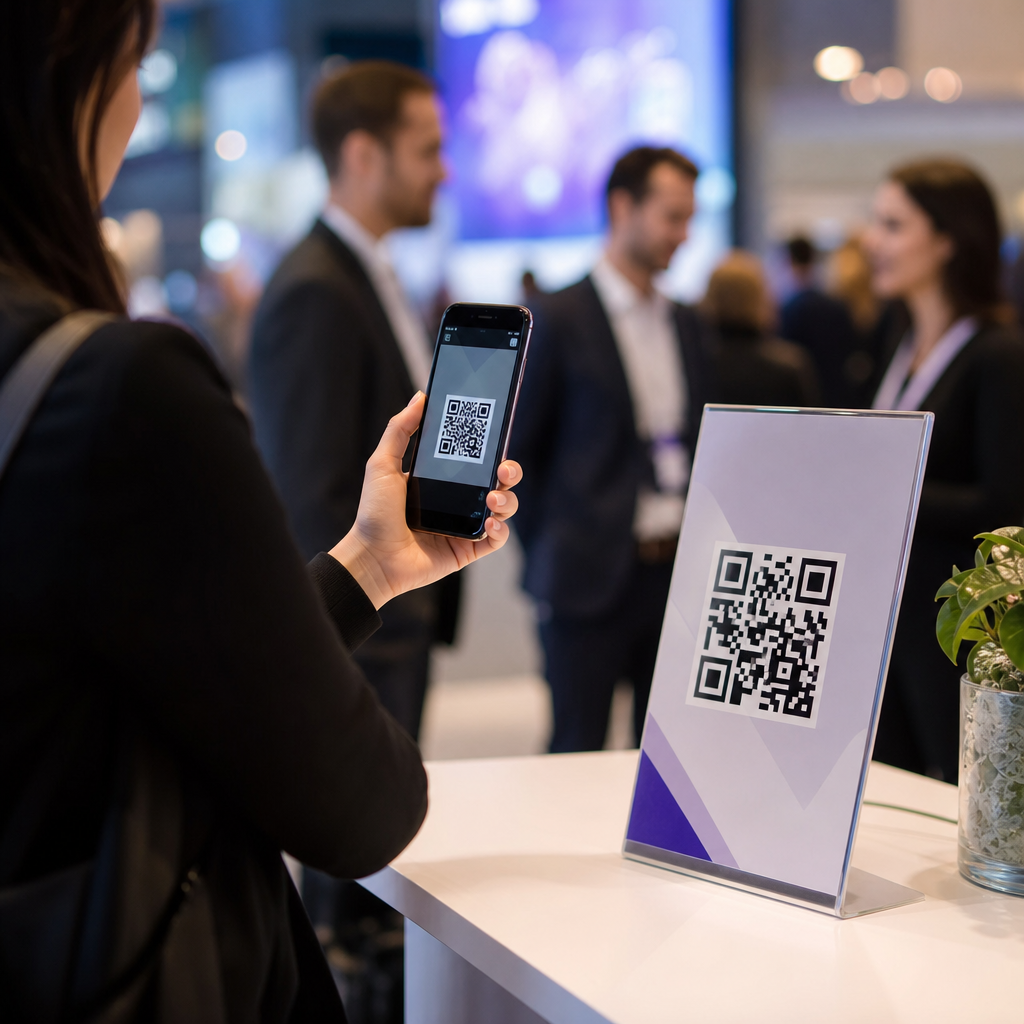
Not every seasonal QR code campaign should chase a sale. Some should build audience data, others should reduce operational friction, and others should increase participation. The campaign goal determines the code placement, destination, and success metric. If the goal is lead capture at a trade show or winter expo, the QR code belongs on booth graphics, badge scanners, demo stations, and handouts, leading to a concise form with a clear incentive. If the goal is event navigation, the code belongs on entrances, wayfinding signs, and printed schedules, leading to maps and alerts. If the goal is social amplification, the code should open a user-generated content prompt with simple instructions and a hashtag page.
A practical way to organize this is by campaign type. The table below maps common seasonal event objectives to strong QR implementations.
| Campaign objective | Best QR placement | Destination after scan | Primary KPI |
|---|---|---|---|
| Drive immediate sales | Window signs, product tags, queue displays | Offer page, checkout shortcut, coupon wallet pass | Redemption rate |
| Collect leads | Booth panels, print flyers, badges, direct mail | Short form, calendar booking, gated seasonal guide | Qualified submissions |
| Improve event logistics | Entrances, maps, parking signs, tickets | Schedule, venue map, alerts, FAQs | Task completion rate |
| Increase engagement | Screens, menus, seat backs, packaging | Poll, contest, scavenger hunt, social gallery | Participation rate |
| Boost loyalty | Receipts, packaging inserts, thank-you cards | Rewards signup, referral page, reorder portal | Repeat purchase rate |
This framework prevents a common mistake: asking one QR code to do too much. A single seasonal campaign can include multiple codes, but each code should have one job and one audience promise. That clarity improves both user experience and reporting quality.
Creative formats, landing pages, and testing strategy
Creative execution matters because scanning is a physical behavior first and a digital behavior second. The code must be visible at the right distance, paired with a verb-led instruction, and supported by a reward statement. “Scan for today’s map” outperforms “Learn more.” “Scan to skip the line” outperforms “Visit our site.” For seasonal displays, place the code where people naturally pause: store entrances, checkout counters, menu boards, waiting areas, seating zones, and product endcaps. Avoid surfaces with heavy glare, folds, or motion. If the event is crowded, duplicate the code in multiple locations so users do not have to approach a single sign.
The landing page should mirror the event context exactly. If a customer scans from a holiday market booth, the page should mention the market name, date, and booth offer. This message match lifts trust and reduces abandonment. Keep forms short, use large buttons, and make payment options wallet-friendly. For check-in flows, prefill known fields and confirm completion clearly. For coupons, save them to Apple Wallet or Google Wallet when possible. For menu experiences, include allergen and pricing details without forcing users to pinch and zoom. Small details decide whether seasonal traffic becomes usable conversion volume.
Testing should happen before the event, during the event, and after the event. Pre-event testing covers scan distance, lighting, page speed, analytics firing, and staff understanding. During the event, monitor scan spikes by hour, adjust destinations if inventory changes, and compare placement performance. Post-event analysis should segment first-time and returning visitors, compare creative variants, and identify assisted outcomes such as later purchases or registrations. Tools commonly used for this work include Google Analytics 4, Bitly, QR TIGER, Beaconstac, Adobe Analytics, and CRM platforms such as HubSpot or Salesforce. The technology stack matters less than consistent naming conventions and disciplined reporting.
Building a seasonal hub strategy and avoiding common mistakes
As a sub-pillar hub, this topic works best when supported by detailed companion articles for each seasonal angle: holiday retail, summer festivals, back-to-school promotions, nonprofit fundraisers, sports events, and trade show activations. The hub should summarize campaign patterns, while supporting pages go deep on setup checklists, templates, and case studies. This structure helps readers find the exact scenario they need and helps search engines understand topical depth. Internal links should connect broad planning advice here to execution-level guides on landing pages, analytics, QR design standards, and event promotion workflows.
Common mistakes are predictable and avoidable. The first is using static codes for fast-changing events. If schedules, inventory, or weather plans can change, use dynamic codes. The second is sending users to a generic homepage instead of a page built for the event. The third is weak labeling; people scan more when the benefit is explicit. The fourth is poor placement: codes mounted too high, too small, or in low light. The fifth is forgetting staff enablement. If team members do not know what the code does, they cannot prompt visitors effectively. Finally, many brands undermeasure offline impact. Seasonal QR code campaigns should be tied to redemption, attendance, basket size, or lead quality, not scans alone.
Event-based QR code campaign ideas work because they turn fleeting seasonal attention into measurable action. When you match the code to the moment, define one clear next step, and build a fast mobile destination, QR becomes more than a novelty. It becomes a flexible conversion layer for retail peaks, festivals, fundraisers, conferences, and local events. The strongest campaigns use dynamic codes, precise calls to action, reliable analytics, and placements designed for real human behavior.
As the hub for seasonal campaign ideas, this page should guide your planning across the full calendar. Start with your event type, choose the primary objective, map the user journey after the scan, and test every detail in the field. Then connect this hub to deeper articles for each season and use the data to improve the next activation. If you want better results from in-person marketing, build your next seasonal campaign around one well-placed QR code and one focused offer.
Frequently Asked Questions
What are event-based QR code campaigns, and why do they work so well?
Event-based QR code campaigns are short-term marketing efforts built around a specific moment when attention is naturally higher, such as a holiday promotion, trade show, school fundraiser, product launch, concert, local fair, sports game, or seasonal pop-up. The idea is simple: place a QR code anywhere your audience is already engaged in the event experience, then use that scan to guide them toward a meaningful next step. That next step might be claiming a discount, viewing a schedule, entering a giveaway, making a donation, joining a loyalty program, downloading an app, watching a product demo, or sharing content on social media.
They work well because they bridge the gap between physical presence and digital action with very little friction. Instead of asking people to remember a URL, search for your brand later, or type something while they are distracted, you give them a fast, immediate way to act in the moment. That matters during events, where attention is high but time is limited. A well-placed QR code turns curiosity into a measurable interaction while the audience is still emotionally engaged.
Another reason these campaigns perform well is that they are highly adaptable. A retailer can use QR codes on holiday shelf displays to unlock gift guides or limited-time offers. A conference organizer can place them on badges, banners, and booth signage to deliver session details, speaker bios, lead forms, and post-event follow-up. A nonprofit can use them on fundraising tables and printed handouts to make giving easier on the spot. Because the same basic tool can support sales, education, registration, donations, engagement, and data collection, QR code campaigns fit a wide range of event goals.
From a measurement standpoint, they are especially valuable because they make offline marketing more trackable. Marketers can evaluate scans by time, location, device, campaign asset, or audience segment, depending on the platform they use. That means event-based QR code campaigns are not just convenient for users; they also provide real performance signals that help marketers understand what placements, messages, and incentives actually drove action.
What are some effective QR code campaign ideas for different types of events?
The strongest event-based QR code campaign ideas are tied directly to the audience mindset at that specific event. At a retail holiday promotion, shoppers are often looking for speed, convenience, and gift inspiration. In that setting, a QR code on window signage or endcap displays can lead to curated gift guides, limited-time coupon offers, product bundles, or a “buy now, pick up later” page. At a local festival or community event, attendees may want schedules, maps, vendor lists, food menus, and special offers, so QR codes on posters, entry signs, and booths can reduce confusion and increase participation.
For conferences and trade shows, QR codes are especially effective because attendees are actively collecting information and making decisions. A booth QR code might send visitors to a lead capture form, product comparison page, booking calendar, or downloadable resource. Session room signage can link to presentation slides, audience polls, speaker handouts, or certification forms. Badge-based or table-based QR codes can also encourage networking by linking to digital profiles, contact exchanges, or exclusive event communities.
School fundraisers and nonprofit events benefit from QR code campaigns that remove barriers to giving and sharing. Printed programs, table tents, volunteer shirts, auction displays, and event banners can all include codes linked to donation pages, auction listings, sponsorship opportunities, event updates, or impact stories. At sports matches, QR codes can drive fan engagement through halftime contests, merchandise discounts, concession ordering, player stats, ticket upgrades, or social media challenges. Pop-up stores often use them to extend limited physical space, linking visitors to complete product catalogs, waitlists, back-in-stock notifications, or mobile checkout.
The best campaign ideas also add a reason to scan right away. That could be early access, a bonus entry, a flash discount, exclusive content, a free sample, a donation match, or a time-sensitive reveal. When the value is immediate and clearly communicated next to the QR code, the campaign becomes much more compelling. In other words, the QR code itself is not the strategy; the strategy is the event-relevant value exchange you build around it.
Where should QR codes be placed during an event to get the most scans and conversions?
Placement is one of the biggest factors in QR code campaign success. The highest-performing locations are usually the points where people are already pausing, waiting, deciding, or looking for direction. That might include entry points, registration desks, seating areas, checkout lines, product displays, table tents, packaging, tickets, badges, menus, printed programs, stage screens, booth walls, fitting rooms, and exit areas. The key is to match the placement to the action you want from the audience at that exact moment.
For example, if people are entering a venue and need orientation, a QR code at the entrance can link to maps, schedules, or event highlights. If they are browsing products in a pop-up shop, a code near the display can unlock product details, reviews, inventory options, or mobile checkout. If they are seated and waiting for a keynote or performance to begin, a projected QR code or seat card can encourage poll participation, social sharing, or app downloads. If they are about to leave, an exit-area code can be used for feedback, future offers, rebooking, or post-event content.
Visibility and usability matter just as much as location. The QR code should be large enough to scan easily, placed at a comfortable height or angle, and supported by strong contrast. It should not be buried in cluttered creative or placed where people are moving too quickly to use it safely. If you expect scans from a distance, such as on a banner or screen, the code must be sized accordingly. If you expect scans in low light, poor connectivity, or crowded environments, test the placement under real event conditions ahead of time.
Contextual instructions also improve results. People are more likely to scan when they understand exactly what they will get. A simple call to action such as “Scan for today’s schedule,” “Scan to claim your event discount,” or “Scan to enter the giveaway” usually performs far better than showing a QR code alone. The placement should also align with the destination. If the scan leads to a donation page, put it where emotional motivation is strongest. If it leads to a product demo, place it where product curiosity is highest. Smart placement is about reducing friction and increasing relevance at the point of attention.
How can marketers measure the success of an event-based QR code campaign?
Success should be measured beyond total scan count. While scans are an important top-level indicator, the real value of an event-based QR code campaign comes from understanding what happened after the scan and whether that behavior supported your event objective. A strong measurement plan usually starts by defining the primary goal. Are you trying to drive purchases, donations, registrations, lead submissions, coupon redemptions, app downloads, content engagement, foot traffic to a booth, or post-event follow-up? Once the goal is clear, you can track the right conversion metrics instead of focusing only on volume.
Useful performance indicators often include unique scans, repeat scans, conversion rate, landing page engagement, form completions, revenue per scan, average order value, donation total, coupon redemptions, time of scan, asset-level performance, and location-based differences. For events with multiple touchpoints, it is smart to use distinct QR codes for different placements, such as one code for stage signage, one for printed handouts, one for booth displays, and one for packaging. That allows you to compare performance and identify which materials and messages were most effective.
Timing insights are also valuable. Because event-based campaigns usually happen within a short window, scan data can reveal spikes tied to announcements, foot traffic surges, game breaks, speaker sessions, or point-of-sale interactions. This helps marketers optimize in real time when possible. For example, if a code near the entrance gets many scans but low conversions, the issue may be the landing page or offer. If a booth code gets fewer scans but a much higher conversion rate, that placement may deserve more visibility or staff support.
To get a complete view, marketers should connect QR performance to analytics platforms, CRM tools, ecommerce systems, event apps, and marketing automation where appropriate. Using tagged URLs, dedicated landing pages, and conversion events makes reporting more reliable. Just as important, marketers should review qualitative context as well, including staff observations, attendee feedback, and environmental factors. Measurement works best when it combines hard performance data with real-world event behavior, giving you a clearer picture of what to improve before the next campaign.
What are the most important best practices for creating a successful event-based QR code campaign?
The first best practice is to start with a clear user outcome, not just the code itself. Before designing anything, decide what action matters most for the event and why an attendee would want to take it immediately. A QR code with no clear value proposition will be ignored, even if it is technically easy to scan. The strongest campaigns offer a specific benefit that matches the event context, such as convenience, savings, access, participation, information, or exclusivity. That message should be obvious in the call to action placed beside the code.