New Year marketing campaigns using QR codes give brands a measurable way to connect offline attention with digital action at the exact moment consumers are setting goals, spending gift cards, and deciding which companies will earn their attention in the months ahead. A QR code, or quick response code, is a scannable two-dimensional barcode that opens a destination such as a landing page, app store listing, coupon, form, video, map, or payment screen when scanned with a smartphone camera. In New Year campaigns, that simple mechanism matters because the season is crowded, fast, and highly emotional: people are planning parties, joining gyms, booking travel, refreshing wardrobes, and making financial decisions. I have used QR codes in retail, hospitality, and event campaigns, and the pattern is consistent. When the code is tied to a clear incentive and placed where intent is strongest, scans convert. When it is generic, poorly designed, or disconnected from the seasonal mindset, it underperforms.
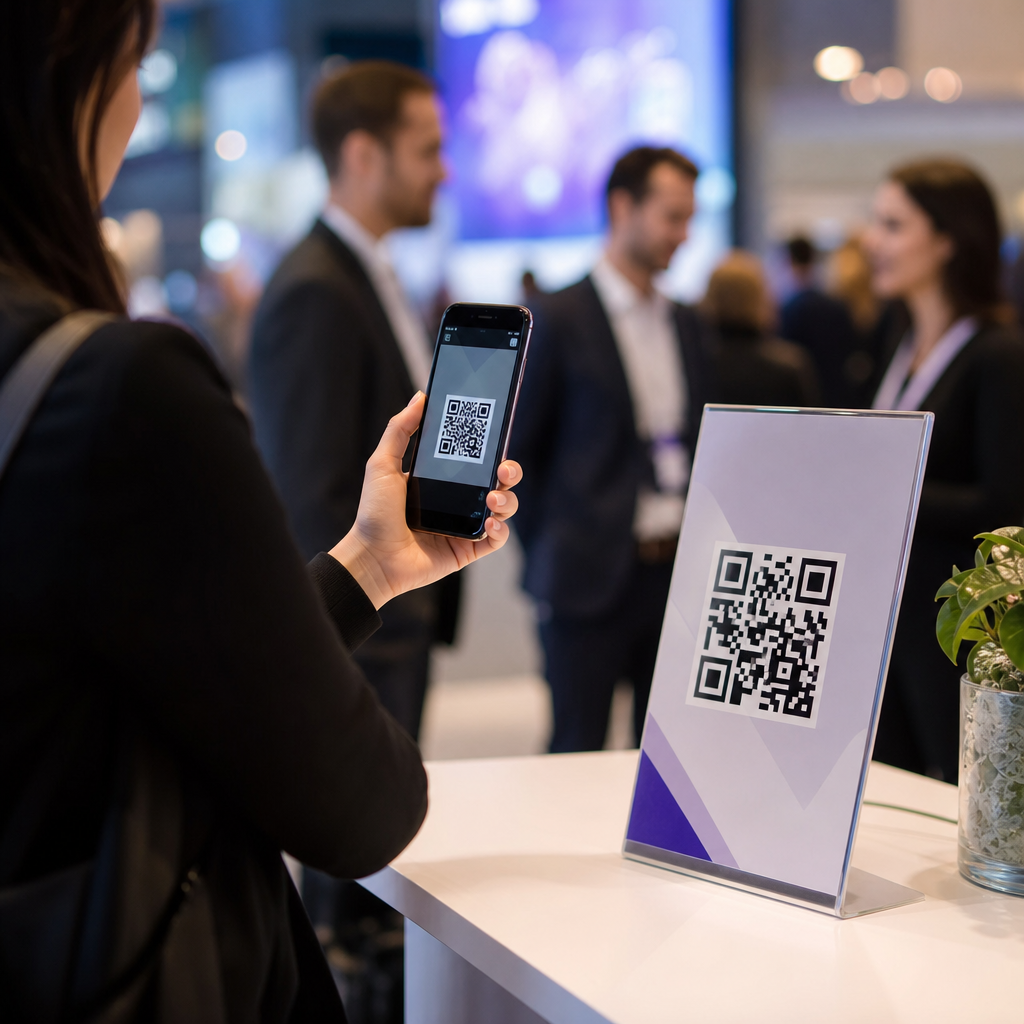
For marketers, this season is not only about a single holiday push on December 31. It spans late-December gifting, year-end clearance, January habit formation, and first-quarter retention. That is why this topic deserves a hub page. Seasonal campaign ideas must cover acquisition, engagement, redemption, attribution, and post-holiday follow-up. QR codes are especially useful because they bridge print, packaging, point-of-sale materials, digital out-of-home screens, direct mail, product inserts, event signage, and influencer activations without requiring consumers to type a URL. They also support dynamic updates, so a code printed before Christmas can point to a party RSVP page one week, a January loyalty offer the next, and a customer survey after that. Used well, New Year marketing campaigns using QR codes reduce friction, improve tracking, and create a more relevant customer journey at a time when even small gains in response rate can produce meaningful revenue.
Why QR codes work especially well for New Year promotions
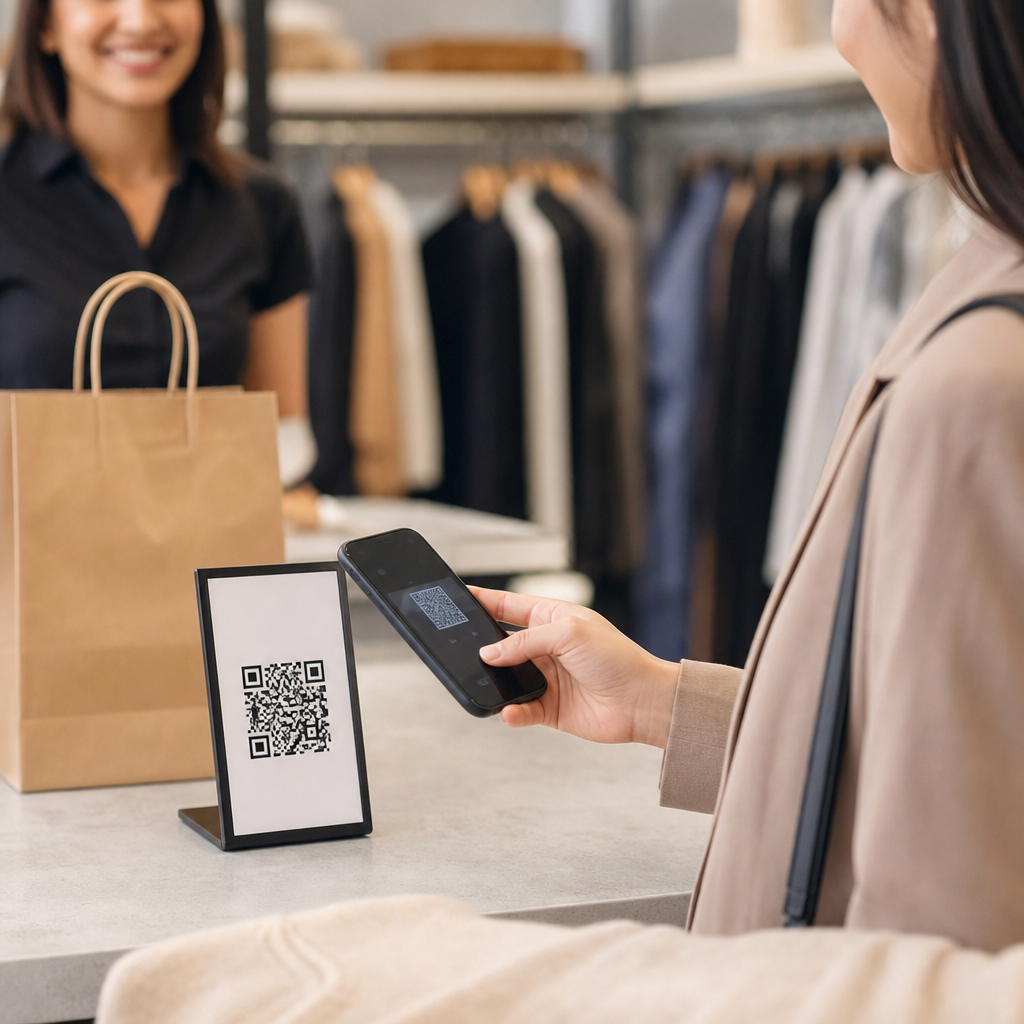
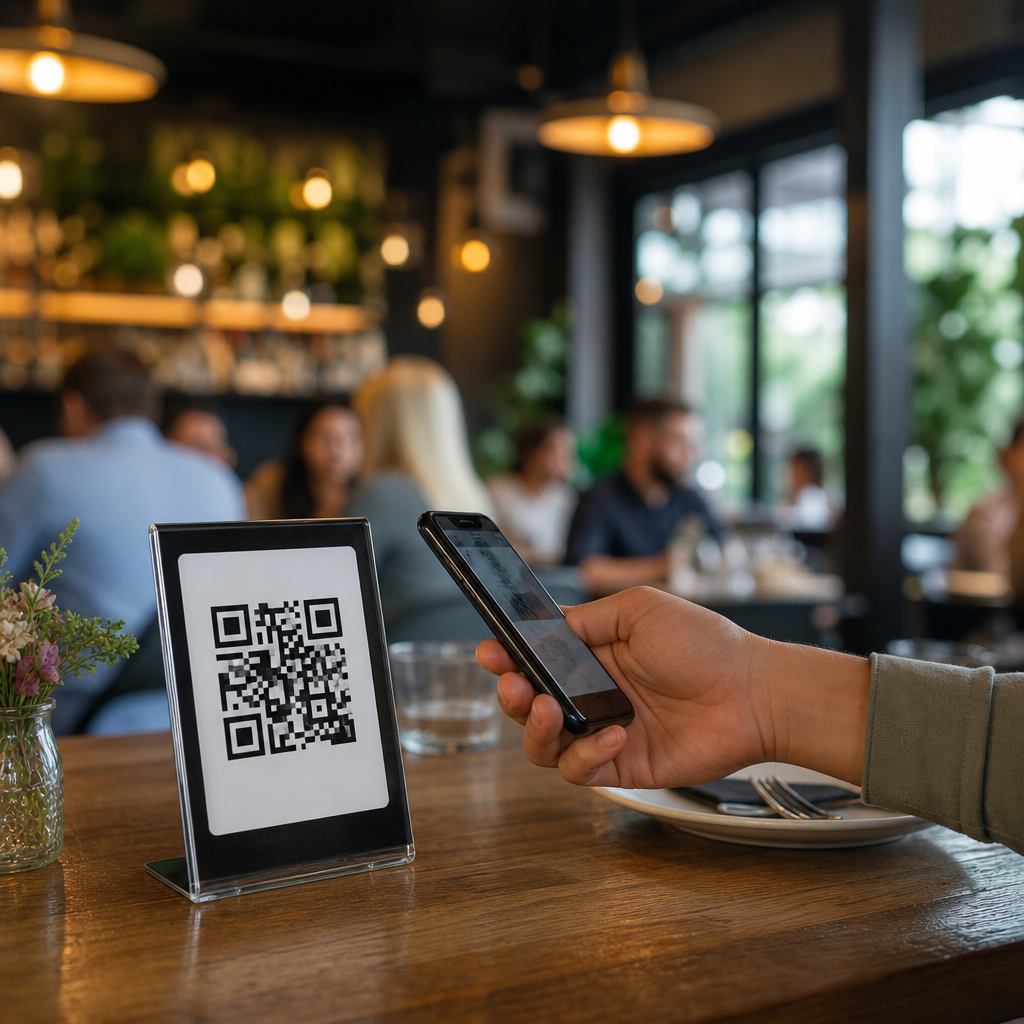
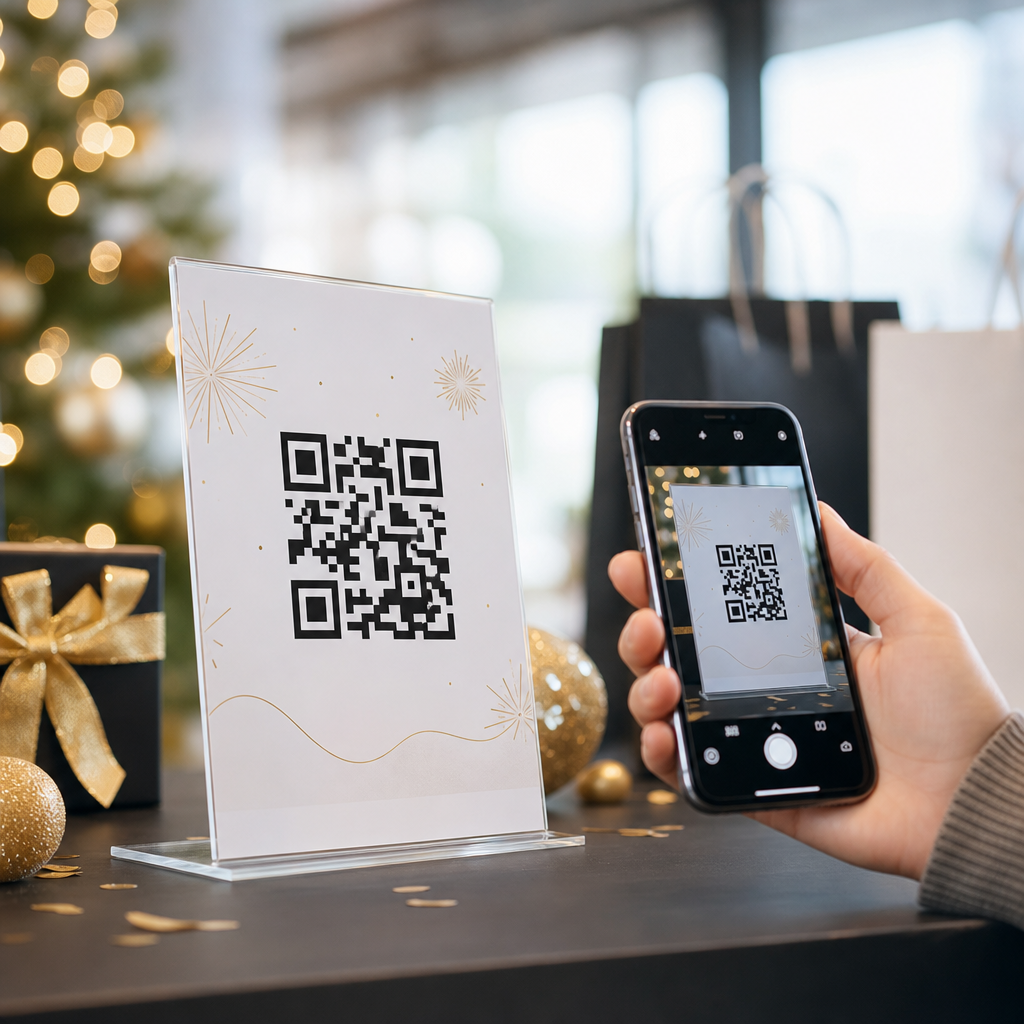
The New Year period creates unusually strong consumer intent because it combines celebration with self-improvement. People are receptive to offers tied to convenience, savings, planning, and progress. A restaurant can use a QR code on table tents in the final week of December to drive party package bookings. A fitness studio can place codes on window posters and social ads to route prospects directly to a January challenge signup page. A retailer can add codes to receipts and shopping bags to move holiday buyers into a January loyalty sequence. In each case, the scan answers an immediate question: Where do I book, claim, join, or learn more?
Another reason QR codes perform well in seasonal campaigns is speed. During high-traffic periods, consumers are multitasking. A visible code paired with a direct prompt such as “Scan for midnight deals” or “Scan to reserve New Year brunch” removes extra steps. Dynamic QR platforms like Bitly, QR Code Generator Pro, Beaconstac, and Uniqode also allow marketers to change destinations without reprinting materials, segment by location, and track scans by time and device. That makes it easier to compare, for example, window decal scans from December 28 through January 2 against in-store sign scans from January 3 through January 15. The result is cleaner attribution than many print-first seasonal tactics can provide on their own.
High-impact seasonal campaign ideas for different industries
The most effective hub for seasonal campaign ideas should show how New Year marketing campaigns using QR codes adapt to context. In retail, one proven approach is the “gift card to loyalty” path. Print a QR code on gift card sleeves and thank-you inserts with a message such as “Scan to unlock your January bonus.” The landing page can capture email consent, encourage account creation, and issue a limited-time coupon. This works because gift card recipients already intend to shop, and the code converts that latent intent into a first-party data relationship.
In hospitality, hotels and restaurants can use QR codes for booking acceleration and upsells. A code on lobby signage or reservation confirmation emails can open New Year’s Eve packages, late checkout offers, or January spa promotions. I have seen boutique properties increase package attachment by using a code that sends mobile visitors to a prefilled booking flow rather than a generic homepage. Restaurants can place codes on printed menus, bar coasters, and social creatives to collect deposits for prix fixe dinners, reducing no-shows while simplifying checkout.
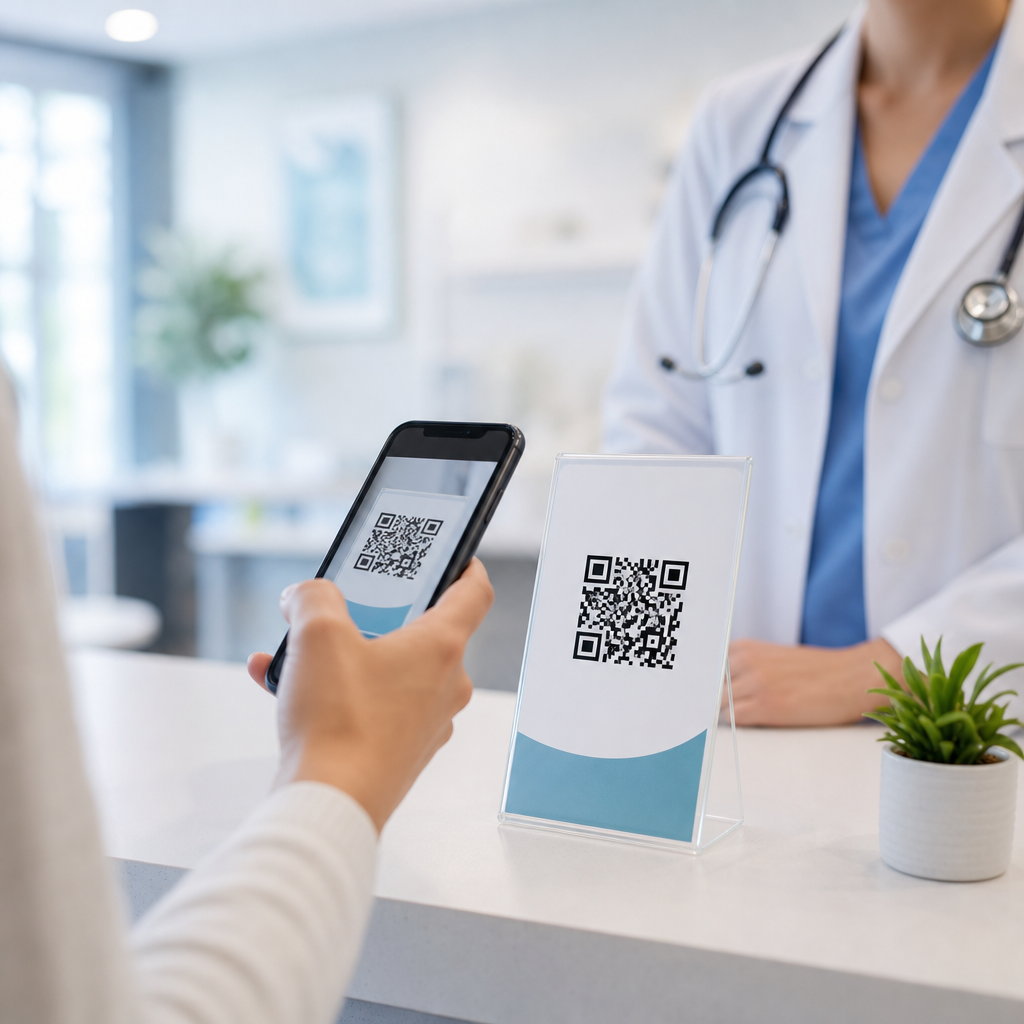
For gyms, wellness brands, and healthcare providers, January is peak acquisition season. QR codes on flyers, transit ads, and local partnership displays can open a challenge registration page, consultation scheduler, or habit tracker download. The value exchange should be explicit: a free body composition scan, a seven-day meal plan, or access to a guided program. Education brands can use the season for “new year, new skills” campaigns, with codes linking to course quizzes or webinar registration. Real estate firms can use direct mail codes to route homeowners to market valuation tools timed around annual financial planning. The seasonal angle changes, but the mechanism remains the same: reduce friction at the moment a consumer is primed to act.
| Industry | QR code placement | New Year offer | Primary metric |
|---|---|---|---|
| Retail | Gift card sleeves, receipts, window signs | January bonus coupon or loyalty enrollment | Scan-to-purchase rate |
| Restaurant | Menus, coasters, reservation emails | Prix fixe booking or brunch reservation | Deposit completions |
| Fitness | Posters, partner displays, social ads | 30-day challenge or free assessment | Lead-to-membership conversion |
| Hospitality | Lobby signs, key cards, confirmation emails | Package upgrade or spa add-on | Average booking value |
| Consumer goods | Packaging inserts, shelf wobblers | Recipe plan, rebate, or contest entry | First-party data capture |
How to build a New Year QR campaign that converts
Strong performance starts with one job per code. Do not ask a single QR code to handle awareness, education, coupon redemption, app installs, and survey completion at once. Match each code to one conversion event and one audience segment. For example, a code on a store window should open location-specific holiday hours and a featured January offer. A code on product packaging should open usage tips, reorder options, and a registration incentive. Separate codes produce clearer data and more relevant experiences.
Landing page design matters as much as code placement. The page must load quickly, match the campaign message, and present the offer above the fold. If the sign says “Scan for New Year giveaway entry,” the destination should be the entry form, not a homepage carousel. Use mobile-first forms with the fewest required fields possible. If you need richer customer data, collect it progressively after the initial conversion. Add UTMs, campaign naming conventions, and event tracking in analytics platforms so scan behavior can be tied to downstream sales. Google Analytics 4, CRM workflows, and POS redemption data together provide the clearest picture of impact.
Creative execution is often overlooked. The code needs contrast, quiet space, and a visible call to action. Place it at a scannable height, test under real lighting conditions, and verify that the destination works on both iOS and Android. Branded codes can improve recognition, but over-customization can hurt readability. Error correction helps, yet it is not a substitute for proper sizing. In practice, I recommend printing a backup plain version and testing from several distances before approving final assets. Seasonal urgency should come from the copy and offer window, not from visual clutter.
Measurement, attribution, and optimization during the seasonal window
Marketers often ask what success looks like beyond raw scan volume. The answer is conversion quality. A New Year campaign should track scans, unique visitors, completion rate, revenue per scan, assisted conversions, and retention indicators such as repeat purchase or membership continuation into February. If a code on direct mail generates fewer scans than a code on in-store signage but produces higher average order value, it may be the better investment. Evaluation must account for margin and customer lifetime value, not just top-of-funnel activity.
Time-based analysis is particularly important in seasonal work. Compare pre-holiday, holiday-week, and post-holiday periods separately because user intent changes quickly. New Year’s Eve party bookings behave differently from January resolution signups. Dynamic QR dashboards let marketers swap destinations when demand shifts, but those changes should be documented. Otherwise, reporting becomes muddy. I also recommend using holdout groups where possible. For instance, distribute receipt-based QR offers in some locations and not others, then compare January repeat visit rates. This controlled approach is more reliable than assuming every scan caused every sale.
Optimization opportunities usually appear within days. If scans are high and conversions low, the landing page or form is the issue. If impressions are high and scans are low, the offer, placement, or call to action needs work. If scans cluster at one location, local context may be driving intent, suggesting budget should shift there. Seasonal campaigns move fast, so weekly reporting is too slow for many programs. During the peak window, daily checks are often justified, especially for paid media, digital out-of-home, and event activations.
Common mistakes, compliance issues, and practical next steps
Several mistakes repeatedly weaken New Year marketing campaigns using QR codes. The first is sending all traffic to a homepage. The second is failing to explain what happens after the scan. Consumers need certainty, especially when they are in a hurry. The third is ignoring physical context. A code on a moving vehicle, a distant billboard, or a reflective poster may be technically present but functionally unusable. The fourth is neglecting staff training. If a cashier, host, or event rep cannot explain the offer in one sentence, redemption suffers.
Privacy and compliance also matter. If the campaign collects personal data, disclose how it will be used and secure appropriate consent. Sweepstakes and giveaways need official rules, eligibility criteria, and deadline clarity. Discounts must align with advertised terms and inventory realities. For payments or account access, use secure destinations and avoid exposing sensitive data in the URL structure. Trust is a performance variable; a campaign that feels vague or risky will lose conversions even if the creative is attractive.
The main lesson is simple: New Year marketing campaigns using QR codes work best when the offer is timely, the scan leads directly to the next step, and the team measures business outcomes rather than novelty. As a hub for seasonal campaign ideas, this page should guide planning across retail, hospitality, wellness, restaurants, education, and consumer goods while pointing teams toward deeper case studies and execution guides. Start with one high-intent use case, create a dedicated mobile landing page, test the code in real conditions, and track revenue after the scan. Do that well, and QR codes become more than a seasonal add-on. They become a reliable bridge between attention and action at one of the most commercially important moments of the year.
Frequently Asked Questions
How can QR codes improve the performance of New Year marketing campaigns?
QR codes help New Year marketing campaigns perform better by turning offline visibility into immediate digital action at a time when consumers are especially motivated to make purchases, redeem gift cards, start new habits, and explore new brands. Instead of asking people to remember a website, search for a product later, or type in a long URL, a QR code removes friction and sends them directly to the exact next step you want them to take. That could be a limited-time landing page, a New Year sale, a loyalty sign-up form, an app download, a product quiz, a coupon, or a booking screen.
They are especially valuable during the New Year period because timing matters. People often see promotions in stores, on packaging, at events, on direct mail pieces, in gyms, restaurants, hotels, transit ads, and product displays while already thinking about resolutions, budgeting, self-improvement, travel, and fresh starts. A QR code captures that intent in the moment. When the customer scans, the brand can create a seamless bridge from physical media to a mobile-friendly digital experience designed for conversion.
From a measurement standpoint, QR codes also give marketers better visibility into campaign performance. Brands can track scans by date, time, location, device type, and destination performance, then compare those metrics against traffic, sign-ups, purchases, or coupon redemptions. This makes it easier to understand which placements, messages, and offers are actually working. In short, QR codes improve New Year campaigns by making them faster to engage with, easier to measure, and more effective at moving customers from attention to action.
What are the best ways to use QR codes in a New Year promotion?
The best use cases depend on your audience and goal, but the strongest New Year QR code campaigns usually combine relevance, urgency, and a clear reward for scanning. Retail brands can place QR codes on in-store signage, shelf talkers, receipts, packaging, and window displays that lead to New Year discounts, gift card balance check pages, product bundles, or personalized recommendations. Restaurants and hospitality brands can use them for seasonal menus, reservation pages, loyalty enrollment, event promotions, or bounce-back offers designed to bring customers back in January and February.
Service businesses can use QR codes to guide people to appointment booking pages, free consultations, downloadable planning tools, or “new year, new you” campaigns tied to health, wellness, finance, education, or home improvement. Fitness and wellness brands can connect codes to challenge sign-ups, class schedules, memberships, nutrition guides, and introductory offers. Ecommerce brands can use QR codes in order inserts, catalogs, packaging, and direct mail to drive repeat purchases, referral programs, subscriptions, or exclusive post-holiday promotions.
Another highly effective approach is to use QR codes for interactive experiences. A scan can open a short video, a personalized quiz, a spin-to-win offer, a contest entry form, a store locator, or a curated page built around specific New Year goals such as saving money, organizing a home, improving fitness, or upgrading workspaces. The key is to match the code’s destination to the customer’s immediate context. If they are scanning in a store, the page should support fast shopping decisions. If they are scanning from direct mail, the page should feel like a continuation of the offer they just saw. The best New Year QR code promotions are not generic; they are tightly aligned with intent, message, and next action.
What should a landing page include after someone scans a QR code?
A strong QR code landing page should feel like a direct continuation of the campaign message the person just saw. If the code appeared next to a New Year savings offer, the landing page should immediately confirm that offer with consistent language, visuals, and timing. If the code promoted a resolution-themed campaign, the page should quickly show how the product or service supports that goal. This kind of message match reduces confusion and improves trust, which is especially important on mobile where attention is limited and every extra tap can lower conversion rates.
At a minimum, the landing page should load quickly, be fully mobile optimized, and present a clear value proposition above the fold. It should tell the visitor what they get, why it matters now, and what they should do next. That next step could be shopping a collection, claiming a coupon, joining a loyalty program, downloading an app, booking a consultation, or watching a short explainer video. The page should also include a clear call to action, concise supporting copy, and visual proof that the offer is legitimate and current.
For better results, include elements that reduce hesitation and increase conversion. These can include countdowns for limited-time New Year offers, customer reviews, trust badges, simple forms, auto-applied discounts, location details, FAQs, and personalized content based on where the QR code was placed. If the campaign is tied to a specific channel, such as packaging, in-store signage, or direct mail, use tracking parameters so performance can be measured accurately. The best landing pages keep the experience simple, relevant, and focused on one primary action rather than overwhelming visitors with too many choices.
How do businesses track and measure the success of QR code campaigns during the New Year season?
Tracking starts with using dynamic QR codes rather than static ones in most campaign situations. A dynamic QR code allows the destination URL to be updated without replacing the printed code, and it also enables better analytics. During the New Year season, this flexibility matters because offers may change quickly, inventory may shift, and brands often test multiple creative angles such as “fresh start,” “limited-time savings,” “gift card redemption,” or “join now” messaging. With dynamic codes, marketers can adjust destinations and continue collecting data without losing momentum.
Core performance metrics usually include total scans, unique scans, scan location, time of day, repeat scans, device type, and conversion metrics tied to the landing page. From there, businesses should connect QR code data to broader marketing and sales indicators such as purchases, lead submissions, app installs, reservation completions, loyalty sign-ups, coupon redemptions, and revenue per visitor. Adding campaign parameters to URLs helps teams understand not just how many people scanned, but which physical placements and campaign versions generated the strongest outcomes.
To measure success accurately, businesses should define the objective before launch. For some brands, success means sales. For others, it may mean list growth, store visits, first-party data capture, or customer retention after the holiday period. It is also smart to compare performance across formats, such as posters versus packaging, direct mail versus countertop signage, or event displays versus window decals. Testing different calls to action, incentives, and landing page experiences can reveal what resonates most with New Year audiences. The most effective measurement approach goes beyond scan counts and evaluates how well the QR code supports real business results.
What are the most important best practices for creating QR codes that people will actually scan?
The first best practice is to give people a compelling reason to scan. A QR code by itself is not a strategy; it needs a clear benefit. Tell customers exactly what they will get, such as “Scan for 20% off,” “Scan to redeem your gift card,” “Scan to start your January challenge,” or “Scan to book your New Year consultation.” Specific, benefit-driven language consistently outperforms vague instructions because it answers the customer’s immediate question: why should I do this right now?
Design and placement matter just as much. The code should be large enough to scan easily, printed with strong contrast, and placed where lighting, distance, and smartphone use make sense. Avoid cluttered backgrounds, distorted shapes, or low-quality printing that can interfere with readability. If you add branded styling, make sure the code still scans reliably across devices. It is also important to place the code in a context where the user can act on it immediately. For example, a code on a store display should lead to a mobile-friendly experience that can be completed in seconds, not a desktop-heavy page or a generic homepage.
Finally, always test before launch and throughout the campaign. Test the code on different phones, under different lighting conditions, and from the actual distances customers will use. Verify that the landing page loads quickly, the offer is current, and any forms, checkout flows, or app store links work correctly. If possible, use dynamic codes so you can refine destinations and maintain continuity if campaign details change. When QR codes are paired with a clear incentive, smart placement, excellent mobile experiences, and consistent testing, they become one of the most practical tools for making New Year marketing campaigns more engaging, measurable, and conversion-focused.