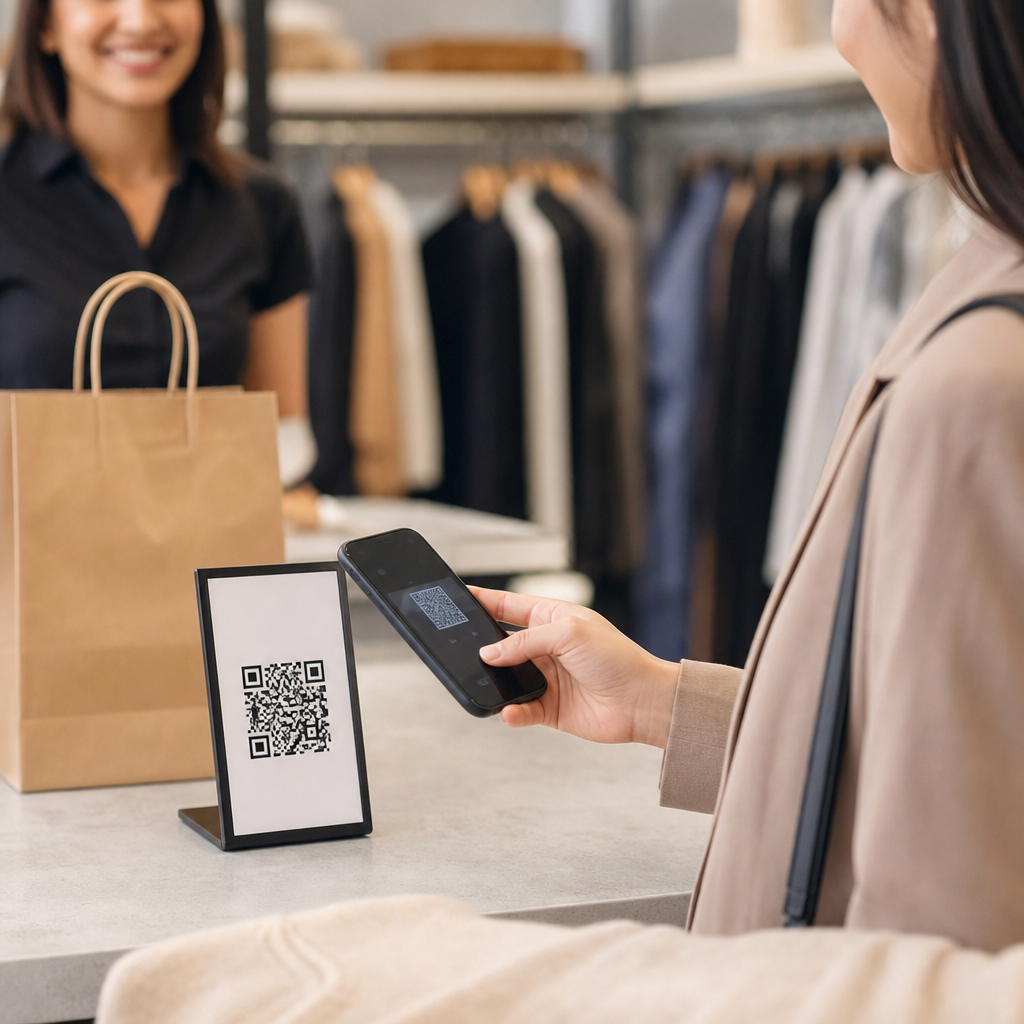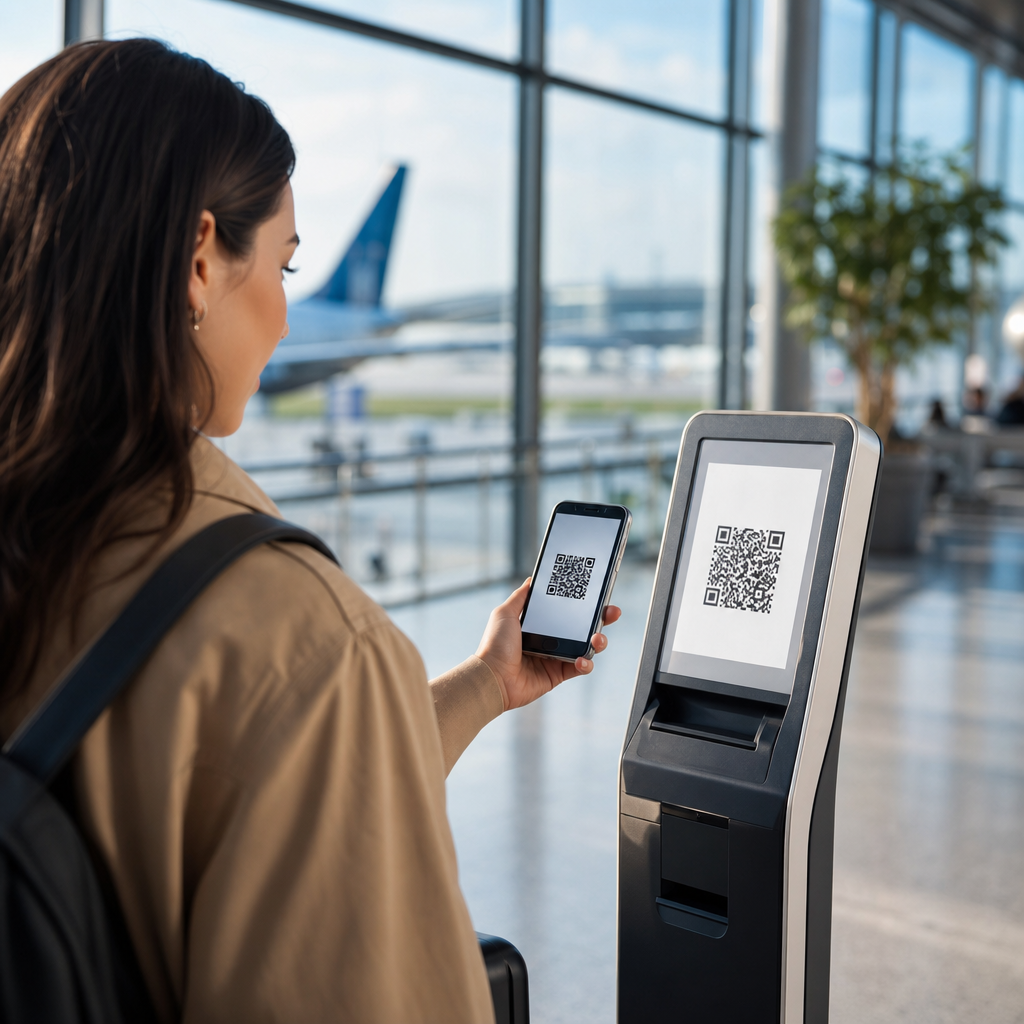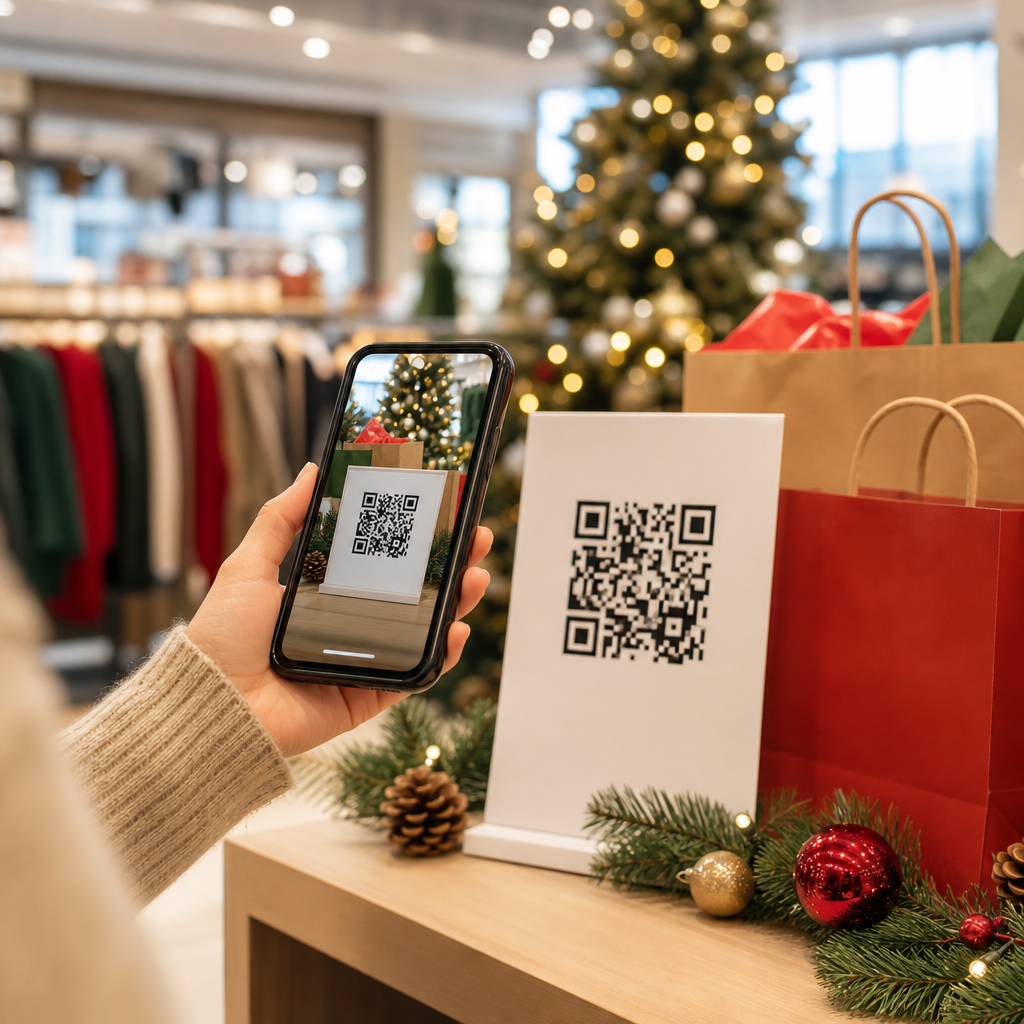
Retail holiday campaigns with QR codes turn seasonal foot traffic, gift-driven buying, and peak promotional urgency into measurable customer actions across stores, packaging, signage, and digital touchpoints. In retail, a holiday campaign is a time-bound marketing program built around events such as Black Friday, Christmas, Diwali, Lunar New Year, Valentine’s Day, Mother’s Day, Halloween, Eid, and back-to-school. A QR code campaign adds a scannable bridge between physical and digital experiences: shoppers scan a code with a smartphone camera and land on a coupon, gift guide, product page, loyalty enrollment form, store map, recipe, video, or checkout flow. I have used QR codes in seasonal retail promotions for store windows, shelf talkers, receipts, and gift packaging, and the pattern is consistent: when the code answers an immediate shopper need, scan rates and conversion rise sharply.
This topic matters because holiday periods compress decision-making. Retailers face crowded stores, higher advertising costs, staffing pressure, and a short window to influence buying behavior. At the same time, customers want speed, reassurance, and relevant offers. QR codes help reduce friction at exactly that point. A code on an endcap can deliver a curated gift guide in seconds. A code on a receipt can trigger a bounce-back offer for post-holiday clearance. A code on festive packaging can unlock assembly instructions, care guides, or a gift message microsite. Done well, these campaigns improve campaign attribution, support omnichannel selling, and collect first-party engagement data without forcing shoppers through long URLs or app downloads.
As a hub page for seasonal campaign ideas within a broader QR code campaign strategy, this article covers the concepts retailers need to plan and execute holiday QR programs comprehensively. It explains what works by season, where to place codes, how to structure offers, what to measure, and which operational details prevent wasted impressions. The goal is practical: help retailers design campaigns that are useful to shoppers, trackable for marketers, and realistic for store teams to deploy during the busiest weeks of the year.
Why QR codes work especially well during retail holiday periods
Holiday shopping amplifies three conditions that favor QR code use: urgency, information gaps, and cross-channel browsing. Shoppers often enter a store with limited time and incomplete product knowledge. They compare gifts, seek availability, ask about promotions, and try to validate whether an item is age-appropriate, in stock, or eligible for returns after the holiday. A QR code can answer those questions instantly at the point of consideration. In my experience, the best seasonal scans happen when the code resolves a real hesitation: “What are the top gifts under $50?” “Will this arrive before Christmas?” “Can I buy online if my size is gone?”
Seasonal campaigns also benefit from dynamic QR codes rather than static ones. Dynamic codes point to a short redirect URL that can be updated after printing, which means one code on window vinyl can promote early-bird gift guides in November, last-minute pickup in December, and returns or loyalty offers in January. That flexibility matters when weather delays shipments, inventory changes daily, or legal teams require disclaimer updates. Dynamic codes also support UTM tagging, location-specific redirects, and A/B testing by creative version or store cluster. Established platforms such as Bitly, Flowcode, QR Code Generator Pro, and Beaconstac provide analytics and redirect management suitable for retail teams.
There is also a clear operational advantage. A seasonal display may be assembled by store staff in minutes. Printing a short vanity URL and expecting manual entry introduces friction and typo risk. A QR code removes that barrier. The code can connect to mobile web pages built in Shopify, Adobe Commerce, Salesforce Commerce Cloud, or a lightweight landing page platform. That means retailers can launch campaigns without requiring a full app experience. For stores serving mixed demographics, this is important: customers increasingly understand how to scan, while mobile web remains more accessible than app-only workflows.
Seasonal campaign ideas by holiday moment
The strongest retail holiday campaigns with QR codes are tied to shopper intent, not just festive decoration. For Black Friday and Cyber Monday, place codes on window signage and queue-line displays that lead to a live deal page segmented by category, stock status, and local store availability. During Christmas and Hanukkah, use gift guide codes by recipient type: “for teens,” “for cooks,” “for new parents,” or “under $25.” For Valentine’s Day, codes on product bundles can lead to personalization options, same-day pickup, or message cards. For Halloween, a code on candy or décor displays can unlock party-planning checklists, costume tutorials, or multipack savings. For Lunar New Year and Diwali, codes can support culturally relevant gifting collections, recipes, and family-hosting bundles, especially in grocery, home, and specialty retail.
Back-to-school is another seasonal moment where QR codes perform well because shoppers need lists, not inspiration alone. A code on school supply tables can open grade-specific lists, teacher-requested kits, and buy-online-pickup-in-store options. In apparel, fitting room signs can link to style boards, stock lookups, and cross-sell suggestions such as shoes, belts, or outerwear. In beauty and consumer electronics, giftability often depends on understanding features. QR codes on shelf talkers can play short demo videos, compare models, or explain compatibility. These are not gimmicks. They reduce associate dependency during peak hours and help maintain conversion when staff are busy.
Retailers should align campaign design to the season’s dominant buying mode. Early season favors discovery and list-building. Peak week favors urgency, shipping cutoffs, and stock confidence. Post-holiday favors loyalty enrollment, returns guidance, care instructions, and gift card redemption. One of the most effective patterns I have seen is a three-phase code strategy using the same printed asset but different destinations over time. For example, a holiday catalog QR code can first drive a gift finder quiz, then switch to a store pickup landing page, then redirect to an exchange policy and clearance event after the holiday passes.
| Seasonal moment | Best QR code placement | Landing experience | Primary metric |
|---|---|---|---|
| Black Friday | Window, queue signage, endcaps | Live deals by category and local stock | Revenue per scan |
| Christmas gifting | Gift displays, catalog, packaging | Gift guides, personalization, pickup | Add-to-cart rate |
| Valentine’s Day | Bundle tags, floral displays, receipts | Message cards, upsells, same-day options | Average order value |
| Back-to-school | Supply aisles, apparel racks, list signage | Grade lists, kits, cross-sell bundles | Basket completion rate |
| Post-holiday | Receipts, packaging inserts, exits | Returns info, loyalty sign-up, clearance | Repeat visit rate |
Placement strategy: where holiday QR codes should appear in store and beyond
Placement determines whether a seasonal QR code campaign is useful or invisible. The highest-performing locations are usually points of pause: store windows, entrance displays, shelf edges on promoted items, fitting room mirrors, checkout queues, receipts, packaging inserts, and curbside pickup signs. Window signage matters because it captures both open and closed-store traffic. A shopper passing after hours can still scan a code for online ordering or next-day pickup. Queue-line signage matters because customers are stationary and receptive to cross-sell offers, gift card purchases, loyalty enrollment, or digital receipts. Receipts and package inserts matter because they create a second engagement moment after purchase, when bounce-back offers and review requests become relevant.
Technical and design details are not optional. Use sufficient quiet space around the code, high contrast, and a printed size appropriate to scanning distance. As a rule, codes viewed at arm’s length should be at least around 1 x 1 inch, while window graphics intended for sidewalk scanning must be significantly larger. Avoid reflective laminates and heavily patterned backgrounds that interfere with camera recognition. Add a clear call to action above the code, not just the symbol alone. “Scan for gifts under $50” outperforms a generic “Scan me” because it states the immediate value. If the destination is personalized or location-aware, say so. Shoppers are more likely to scan when they know what happens next.
Retailers should also connect physical placement to store operations. If a code promotes same-day pickup, the fulfillment promise must be real. If a code leads to product information, the shelf label and landing page must match the SKU in front of the shopper. If a code is placed in a fitting room, the mobile page should be fast, thumb-friendly, and linked to inventory lookup by size and color. During the holidays, broken promises spread quickly through customer service queues and social channels. The best placement strategy is therefore not only visible but operationally verified before rollout.
Offer design, measurement, and the limits retailers should respect
Not every holiday QR code needs a discount. In fact, some of the strongest results come from utility-first offers: gift finders, buying guides, assembly videos, recipe collections, wishlist builders, appointment booking, or local inventory checks. Discounts work best when they are specific and bounded. “Scan for 15% off ornaments today” is clearer than a vague seasonal promotion with exclusions buried below the fold. Retailers should decide whether the code’s goal is acquisition, conversion, basket growth, or retention, because that choice determines the landing page and measurement model. A code meant to drive store visits should not be judged only by ecommerce revenue.
Measurement should start with campaign architecture. Use unique dynamic codes by store, display type, and season so scans can be compared accurately. Append UTM parameters to destination URLs, connect events in Google Analytics 4 or Adobe Analytics, and align scans with downstream metrics such as add-to-cart, checkout start, redemption, and revenue. If stores use customer data platforms such as Segment, mParticle, or Tealium, QR interactions can be stitched into broader audience profiles. In mature retail environments, code-level data can also be compared against POS sales by store cluster to estimate halo effects from signage that influences in-store purchases without a digital checkout.
There are limits retailers should respect. QR codes are not a substitute for bad merchandising, slow sites, or confusing offers. Some shoppers still prefer direct help from associates, and accessibility matters; provide nearby plain-language text or short URLs where appropriate. Privacy compliance also matters when collecting first-party data. Consent banners, SMS opt-in disclosures, and loyalty enrollment terms must meet regulatory and brand standards. The practical takeaway is simple: use holiday QR codes where they remove friction, clarify decisions, or extend the shelf in a measurable way. Start with one seasonal objective, deploy codes in high-intent locations, test the landing experience rigorously, and review the data after each holiday. Retailers that build this discipline can turn every seasonal campaign into a smarter, more connected customer journey.
For marketers building a sub-pillar strategy around QR code campaign ideas and case studies, seasonal campaigns deserve hub status because they touch nearly every retail function: creative, merchandising, ecommerce, store operations, analytics, and customer retention. They also create reusable patterns. A gift guide framework built for Christmas can become a Mother’s Day guide, a Diwali hosting collection, or a graduation gifting path with minimal structural changes. A pickup-focused Black Friday code can inform a last-minute Valentine’s Day promotion. A receipt-based bounce-back offer tested in January can become a repeatable tactic for back-to-school or Halloween. The repeatability is what makes this topic strategically important, not just timely.
The core lesson is that successful retail holiday campaigns with QR codes are useful before they are clever. They give shoppers immediate answers, match the season’s buying behavior, and connect physical retail to measurable digital outcomes. They are placed where customers naturally pause, backed by fast mobile destinations, and updated as inventory and timing change. They are measured with discipline, using dynamic codes, clear campaign taxonomy, and practical success metrics. Most importantly, they respect real retail constraints, including staffing, fulfillment, accessibility, and compliance.
If you are planning seasonal campaign ideas under a broader QR code program, begin with one holiday, one customer problem, and one high-visibility placement. Build the landing page around that exact need, tag every scan, and confirm store readiness before printing. Then expand the model across more seasons, formats, and store zones. That approach turns QR codes from decorative add-ons into dependable retail infrastructure for holiday growth.
Frequently Asked Questions
How do QR codes improve retail holiday campaigns during peak shopping seasons?
QR codes improve retail holiday campaigns by turning high seasonal attention into immediate, trackable action. During holiday periods such as Black Friday, Christmas, Diwali, Lunar New Year, Halloween, Valentine’s Day, Eid, Mother’s Day, and back-to-school, retailers face a short window in which shoppers are actively comparing products, responding to promotions, and making gift-driven purchases. A QR code creates a fast bridge between a physical retail moment and a digital experience, allowing shoppers to move from seeing a product, sign, window display, shelf talker, receipt, package, or in-store event message to taking action on their phones in seconds.
That action can take many forms: viewing a holiday gift guide, unlocking a limited-time coupon, joining a loyalty program, reserving stock, watching a product demo, entering a seasonal giveaway, downloading an app, browsing bundled offers, or checking store hours and special event information. This matters because holiday shoppers often make decisions quickly, especially when promotions are time-sensitive and stores are crowded. A well-placed QR code reduces friction and helps customers get what they need without searching manually.
For retailers, the value is not just convenience but measurement. Unlike traditional holiday signage that may be difficult to attribute, QR code scans can reveal when, where, and how shoppers are engaging. Retailers can compare performance across stores, displays, packaging, direct mail, and digital-to-physical touchpoints. They can also identify which campaigns drive conversions most effectively, whether the goal is foot traffic, email capture, coupon redemption, product discovery, or post-purchase engagement. In a peak retail season where every impression counts, QR codes help connect promotion, shopper intent, and measurable outcomes in a way that is both practical and scalable.
Where should retailers place QR codes in a holiday campaign for the best results?
The best placement depends on the customer journey, but the strongest retail holiday campaigns use QR codes across multiple touchpoints rather than relying on a single location. In-store signage is one of the most effective placements because it reaches shoppers at the point of decision. Window displays can attract passersby before they enter the store, while endcaps, shelf signage, fitting room graphics, checkout counters, and seasonal display tables can prompt shoppers to explore gift bundles, holiday promotions, or product information while they are actively considering a purchase.
Packaging is another high-value placement, especially during gift-heavy seasons. A QR code on product packaging, gift boxes, inserts, or branded bags can extend the campaign beyond the initial sale. Customers or gift recipients can scan to access setup instructions, care guides, surprise holiday offers, loyalty enrollment, product registration, or follow-up recommendations. This makes packaging part of the campaign instead of just a fulfillment layer.
Printed materials also perform well during seasonal retail pushes. Flyers, catalogs, direct mail postcards, gift guides, event invitations, and receipt-based promotions can all include QR codes that drive shoppers to limited-time landing pages. Retailers can also use QR codes in digital environments that connect back to stores, such as social graphics shown on in-store screens, email campaigns encouraging in-store redemption, or paid ads that support local store events.
To get the best results, placement should match shopper intent and context. A QR code near a featured holiday product should lead directly to product details, reviews, and purchase options. A QR code at the entrance might highlight a holiday map, gift finder, or storewide promotion. A code at checkout may be better suited for loyalty sign-ups, bounce-back coupons, or referral incentives. Visibility, scanability, and clarity are critical. The code should be large enough to scan easily, placed at a comfortable height, surrounded by white space, and paired with a strong call to action that tells shoppers exactly what they will get by scanning.
What should a retail holiday QR code campaign link to?
A retail holiday QR code campaign should link to a destination that is highly relevant to the shopper’s moment, device, and purchase intent. The most effective campaigns do not send every scan to a homepage. Instead, they direct customers to focused landing pages or mobile-optimized experiences built specifically for the holiday promotion. This could include a seasonal gift guide, a category page for last-minute gifts, a buy-one-get-one holiday offer, a store locator with special hours, an event RSVP page, a festive product bundle, or a limited-time coupon with a clear expiration date.
Retailers should think in terms of customer need states. Some shoppers want inspiration, so a gift finder quiz or curated collection may perform best. Others want confidence before buying, so product comparison pages, reviews, size guides, or demonstration videos can help. Some are motivated by savings, making exclusive discounts, digital scratch-offs, or unlockable promo codes ideal. For repeat business, retailers may link to loyalty enrollment, app downloads, email sign-up forms, or post-purchase offers that encourage another visit before the season ends.
The linked experience should be fast, mobile-friendly, and simple to complete. Holiday shopping often happens under time pressure, and any friction can reduce conversions. Pages should load quickly, match the campaign message on the physical asset, and present a single clear next step. If the QR code is printed on a sign about stocking stuffers, the landing page should immediately show those products or that promotion, not force users to navigate through a broader site. Consistency between the scan trigger and destination builds trust and increases completion rates.
It is also smart to tailor destinations by touchpoint. A QR code on a storefront window might link to store hours, top offers, or curbside pickup options. A code on packaging could lead to product care tips, complementary products, or a gift recipient welcome experience. A code on receipts might point to a survey, loyalty reward, or holiday bounce-back deal. When the content matches the retail context, QR codes feel useful rather than gimmicky, which is exactly what drives better holiday campaign performance.
How can retailers measure the success of holiday campaigns with QR codes?
Retailers can measure the success of holiday campaigns with QR codes by defining campaign goals first and then connecting scan activity to meaningful business outcomes. The most basic metric is scan volume, but strong measurement goes further. Retailers should evaluate when scans happen, where they happen, which placement drives the highest engagement, and what percentage of scanners complete the next desired action. Depending on campaign objectives, that action might be coupon redemption, email sign-up, loyalty enrollment, event registration, app installation, product page visits, add-to-cart behavior, store visit uplift, or completed purchases.
Dynamic QR codes are particularly useful because they allow retailers to update destinations without reprinting creative and often provide stronger analytics. Retail teams can segment performance by store location, holiday event, marketing channel, product category, or physical asset type. For example, a retailer can compare whether QR codes on endcap signage outperform codes on direct mail, or whether Black Friday window displays drive more scans than post-purchase receipt offers during the Christmas shopping period. These insights help improve budget allocation and campaign design in real time.
Measurement should also include conversion quality, not just engagement volume. A campaign with fewer scans but a higher coupon redemption rate or stronger average order value may outperform a campaign that generates a lot of curiosity but little sales impact. If retailers can connect QR traffic with point-of-sale data, loyalty IDs, unique promo codes, or e-commerce analytics, they can better understand attribution across online and offline behavior. This is especially valuable during holiday campaigns because customers often move between channels before purchasing.
Retailers should also look at operational and experiential indicators. Did the QR code reduce common associate questions by linking to gift guides or product details? Did it improve participation in a holiday event? Did it help shoppers find stock faster or accelerate sign-ups for seasonal offers? In retail, success is not only about direct revenue from the scan itself but about making the holiday shopping experience more convenient, responsive, and measurable. The best QR code campaigns support both customer experience and commercial performance.
What are the best practices for creating effective QR codes in retail holiday marketing?
The best retail holiday QR code campaigns combine strong creative execution with practical usability. First, the QR code must be easy to scan. That means using sufficient size, strong contrast, clean printing, and enough white space around the code. Retailers should avoid placing codes on reflective surfaces, curved packaging that distorts the pattern, or areas with poor lighting. Testing matters, especially in real store conditions where shoppers may scan quickly while walking, carrying bags, or standing a few feet away from signage.
Second, every QR code should be paired with a clear and specific call to action. Shoppers should know exactly why they should scan and what they will receive. Generic language such as “Scan here” is less persuasive than “Scan for 20% off today,” “Scan to view the holiday gift guide,” or “Scan to check in-store availability.” The message should reflect urgency when appropriate, since holiday campaigns often depend on time-sensitive motivation. Limited-time offers, countdown language, and event-specific rewards can increase engagement when used carefully.
Third, the destination experience must be optimized for mobile and aligned with the campaign promise. A holiday QR code that leads to a slow page, a generic homepage, or a form with too many fields will lose momentum. The landing page should load fast, look polished on smartphones, and