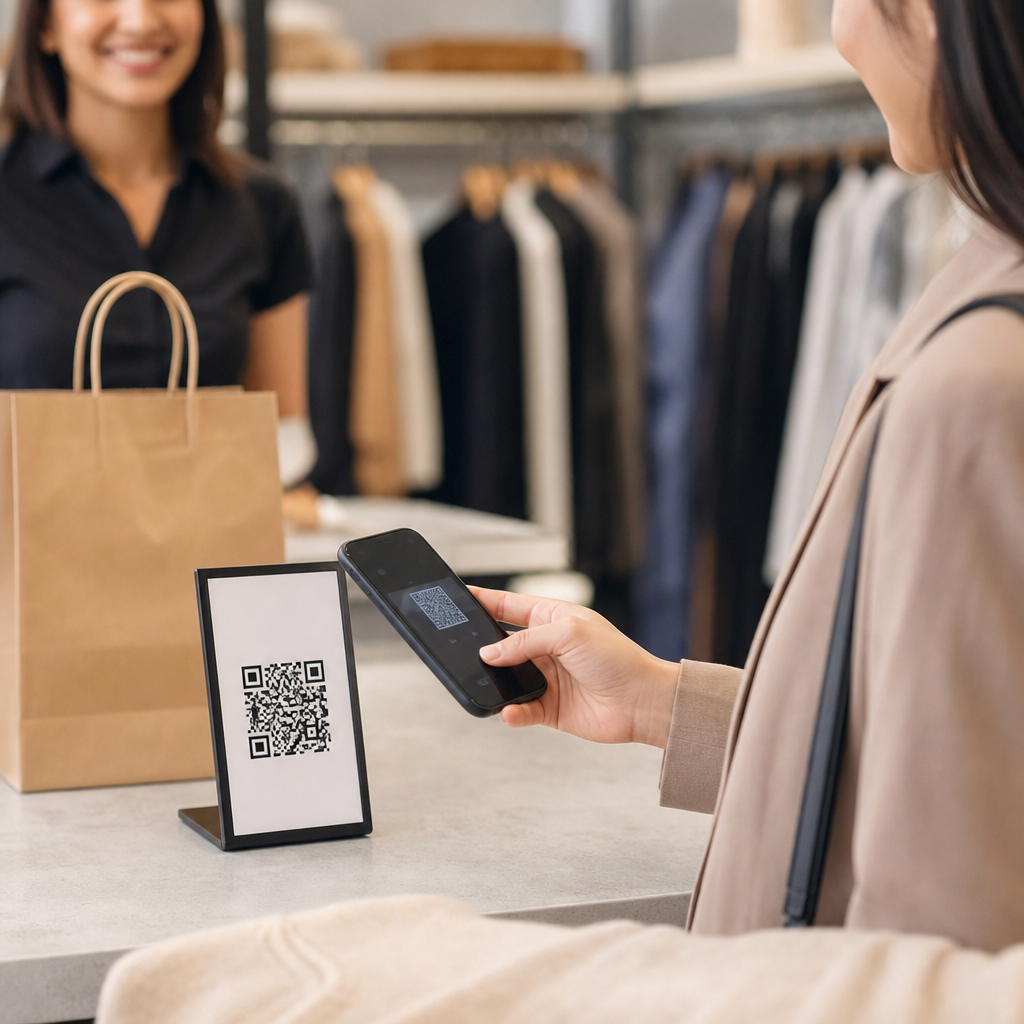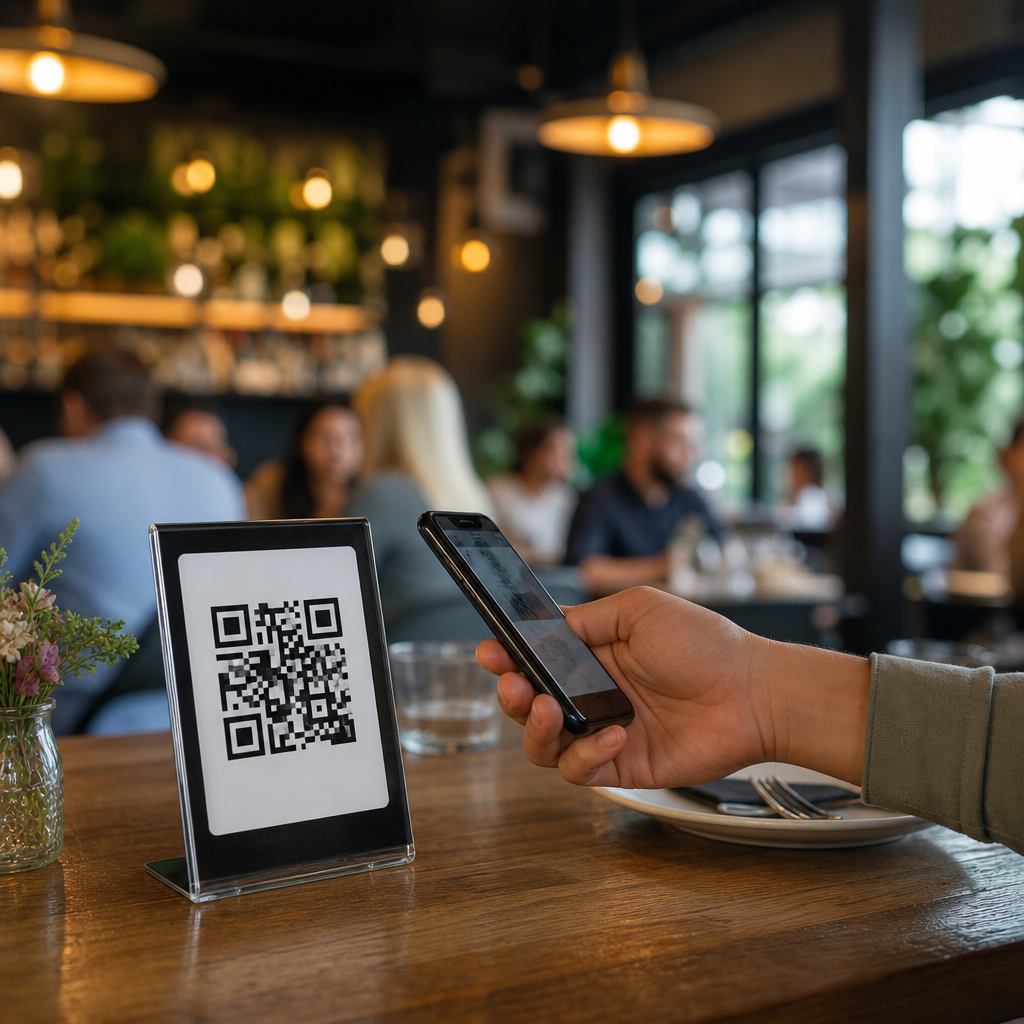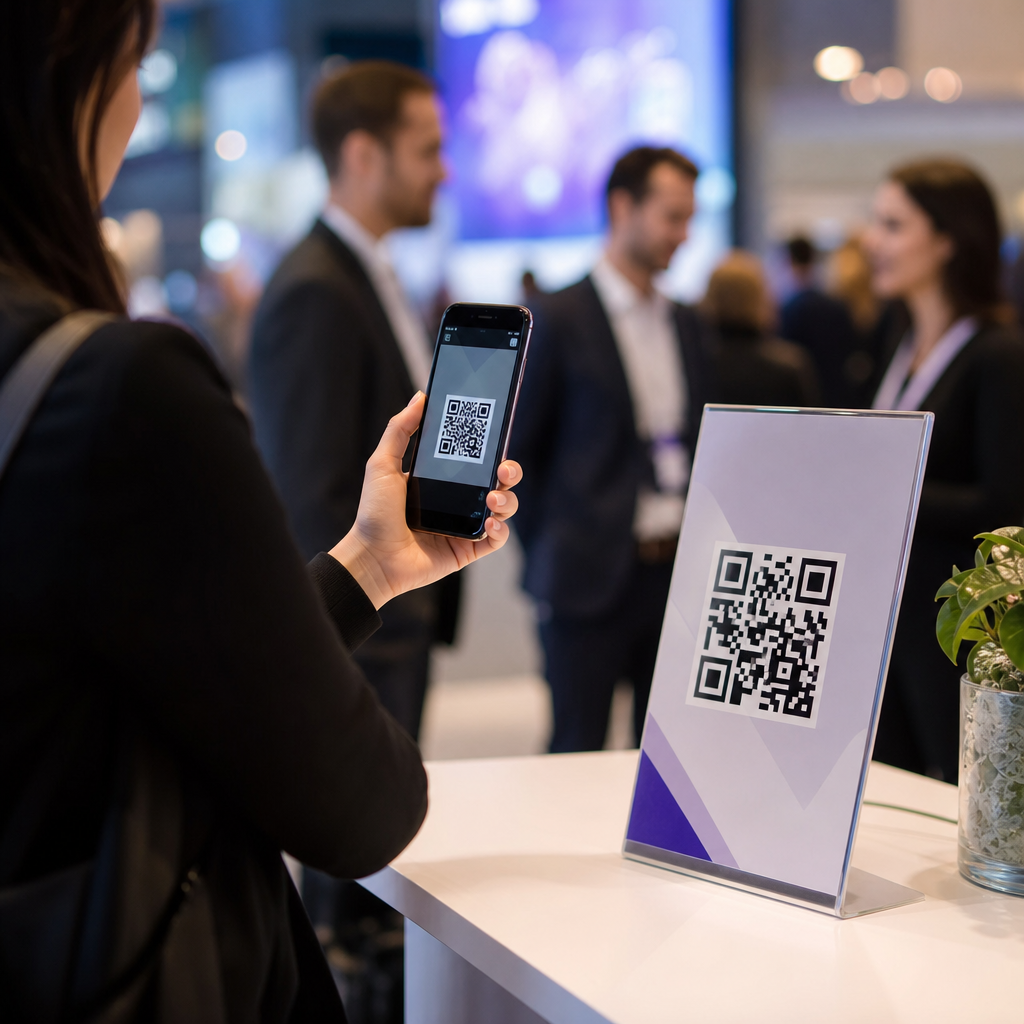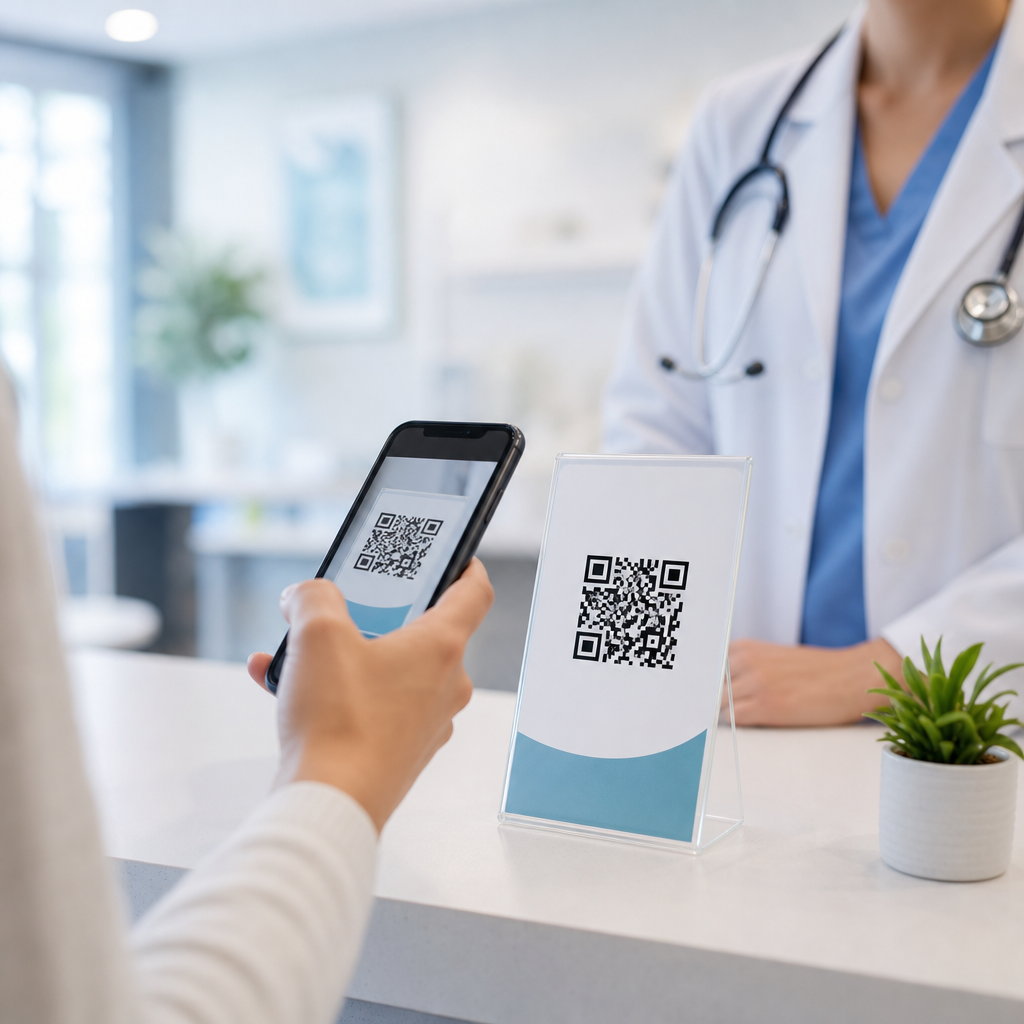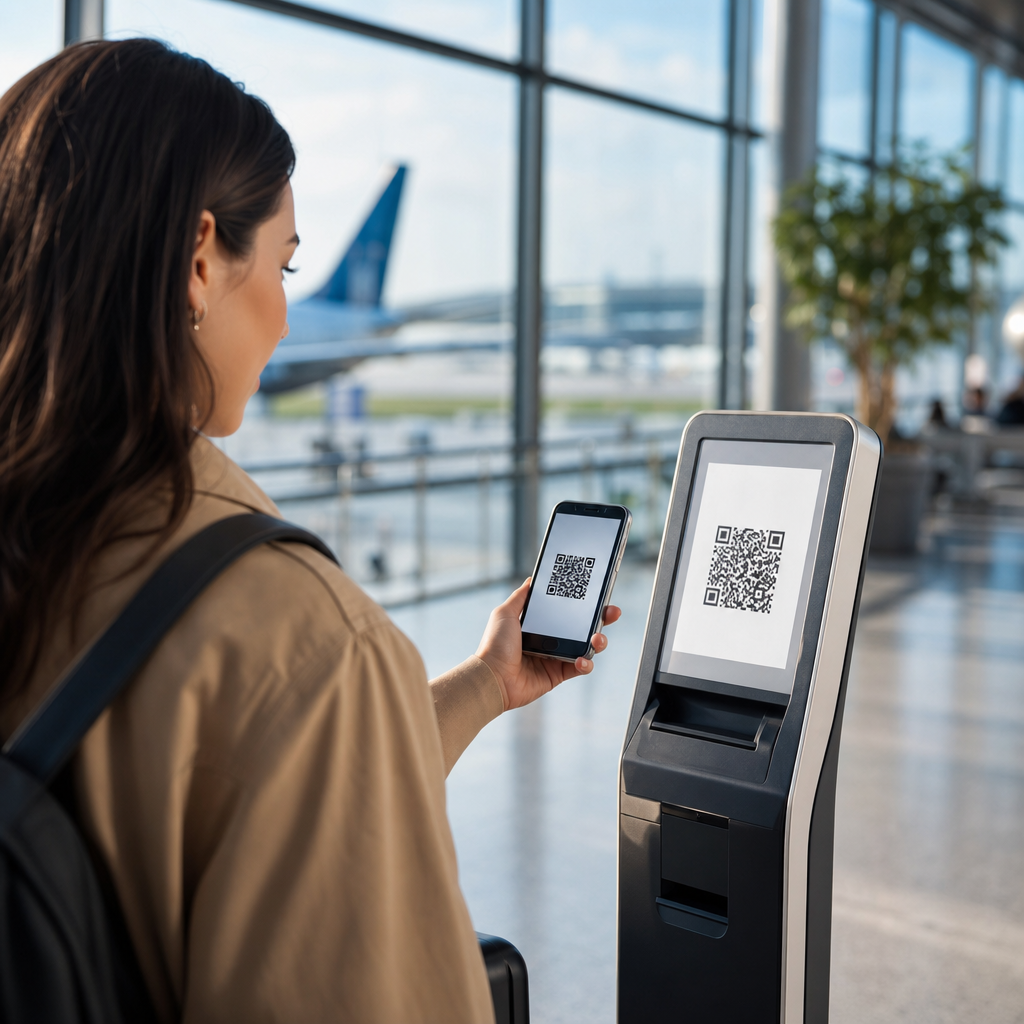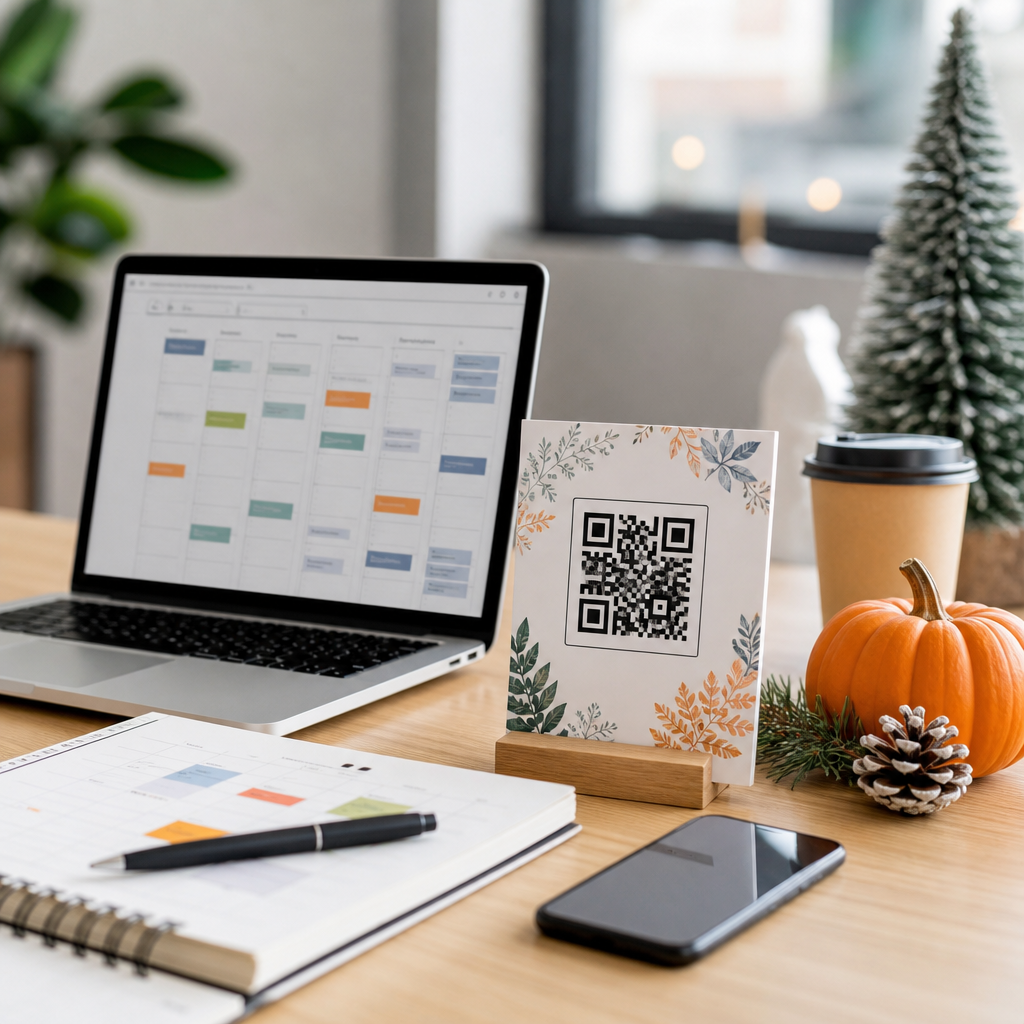
Seasonal QR code campaigns work because they connect timely customer intent with a fast path to action, turning a holiday display, event sign, package insert, or social post into an immediate digital experience. In practice, planning them well means more than printing a code with festive colors. A seasonal QR code campaign is a coordinated marketing effort that uses scannable codes tied to a specific calendar moment, audience need, offer, or event window. The season may be retail driven, such as Black Friday, Valentine’s Day, back-to-school, and Christmas, or behavior driven, such as summer travel, tax season, allergy season, and conference season. I have worked on these campaigns for retailers, restaurants, and service businesses, and the difference between mediocre results and standout performance almost always comes down to planning: the landing page, offer structure, placement, scan context, tracking model, and post-campaign analysis all matter as much as the code itself.
This topic matters because seasonal demand concentrates attention and compresses buying decisions. Customers are already primed to act, but they are also overwhelmed by competing messages. QR codes reduce friction at exactly the point where attention peaks. A shopper can scan a shelf talker for a holiday bundle, a diner can unlock a limited-time menu, and an event attendee can access a registration page without typing a URL. For businesses, seasonal campaigns create a practical testing ground for new offers, audience segments, and creative formats. They also generate measurable first-party engagement data when built with dynamic QR codes, tagged URLs, and analytics dashboards. As the hub for seasonal campaign ideas, this article explains how to plan these campaigns from strategy through execution, what seasonal formats work best, how to measure results, and which mistakes to avoid so each campaign strengthens future efforts rather than acting as a one-off promotion.
Start With Campaign Architecture, Not Artwork
The first planning step is defining the campaign architecture: objective, audience, offer, destination, placement, measurement, and operational owner. Teams often begin with artwork because the season creates urgency, but that reverses the process. In campaigns I have audited, a beautiful winter poster with a generic homepage destination underperformed a plain in-store sign linked to a holiday gift finder by a wide margin. The reason is simple: scanning is an intent signal. When someone scans, they expect a direct answer. The best destination is rarely the homepage. It is a purpose-built mobile landing page that matches the physical context of the scan.
Objectives should be singular at the campaign level even if the landing page supports secondary actions. Common objectives include coupon redemption, lead capture, app downloads, event RSVP, product education, menu browsing, and loyalty enrollment. If a bookstore runs a back-to-school campaign, the QR code on window clings might lead to teacher supply lists and student bundles, while the code inside receipts could enroll parents into a loyalty program with future textbook alerts. Those are related, but they should not share one generic code unless the analytics plan can separate traffic by placement. Dynamic QR code platforms such as Bitly, QR Code Generator PRO, Uniqode, Beaconstac, and Flowcode allow editable destinations and scan reporting, which is essential when inventory, offers, and dates change mid-campaign.
Timing is equally important. Seasonal planning should start earlier than most teams expect. For major retail periods, creative and destination pages should be approved four to eight weeks in advance, physical assets printed two to three weeks before launch, and testing completed at least one week before deployment. For local businesses, even a smaller campaign benefits from a clear timeline because delays usually appear in printing, staffing, and landing page approvals. A practical framework is pre-season, active season, and post-season: build and test before launch, optimize while live, and document insights immediately after the season ends. That final step is often skipped, yet it is what improves next quarter’s performance.
Choose Seasonal Campaign Types That Match Customer Behavior
Not every seasonal QR code campaign should push a discount. The strongest campaigns align the code with a customer task. During holiday shopping, customers need gift guidance, stock confirmation, shipping deadlines, and bundle comparisons. During summer tourism, they need maps, menus, itineraries, multilingual information, and ticketing. During tax season, they need appointment scheduling, document checklists, and deadline reminders. The campaign format should reflect that real behavior.
For retail, effective seasonal ideas include gift guides, advent-style daily offers, limited-edition product storytelling, store event check-ins, and post-purchase cross-sell journeys printed on packaging. A beauty brand, for example, can place QR codes on holiday endcaps that open a skin-type quiz and recommend gift sets, then retarget scanners through email signup incentives. For restaurants, seasonal menu launches, reservation links, loyalty offers, and table tents tied to local events perform well. A café during autumn can use cup stickers linking to a pumpkin menu, playlist, and rewards signup. For service businesses, seasonal utility wins. HVAC companies can deploy spring maintenance reminder postcards with codes leading to booking pages; accountants can use tax season mailers linking to document preparation checklists and consultation forms.
Events and community campaigns benefit from QR codes because speed matters. During conference season, a code can route attendees to schedules, speaker bios, lead forms, or exhibitor activations. During nonprofit giving periods, direct mail and posters can link to campaign stories, matching gift tools, or volunteer registration. Real-world success usually comes from relevance, not novelty. The code must answer the customer’s seasonal question in one scan. If the answer is buried behind slow pages, app gates, or unnecessary form fields, the campaign loses momentum.
Build Mobile Destinations, Offers, and Tracking That Convert
The destination experience determines whether scans become results. Every landing page should be mobile first, lightweight, and tightly matched to the source asset. Google’s PageSpeed Insights and Lighthouse remain useful for checking load speed, layout shift, and tap target spacing. For seasonal traffic spikes, pages should also be monitored for uptime and inventory sync. I have seen Black Friday QR campaigns drive strong scan volume only to fail because product pages showed out-of-stock items or promo codes expired early.
Offer design needs equal discipline. A strong seasonal offer is specific, time bound, and easy to understand in seconds. “Scan for holiday gift ideas under $50” often beats “Scan to explore our collection” because it reduces decision effort. “Book your spring tune-up by March 31 and save 15%” is clearer than a broad maintenance message. Scarcity can help, but only when truthful. Countdown timers, quantity claims, and redemption windows should reflect actual availability and policies. Misleading urgency damages trust and weakens repeat scan behavior in future campaigns.
Measurement should be set before launch. Use UTM parameters to distinguish source, medium, campaign, content, and placement. A practical naming system might separate window-poster, shelf-talker, receipt, direct-mail, and package-insert so performance can be compared accurately. Pair scan data from the QR platform with analytics tools such as Google Analytics 4, CRM reporting, POS redemption data, or marketing automation systems like HubSpot and Klaviyo. The key metrics depend on the objective: scan-through rate where impressions are known, landing page engagement, coupon redemption, average order value, booking completion, lead quality, and assisted conversions. Scan count alone is not enough. A campaign with fewer scans but higher revenue per scan is often the better investment.
| Season | High-performing QR use case | Best placement | Primary KPI |
|---|---|---|---|
| Back-to-school | Supply list bundles and teacher wish lists | Window signs, flyers, receipts | Bundle conversion rate |
| Holiday shopping | Gift guide or stock-checked bundle page | Shelf talkers, packaging, catalogs | Revenue per scan |
| Spring services | Appointment booking with deadline offer | Direct mail, door hangers, service vans | Booked appointments |
| Summer tourism | Maps, menus, itineraries, ticket links | Posters, hotel lobbies, outdoor signage | Completed sessions |
Design for Scanability in Real Seasonal Environments
Good design for QR code campaigns is functional before it is decorative. Seasonal branding should support scanning, not interfere with it. Maintain strong contrast, adequate quiet zone, and sufficient print size for the likely scan distance. Indoors, a code on a shelf talker may scan well at 1.2 to 1.5 inches square, but storefront windows, event banners, and outdoor posters usually need to be larger. Error correction can help with minor logo customization, yet excessive styling, dense patterns, or low contrast still reduce reliability. Before approving creative, test on multiple devices, under low light, through reflections, and at the actual placement height.
Context matters as much as code quality. A clear call to action should explain the benefit of scanning in plain language: “Scan for today’s holiday bundle,” “Scan to reserve your table,” or “Scan to see festival hours and parking.” Generic prompts like “Scan me” underperform because they ask for effort without offering a reason. Seasonal campaigns often appear in busy visual environments, so the value proposition has to be immediate. If the code appears where mobile connectivity is weak, such as outdoor markets or large venues, keep landing pages light and avoid auto-playing media. For restaurants and tourism operators, a PDF menu or map may seem convenient, but responsive web pages typically provide a faster, more accessible experience and allow cleaner analytics.
Operational details also influence success. Staff should know what each seasonal code does so they can mention it at checkout or during service interactions. Inventory, pricing, event capacity, and redemption rules must match the landing page. If a winter promotion runs across stores, localize destinations where needed for store hours, weather closures, and pickup availability. Seasonal traffic is unforgiving. A mismatch between the physical promise and the digital destination quickly turns curiosity into abandonment.
Test, Optimize, and Extend Value Beyond the Season
Once live, seasonal QR code campaigns should be reviewed frequently because short campaign windows amplify both wins and mistakes. During active periods, monitor scans by location, time of day, device type, and conversion path. If a code on product packaging produces strong scans but poor checkout completion, the issue may be the landing page, not the placement. If one store’s window poster underperforms, test visibility, lighting, and foot traffic patterns before changing the offer. Small adjustments during a seven-day or thirty-day campaign can materially improve results.
A/B testing is useful when variables are controlled. Test one element at a time: call to action, destination page, offer framing, or placement height. For instance, “Scan for gifts under $25” may outperform “Scan for staff picks” in a value-driven environment, while the reverse may be true in a boutique store where curation matters more than price. In email or direct mail, compare a single universal code against segmented codes by audience group. In-store, compare front-door signage with aisle-level prompts. The goal is to learn what changes conversion, not just what generates curiosity.
After the season, perform a structured review. Export scan data, analytics, sales impact, and operational notes. Identify which placements drove the highest-quality traffic, which offers converted by audience segment, and which technical issues slowed performance. Then preserve the assets that can be reused. A holiday gift finder can become a Mother’s Day or graduation gift guide with a new destination. A summer event map framework can be adapted for conference season. Dynamic QR codes make this easier because the print asset can retain value if the destination is updated responsibly and old campaign promises are retired. This hub approach is the real advantage of seasonal planning: each campaign becomes a tested template for the next one, lowering production time while improving conversion quality. If you are building a broader library of QR code campaign ideas and case studies, start by documenting one seasonal campaign in full, measure it carefully, and use those findings to create a repeatable playbook for every high-intent period on your calendar.
Seasonal QR code campaigns succeed when strategy, timing, design, and measurement work together. The code is only the bridge. The real performance comes from matching a timely customer need with a mobile destination that loads fast, answers a specific question, and makes the next step easy. Across retail, hospitality, events, and local services, the same pattern holds: campaigns perform best when the offer is relevant to the season, the placement fits the moment, and the analytics are detailed enough to show what actually drove revenue, bookings, or signups. Businesses that treat seasonal QR efforts as repeatable systems rather than last-minute promotions build stronger results over time.
The key takeaways are practical. Define one primary objective per campaign. Use dynamic QR codes so destinations and tracking remain flexible. Create mobile-first landing pages instead of sending scans to a homepage. Write direct calls to action that explain the benefit immediately. Test codes in real conditions before launch, and monitor performance while the campaign is live. Most importantly, review the data after each season so the next campaign starts with evidence instead of assumptions. That discipline turns short-lived promotions into long-term marketing assets.
If you want better results from your next holiday, event, or seasonal promotion, map your calendar now, choose one high-intent use case, and build a QR campaign around a single customer task. Then measure every scan, every visit, and every conversion so your next seasonal campaign starts smarter than the last.
Frequently Asked Questions
1. What is a seasonal QR code campaign, and why does it work so well?
A seasonal QR code campaign is a marketing initiative built around a specific time-sensitive moment, such as a holiday, back-to-school period, summer promotion, local event, product launch, or limited-time sales window. Instead of using a QR code as a generic link, the campaign connects that code to a timely customer need or motivation. For example, a shopper scanning a code on a holiday display may expect gift ideas, a discount, store hours, or a fast checkout path. Someone scanning a code at an event may want a schedule, exclusive content, registration, or a giveaway entry. The strength of a seasonal QR code campaign comes from relevance. The customer sees the code in a moment when interest is already high, and the scan removes friction by taking them directly to the next step.
These campaigns work well because they bridge the physical and digital experience instantly. A code on signage, packaging, shelf talkers, direct mail, menus, posters, window clings, or social graphics can move a person from awareness to action in seconds. That is especially valuable during seasonal periods, when purchase decisions are often more urgent and attention spans are shorter. Seasonal marketing also benefits from clear urgency. When people know an offer, event, or experience is tied to a limited timeframe, they are more likely to engage immediately rather than delay. A well-planned QR campaign captures that urgency and channels it into a measurable action such as a purchase, booking, RSVP, coupon claim, content view, or loyalty sign-up.
Another reason seasonal QR code campaigns perform strongly is that they are adaptable. The same campaign concept can be tailored for different locations, audience segments, or phases of the season. A retailer can use one code in-store for gift guides, another on package inserts for repeat purchases, and another in email or social media for early access promotions. With the right setup, marketers can track scan volume, conversion paths, device types, timing, and landing page performance, giving them practical data to improve campaign results while the season is still active.
2. How do you plan a seasonal QR code campaign from start to finish?
The most effective way to plan a seasonal QR code campaign is to start with the business goal, not the code design. Before creating anything, define exactly what the campaign should accomplish. That may be increasing sales, driving event attendance, boosting redemptions, growing an email list, promoting a limited-time product, encouraging app downloads, or moving customers from physical materials to a digital experience. Once the objective is clear, identify the target audience and the specific seasonal context. A holiday shopper, festival attendee, restaurant guest, and returning customer all have different expectations, so the scan destination and message should reflect the situation in which the code will be seen.
Next, map the customer journey. Ask what happens before the scan, during the scan, and after the scan. The placement matters just as much as the destination. If the QR code appears on a store window, the landing page may need hours, featured products, and a fast mobile path to shop. If it appears on an event sign, users may need directions, check-in details, schedules, or sponsor offers. If it is printed on seasonal packaging, the post-scan experience might include recipes, care instructions, bonus content, loyalty rewards, or a reorder page. Every campaign should answer one question clearly: what value does the customer get by scanning right now?
From there, build the campaign assets and timeline. Create a mobile-friendly landing page that loads quickly, has a strong headline, and matches the seasonal message shown near the code. Use a short and direct call to action such as “Scan for holiday deals,” “Scan to RSVP,” or “Scan for your summer menu.” The page should make the next step obvious and easy. Then test the QR code itself across devices, lighting conditions, sizes, and print surfaces. Confirm that the code is easy to scan and that the destination works on different mobile browsers. Finally, launch early enough to capture pre-season interest, monitor performance in real time, and optimize during the campaign window. Good planning treats the QR code as one part of a complete seasonal system involving audience timing, messaging, placement, design, tracking, and conversion.
3. What should a seasonal QR code link to in order to maximize results?
A seasonal QR code should link to a destination that is highly relevant to the customer’s immediate intent and tailored to the campaign goal. One of the biggest mistakes brands make is sending users to a generic homepage. That usually creates friction because the person has to search for the seasonal offer or information they expected to find. Instead, the link should lead to a dedicated landing page or experience built for that exact promotion, event, or seasonal need. If the code appears on a holiday display, the landing page might feature curated gift bundles, limited-time discounts, inventory highlights, shipping deadlines, and a clear purchase button. If it appears at a seasonal event, it might open a registration form, map, agenda, live updates page, or sponsor activation hub.
The best destination depends on where the scan happens and what the user likely wants in that moment. In-store shoppers often respond well to product comparisons, reviews, coupons, bundles, or loyalty incentives. Restaurant guests may want a seasonal menu, preorder option, nutrition details, or a holiday booking page. Package insert scans may work best when they lead to setup help, seasonal recipes, care tips, reorder links, referral offers, or user-generated content campaigns. For social or printed advertising, the destination could include lead capture, contest entry, exclusive video, downloadable guide, or early access to a limited release. The key is reducing decision fatigue and moving the customer directly into the action you want them to take.
It is also smart to think beyond a single page. The most successful seasonal QR campaigns often use tailored experiences with strong conversion elements such as click-to-buy buttons, calendar adds, one-tap coupon saves, store locators, email or SMS sign-up forms, and mobile wallet offers. If possible, personalize by audience segment, geography, or campaign channel. Dynamic QR codes can be especially useful because they allow you to update destinations without reprinting materials. That flexibility is valuable when inventory changes, deadlines shift, or you want to transition from pre-season teasers to peak-season offers and then to post-season follow-up content. In short, maximize results by linking to a purpose-built, mobile-optimized experience that meets the user exactly where their intent is strongest.
4. What are the most important design and placement best practices for seasonal QR codes?
Design and placement can determine whether a seasonal QR code campaign gets ignored or scanned at scale. First, the code must be easy to notice and easy to scan. That means using sufficient size, high contrast, and a clean background. Seasonal styling can be helpful for brand consistency, but it should never interfere with functionality. Decorative colors, patterns, or overdesigned frames can reduce scan reliability if they compromise contrast or the quiet space around the code. A festive look is fine, but readability comes first. If the QR code appears on print materials, signage, packaging, or outdoor displays, test the final version in realistic conditions before launch.
Placement should reflect user behavior and physical context. A code placed too high on a window, too low on a shelf, or in a dimly lit corner will underperform no matter how strong the offer is. Think about how far away the user will be, whether they will be standing still or moving, and what they are likely doing when they see it. For example, a code on an event banner may need to be larger because people scan from farther away. A package insert can be smaller because it is handled up close. In-store signage should be positioned where customers naturally pause, such as aisle endcaps, checkout areas, fitting rooms, entry points, or seasonal displays. For direct mail, put the code near the primary call to action so it feels like a natural next step rather than an afterthought.
Just as important, always pair the code with a clear instruction and a compelling reason to scan. People are much more likely to engage when they know what they will get. Use simple nearby text such as “Scan for holiday gift picks,” “Scan to unlock your event pass,” or “Scan for limited-time spring savings.” This removes ambiguity and sets expectation. It also helps to include trust signals like your brand name, recognizable design, or supporting text that reassures users the destination is legitimate. Finally, make sure the page the code opens is mobile-friendly and fast, because the scan experience does not end at the code itself. Great seasonal QR design is not just visual; it is a complete user experience from first glance to final action.
5. How do you measure the success of a seasonal QR code campaign and improve it over time?
Measuring a seasonal QR code campaign starts with defining the right success metrics for the specific objective. If the campaign is focused on sales, key metrics may include scans, click-throughs, conversion rate, average order value, revenue attributed to scans, and coupon redemptions. If the goal is attendance or engagement, you might track registrations, RSVPs, check-ins, form completions, content views, dwell time, or repeat visits. Raw scan volume is useful, but it is only the beginning. A campaign with fewer scans but stronger conversion quality may be far more successful