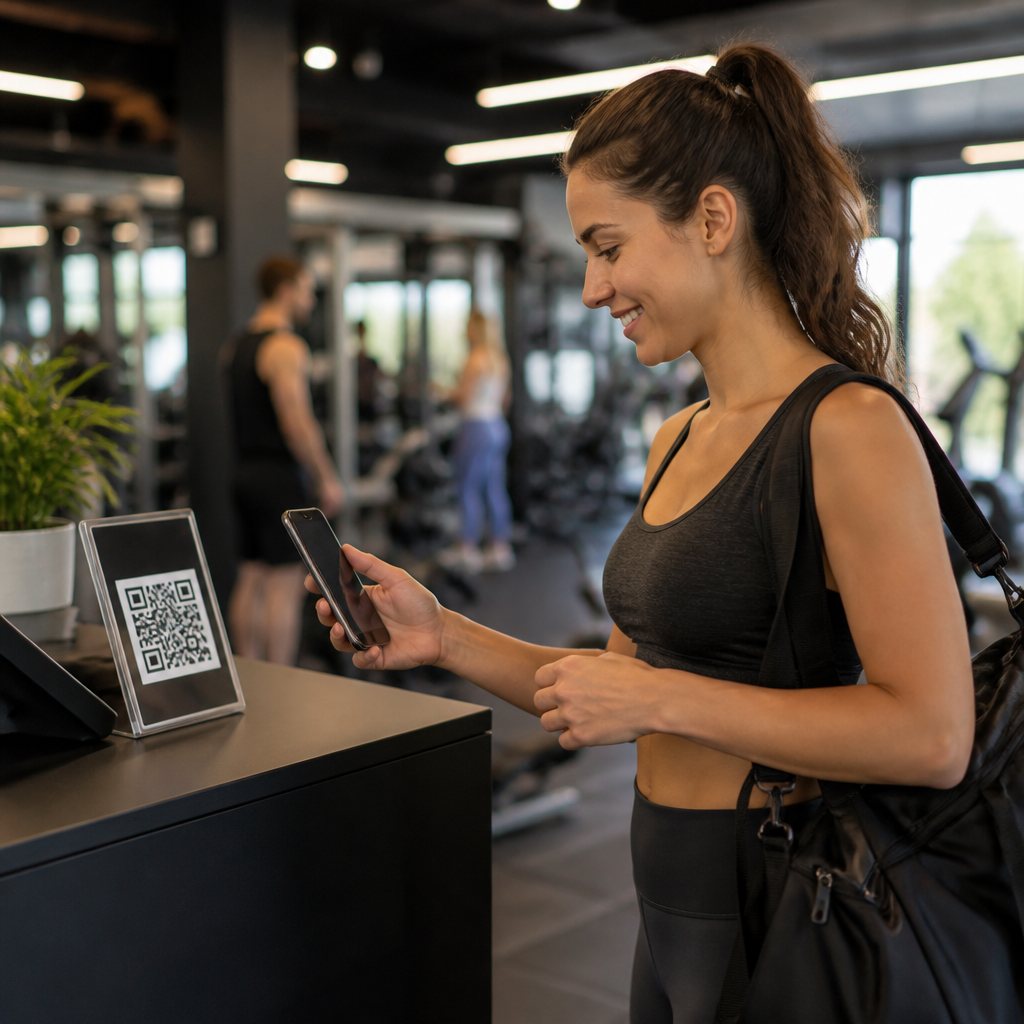
QR codes have become one of the most practical tools gyms use to increase member engagement because they connect physical spaces, equipment, staff interactions, and digital content with almost no friction. In a fitness setting, member engagement means the ongoing actions that show involvement with the gym: class bookings, app usage, equipment education, challenge participation, feedback submissions, referrals, and repeat visits. A QR code is simply a scannable image that sends a member to a destination such as a workout video, check-in page, waiver, loyalty form, or offer. When gyms use QR codes well, they reduce staff workload, improve the member experience, and create measurable touchpoints across the entire member journey.
I have seen this work best when the code is not treated as a gimmick. A code stuck randomly on a wall does very little. A code placed at the exact moment a member needs help, motivation, or information can lift participation quickly. For example, a member standing in front of a rowing machine is far more likely to scan a code for a thirty-second setup demo than to search the gym website later. That immediacy is why QR codes matter in fitness marketing and operations. They turn intent into action in real time, which is especially valuable in an industry where convenience, habit formation, and personalized guidance drive retention.
For gyms, this topic matters beyond convenience. Member acquisition is expensive, and most facilities feel pressure from rising ad costs, boutique competition, and high churn in the first ninety days. According to widely cited industry benchmarks from IHRSA and club operators, retention is often more profitable than constant acquisition. QR codes support retention by making onboarding smoother, education easier, and communication more contextual. They also support revenue by promoting personal training, premium classes, retail items, and corporate wellness offers directly inside the club. As a result, QR codes sit at the intersection of marketing, member experience, and operational efficiency.
This article serves as a hub for fitness and gym use cases within the broader topic of QR codes in marketing. It covers where gyms place QR codes, what destinations they should use, how they track performance, and which mistakes reduce scan rates. It also addresses practical questions gym owners, marketers, and operators usually ask: what kind of QR code works best, how staff should introduce it, and how to design campaigns that members actually use. The goal is not to present QR codes as a novelty. The goal is to show how they can become a reliable engagement system across onboarding, training, classes, promotions, community building, and feedback.
Why QR codes fit the gym member journey
Gyms are physical businesses with many digital tasks. Members need to sign waivers, book sessions, learn equipment, redeem offers, join challenges, and communicate with staff. Each of those actions creates a small point of friction. In my experience, friction compounds quickly in a club environment because people are busy, moving, and often using one hand while carrying a water bottle or gym bag. QR codes work in this environment because they remove typing, searching, and waiting. The member scans, lands on the exact resource, and completes the action immediately.
The strongest use cases map directly to the member journey. Before joining, prospects scan codes on posters, windows, flyers, and event booths to claim a day pass or tour. During onboarding, new members scan for welcome videos, club rules, mobile app setup instructions, and starter workouts. During active use, they scan equipment tutorials, class schedules, recovery guides, and trainer bios. After a visit, they scan to leave feedback, refer a friend, or purchase a follow-up program. This creates continuity between marketing and service rather than treating them as separate functions.
Static and dynamic QR codes serve different purposes. A static code sends users to a fixed destination and cannot be changed after printing. A dynamic code routes through a management platform, allowing the gym to update the destination, track scans, segment by location, and run time-based campaigns without reprinting signage. For most gym marketing applications, dynamic codes are the better choice because campaigns, offers, schedules, and landing pages change often. Platforms such as QR Code Generator, Bitly, Beaconstac, and Uniqode are commonly used because they support analytics, editable destinations, and branded designs.
Onboarding and check-in use cases that improve early retention
The first weeks of membership often determine whether a new joiner becomes a regular or cancels. QR codes can reduce drop-off by guiding members through a structured onboarding path. A welcome board near reception can include separate codes for app download, class booking, personal training consultation, club map, and beginner workout plans. When these actions are bundled into a “start here” flow, adoption rises because members do not have to ask staff every small question. That does not replace human service; it supports it by freeing staff to focus on coaching and relationship building.
Check-in is another useful touchpoint. Many gyms already use barcode or app-based entry, but QR codes can supplement access for guests, trial users, or event participants. A campaign-specific code can send prospects to a guest pass form, then generate a confirmation page for front-desk validation. During peak periods, that cuts clipboard lines and gives the gym immediate lead capture with consent. It also creates attribution. If a prospect scanned a poster in a nearby apartment complex and then booked a tour, the gym can see which placement produced the lead.
Orientation content performs especially well when delivered by QR code because members consume it inside the facility where relevance is highest. A code at the free-weight area might open a short page titled “Your first strength session,” covering etiquette, safety clips, and sample exercises. A code in the locker room can explain towel service, recovery areas, and cleaning expectations. These are small details, but they shape confidence. New members who know how to navigate the club are more likely to return within the critical first month.
Equipment education, programming, and personal training upsells
One of the most effective gym QR code strategies is placing codes directly on or beside equipment. The destination should answer one immediate question: how do I use this correctly? A strong equipment page includes setup steps, target muscles, common errors, contraindications, and a short demonstration video. Some clubs also add regressions and progressions, which is helpful for both beginners and experienced users. If the member feels successful using the machine, the gym increases confidence, safety, and time-on-site.
Equipment QR codes also create a natural bridge to programming and coaching. For example, a leg press tutorial can include a prompt to “Get a custom lower-body plan” linking to a personal training consultation form. A cable machine guide can link to a pull-day workout PDF or in-app routine. This matters because many members want guidance but hesitate to approach a trainer. The code offers a low-pressure starting point. In clubs where I have seen this implemented properly, trainers report warmer leads because the member arrives with context and intent rather than vague curiosity.
The educational destination should be mobile-first and fast. Members will not watch a five-minute lecture while standing between sets. The most effective format is a short video, a concise checklist, and one next step. Analytics can reveal which equipment pages get the most scans, which often highlights member uncertainty. If the assisted pull-up machine attracts heavy scanning, that signals a need for better floor coaching, clearer signage, or a beginner strength workshop. In that way, QR code data is not just a marketing metric; it is also operational feedback.
Classes, challenges, and in-club campaigns that drive participation
Group fitness is one of the strongest retention levers in the industry because it builds routine and community. QR codes help gyms increase class participation by reducing the distance between interest and booking. A poster outside the studio can feature a code for the live class schedule, instructor profiles, or a beginner guide explaining intensity levels. This is especially useful for members who feel intimidated by formats such as HIIT, spin, or reformer-based training. When uncertainty drops, trial rates improve.
Challenges are another high-value use case. Many clubs run step contests, attendance streaks, transformation challenges, or nutrition programs, but paper sign-up sheets often create administrative drag. A QR code on entry doors, mirrors, and social posts can direct members to a registration page, waiver, rules, and leaderboard. Because the action is digital, the gym can automate reminders and segment participants for future offers. A member who joined an eight-week fat-loss challenge may later receive targeted messaging about small-group training or meal-planning workshops.
| Gym area | QR code destination | Primary engagement goal |
|---|---|---|
| Front desk | Guest pass or app download | Lead capture and onboarding |
| Cardio zone | Machine tutorial or interval workout | Education and session completion |
| Group studio | Class booking and instructor profiles | Class participation |
| Locker room | Amenities guide and feedback form | Convenience and satisfaction |
| Cafe or retail area | Supplement details or loyalty offer | Ancillary revenue |
Seasonal campaigns also benefit from QR flexibility. In January, the code might promote a six-week starter series. In summer, the same printed sign can redirect to hydration tips, outdoor bootcamp schedules, or referral offers if the gym uses a dynamic platform. That ability to keep signage in place while changing the landing experience is one reason operators favor dynamic codes over static ones for recurring campaign surfaces.
Community, referrals, feedback, and retention measurement
Member engagement is not only about workouts. Community signals matter: referrals, reviews, event participation, social sharing, and survey responses all indicate connection to the brand. QR codes can support each one. After a great class, a code at the studio exit can invite members to leave a quick rating or post a review. At member appreciation events, a code can link to a photo gallery, prize entry form, or charity fundraiser page. Near the exit, a code can offer a refer-a-friend pass with trackable attribution.
Feedback collection is often overlooked, yet it is one of the most useful applications. Instead of waiting for annual surveys, gyms can gather micro-feedback in specific areas. A code in the locker room can ask about cleanliness. A code in the recovery zone can ask whether members understand how to use compression boots or massage devices. A code after a personal training block can request a net promoter score response and a testimonial. Because the feedback is tied to place and context, it is usually more actionable than generic surveys emailed days later.
Measurement should focus on outcomes, not scan volume alone. Useful metrics include scan-to-signup rate, class booking conversion, guest pass submissions, trial-to-membership conversion, personal training consultation requests, and repeat participation in challenges. UTM parameters in links, event tracking in Google Analytics 4, CRM tagging in HubSpot or Mindbody, and call-to-action specific landing pages make attribution much cleaner. If one code gets fewer scans but leads to more consultations, it is more valuable than a high-scan code with weak intent. That is the discipline gyms need to apply when evaluating QR performance.
Design, placement, and implementation best practices for gyms
Successful QR code programs depend on practical execution. First, members need a clear reason to scan. “Scan here” is weak. “Scan for a 3-minute beginner treadmill workout” is specific and useful. Second, the destination must match the context. A code on a squat rack should not open the gym homepage. It should open squat guidance, safety tips, or coaching options. Third, signage must be readable from the expected distance, with enough contrast and white space to scan under gym lighting conditions.
Branding matters, but function matters more. Custom colors, logos, and frames can improve trust if they still preserve scannability. I recommend testing every code on both iPhone and Android devices before printing at scale. Gyms should also avoid placing codes on curved, reflective, or heavily textured surfaces where cameras struggle. If a code is on equipment, position it where a user can pause safely to scan without blocking movement or violating manufacturer guidance. Accessibility matters too. Pair the code with a short URL for members whose phones or cameras have difficulty scanning.
Staff training is essential. Front-desk teams, trainers, and instructors should know what each visible code does and when to mention it naturally. A simple script works: “If you’re new to this machine, scan the code for a quick setup demo.” This keeps the interaction helpful rather than salesy. Finally, every gym should review code performance monthly, retire underperforming placements, update stale destinations, and test new calls to action. The best QR strategy is iterative. Start with high-intent use cases, measure actual behavior, and expand based on evidence.
QR codes give gyms a simple way to turn physical attention into digital action, and that is why they have become such a valuable engagement tool. They help prospects claim offers, help new members get started, help regulars use equipment confidently, and help operators promote classes, challenges, referrals, and feedback without adding unnecessary friction. When each code is tied to a specific moment in the member journey, the result is not just more scans. The result is better onboarding, stronger participation, clearer attribution, and a more connected club experience.
The most effective gym QR code strategy is built around relevance, speed, and measurement. Relevance means the destination solves the exact need the member has in that location. Speed means the landing page loads fast, reads clearly on a phone, and asks for only the next logical action. Measurement means the gym tracks conversions, not vanity metrics, and improves placements over time. Dynamic codes, mobile-first pages, CRM integration, and staff awareness make the difference between scattered experiments and a repeatable system that supports both marketing and operations.
For fitness brands building out industry-specific QR marketing, this gym hub should be the starting point. From here, the next step is to map your own facility by zone, identify the questions members ask most often, and assign a QR experience to each high-value touchpoint. Start with onboarding, equipment education, and class booking, then expand into referrals, feedback, and upsells once the foundation is working. If you treat QR codes as part of the member experience rather than just a graphic on the wall, they can become one of the most efficient engagement tools in your gym.
Frequently Asked Questions
How do gyms use QR codes to improve member engagement?
Gyms use QR codes as quick access points that connect members to useful digital actions without adding unnecessary steps. Instead of asking someone to search for a class schedule, download a PDF, or ask the front desk for every detail, the gym can place a QR code exactly where the member needs it. A code at reception might link to membership perks, a code outside a studio can open class booking, and a code on a machine can show exercise instructions, safety guidance, or suggested workouts. This reduces friction and makes members more likely to take action in the moment.
From an engagement perspective, this matters because member involvement usually depends on convenience. People are more likely to book classes, join challenges, submit feedback, use the gym app, or explore personal training services when the path is immediate and simple. QR codes support that by turning physical spaces into interactive touchpoints. A member walking through the gym can scan codes to access onboarding tips, nutrition content, event calendars, trainer bios, or referral offers. That creates more touchpoints between the member and the gym brand, which helps build habits, confidence, and consistency.
QR codes also help gyms personalize the member experience at scale. For example, a beginner area can feature codes linked to starter routines, while a performance zone can link to advanced training content. Group fitness members can scan into specialty challenges, while strength-training members can access form tutorials or progress trackers. In each case, the code serves as a bridge between the physical workout environment and the digital support system that keeps members engaged over time.
Where should gyms place QR codes for the best member response?
The best placement for gym QR codes depends on the action the gym wants members to take, but the most effective locations are usually the ones tied to immediate intent. Front desk areas are ideal for general actions such as app downloads, membership information, referral programs, waivers, and promotions. Studio entrances are strong locations for class schedules, bookings, waitlists, and instructor information. Cardio and strength equipment are especially useful for exercise demonstrations, machine setup instructions, beginner guidance, and links to workout plans.
Locker rooms and recovery areas can also perform well when the content matches the member mindset in those spaces. A code near stretching or recovery stations might lead to mobility routines, hydration tips, post-workout recovery guidance, or wellness services such as massage and coaching. Community boards, café areas, and lounge spaces can support event registrations, gym challenges, newsletters, and social media engagement. Even mirrors, water stations, and check-in gates can work well if the messaging is clear and relevant.
The key is context. A QR code should feel useful, not random. If a code is placed on a squat rack, the destination should relate to lifting technique, workout tracking, or safety, not a generic homepage. Clear calls to action also improve scan rates. Instead of showing only the code, gyms should add short, specific prompts such as “Scan for a 10-minute beginner workout,” “Scan to book your spot,” or “Scan for proper machine setup.” Good visibility, strong mobile-friendly landing pages, and logical placement all contribute to better response and stronger engagement.
What kind of content should a gym link to with QR codes?
Gyms should link QR codes to content that helps members do something valuable quickly. The strongest destinations are practical, action-oriented, and relevant to the member’s location or stage in the fitness journey. Common examples include class schedules, booking pages, app downloads, trainer introductions, onboarding videos, equipment tutorials, workout libraries, gym maps, and FAQs. These are useful because they remove uncertainty and help members feel more confident using the facility and services available to them.
Educational content is especially effective in a gym setting. Many members, particularly beginners, feel unsure about how to use certain machines, structure a workout, or improve exercise form. A QR code on or near equipment can link to short instructional videos, step-by-step usage guides, common mistakes to avoid, and safety recommendations. This not only supports engagement but can also improve the overall member experience by making the gym feel more approachable and supportive.
Gyms can also use QR codes for community and retention-focused content. For example, a code might lead to monthly challenges, reward programs, referral offers, feedback forms, transformation stories, event signups, or nutrition resources. Personal training consultations, goal-setting questionnaires, and progress check-ins are also strong options. The most effective content is content that encourages the next step. If a member scans a code and immediately finds something useful, timely, and easy to act on, the gym has a much better chance of increasing repeat interaction and long-term participation.
Can QR codes help gyms track and measure member engagement?
Yes, QR codes can be very useful for measuring member engagement when they are set up with trackable links and clear campaign goals. Each QR code can point to a unique URL, which allows the gym to see how often that code was scanned, when scans happened, and in some cases which locations or placements performed best. For example, a gym could compare scans from codes placed in the weight room, at the front desk, and outside a spin studio to understand which member touchpoints generate the most action.
Tracking becomes even more valuable when scan data is tied to a specific outcome. Instead of measuring scans alone, gyms can look at what happened after the scan: Did members book a class, sign up for a challenge, download the app, submit feedback, or request a personal training consultation? This gives the gym a more complete picture of true engagement. A code that gets fewer scans but leads to more class bookings may be more valuable than a code with high scan volume but little follow-through.
Over time, this data helps gyms refine their engagement strategy. They can test different call-to-action wording, landing pages, offers, and placements to improve results. They can also identify what content members find most useful. If equipment tutorials are heavily scanned but nutrition guides are not, that signals where current member interest is strongest. Used properly, QR code analytics turn physical gym spaces into measurable engagement channels, which is helpful for both marketing teams and operations staff trying to improve retention and member satisfaction.
What are the best practices for using QR codes successfully in a gym environment?
The most important best practice is to make every QR code purposeful. A gym should never use a code just because it is available as a tool. Each code should lead to a clear destination that matches the member’s needs in that exact moment. If the code is near a machine, the destination should support machine use. If it is outside a class studio, it should support booking, schedules, or class details. Relevance is what makes QR codes feel helpful instead of gimmicky.
Design and usability also matter. QR codes should be large enough to scan easily, placed at a comfortable height, and printed with strong contrast. The call to action should explain what members will get when they scan. Mobile optimization is essential because the landing page experience determines whether the interaction continues or ends immediately. If the page loads slowly, requires too many steps, or is difficult to navigate, engagement drops fast. A smooth mobile experience is just as important as the code itself.
Gyms should also keep content current and monitor performance regularly. Outdated landing pages, expired promotions, and broken links can damage trust and reduce future scan behavior. It is also smart to use dynamic QR codes when possible, since they allow the destination link to be updated without reprinting materials. Finally, gyms should think about the member journey as a whole. QR codes work best when they are part of a larger engagement system that includes good onboarding, staff support, useful digital content, and follow-up actions. When integrated thoughtfully, QR codes become a simple but highly effective way to connect members with the resources, services, and experiences that keep them active and engaged.