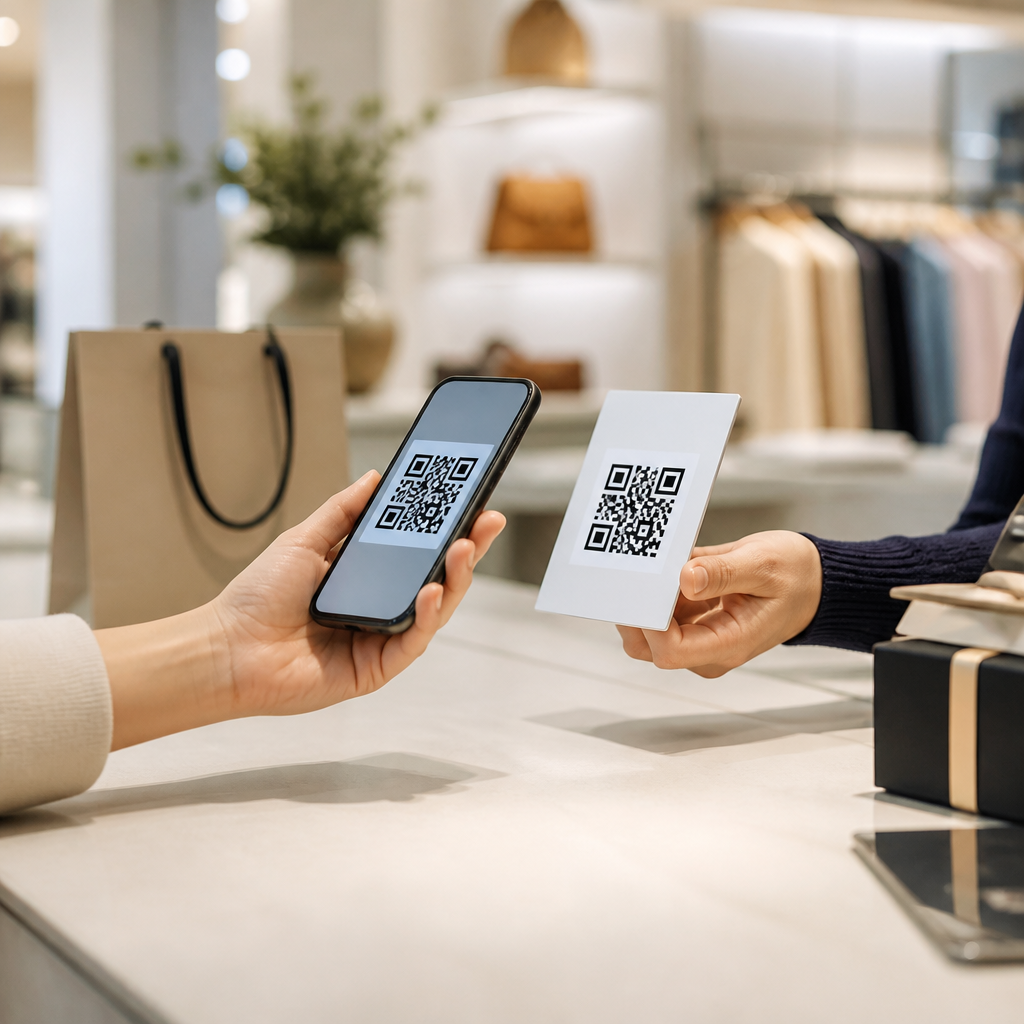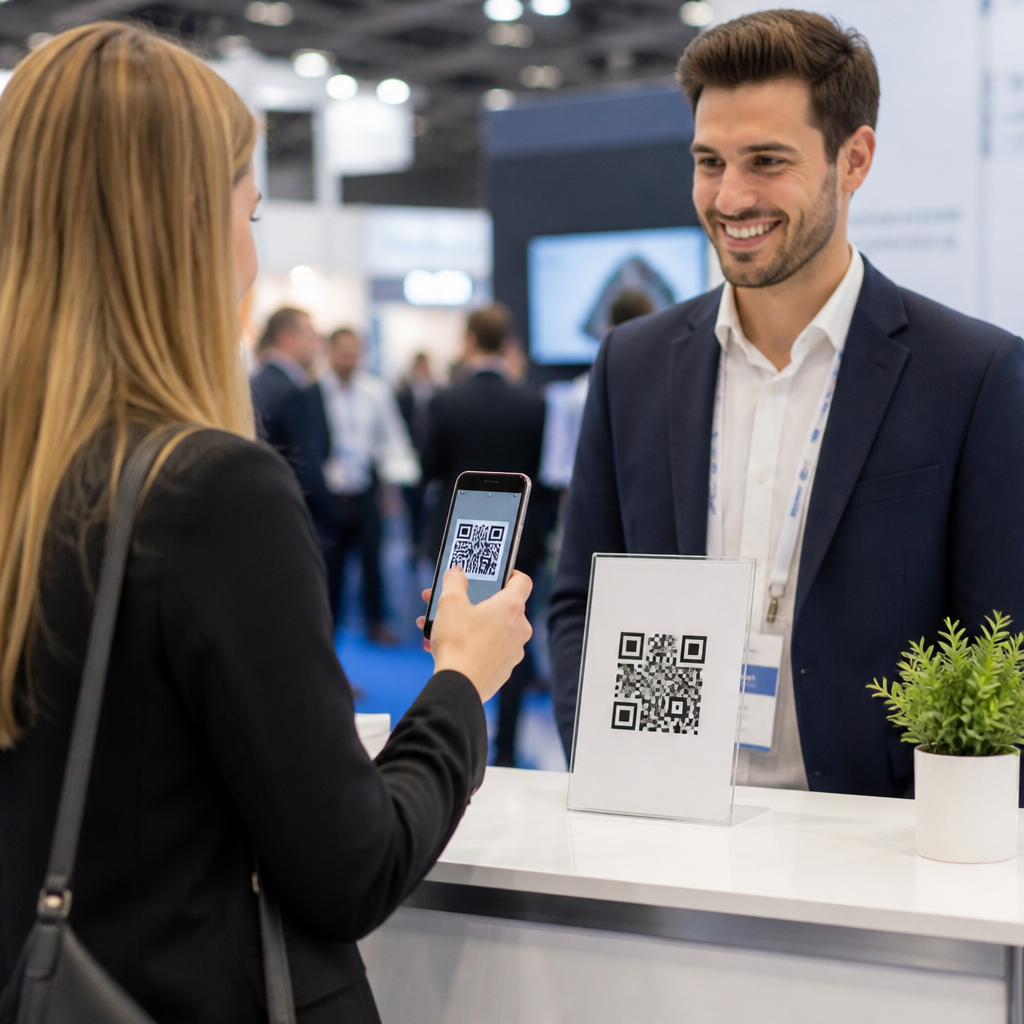
QR codes for lead capture at trade shows have moved from a novelty to a practical revenue tool because they remove friction at the exact moment a prospect shows interest. In events and conferences, speed matters: booth traffic is uneven, staff are multitasking, and attendees are reluctant to wait while someone types details into a tablet. A QR code turns a poster, badge, demo station, product shelf, or giveaway into a self-serve conversion point that works whether the booth is crowded or quiet.
Lead capture, in this context, means collecting contact details and qualifying information from event attendees so sales and marketing teams can follow up after the show. The QR code itself is only the access point. The real system includes the destination page, the form, the incentive, the CRM connection, the consent language, and the follow-up workflow. When those pieces are designed well, scans become attributable pipeline instead of a stack of business cards that no one can confidently score.
I have implemented QR code lead capture for exhibition booths, conference sponsorships, hotel-based executive events, and field marketing pop-ups, and the same pattern appears every time: the highest-performing programs reduce taps, ask fewer questions upfront, and connect every scan to a specific context. A general booth code performs adequately. A code tied to a session topic, product line, speaking slot, or live demo consistently performs better because the attendee intent is clearer and the sales follow-up can be more relevant.
This matters because trade shows are expensive. Booth space, fabrication, travel, sponsorships, shipping, labor, and post-event outreach can consume a large portion of a quarterly marketing budget. If lead collection is slow, inaccurate, or impossible to attribute, event ROI becomes guesswork. QR codes help solve that by creating measurable entry points across the attendee journey. They also support a broader events and conferences strategy: pre-event promotion, on-site engagement, session participation, partner activations, and post-event nurture. As a hub topic within QR codes in marketing, this article explains how to use them across event formats, industries, and buying motions so every scan contributes to usable sales intelligence.
How QR code lead capture works at trade shows
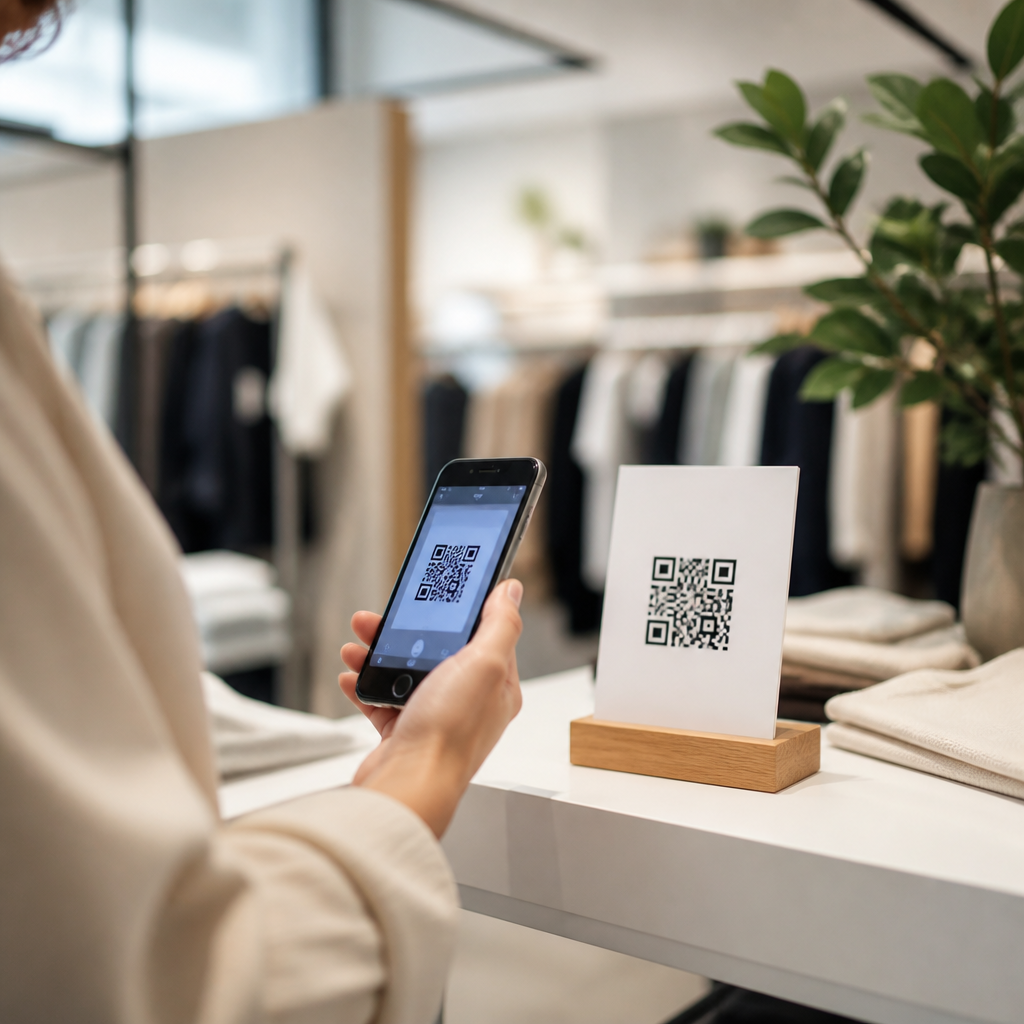
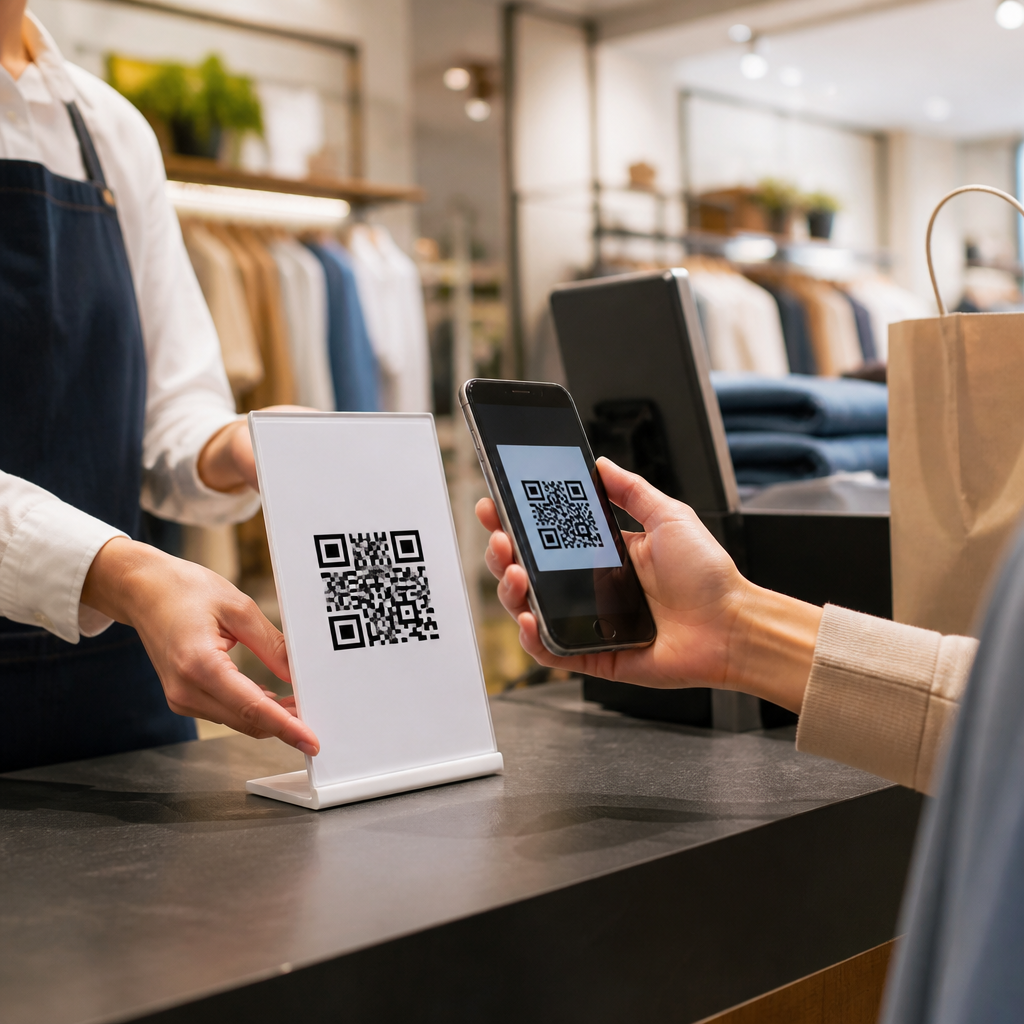
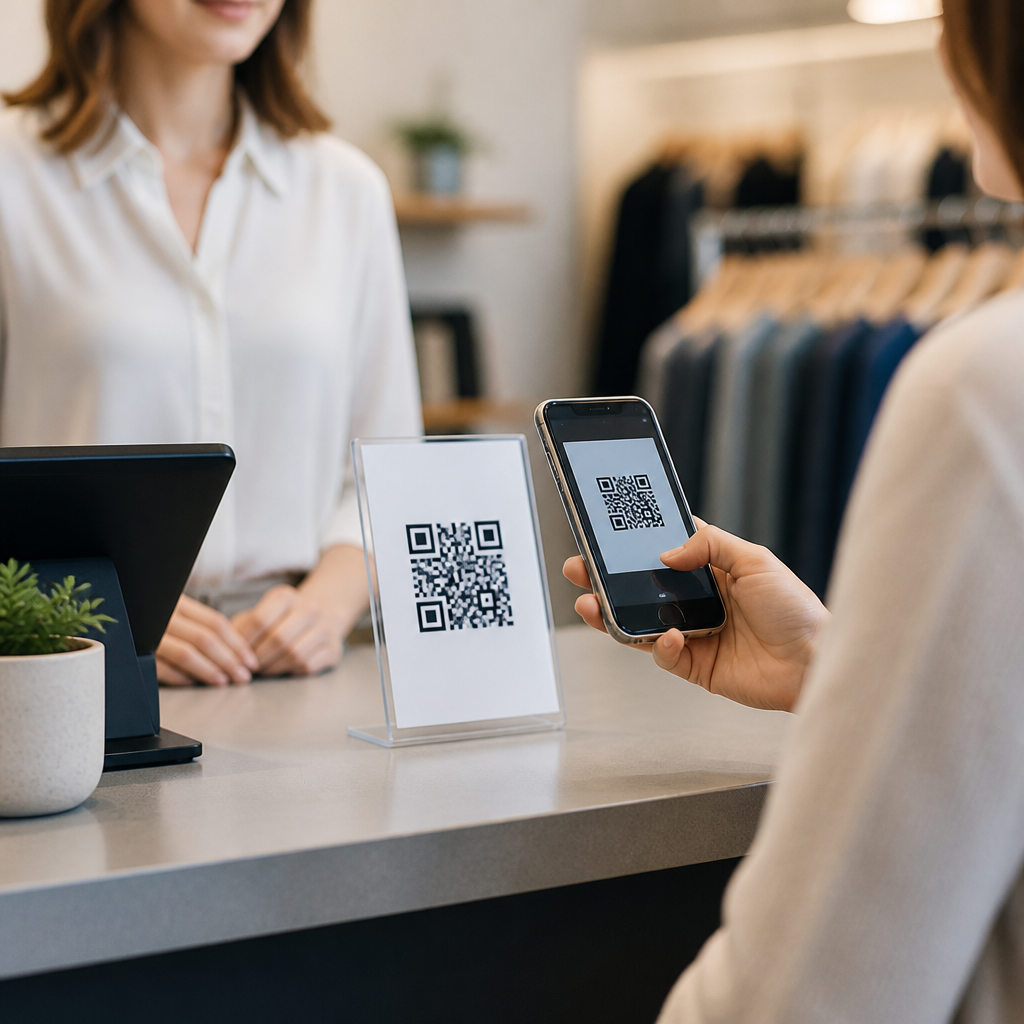
A trade show QR lead capture flow usually follows five steps. First, an attendee sees a clear call to action such as “Get the demo guide,” “Book a post-show consultation,” or “Enter to win.” Second, they scan a dynamic QR code using their phone camera. Third, the code opens a mobile landing page designed for fast completion. Fourth, the form sends data into a CRM or marketing automation system like HubSpot, Salesforce, Marketo, or Pardot. Fifth, the system triggers segmentation, alerts, and follow-up messaging based on what the attendee selected.
The best flows are mobile-first and event-specific. Keep the page lightweight, avoid intrusive pop-ups, and minimize fields. Name, work email, company, role, and one qualifier such as timeline or product interest are often enough. If you need richer data, progressive profiling works better than asking ten questions at the booth. I have seen conversion rates improve simply by replacing an open text field with a short multiple-choice question that sales can use immediately.
Dynamic QR codes are essential because they let teams update destinations without reprinting signage. They also support scan analytics by date, device, and sometimes location. UTM parameters should identify the event, booth zone, asset, and campaign. For example, a code on a kiosk might route to a different page than a code on a speaking-session slide, even if both feed the same CRM. That distinction lets marketers compare engagement sources rather than treating all event leads as a single undifferentiated batch.
Where to place QR codes for maximum event conversions
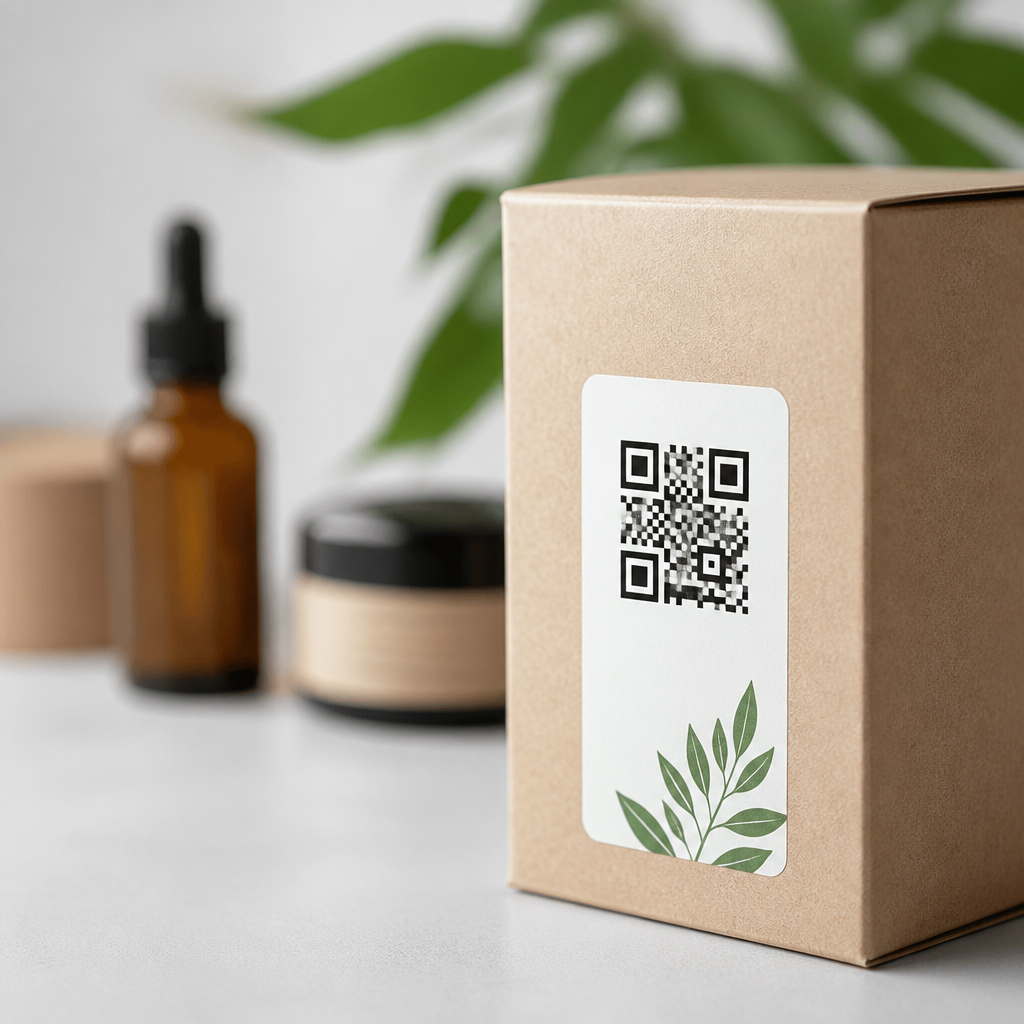
Placement determines performance as much as design. At trade shows, attendees often decide within seconds whether to engage, so the code must be visible before a conversation begins. High-performing placements include booth walls at eye level, counter cards near product samples, monitor end screens after demos, retractable banners at queue points, and printed one-pagers handed out by staff. Session environments add more options: podium slides, seat drops, aisle signs, sponsor booths outside breakouts, and workshop worksheets.
Different placements serve different intents. A large booth-wall code should offer broad value, such as a product overview or meeting scheduler. A QR code next to a specific device or software screen should lead to that exact solution page, datasheet, or case study. For crowded booths, I often recommend one code per traffic zone. People waiting for a demo can scan a “compare packages” page, while people near the theater area can access speaker slides or a benchmark report. This keeps follow-up aligned to the content each visitor actually requested.
Physical conditions matter. Glossy surfaces create glare, poor lighting reduces scannability, and tiny codes frustrate users. As a practical rule, codes should be large enough to scan from the intended distance and tested on both iPhone and Android devices before printing. Quiet zones also matter. A code that opens a noisy autoplay video or a heavy page on weak venue Wi-Fi will lose prospects before the form appears.
Industry-specific event and conference use cases
Events and conferences are not one market. The lead capture objective changes by industry, audience sophistication, sales cycle length, and compliance needs. That is why this hub topic should connect to deeper sub-articles on healthcare conferences, B2B technology expos, manufacturing trade fairs, higher education events, franchise expos, and real estate conventions. The QR framework stays consistent, but execution differs meaningfully.
In software and SaaS events, QR codes commonly drive free trials, product tours, architecture briefs, and meeting booking. At a cybersecurity conference, for example, a booth may use separate codes for threat intelligence, managed detection, and compliance automation. Those choices tell sales whether the attendee is technical, operational, or executive. In healthcare events, privacy language and claims substantiation require more care. A medical device company may use codes to deliver clinician guides, reimbursement resources, or requests for in-service training rather than broad promotional forms.
Manufacturing and industrial trade shows often involve long consideration cycles and many stakeholders. Here, QR codes work well for spec sheets, CAD files, certification documents, and distributor requests. Scans can also route by region so channel partners receive the lead. In higher education fairs, admissions teams use QR codes for campus visit sign-ups, program brochures, financial aid information, and international applicant workflows. Real estate conferences may use them for investment decks, property alerts, and one-to-one consultations. The lesson is simple: match the code’s destination to the attendee’s next logical decision, not just the sponsor’s desire to collect a contact.
What to offer after the scan
Attendees scan when the value is immediate and specific. Generic “learn more” language underperforms because it sounds like a delay, not a benefit. The most effective offers answer a concrete question the visitor already has. Good examples include price range guides, implementation checklists, benchmark reports, buyer’s guides, product comparison tables, speaker slides, free assessments, calculators, and book-a-meeting links with available post-show times.
At trade shows, incentives usually fit into three categories: informational, experiential, and promotional. Informational offers include white papers, spec sheets, or case studies. Experiential offers include interactive demos, quizzes, product configurators, or augmented reality overlays. Promotional offers include giveaway entries, discount codes, or VIP consultations. In my experience, informational offers generate better lead quality for complex B2B purchases, while giveaway-driven scans increase volume but often reduce downstream conversion unless the form includes a useful qualification question.
| Offer type | Best use at events | Main advantage | Primary risk |
|---|---|---|---|
| Case study or guide | B2B booths with technical buyers | Higher intent and better qualification | Lower scan volume than prizes |
| Demo or consultation booking | Products needing explanation | Moves prospects directly to sales action | Requires calendar coordination |
| Giveaway entry | High-traffic sponsorship activations | Fast list growth | Many low-fit contacts |
| Session slides or recap | Speaking engagements and workshops | Strong relevance to topic interest | Needs timely post-session follow-up |
Designing forms, consent, and CRM workflows
The form is where event enthusiasm becomes database quality. Every field should have a purpose tied to routing, scoring, or personalization. If a field does not change what happens next, remove it. Autofill support, large tap targets, and visible progress cues matter on mobile. Hidden fields should carry campaign and placement metadata so staff do not need to ask attendees where they scanned.
Consent cannot be treated casually. Depending on geography and audience, teams may need explicit opt-in, privacy notices, and lawful processing language. A checkbox for marketing emails should not be preselected where regulations or platform policies prohibit that practice. If badge scanning is also used, the attendee should understand how that data will be used and whether a QR form submission adds them to a newsletter, a sales sequence, or both. Clear expectations reduce complaints and improve downstream engagement because subscribers know what they requested.
CRM integration is the operational backbone. Leads should be tagged by event name, source asset, product interest, and owner rules. Marketing automation can send an immediate confirmation email with the promised asset, while sales receives alerts for high-intent actions such as booked meetings or pricing requests. Deduplication rules are especially important at conferences because the same person may scan multiple codes, attend a session, and speak with booth staff. Without clean identity resolution, reporting inflates lead counts and hides true engagement.
Measuring performance and improving event ROI
To judge whether QR codes are improving trade show results, track more than raw scans. The useful funnel starts with impressions or traffic exposure, then scans, landing-page views, form completions, qualified leads, meetings booked, opportunities created, and revenue influenced. Scan-to-submit rate shows whether the page and offer work. Qualified-lead rate shows whether the audience and questions are right. Opportunity rate shows whether event interest translated into pipeline.
Benchmarking should account for context. A code on a keynote slide may generate many scans but fewer sales-ready leads than a code on a pricing conversation card inside the booth. That does not make the keynote code unsuccessful; it may be supporting awareness and nurture rather than immediate handoff. Segment reporting by placement, asset, and audience type. I also recommend reviewing time-of-day patterns. At several events, we found scans surged during breaks but completed forms rose later in the evening from hotel Wi-Fi, which changed how quickly we sent reminders and follow-up emails.
Post-event optimization should be systematic. Review which offers drove the most qualified meetings, which staff-promoted codes outperformed passive signage, and which landing pages suffered abandonment. Then update templates before the next event instead of rebuilding from scratch. Over time, this creates a repeatable playbook for events and conferences that improves both lead quality and operational efficiency.
QR codes for lead capture at trade shows work best when they are treated as part of an event system, not a graphic pasted onto a banner. The code must point to a relevant mobile experience, the offer must match attendee intent, and the data must flow cleanly into follow-up processes. When those pieces align, exhibitors replace manual collection and vague attribution with measurable, segmentable engagement.
For events and conferences, the central advantage is scale without added friction. A single booth team can capture interest from a crowd, a speaker can continue the conversation after a session ends, and sponsors can tie every placement to a specific outcome. Industry context still matters. Healthcare needs stronger compliance controls, manufacturing often needs technical documentation, software teams benefit from route-by-interest segmentation, and education or real estate may prioritize scheduling and nurturing. The underlying principle is always the same: give attendees the fastest path to the next useful step.
If you are building out a broader QR codes in marketing strategy, start your events hub with one trade show workflow: one dynamic code per intent, one mobile landing page per audience, one CRM path per follow-up type, and one reporting dashboard that tracks pipeline, not just scans. Then expand into subtopics such as conference sponsorships, speaker-session QR tactics, badge integration, giveaway compliance, and industry-specific event playbooks. Test placements, simplify forms, and measure outcomes after every show. The teams that do this consistently turn event traffic into accountable revenue instead of hoping badge scans become deals later.
Frequently Asked Questions
How do QR codes improve lead capture at trade shows compared with traditional methods?
QR codes improve lead capture at trade shows by removing friction at the exact moment a visitor is interested. Instead of asking attendees to wait while a team member types contact details into a tablet, hands over a clipboard, or scans a badge one person at a time, a QR code lets them act immediately using their own phone. That matters in a trade show environment where booth traffic comes in waves, staff are often busy with demos and conversations, and prospects may leave if the process feels slow or inconvenient.
They also turn nearly any booth asset into a conversion point. A QR code can be placed on signage, product displays, counters, packaging, brochures, badges, demo stations, and giveaways, which means lead capture does not depend entirely on staff availability. If the booth is crowded, visitors can still scan and submit their information. If the booth is quiet, the code continues working as a self-serve entry point that supports ongoing engagement.
Another major advantage is data quality and speed. When attendees enter their own information into a mobile form, there is usually less risk of illegible handwriting, rushed data entry, or missed fields. You can also route submissions instantly into your CRM, email platform, or lead routing workflow, making same-day follow-up much easier. In practice, QR codes help teams capture more leads, reduce bottlenecks, and create a smoother visitor experience without adding complexity for booth staff.
Where should you place QR codes in a trade show booth to get the best results?
The best QR code placement strategy is to think beyond a single sign and create multiple opportunities for visitors to scan. High-performing locations usually include large booth graphics, reception counters, demo areas, tabletop displays, product shelves, literature stands, digital screens, staff badges, and giveaway items. The goal is simple: wherever attendee attention naturally lands, there should be a clear path to scan and convert.
Placement should match visitor intent. For example, a QR code on a large entrance banner may work well for general lead capture or a “book a demo” form. A code next to a specific product can link to a product-focused landing page, spec sheet, or consultation form. A code on a giveaway can drive post-visit follow-up, extending the booth interaction after the attendee has moved on. This context-specific placement often improves conversion rates because the call to action feels relevant to what the person is already looking at.
Visibility and usability are just as important as location. Codes should be large enough to scan from a comfortable distance, printed with strong contrast, and positioned where people can pause briefly without blocking traffic. Each code should include a direct call to action such as “Scan to get pricing,” “Scan to enter the giveaway,” or “Scan to book a follow-up demo.” Without that instruction, many attendees will see the code but not understand why they should use it. The strongest booth setups combine smart placement, clear intent, and a fast mobile experience after the scan.
What should a QR code lead capture form include to maximize conversions?
A high-converting QR code lead capture form should be short, clear, and aligned with the value being offered. At a trade show, attendees are usually moving quickly and making split-second decisions, so the form should ask only for information that is truly necessary. In many cases, that means name, email, company, job title, and one or two qualifying questions at most. If the form feels long or complicated, abandonment rates usually go up.
The offer behind the form is equally important. People are more likely to complete the form if they know what they are getting in return, whether that is a product guide, pricing sheet, consultation, demo booking, giveaway entry, event-only discount, or follow-up from a specialist. The landing page should immediately reinforce that value with a clear headline, a concise explanation, and a simple submission process. Mobile optimization is non-negotiable, because nearly all scans at an event will happen on phones.
It is also smart to build in light qualification without hurting conversion. For example, a dropdown for industry, timeline, budget range, or area of interest can help the sales team prioritize leads afterward. If possible, use hidden tracking fields or campaign parameters to identify the event, booth location, or specific asset that drove the scan. That gives your team better attribution and follow-up context. The best forms balance speed and usefulness: quick enough for an attendee to complete in seconds, but structured enough to deliver actionable lead data to sales and marketing.
How can you track and measure the success of QR code lead capture at trade shows?
Tracking starts with treating each QR code as a measurable campaign asset, not just a generic link. Use unique URLs, UTM parameters, or dynamic QR codes for different placements such as booth banners, demo stations, handouts, product displays, and giveaways. This allows you to see not only how many total scans occurred, but also which booth elements generated the most engagement and which calls to action produced the best conversion rates.
The key metrics usually include scans, form completions, conversion rate, lead quality, meetings booked, opportunities created, and revenue influenced. Looking at scans alone can be misleading, because a high scan count does not always mean strong business results. What matters is how many attendees moved from curiosity to submission, how qualified those leads were, and whether they progressed through the pipeline after the event. Integrating form submissions directly into your CRM makes this much easier, especially when event source data is passed through automatically.
It is also useful to compare performance across time and context. Which day of the event drove the most scans? Did one product station outperform another? Did a giveaway code generate more volume but lower quality than a demo-request code? These insights help refine future booth strategy, messaging, and staffing. In short, the most effective measurement approach connects top-of-funnel activity at the booth with bottom-of-funnel outcomes after the show, so you can understand both engagement and ROI.
What are the most common mistakes companies make with QR codes at trade shows?
One of the most common mistakes is using a QR code without a compelling reason to scan. A code by itself is not a strategy. If attendees do not immediately understand the benefit, many will ignore it. Strong trade show QR campaigns use explicit calls to action and clear value, such as access to pricing, a product comparison guide, a live demo request, or a giveaway entry. The visitor should know exactly what happens after the scan and why it is worth their time.
Another frequent problem is sending people to a poor mobile experience. This includes landing pages that load slowly, forms that ask for too much information, pages that are not optimized for small screens, or follow-up workflows that fail after submission. At a busy event, even small usability issues can dramatically reduce conversions. Testing the entire journey in real conditions before the show is essential, including scanning distance, internet performance, form completion, confirmation messaging, and CRM integration.
Companies also make the mistake of under-deploying QR codes or failing to connect them to operations. If there is only one small code hidden on a counter, it limits participation. If leads go into a spreadsheet that no one reviews for days, speed-to-follow-up suffers and lead value drops. The best results come from placing QR codes across the booth, tailoring them to different visitor intents, and ensuring submissions flow directly into a fast follow-up process. When the code, the landing page, and the internal response system all work together, QR lead capture becomes a practical revenue tool rather than just a trade show novelty.