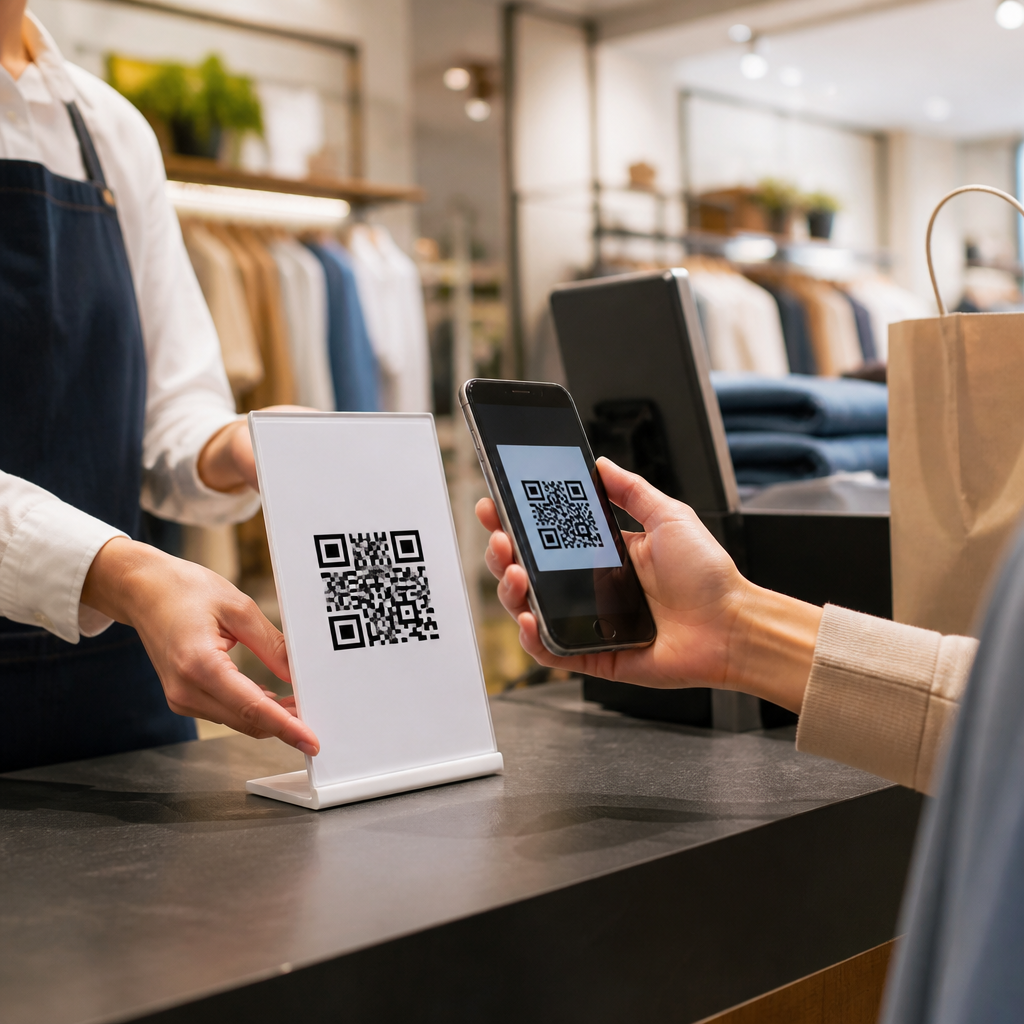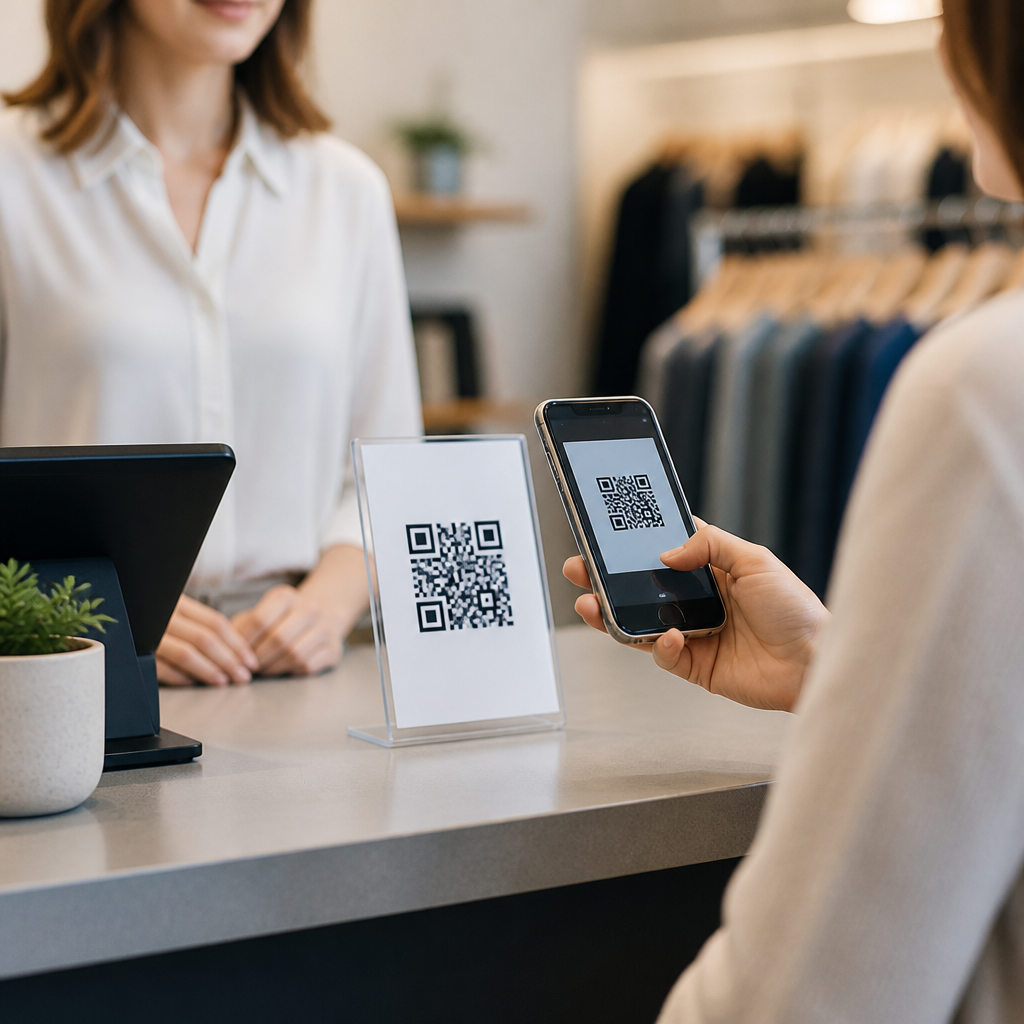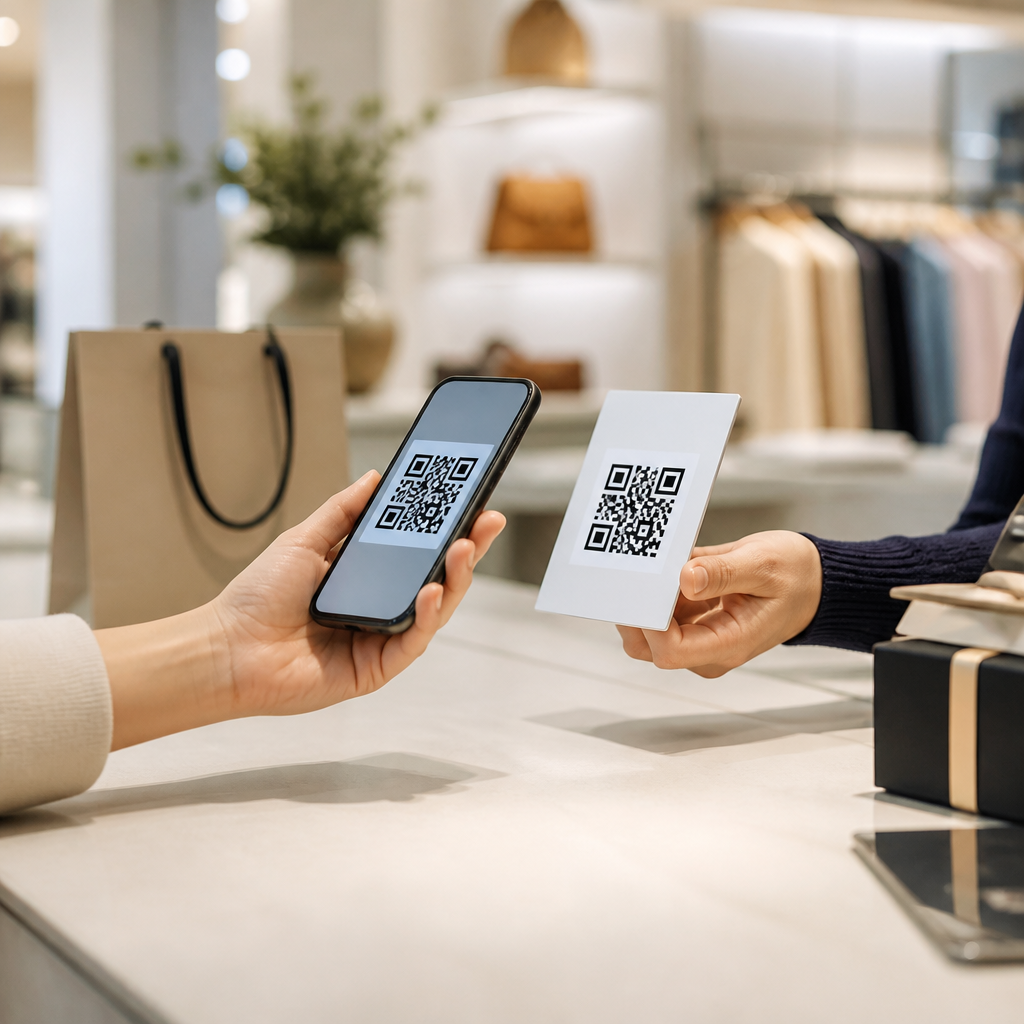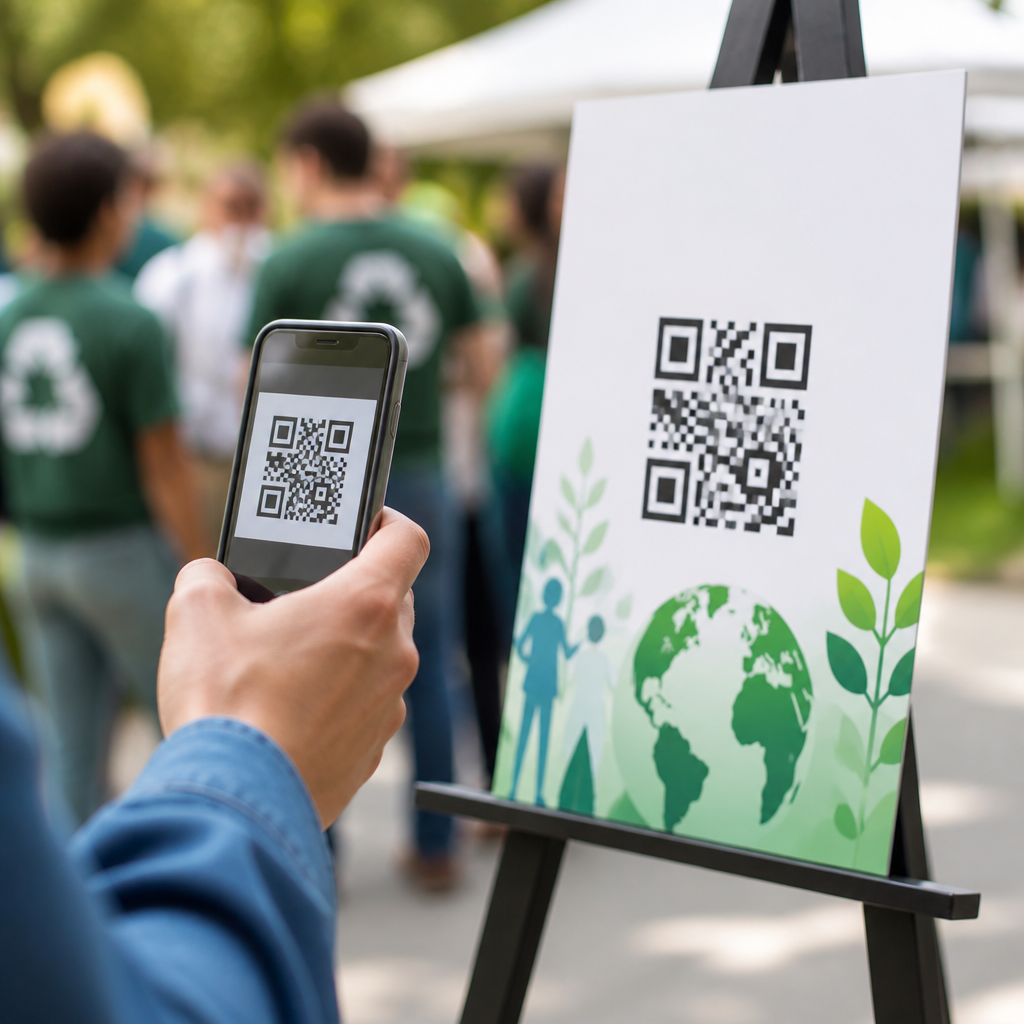
QR codes have become a practical bridge between physical outreach and digital action, which is why they are especially valuable for awareness campaigns run by nonprofits, advocacy groups, public health organizations, and fundraising teams. In simple terms, a QR code is a scannable matrix barcode that opens a digital destination such as a donation page, petition, event registration form, educational video, volunteer sign-up, or impact report. Awareness campaigns, meanwhile, are organized efforts designed to inform, persuade, and motivate a target audience around a cause. When those two tools work together, printed posters, direct mail, event signage, packaging, and even T-shirts can trigger measurable engagement in seconds.
I have seen this shift firsthand in campaign planning. A flyer used to be a dead-end asset unless someone typed a web address later. A well-built QR code changes that behavior by reducing friction at the exact moment interest peaks. For nonprofits, that matters because attention is expensive and often fleeting. Whether the goal is raising funds after a natural disaster, educating residents about a vaccination drive, recruiting volunteers for a food bank, or guiding donors to a monthly giving form, every extra step lowers response. QR codes make outreach more immediate, more trackable, and more adaptable across channels.
This matters strategically because nonprofit marketing operates under tighter budgets, longer trust cycles, and stronger accountability pressures than many commercial campaigns. Boards want attribution. Funders want evidence of reach. Staff need low-cost tools that can scale from a neighborhood event to a national appeal. QR codes support all three needs when paired with strong landing pages, clear messaging, and ethical data practices. They also fit how people actually behave today: mobile-first, time-constrained, and responsive to concise prompts. Used correctly, QR codes do not just connect offline and online marketing. They help awareness campaigns convert curiosity into informed action, one scan at a time.
Why QR codes work so well in nonprofit and fundraising campaigns
QR codes work because they compress the path between awareness and response. In nonprofit marketing, the central challenge is rarely exposure alone. It is movement from exposure to action. A person may care about clean water, cancer research, animal rescue, literacy, or disaster relief, yet still delay acting if the process feels inconvenient. Scanning a code from a bus shelter ad or gala table card removes typing, searching, and remembering. The user lands directly on the intended page, which increases the chance of a donation, subscription, pledge, or registration.
They are also flexible across the full campaign funnel. At the top of the funnel, a QR code can link to a two-minute explainer video or a survivor story that frames the issue in human terms. Mid-funnel, it can open a page with statistics, FAQs, and program details that build confidence. At the bottom of the funnel, it can take supporters to a prefilled donation form, Apple Pay checkout, recurring gift setup, or peer-to-peer fundraising page. One physical asset can therefore carry a user from awareness to education to conversion without requiring multiple touchpoints.
Measurement is another major advantage. Static posters traditionally reveal little beyond estimated impressions. Dynamic QR codes, by contrast, can report scans by date, time, device, and location, depending on the platform and privacy settings. That gives campaign teams concrete signals about which placements perform best. A nonprofit can compare scans from event banners versus direct mail inserts, or from coffee shop posters versus campus flyers. Those insights improve future media buying, creative design, and message sequencing. For organizations that need to justify spend to leadership or grantmakers, this kind of attribution is extremely useful.
Core use cases for awareness, education, and donations
In this subtopic, the strongest use cases fall into a few repeatable categories. The first is issue education. Public health nonprofits often place QR codes on clinic posters, pharmacy handouts, and community bulletin boards that lead to multilingual information pages. A cancer awareness campaign may use one code for screening guidelines and another for local appointment resources. A domestic violence organization may place discreet QR codes in restroom signage that open a safety-planning page designed for quick exit. In each case, the code acts as a low-friction gateway to critical information.
The second category is fundraising. Development teams use QR codes on gala programs, pledge cards, annual reports, direct mail letters, church bulletins, and point-of-sale displays during community partnerships. A donor attending a charity run can scan a bib, banner, or finish-line sign and complete a mobile gift before leaving the venue. Museums, schools, and grassroots charities increasingly pair QR codes with mobile wallet giving because impulse generosity is highest when supporters feel emotionally connected to the mission in real time.
The third category is participation. Awareness campaigns often need more than money. They need petition signatures, volunteer applications, webinar registrations, text-message opt-ins, and event RSVPs. During food drives, I have seen QR codes on grocery store signs send people to a real-time list of needed items and drop-off sites. Environmental groups use trailhead signage to recruit cleanup volunteers. Youth nonprofits use poster campaigns in schools to route students and parents to mentorship sign-ups. The code is not the campaign itself; it is the switch that activates the right next step.
| Campaign goal | Best QR destination | Example nonprofit use case | Primary metric |
|---|---|---|---|
| Educate | Mobile landing page with facts, video, FAQs | Public health screening awareness | Scan-to-page engagement rate |
| Fundraise | Fast donation form with digital wallet options | Disaster relief appeal at community events | Donation conversion rate |
| Recruit | Volunteer or event registration form | Food bank packing shift sign-ups | Completed registrations |
| Advocate | Petition, email-your-legislator tool, pledge page | Policy reform awareness week | Advocacy actions completed |
Industry-specific examples across nonprofit sectors
Different nonprofit sectors use QR codes in different ways because supporter intent and urgency vary. In healthcare fundraising, QR codes commonly support awareness months, hospital foundation events, memorial giving, and patient education. A breast cancer nonprofit might place codes on race packets linking to survivor stories, sponsor recognition, and a same-day donation form. In mental health campaigns, event posters can link to both educational content and crisis resources, but those pages must prioritize accessibility, plain language, and immediate help options.
In animal welfare, shelters often place QR codes on kennel cards, adoption-event booths, and retail partnership displays. One code can open an adoptable pet profile, another can trigger a “fund a vaccination” micro-donation page. Because supporters tend to respond emotionally to individual animals, these campaigns perform best when the landing page continues the same narrative visible on the sign. Generic homepages usually underperform targeted pages by a wide margin because they force the user to navigate again after scanning.
Education nonprofits and school foundations use QR codes for annual funds, alumni giving, scholarship drives, and campus event promotion. A code printed in a commencement program can direct graduates and families to a class gift page. Literacy organizations place codes inside free book distributions so families can access reading tips, tutoring sign-ups, and multilingual resources. Faith-based charities use them in bulletins, lobby displays, and service slides to connect congregants to mission trips, benevolence funds, or seasonal campaigns. Across sectors, the pattern is consistent: the more specific the destination and ask, the stronger the performance.
How to build a high-converting QR code campaign
Effective QR code campaigns are designed backward from the action you want. Start with one primary objective per code. If a poster tries to educate, recruit, and fundraise at once, the landing page becomes diluted and results suffer. I recommend matching each code to a single audience, a single message, and a single conversion event. For example, a disaster relief mailer should send recipients to one focused appeal page, not the organization’s main navigation-heavy website. Clarity increases completion.
Destination quality is more important than the code itself. The landing page must load quickly, display well on mobile, and repeat the promise made by the sign or flyer. If the poster says “See how your $25 feeds a family,” the landing page should immediately show that information above the fold, followed by a streamlined donation form. Platforms such as Classy, Donorbox, Givebutter, Fundraise Up, and Bloomerang can support mobile giving, recurring donations, and campaign tracking. For advocacy campaigns, tools like EveryAction or Action Network can capture petitions and email actions effectively.
Creative execution matters too. Use a strong call to action near the code, such as “Scan to donate in 30 seconds,” “Scan for free screening resources,” or “Scan to sign the pledge.” High contrast, sufficient white space, and an adequate print size are essential; many practitioners follow a minimum one-inch square rule for close-range scanning, with larger sizes for signage viewed at distance. Dynamic QR codes are generally better than static ones for campaigns because they allow destination updates without reprinting materials. That flexibility is valuable when event details change, emergencies evolve, or campaign phases shift.
Tracking, governance, and ethical considerations
Tracking should be planned before launch, not after materials are printed. Each code should map to a naming convention that identifies channel, audience, creative version, and timeframe. UTM parameters remain useful for web analytics because they connect scans to campaign reporting inside Google Analytics or other analytics platforms. Separate codes for direct mail, street posters, sponsor tables, and volunteer handouts make it possible to compare performance accurately. Without this structure, scan data becomes interesting but not actionable.
Privacy and trust matter even more in nonprofit outreach than in retail marketing. Supporters are often responding to sensitive issues such as illness, poverty, domestic violence, addiction, or immigration status. The landing page should clearly state how personal data will be used, whether a donation is tax-deductible, and what communications a user is opting into. Secure checkout, HTTPS pages, and recognized payment processors are not optional. If a code appears in a context where scanning could expose someone to risk, provide a neutral label and a quick-exit page option.
Accessibility deserves the same attention. QR codes themselves are visual, so they should be paired with a short readable URL and concise instructions for users who cannot scan easily. Printed materials need adequate color contrast and legible type. Digital destinations should support screen readers, keyboard navigation, captions for video, and plain-language summaries where appropriate. Awareness campaigns succeed when they reduce friction for the broadest possible audience, not when they assume every supporter has the same device, vision, literacy level, or comfort with mobile transactions.
Common mistakes and what strong hub coverage should include
The most common mistake is sending every scan to a homepage. Homepages ask users to think, search, and decide again, which wastes scarce attention. Another frequent problem is poor context: a code appears on a poster with no explanation of what happens next. Response improves when the user knows exactly what the scan delivers and why it matters now. Campaigns also fail when the code is too small, placed on reflective surfaces, or printed low on busy sidewalks where scanning is awkward. Operational details directly affect performance.
As the hub page for nonprofit and fundraising use cases, this topic should connect readers to deeper guidance on event fundraising QR codes, direct mail integration, donation page optimization, advocacy campaign workflows, volunteer recruitment, sponsorship activation, and measurement frameworks. It should also address sector-specific scenarios such as museums, hospitals, schools, churches, animal shelters, food banks, and emergency response groups. That structure helps marketers move from general strategy to specific execution without losing the broader context of QR codes in marketing.
The key takeaway is straightforward: QR codes make awareness campaigns more actionable, measurable, and responsive when they are tied to a precise message and a high-quality mobile experience. For nonprofits, that means better donor capture, stronger education outcomes, and clearer attribution across offline and online channels. Start with one campaign goal, build a matching landing page, track every scan source, and test real placements before scaling. If you are building or refreshing a nonprofit outreach program, make QR codes part of the campaign architecture from the beginning, not an afterthought added at print deadline.
Frequently Asked Questions
What are QR codes, and why are they effective for awareness campaigns?
QR codes are scannable square barcodes that connect printed or physical materials directly to digital content. When someone scans a QR code with a smartphone camera, it can instantly open a donation page, educational resource, volunteer form, petition, registration page, social media campaign, or impact report. That immediacy is what makes QR codes so effective for awareness campaigns. Instead of asking supporters to remember a website address, search for a campaign later, or manually type a long URL, organizations can reduce friction and guide people from awareness to action in seconds.
For nonprofits, advocacy groups, public health organizations, and fundraising teams, this matters because many campaigns begin in physical spaces: posters, flyers, brochures, event signage, direct mail pieces, product packaging, community bulletin boards, and outreach tables. QR codes create a practical bridge between those offline touchpoints and online engagement. A person may notice a message on a street poster or at a community event, scan the code immediately, and take action while interest is still high. That can improve participation, increase donations, boost volunteer sign-ups, and make campaign messaging more measurable.
They are also valuable because they support flexibility. A single code can lead audiences to a landing page that explains the issue in more depth, offers multiple next steps, and updates as campaign priorities evolve. This allows organizations to educate, mobilize, and measure response more efficiently. In short, QR codes work well in awareness campaigns because they make engagement fast, convenient, trackable, and easy to scale across both local and broad public outreach efforts.
How can organizations use QR codes in different types of awareness campaigns?
QR codes can be adapted to almost any awareness campaign because they are not limited to one kind of message or action. In a public health campaign, a QR code on a clinic poster or handout might direct people to vaccine information, symptom guidance, appointment booking, or multilingual educational resources. In an advocacy campaign, the code could link to a petition, a legislator contact page, a policy explainer, or a toolkit supporters can share with others. For fundraising teams, a QR code can drive donors to a secure giving page, recurring donation form, campaign story, or a report showing how contributions create impact.
Event-based campaigns can use QR codes for registration, schedules, speaker bios, downloadable materials, or post-event follow-up. Community outreach programs may place codes on banners, table tents, or print mailers to connect residents with local services, hotline information, volunteer opportunities, or workshops. Schools, environmental groups, and cultural organizations often use them to share videos, digital exhibits, educational articles, pledge forms, or interactive maps. Because the destination is digital, the same printed campaign can serve different audiences with tailored information and calls to action.
One of the best uses of QR codes is to match the destination to the intent behind the physical material. If the message is urgent, such as disaster relief or crisis support, the code should lead to a simple, immediate action page. If the goal is education, the code can open a well-structured explainer page with facts, stories, and additional resources. If the campaign is trying to build long-term engagement, the landing page might offer options such as subscribing to updates, joining as a volunteer, donating, or sharing the campaign. The most successful awareness efforts use QR codes not as a novelty, but as a strategic tool for moving people from attention to meaningful participation.
What should a QR code link to in order to get the best campaign results?
The best destination depends on the campaign objective, but in most cases, a QR code should link to a focused landing page rather than a general homepage. A homepage often forces users to search for the next step, which can reduce conversions. A strong QR code landing page should immediately confirm that the visitor is in the right place, explain the issue clearly, and present one primary call to action. That action might be donating, signing up, registering, reading key facts, downloading a guide, taking a pledge, or sharing the campaign with others.
For the best results, the destination should be mobile-friendly, quick to load, and simple to navigate. Most QR code scans happen on smartphones, so the experience must be optimized for smaller screens. Use concise headlines, readable text, strong visuals, and clear buttons. If your campaign serves diverse communities, consider linking to a page with language options or geotargeted content. If trust is especially important, such as in health or nonprofit fundraising campaigns, include recognizable branding, brief credibility signals, privacy assurances, and transparent explanations of how donations or data will be used.
Organizations should also think beyond clicks and ask what action they want the scan to produce. If the primary goal is education, the page should provide useful, digestible information before asking for a commitment. If the goal is fundraising, the donation process should be as short and secure as possible. If the goal is volunteer recruitment, the form should be easy to complete and clear about time expectations. In many cases, a landing page that combines a brief explanation with one main action and one secondary option performs best. That structure respects different levels of supporter readiness while keeping the journey direct and intentional.
How do you make QR codes easy to scan and more likely to be used?
Getting people to scan a QR code requires both good design and good placement. First, the code itself needs to be clear, high contrast, and large enough to scan comfortably from the expected viewing distance. A code on a flyer held in the hand can be smaller than one on a wall poster or event banner. It is also important to leave enough white space around the code and avoid distorting its shape. While branded colors and logos can be helpful, they should never reduce readability. Testing the code on multiple devices before printing or publishing is essential.
Equally important is the context around the QR code. People are far more likely to scan when they understand exactly what they will get. A short call to action such as “Scan to donate,” “Scan to register,” “Scan to learn the warning signs,” or “Scan to sign the petition” gives users a clear reason to act. Supporting text can also help set expectations by mentioning whether the destination includes a video, free resource, event details, or a form. In awareness campaigns, clarity outperforms cleverness. If people have to guess what happens after scanning, many will move on.
Placement also affects results. Put QR codes where people have time and ability to scan safely and conveniently. For example, they work well on brochures, point-of-sale displays, conference materials, transit posters at waiting areas, direct mail pieces, and event signage near entrances or information tables. They are less effective in places where viewers are moving quickly or cannot easily stop. If possible, include a backup short URL for accessibility and for users who prefer not to scan. The most successful campaigns treat the QR code as part of the message, not an afterthought, combining usability, trust, and a strong invitation to take action.
Can you track QR code performance in an awareness campaign?
Yes, and tracking is one of the biggest advantages of using QR codes in awareness campaigns. Organizations can measure how often a code is scanned, when activity peaks, which locations or materials generate the most engagement, and what actions people take after they arrive at the destination page. This helps campaign teams move beyond assumptions and understand which messages, placements, and calls to action are actually working. For nonprofits and public-interest organizations with limited budgets, that insight is especially valuable because it supports better resource allocation and more informed decision-making.
Performance tracking usually works best when each campaign asset or distribution channel has its own QR code or tagged destination URL. For example, an organization might use separate codes for posters, direct mail, event signage, volunteer packets, and social handouts. That makes it easier to compare results and identify top-performing outreach channels. Teams can also monitor conversion metrics such as donations completed, forms submitted, event registrations, video views, or time spent on the landing page. Looking at scans alone is useful, but combining scan data with on-page behavior gives a much clearer view of campaign effectiveness.
That said, measurement should be approached responsibly. Organizations should be transparent about data practices, use secure landing pages, and avoid collecting unnecessary personal information. The goal is to improve outreach and supporter experience, not create confusion or mistrust. When used thoughtfully, QR code analytics can reveal which audiences are responding, where engagement drops off, and how to refine future messaging. In practical terms, this means campaign managers can test different calls to action, update landing page content, adjust print placement, and strengthen follow-up strategies based on real evidence rather than guesswork.