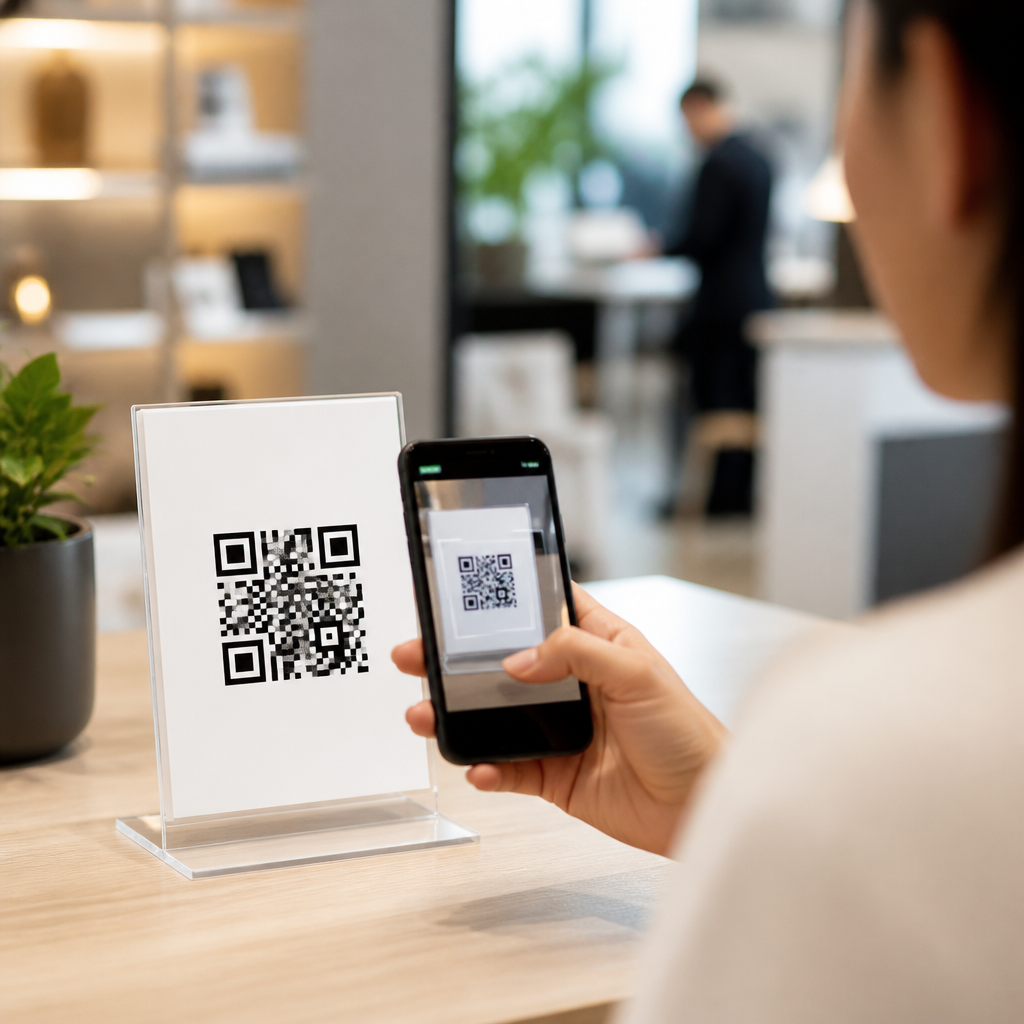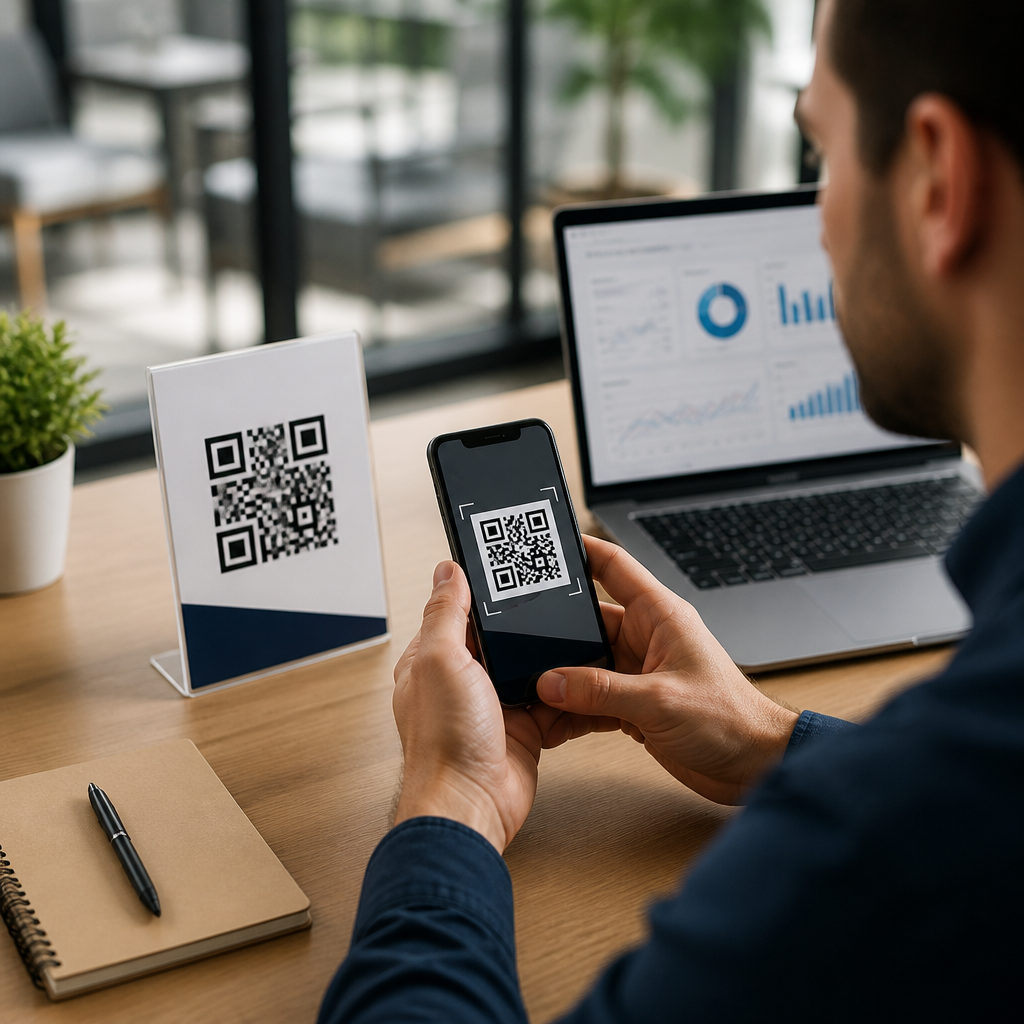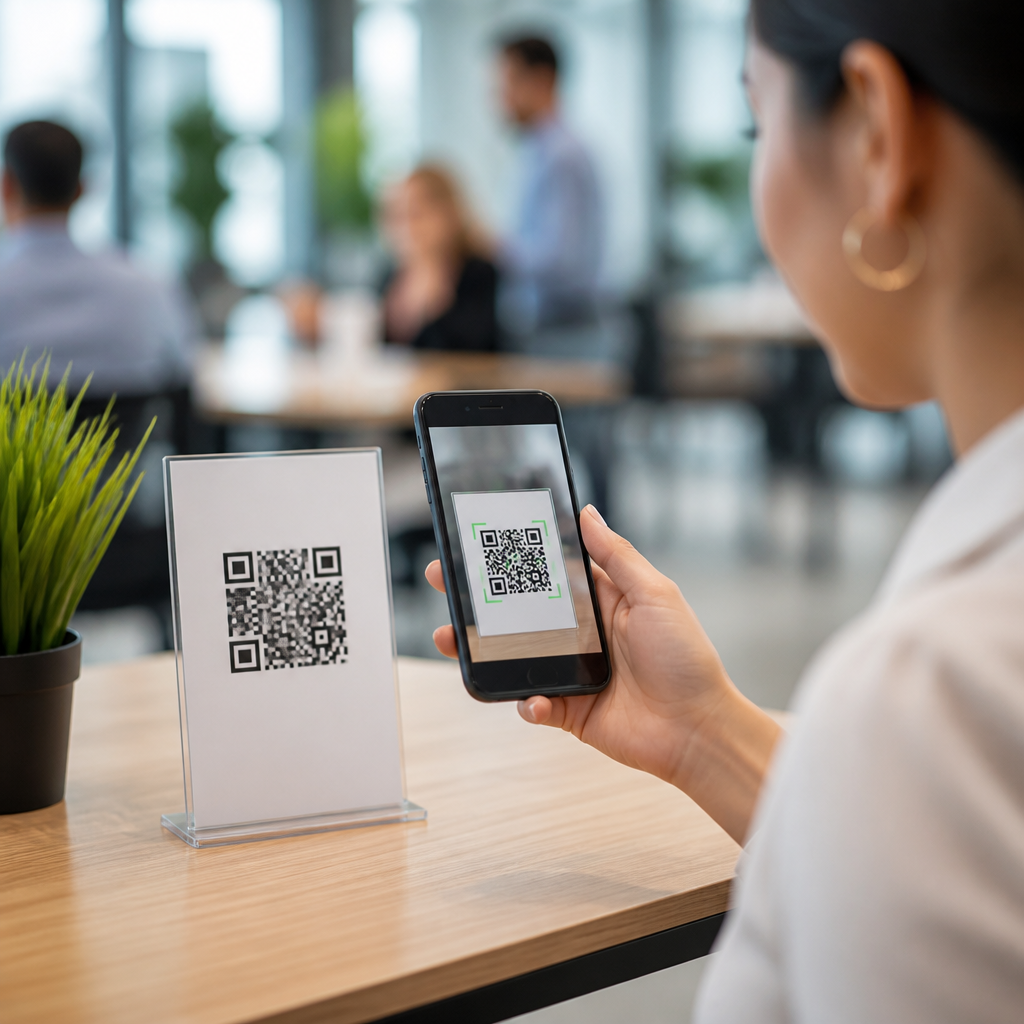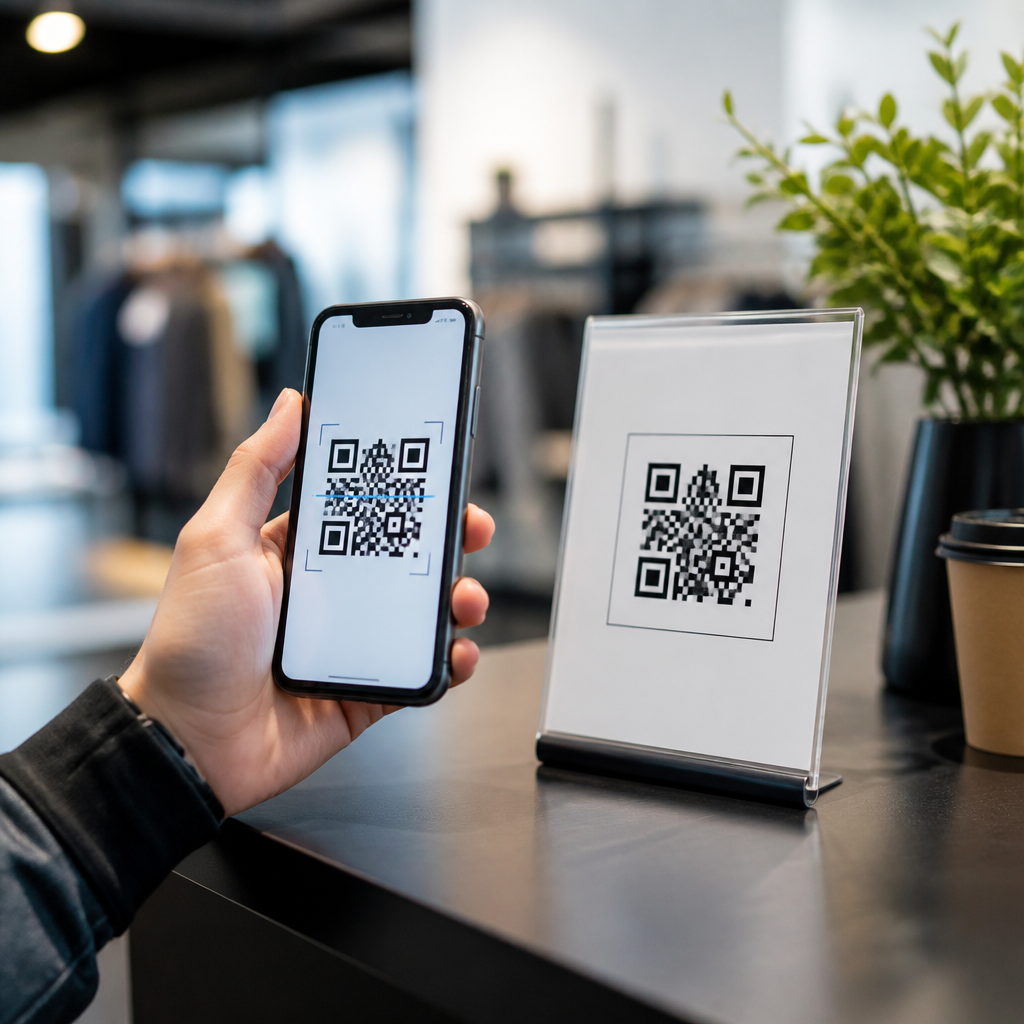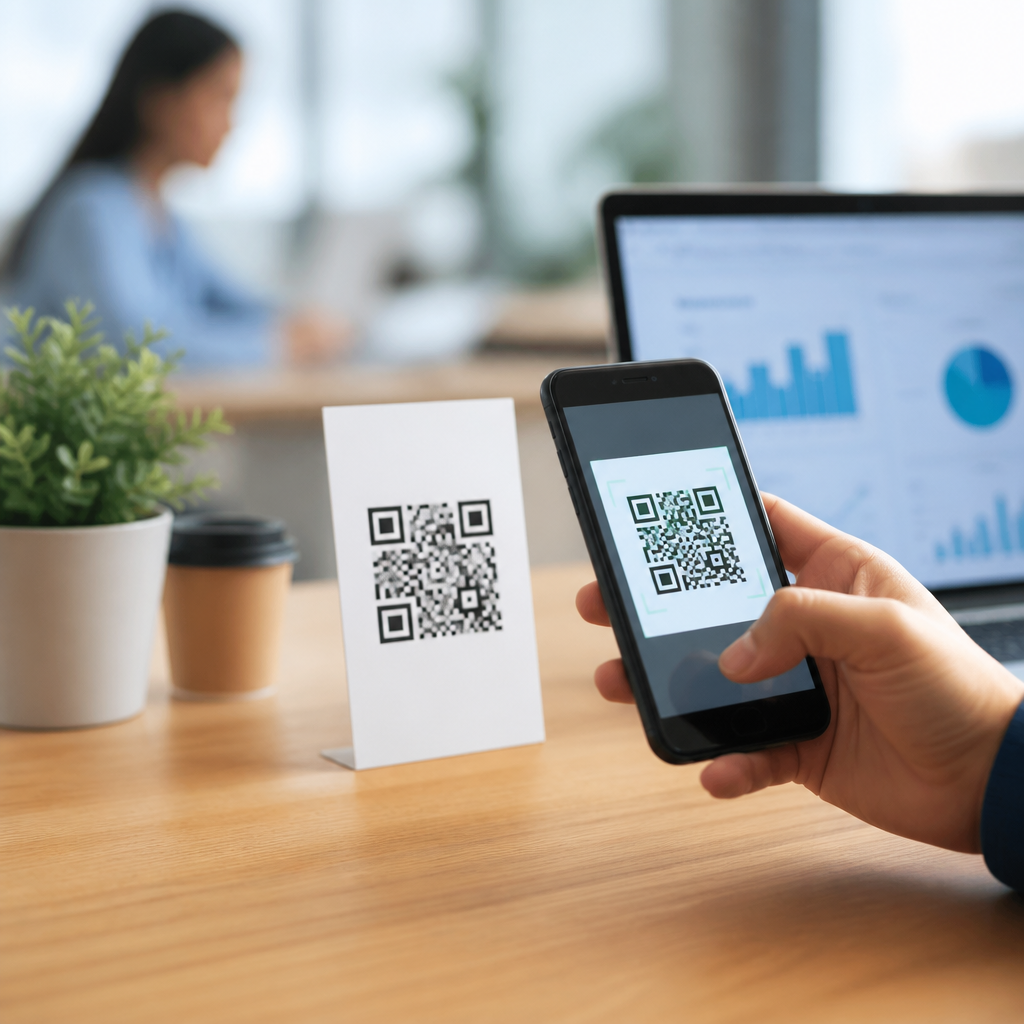
Launching your first QR code marketing campaign is straightforward when you treat it as a measurable customer journey rather than a graphic design exercise. A QR code marketing campaign uses scannable two-dimensional barcodes to connect printed or physical touchpoints to digital destinations such as landing pages, menus, coupons, app downloads, forms, or videos. In practice, the strongest campaigns are not built around the code itself; they are built around a clear offer, a fast mobile experience, and a tracking plan that shows what happened after each scan. I have helped businesses deploy QR codes on packaging, retail signage, direct mail, event booths, and restaurant tables, and the pattern is always the same: campaigns succeed when the destination matches the context of the scan.
For beginners, a few terms matter. A static QR code points to fixed content and cannot be edited after printing. A dynamic QR code redirects through a managed short URL, which lets you change the destination later, track scans, and sometimes segment by device, location, or time. A call to action is the line near the code that tells people why they should scan, such as “Scan for 15% off” or “Watch the setup video.” A conversion is the action you ultimately want, whether that is a purchase, signup, booking, download, or lead form submission. Understanding these basics makes campaign planning much easier.
Why does this matter now? Smartphone cameras read QR codes natively, consumer behavior shifted toward touchless interactions, and marketers need better ways to measure offline media. QR codes close a long-standing attribution gap between physical marketing and digital analytics. They also work across industries: retailers use them for coupons and product education, B2B teams use them at trade shows to capture qualified leads, real estate agents use them on signage for virtual tours, and restaurants use them for menus, reviews, and loyalty offers. If you want a practical, repeatable process for step-by-step tutorials under the broader QR Code Tutorials, Guides & Resources hub, this guide is the place to start.
Set the campaign goal before you generate a code
The first step in a QR code marketing campaign is deciding what one action should happen after the scan. Do not begin by choosing colors, shapes, or generator settings. Begin by defining the campaign objective in one sentence: “Drive coupon redemptions from in-store signage,” “Capture demo requests from event attendees,” or “Increase product education scans from packaging.” A single objective keeps every later decision aligned, from the landing page copy to the analytics setup.
Then choose the primary metric. For awareness, scans may be enough. For demand generation, you will likely care about form completions, appointments, or purchases. For retention, track loyalty signups or repeat orders. I recommend using one primary metric and two supporting metrics. For example, a coffee shop could track scans as the primary top-of-funnel indicator, coupon redemptions as the conversion metric, and average order value as the quality metric. This prevents a common mistake: celebrating scans that did not produce any business outcome.
Audience and context come next. Ask where the scan will happen, what the person is doing in that moment, and how much friction they will tolerate. Someone scanning from a bus shelter has less patience than someone scanning a product package at home. Someone at a trade show may accept a short lead form for a giveaway, while a restaurant customer expects instant access to a menu with no gate. The best-performing QR campaigns feel like a continuation of the physical experience, not an interruption.
Choose the right QR code type, destination, and offer
Most first campaigns should use dynamic QR codes because they are more flexible and safer for print. If a page URL changes, a static code becomes useless once distributed. A dynamic code lets you update the destination without reprinting posters, flyers, packaging inserts, or table tents. It also adds reporting features commonly found in platforms such as Bitly, QR Code Generator Pro, Beaconstac, Uniqode, or Flowcode. For a small local test, static codes can still work, but only when the target URL is stable and tracking demands are light.
The destination should match user intent. If the code appears on a storefront window, send people to location-specific hours, directions, and current offers. If it is on product packaging, send users to setup instructions, warranty registration, FAQs, or refill ordering. If it is on event signage, use a page built for mobile lead capture with a concise value exchange. Deep linking can also improve results. For app-first brands, use a smart link that opens the app when installed and falls back to the app store or mobile web page when not.
Your offer must be explicit. “Scan me” is weak because it withholds the benefit. Strong calls to action promise a clear outcome: “Scan to see today’s lunch specials,” “Scan for assembly video,” or “Scan to claim your free sample.” Specificity raises scan rates because it reduces uncertainty. In testing, I have seen simple wording changes outperform design changes. The reason is behavioral: people decide in seconds whether the effort of scanning is worth it. A concrete promise answers that question immediately.
Build a mobile landing page that converts after the scan
A QR code does not create results on its own; the landing page does. Make the destination mobile-first, lightweight, and singular in purpose. The page should load quickly on average cellular connections, ideally in under three seconds, and show the primary action above the fold. Use compressed images, minimal scripts, and clean typography. If people scan from a printed sign and then wait for a cluttered page to load, you lose them before they even see the offer.
Message match is essential. The headline on the landing page should repeat the promise made next to the QR code. If the sign says “Scan for 20% off your first order,” the page should open with that exact benefit and a clear redemption path. Include essential trust signals such as store details, product proof, shipping information, event context, or privacy language, depending on the campaign. For lead generation, shorten forms aggressively. Name, email, and one qualifying field often outperform long forms unless the lead value is very high.
Also plan for what happens after the first conversion. A thank-you page can trigger a next step, such as adding the offer to Apple Wallet or Google Wallet, booking a consultation, sharing with a friend, or exploring a related guide. That sequencing is especially useful for a hub page like this one because every beginner tutorial should point to the next logical task: creating a dynamic code, designing print assets, setting up analytics, testing scan behavior, or measuring results.
Design QR codes for reliability, brand fit, and real-world scanning
Good QR code design starts with scan reliability, not decoration. Maintain high contrast, usually dark modules on a light background. Preserve the quiet zone, the blank margin around the code, because scanners need that breathing room to detect edges correctly. Avoid shrinking the code too much; the practical minimum depends on distance, but a useful rule is at least one inch square for close-range use and larger for posters or window displays. Curved surfaces, glossy materials, low light, and reflective lamination can all reduce scan success.
Brand customization is helpful when it does not interfere with readability. Adding a logo, rounded modules, or brand colors can increase trust and recognition, but do it within the platform’s error-correction limits and always test across iPhone and Android devices. If your code may be printed in black and white, on corrugated packaging, or on textured labels, simplify the design further. I have seen beautifully stylized codes fail in stores because contrast dropped under fluorescent lighting or because the logo covered too much of the center.
Placement matters as much as the code itself. Put the code where a person can comfortably stand and scan without blocking traffic or contorting their phone. Pair it with a short URL when possible so users have a fallback if scanning fails. For regulated industries or higher-consideration purchases, include enough surrounding context that people trust where the code will lead. Suspicion kills scans. Clear branding, a recognizable domain, and a precise call to action reduce that friction.
Set up tracking, governance, and campaign naming conventions
Measurement should be in place before launch. At minimum, use analytics tags on the destination URL so traffic from each code can be segmented by source, medium, campaign, and placement. UTM parameters remain the simplest standard for web analytics platforms, including Google Analytics 4. For example, a retailer might tag a window poster differently from a shelf talker or package insert. That granularity lets you learn which physical placements actually influence behavior.
Dynamic QR platforms often provide scan counts, device types, timestamps, and rough locations. Those metrics are useful, but they are not enough on their own because a scan is only the start of the journey. You also need conversion events on the landing page, e-commerce revenue where applicable, and ideally CRM capture for leads. In B2B settings, routing form fills into HubSpot or Salesforce makes follow-up timely and attributable. In local marketing, coupon codes or POS redemption fields help connect scan activity to in-store sales.
Governance is often ignored in first campaigns. Decide who owns the code, who can edit the destination, where design files live, and how naming conventions will work. A practical naming format might include channel, location, offer, and date, such as retail_nyc_window_fall15_2026. This becomes critical once you have dozens of active codes in stores, on print pieces, or across franchise locations. Without governance, outdated offers stay live, performance data becomes messy, and teams lose trust in the channel.
| Campaign element | Best practice | Example |
|---|---|---|
| Goal | Define one primary conversion | Coupon redemption from in-store display |
| Code type | Use dynamic for print flexibility | Update winter offer without reprinting |
| Landing page | Match the call to action exactly | “Scan for 20% off” opens discount page |
| Tracking | Tag every placement separately | UTMs for poster, menu, package insert |
| Testing | Check distance, lighting, and devices | Scan on iPhone and Android in-store |
Test every scenario before launch and optimize after go-live
Pre-launch testing should be systematic. Scan the code on multiple devices, from the expected distance, under the lighting conditions where it will actually appear. Test portrait and landscape posters, matte and glossy print, indoor and outdoor placements, and both strong and weak connectivity. Confirm that the code opens the correct page, analytics tags fire properly, forms submit, confirmation pages load, and any coupons or wallet passes work as promised. If the campaign involves app links, test installed and non-installed states separately.
Once live, review performance quickly. The first forty-eight hours often reveal practical issues such as poor placement, low visibility, or message mismatch. Compare scan-through rate by location, conversion rate by landing page variant, and downstream quality metrics like revenue per scan or lead-to-meeting rate. If scans are healthy but conversions are low, the problem is usually the destination or offer. If conversions are strong but scans are weak, the issue is often placement, creative prominence, or an unclear call to action.
Optimization can be simple and still effective. Increase code size on small print, rewrite the call to action to make the benefit clearer, reduce form fields, or swap a generic homepage for a dedicated landing page. In one event campaign I worked on, scans rose sharply after we changed “Learn more” to “Scan for pricing and live demo times.” The destination stayed mostly the same; the improvement came from making the value proposition immediate. Small changes matter when the user decision is made in seconds.
Common first-campaign mistakes and how to avoid them
The biggest mistake is linking to a homepage. Homepages ask users to navigate, which adds friction and drops conversion rates. Send people to a purpose-built page instead. Another common error is printing static codes too early, before the destination and tracking are finalized. Teams also underestimate the importance of context. A code without a clear reason to scan is ignored, and a code placed where people cannot comfortably stop and use their phones will underperform regardless of the offer.
Other pitfalls include overdesigned codes, weak contrast, missing quiet zones, and no fallback short URL. Some brands forget privacy expectations when collecting lead data, especially in healthcare, finance, or education settings where consent and disclosures matter. Others launch with no baseline, making it hard to judge success. Before rollout, set expectations: what scan volume is realistic for this placement, what conversion rate counts as healthy, and what business outcome will justify expanding the campaign.
To launch well, keep the process disciplined. Start with a single goal, use a dynamic code, build a fast mobile landing page, write a specific call to action, tag every placement, and test in the real environment. Then measure what happens after the scan, not just the scan itself. That approach turns QR codes from a novelty into a dependable performance channel. If you are building out your own QR Code Tutorials, Guides & Resources hub, use this article as the foundation and move next into code creation, landing page setup, analytics configuration, and design best practices.
Frequently Asked Questions
1. What is the best way to plan a first QR code marketing campaign?
The best way to plan your first QR code marketing campaign is to start with the customer journey, not the QR code design. A QR code is simply the bridge between a physical touchpoint and a digital action, so the campaign needs a clear purpose before you generate anything. Begin by defining one primary objective: do you want people to claim a coupon, book an appointment, join your email list, download an app, watch a product demo, or visit a landing page? Once that goal is clear, identify where the code will appear and why someone would scan it in that moment. For example, a QR code on packaging may work well for tutorials or product registration, while a code on a poster may be better for a time-sensitive offer or event signup.
From there, create a dedicated mobile-friendly destination that matches the promise made near the code. If the sign says “Scan for 15% off,” the landing page should immediately deliver that offer without forcing users to search for it. Keep the experience fast, simple, and focused on one action. You should also decide how success will be measured before launch. Useful metrics include scan volume, unique visitors, conversion rate, time on page, form completions, coupon redemptions, and revenue generated. When you treat the campaign as a measurable funnel from scan to outcome, it becomes much easier to improve results over time. That approach is what turns a basic QR code into a real marketing asset.
2. Where should I place QR codes to get the most scans and conversions?
Placement has a major impact on performance because people only scan when the context makes sense and the next step feels worthwhile. The most effective locations are places where your audience already has intent, curiosity, or downtime. Common high-performing placements include product packaging, direct mail pieces, flyers, table tents, retail signage, event booths, receipts, menus, storefront windows, brochures, and in-store displays. The key is matching the placement to the user’s mindset. Someone standing in a store may scan for reviews, product comparisons, or a discount, while someone receiving a postcard may be more willing to scan for a limited-time promotion or personalized offer.
Visibility and usability matter just as much as relevance. The code should be easy to notice, large enough to scan quickly, and placed where lighting, distance, and movement will not interfere. Avoid putting codes in awkward positions, reflective surfaces, cluttered layouts, or places where mobile signal is weak. Always include a short call to action next to the code so people know exactly what they will get, such as “Scan to see today’s menu,” “Scan for setup instructions,” or “Scan to claim your free sample.” Without that prompt, many people will not bother. Good placement combines physical convenience, audience intent, and a clear value exchange, which is what ultimately drives both scans and conversions.
3. What should happen after someone scans a QR code?
After someone scans your QR code, they should arrive at a fast, mobile-optimized experience that delivers on the promise immediately. This is one of the most important parts of the entire campaign. If the page loads slowly, looks broken on a phone, asks for too much information, or does not match the call to action, users will leave quickly. The landing page should be designed specifically for mobile users, with clean formatting, short copy, obvious buttons, and minimal distractions. Every extra step creates friction, so focus on one main action per page whenever possible.
The destination should also feel seamless and trustworthy. Use messaging that mirrors whatever the user saw before scanning, whether that was on packaging, signage, or printed material. If you offered a discount, show the discount right away. If the code is meant to open a menu, form, video, or booking page, take users directly there instead of sending them to a generic homepage. Depending on your goal, it may also make sense to personalize the experience by location, campaign source, or audience segment. Most importantly, make sure you can track what happens next. Add analytics, conversion events, and campaign tagging so you can measure not just scans, but actual business outcomes. A successful QR code campaign is never just about getting the scan; it is about guiding users smoothly to a meaningful next step.
4. How can I track and measure the success of a QR code marketing campaign?
To measure a QR code marketing campaign properly, you need to track both top-level engagement and bottom-line results. Start by using a dynamic QR code or a trackable URL so you can monitor scan activity over time. This allows you to see how many scans occurred, when they happened, and sometimes where they came from. Pair that with web analytics tools and UTM parameters so you can connect scan traffic to landing page behavior. Once users arrive on your site, measure metrics such as unique visitors, bounce rate, click-through rate, form submissions, coupon redemptions, purchases, calls, bookings, or app installs, depending on the purpose of the campaign.
It is also important to evaluate performance by placement, message, and offer. For example, the same QR code concept may perform very differently on product packaging than it does on a window sign or direct mail insert. If possible, use separate codes or tagged links for each channel so you can compare results accurately. This makes optimization much easier because you can identify which physical touchpoints and creative messages produce the strongest response. Beyond raw scan counts, focus on conversion quality. A campaign with fewer scans but a higher redemption or sales rate may be far more valuable than one with lots of low-intent traffic. Good measurement turns QR marketing from a novelty into a performance channel you can refine and scale with confidence.
5. What are the most common mistakes to avoid in a first QR code marketing campaign?
One of the most common mistakes is treating the QR code as the campaign instead of treating it as the access point to a larger experience. Businesses often spend too much time styling the code or adding it to materials without a compelling reason for users to scan. If there is no clear benefit, response rates will be weak. Another frequent mistake is sending traffic to a generic homepage rather than to a dedicated mobile landing page tied to a specific offer or action. This creates confusion and forces users to do extra work, which lowers conversions. Slow load times, cluttered pages, long forms, and poor mobile formatting can also kill performance even when the printed piece itself looks great.
Other avoidable issues include poor placement, weak calls to action, and lack of testing. A code that is too small, hard to find, or placed where scanning is inconvenient will naturally underperform. Likewise, if the printed message does not explain what happens after the scan, many people will ignore it. Before launching, test the entire experience across multiple devices and environments. Make sure the code scans easily, the page loads quickly, tracking works correctly, and the offer is instantly clear. Finally, do not skip analytics. If you cannot measure scans and downstream conversions, you will not know what to improve. The best first campaign is simple, intentional, user-friendly, and measurable from start to finish.