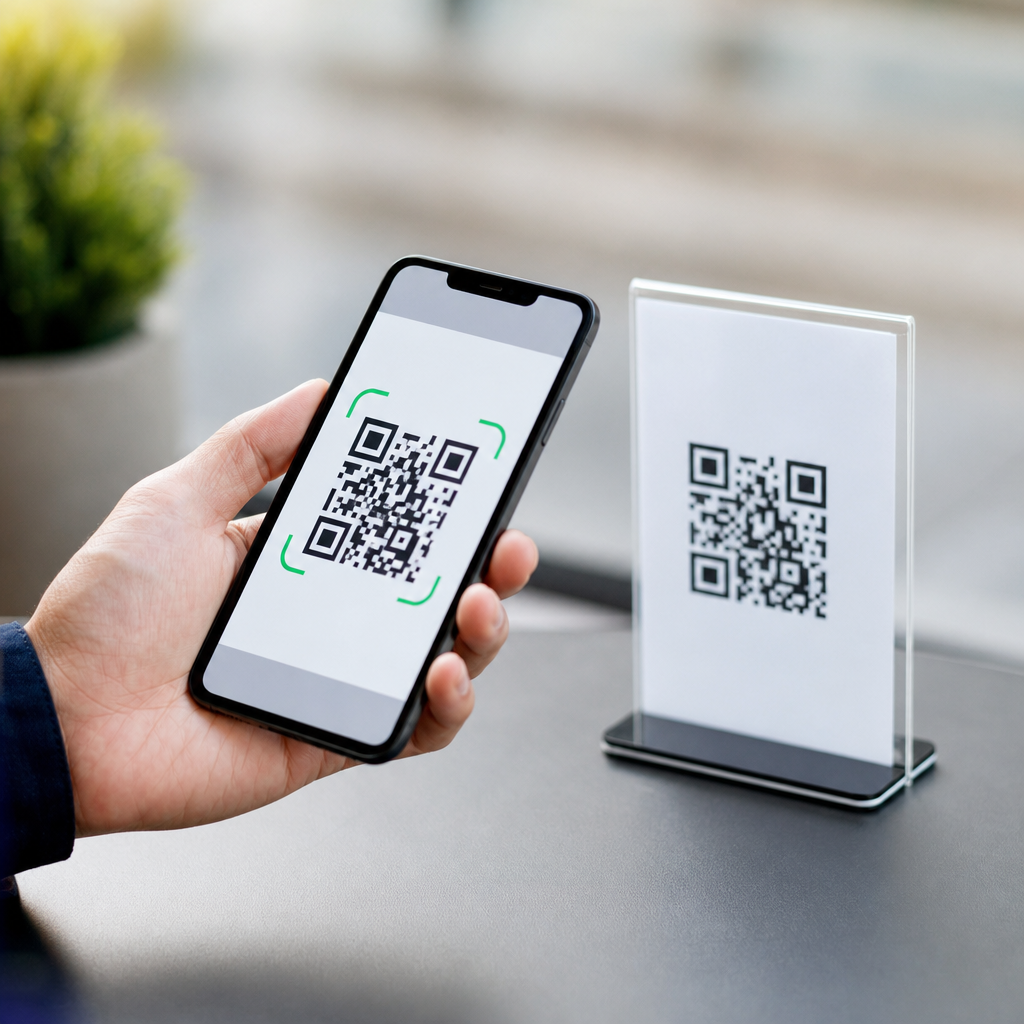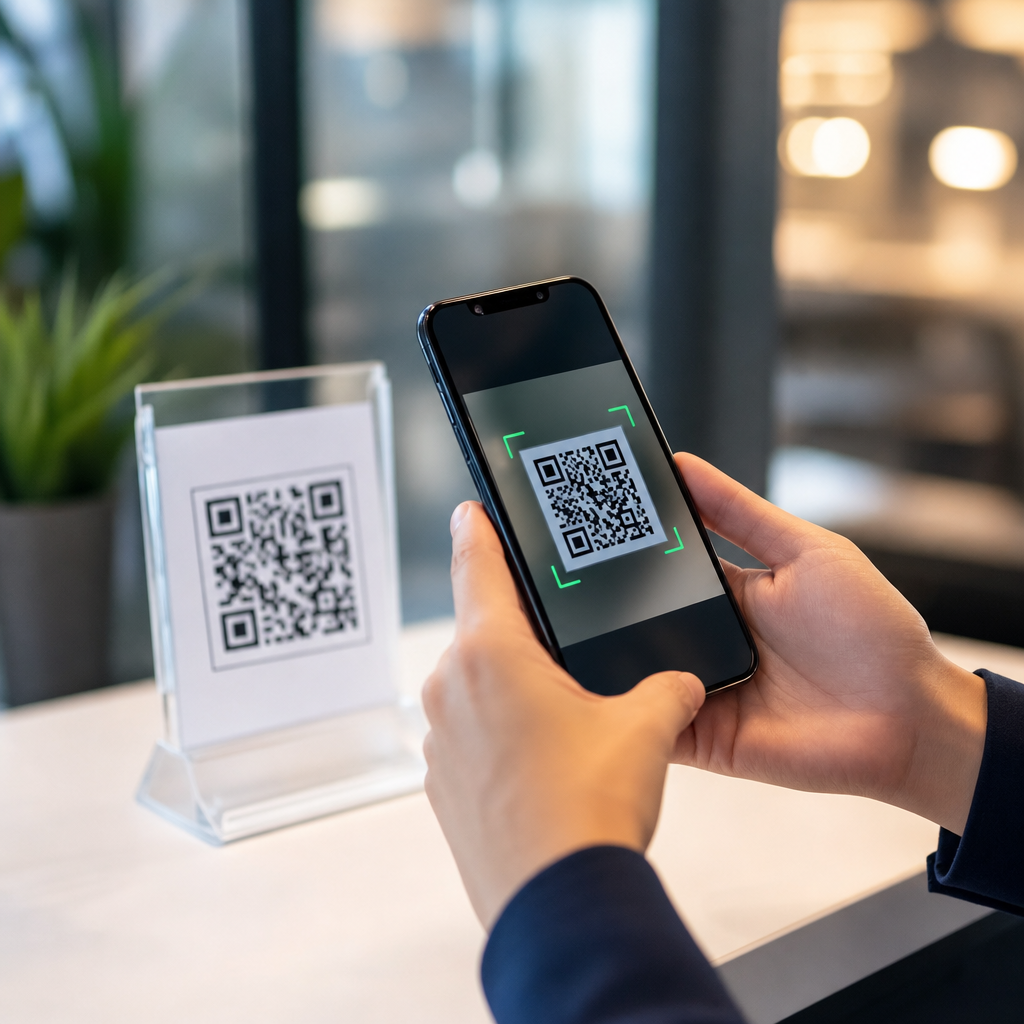
QR code security tools and solutions have moved from a niche IT concern to a core business requirement because quick response codes now connect payments, marketing, identity, logistics, and customer service in a single scan. A QR code is simply a two-dimensional barcode that stores a URL, text string, contact record, payment instruction, or app action, but the security risk lies in what happens after the scan. Attackers can replace legitimate codes with malicious ones, redirect users to phishing pages, trigger unsafe downloads, or capture credentials through fake login screens. Secure QR code practices are the policies, technologies, and user behaviors that reduce those risks across creation, distribution, scanning, monitoring, and retirement.
I have worked on QR deployment reviews for retail campaigns, warehouse labels, and authentication flows, and the pattern is consistent: teams focus heavily on scan rates and conversion, then address security only after an incident or a compliance review. That sequence is backwards. QR codes bridge physical and digital environments, so they inherit risks from both. A printed poster can be tampered with in a store, while the landing page behind it can be spoofed online. Because the code itself is visually opaque to most users, trust shifts from what people can inspect to what systems enforce behind the scenes.
This matters for every organization that uses QR codes at scale. Payment fraud, brand impersonation, data leakage, and malware delivery can all begin with a harmless-looking square. Regulators also care. If a QR code leads to the collection of personal data, organizations may trigger obligations under GDPR, CCPA, PCI DSS, HIPAA, or sector-specific rules depending on geography and use case. The best QR code security tools and solutions therefore combine technical controls with governance: safe code generation, managed redirects, domain protection, mobile endpoint defenses, tamper detection, analytics, incident response, and documented user education. Done correctly, secure QR code practices preserve convenience without leaving customers, employees, or partners exposed.
Understand the core QR code threat model
The first step in secure QR code practices is understanding the threat model. The most common attack is QR phishing, often called quishing, where a malicious code points to a fake site that imitates a bank, retailer, HR portal, or software login page. The code can be printed on stickers and placed over real signage, embedded in emails, or included in PDFs to bypass traditional link inspection by users. In red-team exercises I have seen even security-aware employees scan a code on a parking meter or office flyer because the physical context lowered suspicion. That is why QR threats cannot be treated as ordinary link threats alone.
Other risks include drive-by downloads, rogue app prompts, payment diversion, credential harvesting, and inventory manipulation. In manufacturing and logistics, a tampered QR label can send staff to the wrong work order or alter chain-of-custody records. In healthcare, a mislabeled code can expose patient information or direct clinicians to stale instructions. Dynamic QR campaigns create another layer of risk because they rely on redirect infrastructure and analytics platforms. If that infrastructure is misconfigured, compromised, or left without domain controls, the code becomes a persistent doorway for abuse. Security planning must therefore map physical placement, destination handling, user identity flow, and back-end ownership before deployment.
Use secure generation, ownership, and redirect controls
Not all QR code generators are equal, and free tools are often where weak governance begins. A secure setup starts with controlled generation inside an approved platform, ideally one that supports role-based access control, audit logs, expiration rules, and export governance. Organizations should know who created each code, what destination it resolves to, when it was last changed, and whether a retired campaign can still be scanned. Static codes are safer when the destination will never change and the URL uses a strongly governed domain. Dynamic codes are better when campaigns need editing, analytics, device targeting, or emergency disablement, but they must be tied to a managed redirect service.
Redirect hygiene is central to QR code security tools and solutions. Use HTTPS only, enable HSTS, and avoid open redirects that allow arbitrary forwarding. Canonical domains should be short, recognizable, and protected with registrar lock, DNS logging, DNSSEC where supported, and certificate monitoring. I recommend custom branded domains over generic shorteners because users are more likely to trust a known destination and analysts can enforce stricter ownership controls. For sensitive workflows such as payments or account access, the landing page should validate origin context, rate-limit suspicious requests, and block lookalike paths that mimic internal login systems. A QR code should never point directly to an unmanaged third-party form that collects regulated data.
Lifecycle controls matter just as much. Every code should have an owner, business purpose, approved destination list, placement inventory, and retirement date. When teams rotate vendors or redesign campaigns, old codes often remain in the field, especially on packaging and printed collateral. Attackers actively probe abandoned QR destinations because expired domains and forgotten redirect paths are easy to repurpose. A disciplined asset register prevents that. If a code supports payments, customer identity, or building access, treat it like any other production endpoint with change management, configuration review, and incident escalation procedures.
Harden landing pages, mobile scanning, and endpoint protection
Once a user scans, the landing page becomes the primary security boundary. The page should load quickly, use TLS with valid certificates, minimize third-party scripts, and present a clear brand identity so users can recognize legitimacy at a glance. Authentication pages reached by QR code deserve extra scrutiny. Use phishing-resistant methods where possible, such as passkeys or FIDO2 security keys, and avoid relying only on passwords entered after a scan. If the workflow must collect data, apply input validation, content security policy, and session protections. Payment pages should use PCI-compliant processors and explicit confirmation details so users can verify recipient, amount, and merchant name before approving a transaction.
Mobile endpoint defenses add another layer. Many modern mobile threat defense tools can evaluate URLs at the moment of click or scan, block known malicious destinations, and inspect certificate anomalies or browser exploit attempts. On managed devices, products from Microsoft Defender for Endpoint, Lookout, Zimperium, and similar platforms can enforce web protection, detect risky apps, and feed alerts into SIEM platforms. Native camera apps increasingly preview URLs before opening them, but preview alone is not enough. Organizations should standardize scanning behavior on corporate devices, disable unapproved reader apps where possible, and ensure mobile browsers use safe browsing services and up-to-date patch levels.
User interface design can reduce accidental trust. A safe QR flow shows the full destination domain before sensitive actions, keeps branding consistent across physical materials and digital pages, and avoids unnecessary redirects that confuse users. If a code on a restaurant table always sends people to menu.example.com, then a sudden jump to a long unfamiliar domain is an immediate warning sign. This kind of consistency is simple, but it prevents many real incidents because users learn what normal looks like and can report exceptions faster.
Apply physical security, tamper detection, and campaign governance
Because QR codes often live in public spaces, physical security is not optional. Attackers love low-tech replacement methods: print a sticker, place it over the original, and wait for scans. Countermeasures depend on context. For storefront windows, kiosks, parking meters, transit stations, and event signage, use tamper-evident materials, controlled placement heights, routine inspections, and photographic baselines so staff can compare current signage against approved versions. In high-risk locations, put human-readable destination text next to the code and instruct users to check it before scanning. Some organizations add a short vanity URL beneath the code so users can type it manually if the label looks suspicious.
Operational governance turns these controls into repeatable practice. Marketing, IT, security, legal, and compliance teams should share a standard intake process for any new QR campaign. That process should define the business objective, destination classification, data collected, retention period, owner, approved design, and monitoring expectations. Secure QR code practices fail most often when one department launches codes independently using consumer tools, then another department discovers the resulting privacy or brand risk later. Central governance does not have to slow execution if templates, approved domains, and standard review paths already exist.
| Control area | Recommended practice | Risk reduced |
|---|---|---|
| Code creation | Use approved generator with audit logs and role-based access | Unauthorized changes and unknown ownership |
| Destination security | HTTPS, branded domain, no open redirects, monitored certificates | Phishing and redirect abuse |
| Physical placement | Tamper-evident labels, inspection schedule, photo baseline | Sticker replacement attacks |
| Mobile devices | Managed scanning apps or mobile threat defense on corporate phones | Malicious sites and unsafe app prompts |
| Analytics and alerts | Monitor scan spikes, geography anomalies, and destination edits | Undetected campaign compromise |
| Retirement | Expiration dates, asset register, domain renewal controls | Orphaned codes and expired-domain takeover |
Inspections should be risk-based. A QR menu inside a controlled office cafeteria may only need periodic checks, while a parking payment code on a downtown street should be reviewed much more frequently. For regulated sectors, keep evidence of inspections and approvals. Auditors care less about promises than proof: timestamped review records, screenshots of approved destinations, and documented remediation actions when anomalies appear.
Monitor scans, detect abuse, and respond to incidents quickly
Monitoring is where mature QR code security tools and solutions distinguish themselves from basic generators. Scan analytics should not be used only for marketing attribution; they are also security telemetry. Establish baselines for normal volume, geography, device type, referral context, and time-of-day patterns. If a code tied to a local in-store promotion suddenly receives traffic from multiple countries or a retired campaign starts seeing new scans, investigate immediately. Dynamic QR platforms with webhook support can send events into Splunk, Microsoft Sentinel, Google Security Operations, or another SIEM for correlation with DNS, WAF, and identity alerts.
Abuse detection works best when redirect services, web application firewalls, DNS logs, and user reports are connected. Cloudflare, Akamai, Fastly, and similar edge platforms can block suspicious requests, challenge bots, and limit path abuse. Google Safe Browsing, Microsoft Defender SmartScreen, and commercial URL reputation feeds can help identify known malicious destinations if an attacker swaps a redirect target. I also recommend certificate transparency monitoring for branded QR domains, because fraudulent lookalike certificates often appear early in phishing campaigns. Pair that with domain monitoring for typosquatting and homoglyph variants so brand impersonation is caught before customers are exposed.
Incident response should be defined before launch. Teams need a kill switch for dynamic codes, a contact path for physical removal or replacement, a process to preserve logs, and templated communications for customers or employees. In a payment diversion scenario, every hour matters because victims may continue scanning a compromised code long after online indicators are cleaned up. Good response plans separate containment, investigation, notification, and recovery. They also include lessons learned: why the tampering was not detected sooner, which ownership gap allowed it, and what control must change.
Align QR programs with privacy, compliance, and user education
Privacy and compliance cannot be bolted on after deployment. If a QR code opens a form, starts a loyalty sign-up, verifies identity, or collects location-linked analytics, the organization must define lawful basis, consent where required, minimization rules, retention limits, and vendor responsibilities. Under GDPR, a QR campaign that profiles behavior or links scans to identifiable accounts may require a data protection impact assessment depending on risk. Under PCI DSS, payment QR flows must protect cardholder data environments and avoid exposing users to spoofed collection pages. Healthcare and public sector deployments often require extra controls around disclosure, accessibility, and records management.
User education should be practical, not generic. Tell people exactly what to check: the visible domain, signs of a sticker overlay, unexpected login prompts, and mismatched branding. For employees, build QR examples into phishing simulations and physical security training. For customers, use signage that states where the code should lead and provide an alternate path. The goal is not to make users paranoid about every scan; it is to give them a small set of reliable verification habits. In my experience, concise instructions near the code itself are more effective than buried policy pages because they shape behavior at the moment of risk.
As the hub for secure QR code practices, this topic connects several deeper areas: preventing quishing, securing payment QR codes, protecting branded domains, managing dynamic QR infrastructure, auditing third-party generators, and meeting privacy obligations for scan analytics. Organizations that treat QR as a governed digital channel, rather than a marketing graphic, consistently avoid the most damaging failures. Start with owned domains, approved generators, hardened landing pages, mobile protections, physical inspections, and real monitoring. Then document responsibilities, train users, and test your response plan. If your business relies on QR codes for revenue, operations, or trust, review your current program now and close the gaps before attackers find them first.
Frequently Asked Questions
What are QR code security tools and why do businesses need them?
QR code security tools are the technologies, policies, and monitoring solutions used to reduce the risks that come after a user scans a code. A QR code itself is not inherently dangerous. The real issue is the destination or action it triggers, such as opening a website, launching a payment flow, downloading an app, revealing contact data, or connecting a user to a support channel. Because QR codes are now used across payments, marketing, logistics, identity verification, ticketing, and customer service, they have become a convenient target for attackers who want to redirect users to phishing pages, malware downloads, fake checkout forms, or impersonation sites.
Businesses need QR code security tools because QR interactions often happen quickly and with very little user scrutiny. A customer scanning a menu, package label, invoice, event ticket, or product display may assume the code is legitimate without checking where it leads. Security tools help close that trust gap. They can include dynamic QR code management platforms, URL reputation filtering, anti-phishing scanners, mobile threat defense, tamper-evident labels, secure redirect gateways, endpoint protection, certificate validation, and analytics systems that detect unusual scan behavior. Together, these tools allow organizations to control destinations, update links safely, monitor usage patterns, and respond quickly if a code is replaced or abused. In practical terms, QR code security has become a business requirement because it protects customer trust, reduces fraud exposure, supports compliance efforts, and preserves the integrity of digital and physical customer journeys.
What are the most common QR code threats organizations should watch for?
The most common QR code threats revolve around redirection, impersonation, and user deception. One major risk is QR phishing, sometimes called “quishing,” where a user scans a code that leads to a fake login page, counterfeit payment portal, or fraudulent support site. These attacks are especially effective because mobile users often see only a shortened or redirected URL and may not inspect it carefully before entering credentials or payment details. Another common threat is code replacement, where a legitimate printed code is physically covered with a malicious sticker or digitally swapped in an online document, email, or advertisement. In public settings such as parking meters, restaurant tables, kiosks, and product packaging, attackers rely on the fact that users rarely verify whether the code has been altered.
Organizations should also be alert to malware delivery, rogue app downloads, business email compromise support flows, and data harvesting schemes. A QR code can be used to trigger device actions, prefill messages, connect to unsecured networks, or route users to sites designed to collect personal or financial information. Payment fraud is another major concern, particularly in environments where users scan a code to complete purchases, approve invoices, or send peer-to-peer transfers. Even when a QR code campaign begins as legitimate, weak backend controls can create risk if the destination page lacks HTTPS, has poor authentication, or contains vulnerable scripts. The broader lesson is that QR threats are not limited to the code image itself. They are part of the full chain of trust, including the code’s placement, the redirect path, the target domain, the mobile device scanning it, and the internal systems receiving the resulting traffic.
Which QR code security solutions are most effective for preventing phishing and fraud?
The most effective QR code security solutions combine technical controls with process discipline. One of the strongest protections is the use of dynamic QR code platforms managed through a secure central dashboard. These systems let organizations control destination URLs without reprinting the code, which means suspicious redirects can be shut down quickly and legitimate destinations can be updated safely. A secure redirect layer is also highly valuable because it can inspect traffic before forwarding the user, apply domain allowlists, scan for malicious patterns, and block known bad destinations. When paired with HTTPS enforcement, certificate monitoring, and domain reputation checks, this approach significantly reduces the likelihood that users will land on phishing pages or manipulated endpoints.
Beyond redirect security, businesses benefit from tamper detection and scan intelligence. For physical deployments, tamper-evident labels, serialized assets, routine inspection schedules, and location-based verification can help identify replaced or altered codes. For digital campaigns, access controls, version history, approval workflows, and asset integrity checks reduce the risk of unauthorized edits. Mobile threat defense solutions can add another layer by warning users about dangerous websites, fake login forms, or suspicious downloads immediately after a scan. Analytics tools are equally important because they can surface unusual activity such as sudden scan spikes, scans from unexpected geographies, abnormal device patterns, or repeated redirects to blocked domains. The most effective anti-fraud strategy is layered: secure creation, controlled distribution, monitored scanning, trusted redirect infrastructure, and a fast incident response process when anything looks wrong.
How can companies secure QR codes used for payments, marketing, and customer service?
Companies should secure QR codes differently depending on the business function, while keeping a common governance model underneath. For payment QR codes, the priority is transaction integrity. Organizations should use verified payment providers, encrypted sessions, strong domain validation, transaction confirmation screens, and fraud monitoring tied to merchant and customer behavior. Static payment codes should be tightly controlled, while dynamic payment codes are usually safer because they allow transaction-specific data and can be revoked or updated centrally. For high-risk use cases such as invoices, point-of-sale displays, or peer-to-business transfers, companies should also include visible trust signals near the code, such as official branding, domain previews, and customer guidance on how to verify legitimacy before sending funds.
For marketing and customer service, the focus should be on destination trust and brand protection. Marketing QR codes often appear on posters, packaging, print ads, and events, which makes them vulnerable to tampering or misuse. Businesses should host landing pages on clearly branded domains, avoid unnecessary redirects, maintain SSL certificates, and monitor campaign links continuously. In customer service settings, QR codes may point users to support portals, warranty registration, knowledge bases, chat experiences, or identity flows. These destinations should be protected by secure session handling, bot filtering, and strong access control when personal data is involved. Across all three categories, companies should maintain a QR code inventory, assign ownership, document approved use cases, define expiration and review periods, and train frontline teams to spot suspicious changes. Security works best when QR code deployment is treated as part of enterprise digital governance rather than a one-off design task.
What best practices should users and IT teams follow to improve QR code security?
Users and IT teams each play an important role in improving QR code security. For end users, the most useful habits are simple but effective: scan only from trusted sources, look for signs of tampering on printed materials, preview the destination if the device allows it, avoid entering credentials or payment details on unfamiliar pages, and be cautious if a code prompts an urgent action such as account verification, payment correction, or password reset. Users should also pay attention to the domain name after scanning. A page that imitates a brand but uses a misspelled or unrelated domain is a classic warning sign. On managed mobile devices, users should keep the operating system and security software updated so that malicious sites, downloads, and unsafe network actions can be flagged quickly.
For IT and security teams, best practices start with visibility and policy. Maintain a complete inventory of all business QR codes, including owner, purpose, destination, deployment location, and review date. Use only approved QR generation tools, require secure redirect infrastructure, enforce HTTPS, and limit who can change destinations. Monitor scan analytics for anomalies and integrate QR-related events into broader phishing, fraud, and threat detection workflows. For physical assets, create inspection procedures and tamper response steps. For digital assets, use access logs, approvals, and version control. Employee awareness training should specifically include QR-based social engineering, since many traditional anti-phishing programs still focus too heavily on email links alone. Finally, build a response plan that covers takedown actions, destination changes, customer communication, legal coordination, and forensic review. The strongest QR code security posture comes from combining user caution with operational control, continuous monitoring, and a readiness to act quickly when abuse is detected.