QR code marketing gives startups a low-cost way to connect offline attention with digital action, and that simple bridge can produce measurable wins when every lead, visit, and sale matters. A QR code is a scannable matrix barcode that opens a web page, app store listing, video, coupon, contact card, payment screen, or other digital asset through a smartphone camera. For startups, the appeal is practical: printing costs are minimal, setup is fast, and performance can be tracked through scans, sessions, conversions, and downstream revenue. I have used QR codes in product launches, retail pilots, event booths, and direct mail tests, and the strongest results came from matching one clear action to one clear audience at one clear moment. That discipline matters because a code by itself does nothing; the strategy around placement, incentive, landing page design, and follow-up determines whether it becomes a growth channel or just a decorative square.
This hub focuses on small business QR code wins because startups face constraints larger brands can absorb. Early-stage teams work with limited budgets, uneven brand recognition, and small sample sizes, so campaigns must be easy to launch and easy to measure. QR codes help by shortening the path between curiosity and response. A passerby can scan a window decal to book a trial, a café customer can join a loyalty program from a table tent, and a trade show attendee can download a product comparison sheet without typing a URL. Dynamic QR codes add another layer of efficiency because the destination can be updated without reprinting the code. That flexibility supports testing, seasonal offers, and localized pages. When founders ask whether QR code marketing is still effective, the answer is yes, provided the value exchange is immediate, the destination is mobile-first, and the code appears where user intent already exists.
Small business QR code wins usually come from straightforward use cases rather than flashy gimmicks. The best startup campaigns reduce friction, answer a question, or deliver a benefit within seconds. Examples include menu QR codes that collect first-party customer data, packaging inserts that request reviews after delivery, storefront posters that capture after-hours leads, and invoice QR codes that accelerate payment. These are not isolated tactics; together they form a repeatable system for demand capture, retention, referrals, and attribution. This article serves as the hub for that system. It explains where QR codes fit in the startup funnel, which campaign types work best, how to choose formats and placements, what metrics matter, and where common mistakes waste scans. If you want practical QR code marketing ideas for startups, start with the principle that every scan should solve a real customer need faster than any alternative.
Where QR codes create the biggest startup advantage
Startups gain the most from QR codes when they use them to connect physical touchpoints to high-intent digital experiences. In practice, that means looking at every place a prospect pauses: packaging, receipts, posters, business cards, event signage, product labels, checkout counters, windows, flyers, and onboarding materials. Each pause is a conversion opportunity if the next step is obvious. A fitness studio, for example, can place a code on street-facing signage that opens a class schedule with a first-visit offer. A software startup can add a code to a conference booth graphic that launches a demo request page prefilled with campaign parameters. A neighborhood retailer can print a code on receipts that opens a review page or loyalty signup. These wins happen because scanning is faster than remembering a brand name, searching later, and completing a form from scratch.
The startup advantage also comes from attribution. QR traffic can be segmented by location, asset, time period, and audience when each code maps to a distinct campaign URL with UTM parameters. Using tools such as Google Analytics 4, HubSpot, Mailchimp, or Shopify, founders can see which poster, insert, or table tent drove the session and whether that session became a sale. This is especially valuable for local businesses that spend money on print materials, pop-up events, or co-marketing and need evidence that offline channels are performing. In one retail pilot I ran, separate QR codes on bag inserts and window posters revealed that inserts produced fewer scans but much higher conversion because the audience had already purchased once. That insight changed budget allocation immediately. Without code-level tracking, both assets would have looked equally useful based on anecdotal feedback.
High-performing QR code campaign ideas for small business growth
The most reliable QR code marketing ideas for startups align with a specific stage of the customer journey. For acquisition, use codes on storefront windows, sidewalk signs, vehicle wraps, and print ads that lead to a fast-loading landing page with one offer, one form, and one proof point. For conversion, add codes to product packaging, shelf talkers, and direct mail pieces that unlock limited-time discounts, tutorials, or financing options. For retention, place codes on receipts, thank-you cards, and post-purchase inserts that register warranties, join loyalty programs, or invite customers to reorder. For advocacy, include codes that lead to review requests, referral links, or user-generated content prompts. In every case, the call to action should name the payoff explicitly: “Scan for 10% off,” “Scan to book a free fitting,” or “Scan to see setup in 60 seconds.”
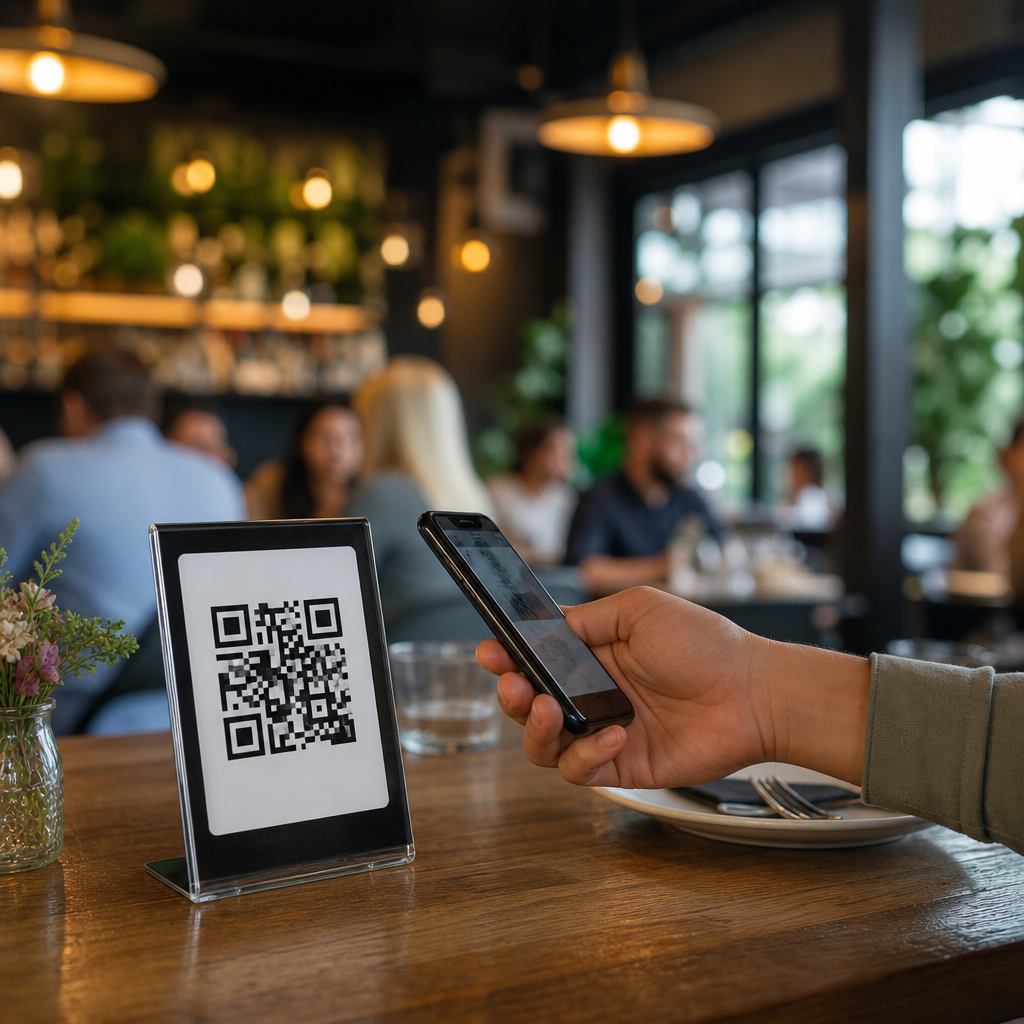
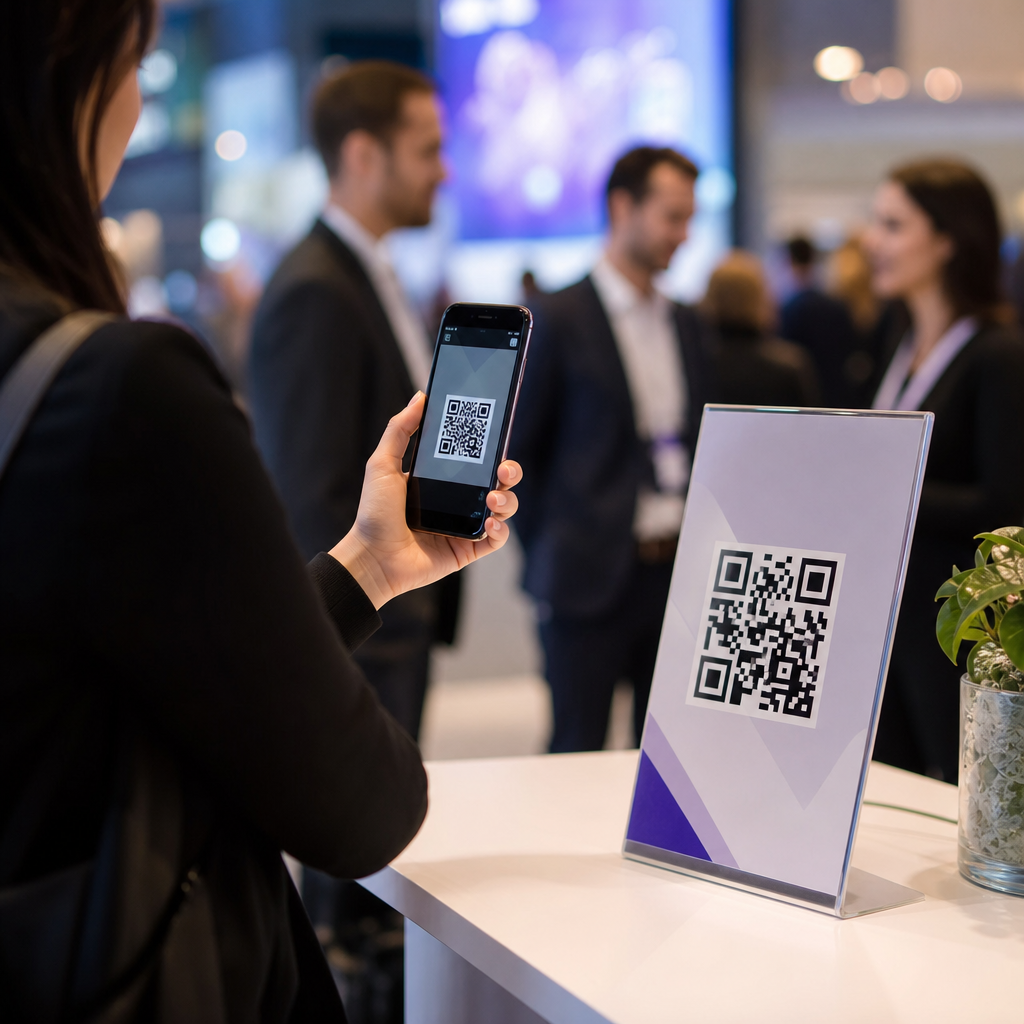
Restaurant and retail startups often see quick returns from table, counter, and packaging placements. A coffee shop can use a dynamic QR code on cup sleeves to rotate seasonal offers, capture email subscribers, and promote preorders during morning rush. A boutique can place product-specific codes on hang tags that show styling videos, size guidance, and inventory availability. Service businesses can use door hangers and leave-behind cards with codes that open quote forms or before-and-after galleries. B2B startups can print codes on one-pagers, proposal covers, and trade show badges to route prospects to case studies or meeting schedulers. Event-based founders should use separate codes for booth banners, staff business cards, and session slides so lead quality can be compared. The campaign structure matters more than the design trend. A plain black code with a clear benefit routinely beats a decorative code with weak copy.
| Use case | Best placement | Primary goal | Recommended destination |
|---|---|---|---|
| Lead capture | Storefront poster, flyer, booth banner | Generate inquiries | Mobile landing page with short form |
| First purchase | Direct mail, packaging insert, shelf sign | Drive immediate sales | Offer page with coupon applied |
| Loyalty signup | Receipt, table tent, counter card | Increase repeat visits | Rewards enrollment page |
| Customer education | Product label, hang tag, user guide | Reduce friction and returns | Short video or setup guide |
| Reviews and referrals | Thank-you card, invoice, post-purchase email printout | Build trust and word of mouth | Review form or referral page |
Local service startups can build surprisingly effective neighborhood funnels with QR codes. A cleaning company can place codes on yard signs after a completed job that open a booking page for nearby homes. A pet care startup can add codes to community bulletin board flyers that lead to vaccination requirements, service zones, and onboarding steps, reducing back-and-forth before the first appointment. A home repair business can print a code on invoices that opens maintenance plans and annual service reminders. These small business QR code wins are powerful because they compound. A single well-designed code can lower acquisition cost, shorten sales cycles, and improve customer experience at once. The key is choosing the page destination based on the user’s immediate context, not on what the company wants to promote broadly.
How to design QR code experiences that convert
Conversion depends less on the code image than on what happens after the scan. Start with a landing page built for mobile speed and clarity. Google’s Core Web Vitals are a useful benchmark: pages should load quickly, avoid layout shifts, and remain responsive. Keep the destination tightly matched to the call to action. If the sign promises a coupon, the page should show the coupon immediately, not a generic homepage. If the code appears on packaging, the page should recognize that the customer already purchased and offer setup help, accessories, or loyalty enrollment rather than an acquisition message. Use concise forms, autofill where possible, and one primary button above the fold. Add proof near the action, such as ratings, testimonials, guarantees, or client logos. Reducing uncertainty is often the difference between a scan and a completed conversion.
Physical execution matters too. Maintain strong contrast, sufficient quiet space around the code, and a size appropriate for scanning distance. A common rule is at least one inch square for close-range use, with larger sizes for posters and signage viewed from farther away. Test scans on both iPhone and Android cameras under realistic lighting conditions. Avoid placing codes on curved, reflective, or highly textured surfaces when the campaign goal is critical. Include a short fallback URL for users who prefer typing. Branded customization can improve recognition, but aggressive stylization can reduce readability, especially when logos crowd the finder patterns or colors weaken contrast. I recommend generating the design, printing a sample, and testing from multiple angles before committing to a full run. Startups often rush this step and pay for reprints after discovering real-world scan failures.
Dynamic code management is another conversion lever because it allows active optimization. If a direct mail piece underperforms, update the destination, not the print. If weather changes foot traffic patterns, route storefront scans to a “book later” form instead of a walk-in offer. If a campaign spans multiple neighborhoods, use localized landing pages with maps, store hours, and social proof from nearby customers. Platforms such as Bitly, Beaconstac, QR Code Generator Pro, Uniqode, and Flowcode support dynamic redirects and analytics, though feature depth varies by plan. For startups, the right tool is the one that supports editable destinations, scan reporting, custom domains if possible, and integrations with analytics or CRM systems. Fancy dashboards are optional; reliable data and flexible redirects are not.
Measurement, compliance, and common mistakes
The core metrics for QR code marketing are scans, unique scans, landing page engagement, conversion rate, cost per acquisition, and revenue or pipeline attributed to the campaign. Secondary metrics depend on the use case: repeat purchase rate for loyalty campaigns, review volume for reputation campaigns, and time-to-payment for invoice codes. Set a baseline before launch and compare by asset, location, and offer. For example, if two window posters generate similar scan counts but one drives more completed bookings, examine copy, page speed, and offer fit before changing the code design. In small sample environments, qualitative observation matters too. Watch where people stand, whether glare affects scanning, and whether staff explain the offer consistently. Good measurement combines analytics with field notes.
Privacy and trust should never be afterthoughts. If a code collects personal data, disclose what is being collected and why. Follow applicable consent requirements for email and SMS, and make terms visible on the landing page. Use HTTPS destinations, avoid link shorteners that look suspicious without branding, and never mask a weak offer behind a vague prompt. Startups also need to guard against campaign clutter. Too many codes in one environment create decision paralysis. One location should usually equal one desired action. Another common mistake is sending every scan to the homepage, which discards context and lowers conversion. Others include failing to tag URLs, ignoring mobile load times, printing codes too small, or forgetting to update dynamic destinations after a promotion ends. The companies that win with QR codes treat them as performance assets, not print ornaments.
Building a repeatable QR code growth system
For startups, the real value of QR code marketing is not a one-off campaign but a repeatable operating system for offline-to-online demand. Begin with three pilot campaigns tied to distinct outcomes: one acquisition campaign, one retention campaign, and one advocacy campaign. Give each a unique code, dedicated landing page, and explicit success metric. Run the pilots long enough to gather signal, then standardize naming conventions, UTM structures, creative templates, and reporting dashboards. Train staff on the spoken prompt that accompanies each code because in-person framing influences scan rates. Build a library of proven placements and offers so future launches start from evidence rather than guesswork. Over time, this system can support local partnerships, packaging programs, event lead capture, customer education, and referral loops without major additional cost.
Small business QR code wins are rarely accidental. They come from clear intent, contextual placement, disciplined testing, and a destination page that respects the user’s moment. Startups that treat QR codes as measurable conversion paths can punch above their weight against larger competitors because they move faster and learn faster. The path forward is simple: map your physical touchpoints, choose one high-value action per touchpoint, launch dynamic codes with mobile-first pages, and measure what happens after the scan. Then improve the offer, placement, and page until the numbers justify scaling. If you are building your hub of QR code campaign ideas and case studies, use this framework as the foundation and expand each use case into its own playbook. Start with one campaign this week, track every scan, and turn a small square into a dependable growth channel.
Frequently Asked Questions
1. Why are QR codes such a useful marketing tool for startups?
QR codes are especially valuable for startups because they create a direct, low-cost path from offline attention to online action. A founder can place a code on packaging, flyers, posters, event signage, business cards, storefront windows, or product inserts and immediately guide people to a landing page, product demo, booking form, app download, coupon, contact card, or payment screen. That matters when budgets are tight and every interaction needs to move people closer to becoming a lead or customer.
Another major advantage is speed. Startups often need marketing tactics they can launch quickly, test easily, and improve without large production costs. QR codes fit that model well. A single printed asset can connect to a digital destination that can often be updated later if you use a dynamic QR code. That means a startup can change the linked page, switch an offer, update a campaign, or redirect traffic without reprinting every physical item. This flexibility makes QR codes a practical tool for lean experimentation.
They are also useful because they are measurable. Unlike many traditional offline marketing tactics, QR codes can help startups track scans, timing, device patterns, locations, and conversions when paired with proper analytics and campaign tagging. That visibility helps teams understand which placements are working, which calls to action are strongest, and which campaigns deserve more investment. For startups trying to prove return on marketing spend, that kind of data is extremely helpful.
Most importantly, QR codes reduce friction. Instead of asking someone to remember a URL, type a long web address, search for an app, or manually redeem an offer, a code lets them take action immediately. When interest is highest in the moment, reducing those extra steps can significantly improve engagement and conversion rates.
2. What are the best QR code marketing ideas for startups that want quick results?
Some of the best QR code marketing ideas for startups are the ones that connect directly to a clear business goal, such as collecting leads, driving purchases, increasing app installs, or improving customer retention. One effective idea is to place QR codes on print materials like flyers, postcards, and brochures that link to a dedicated landing page with a single call to action. This works well for local promotions, product launches, beta signups, and service bookings because the user goes straight from scan to action.
Another strong option is using QR codes at events, pop-ups, trade shows, and networking meetups. Startups can place codes on booth signage, table displays, badges, demo screens, or giveaway materials to send attendees to a waitlist form, a product demo, a pitch deck, a calendar booking page, or a limited-time offer. This helps capture interest in real time rather than hoping people remember to follow up later.
Packaging and inserts are also powerful. If a startup sells physical products, a QR code inside the box can encourage customers to watch a setup video, register a warranty, join a loyalty program, leave a review, refer a friend, or reorder. This extends the customer relationship beyond the initial sale and can increase retention and word-of-mouth growth.
For service-based startups, QR codes can be used in storefronts, vehicles, appointment cards, menus, and invoices. A code might open a quote request form, a scheduling page, a testimonial page, or a payment link. Restaurants, wellness businesses, agencies, consultants, and home service startups can all use QR codes to streamline customer actions while making their marketing more trackable.
Founders should also consider pairing QR codes with incentives. A scan-to-save promotion, free resource, first-order discount, downloadable guide, or early-access signup can lift response rates significantly. The most successful campaigns usually combine three elements: a relevant placement, a clear promise, and a simple next step after the scan.
3. Where should startups place QR codes to get the highest scan rates?
High scan rates usually come from putting QR codes where audience attention is already strong and where scanning is easy, natural, and worthwhile. Startups should begin by identifying the moments when a person is most curious, most ready to act, or most likely to want more information. For example, product packaging is a strong placement because the customer already has the item in hand and is engaged. Event signage works well because attendees are actively exploring. Storefront windows can be effective because passersby can scan even when the business is closed.
Physical placement matters a great deal. The code should be easy to see, large enough to scan comfortably, and positioned at a practical height and distance. If users have to bend awkwardly, step too close, or struggle with glare or poor lighting, response rates will drop. Startups should also avoid putting codes in places where scanning is unsafe or inconvenient, such as on moving vehicles where the user cannot stop, or in crowded layouts where the code gets visually lost.
Context is just as important as visibility. A QR code without a reason to scan tends to underperform. The placement should include a clear call to action such as “Scan to claim 15% off,” “Scan to watch the demo,” “Scan to book a free consultation,” or “Scan to join the waitlist.” People are far more likely to scan when they know exactly what they will get and why it is valuable.
Startups should test across multiple touchpoints rather than relying on one location. Good candidates include posters, table tents, product labels, shipping boxes, receipts, business cards, direct mail pieces, presentation slides, outdoor banners, window clings, and thank-you cards. Each placement reaches users in a different mindset. By assigning unique QR codes to each placement, startups can compare performance and identify which environments create the best engagement and conversion outcomes.
4. How can a startup track the performance of a QR code campaign?
Tracking QR code performance starts with choosing the right setup. Startups should generally use dynamic QR codes instead of static ones when campaign measurement matters. Dynamic codes allow the destination URL to be updated and often provide scan analytics such as total scans, time of scan, device type, and approximate location. They also make it easier to keep a campaign active even if the landing page or offer changes later.
To measure real marketing impact, the QR code should lead to a properly tagged URL using analytics parameters such as UTM tags. This allows the startup to see not just scans, but what happened after the scan inside tools like Google Analytics or other attribution platforms. For example, a founder can distinguish between traffic generated by packaging inserts, trade show signage, direct mail, and in-store posters by creating separate campaign links for each one. That level of detail helps identify which offline channels are producing leads, sales, and other meaningful actions.
It is also important to define conversion goals before launch. Depending on the campaign, a startup may want to track newsletter signups, form submissions, purchases, app installs, coupon redemptions, demo requests, phone calls, or appointments booked. Once the goal is clear, the landing page should be designed around that action so that performance is easy to evaluate. Otherwise, scans may look good on paper without translating into business results.
Strong tracking also depends on testing. Startups should scan the code on different phones, verify that analytics are recording correctly, confirm page load speed, and make sure the destination is mobile-friendly. If the post-scan experience is slow or confusing, scan counts may not turn into conversions. Reviewing campaign data regularly allows the team to improve placement, messaging, design, and offers over time. In practice, the best QR code campaigns are not just launched; they are monitored, refined, and optimized based on actual user behavior.
5. What are the most common QR code marketing mistakes startups should avoid?
One of the most common mistakes is sending people to a generic homepage instead of a focused landing page. When someone scans a QR code, they are responding to a specific message in a specific moment. If the destination does not match that intent, the opportunity is often lost. A campaign for a discount should lead directly to the offer. A product demo campaign should open the demo page. A scan-to-book message should go straight to the scheduling flow. Relevance and continuity are essential.
Another mistake is failing to explain the benefit of scanning. Many startups print the code but forget to include persuasive context. A QR code alone is not a marketing strategy. People need a reason to act. A concise call to action and value statement can dramatically improve performance. Saying “Scan for details” is weaker than saying “Scan to get your free trial,” “Scan to see pricing,” or “Scan to unlock today’s offer.” Specificity increases response.
Poor design and usability are also frequent issues. If the code is too small, distorted, low contrast, placed on a busy background, or printed in a location with glare or poor reception, people may not be able to scan it easily. In addition, if the linked page is slow, not optimized for mobile, or asks users to complete too many steps, conversions will suffer. The user experience after the scan matters just as much as the code itself.
Startups should also avoid neglecting trust. Some users hesitate to scan codes if they are unsure where the code leads. Adding brand elements, a short URL preview, familiar visual design, or nearby copy that clearly describes the destination can