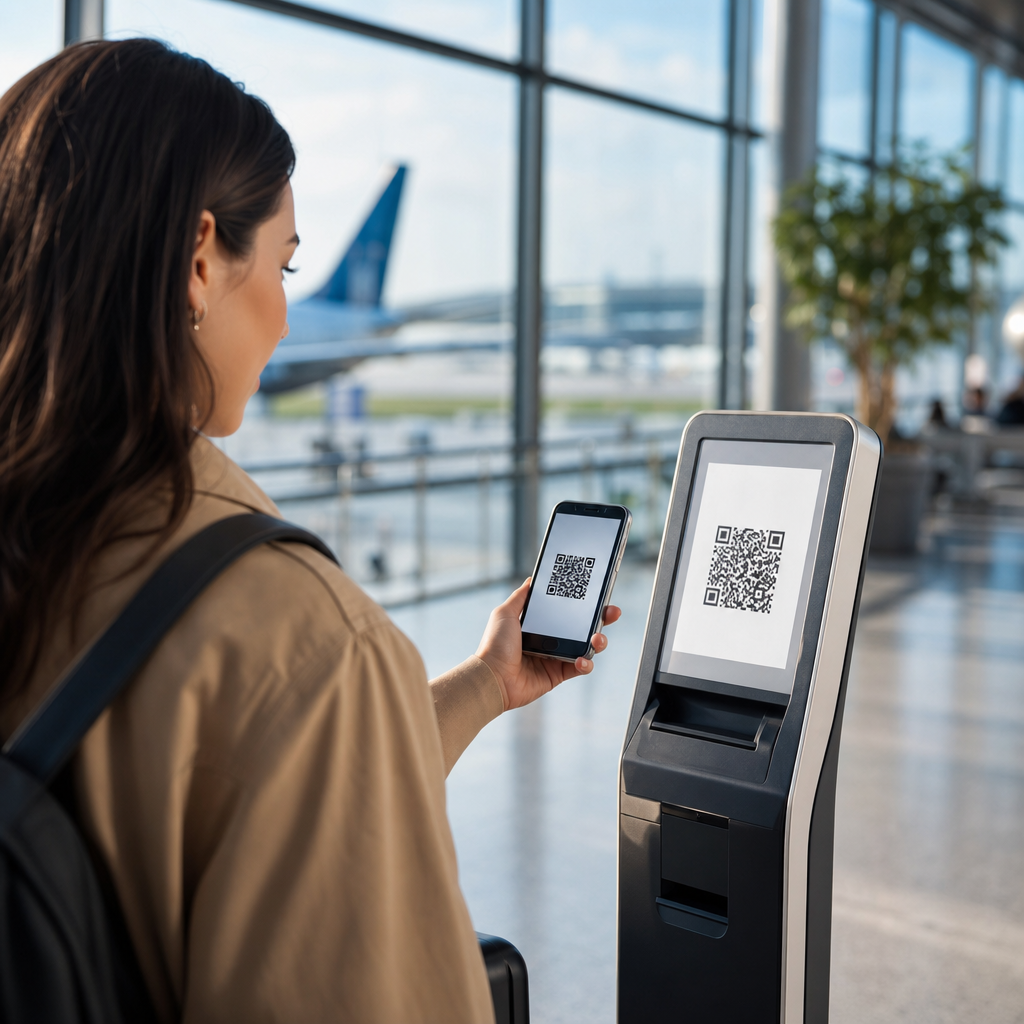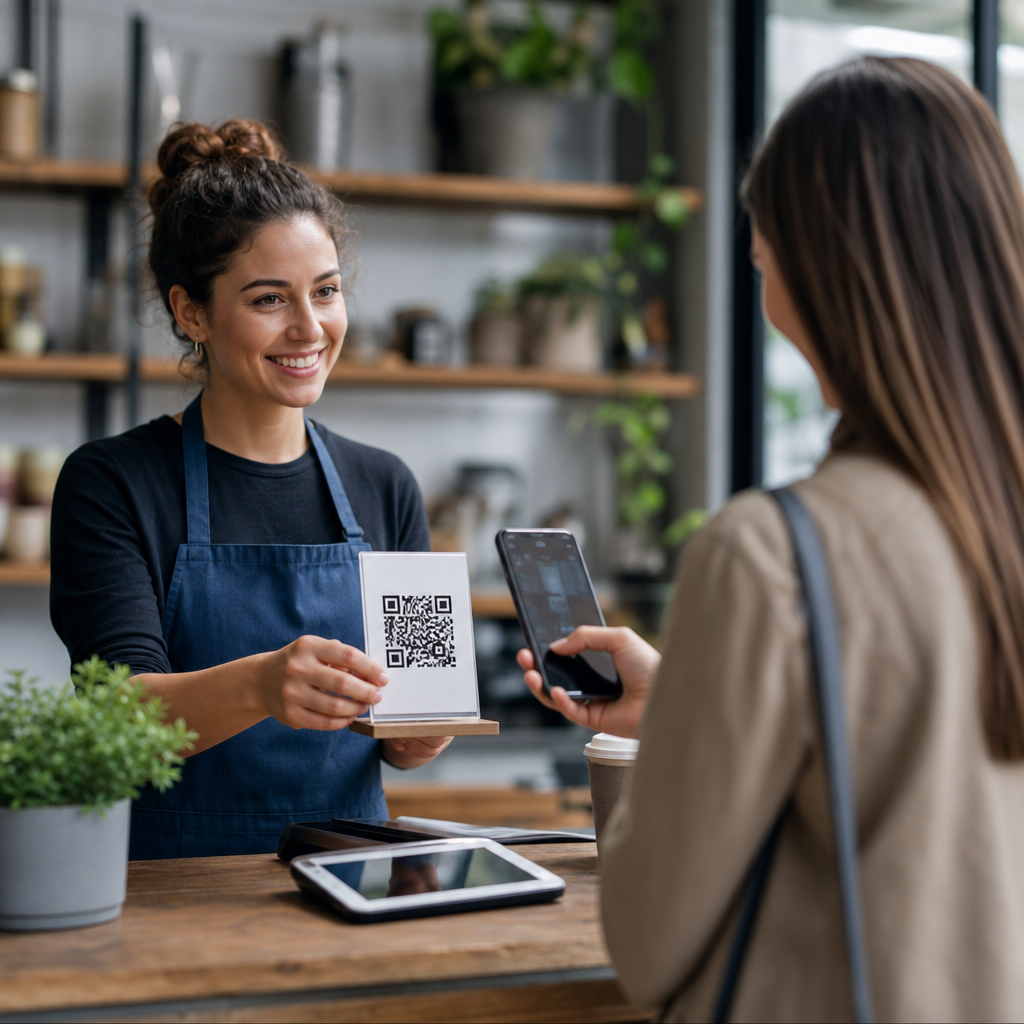
Local businesses use QR codes for growth by turning everyday touchpoints into measurable digital entry points, making it easier to capture leads, increase repeat visits, and connect offline traffic to online action. A QR code is a scannable matrix barcode that opens a destination such as a website, menu, payment screen, review form, coupon, event page, or app download. For small businesses, that simple function solves a persistent problem I have seen across retail stores, restaurants, service companies, and clinics: customers are willing to engage, but only if the next step is immediate and frictionless. When a code removes typing, searching, or waiting, response rates improve.
The topic matters because local growth depends on efficient use of limited attention, budget, and staff time. National brands can buy awareness. Independent businesses usually cannot. They need every window sign, receipt, table tent, flyer, package insert, and checkout conversation to work harder. QR codes help do that by linking physical experiences to trackable digital outcomes. In practical terms, that means a café can move customers from table to loyalty signup, a salon can push rebooking, a plumber can collect reviews before leaving a job site, and a boutique can turn a bag stuffer into a follow on social media or an SMS opt in.
Small business QR code wins are not about novelty. They come from matching the code to a clear customer intent, placing it where the decision happens, and measuring what happens next. The strongest campaigns answer basic questions fast: What will I get if I scan? Why should I do it now? Is the page mobile friendly and trustworthy? Over years of reviewing local campaigns, I have found that businesses succeed when they use dynamic QR codes, label them with a direct call to action, and send users to a dedicated landing page instead of a generic homepage. Those details sound small, but they determine whether a scan becomes revenue.
This hub article explains how local businesses use QR codes for growth, which campaign types produce the best returns, what tools and metrics matter, and where common failures happen. It also connects the broader strategy behind small business QR code wins: reduce friction, capture intent at the moment it appears, and build a system that can be repeated across locations, channels, and customer journeys. Whether you run a single storefront or a multi location service business, the core principle is the same: a good QR code campaign turns a static object into a useful next step customers actually want to take.
Why QR codes work so well for local customer acquisition
QR codes work for local customer acquisition because they meet people in context. A person standing in your store, waiting for food, reading a direct mail piece, or looking at your service van is already near a purchase decision. The code shortens the path between interest and action. In local marketing, that timing advantage matters more than reach. I have seen businesses waste money sending people to long navigation menus when a direct code to one action, such as “Claim today’s lunch offer” or “Book your next appointment,” would have converted better.
There are also operational reasons QR codes are effective. They are inexpensive to produce, easy to update when dynamic, and compatible with modern smartphone cameras on iPhone and Android devices. A dynamic QR platform can record scan count, device type, time, rough location, and destination performance when paired with UTM parameters and analytics tools such as Google Analytics 4. For a small business owner, that means print is no longer a black box. A postcard, countertop sign, or event banner can be tracked almost as clearly as a paid ad.
Trust and clarity still matter. A QR code with no explanation underperforms because users are cautious. The best-performing local examples include a benefit-led label, a recognizable brand mark, and a fast mobile page with one obvious action. If the promise says “Scan for 10% off your first visit,” the page should immediately display the coupon, redemption rules, and store information. That consistency reduces abandonment and protects customer trust.
Small business QR code wins by industry
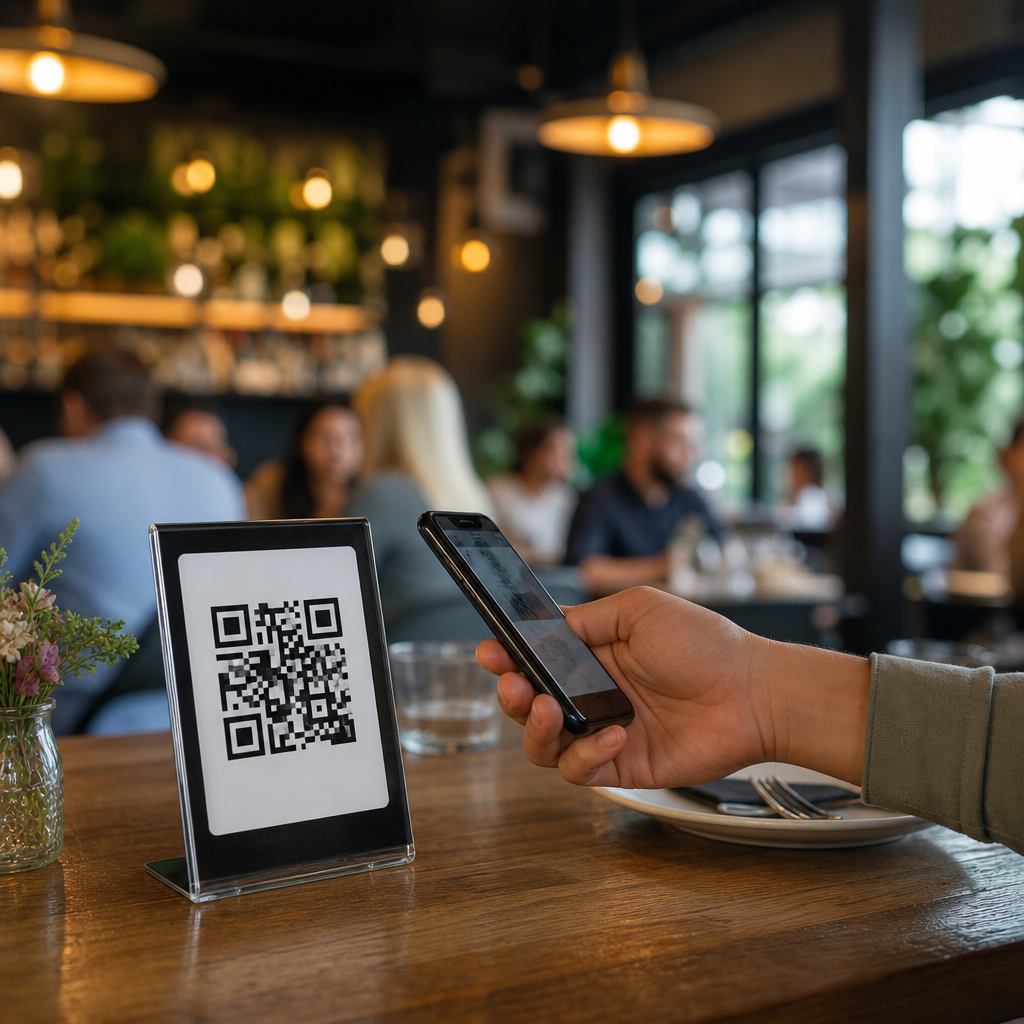
Restaurants use QR codes to increase average order value and repeat visits. Beyond menus, they place codes on tables for loyalty enrollment, on takeout packaging for reorder links, and on receipts for review requests. A neighborhood pizzeria, for example, can put a code on every box that opens a reorder page with saved specials, store hours, and a prompt to join SMS alerts for game-day deals. The growth benefit is not the code itself; it is the direct path to the next order.
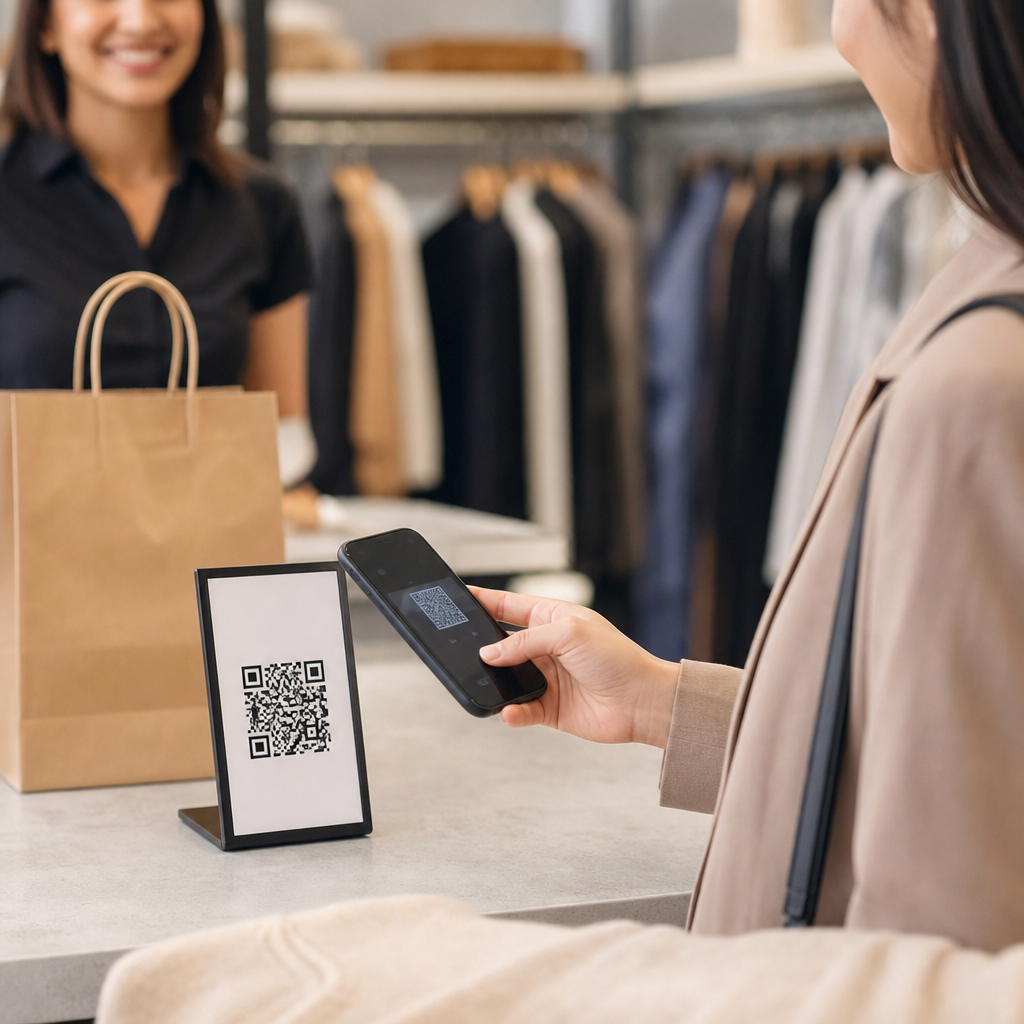
Retail stores use QR codes to bridge product discovery and digital follow-up. A boutique might add codes to shelf talkers that show styling ideas, size availability, or waitlist signup for out-of-stock items. At checkout, a code can drive email capture with an incentive for the second purchase rather than the first, preserving margin while building retention. In-store signage can also connect to product care guides, reducing returns caused by misuse.
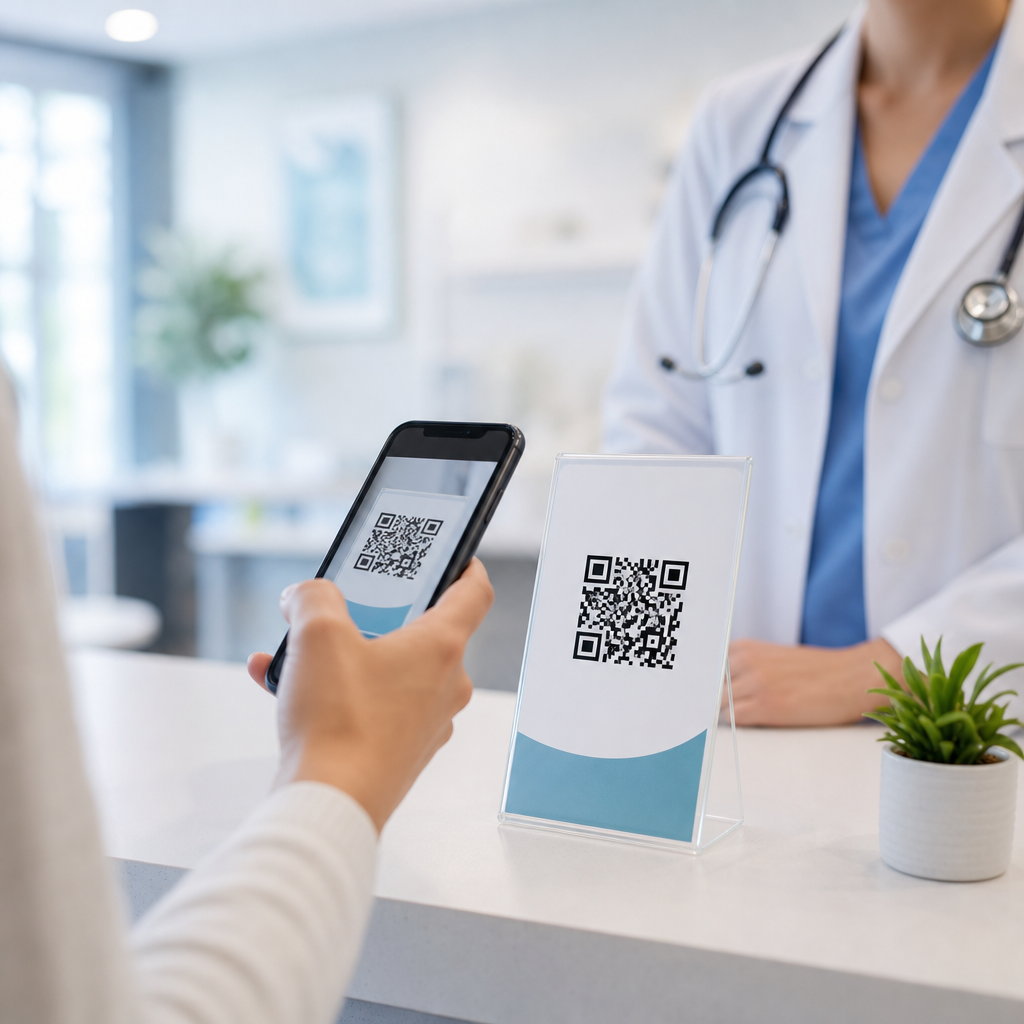
Service businesses often get the clearest wins because the customer interaction is personal and time sensitive. Home services companies add codes to invoices, door hangers, leave-behind cards, and vehicle wraps. A landscaping company can use a yard sign QR code that opens a gallery of before-and-after projects plus a request-a-quote form. A med spa or dental office can place a code at reception for financing information, post-visit care, and review requests after a successful appointment. In each case, the code supports the next likely step in the relationship.
| Business type | Best QR placement | Primary goal | Example destination |
|---|---|---|---|
| Café or restaurant | Tables, receipts, takeout packaging | Repeat orders and loyalty signups | Mobile reorder page or rewards enrollment |
| Retail boutique | Shelf tags, fitting rooms, checkout counter | Email capture and product education | Style guide, waitlist, or signup offer |
| Home services | Door hangers, invoices, vans, yard signs | Quote requests and reviews | Estimate form or review landing page |
| Salon or spa | Mirrors, reception desk, aftercare cards | Rebooking and package sales | Booking page or membership details |
| Clinic or dental office | Waiting room, checkout desk, appointment cards | Forms, reviews, patient education | Intake page, review form, care instructions |
High-performing QR code campaign ideas that drive growth
The best QR code campaign ideas solve one job at a time. For lead generation, use codes on print ads, local sponsorship materials, and in-store displays that open a short landing page with a clear offer and a brief form. For retention, place codes where customers naturally pause: checkout, packaging, appointment reminders, and follow-up emails. For referrals, create a code that opens a shareable page with a referral reward, terms, and a simple send flow.
Review generation is one of the strongest small business QR code wins when handled correctly. The safest approach is to ask all customers for honest feedback and route them to your Google Business Profile review link or a first-party feedback page. Do not gate public reviews based on sentiment. Google’s policies and consumer protection expectations favor transparency. A local HVAC company can hand technicians a printed card that says, “How did we do today? Scan to leave a review.” That works because the ask is immediate, specific, and tied to a completed service experience.
Event and seasonal campaigns also perform well. Farmers markets, holiday pop-ups, school sponsorships, and sidewalk sales create concentrated attention. A bakery can place a code on festival signage that opens preorder pickup options for holiday pies. A gym can use a code at a community fair to offer a seven-day pass and class schedule. Because local events attract nearby audiences with immediate relevance, the scan quality is often high even if total volume is modest.
Loyalty and membership campaigns deserve special attention. Independent businesses often rely too heavily on one-time discounting, which trains customers to wait for offers. A better use of QR codes is to exchange value for ongoing access: points, member pricing, early access, or useful content. I have seen this work especially well for coffee shops, pet stores, and salons, where visit frequency is high enough to make retention more valuable than the initial conversion.
Setup, tracking, and optimization for measurable results
A local QR code campaign should begin with the destination, not the graphic. Build a mobile-first landing page that loads quickly, matches the offer on the sign, and asks for only the information needed. Then generate a dynamic QR code using a platform such as Bitly, QR Code Generator, Uniqode, or Beaconstac. Dynamic codes matter because they let you change the destination without reprinting materials and usually provide basic analytics.
For measurement, attach UTM parameters so scans appear clearly in Google Analytics 4. Use a naming convention that identifies source, medium, campaign, and placement, such as receipt, table tent, or flyer. If calls matter, use call tracking. If bookings matter, connect the page to a scheduling system such as Calendly, Mindbody, Square Appointments, or your vertical software. The point is to trace scans to business outcomes, not just scan totals. A code with fifty scans and fifteen booked appointments beats one with five hundred scans and no revenue.
Optimization usually comes down to four variables: placement, incentive, message, and landing page friction. Move codes to eye-level decision points. Test a benefit-led call to action against a curiosity-led one. Compare “Scan for today’s lunch special” with “See what’s new,” or “Book your fall cleanup” with “Get an estimate.” Shorten forms. Make buttons thumb friendly. If staff are involved, script the ask. A receptionist saying, “Scan here to rebook before you leave,” consistently outperforms passive signage alone.
Technical hygiene is equally important. Use sufficient contrast, quiet space around the code, and a size appropriate to scan distance. Test under real lighting, not just on a desktop monitor. Avoid sending users to PDFs when an HTML landing page would load faster and track better. If Wi-Fi is weak in your location, post a guest network sign or use a cellular-friendly page. Small execution flaws are the main reason promising campaigns disappoint.
Common mistakes, compliance issues, and what good execution looks like
The most common mistake is using a QR code without a specific customer promise. “Scan me” is not a strategy. People want to know what happens next. Another mistake is linking every code to the homepage. Homepages are built for broad navigation, while QR scans usually come from a narrow moment of intent. A print coupon should open the coupon. A review card should open the review destination. A product tag should open product details.
Privacy and consent require attention, especially when collecting phone numbers or email addresses. If you offer SMS updates, disclose frequency, consent language, and opt-out terms in line with TCPA expectations and your messaging platform’s requirements. For healthcare, be careful not to expose protected information through insecure links or broad intake forms. For payments, use PCI-compliant tools and trusted processors rather than improvised payment pages. Trust grows when the experience feels legitimate and branded from first scan to final action.
Good execution looks boring in the best sense. The code is easy to scan. The label explains the value. The page loads fast. The form is short. The offer matches the context. The business can see what happened afterward. When those basics are in place, QR codes become a reliable local growth channel rather than a gimmick. That is why this subtopic deserves a hub: small business QR code wins are repeatable when the system is intentional, measured, and aligned with how local customers actually behave.
QR codes help local businesses grow when they remove friction at the exact moment a customer is ready to act. That growth can mean more first-time visits, more repeat purchases, more reviews, better event response, higher loyalty enrollment, or faster booking completion. The pattern is consistent across industries: the strongest results come from connecting a physical touchpoint to one clear digital next step, then measuring the outcome. Businesses that treat QR codes as part of the customer journey, not as decoration, see the difference quickly.
The practical takeaways are straightforward. Use dynamic QR codes so you can update destinations and track scans. Put each code in a location where customer intent is already present, such as checkout, packaging, waiting areas, signs, or post-service materials. Add a direct call to action that states the benefit of scanning. Send users to a dedicated mobile landing page, not a generic homepage. Track performance with UTM parameters, analytics, and conversion tools tied to bookings, calls, orders, or list growth. Then test placement, offer, and messaging until the numbers improve.
As the central resource for small business QR code wins, this page should guide every related campaign idea and case study you build next, from review generation to loyalty programs, event promotions, packaging inserts, and service follow-up flows. Start with one high-intent use case in your business this week, launch a measurable QR code campaign, and use what you learn to create a repeatable local growth system.
Frequently Asked Questions
How do QR codes help local businesses grow in practical, measurable ways?
QR codes help local businesses grow by turning offline attention into trackable online action. Instead of hoping a customer types in a website address, remembers a promotion, or searches for a business later, a QR code removes friction and creates an instant path to the next step. A customer can scan a code on a window sign, receipt, table tent, product tag, flyer, vehicle wrap, or service invoice and immediately land on a menu, booking page, review form, loyalty program, coupon, event registration page, payment screen, or contact form. That speed matters because the easier it is to act in the moment, the more likely people are to follow through.
For local businesses in particular, QR codes solve a common visibility problem: there are many real-world customer touchpoints, but they are often hard to measure. A shop may have strong foot traffic, a restaurant may have busy tables, and a service business may leave behind estimates or door hangers, but without a digital bridge, those interactions are difficult to connect to leads or revenue. QR codes create that bridge. They let businesses see when, where, and how often people engage, especially when paired with trackable links, campaign-specific landing pages, or analytics tools. That means a business can compare scans from in-store signage versus direct mail, or track how many review requests from receipts actually turn into feedback.
Growth also comes from consistency and retention, not just new customer acquisition. QR codes can support repeat visits by linking customers to loyalty rewards, limited-time offers, reordering pages, appointment scheduling, and SMS or email signups. Over time, that creates a system where everyday interactions become lead generation and retention opportunities. In simple terms, QR codes help local businesses get more value from the traffic they already have, while making marketing efforts easier to measure and improve.
Where should a local business place QR codes to get the best results?
The best QR code placement depends on when a customer is most likely to take action, but the strongest rule is this: put the code where intent already exists. For a restaurant, that could mean tables, takeout bags, menus, receipts, window decals, and counter displays. For a retail store, it may be shelf tags, fitting rooms, checkout counters, packaging inserts, shopping bags, and signage near featured products. For service businesses, effective placements often include invoices, estimates, leave-behind materials, business cards, vehicle graphics, appointment reminder emails, and printed brochures. Each of these placements works because it meets the customer at a decision point.
Context matters just as much as visibility. A QR code should never appear without a clear reason to scan. Businesses get better results when they pair the code with direct language such as “Scan to book now,” “Scan for 10% off your next visit,” “Scan to leave a review,” “Scan to join our rewards program,” or “Scan to view today’s menu.” That short instruction tells customers exactly what they will get and reduces hesitation. People are far more likely to scan when the value is immediate, obvious, and relevant to the moment.
It is also smart to tailor destinations by placement. A code on a receipt might lead to a review request or loyalty signup, while a code in a storefront window might open hours, directions, and a quick contact option. A code on packaging may point to product care instructions, cross-sell recommendations, or a reorder page. By matching placement to customer intent, local businesses can improve conversion rates instead of sending every scan to the homepage. The most effective strategy is not just placing more QR codes, but placing better ones at high-intent touchpoints throughout the customer journey.
What should a QR code link to for the highest chance of conversions?
A QR code should link to a destination that is simple, mobile-friendly, and directly connected to the customer’s immediate goal. In most cases, the best-performing links are not homepages. A homepage asks the customer to do more work, while a focused landing page gives them one clear action. For example, if the goal is bookings, the code should open the appointment page. If the goal is reviews, it should open the review form. If the goal is repeat purchases, it should lead to a coupon, reorder page, or loyalty signup. The more specific the destination, the more likely the scan turns into a conversion.
Local businesses often see strong results from linking QR codes to digital menus, mobile payment screens, event pages, lead capture forms, special offers, Google review prompts, map directions, app downloads, or text message opt-ins. The key is alignment. A customer scanning a table QR code expects menu-related or order-related information. A person scanning a postcard likely expects a promotion or an introductory offer. A customer scanning after a service call may be ready to leave feedback, schedule follow-up work, or save contact information. When the destination matches the customer’s moment and intent, the experience feels seamless rather than promotional.
Conversion rates also improve when the landing page is built for mobile speed and clarity. That means fast loading times, minimal clutter, large buttons, short forms, and one primary call to action. If a business wants the best results, it should avoid sending users to pages with too many choices or requiring excessive scrolling. It is also wise to use campaign-specific pages so performance can be measured accurately. In practice, the highest-converting QR codes are the ones that make the next step feel immediate, useful, and almost effortless.
Can QR codes really help with customer retention and repeat visits?
Yes, QR codes can be highly effective for customer retention because they make it easy to continue the relationship after the first purchase or visit. Many local businesses focus heavily on attracting new customers, but long-term growth often depends even more on bringing people back. QR codes support that by giving customers a convenient way to join loyalty programs, save a future offer, reorder a favorite item, book the next appointment, subscribe to email or SMS updates, or follow the business on social platforms for ongoing promotions and announcements.
What makes QR codes useful for retention is their ability to appear at natural post-purchase moments. A receipt can invite a customer to join a rewards program. A thank-you card inside a shopping bag can offer a discount on the next visit. A service invoice can include a code to schedule maintenance or request seasonal reminders. A restaurant takeout package can promote a future coupon or feedback form. These are small touchpoints, but they matter because they catch customers while the experience is still fresh. Rather than asking people to remember the business later, the QR code gives them a reason to reconnect immediately.
Retention improves even further when businesses personalize the destination or offer. For example, a salon may use a code that opens a rebooking page timed to the customer’s next likely appointment window. A retail store may use a code tied to a category-specific discount for related products. A fitness studio may use a QR code to unlock a class pass renewal offer. Combined with analytics, businesses can test which retention offers generate the most scans and repeat activity. In that sense, QR codes are not just a convenience tool; they are a practical system for increasing lifetime customer value through timely, low-friction follow-up.
What are the biggest mistakes local businesses should avoid when using QR codes?
One of the biggest mistakes is using QR codes without a clear objective. If a business does not know whether the goal is lead generation, reviews, repeat visits, bookings, orders, payments, or event signups, the customer experience becomes vague and results become hard to measure. A QR code should exist for a specific purpose, and that purpose should be obvious in the call to action next to it. “Scan me” by itself is weak. “Scan to get today’s lunch special” or “Scan to claim your next-visit discount” is far more effective because it tells people exactly why the scan is worth their time.
Another common mistake is sending users to a poor mobile experience. Since QR scans happen on phones, the destination page must load quickly, display properly on small screens, and make the next action easy. Businesses lose conversions when pages are slow, forms are too long, buttons are hard to tap, or the content is unrelated to the promise made by the code. It is also a mistake to print codes too small, place them in low-light or hard-to-reach areas, or use designs with poor contrast that are difficult to scan. Functionality always comes before style.
A third major issue is failing to track performance. If every QR code points to the same generic link, a business cannot tell which placement, campaign, or offer is working. Using unique URLs, tagged links, or dynamic QR codes makes it possible to measure scans and optimize over time. Finally, businesses should avoid overusing QR codes where they do not add value. A code should improve convenience, not create unnecessary steps. When used intentionally, with clear messaging and strong mobile destinations, QR codes can become a dependable growth tool. When used carelessly, they often end up ignored. The difference usually comes down to clarity, relevance, and execution.