Case Study: How QR Codes Increased Campaign Conversions shows why a simple square pattern became one of the most effective bridges between offline attention and digital action. In marketing, a conversion is the measurable step a business wants a prospect to take, such as visiting a landing page, downloading an app, claiming an offer, booking a demo, or completing a purchase. A QR code campaign places that action behind a scannable code displayed on packaging, posters, direct mail, retail signage, event materials, product inserts, and even receipts. When the experience is designed well, the code removes friction, shortens the path to action, and produces cleaner attribution than many traditional offline tactics.
I have worked on QR code campaign rollouts for retail promotions, event registration funnels, and restaurant loyalty programs, and the pattern is consistent: conversions rise when the scan leads to a relevant, mobile-first destination with a clear next step. That matters because offline media still captures attention at scale, yet many campaigns fail at the handoff from physical impression to digital experience. A memorable billboard may generate interest, but if a customer must later search, remember a URL, or type a long coupon code, intent drops fast. QR codes solve that gap by converting immediate curiosity into measurable traffic and measurable revenue.
Successful QR code campaigns also matter because consumer behavior changed permanently during the pandemic era. Smartphone scanning became routine for menus, payments, ticketing, and product information. Both iOS and Android devices now support native camera scanning, which reduced the education barrier that limited adoption a decade ago. As a result, marketers can use QR codes not as novelty, but as infrastructure. The best campaigns connect channels, personalize offers, test creative, and improve conversion rates through data. This hub explains how successful QR code campaigns work, where they succeed, what metrics matter, and which design choices separate high-performing campaigns from expensive print decoration.
What Makes a QR Code Campaign Successful
A successful QR code campaign is not defined by scan volume alone. It is defined by the percentage of scanners who complete the intended action and the business value of that action. High scans with low downstream engagement usually signal weak message-match, poor landing page speed, or an offer that does not justify the interruption. In practice, the strongest campaigns align five elements: audience context, incentive, code placement, destination experience, and measurement. If someone scans a QR code on transit advertising, the destination must load quickly and work one-handed on a phone. If someone scans on product packaging at home, the content can be deeper, such as setup tutorials, recipes, replenishment flows, or warranty registration.
Message clarity is equally important. People scan when they understand what happens next. “Scan to get 20% off today” outperforms “Scan to learn more” because the value exchange is concrete. Dynamic QR codes are usually the right choice for serious campaigns because the destination URL can be changed without reprinting the code, and the platform can track scans by time, device, and location. Static codes have a place for permanent links, but they limit optimization. On every campaign I have managed, the biggest gains came after launch: swapping landing pages, changing calls to action, and segmenting traffic by placement. That is only possible when the code is dynamic and tracked through analytics platforms such as Google Analytics 4, Adobe Analytics, or a CRM-linked QR management tool.
Case Study Patterns Across Successful QR Code Campaigns
Across industries, successful QR code campaigns follow a few repeatable patterns. Retail brands use codes to move shoppers from shelf to offer. Restaurants use them to capture first-party customer data through loyalty enrollment. B2B event teams use them to shorten registration and content download flows. Consumer packaged goods companies use them after purchase, when attention is high and support or cross-sell opportunities are strongest. In each case, the code performs best when it fits the environment instead of forcing a desktop-style journey onto a mobile user.
One retail campaign I helped evaluate placed QR codes on endcap displays for a seasonal product line. The control creative listed a promotional URL. The test creative replaced that URL with a code and a direct incentive: “Scan for bundle pricing and in-store availability.” Scans created immediate product page visits, and the optimized mobile landing page used store-level inventory data plus Apple Pay and Google Pay checkout options. Conversion rate increased because shoppers did not need to search manually or wonder whether the product was available nearby. Similar patterns appear in beauty, apparel, and electronics campaigns, where immediate utility matters more than novelty.
| Campaign type | Typical placement | Primary conversion | Why it works |
|---|---|---|---|
| Retail promotion | Shelf talkers, endcaps, window displays | Coupon claim or purchase | Captures shoppers at decision point |
| Restaurant loyalty | Tables, packaging, receipts | Signup or repeat order | Turns one-time visits into owned audience |
| Events and trade shows | Badges, booths, signage, slides | Registration or lead capture | Reduces form friction in crowded environments |
| Product packaging | Boxes, labels, inserts | Tutorial view, warranty, reorder | Reaches customers after purchase intent is proven |
| Direct mail | Postcards, catalogs, flyers | Landing page visit or appointment | Makes offline mail measurable and immediate |
Retail and DTC Examples That Lifted Conversions
Retail and direct-to-consumer brands have used QR codes effectively because the code can sit exactly where buying decisions happen. A strong example is store signage tied to limited-time offers. If a shopper sees “Scan to unlock today’s member price,” the value is immediate and the behavior is easy. The landing page should not ask for unnecessary information. It should identify the product, display the discount, and present a fast redemption path. When brands add mobile wallet passes or one-tap SMS signup, redemption rates usually improve because shoppers can save the offer without losing it in a browser tab.
Packaging campaigns can be even stronger than in-store campaigns because they address customers who already bought. I have seen home appliance brands use QR codes on inserts to drive installation videos and warranty registration. The practical content builds trust, while the registration flow captures customer data for future upsell and support. Beverage companies often use on-pack codes for sweepstakes, recipes, or loyalty points. The conversion rate rises when the reward is clear and the form is short. Brands that require full account creation before any value is delivered usually see abandonment. A better sequence is scan, receive immediate benefit, then invite the user to create an account for saved rewards or exclusive offers.
Restaurant, Hospitality, and Local Service Wins
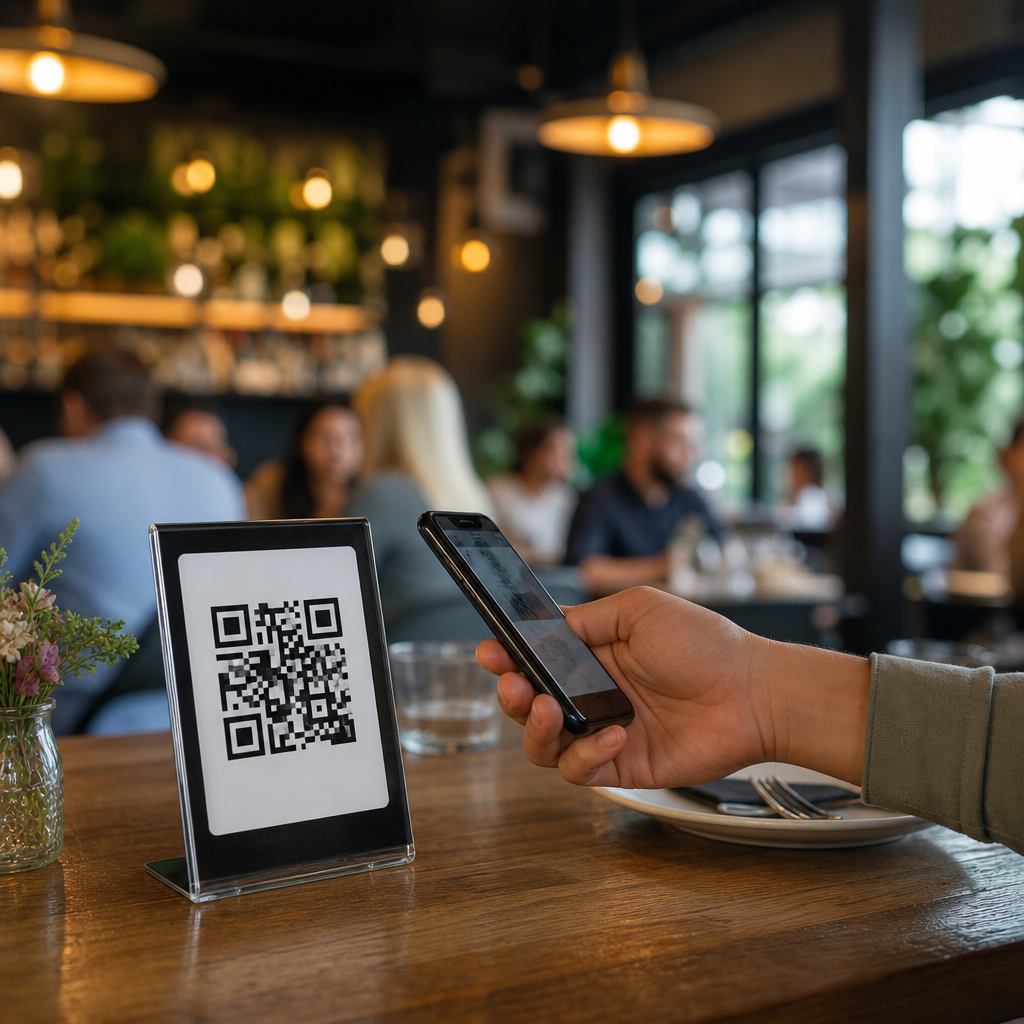
Restaurants normalized QR behavior at scale, first through contactless menus and then through ordering, reviews, and loyalty programs. The campaigns that increase conversions do more than replace a printed menu. They guide guests toward a measurable next step. For example, a tabletop QR code offering “Scan for dessert specials and loyalty rewards” connects a timely upsell with data capture. The page can highlight high-margin items, collect an email or phone number, and issue a bounce-back incentive for the next visit. In my experience, the biggest conversion gains come when codes are placed at natural wait moments: after ordering, before payment, and on takeout packaging.
Hotels and local service businesses use the same principle. A hotel room placard can route guests to spa bookings, late checkout offers, or local partner experiences. A home services company can place a QR code on invoices or technician leave-behinds with “Scan to book seasonal maintenance.” This works because the customer already trusts the brand and the next service is contextually relevant. Reviews are another strong use case. Instead of asking customers to search a business name later, a code can open a review page directly after the transaction. That shortens the path and increases completion rates, though businesses should request honest reviews rather than trying to filter sentiment in ways that conflict with platform rules.
Events, B2B Lead Generation, and Field Marketing
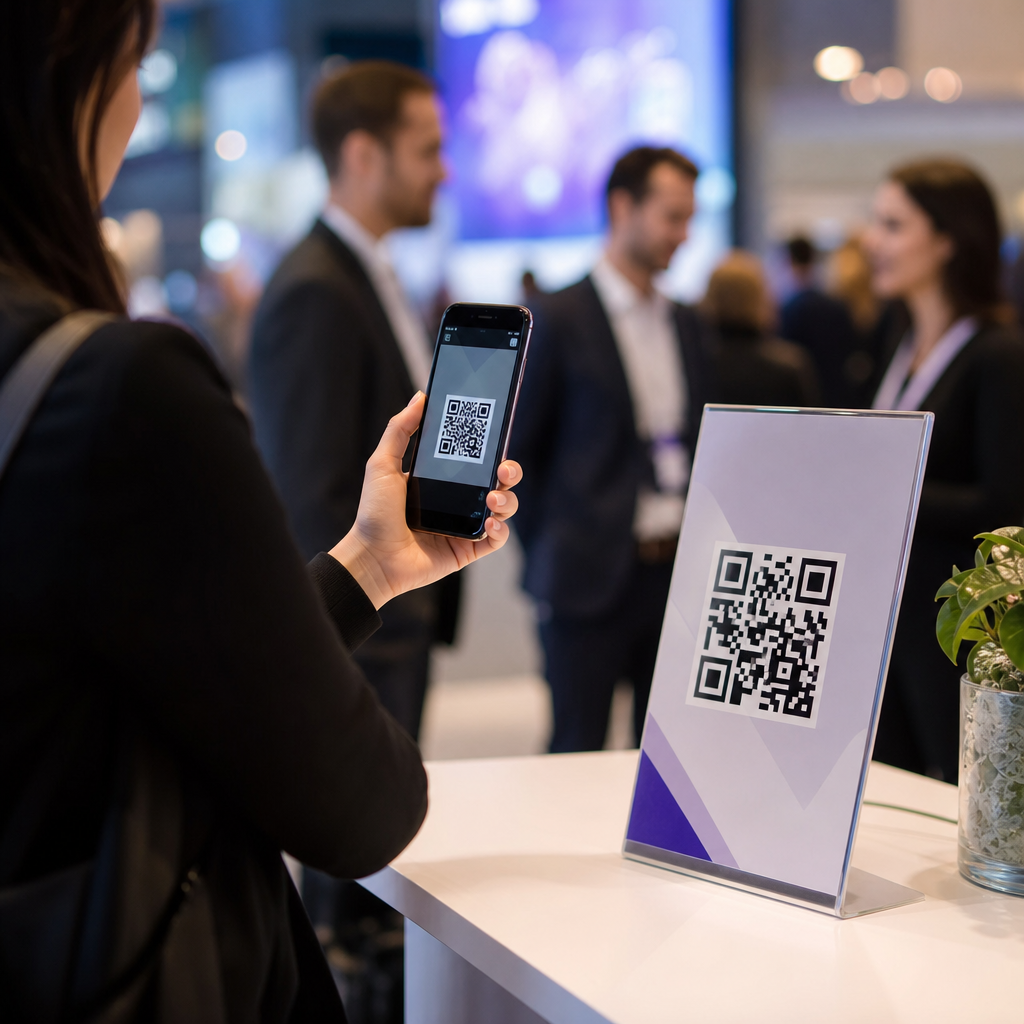
Successful QR code campaigns are especially visible at events because attendees are moving fast and have limited patience for forms. Booth signage with “Scan for the benchmark report” consistently outperforms printed vanity URLs, especially when the destination is prefilled or integrated with badge capture. Speakers can place a code on presentation slides to distribute decks, worksheets, or trial offers without requiring attendees to photograph every slide. The conversion benefit comes from timing: attendees act while interest is highest.
B2B marketers should treat event QR codes as segmented acquisition sources, not generic traffic drivers. Different codes should be assigned to booth panels, session slides, printed handouts, and follow-up mailers. That lets teams compare lead quality by touchpoint, not just total scans. In one trade show campaign I reviewed, the highest lead-to-opportunity rate did not come from the main booth wall. It came from a QR code on a niche product demo station, because visitors scanning there had stronger intent. This is why campaign design must include source labeling, UTM parameters, and CRM mapping from the start. Without attribution discipline, QR code success can be mistaken for event success broadly, which hides the placements and messages that actually drove conversions.
Design, Measurement, and Optimization Best Practices
How can a brand increase QR code campaign conversions reliably? Start with basics that are often ignored. The code must be large enough to scan at the expected distance, printed with strong contrast, and surrounded by quiet space. The placement should avoid glare, curves, folds, and low-light areas. A code on moving transit media needs more size and less complexity than a code on direct mail. Add a short call to action beside the code so people know the benefit before they scan. Branded QR codes can improve trust if the underlying pattern remains easy for cameras to read.
After the scan, page speed and relevance matter more than visual flair. Use mobile-first layouts, compressed assets, and a single primary action. If the user came from packaging, acknowledge the product they just bought. If they came from a restaurant receipt, lead with loyalty or reorder options, not generic homepage navigation. Measurement should include scans, unique scans, click-through to action, form completion, purchases, and downstream retention where possible. A/B test call to action text, destination pages, incentive type, and placement. The strongest teams also monitor fraud, duplicate scans, and low-quality traffic. QR codes are simple, but successful QR code campaigns are built on disciplined conversion design, careful attribution, and continuous testing.
The main lesson from these successful QR code campaigns is straightforward: QR codes increase campaign conversions when they reduce friction at the exact moment intent appears. They are most effective when paired with a concrete promise, a mobile-first landing experience, and analytics that show what happened after the scan. Retail brands use them to convert in-store interest into purchases. Restaurants use them to turn visits into loyalty memberships and repeat orders. Event marketers use them to capture leads while attention is still fresh. Product brands use them to extend the customer relationship after purchase through support, registration, and cross-sell journeys.
This hub should guide every related article under QR Code Campaign Ideas & Case Studies because the fundamentals repeat across use cases. Start with audience context. Offer a clear reason to scan. Use dynamic codes, segmented tracking, and a destination built for one action on one screen. Then optimize from real conversion data, not scan counts alone. If you are planning a QR initiative, audit one current offline touchpoint this week and redesign it around a measurable scan-to-conversion path. That single change can turn passive impressions into attributable growth and give your broader campaign strategy a stronger, more reliable conversion engine.
Frequently Asked Questions
How do QR codes help increase campaign conversions in real-world marketing campaigns?
QR codes increase campaign conversions by removing friction between seeing a message and taking action. In a traditional offline campaign, a customer might notice a poster, product package, flyer, or in-store display and then need to remember a website address, search for a brand later, or manually type a long URL into a phone. Every extra step creates drop-off. A QR code simplifies that path by turning interest into immediate action with a single scan. That direct connection is one of the main reasons QR code campaigns often outperform static offline calls to action.
In practical terms, QR codes are effective because they capture intent at the moment attention is highest. If someone is already looking at your packaging or promotional display, they are signaling curiosity. A well-placed code gives them an instant route to a landing page, limited-time offer, app download, booking form, product demo, or checkout page. That immediacy matters. Instead of asking the customer to act later, the campaign enables action now, when motivation is strongest.
They also support better alignment between channel and outcome. A retail sign can lead to a store locator, a product label can open setup instructions or a reorder page, and a direct mail piece can send users to a personalized offer. When the destination matches the context in which the code appears, conversion rates often improve because the experience feels relevant rather than generic. In a case study setting, this usually translates into measurable lifts in click-through behavior, lead generation, purchases, or offer redemptions compared with offline materials that lack a scannable next step.
Another reason QR codes increase conversions is that they make offline campaigns measurable. Marketers can track scans, identify which placements perform best, compare creative versions, and attribute downstream actions more clearly. That insight allows teams to optimize campaigns in ways that are difficult with print-only marketing. The result is not just more conversions, but smarter conversion growth over time.
What types of conversions can a QR code campaign drive?
A QR code campaign can drive a wide range of conversions, depending on the business model, campaign objective, and customer journey stage. In marketing, a conversion is any measurable action that moves a prospect closer to becoming a customer or deepens an existing customer relationship. QR codes are flexible because they can link to almost any digital experience, making them useful for both lead generation and revenue-focused campaigns.
Common QR code conversions include landing page visits, app downloads, coupon claims, form submissions, newsletter sign-ups, product registrations, demo bookings, event registrations, and completed purchases. For ecommerce brands, a QR code might take users directly to a product page or prefilled cart. For service businesses, it might open a consultation request form or scheduling tool. For B2B companies, it can route prospects to a case study, white paper, or demo page designed to capture qualified leads.
QR codes are also valuable beyond immediate sales. A campaign may define conversion as viewing a product video, joining a loyalty program, downloading setup instructions, leaving a review, or activating a special promotion. These actions may not generate revenue instantly, but they often improve customer retention, lifetime value, and future sales performance. In that sense, QR codes can support both macro-conversions, such as purchases, and micro-conversions, such as content engagement or account creation.
The best QR campaigns define the desired conversion before launch and build the landing experience around that single goal. If the objective is to claim an offer, the code should not send users to a generic homepage. If the objective is to book a demo, the destination should prioritize scheduling rather than forcing visitors to navigate multiple pages. The stronger the connection between the QR code placement, the user’s expectation, and the digital action requested, the more likely the campaign is to convert successfully.
What makes a QR code campaign successful instead of just generating scans?
A successful QR code campaign does more than produce a high scan count. Scans are useful as an engagement signal, but conversions happen only when the entire experience is designed to guide users from curiosity to action. The strongest campaigns treat the QR code as the entry point, not the full strategy. That means success depends on the offer, placement, creative message, destination page, mobile usability, and clarity of the call to action.
One of the biggest factors is relevance. People are more likely to scan when they understand what they will get and why it matters. A vague instruction like “Scan here” is weaker than a specific promise such as “Scan to claim 20% off,” “Scan to book your demo,” or “Scan to see the product in action.” Clear value reduces hesitation and increases scan quality. It attracts users with genuine intent rather than casual curiosity alone.
Mobile experience is equally critical. Since most QR interactions happen on smartphones, the destination must load quickly, display properly on smaller screens, and make the next step obvious. A user who scans a code and lands on a slow, cluttered, or confusing page is likely to abandon the process. High-converting campaigns usually minimize distractions, keep forms short, and match the landing page content closely to the promise made in the offline ad or packaging.
Placement also influences outcomes. QR codes tend to perform better when shown where users have enough time and motivation to scan, such as product packaging, direct mail pieces, point-of-sale displays, brochures, event signage, and transit ads in waiting areas. By contrast, placements in environments where people are rushed, far from the code, or unable to use their phone comfortably may produce weaker results. In a case study, the most notable conversion gains often come from pairing strong placement with a compelling incentive and a tightly focused mobile landing page.
Finally, successful campaigns measure what happens after the scan. Businesses should track not only scan volume but also conversion rate, bounce rate, time on page, form completion, revenue per visitor, and performance by location or creative variation. That broader measurement reveals whether the campaign is truly driving business outcomes rather than surface-level engagement.
How can marketers measure the impact of QR codes on campaign performance?
Marketers can measure the impact of QR codes by treating each code as a trackable campaign asset tied to a specific audience, placement, or objective. The most effective approach starts with unique URLs, campaign parameters, or dynamic QR codes that allow separate reporting for different media types. For example, a brand might use one code for packaging, another for store signage, and another for direct mail. This makes it possible to compare which channel generates the most scans, the highest-quality traffic, and the strongest conversion rate.
At the top of the funnel, teams typically measure scans, unique visitors, click depth, and landing page engagement. These metrics show whether the code placement and message are attracting attention. However, scan counts alone do not prove success. The more meaningful analysis happens deeper in the funnel, where marketers examine completed goals such as purchases, demo requests, app installs, redeemed offers, or submitted forms. This is where the true contribution of QR codes to campaign conversions becomes visible.
Advanced measurement often includes conversion rate by code, cost per conversion, revenue per scan, return on ad spend, and assisted conversions across devices or channels. If a customer scans a code on a product package, visits a landing page, and purchases later, attribution tools can help connect that journey. In a case study, this kind of reporting is especially valuable because it shows whether QR codes simply generated traffic or genuinely improved business results compared with previous campaigns or alternative calls to action.
Marketers should also use testing and iteration. A/B testing can compare different calls to action, landing page designs, incentive offers, or code placements. Over time, these insights reveal what drives stronger conversion behavior. For instance, a campaign may discover that “Scan to get your personalized offer” converts better than “Scan to learn more,” or that product packaging produces better-quality traffic than window signage. The key is to connect every QR deployment to a defined metric and then optimize based on actual user behavior.
What are the best practices for designing a QR code campaign that converts?
The best practices for designing a QR code campaign that converts start with strategy, not just code generation. Before creating the QR code itself, marketers should define the exact action they want users to take and the audience segment they want to reach. Whether the goal is a purchase, app download, form submission, coupon redemption, or demo booking, the campaign should be built around one primary conversion objective. This focus keeps messaging clear and reduces the chance of sending users into a confusing digital experience.
Next, the call to action should be explicit and benefit-driven. People are much more likely to scan when the value is immediate and specific. Strong examples include “Scan to unlock today’s offer,” “Scan to watch the product demo,” or “Scan to book your free consultation.” This framing tells users what will happen next and why they should care. It also sets the expectation for the landing page, which should deliver exactly what was promised without delay or unnecessary navigation.
Design and usability matter as well. The QR code must be large enough to scan easily, placed in a visible location, and printed with sufficient contrast. It should appear where users can comfortably pause and use their phone. The landing page should be mobile-first, fast-loading, and built to support one action with minimal friction. Short forms, clear headlines