Low-cost QR code marketing ideas work because they connect offline attention to online action in seconds, without expensive media buys or complex technology. A QR code, or quick response code, is a scannable two-dimensional barcode that opens a web page, app link, coupon, video, form, or payment screen when someone points a smartphone camera at it. In practical marketing terms, QR codes shorten the path between curiosity and conversion. I have used them in retail windows, trade show booths, restaurant tables, direct mail, and local partnerships, and the consistent lesson is simple: when the destination is useful and the placement is intentional, even a tiny budget can produce measurable results.
This matters because many small businesses need marketing channels that are cheap to launch, easy to test, and trackable. QR codes meet those requirements. Dynamic QR platforms such as Bitly, QR Code Generator Pro, Beaconstac, and Flowcode let marketers change the destination URL after printing, add UTM parameters, and monitor scans by date, device, and location. That turns a poster, postcard, package insert, or receipt into a measurable response mechanism. Creative marketing ideas using QR codes are especially valuable for local businesses, events, ecommerce brands, service companies, and nonprofits that already have physical touchpoints but want digital engagement. Used well, QR codes can grow email lists, increase reviews, drive redemptions, and improve customer experience at a cost that is often lower than one boosted social post.
Why QR codes are effective for budget-conscious marketing
QR code marketing performs well on small budgets because production costs are low and distribution often rides on assets you already own. If you have packaging, menus, flyers, invoices, business cards, shelf talkers, table tents, storefront glass, or staff uniforms, you already have placement opportunities. The code itself is inexpensive to create, and many campaigns only require a landing page, a tracked link, and a clear incentive. The strongest campaigns answer one question immediately: why should someone scan right now? Good answers include “get 10% off today,” “see the menu,” “watch the demo,” “enter to win,” or “book in 30 seconds.”
From experience, response rates improve when friction is reduced at every step. The code must be large enough to scan comfortably, the contrast must be high, and the destination must load fast on mobile. A useful rule is to place codes where people naturally pause: checkout counters, waiting areas, queue lines, tables, doors, or product displays. I have seen mediocre creative outperform polished campaigns simply because the QR code was positioned at eye level with one strong call to action. By contrast, codes buried in dense copy or sent to a generic homepage usually underperform. A QR campaign succeeds when the scan leads to a single clear outcome, not a maze of options.
Creative marketing ideas using QR codes for everyday customer touchpoints
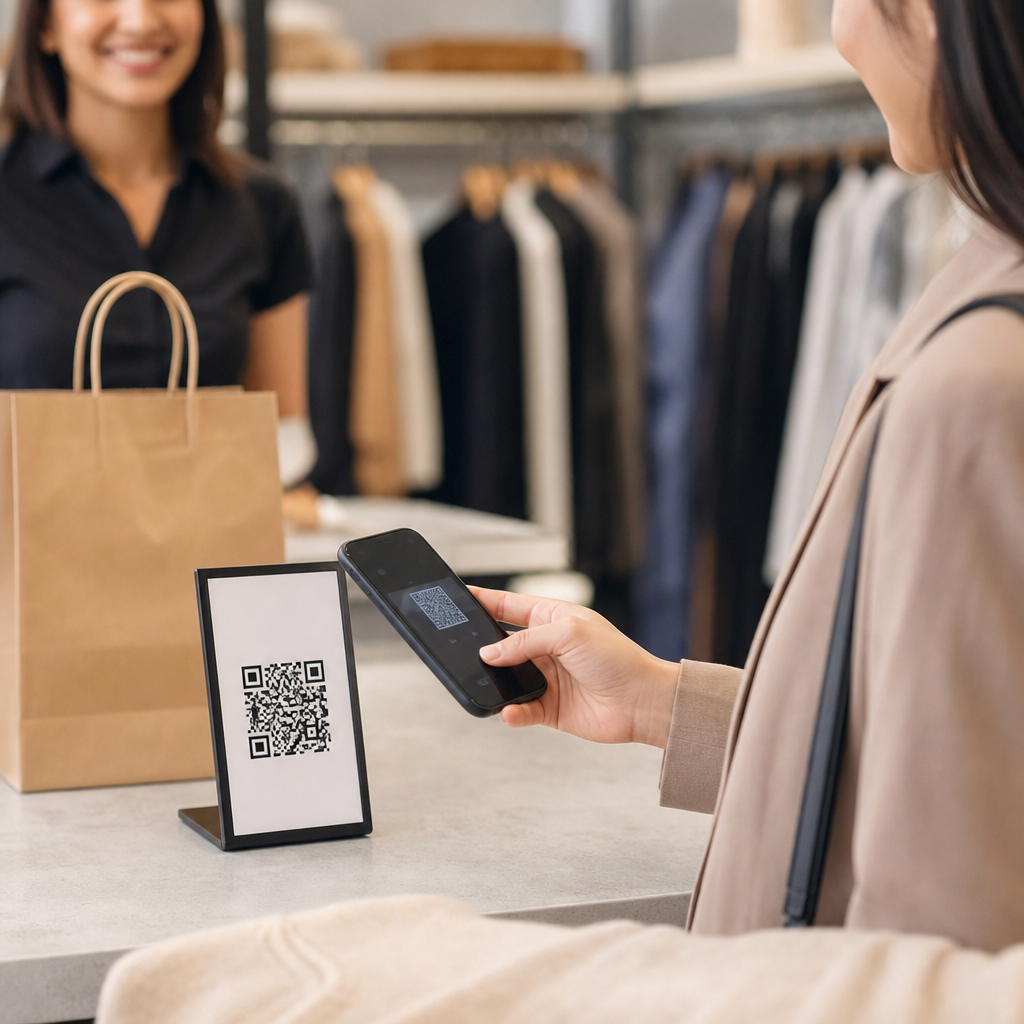
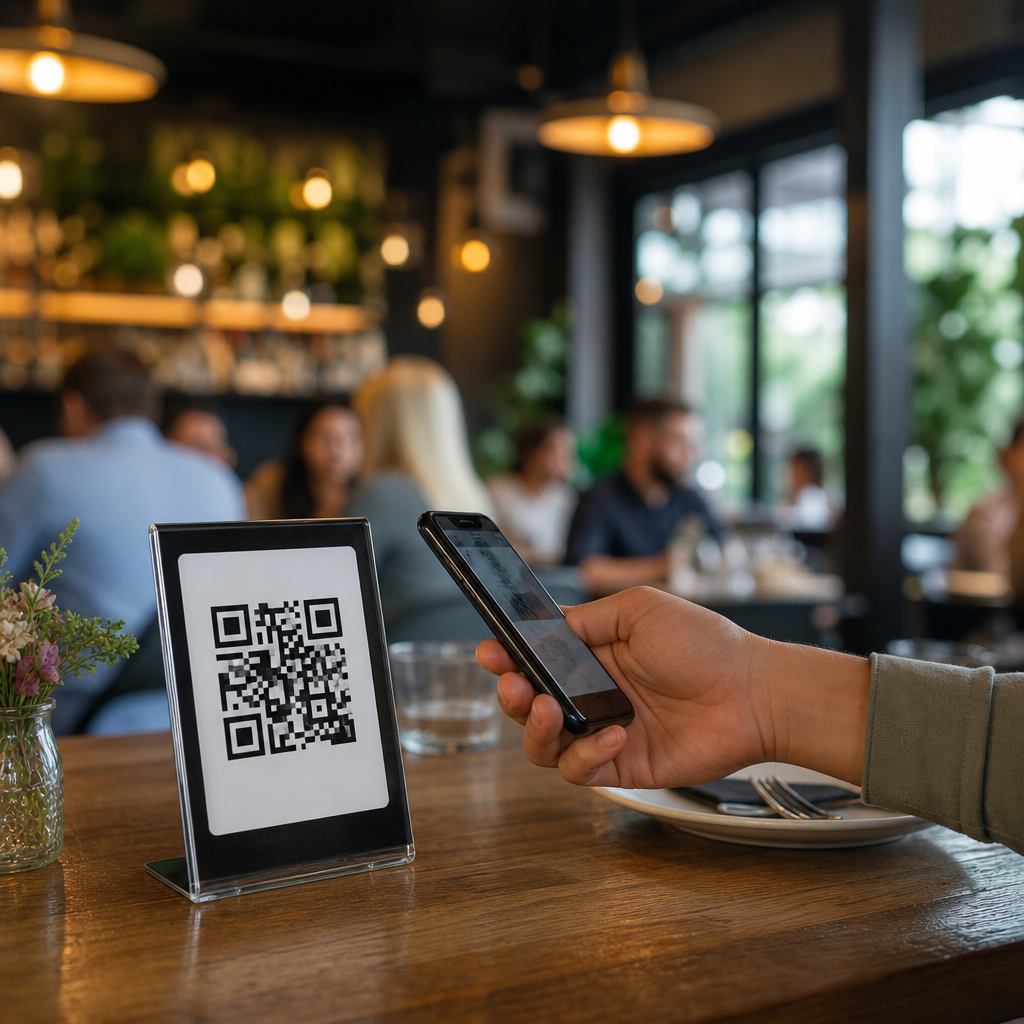
The most reliable low-cost wins come from ordinary touchpoints that businesses overlook. Receipts can invite customers to leave a review in exchange for loyalty points where platform rules allow incentives. Packaging inserts can send buyers to setup videos, care instructions, or a reorder page. Storefront signs can offer after-hours booking, waitlist signup, or a first-visit coupon. Table tents can promote a limited-time bundle or a behind-the-scenes video that builds brand affinity while guests wait. Business cards can link to a portfolio, calendar booking page, or vCard contact save screen, which is more useful than a static homepage.
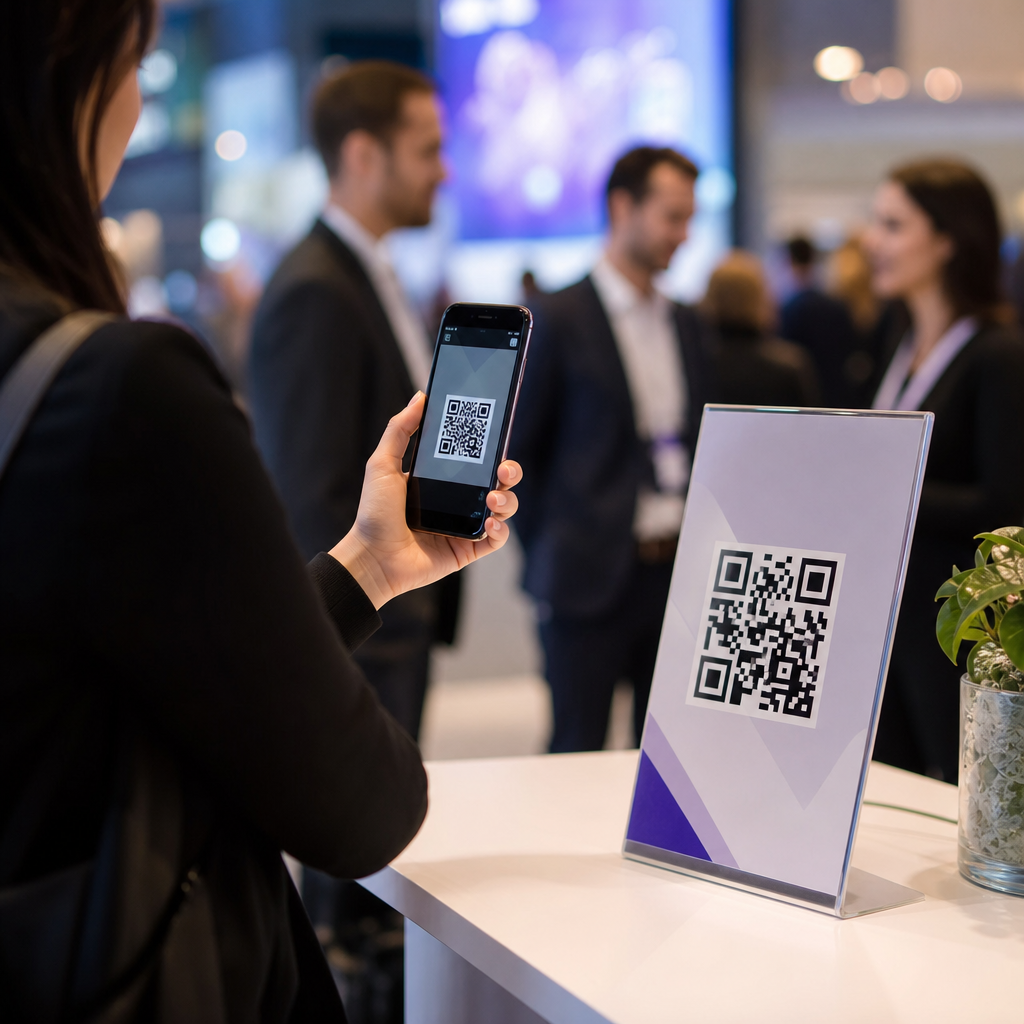
Events and community partnerships also create affordable opportunities. A gym can place QR codes on mirrors linking to class schedules and free trial passes. A coffee shop can partner with a nearby bookstore, with each venue displaying a code for a shared promotion and tracking scans separately through tagged URLs. Real estate agents can put codes on yard signs that open property tours, financing calculators, or neighborhood guides. At trade shows, a code on booth graphics can replace stacks of brochures and send visitors to one landing page containing product sheets, demo booking, and follow-up options. These placements work because they fit the user’s immediate context instead of asking for a later search that may never happen.
Best low-cost QR code campaign formats and how to use them
Not every QR destination serves the same purpose. The best format depends on the action you want after the scan. For lead generation, use a short mobile form with autofill enabled through tools like Typeform, Jotform, or HubSpot forms. For ecommerce, send users to a product bundle page with pre-applied discount codes. For local services, route scans to a booking page with two or three appointment options instead of a long service menu. For retention, link to loyalty enrollment, a referral page, or a support hub that reduces customer service load. I recommend dynamic codes for almost every campaign because destinations change, offers expire, and historical scan data becomes valuable when comparing placements.
| Use case | Best QR destination | Low-cost example | Primary metric |
|---|---|---|---|
| Lead capture | Mobile landing page with short form | Salon flyer offering free consultation | Form completions |
| Sales promotion | Coupon or product page with discount applied | Retail shelf tag for slow-moving inventory | Redemption rate |
| Customer education | Video tutorial or FAQ page | Electronics package insert with setup guide | Video views |
| Reviews | Direct review link | Cafe receipt linking to Google review form | Review volume |
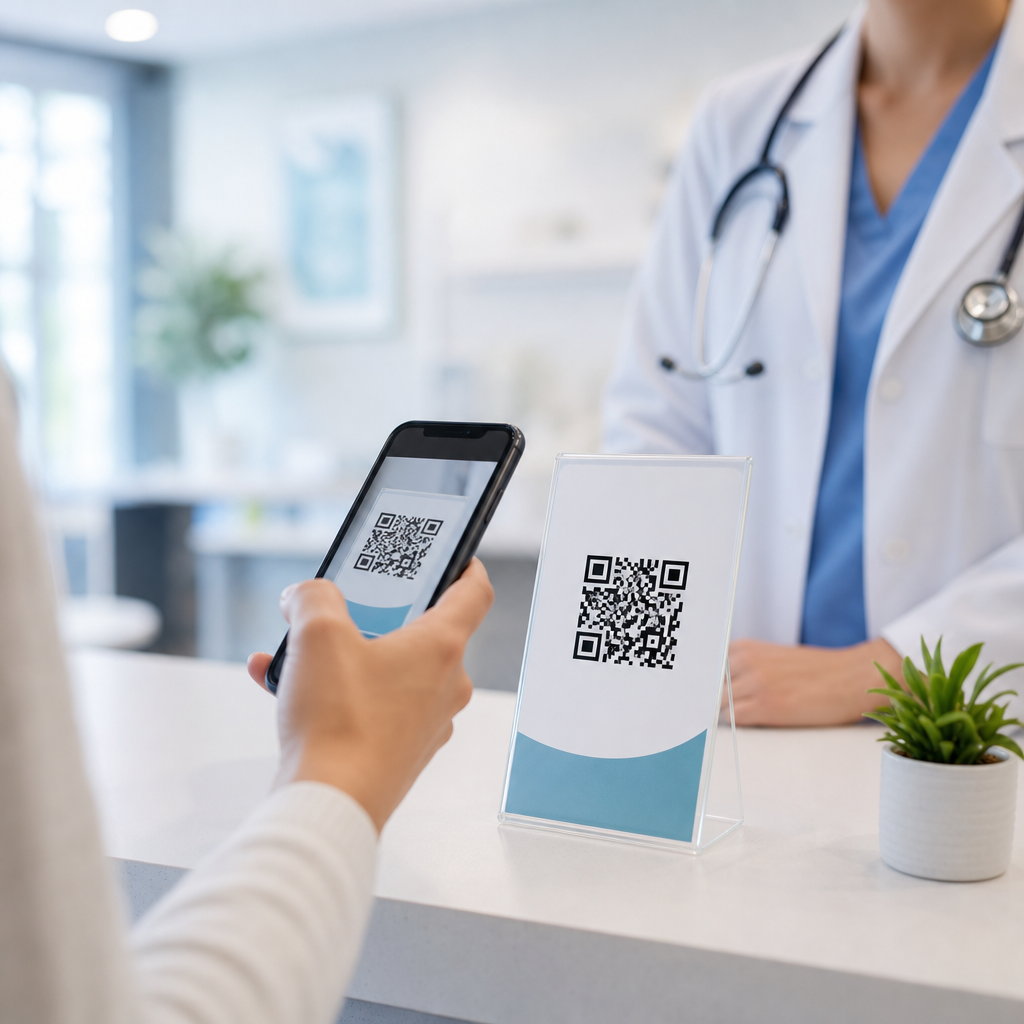
| Bookings | Scheduling page | Clinic window sign for same-day appointments | Appointments booked |
| Loyalty | Rewards signup page | Restaurant table tent for points program | New members |
One pattern stands out across campaigns: the destination must match the promise on the sign. If the code says “scan for 15% off,” users should land directly on the discount page, not the homepage. If it says “watch how it works,” open a short video above the fold. This alignment sounds obvious, but fixing it often lifts performance more than redesigning the code itself. I also advise using unique codes by channel. Separate codes for posters, packaging, direct mail, and in-store signage make it possible to identify what actually works and stop spending on weak placements.
Design, placement, and messaging rules that improve scan rates
Good QR code design is less about decoration and more about reliability. Standard black-on-white codes scan best, and excessive styling can reduce readability, especially in dim environments or when the print is small. Include quiet space around the code, test it on both iPhone and Android devices, and size it appropriately for the viewing distance. A practical rule is that the scanning distance should be roughly ten times the code’s width. For a code scanned from ten feet away, make it about one foot wide. Indoors at tabletop range, smaller sizes can work, but I still test under realistic conditions before printing a batch.
Messaging matters just as much as the technical setup. Never present a QR code without an explicit call to action and a benefit statement. “Scan to learn more” is weak because it hides the reward. “Scan for today’s lunch special,” “scan to book a free estimate,” and “scan to unlock assembly instructions” are specific and useful. Add a short note about what happens next, such as “opens menu,” “no app required,” or “takes 20 seconds.” In campaigns I have managed, these micro-clarifications consistently reduce hesitation. Users scan more often when they know exactly what they will get and how much effort it will require.
Measuring results and optimizing QR code campaigns over time
QR marketing should be treated like any other performance channel. The essential metrics are scans, unique scans, click-through rate after the scan, completion rate on the landing page, and the final business outcome such as purchase, booking, signup, or review. Add UTM parameters to every destination URL and track behavior in Google Analytics 4 or another analytics platform. If the code opens a dedicated landing page, connect it to conversion events in your CRM or ecommerce platform. For local campaigns, compare scan volume by placement, time of day, and offer. This reveals whether the issue is visibility, incentive, or destination quality.
Optimization usually follows a clear sequence. First, improve the call to action. Second, improve the landing page speed and relevance. Third, test placement and size. Fourth, refine the incentive. I have seen restaurants increase menu scans by moving codes from the bottom corner of a table tent to the center with a stronger prompt. I have seen service businesses double quote requests by replacing a six-field form with a simple booking link and one optional qualifying question. Small changes matter because the scan is only the beginning. The campaign wins when the next step feels fast, obvious, and worth completing.
Common mistakes, limitations, and how to avoid them
The biggest mistake in low-cost QR code marketing is using a code without a strategy. A QR code is a bridge, not a campaign by itself. If the destination is generic, slow, or irrelevant, the scan is wasted. Another common error is printing static codes for offers that may change. Static codes are fine for permanent pages, but dynamic codes are safer for campaigns because they allow edits after printing. Brands also make the mistake of placing codes where phone use is awkward, such as moving vehicles, poor-light environments, or areas with weak cellular service. In those cases, add short fallback URLs or near-field alternatives.
There are also trust and accessibility considerations. Some users hesitate to scan unknown codes because the destination is invisible beforehand. You can reduce that concern by adding your brand name, the expected destination, and a short URL near the code. Accessibility matters too: pair the code with readable text instructions and do not make scanning the only way to access essential information. This is especially important for public information, menus, instructions, and healthcare settings. The best creative marketing ideas using QR codes combine convenience with clarity. They respect user context, offer a direct benefit, and make the next action easy to understand.
Low-cost QR code marketing ideas that work share the same foundation: a clear reason to scan, a fast mobile destination, and measurement built in from the start. Whether you are promoting a coupon on a window sign, collecting reviews from receipts, adding tutorials to packaging, or turning event traffic into leads, QR codes can create a practical link between physical attention and digital action. They are not magic, but they are one of the most flexible and affordable tools available to marketers who need results without heavy spend.
As the hub page for creative marketing ideas using QR codes, this guide points to the core patterns that matter most: match the code to the moment, use dynamic tracking, write stronger calls to action, and optimize based on real scan behavior. Start with one touchpoint you already control, build a dedicated landing page, and track outcomes with discipline. Then expand the placements that convert and retire the ones that do not. If you want better performance from existing foot traffic, print materials, packaging, or events, QR codes are an easy place to begin. Launch one focused campaign this week and measure what happens.
Frequently Asked Questions
What makes QR code marketing such a low-cost strategy for small businesses?
QR code marketing is affordable because it removes many of the usual barriers between a marketing message and a customer action. Instead of paying for expensive print campaigns, custom apps, or complex landing page systems, a business can create a QR code that sends people directly to a coupon, product page, booking form, contact screen, menu, video, or payment link. That means one small printed square can turn a poster, flyer, product tag, table tent, package insert, storefront sign, or trade show display into a direct-response marketing tool.
The real cost advantage comes from how flexible QR codes are. A single code can be placed on materials you already use, such as receipts, packaging, brochures, event badges, business cards, and in-store signage. You are not necessarily buying new ad space; you are upgrading existing touchpoints. That helps businesses get more value from assets they already have instead of increasing marketing spend. In many cases, the cost is limited to design, printing, and the destination page behind the code.
QR codes also work well because they shorten the gap between interest and action. If someone sees an offer in your retail window or at a booth, they can scan it immediately instead of trying to remember your website later. That reduction in friction matters. The easier it is for people to take the next step in the moment, the better the response rate tends to be. For small businesses especially, that makes QR codes one of the simplest ways to connect offline attention to online conversion without a large budget.
Where should I place QR codes to get the best marketing results?
The best placement depends on where customer curiosity naturally happens. High-performing QR code placements are usually the ones that appear at moments of waiting, decision-making, or peak interest. Retail windows are a strong example because people often browse after hours or while passing by. A code in the window can lead to featured products, store hours, current promotions, or appointment booking. At trade show booths, QR codes work well on banners, counters, product displays, and handouts because attendees want information quickly without carrying too much paper.
Restaurants and service businesses can use QR codes on table tents, menus, takeout packaging, receipts, and countertop signs to encourage repeat visits, reviews, loyalty signups, or limited-time offers. Local businesses can also place them on flyers, direct mail pieces, community bulletin board posters, event signage, and even vehicle wraps. The key is to match the code with a clear reason to scan. People are much more likely to respond when the benefit is immediate and obvious, such as “Scan for 10% off,” “Scan to book now,” “Scan to see today’s specials,” or “Scan for a free guide.”
Placement should also be practical. Make sure the code is easy to see, large enough to scan from the expected distance, and not buried in visual clutter. A QR code on a poster at eye level with a short call to action will usually outperform one hidden in a corner. Good lighting, enough white space around the code, and a mobile-friendly destination page all improve performance. In other words, the best location is not just where traffic exists, but where intent and convenience come together.
What kind of offers or content should a QR code link to?
The strongest QR code destinations are the ones that provide immediate value and match the context where the scan happens. If someone scans a code in a store window, they usually want fast access to products, pricing, availability, or a current offer. If they scan at an event booth, they may want a product demo, a downloadable brochure, a lead form, or a calendar link for a follow-up meeting. The destination should feel like a natural next step, not a generic homepage that forces the user to search for what they need.
Low-cost QR code marketing works best when the content behind the scan is specific and action-oriented. Good examples include digital coupons, loyalty program signups, appointment scheduling pages, limited-time discounts, how-to videos, product comparison pages, downloadable checklists, customer review pages, payment links, and social media follow prompts. For restaurants, a QR code might lead to online ordering or a seasonal menu. For real estate, it could open a property video tour. For service providers, it might launch a quote request form. In every case, relevance matters more than complexity.
It is also smart to think beyond the first scan. A QR code can bring someone into an email list, text club, retargeting audience, or loyalty sequence, which increases the long-term value of each interaction. The best campaigns often combine an immediate benefit with a future marketing opportunity. For example, “Scan to get 15% off your first order” is effective because it creates a direct conversion opportunity now and a follow-up channel later. Keep the landing page fast, mobile-friendly, and focused on one primary action so the momentum from the scan is not wasted.
How can I track whether a QR code campaign is actually working?
Tracking is one of the biggest advantages of QR code marketing, especially compared with many traditional offline tactics that are hard to measure. At a basic level, you can track scans, clicks, landing page visits, form submissions, coupon redemptions, purchases, and bookings tied to a specific QR code. This gives you a much clearer picture of which materials, locations, and messages are producing real engagement. Instead of guessing whether a poster or handout worked, you can connect performance data to actual customer behavior.
A practical way to improve measurement is to use unique QR codes for different placements and campaigns. For example, you might use one code for your storefront window, another for receipts, another for direct mail, and another for a trade show booth. Even if all of them lead to similar offers, separate tracking helps you identify where your best response is coming from. That allows you to invest more effort in placements that drive results and revise or remove the ones that underperform.
To get the most useful insights, track beyond scans alone. A high scan count is encouraging, but conversions matter more. If one QR code gets fewer scans but generates more purchases or bookings, it may be the stronger campaign. Look at the full path: scan rate, landing page behavior, completion rate, and final conversion. Also review timing, device performance, and offer type. Over time, these details help you refine calls to action, improve placement, and create better destination pages. That is how a simple low-cost tactic becomes a repeatable marketing system instead of just a one-off experiment.
What are the most common mistakes to avoid with QR code marketing?
The most common mistake is giving people no compelling reason to scan. A QR code by itself is not a marketing strategy; it is a bridge. If the offer, message, or benefit is weak, people will ignore it. Clear calls to action make a major difference. “Scan here” is much less effective than “Scan for today’s discount,” “Scan to watch the demo,” or “Scan to claim your free consultation.” The user should know exactly what they will get and why it is worth the effort.
Another frequent problem is sending users to a poor destination. If the code opens a slow page, a desktop-only website, or a generic homepage with too many choices, response drops quickly. Since QR code scans happen on mobile devices, the landing experience needs to be fast, simple, and optimized for small screens. Ideally, it should continue the promise made next to the code and focus on one action. Too many businesses lose conversions because the scan experience feels disconnected or inconvenient.
Physical execution matters too. Codes that are too small, placed too high or too low, distorted by design changes, printed on reflective surfaces, or buried in clutter are harder to scan. Testing before launch is essential. Scan the code from the real-world distance and angle customers will use. Also avoid using the same code everywhere without understanding context. A booth visitor, a restaurant guest, and a sidewalk passerby may need different messages or different destinations. The best QR code marketing campaigns succeed because they are intentional, easy to use, and built around customer behavior rather than novelty.