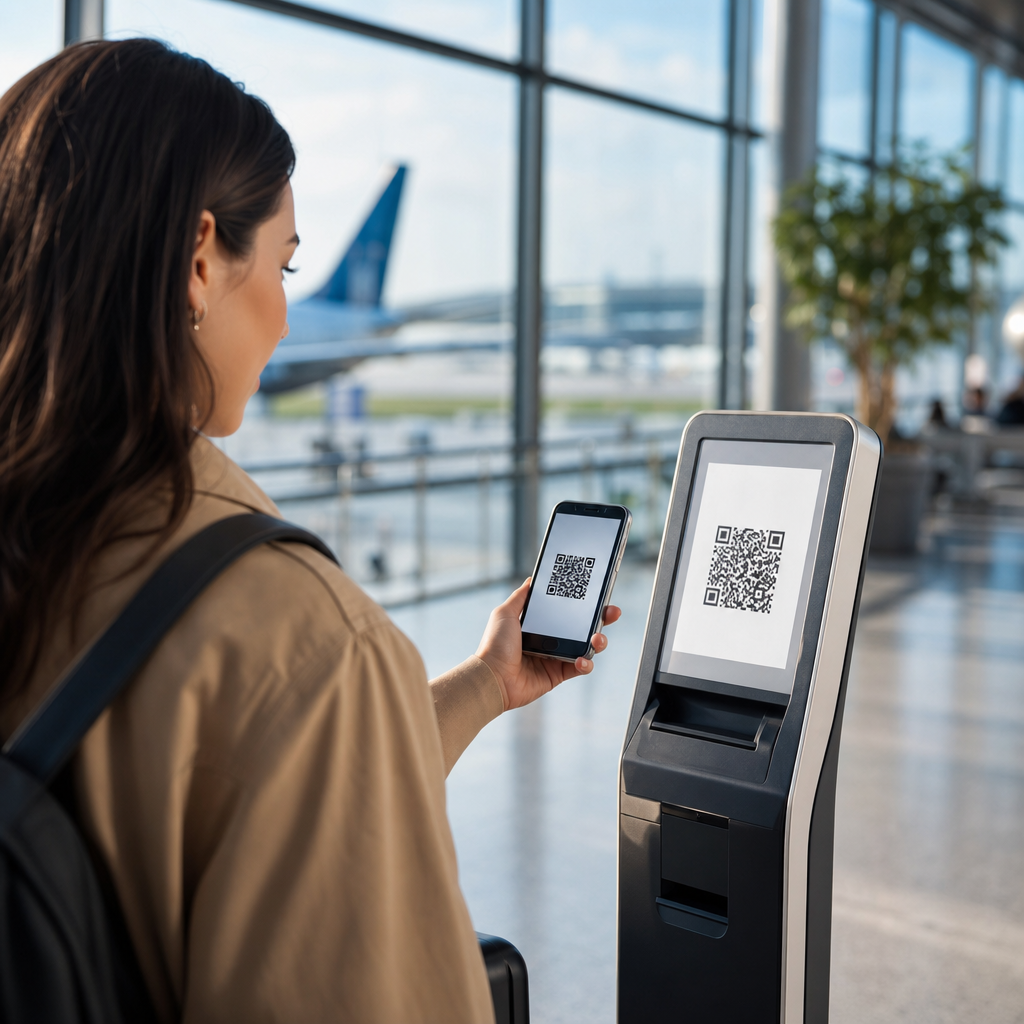
Guerrilla marketing ideas using QR codes turn ordinary surfaces, everyday moments, and brief customer attention into measurable engagement. Guerrilla marketing is a low-cost, high-creativity approach that aims to surprise people in public or digital spaces, while QR codes are scannable two-dimensional barcodes that open a URL, file, app action, payment flow, form, map, or message on a smartphone. Put together, they create campaigns that are inexpensive to launch, easy to update, and unusually trackable compared with posters, flyers, street art, packaging inserts, and event signage.
I have worked on QR-led campaigns for retailers, venues, and local service brands, and the pattern is consistent: the best results come when the code is not treated as decoration. It has to solve a clear user question in seconds. What do I get if I scan? Why now? Is this worth my time? When brands answer those questions directly, scan rates rise, bounce rates fall, and the campaign starts doing more than generating novelty. It becomes a performance channel that can support awareness, lead generation, foot traffic, content distribution, coupon redemption, reviews, referrals, and first-party data collection.
This matters because smartphone camera adoption is universal enough that most customers understand scanning behavior, while privacy changes have made owned traffic more valuable. A QR code can bridge offline attention to online conversion without relying on third-party cookies. Dynamic QR platforms also let marketers change destinations after print, segment by location, add UTM parameters, and compare creative variants. For a sub-pillar hub on creative marketing ideas using QR codes, the real goal is not listing random tactics. It is understanding which formats work in which context, how to execute them safely, and how to build campaigns that feel clever to the audience instead of clever only to the marketing team.
Effective QR guerrilla marketing also depends on practical constraints. Codes need sufficient contrast, quiet zone spacing, mobile-optimized landing pages, and a destination that loads fast on cellular connections. ISO/IEC 18004 governs QR code symbology, but field performance is shaped just as much by placement, lighting, viewing angle, print finish, and call-to-action language. A glossy poster with a tiny code in dim transit lighting will underperform even if the design looks polished in a mockup. By contrast, a plain high-contrast code with a blunt instruction such as “Scan for today’s secret menu” often performs better because the value exchange is obvious.
What makes a QR code guerrilla campaign work
The strongest campaigns combine four elements: visibility, incentive, relevance, and measurability. Visibility means the code is easy to notice and easy to scan from the natural distance a person will stand. Incentive means there is an immediate reward, such as exclusive content, a discount, a giveaway entry, a scavenger hunt clue, or a useful tool like directions or sizing help. Relevance means the destination matches the setting. A code on gym locker signage should not lead to a generic homepage; it should open a free workout plan, trainer booking page, or supplement sample request. Measurability means every placement uses trackable links, naming conventions, and event goals inside analytics.
In practice, that leads to a simple operating rule: one code, one intent, one next step. Multi-purpose destinations reduce conversions because users have to decide what to do after scanning. Landing pages should state the benefit in the first screen, repeat the promise from the sign, and remove unnecessary navigation. If the campaign objective is email capture, ask only for email and perhaps first name. If the objective is store visits, open maps with one tap. If the objective is social sharing, prefill the action. Friction kills impulse behavior, and guerrilla marketing depends on impulse.
Choice of QR type matters. Static codes are fine for permanent content, but dynamic codes are better for campaigns because they allow destination changes, scan analytics, and A/B testing without reprinting assets. Error correction levels are useful when the code may be partially obscured, but pushing error correction too high can make the pattern denser and harder to scan at smaller sizes. I usually recommend testing final production files on multiple phones, under real lighting, and from realistic distances before launch. Teams that skip field testing almost always miss preventable issues.
Street-level ideas that drive immediate scans
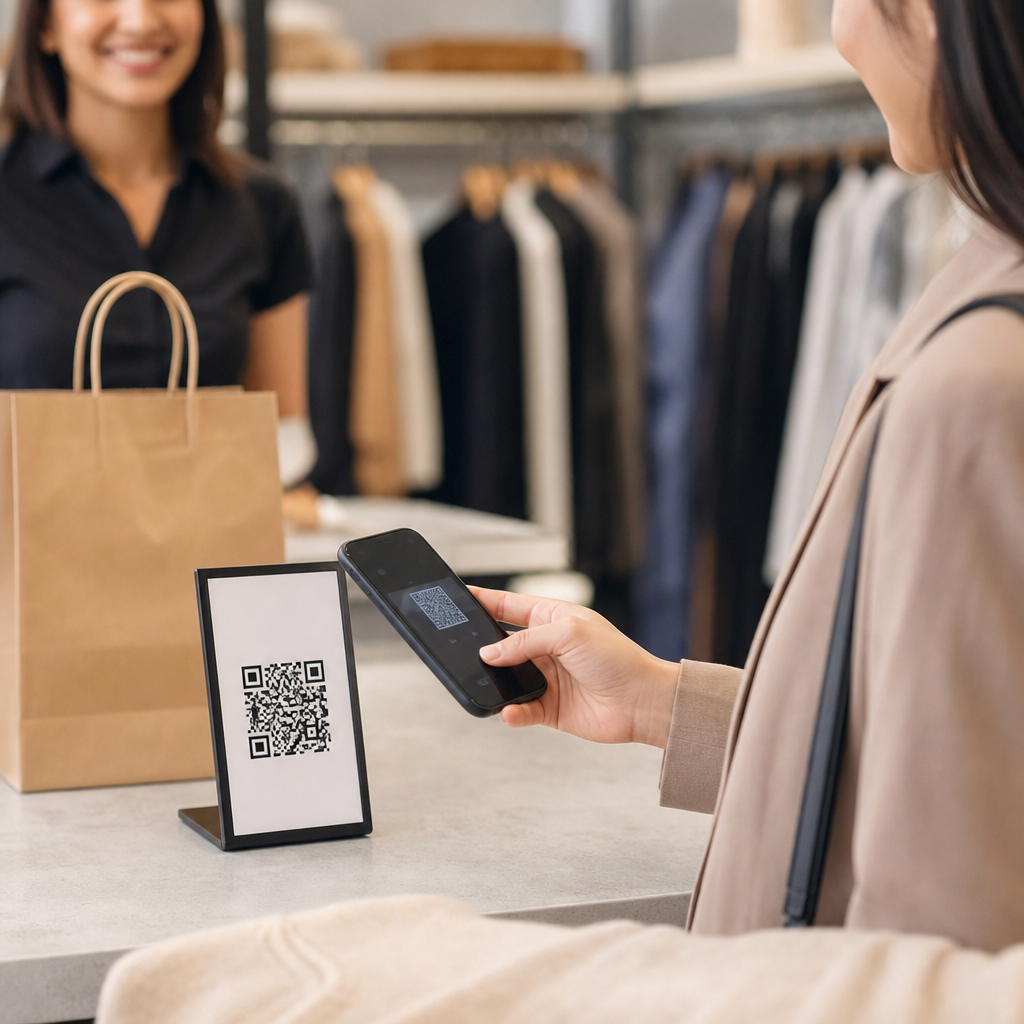
Street-level placements work because they borrow attention from environments people already notice. Pavement decals near store entrances can offer “Scan for the item everyone asks for,” which works well for restaurants, boutiques, and pop-ups. Window posters can promote after-hours browsing with a code that opens a shoppable catalog, waitlist, or next-day appointment booking page. Temporary projections at night, especially during local events, can create scarcity by linking to a limited-time drop or city-specific offer. For local businesses, bike rack signs, parking validation cards, food truck wraps, and receipt toppers can all act as guerrilla media without buying expensive ad inventory.
Transit-adjacent tactics are also effective. A coffee chain can place codes at nearby bus shelters with “Scan while you wait: skip the line and pick up in 6 minutes.” A museum can place neighborhood posters that unlock an audio teaser from a current exhibit. A fitness studio can stencil washable sidewalk messaging leading to a free class pass landing page. The important point is context. Waiting environments are ideal because people have idle time. Commuters and event queues are more likely to scan than fast-moving foot traffic, provided the message is legible and the reward is immediate.
Interactive physical installations can amplify attention further. I have seen brands create “mystery walls” where each large tile contains a separate code linked to a different prize, playlist, or product story. Another strong format is a city scavenger hunt, where scanning one code reveals the next location and a clue. This works particularly well for tourism boards, colleges, festivals, and retail districts because it turns movement through a place into a game. To keep it manageable, build unique landing pages for each checkpoint and set expiration windows so the activity feels live rather than evergreen.
Packaging, print, and product-triggered ideas
Packaging is one of the most underused surfaces for creative marketing ideas using QR codes because it reaches people at the moment of highest product interest. Instead of sending every scanner to a generic homepage, use the code to deliver setup help, recipes, care instructions, refill subscriptions, or loyalty enrollment tied to the specific item purchased. Consumer packaged goods brands can place a code inside the box flap so the scan feels like a discovery. Apparel brands can print codes on hangtags that open fit videos or styling bundles. Beauty brands can link to ingredient explanations, routines by skin type, and replenishment reminders.
Print collateral still works when it carries a strong reason to scan. Direct mail can use personalized codes that launch individualized landing pages showing the nearest store, a preloaded cart, or an offer selected from previous purchases. Brochures at trade shows can replace bulky follow-up packets by linking to product demos, spec sheets, and meeting schedulers. Menus can use codes for seasonal add-ons, allergy filters, or chef stories, but they should not be the only menu access point if connectivity is poor. Practicality builds trust; forcing a scan when a printed alternative would help usually backfires.
For product-triggered campaigns, the best model is utility first, promotion second. A home appliance brand can put a code near the controls that opens a troubleshooting guide and maintenance reminders. A winery can use bottle neck tags to link to tasting notes, vineyard maps, and food pairings. A toy company can unlock bonus activities and replacement instructions. These experiences extend product value while creating repeat scans over time. They also reduce support burden, which makes the campaign easier to justify internally because it contributes to customer service as well as marketing.
Event, venue, and experiential QR code plays
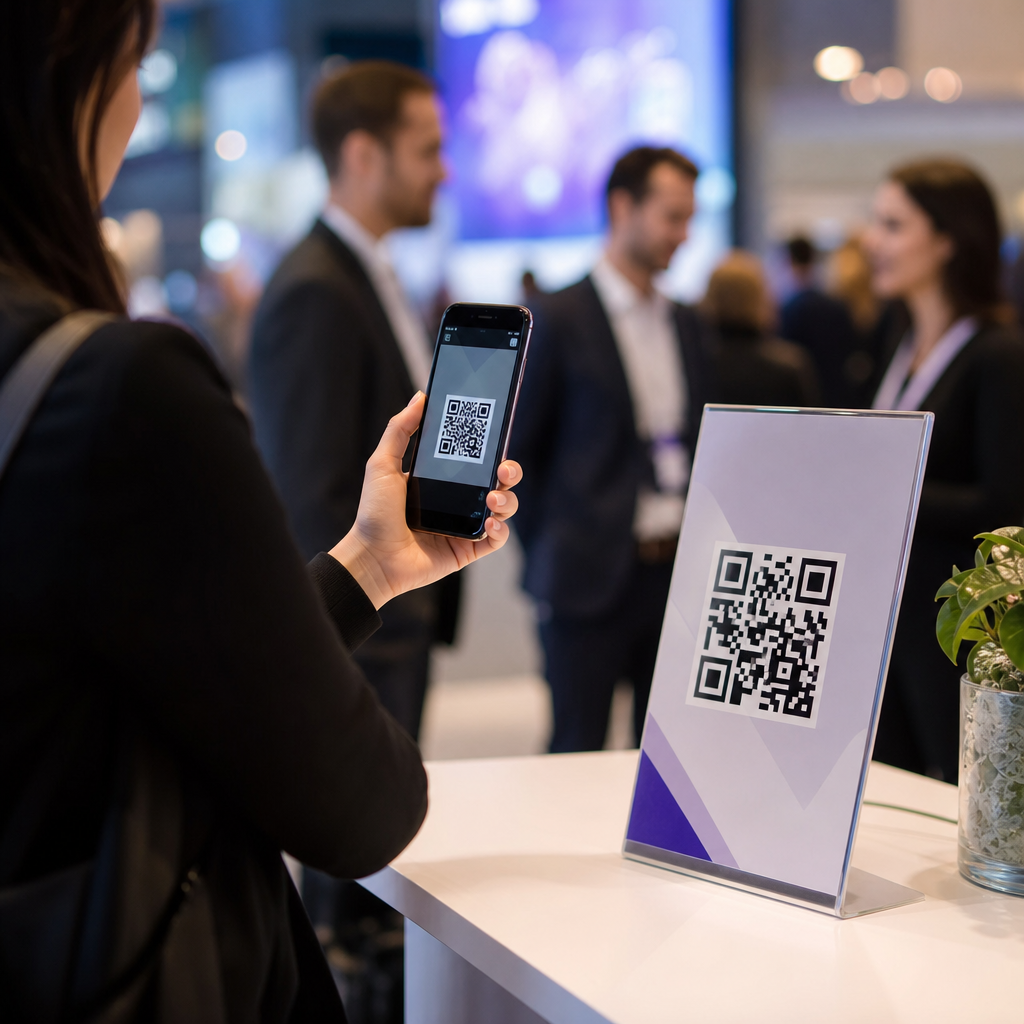
Events are ideal for guerrilla QR execution because attendees are already primed to interact. Conference badges can include role-based codes that help attendees book meetings, access slides, or join a private community. Booth backdrops can offer “Scan for the 3-minute demo” instead of asking every passerby for a full conversation. Concert venues can place codes near merchandise lines so fans can preorder items while waiting. Stadiums can use seat-level signage for instant upgrades, concessions ordering, or sponsor-led sweepstakes. Each use respects the audience’s time and captures intent in a live environment where attention is fragmented.
Pop-ups benefit from QR layers because temporary spaces rarely have enough staff to answer every question. Place codes next to hero products with short explainer videos, availability updates, and checkout links. Use mirrored surfaces or fitting rooms for “See this look in your size” flows. For art installations, codes can reveal the artist statement, behind-the-scenes process, or an augmented reality extension. When the physical experience is designed for social sharing, the code should also make sharing simple by offering prewritten captions, downloadable assets, or contest entries tied to user-generated content.
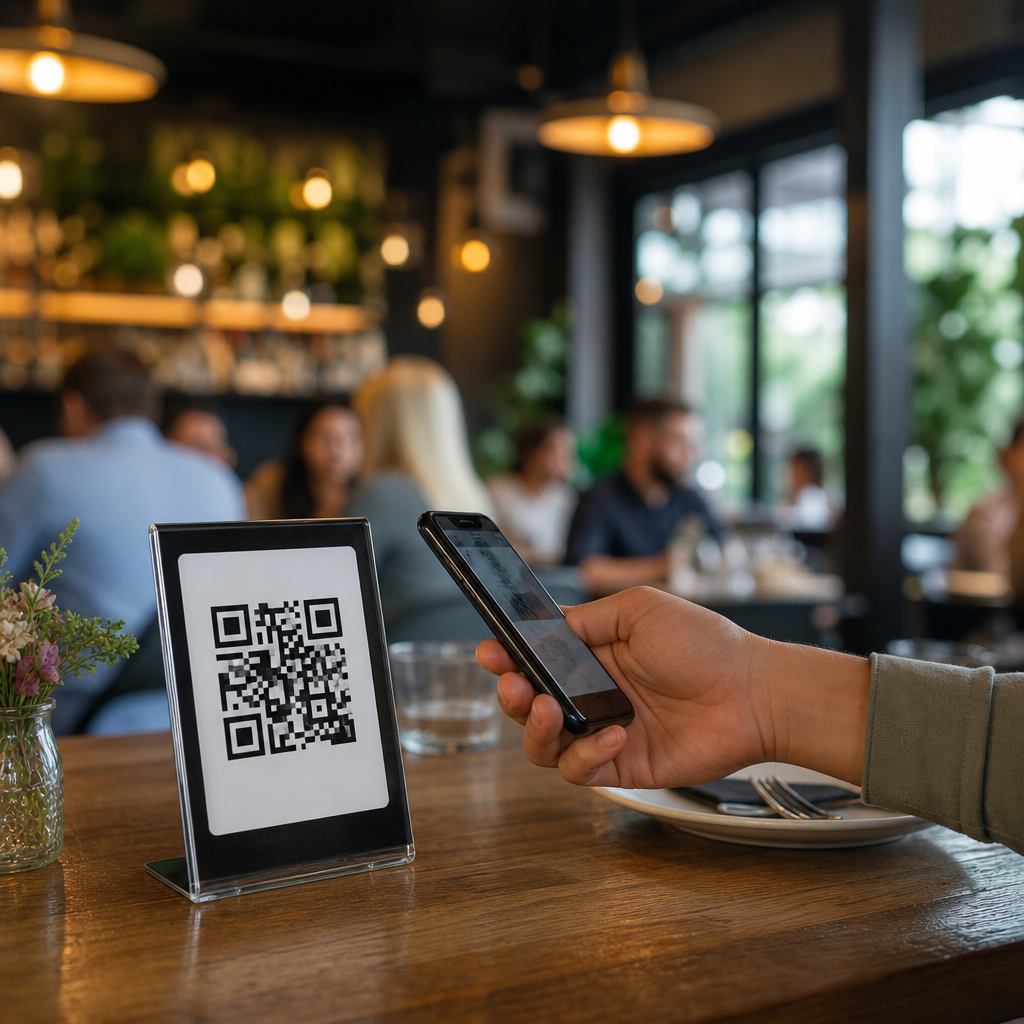
Hospitality brands can use venue-based scans to shape the guest journey. Hotels can replace thick in-room binders with QR access to dining, spa booking, local guides, and service requests. Restaurants can run table-specific campaigns where one code unlocks a one-night-only dessert or chef playlist. Real estate open houses can use room-level codes that show renovation details, utility estimates, school information, and mortgage calculators. These are not gimmicks when executed well. They remove staff bottlenecks, answer common questions faster, and capture measurable interest from visitors who may not be ready to speak with someone immediately.
Offers, gamification, and referral mechanics
A QR code becomes more powerful when it triggers participation rather than passive viewing. That is why spin-to-win pages, instant coupons, hidden rewards, and referral loops often outperform static content. The key is to match the prize structure to the audience. High-frequency businesses like cafés and convenience stores do well with small guaranteed rewards, such as a free topping or loyalty points. Higher-consideration brands often perform better with access-based incentives, such as a buyer’s guide, VIP preview, or consultation credit. Randomized rewards can work, but the odds and terms should be clear to maintain trust.
Referral mechanics are especially effective in guerrilla settings because they turn one scanner into several prospects. After scanning a street poster for a discount, the landing page can offer an extra reward for sharing a friend link. Gyms can use this for buddy passes. Salons can offer add-on services for referrals. SaaS companies at trade shows can provide extended trials if a colleague books a demo. The advantage is compounding reach without additional media spend. The limitation is quality control: referrals work only when the initial offer is specific and the claim process is simple.
| Campaign type | Best location | Primary goal | Strong offer example |
|---|---|---|---|
| Sidewalk decal | Store frontage | Foot traffic | Scan for today’s in-store code |
| Packaging insert | Inside product box | Retention | Setup guide plus refill reminder |
| Event badge | Conference venue | Lead capture | Book a 10-minute demo |
| Window poster | Closed storefront | After-hours sales | Shop the featured collection now |
| Scavenger hunt stop | City or campus | Engagement | Unlock the next clue and prize |
To keep gamified campaigns from becoming shallow, build a complete reward path. Explain what happens on the first scan, second scan, and completion. Use progressive profiling if you need customer data: ask for minimal information first, then gather more only after value has been delivered. I have found that completion rates improve when the rules are visible, the number of steps is limited, and the destination works without requiring an app install. Browser-based experiences nearly always win unless the brand already has strong app adoption.
Measurement, compliance, and common mistakes
The practical benefit of QR guerrilla marketing is that it is measurable if you instrument it correctly. Use a separate dynamic code for each location, creative version, or partner placement. Apply UTM parameters consistently, define conversion events in analytics, and compare scans to downstream actions such as purchases, bookings, directions clicks, or form submissions. Heat maps from landing page tools can reveal where users stall. Coupon redemption data can tie offline creative to revenue. If sales cycles are longer, track micro-conversions like brochure downloads, call taps, or saved wish lists instead of judging the campaign only by immediate purchases.
Compliance and trust deserve equal attention. Public placements may require permits, property approval, or event organizer consent. Healthcare, finance, alcohol, and regulated products need careful review of claims, age gates, disclosures, and data collection practices. Shortened or branded links should clearly identify the destination domain to reduce phishing concerns. Always provide enough context around the code so users know who is asking them to scan and why. If the campaign requests personal data, state what will happen next and link to a privacy notice. Credibility directly affects scan willingness.
The most common mistakes are avoidable: codes that are too small, poor contrast, landing pages that are not mobile optimized, generic homepage destinations, weak calls to action, and no testing under real conditions. Another frequent error is placing a code where there is no time or no signal to scan, such as high-speed roadside environments or basement venues with weak connectivity. Finally, many teams fail to align creative with intent. A playful visual can attract attention, but if the payoff is unclear, curiosity does not convert. Start with user utility, make the benefit concrete, and let creativity support that promise rather than replace it.
Guerrilla marketing ideas using QR codes work best when they connect surprise with usefulness. A code on a poster, package, storefront, badge, table tent, or city clue is not the strategy by itself; the strategy is the fast, relevant action that follows the scan. When you match placement to audience context, offer a clear benefit, and route visitors to a focused mobile experience, QR campaigns can generate measurable traffic, leads, sales, and repeat engagement without large media budgets.
For marketers building a sub-pillar around creative marketing ideas using QR codes, the core lesson is simple. Think in journeys, not just assets. Decide what problem the scan solves, where the audience encounters it, what incentive justifies the action, and how success will be measured. Use dynamic codes, field-test every placement, and create landing pages that answer the user’s next question immediately. The brands that do this consistently outperform those that treat QR as a novelty layer.
If you are planning your next campaign, start with one high-intent use case: a storefront offer, event lead flow, packaging utility page, or referral mechanic. Launch small, compare placements, and optimize based on scan-to-conversion data. Then expand the winners into a broader QR code campaign system that supports awareness, retention, and customer experience together.
Frequently Asked Questions
What makes QR codes so effective for guerrilla marketing campaigns?
QR codes work especially well in guerrilla marketing because they bridge the gap between a surprising offline moment and an immediate digital action. A guerrilla campaign is designed to capture attention in a low-cost, unconventional way, often by using ordinary spaces, objects, or interactions in unexpected ways. QR codes add a practical conversion layer to that creativity. Instead of people simply noticing a clever poster, sidewalk stencil, sticker, package insert, mirror decal, or pop-up display, they can instantly scan and move into a landing page, contest entry, product demo, map, video, discount offer, waitlist, or social channel.
Another major advantage is measurability. Traditional guerrilla marketing can generate buzz, but it is sometimes difficult to track how many people actually acted on the message. QR codes solve that problem by giving marketers a direct response tool that can be tied to scans, device types, time of day, location, engagement rates, conversion paths, and campaign-specific URLs. This makes it much easier to test ideas, compare placements, and improve performance over time.
QR codes are also flexible and budget-friendly. A business can print one on temporary signage, product packaging, receipts, event materials, coasters, window clings, street-team handouts, or projection-based visuals without a large media buy. If the code uses a dynamic destination, the linked content can be updated without changing the printed asset itself. That means the campaign can evolve quickly, which is ideal for fast-moving promotions, local activations, seasonal offers, or experimental creative concepts. In short, QR codes make guerrilla marketing more actionable, trackable, and adaptable without sacrificing the spontaneity that makes the tactic effective.
What are some creative guerrilla marketing ideas using QR codes?
There are many strong ways to use QR codes in guerrilla marketing, especially when the code is integrated into the idea rather than treated as an afterthought. One effective approach is interactive public placement. For example, a fitness brand could place QR codes near parks, stairs, or walking routes with messaging like “Scan for a 5-minute challenge.” A restaurant could use sidewalk decals or bench ads that say “Hungry? Scan for today’s secret menu item.” A real estate agent could place QR-enabled signs in neighborhood hotspots linking to a local guide and available listings. The best ideas connect the physical location to the digital reward in a way that feels relevant and immediate.
Another category is object-based surprise marketing. Brands can add QR codes to coffee sleeves, pizza boxes, shopping bags, restroom mirror clings, parking tickets, elevators, vending machine wraps, event badges, or even temporary installations. A beauty brand might place a code on mirror stickers in dressing rooms that opens a try-on tutorial. A bookstore could leave QR-coded bookmarks in public reading spaces that unlock staff picks or a first-chapter download. A local service business could use removable QR decals on delivery vehicles that link to a limited-time offer or service area map.
Gamified campaigns also perform well. Hidden QR code trails, scavenger hunts, “scan to unlock” content, and location-based challenges turn curiosity into participation. A retail store might hide multiple QR codes around a district, with each scan revealing part of a discount or clue. A tourism campaign could place codes at murals or landmarks that open augmented reality content, local history, or rewards for visiting multiple stops. A startup could use a series of QR stickers with clever copy that ultimately lead to a waitlist or product reveal.
The most successful guerrilla QR campaigns usually share three traits: they are visually noticeable, they offer a clear reason to scan, and they deliver a fast, mobile-friendly payoff. Creativity gets attention, but relevance and convenience are what turn that attention into meaningful engagement.
How can businesses make sure people actually scan a QR code in a guerrilla campaign?
Getting scans starts with making the value proposition obvious. People rarely scan a code just because it exists. They scan when they understand what they will get and why it is worth the few seconds it takes. That is why the call to action matters so much. Instead of generic wording like “Scan me,” use direct, benefit-driven language such as “Scan for 20% off today,” “Scan to see the hidden video,” “Scan to claim your free sample,” or “Scan to vote.” Clear incentives outperform vague curiosity in most environments.
Design and placement are equally important. The QR code needs to be large enough to scan easily, printed with strong contrast, and positioned where people can comfortably notice and use it. If the code is on a moving object, too high on a wall, poorly lit, distorted, or surrounded by clutter, scan rates will suffer. Guerrilla marketing often relies on unusual placements, but usability should never be sacrificed for novelty. A creative placement should still allow someone to pull out a phone, aim the camera, and complete the scan without friction.
The landing experience matters just as much as the physical setup. Once someone scans, the destination should load quickly, be optimized for mobile, and match the promise in the call to action. If the code offers a coupon, the coupon should appear immediately. If it promises a video or game, that content should be fast and intuitive. Long forms, confusing navigation, or slow-loading pages can waste the momentum that guerrilla marketing creates. A dedicated campaign landing page is usually better than sending traffic to a generic homepage.
It also helps to build trust. In public settings, some users hesitate to scan random codes because they are unsure where the link leads. You can reduce that concern by including your brand name, logo, a short explanation, and possibly a visible short URL near the code. Finally, test everything in real conditions before launch. Try different phone models, lighting conditions, print sizes, and traffic environments. The easier and more trustworthy the interaction feels, the more likely people are to engage.
How do you measure the success of a guerrilla marketing campaign that uses QR codes?
Success should be measured at multiple levels, not just by total scan volume. Scans are an important starting metric because they show whether the placement and creative concept attracted attention. However, a good campaign should also track what happens after the scan. That includes click-through behavior, landing page engagement, form completions, coupon redemptions, purchases, app downloads, bookings, social follows, or any other action tied to the campaign’s goal. The right metrics depend on whether the objective is awareness, lead generation, foot traffic, sales, event attendance, or community engagement.
Dynamic QR codes are especially valuable because they allow marketers to monitor performance in detail and update destinations without reprinting materials. With the right setup, businesses can analyze when scans happened, where they happened, what devices were used, and which physical placements performed best. For example, a brand might discover that QR codes near transit hubs drive more scans, while codes inside partner locations drive fewer scans but much higher conversion rates. That kind of insight helps improve future campaigns and allocate resources more effectively.
It is also smart to use campaign-specific landing pages, promo codes, UTM parameters, and unique calls to action. These tools help isolate performance so you can distinguish one guerrilla tactic from another. If you place codes in multiple neighborhoods or on different surfaces, using separate tracking links can reveal which context generated the best response. This is particularly useful in guerrilla marketing, where experimentation is part of the strategy.
Beyond hard metrics, businesses should also look at qualitative signals. Did people share photos of the installation? Did the campaign generate user-generated content, local press, or social conversation? Did it increase direct searches for the brand or bring more in-store questions about the offer? Guerrilla marketing is often designed to create buzz as well as conversions, so a full evaluation should consider both immediate action and broader brand lift. The strongest campaigns deliver not just scans, but memorable brand interactions that can be tied to real business outcomes.
Are there any best practices or risks to consider when using QR codes in guerrilla marketing?
Yes, and paying attention to them can make the difference between a clever campaign and one that underperforms or creates avoidable problems. One best practice is to align the tactic with the environment. Guerrilla marketing should feel inventive, but it should also make sense in context. A QR code placed in a location where your audience is likely to have a few seconds and a reason to engage will perform better than one placed purely for shock value. Matching the message, placement, and audience mindset is essential.
Permission and legality are also important. Some guerrilla tactics push boundaries, but businesses should still be careful about posting materials on private property, violating city signage rules, obstructing public walkways, or creating safety hazards. Temporary decals, posters, or installations may require approval depending on the location. If your campaign involves public spaces, transit areas, storefronts, campuses, or events, it is wise to verify what is allowed before launch. A memorable campaign should not come at the cost of fines, removals, or reputational damage.
From a technical standpoint, always use high-quality codes that are easy to scan, and test them extensively. Avoid linking to content that is not mobile-friendly, outdated, or inconsistent with the campaign message. If you are collecting information through a form or offer, be transparent about what users are signing up for and