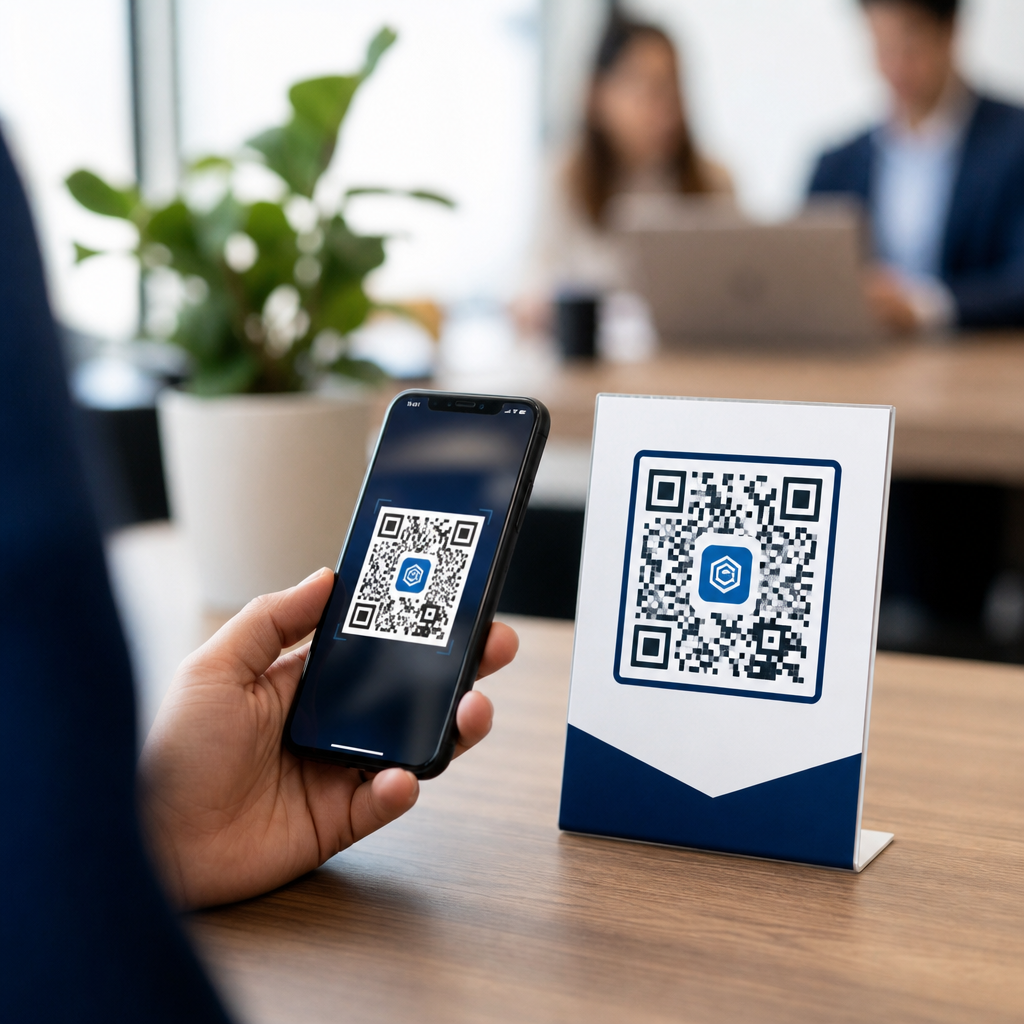
Interactive QR code campaign ideas for engagement give brands a practical way to turn packaging, signage, print ads, events, and in-store displays into measurable digital touchpoints. A QR code, or quick response code, is a scannable matrix barcode that opens a destination such as a landing page, video, coupon, form, app deep link, menu, or augmented reality experience. An interactive QR code campaign goes beyond simply sending people to a homepage. It asks for an action, delivers a reward, personalizes the next step, and captures data that helps marketers improve performance. In my work with retail launches, trade-show activations, and local service campaigns, the difference between a passive code and an interactive one has been dramatic: scans rise when the value exchange is immediate, the message is clear, and the destination matches the moment.
This matters because smartphone scanning behavior is now ordinary consumer behavior, not a novelty. Native camera scanning on iPhone and Android has removed friction, while dynamic QR platforms let marketers edit destinations, tag traffic, run A/B tests, and measure scans by device, location, and time. For a brand focused on QR code design and branding, creative QR code campaigns sit at the center of the funnel. They connect offline attention to online engagement, make print media measurable, and create a branded experience that can continue through email, SMS, loyalty, and retargeting. The most effective campaigns combine design, context, and utility: a branded frame that signals trust, a concise call to action, and a destination built for mobile speed. This hub article explains the strongest campaign formats, where they work best, what metrics matter, and how to build campaigns people actually want to scan.
What makes a QR code campaign interactive and effective
An interactive QR code campaign works when the scan leads to a useful next step instead of a dead-end page. The core ingredients are straightforward. First, the scan trigger must be obvious: “Scan to vote,” “Scan to unlock 15% off,” or “Scan to see today’s installation guide” outperforms generic prompts because people know exactly what they get. Second, the destination must load fast, fit the screen, and ask for only one primary action. Third, the campaign should reward curiosity quickly with content, savings, personalization, or entertainment. Fourth, tracking must be configured from the start using dynamic QR codes, UTM parameters, and analytics events so each asset can be evaluated.
Real-world performance usually improves when marketers respect context. A QR code on product packaging serves a different job than one on a conference badge or restaurant table tent. Packaging codes can educate after purchase with setup videos, care instructions, recipes, or registration. Event codes can speed networking, booth engagement, and lead capture. Outdoor posters need a larger code, shorter scan distance, and a destination that works on cellular data. I have also seen brands undermine good creative with weak placement: a beautifully designed code tucked near a fold, glare-prone laminate, or low-contrast print will fail even if the offer is strong. Effective interactive campaigns are built as systems, where design, placement, message, destination, and measurement reinforce each other.
Creative QR code campaign ideas by channel and goal
The best creative QR code campaigns align the interaction with a business objective. For lead generation, use a code that opens a short form, calendar booking page, or gated resource tailored to the ad or location. For retail engagement, codes can reveal style guides, ingredient sourcing, customer reviews, or limited-time bundles right at the shelf. For restaurants and hospitality, interactive codes can support mobile ordering, waitlist entry, local recommendations, or post-visit review requests. For nonprofits, a code on direct mail can route donors to a mobile donation page prefilled with campaign details, making offline fundraising easier to measure.
Gamified campaigns often produce higher scan-through rates because they create anticipation. A code can launch a spin-to-win offer, daily trivia challenge, digital scratch card, scavenger hunt checkpoint, or instant-win microsite. At events, codes on booths, lanyards, or handouts can unlock prize entries after attendees watch a demo or answer a product question. For product education, a code can open a comparison tool, fit finder, configurator, or “choose your path” guide that helps customers self-select the right option. In B2B settings, I have used QR codes to route visitors to a role-specific landing page so a procurement manager, operator, and executive each see different proof points. That small change increased meeting requests because the landing experience matched intent.
| Campaign type | Best placement | User action | Primary metric |
|---|---|---|---|
| Instant discount | Packaging, shelf talker, direct mail | Scan to claim coupon | Redemption rate |
| Product education | Box, manual, showroom display | Scan to watch demo | Video completion rate |
| Event lead capture | Booth signage, badge, handout | Scan to book meeting | Qualified leads |
| Loyalty enrollment | Receipt, counter card, menu | Scan to join rewards | Sign-up rate |
| UGC or voting | Poster, package insert, social printout | Scan to vote or upload | Participation rate |
Campaign ideas for retail, packaging, and in-store experiences
Retail is one of the strongest environments for interactive QR code campaigns because customer intent already exists. On shelf displays, a code can answer the exact questions that stop a purchase: “Will this fit?” “How does it compare?” “What are the ingredients?” “Is there a promotion?” Beauty brands use codes to connect shoppers to shade finders and tutorial videos. Food brands use them for recipes, nutrition details, and sourcing stories. Consumer electronics brands use them for setup guides, compatibility checkers, and extended warranty registration. These are not abstract ideas; they solve practical objections during the buying moment.
Packaging is especially powerful because it supports pre-purchase, unboxing, and post-purchase engagement. A front-of-pack code can unlock a first-order bonus or product story. An inside-flap code can trigger onboarding steps, registration, or referral rewards after the sale. A replenishable product can place a reorder code where the customer naturally sees it when the item runs low. Branded QR code design matters here: use a frame with a strong call to action, maintain adequate contrast, preserve quiet space, and test print sizes across matte and glossy materials. Dynamic codes are preferable because destinations can be updated without reprinting inventory. If a product page changes, or a regional promotion ends, the code remains usable and the customer experience remains intact.
Campaign ideas for events, hospitality, and local businesses
At trade shows and live events, interactive QR codes reduce friction and capture intent in real time. Booth signs can invite attendees to scan for a live demo slot, technical datasheet, or giveaway entry. Session rooms can display a code for polls, Q&A submission, slide downloads, or certification credits. A useful event pattern is progressive engagement: the first scan opens a concise value page, the second action asks one qualifying question, and the final step offers a calendar booking or personalized asset. This sequence filters casual scanners from serious prospects without making the first interaction feel heavy.
Hospitality and local businesses can use QR code campaigns to improve service while gathering feedback. A hotel lobby code can offer local dining guides, spa bookings, and late checkout requests. A café table code can surface a seasonal menu, allergy information, loyalty signup, or tip-prompted review flow. Fitness studios often place codes in windows and locker rooms for class schedules, introductory offers, and trainer bios. One local home-services company I worked with added QR codes to service vans and leave-behind cards that opened a “book your next visit” page with technician photos and available time slots. Customers responded because the interaction felt useful and trustworthy, not generic. For local brands, proximity and immediacy are advantages; the scan should help someone act now.
Design, measurement, and optimization for better scan performance
Strong QR code campaign performance depends on disciplined execution. Start with mobile-first destination design. Landing pages should load in under three seconds on average cellular connections, present one dominant action above the fold, and avoid unnecessary navigation. Use campaign-specific copy rather than sending traffic to a general homepage. For tracking, dynamic QR code generators such as Bitly, QR Code Generator PRO, Flowcode, and Beaconstac can report scans and support destination editing. Pair those reports with GA4 events, CRM attribution, and UTM conventions so you can separate scans, unique visitors, conversions, and downstream revenue.
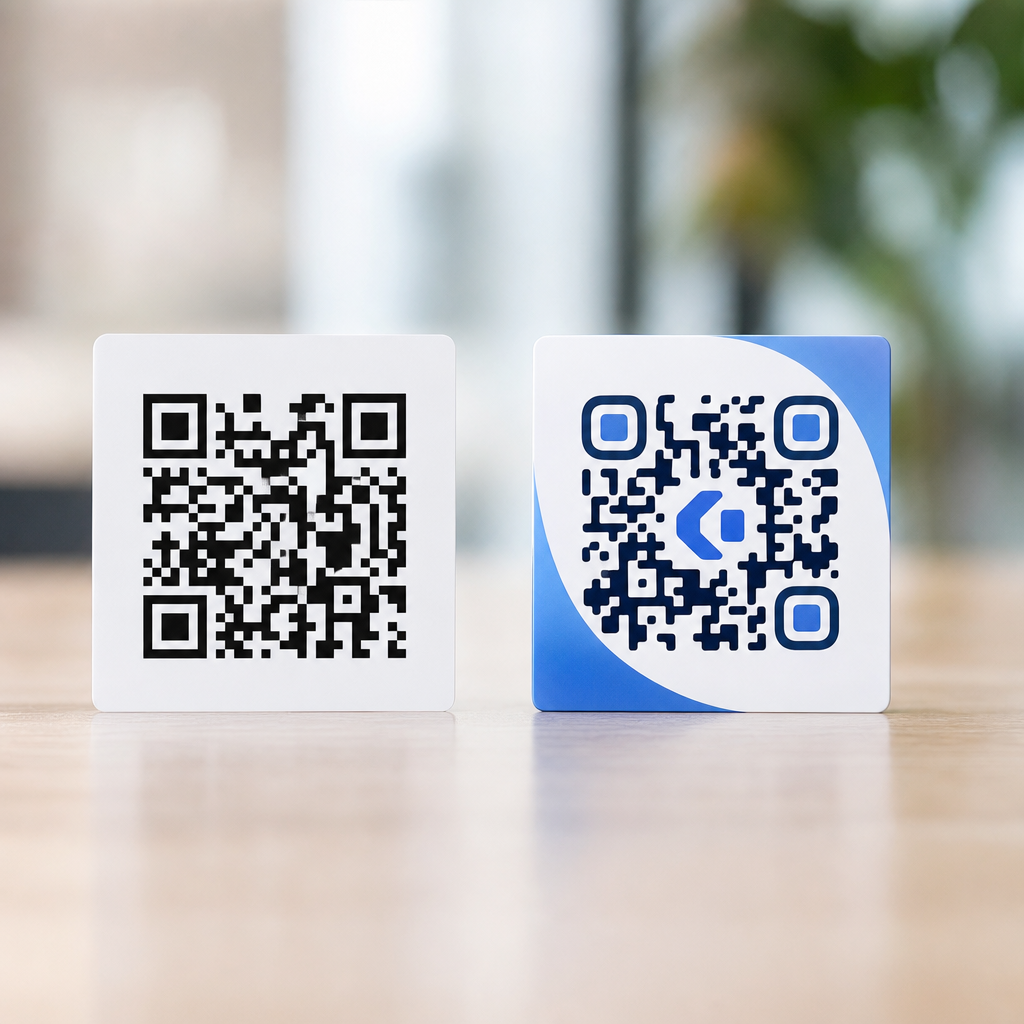
Design standards are equally important. Keep adequate contrast, usually dark modules on a light background, and avoid excessive customization that harms readability. Include a visible call to action and, when appropriate, a brief benefit statement near the code. Size the code to the viewing distance; small package codes may work at close range, while posters and window clings require larger dimensions. Test across different phone cameras, lighting conditions, and print finishes before launch. Security and trust also matter. People are more willing to scan when branding is recognizable and the destination domain is clearly associated with the business. If the campaign asks for personal data, explain why and keep the form short.
Optimization should continue after launch. Review scan rate by placement, time, and source. Compare offer language, page layout, and incentive structure. If scans are high but conversions are low, the problem is usually the landing page or the mismatch between promise and destination. If impressions are high but scans are low, the issue is often visibility, value proposition, or placement. The most successful brands treat creative QR code campaigns as ongoing experiments. Build a hypothesis, test one variable at a time, document results, and roll learnings into the next print run, event, or seasonal promotion. That process turns QR from a novelty into a reliable engagement channel.
Interactive QR code campaign ideas for engagement work best when they are useful, specific, and measurable. The strongest campaigns do not ask people to scan out of curiosity alone. They answer a need in the moment: save money, learn faster, choose confidently, join a program, enter a game, or get help now. Across retail, packaging, events, hospitality, and local marketing, the pattern is consistent. Clear calls to action increase scans. Mobile-first landing pages increase conversions. Dynamic codes and analytics make improvement possible without guesswork.
As a hub within QR code design and branding, this topic connects creative strategy with execution details that determine results. Good design makes a code noticeable and trustworthy, but campaign structure creates engagement. Choose one objective per placement, tailor the destination to the setting, and measure every step from scan to outcome. When brands do that well, QR codes become more than bridges from offline to online; they become branded experiences that drive revenue, loyalty, and first-party data. Start with one high-intent use case, test it rigorously, and expand only after the value exchange is proven.
Frequently Asked Questions
What makes an interactive QR code campaign different from a standard QR code?
An interactive QR code campaign is designed to prompt a specific action instead of simply sending someone to a generic website. A standard QR code might open a homepage or contact page, but an interactive campaign usually connects the scan to a more engaging experience such as a coupon reveal, product quiz, contest entry form, loyalty signup, limited-time offer, video demonstration, augmented reality filter, menu, app deep link, or event check-in page. The difference is intent. Interactive campaigns are built around participation, response, and measurable outcomes.
In practice, that means the destination is tailored to where the code appears and what the audience is expected to do next. A QR code on product packaging might unlock tutorials, recipes, or rewards. A code on in-store signage might collect reviews or trigger a store map. A code in print advertising might lead to a personalized landing page that tracks campaign performance by placement, geography, or creative version. This turns a static physical asset into a digital touchpoint that can be measured and optimized.
Interactive QR code campaigns also tend to perform better because they offer a clear value exchange. People are more likely to scan when they know what they will get, whether that is exclusive content, convenience, savings, entertainment, or access. The best campaigns reduce friction, make the call to action obvious, and deliver on the promise immediately after the scan.
Where can brands use interactive QR code campaigns to drive engagement?
Brands can use interactive QR code campaigns across nearly every physical customer touchpoint. Packaging is one of the most effective placements because it reaches people at the moment of product use. A code on a box, label, insert, or bottle can link to how-to videos, setup instructions, refill reminders, user-generated content galleries, product authentication tools, subscription options, or loyalty rewards. This is especially useful for consumer goods, cosmetics, food and beverage, electronics, and wellness products.
Retail and in-store environments are another strong fit. QR codes placed on shelf talkers, end caps, window decals, dressing room signage, and point-of-sale displays can encourage shoppers to compare products, access reviews, browse sizes, join a rewards program, claim an offer, or book an appointment. At events and trade shows, QR codes can simplify registration, booth interactions, lead capture, digital brochures, prize wheels, gamified scavenger hunts, and post-event follow-up. This helps brands create richer experiences while reducing printed material costs.
Print ads, direct mail, posters, restaurant menus, outdoor signage, and vehicle wraps can also become measurable campaign channels with QR codes. Instead of relying on awareness alone, brands can connect offline impressions to online actions. For service businesses, a QR code can open a booking form, consultation request, or service menu. For hospitality and entertainment, it can support ticketing, promotions, interactive maps, and exclusive media. The most successful placements are the ones that match context, user intent, and a compelling next step.
What are some effective interactive QR code campaign ideas for increasing engagement?
Some of the most effective QR code campaign ideas are built around immediate usefulness or immediate reward. For example, a scan-to-save promotion can deliver a coupon, discount code, or free sample claim form. A scan-to-learn experience can open a short product demo, behind-the-scenes video, ingredient story, assembly guide, or FAQ page. A scan-to-play concept can include instant-win contests, spin-to-win games, trivia, personality quizzes, or digital scavenger hunts. These ideas work well because they give users a clear reason to act in the moment.
Another strong category is personalized or community-driven engagement. Brands can use QR codes to collect feedback, invite customer reviews, power loyalty registrations, unlock members-only content, or encourage social sharing. A restaurant might use table QR codes for feedback and rewards. A beauty brand might place codes on packaging that lead to shade matching tools or tutorials. A nonprofit might use event signage QR codes to capture donations, volunteer signups, or campaign pledges. A B2B company might place codes in brochures or booth displays that open case studies, calculators, or meeting schedulers.
More immersive ideas include augmented reality try-ons, virtual tours, product customization flows, digital treasure hunts, or region-specific landing pages. Seasonal campaigns can also perform well, such as holiday promotions, limited-edition packaging activations, or event-based experiences tied to launches and sponsorships. The best idea is not always the most complex one. Usually, the most effective QR code campaign is the one that offers a simple, relevant action and a fast mobile experience that aligns with the customer journey.
How can brands measure the success of an interactive QR code campaign?
Success starts with defining the right goal before the campaign launches. Depending on the use case, that could mean scans, unique users, coupon redemptions, form completions, app installs, purchases, video views, time on page, repeat visits, review submissions, or loyalty enrollments. If the purpose is awareness, scan volume and engagement rate may be enough. If the purpose is conversion, then downstream actions such as signups, revenue, redemptions, or qualified leads matter more. Clear goals make it easier to judge whether the campaign is truly performing.
Tracking should be set up at both the QR code level and the landing page level. Dynamic QR codes are especially useful because they allow brands to update destinations and monitor performance without reprinting materials. Codes can be segmented by location, product line, ad version, store, event, or audience type. This helps marketers identify which placements and messages generate the most engagement. On the destination side, analytics tools can track bounce rate, conversion rate, button clicks, session length, and user flow. If integrated with a CRM or ecommerce platform, brands can also connect scans to customer records, purchases, and retention behavior.
It is also important to evaluate the user experience, not just the raw numbers. High scan volume with low conversion may indicate a weak landing page, poor offer, slow load time, or unclear call to action. A lower scan count with a high redemption rate may actually be more valuable. Testing different headlines, incentives, page formats, and placements can improve results over time. In short, the most useful measurement framework looks at the full path from scan to action to business outcome.
What are the best practices for creating a high-performing interactive QR code campaign?
The first best practice is to give people a strong reason to scan. A QR code alone is not a strategy. Every placement should include a clear call to action that explains the benefit, such as “Scan to get 15% off,” “Scan to watch the demo,” “Scan to enter the giveaway,” or “Scan to unlock members-only content.” When the value is obvious, scan rates usually improve. It also helps to match the destination to the context. Someone scanning from packaging may want product help or rewards, while someone scanning from an event sign may want registration, schedules, or a contest entry.
The second priority is mobile experience. The landing page or destination should load quickly, be easy to navigate on a phone, and require as few steps as possible. Long forms, cluttered layouts, confusing navigation, or irrelevant content can hurt performance fast. Visual design matters as well. The QR code should be large enough to scan easily, placed where lighting and camera access are practical, and printed with enough contrast for reliable performance. Branded QR codes can improve trust and recognition, but they still need to remain highly scannable.
Finally, brands should test, track, and iterate. Use dynamic QR codes when possible so destinations can be updated without replacing printed assets. Create unique codes for different channels and placements to compare performance accurately. Test different offers, creative treatments, and landing page experiences. Make sure privacy expectations are clear if you are collecting data, and always deliver the promised value right after the scan. A high-performing interactive QR code campaign succeeds because it combines relevance, convenience, measurable tracking, and a smooth user experience from the first scan to the final action.