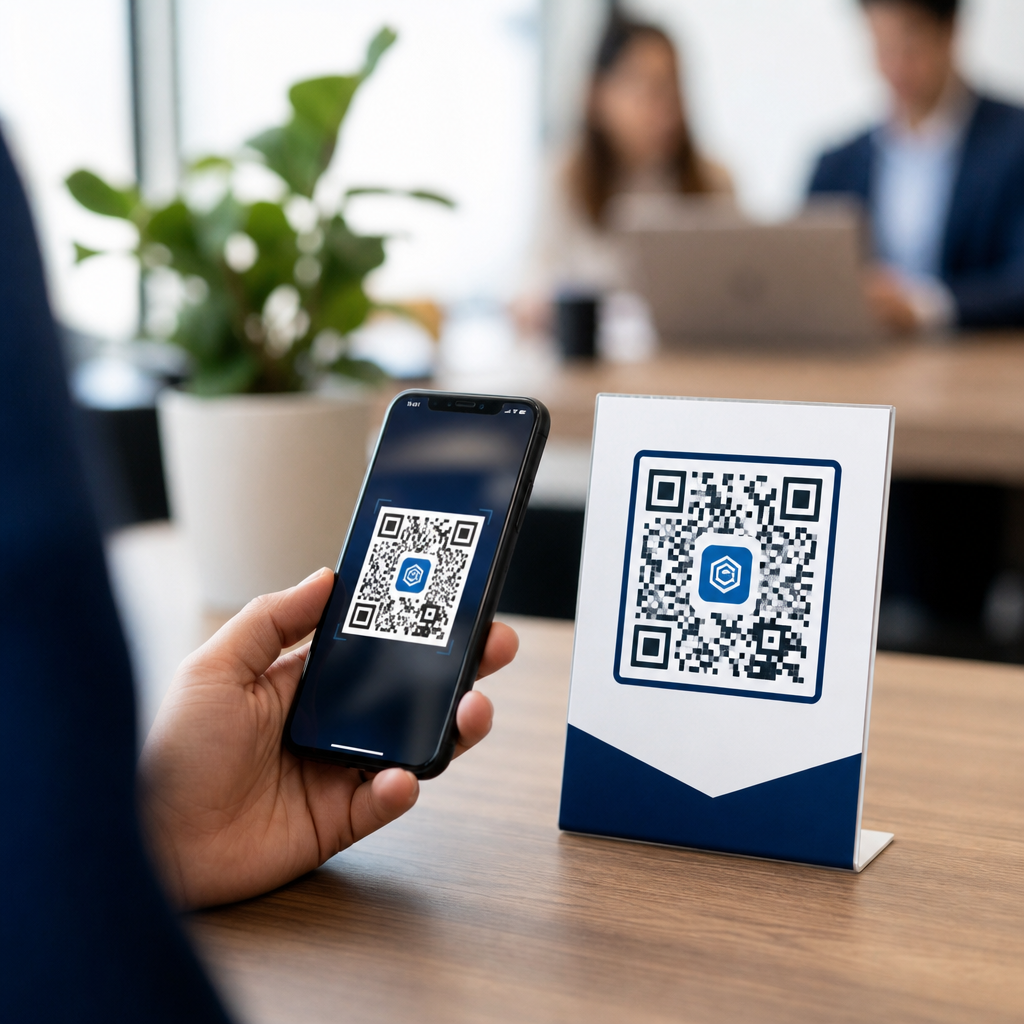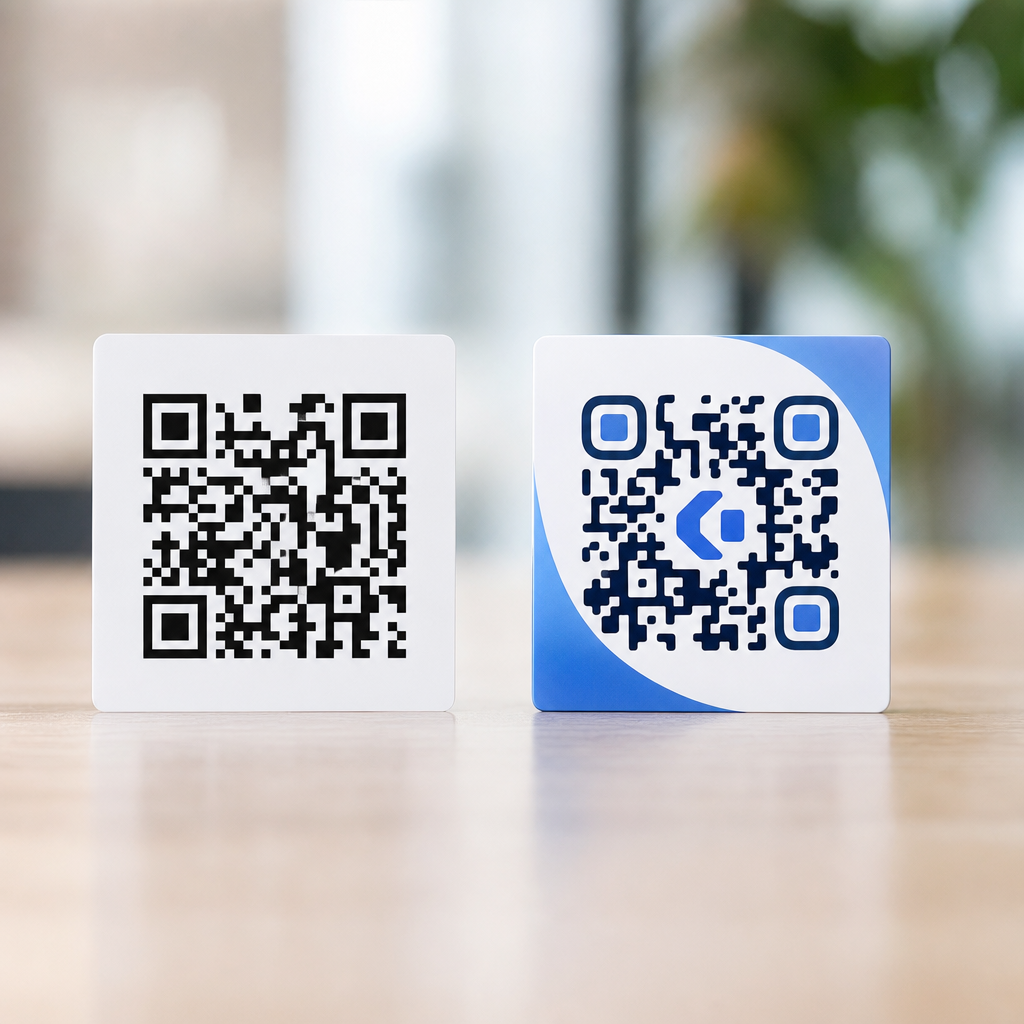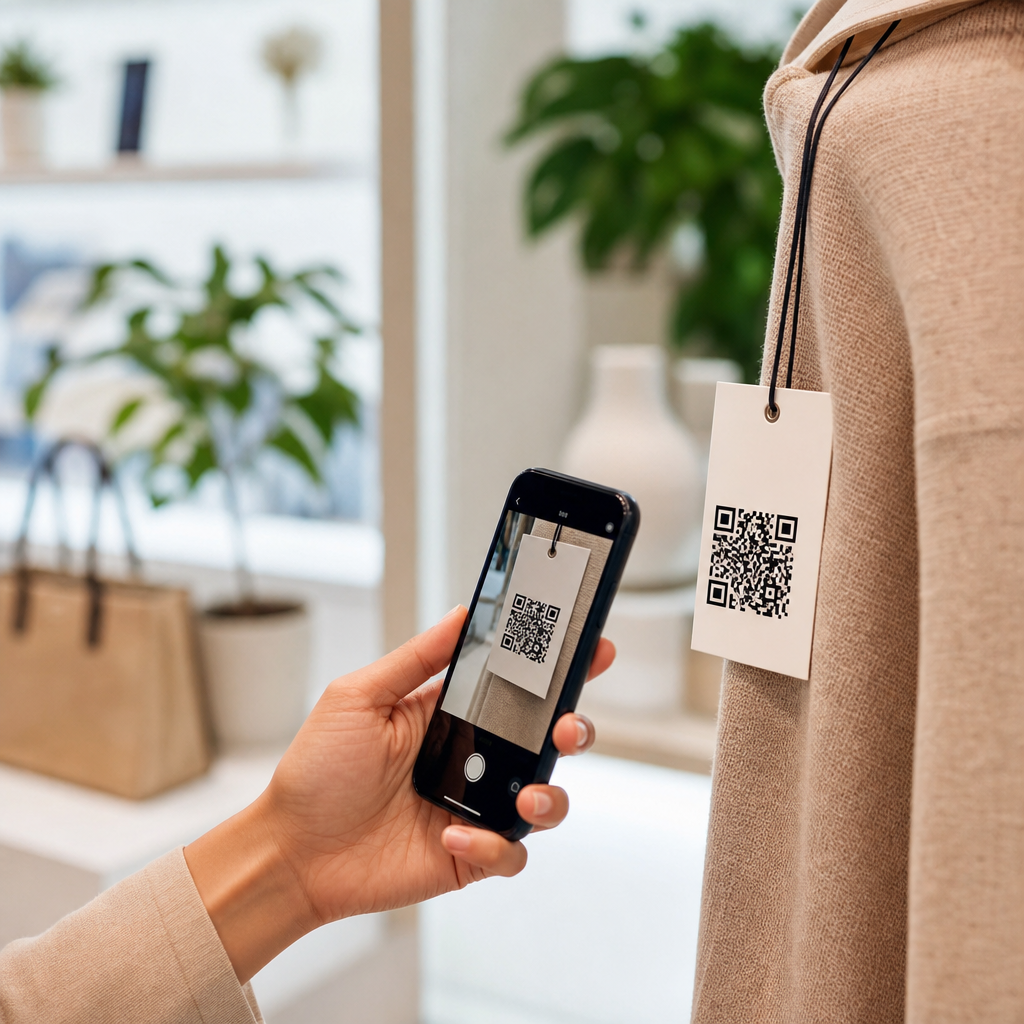
QR codes have moved far beyond their early reputation as plain black-and-white squares stuck on packaging. Today, brands use QR codes creatively to connect print and physical spaces with digital experiences, measure campaign performance, personalize customer journeys, and turn ordinary touchpoints into interactive media. In practical terms, a QR code is a scannable matrix barcode that opens a destination such as a website, video, coupon, app download, payment page, form, or augmented reality experience. When marketers talk about creative QR code campaigns, they mean using that scan action as part of a broader brand strategy rather than treating the code as a simple link.
This matters because customer attention is fragmented, while offline media remains expensive and difficult to attribute. A poster, package, event booth, direct-mail piece, or storefront display can spark interest, but interest fades quickly if the next step is awkward. QR codes remove friction. A person sees, scans, lands, and acts within seconds. I have seen campaigns lift engagement simply by replacing a long URL with a branded code tied to a mobile-first landing page. The value is not the square itself; the value is what happens after the scan, how well it fits the context, and how clearly it solves a customer need.
Brands also benefit from richer data. Dynamic QR platforms such as Bitly, QR Code Generator Pro, Beaconstac, Scanova, and Flowcode let teams update destinations after printing, segment traffic by location or asset, and compare scans with downstream conversions in Google Analytics 4, HubSpot, Salesforce, or Shopify. This makes QR code branding a performance channel, not just a design element. Used well, creative QR code campaigns can increase response rates, support omnichannel attribution, extend packaging into owned media, and make physical environments measurable in ways that were difficult a decade ago.
Why creative QR code campaigns work
Creative QR code campaigns work because they align convenience with curiosity. Most consumers already know how to scan a code using a phone camera, so the barrier to entry is low. The strongest campaigns place the code at a moment of intent: on a restaurant table when someone wants a menu, on a product package when someone wants instructions, or on event signage when someone wants the schedule now. That timing matters more than novelty. A code that appears exactly when a user needs the next step usually outperforms one added as decoration.
There is also a psychological advantage. Good QR experiences promise immediate value in exchange for a tiny action. That value might be exclusive content, a faster checkout, a contest entry, loyalty points, setup help, or a personalized recommendation. In retail, I have seen scan rates rise when the call to action names the benefit directly, such as “Scan for shade match,” “Scan for assembly video,” or “Scan to save your size.” Specificity beats vague prompts like “Learn more.” The code becomes a bridge between attention and utility.
Measurement strengthens the business case. Marketers can create separate dynamic codes for in-store displays, magazine ads, packaging variants, and out-of-home placements, then compare scan rate, engagement time, bounce rate, and purchase completion. If one store window drives many scans but low conversions, the issue may be the landing page, not the placement. If a package insert converts well, that signal can justify expanding inserts into more SKUs. Creative does not mean unstructured. The best QR code branding combines imagination with campaign architecture, tracking discipline, and mobile UX fundamentals.
Packaging as an interactive brand channel
Packaging is one of the most powerful places for creative QR code campaigns because it reaches customers at the moment of ownership. Once a product is in hand, attention is unusually focused. Brands use QR codes on boxes, labels, tags, and inserts to deliver setup tutorials, ingredient sourcing stories, authenticity verification, loyalty enrollment, refill reminders, and cross-sell recommendations. Beauty brands often link to shade guides or application tutorials. Food brands use codes for recipes, farm traceability, or nutrition explanations. Consumer electronics companies use codes for quick-start videos that reduce support calls and returns.
One effective pattern is post-purchase onboarding. Instead of printing dense instructions, a brand can place a QR code near the unboxing area with a direct prompt such as “Scan for a 60-second setup guide.” This helps customers complete the first success milestone faster. In my experience, onboarding codes perform best when they open a lightweight page with short videos, FAQs, and optional registration, not a generic homepage. The same code can later redirect to seasonal content or accessories if it is dynamic, extending the life of the printed asset.
Packaging codes also support trust. Luxury goods, supplements, and cosmetics increasingly use QR links to authenticity pages, batch details, or test certificates. Regulations differ by market, but transparency has become a branding asset as well as a compliance issue. When the experience is clean and credible, the code reassures buyers and differentiates the product from lookalikes on crowded shelves.
Retail, hospitality, and in-store experiences
In physical locations, QR codes help brands blend service, storytelling, and sales. Retailers place them on shelf talkers, mirrors, fitting rooms, endcaps, and window displays. Hospitality brands use them on menus, room materials, and table tents. The strongest examples solve a real problem in the environment. A furniture showroom can use a code to open dimensions, assembly videos, and stock availability. A fashion store can let shoppers scan a hanger to see sizes available online, customer photos, and care instructions. A café can link to allergen details, origin stories, or a loyalty signup that takes less than a minute.
Window displays are especially useful because they extend storefront value after hours. A passerby can scan a code on the glass to browse featured products, book an appointment, or claim a local offer even when the store is closed. This turns fixed signage into a conversion opportunity. In restaurants, table-based codes can do more than replace menus. They can collect waitlist entries, invite feedback before a negative review is posted publicly, and trigger reordering. The key is speed. If the landing experience is slow, cluttered, or forces an app download too early, the scan feels like work.
| Use case | Best placement | Primary customer value | Main metric |
|---|---|---|---|
| Product tutorial | Packaging insert | Faster setup | Video completion rate |
| Storefront promotion | Window display | After-hours shopping | Scan-to-session rate |
| Menu and upsell | Table tent | Faster ordering | Average order value |
| Event lead capture | Booth signage | Instant registration | Qualified leads |
| Loyalty enrollment | Receipt or bag | Rewards access | Sign-up rate |
Events, out-of-home, and experiential marketing
QR codes are highly effective in events and out-of-home advertising because they reduce the gap between exposure and action. At trade shows, brands put codes on booth walls, badges, product pedestals, and demo screens so visitors can access spec sheets, book meetings, or enter giveaways without waiting for staff. This is valuable when booth traffic spikes. A code can collect lead details, tag interests, and push contacts into a CRM with source information attached. That makes follow-up faster and more relevant.
Out-of-home media benefits for a different reason: memorability is weak when people are moving. A billboard, transit poster, or street installation has seconds to convert attention. A QR code can capture that moment if the offer is immediate and mobile-friendly. For example, a streaming brand can promote a trailer, a travel company can open a route planner, or a nonprofit can launch a donation page with preset amounts. Placement matters. The code must be large enough, contrast well, and appear where a scan is physically possible. A code on a highway billboard may look modern but be functionally unusable.
Experiential campaigns add a layer of play. Museums, pop-up shops, and sports activations use codes to unlock hidden content, AR filters, scavenger hunts, or live voting. These formats work when the mechanic is intuitive and the reward feels worth it. I have found that the best experiential scans explain the action in one sentence and show the destination visually nearby, so the user knows what will happen next.
Social commerce, loyalty, and personalized journeys
Another creative use of QR codes is turning offline moments into personalized commerce. A printed code can send users to a landing page tailored by product line, geography, language, or campaign source. Dynamic routing makes this possible. A cosmetics brand can place one visible code style across many stores while routing shoppers to different local inventory pages. A beverage brand can use codes on multipacks to launch a rewards portal, then personalize offers based on prior scans, purchase history, or declared preferences.
Loyalty programs benefit because QR codes simplify enrollment and repeat engagement. Instead of asking customers to search for an app or type a URL, brands can place a code on receipts, cups, bags, and email signatures. The scan can open a short form, pass campaign metadata, and deliver an immediate incentive such as a welcome discount or points bonus. For repeat visits, a unique customer code can support wallet passes, member IDs, or stored-value systems. This is common in quick-service restaurants, coffee chains, and entertainment venues where speed matters.
Personalization should be useful, not intrusive. If a user scans a product in-store, the destination should reflect that product, not force a generic catalog experience. If a code appears in direct mail, the page should continue the same offer and message. Consistency between physical context, scan promise, and landing content is what makes QR code campaigns feel seamless rather than gimmicky.
Design principles and common mistakes
Creative QR code branding still depends on execution basics. First, maintain scannability. Branded colors, logos, and custom shapes can improve recognition, but too much styling reduces error tolerance. Use sufficient contrast, preserve quiet space, and test on multiple phone models under realistic lighting. Second, pair every code with a clear call to action. Tell people exactly what they get by scanning. Third, send traffic to a mobile-first destination that loads quickly, respects privacy expectations, and minimizes form friction.
Common mistakes are predictable. Brands print static codes, then discover the destination needs updating after distribution. They place codes where users cannot comfortably scan, such as curved surfaces, reflective materials, moving vehicles, or crowded lower corners. They ask for too much too soon, pushing long forms before establishing value. They also forget governance. If ten teams create codes without naming conventions, UTM standards, or ownership rules, reporting becomes unreliable. I recommend a simple operating model: approved design templates, dynamic code management, analytics tagging, redirect testing, and periodic audits of live destinations.
Accessibility matters too. Include plain-language context near the code, avoid tiny placement, and consider users with limited connectivity by keeping pages lightweight. For regulated industries, review claims, disclosures, and data handling before launch. Creativity works best when trust is built into the experience from the first scan.
How to plan a creative QR code campaign that performs
Start with the customer moment, not the code. Identify where friction exists in a real journey: discovery, consideration, purchase, onboarding, loyalty, or advocacy. Then define one primary action for the scan. Build the destination specifically for that action, with concise copy, visible proof, and one next step. Choose a dynamic QR platform, set measurement conventions, and create variant codes by channel or location. Before printing, test scan speed, page load, analytics events, and fallback behavior on iPhone and Android devices.
Next, align the creative idea with economics. If the code is on packaging, estimate its value in reduced support contacts, higher registration, stronger repeat purchase, or referral revenue. If it is in retail, compare scans with sales lift by store. If it is at an event, measure cost per qualified lead instead of raw scans. These practical metrics help teams defend investment and improve future campaigns. They also reveal when a simple QR use case beats a flashy one. Not every campaign needs augmented reality. Sometimes the most creative choice is delivering exactly the right information with no wasted taps.
Finally, treat this topic as a connected program, not isolated experiments. Packaging, retail, events, loyalty, and out-of-home can all feed a common measurement framework and brand system. That is why creative QR code campaigns deserve a hub approach within QR code design and branding. When the code, context, message, and destination work together, brands turn physical touchpoints into measurable, useful, and memorable experiences. Audit your current customer journey, find one high-intent moment, and build a QR experience that earns the scan.
Frequently Asked Questions
1. How are brands using QR codes creatively beyond basic product links?
Brands are using QR codes as gateways to immersive, measurable, and highly contextual experiences rather than simple links to homepages. Instead of placing a code on packaging that leads to a generic website, many companies now direct customers to product tutorials, behind-the-scenes videos, ingredient sourcing stories, loyalty sign-up pages, limited-time promotions, and interactive brand experiences. In retail, a QR code on a shelf tag might unlock styling advice, customer reviews, or a “see it in your room” augmented reality feature. In restaurants, a code can do far more than display a menu; it can also surface chef interviews, wine pairing suggestions, dietary filters, or instant reordering options. At events, brands use QR codes on signage, badges, and booths to connect attendees to exclusive content, contests, appointment scheduling, and lead capture forms.
What makes these uses creative is the way the QR code fits naturally into the customer journey. A code on a billboard can launch a location-based offer. A code on direct mail can open a personalized landing page that reflects the recipient’s segment or campaign source. A code on product packaging can trigger a post-purchase onboarding flow with setup guides, warranty registration, and cross-sell recommendations. Some brands even use QR codes as part of gamified campaigns, scavenger hunts, or social media activations that reward scanning with points, prizes, or unlockable content. In short, the most effective uses treat the QR code as a bridge between physical attention and digital action, turning static touchpoints into responsive media.
2. Why are QR codes so valuable for connecting physical marketing with digital experiences?
QR codes are valuable because they remove friction at the exact moment a customer is engaged with a physical object or environment. Traditional print advertising, packaging, posters, product displays, and out-of-home signage often struggle with one basic limitation: they can attract attention, but they cannot easily continue the conversation. A QR code solves that problem by giving people an immediate path from offline discovery to online interaction. With one scan, someone can move from seeing a product on a store shelf to watching a demo, claiming an offer, joining a loyalty program, reading reviews, or making a purchase. That transition is fast, intuitive, and increasingly familiar to consumers.
From a brand perspective, this connection is especially powerful because it allows offline marketing to become interactive and trackable. Print pieces no longer have to end with a generic URL that many people will forget to type later. Instead, the scan can bring users to a campaign-specific destination optimized for mobile behavior. This makes physical placements much more actionable while also giving marketers clearer visibility into engagement. Brands can compare scans across locations, creative variations, time periods, or customer segments, helping them understand which physical touchpoints are truly driving interest. That combination of convenience for the customer and measurement for the marketer is one of the biggest reasons QR codes have become a core tool in omnichannel campaigns.
3. How do brands use QR codes to personalize customer journeys?
Brands use QR codes to personalize customer journeys by tailoring what happens after the scan based on context, audience, product, and campaign source. The same type of code can send different users into highly relevant experiences depending on where the code appears and what stage of the journey the customer is in. For example, a QR code on premium product packaging might lead to exclusive owner content, while a code in a window display might direct first-time shoppers to a welcome offer. A code on a receipt can support retention with feedback requests, loyalty enrollment, and personalized recommendations based on what was purchased. This allows brands to match the digital destination to the customer’s likely intent instead of sending everyone to the same generic page.
Personalization also becomes stronger when QR campaigns are connected to analytics, CRM systems, or dynamic landing pages. A brand can create different codes for different regions, stores, media placements, or customer segments and then adjust the destination, message, or offer accordingly. In some cases, the content can change over time without replacing the printed code, which is especially useful for seasonal promotions, replenishment reminders, or staggered product education. This helps brands deliver more relevant follow-up experiences, whether that means showing setup instructions for a specific device, offering rewards to existing members, or presenting content in the user’s language. The result is a smoother, more intentional customer journey that feels less like a mass broadcast and more like a guided interaction.
4. Can QR codes help brands measure campaign performance and ROI?
Yes, QR codes can be extremely effective for measuring campaign performance because every scan creates a potential data point tied to a specific asset, channel, location, or audience. When brands generate unique QR codes for different print ads, packaging runs, in-store displays, event booths, mailers, or out-of-home placements, they can track which touchpoints are generating the most engagement. This makes it easier to evaluate offline marketing with a level of precision that was historically difficult to achieve. Instead of relying only on broad estimates or post-campaign surveys, marketers can review scan volume, time of day, geography, device type, landing-page visits, conversions, and downstream actions such as sign-ups, purchases, or coupon redemptions.
The real value comes when scan data is tied to clear campaign goals. A brand might use QR codes to measure how many people moved from a product package to a recipe page, how many event attendees booked demos from booth signage, or how many shoppers redeemed a mobile coupon from a shelf display. That visibility helps teams compare creative concepts, optimize placement, refine messaging, and allocate budget more intelligently. If one store display drives significantly higher scan-to-purchase rates than another, the brand can scale what works. If a billboard gets scans but few conversions, the destination page or offer may need improvement. In this way, QR codes are not just engagement tools; they are performance tools that help brands connect offline exposure to digital outcomes and revenue impact.
5. What makes a branded QR code campaign successful?
A successful branded QR code campaign starts with relevance, clarity, and value. People are much more likely to scan when the reason is obvious and the payoff is worthwhile. That means the call to action should clearly explain what the user will get, such as “Watch the tutorial,” “Unlock 15% off,” “See the product in AR,” or “Enter the giveaway.” Placement matters just as much. The code should appear where people have enough time, lighting, and motivation to scan it, whether that is on packaging, point-of-sale displays, print inserts, restaurant tables, or event materials. The destination must also be mobile-friendly, fast-loading, and aligned with what was promised. If the code leads to a confusing homepage or a poor mobile experience, trust and conversion rates drop quickly.
Strong campaigns also reflect good technical and creative execution. Brands should use high-quality, easy-to-scan codes with enough contrast and proper sizing, and they should test them across devices before launch. Many successful campaigns use dynamic QR codes so marketers can update destinations, fix errors, or optimize content after distribution without reprinting materials. It is also important to track meaningful metrics rather than scans alone, including engagement depth, form completions, purchases, and repeat interactions. Finally, the best campaigns treat QR codes as part of a broader experience strategy, not a novelty. When a scan helps a customer solve a problem, discover something useful, save time, or access exclusive content, the QR code becomes a practical extension of the brand experience rather than a decorative add-on.